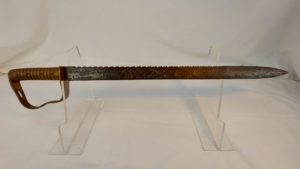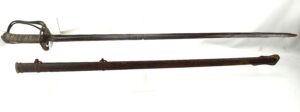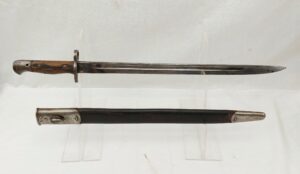
*British, Military Gymnasium Training Sabre, Wilkinson London, Dated March 1906, War Department Marked*
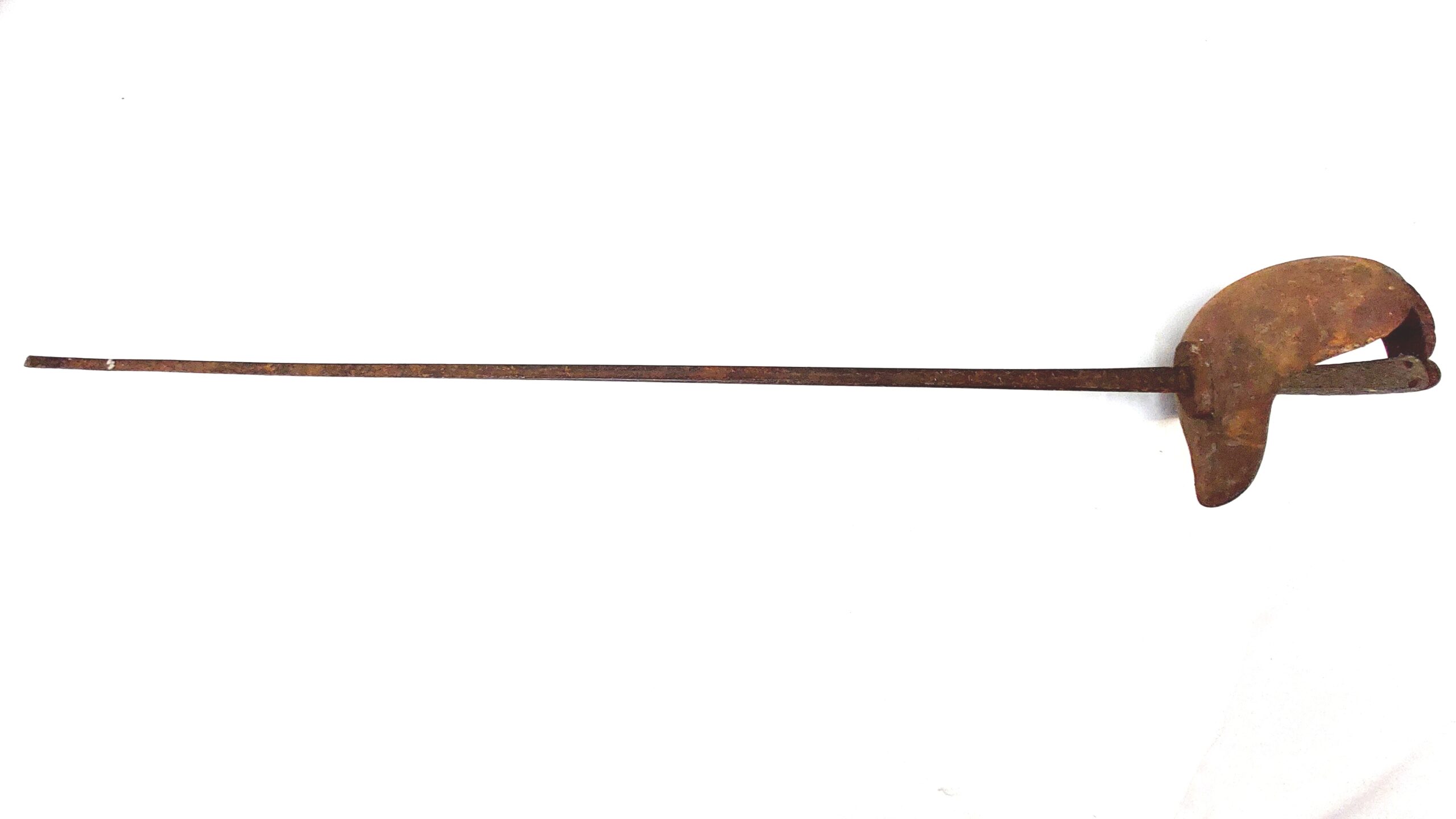
An original early 20th century British military gymnasium sabre / sword exercise training weapon manufactured by the prestigious Wilkinson Sword Co., London and dated March 1906.
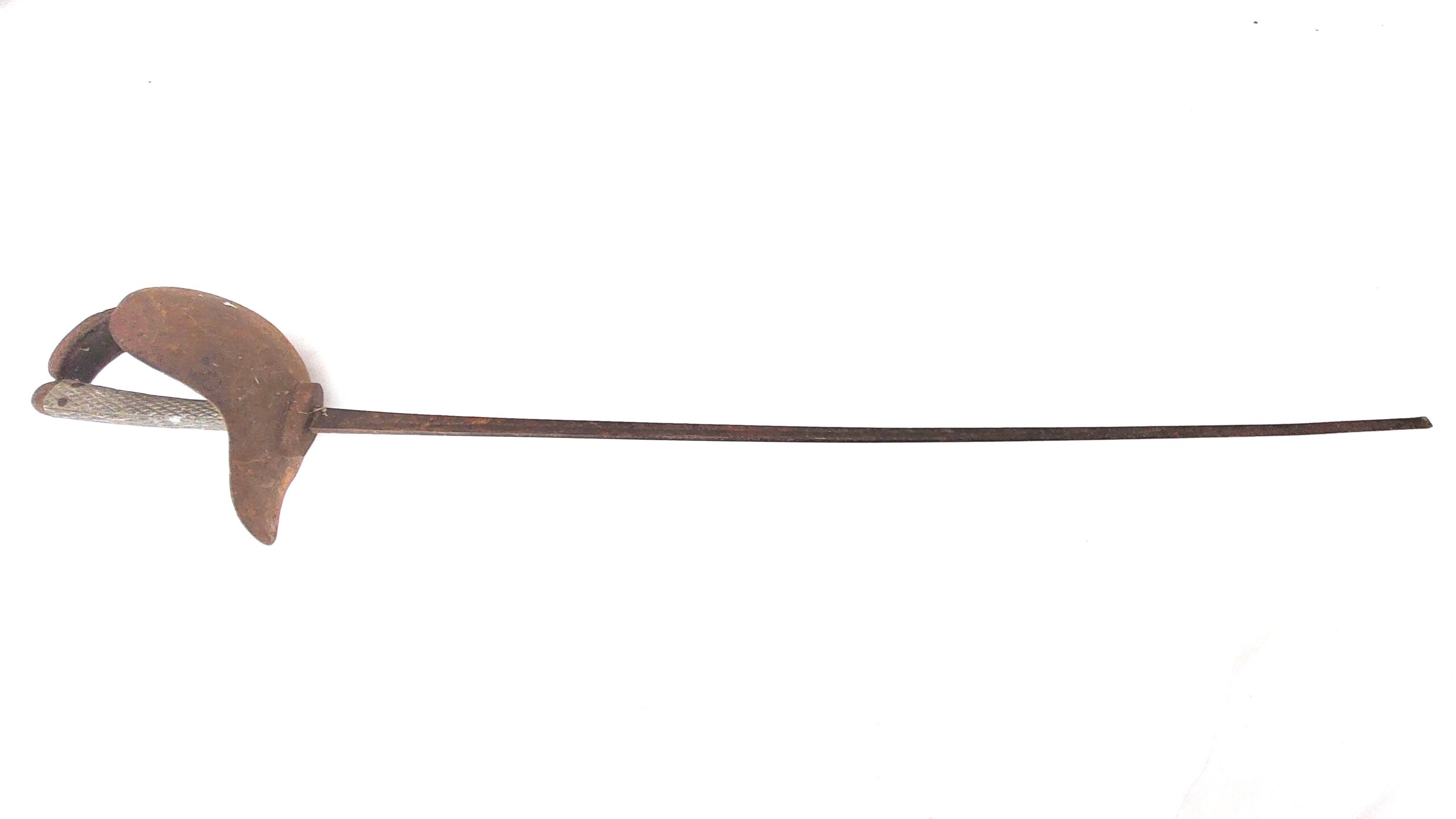
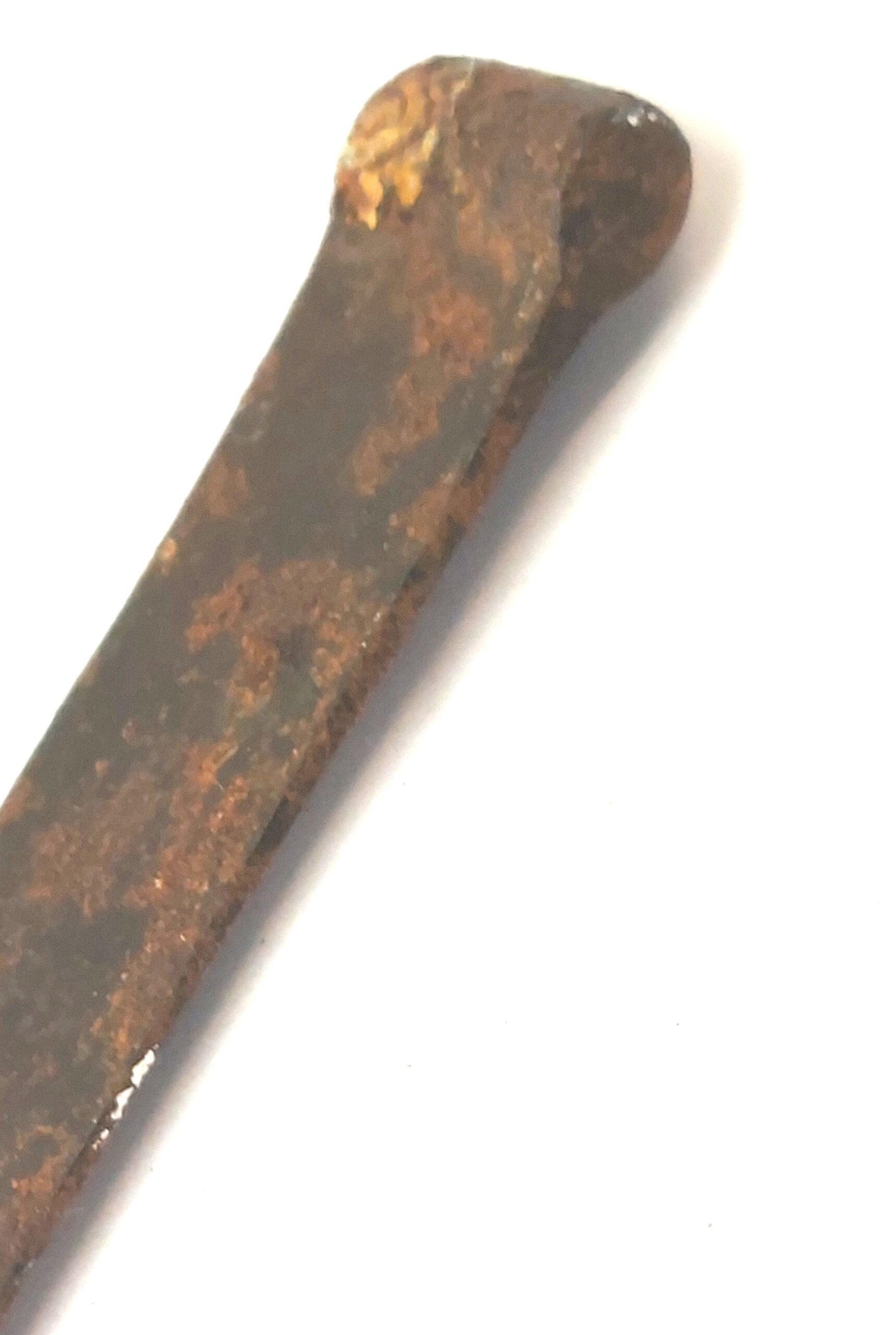
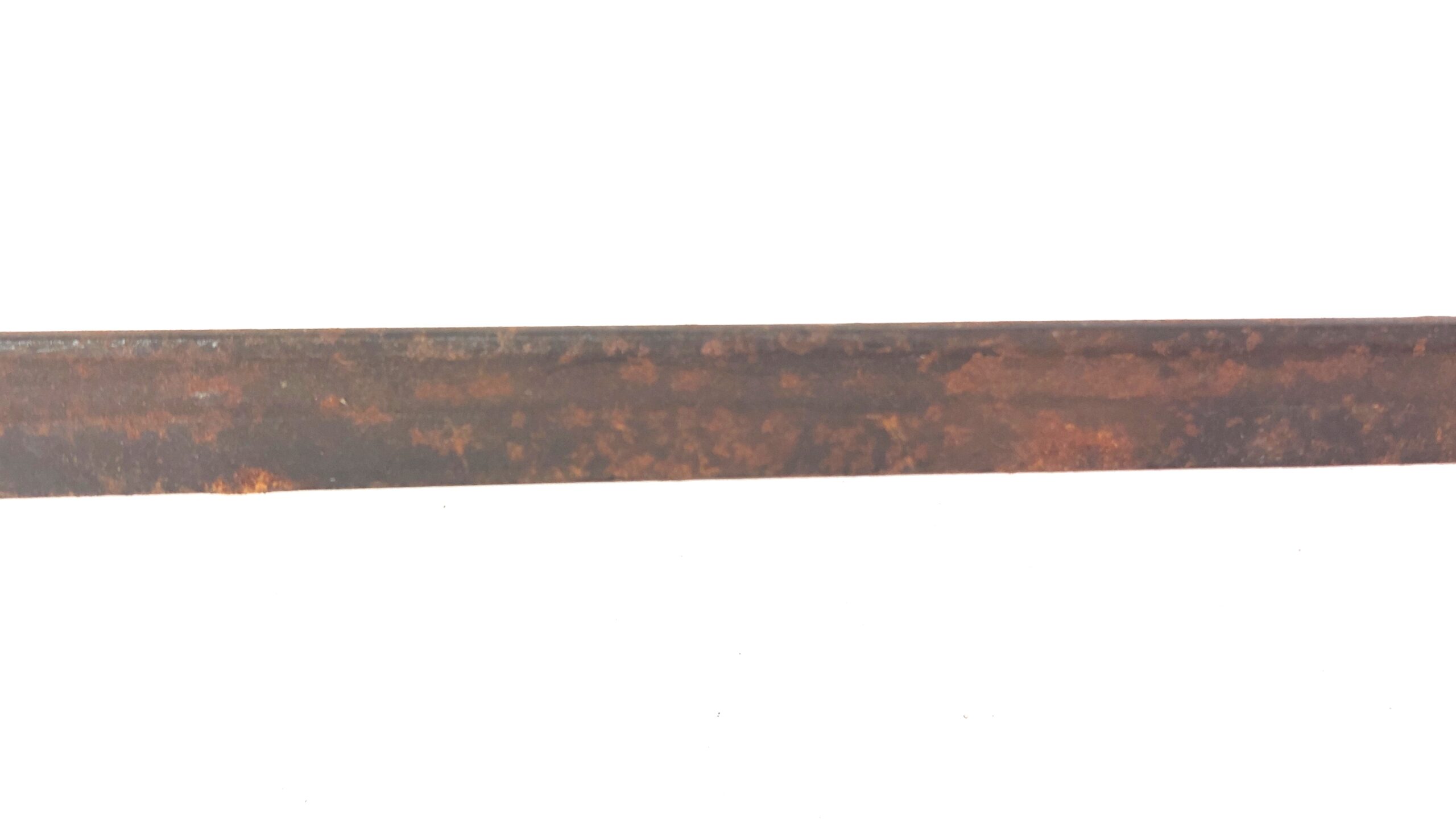
Unlike standard thrusting foils, this pattern features a long flattened rectangular-section practice blade designed to teach the cut-and-thrust doctrines utilised by British cavalry and infantry instructors during the late Victorian and Edwardian eras. The blade terminates in its original rolled bulbous safety tip intended for controlled sparring and drill work within military gymnasiums, fencing schools, and officer cadet establishments. The blade appears intentionally unsharpened throughout.
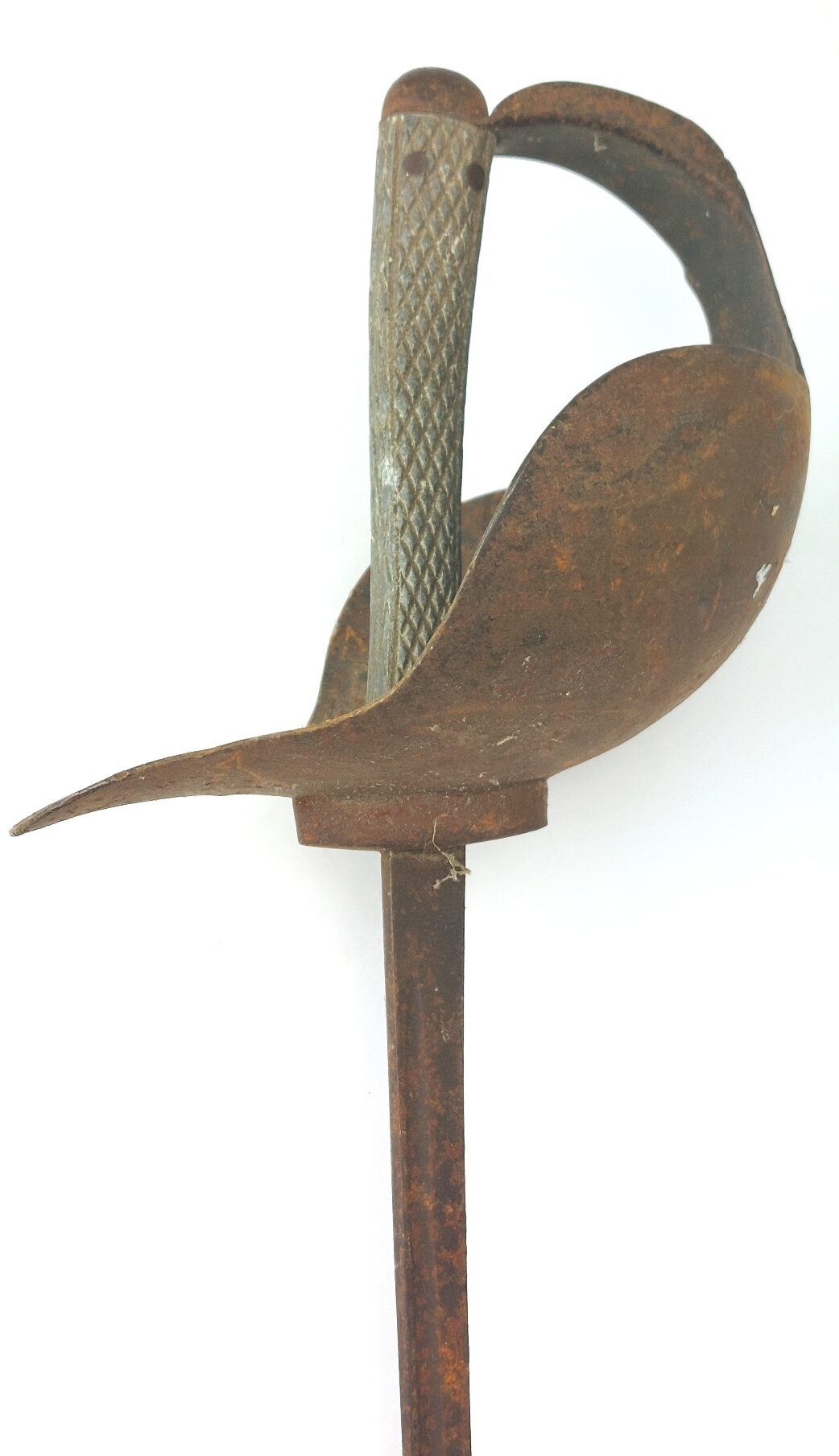
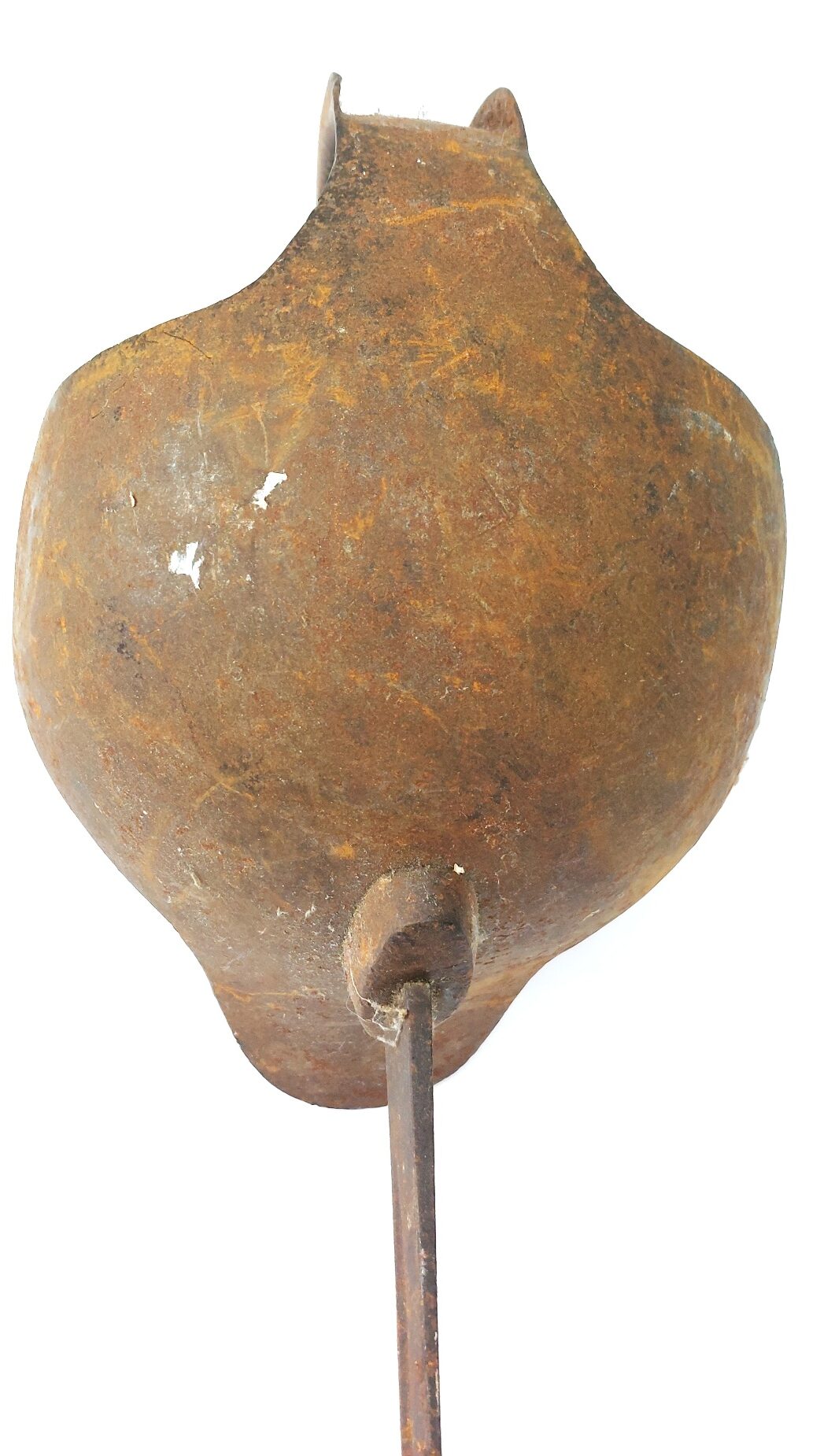
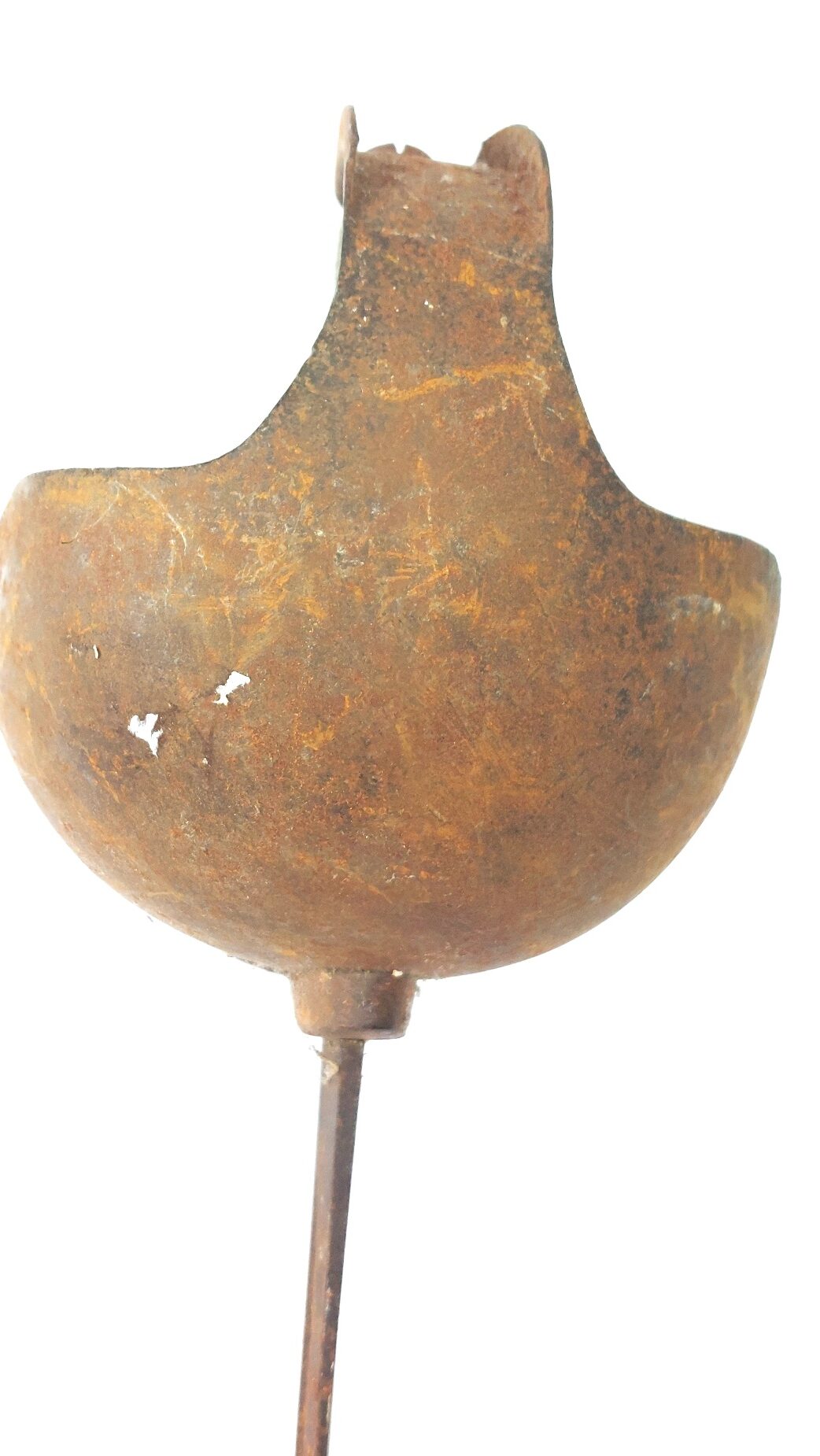
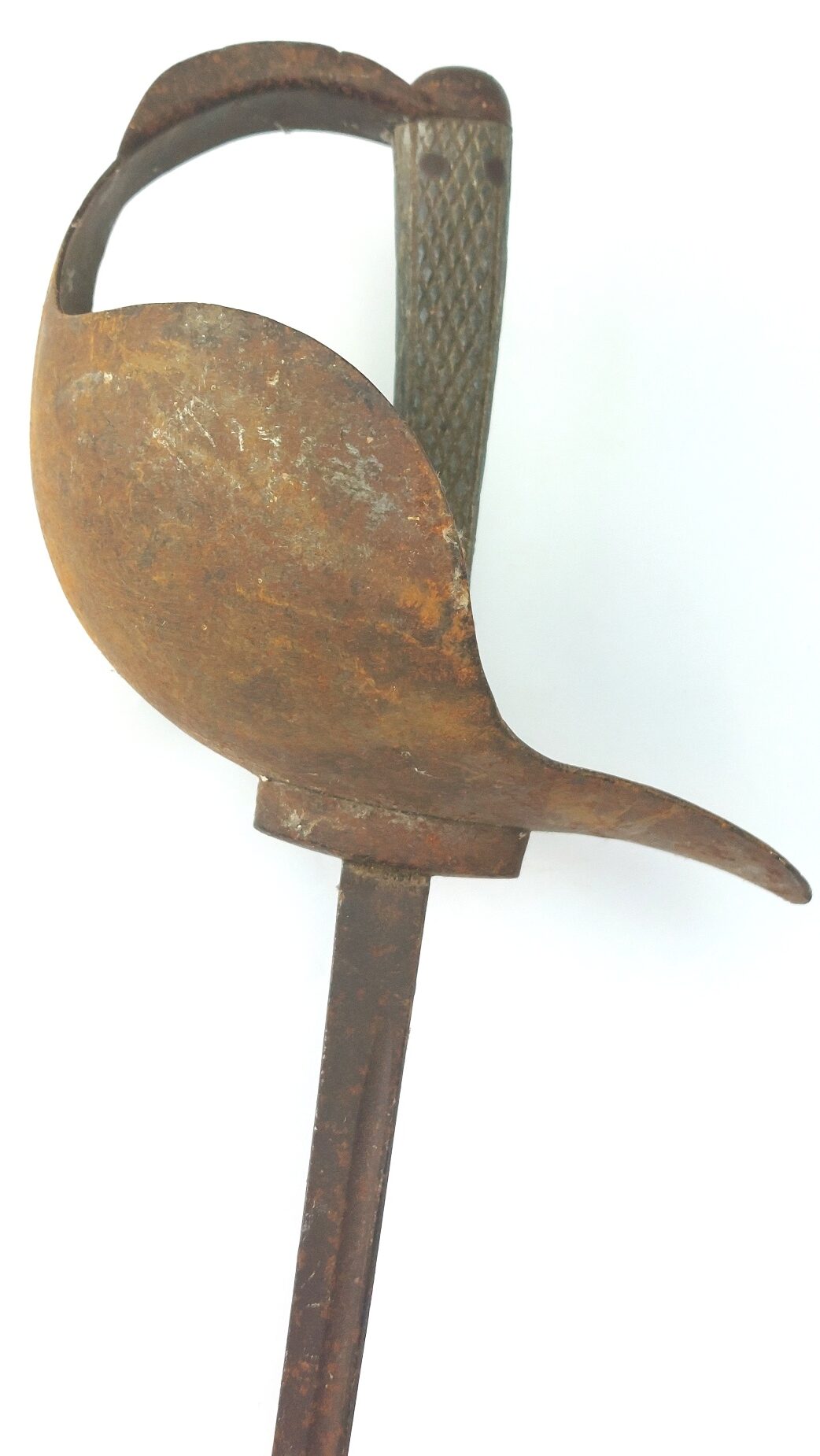
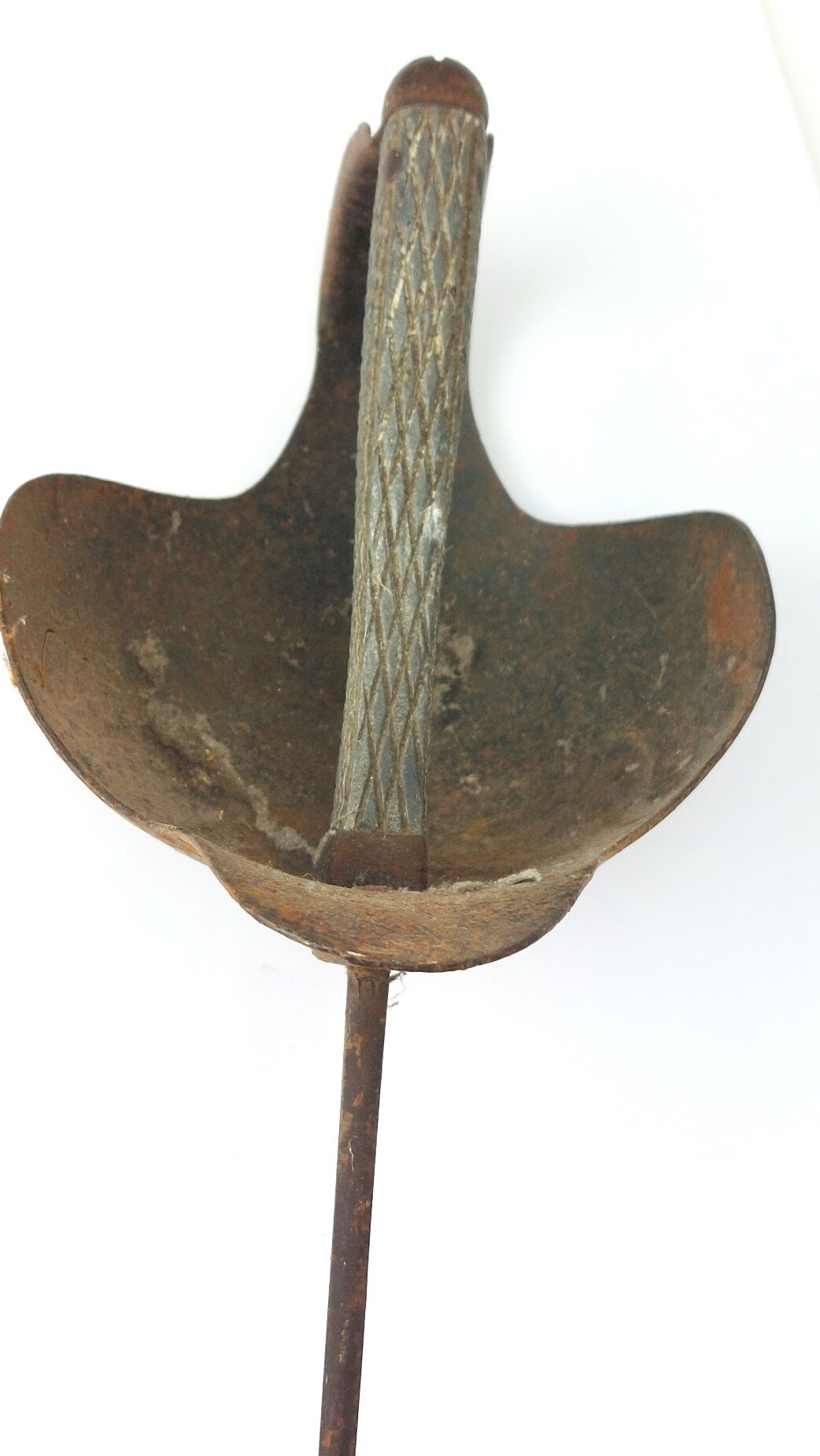
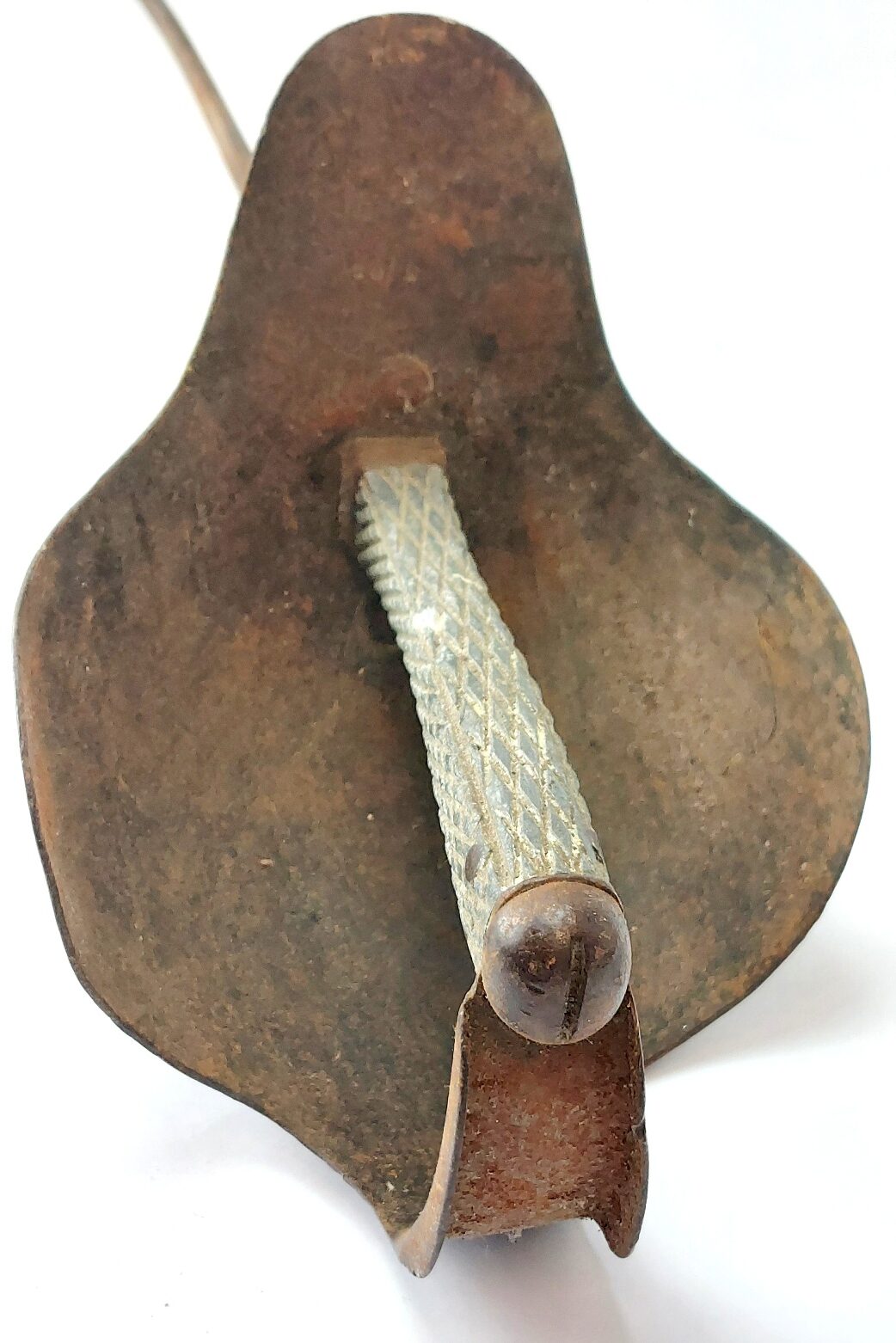
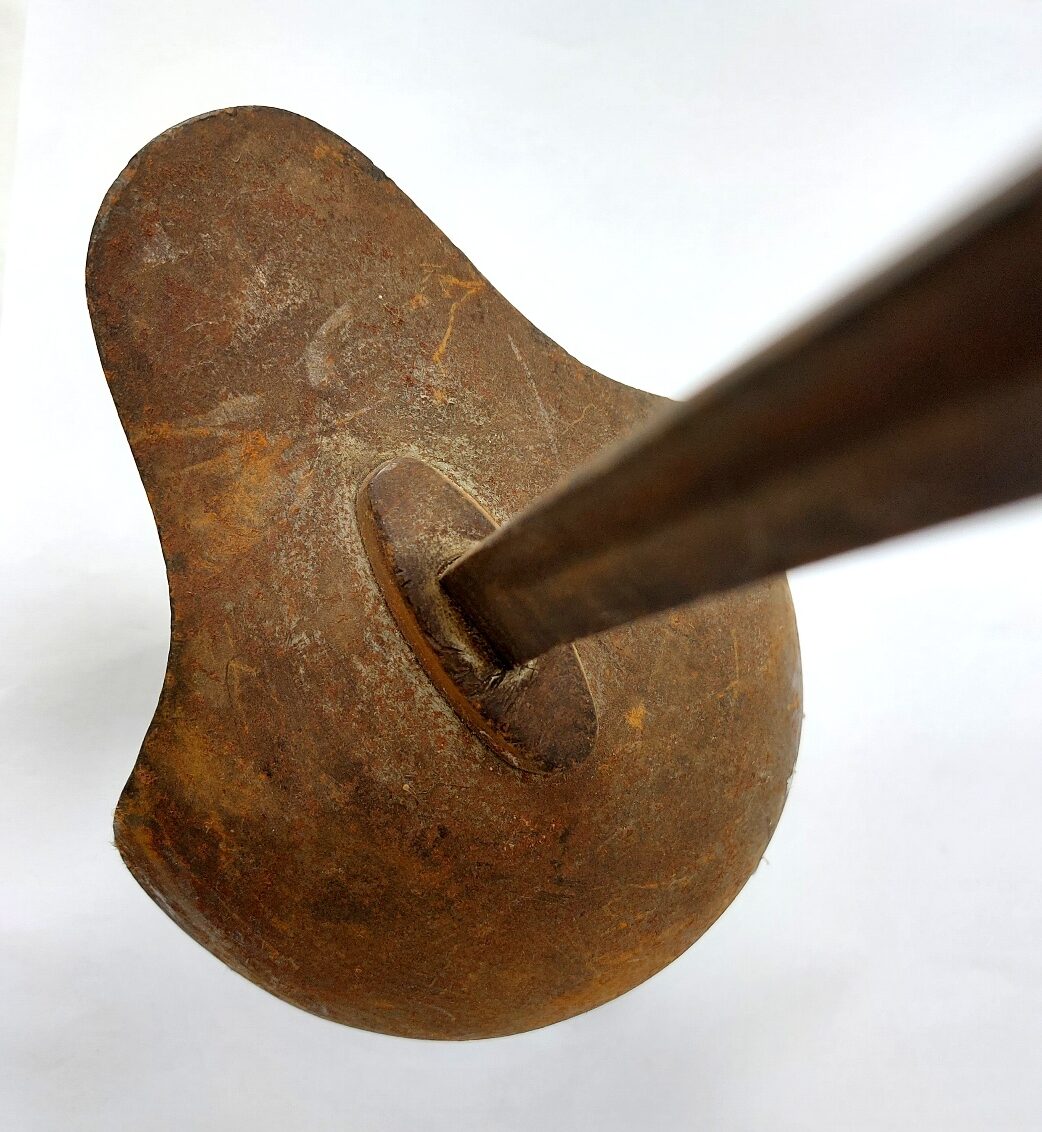
The substantial asymmetric pressed steel bowl guard provides full hand protection and incorporates a curved rear knuckle bow paired with a chequered metal grip and domed pommel cap.
Markings & Authenticity:
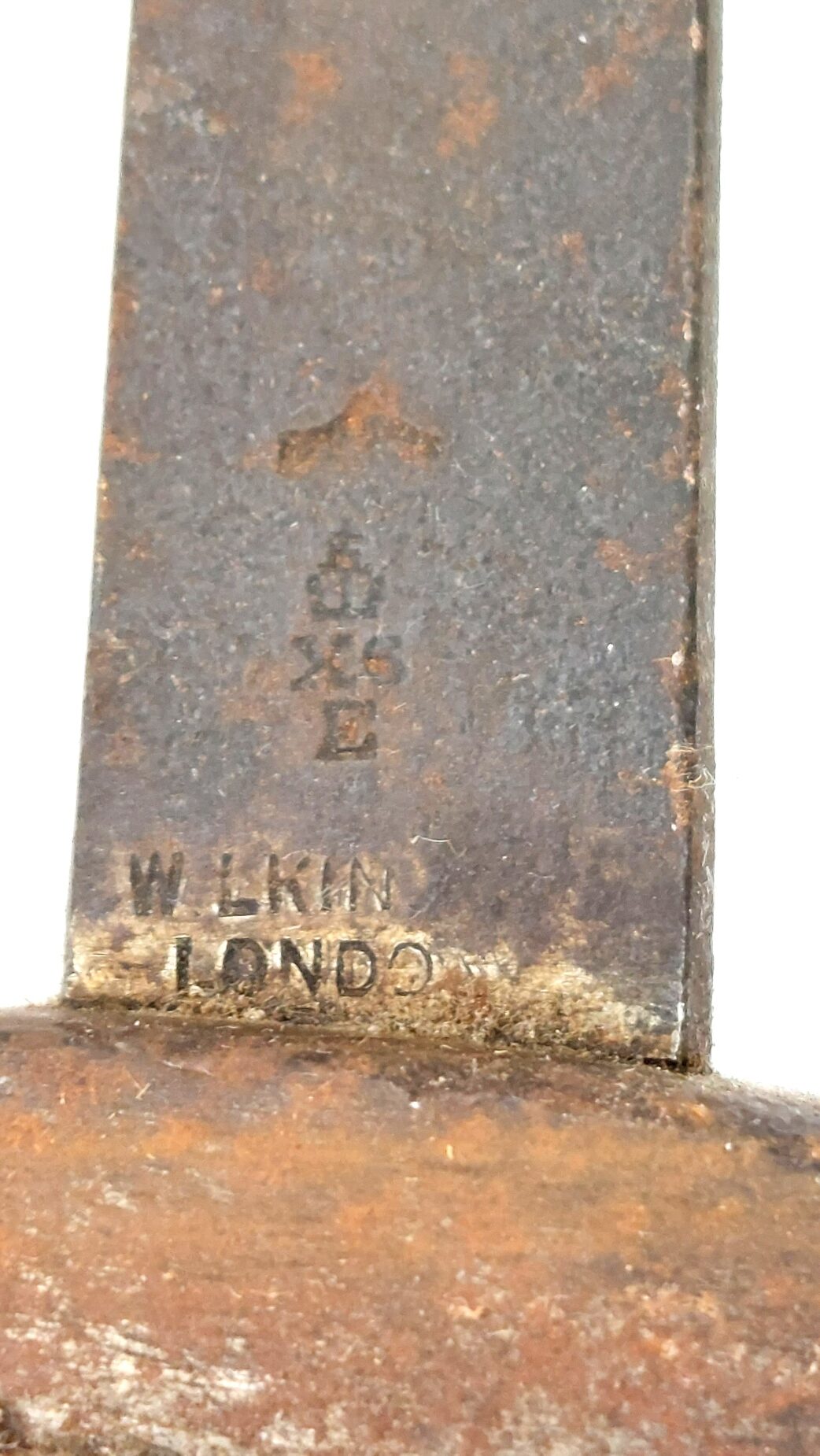
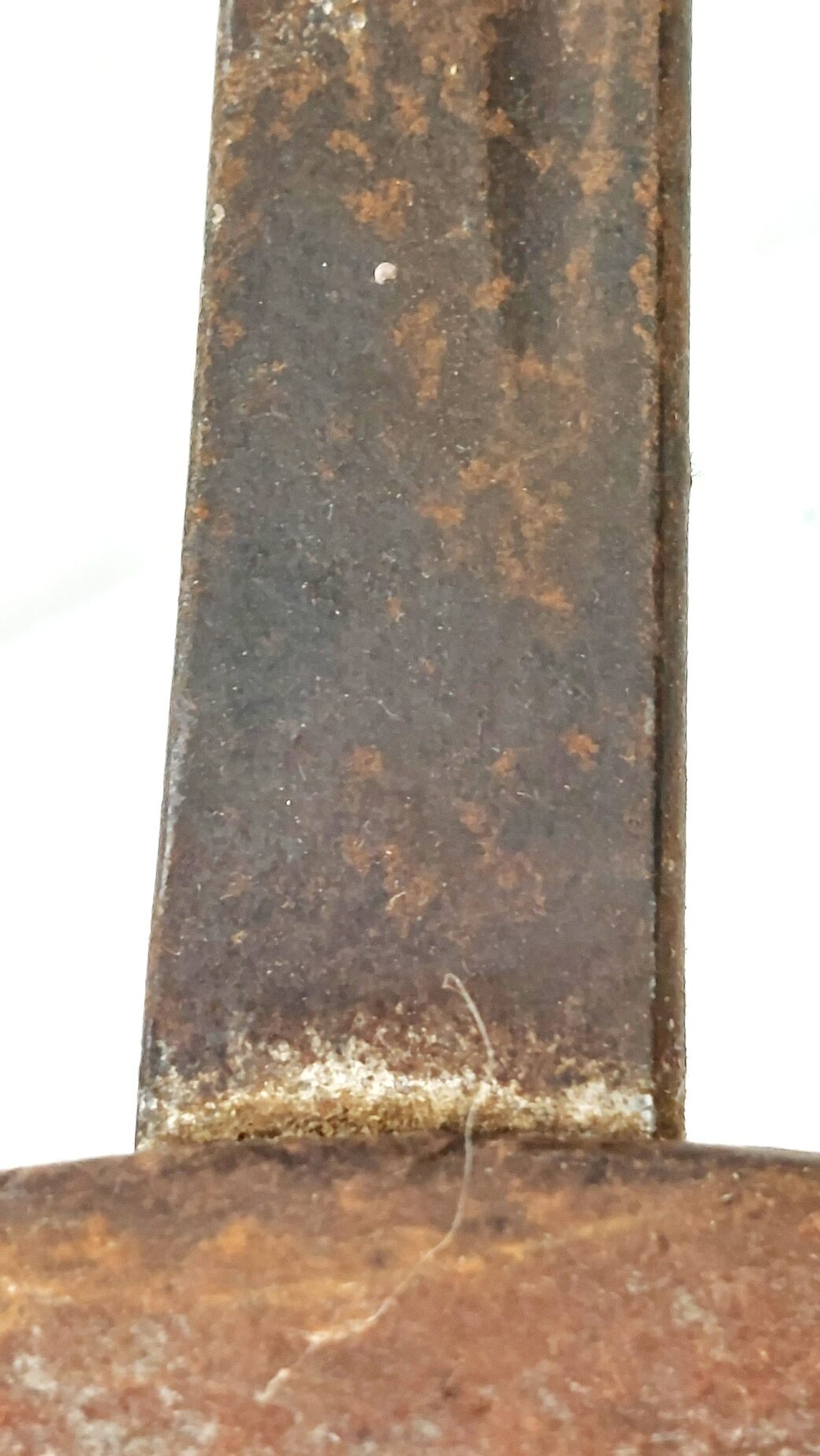
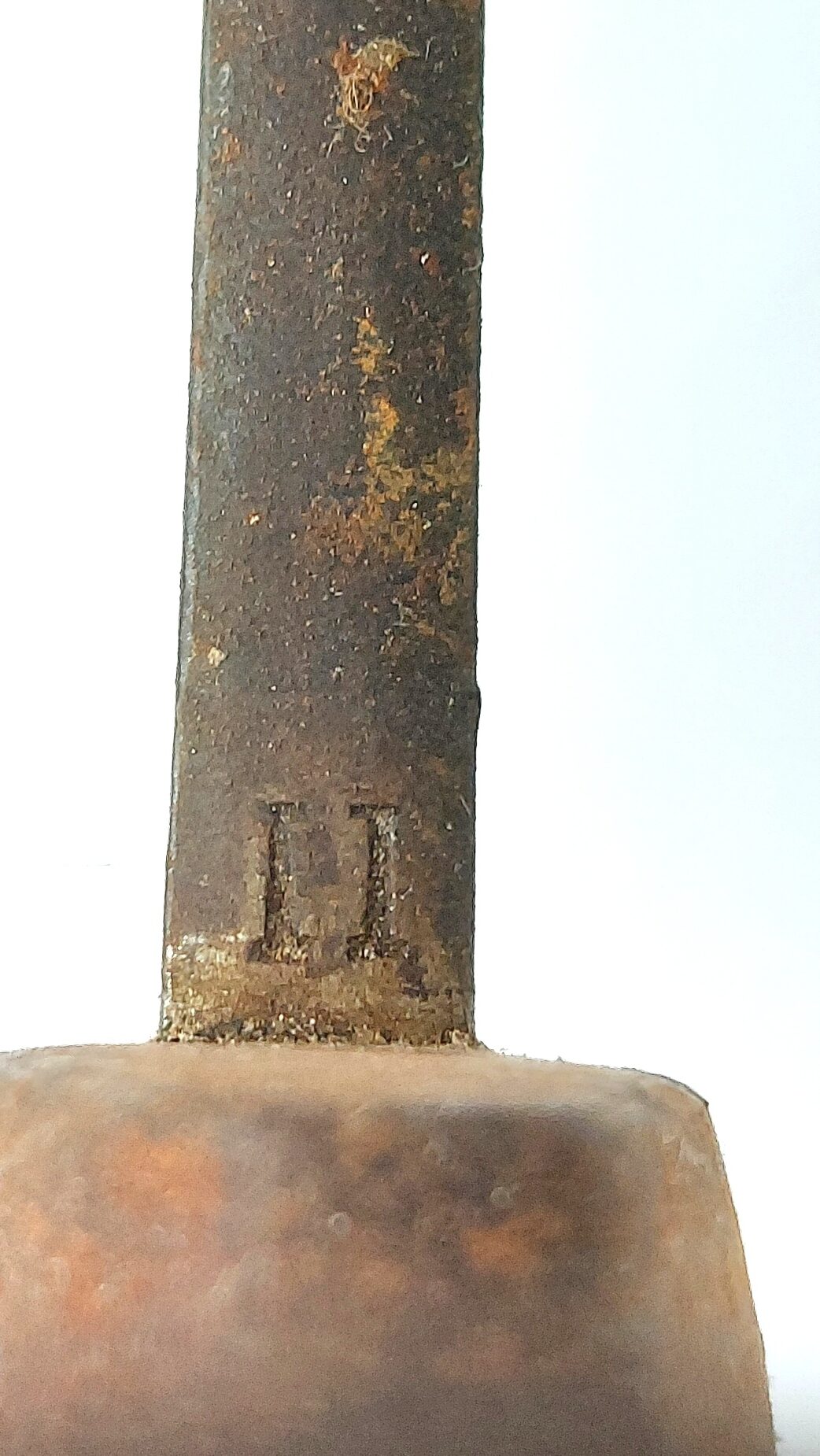
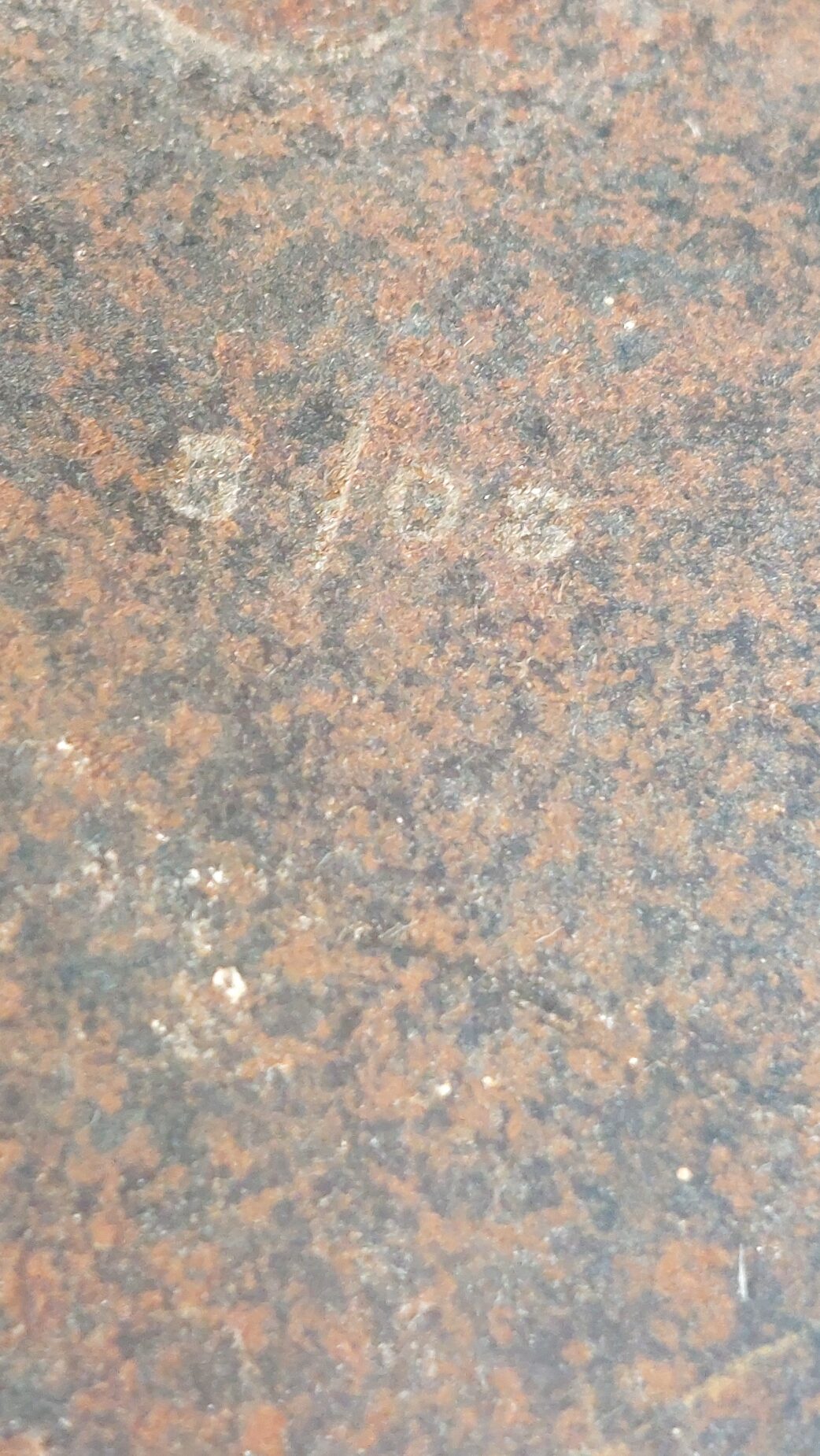
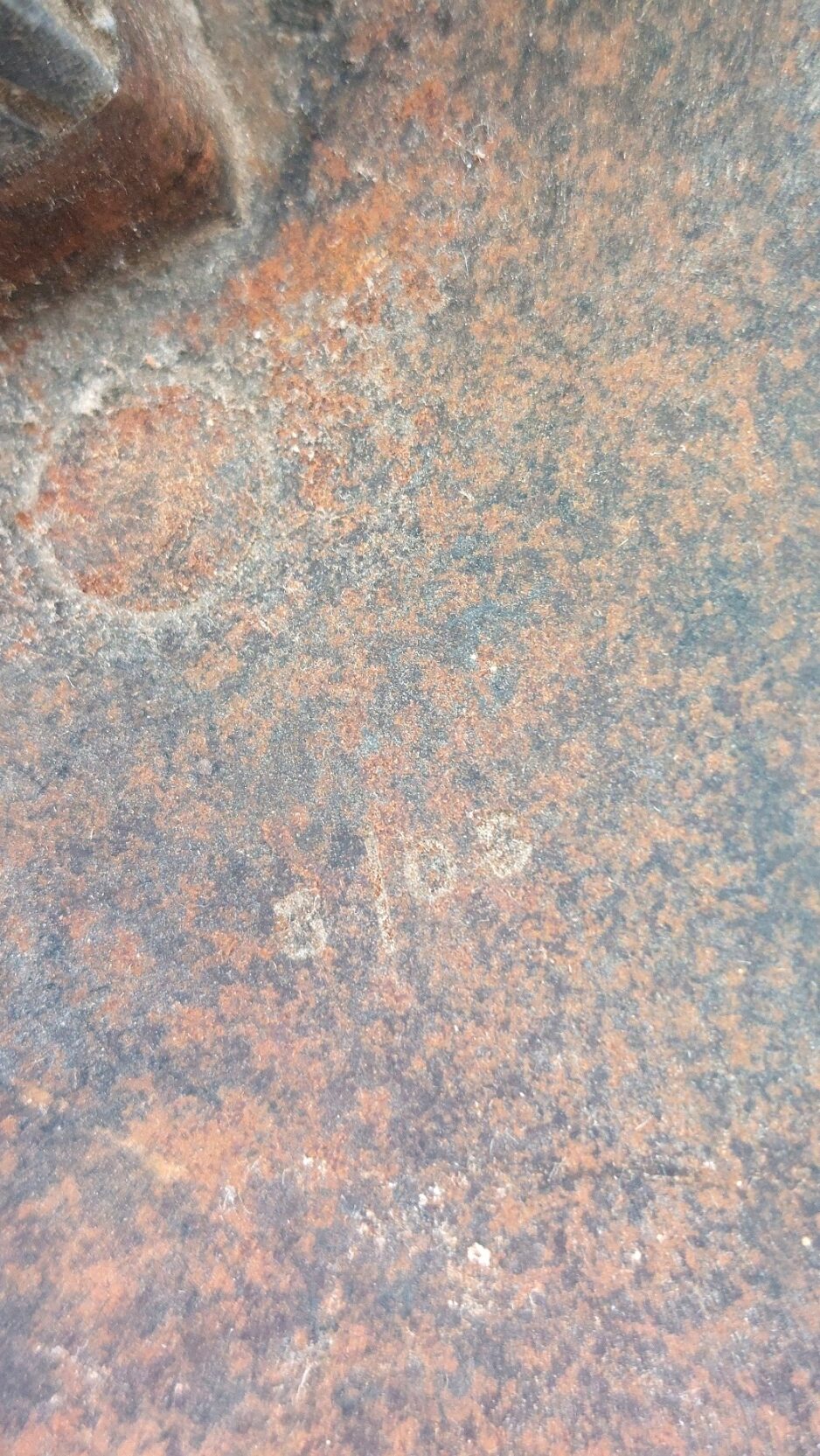
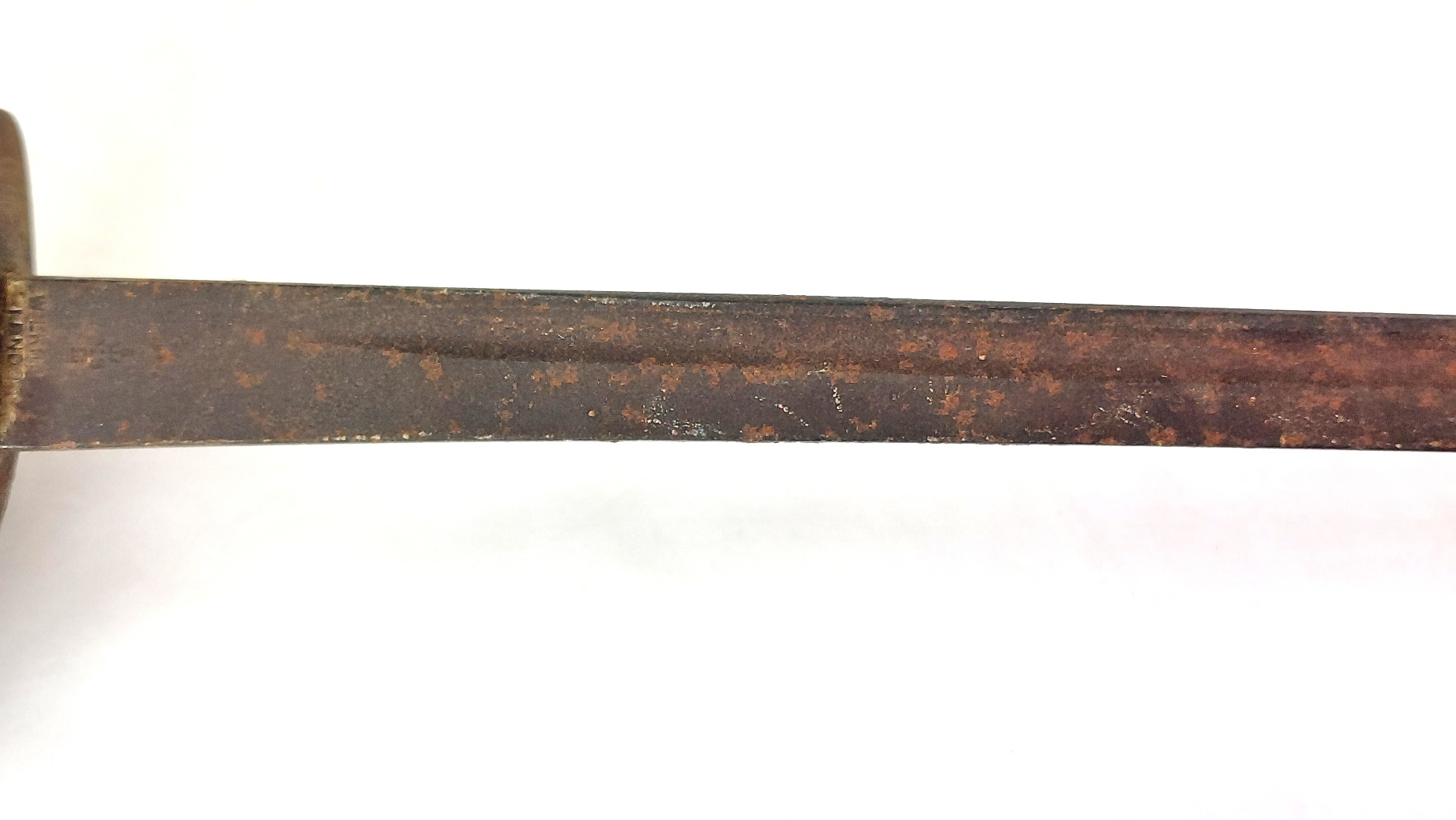
The ricasso is deeply stamped “WILKINSON LONDON” directly beneath British Government ownership and inspection markings including the official Broad Arrow and Crown inspection devices with associated characters including an “E”. The guard is stamped with the manufacturing date code “3 / 06” signifying March 1906. The spine carries an additional “II” stamp.
Approximate Measurements: Overall length: 104 cm. Blade length: 86.5 cm. Blade width: 1.6 cm at the ricasso, tapering to approx. 1 cm near the terminus.
History Note:
During the late 19th and early 20th century, structured swordsmanship remained an important component of British military training. Wilkinson produced specialised gymnasium sabres for use within Army fencing schools, cadet corps, volunteer formations, and regimental gymnasiums where troops practised regulated sword exercises derived from active service sabre systems such as the 1892 and 1896 pattern cavalry swords. These robust practice weapons incorporated protective bowl guards and rolled safety tips to permit realistic training while reducing the likelihood of serious injury.
*Condition*
The weapon survives in untouched attic-found condition with extensive surface oxidation, stable dark patination, and age-related pitting across all steel surfaces. The blade remains structurally straight overall and retains its original rolled safety tip. The hilt and guard assembly remain entirely secure. Factory and inspection markings remain clearly legible despite the oxidised surface. No evidence of modern cleaning or restoration observed. Please review the photographs carefully as part of the condition report.
RQMAAEXBBO_9235246040