WW1 Medals and AwardsBritish, WWI & WWII, 1914–1945, Court-Mounted Full Career Group of Five – A/Cpl F. Harding, Military Foot Police (France 1915) Later Constable, Devon Constabulary; WWI 1914–15 Star Trio, Named 1937 Coronation Medal (Devon) & Defence Medal with Named OHMS Issue Box; with Devonshire Regiment Proficiency Medal & Comrades of the Great War Badge
SKU / Ref. No: RQMAEOXBFO_2815230541
£295.00
A fully researched court-mounted WWI & WWII Group of Five to A/Cpl Frank Harding, Military Foot Police (France 1915) and later Devon Constabulary, with named 1937 Coronation Medal, Defence Medal in original named O.H.M.S. box, plus regimental Proficiency Medal and CGW badge.
Your message was sent. We will contact you shortly.
*British, WWI & WWII, 1914–1945, Court-Mounted Full Career Group of Five – A/Cpl F. Harding, Military Foot Police (France 1915) Later Constable, Devon Constabulary; WWI 1914–15 Star Trio, Named 1937 Coronation Medal (Devon) & Defence Medal with Named OHMS Issue Box; with Devonshire Regiment Proficiency Medal & Comrades of the Great War Badge*
A cohesive and research-supported full career service group awarded to Frank Harding, who served in the First World War, in the interwar Devon Constabulary, and on the Home Front during the Second World War.
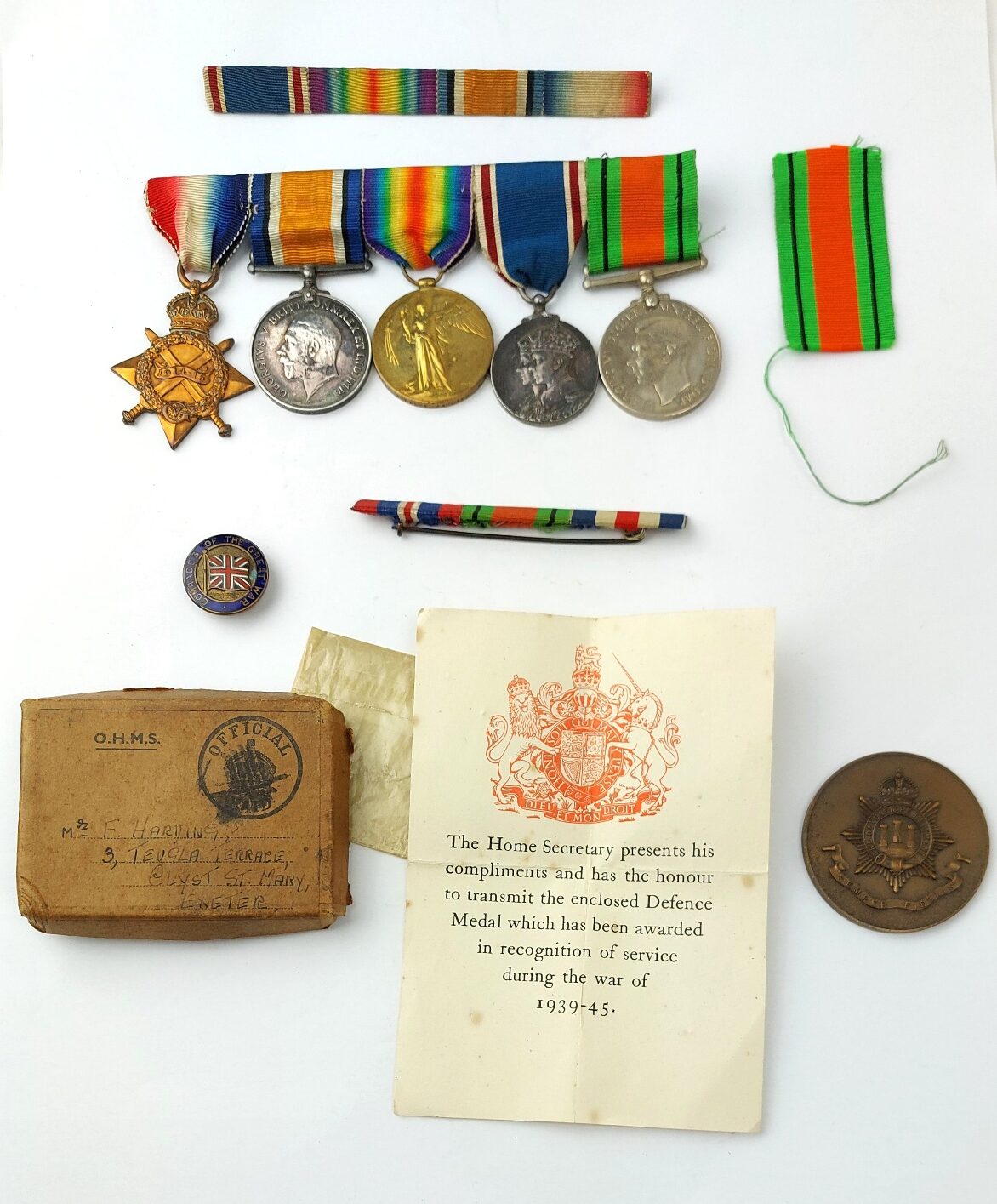
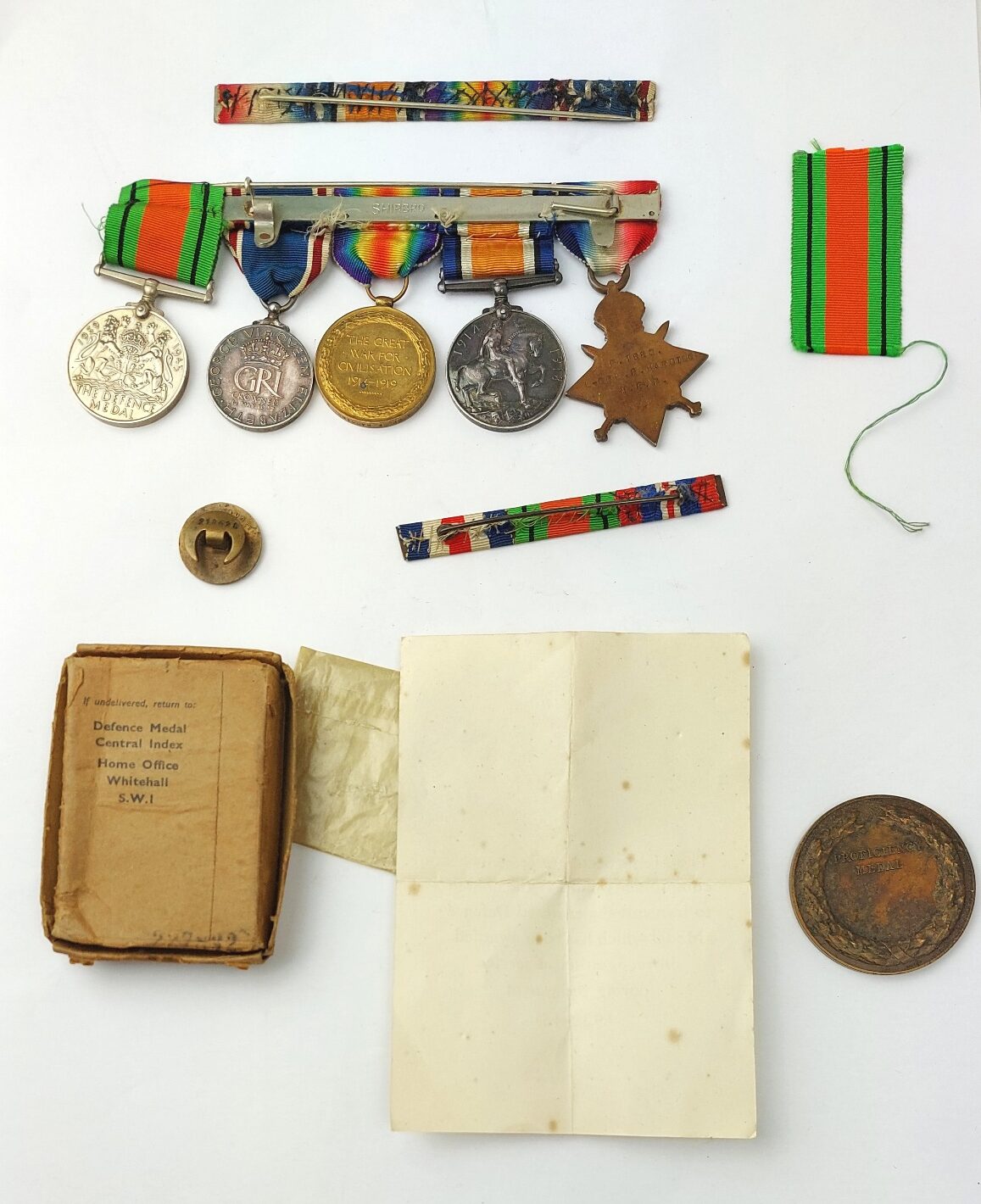
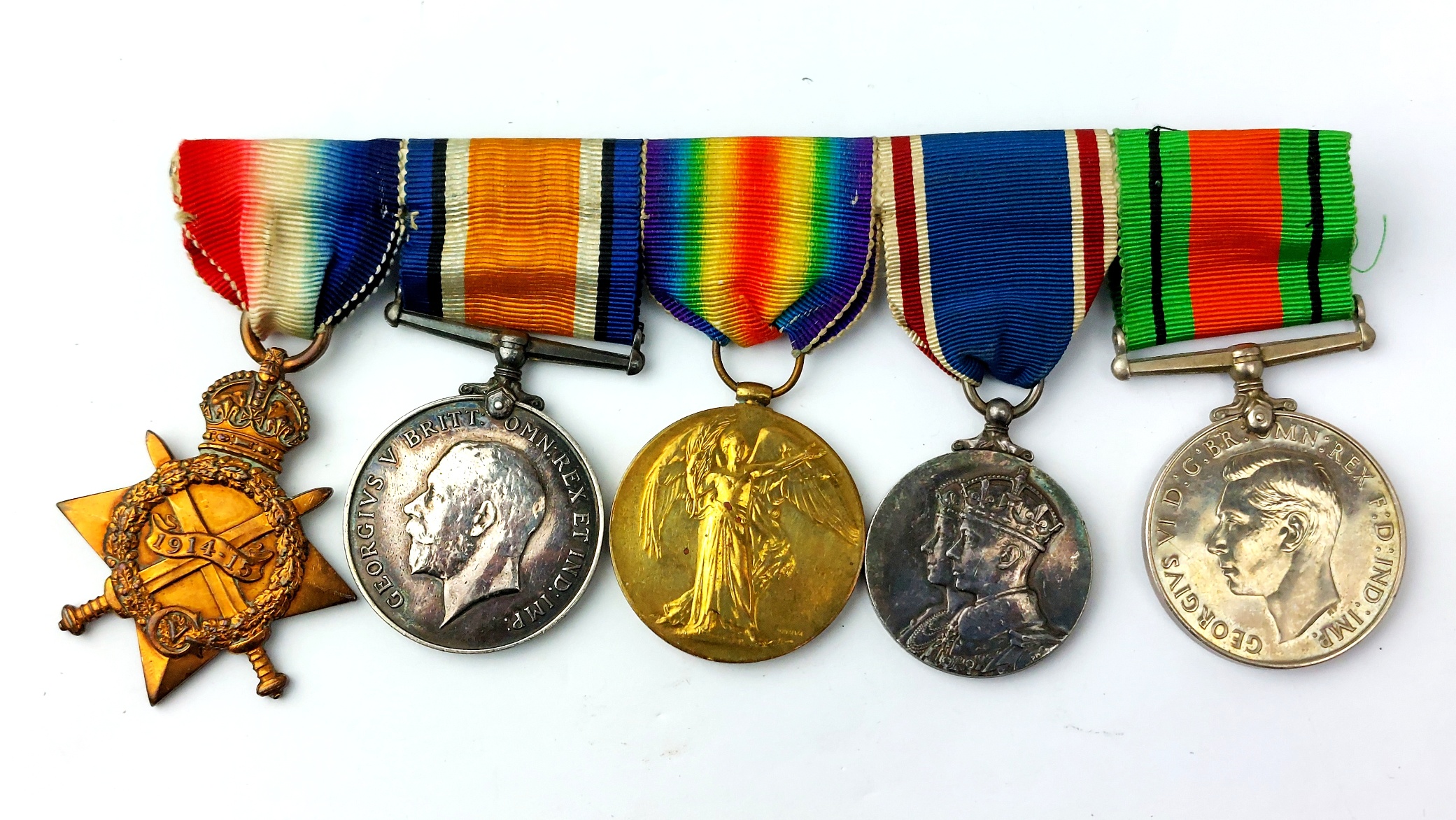
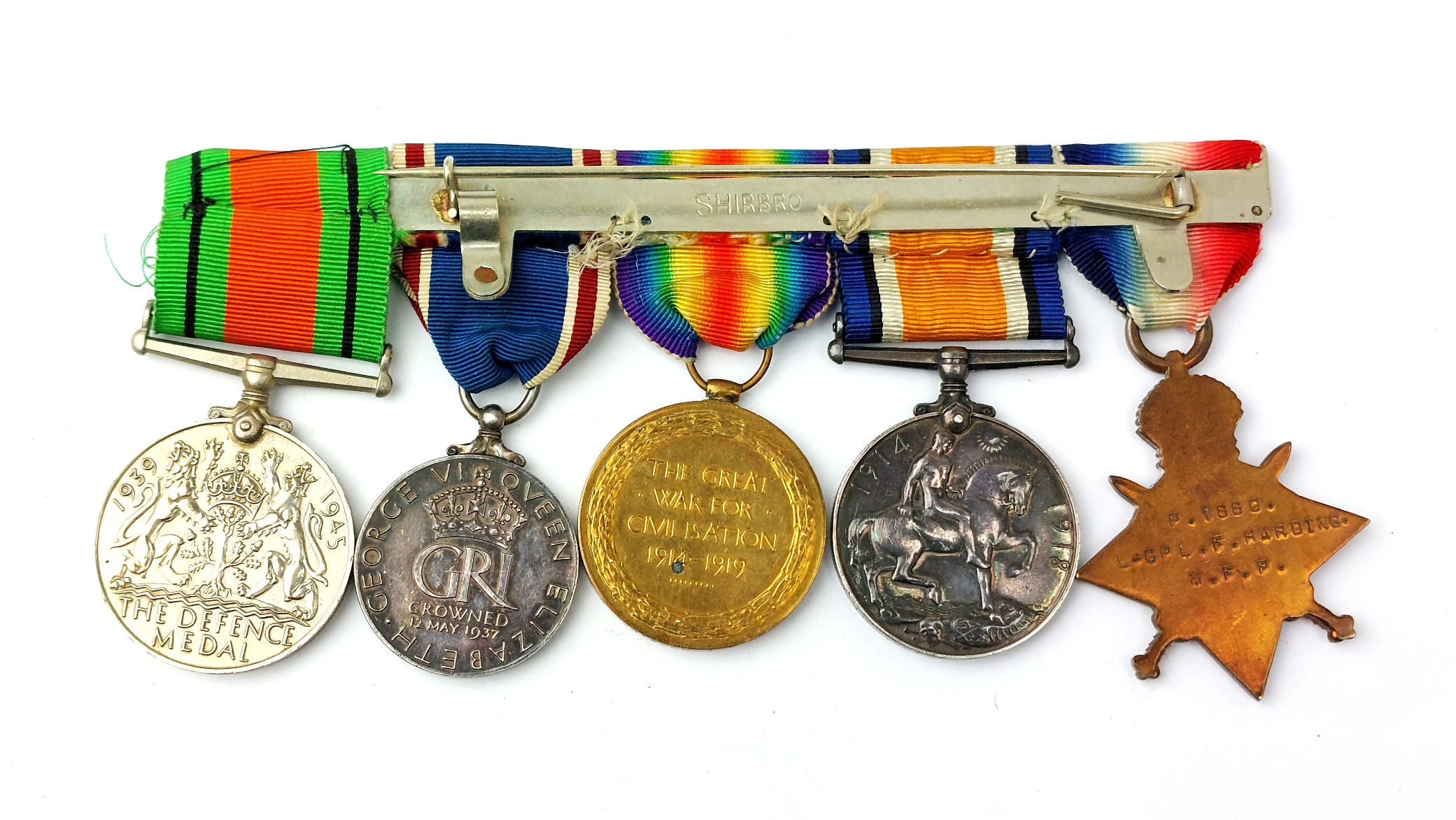
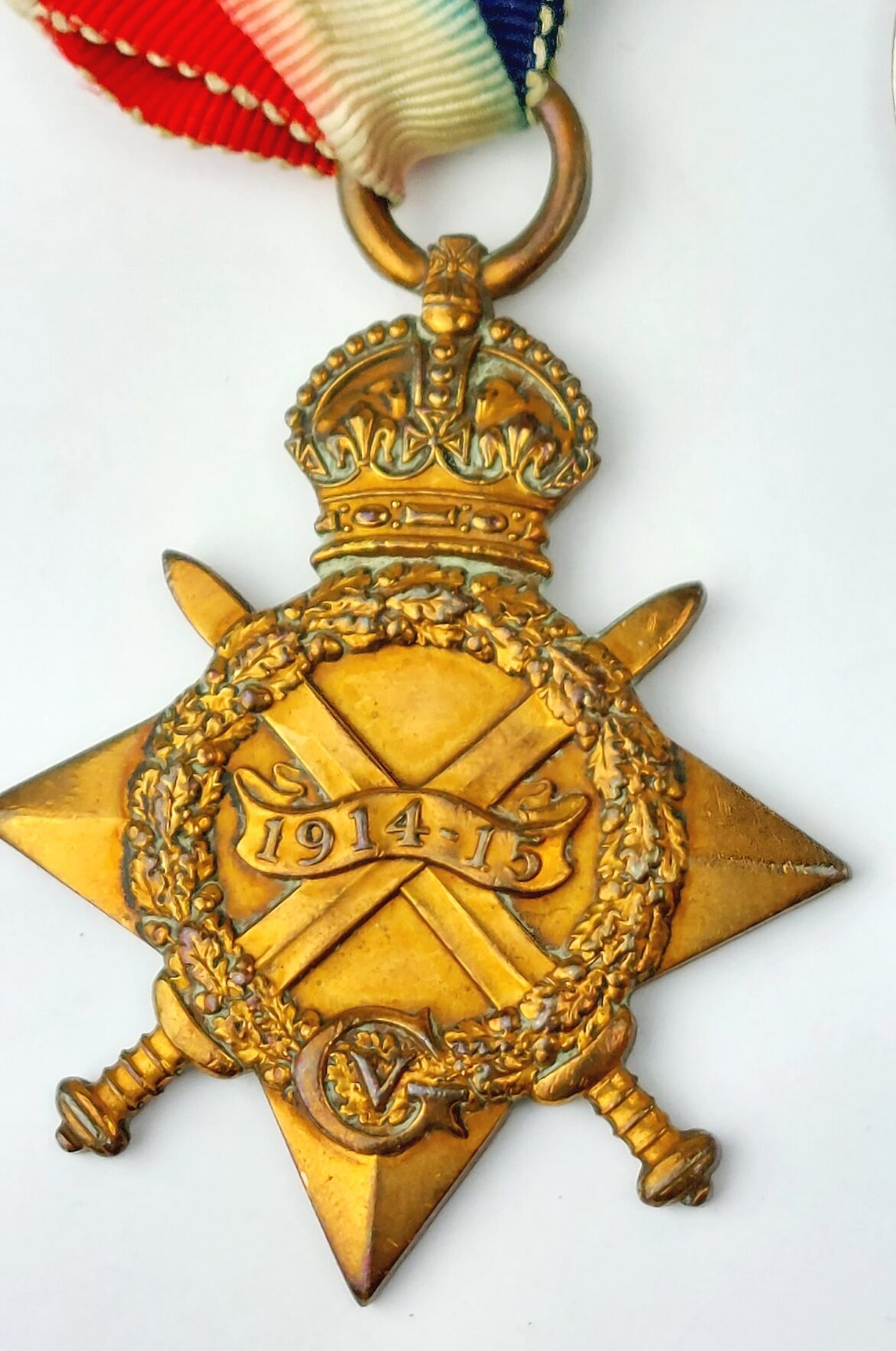
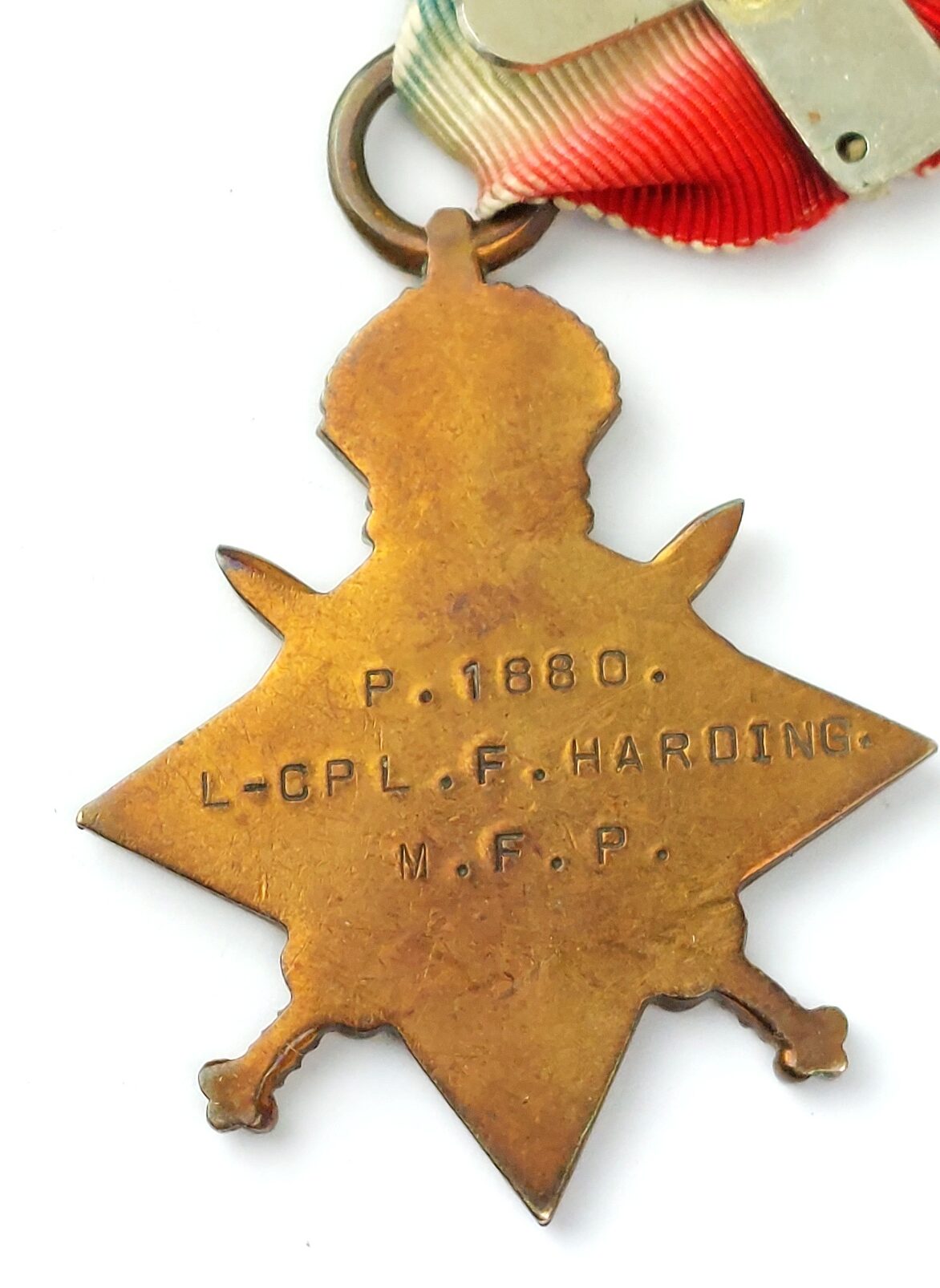
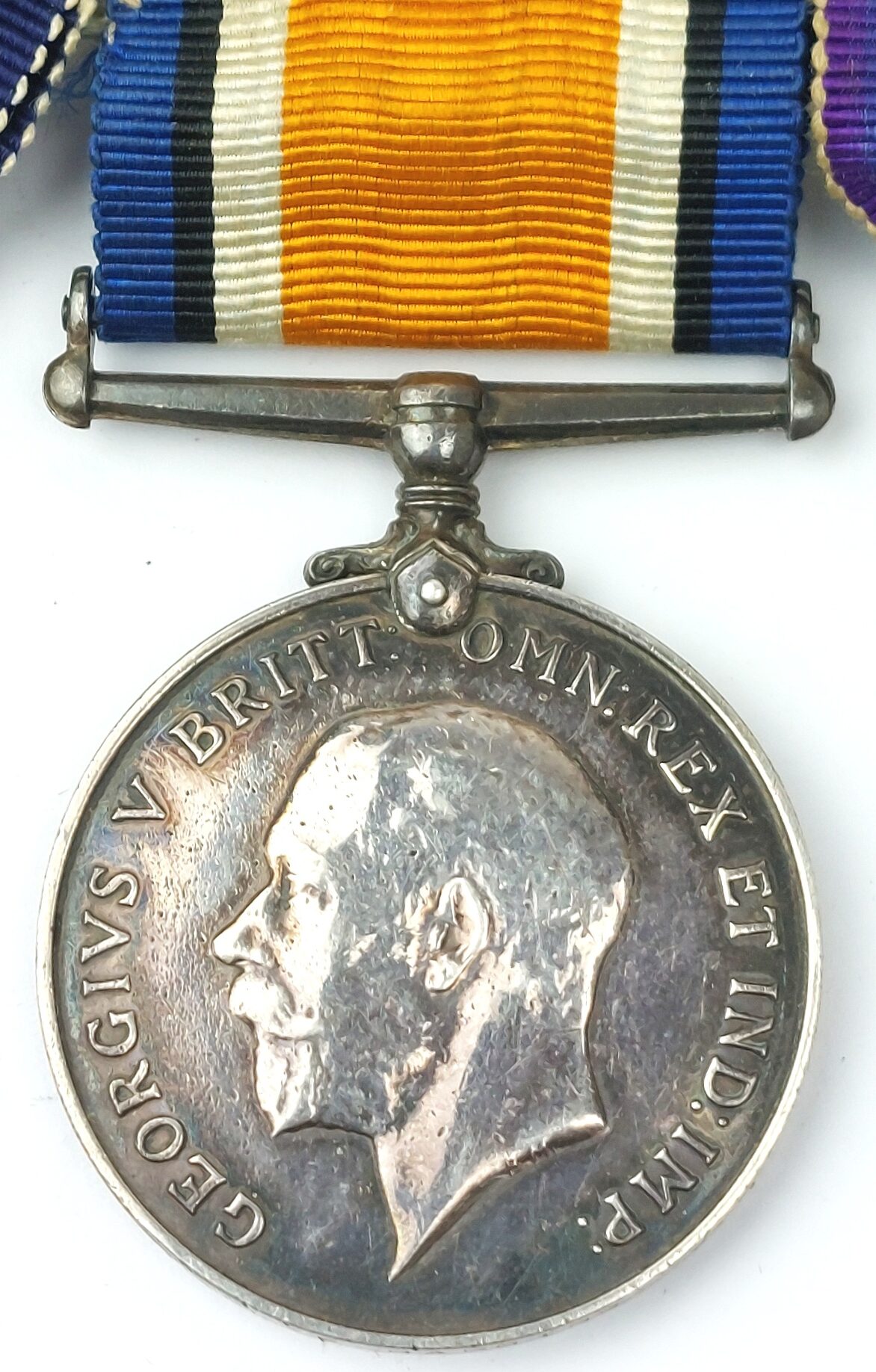
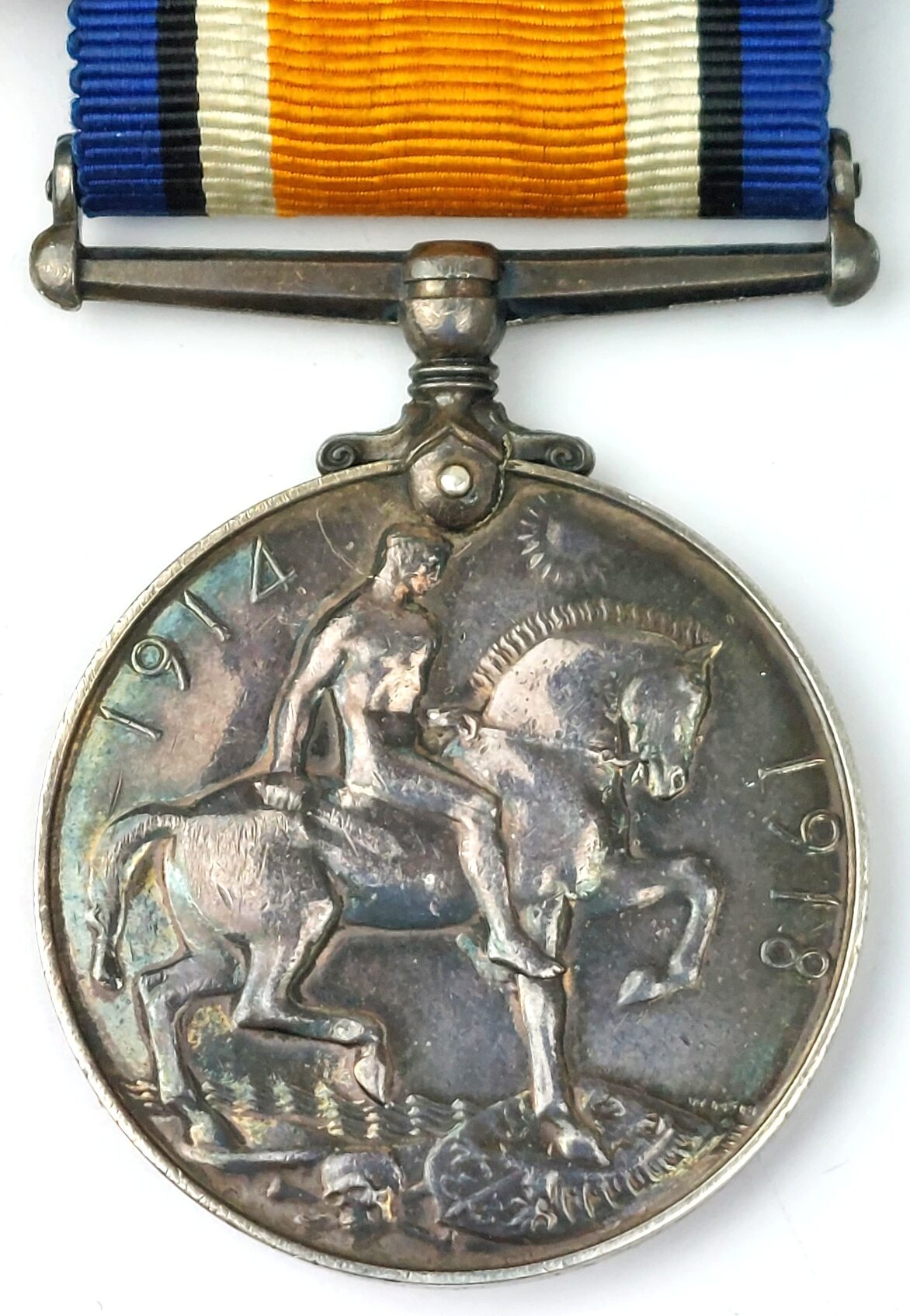
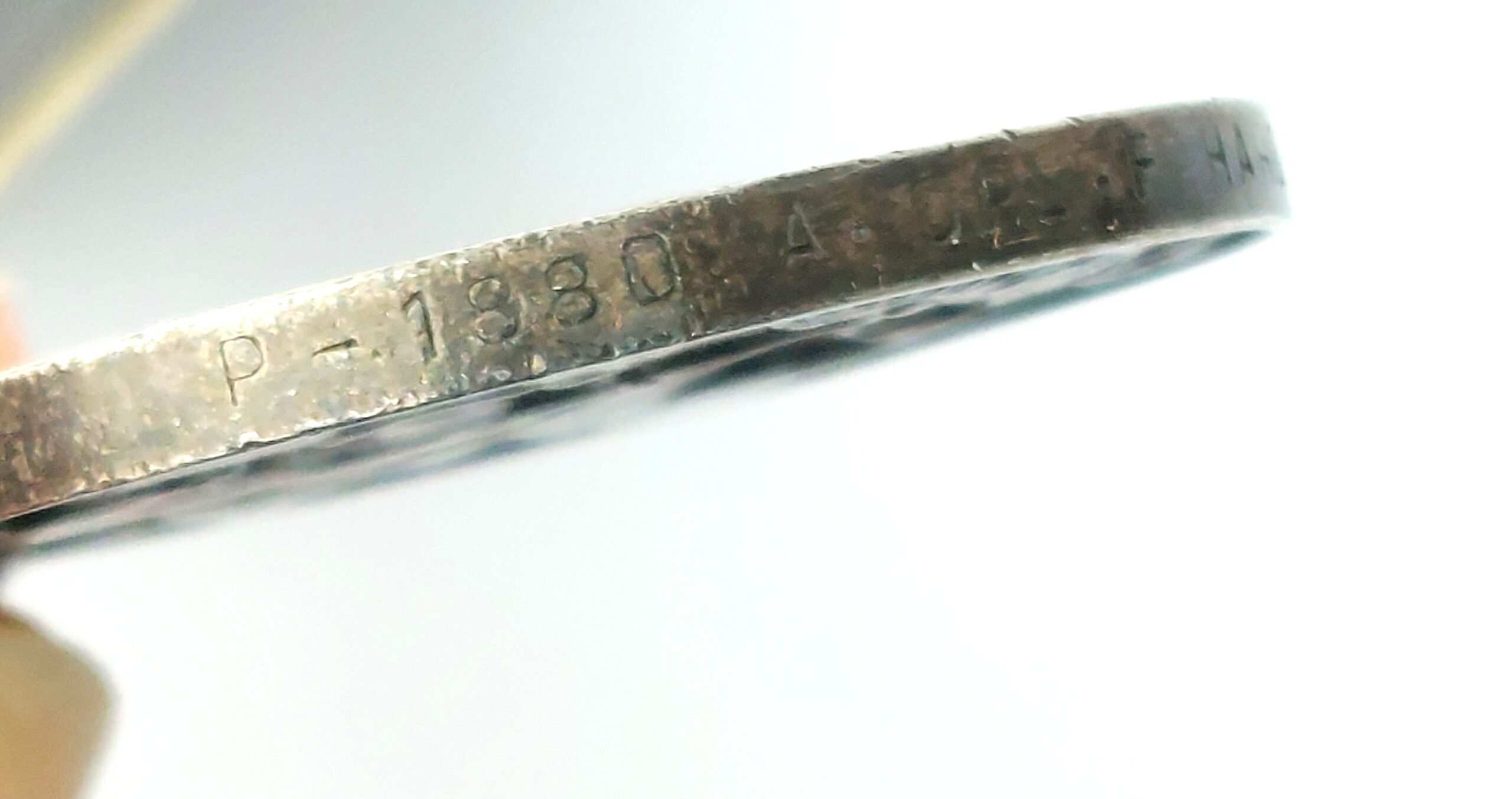
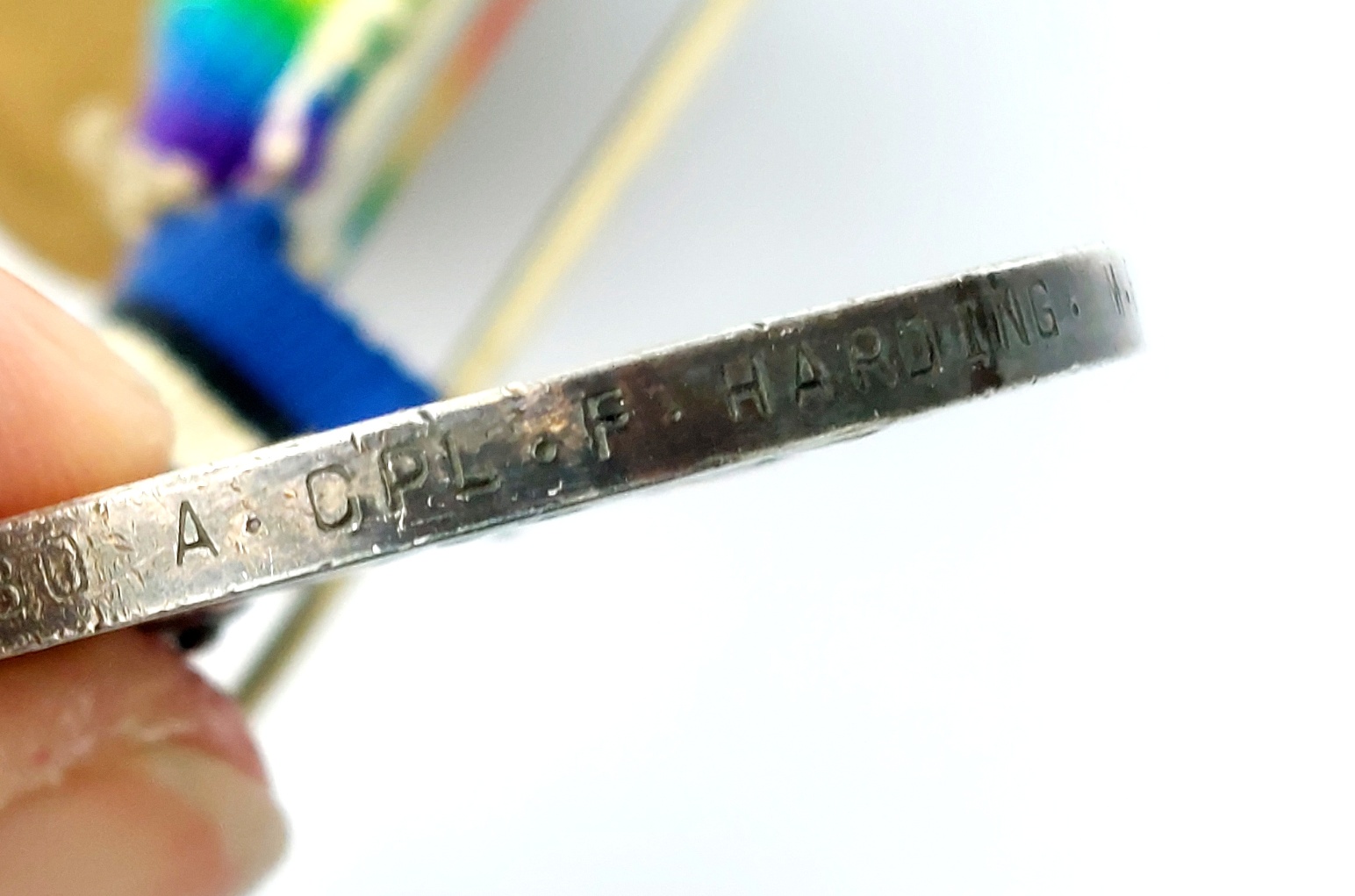
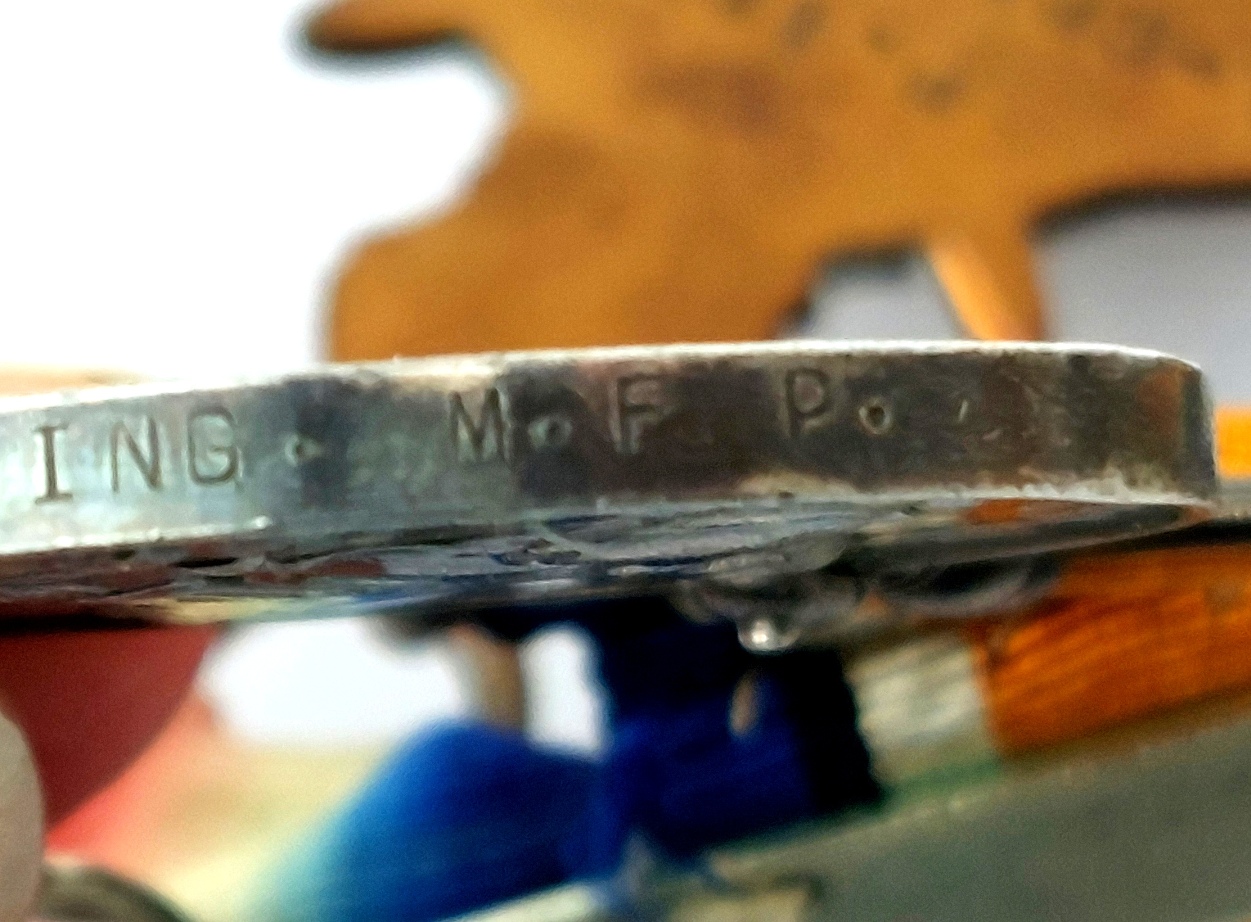
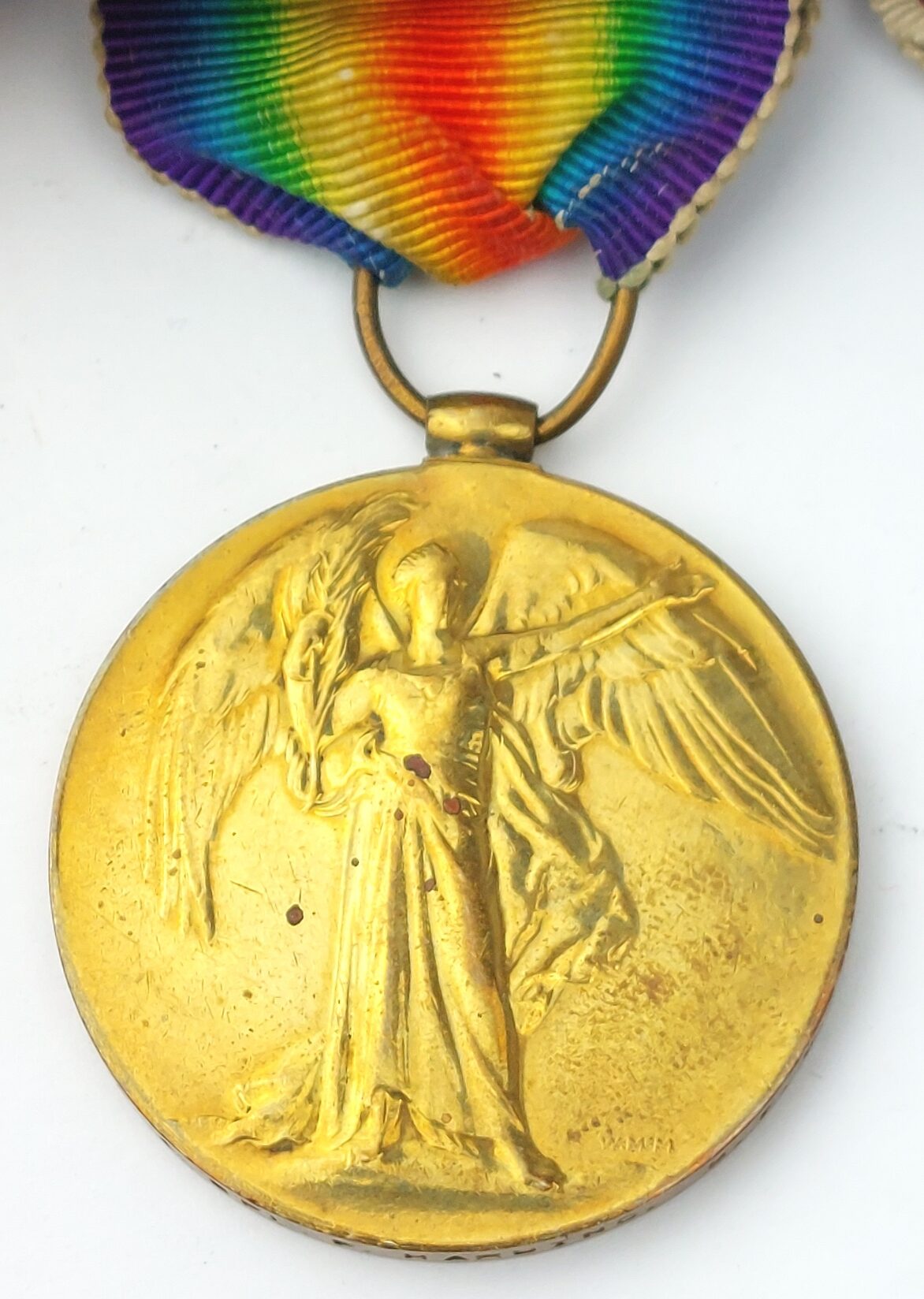
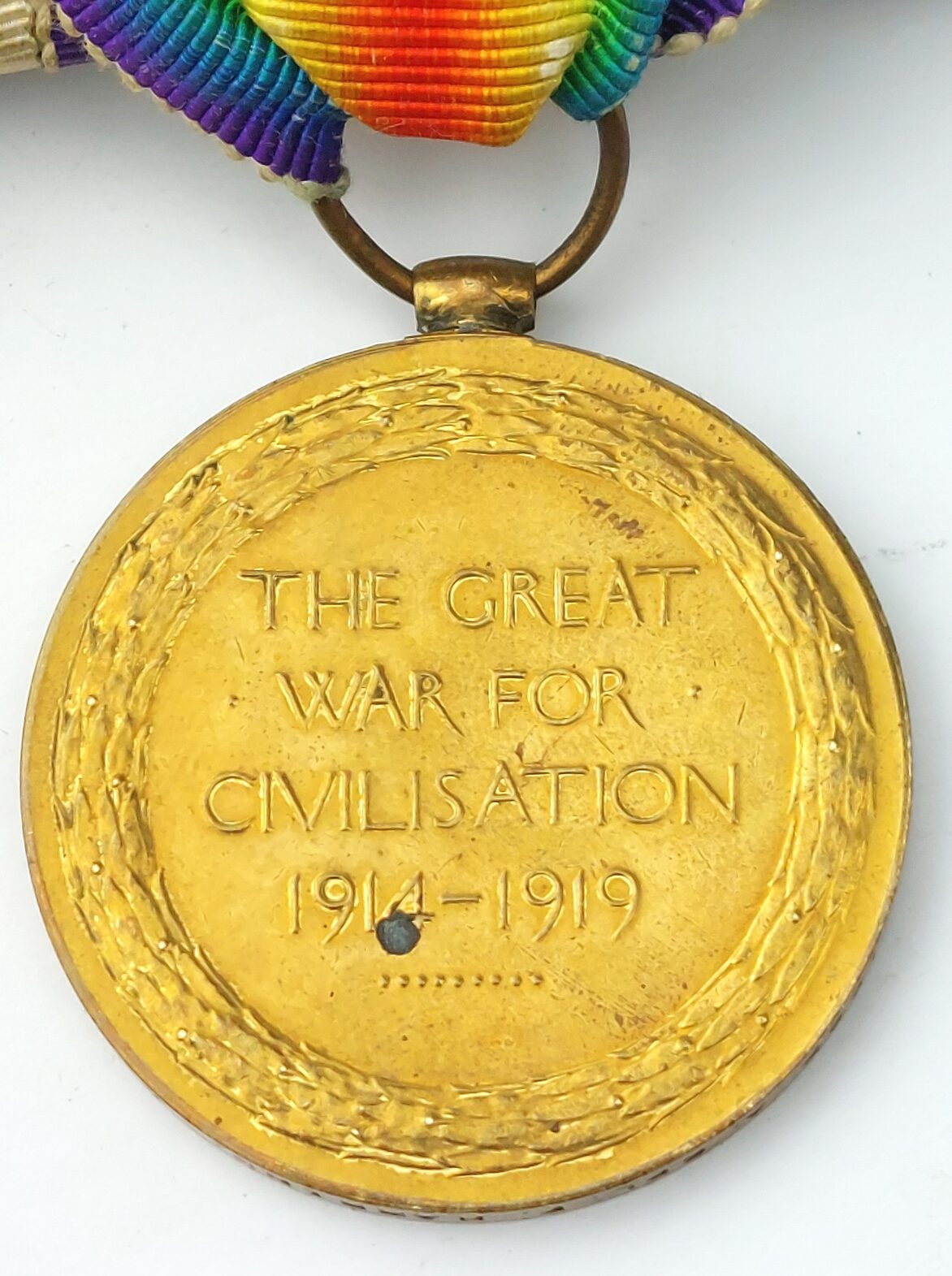
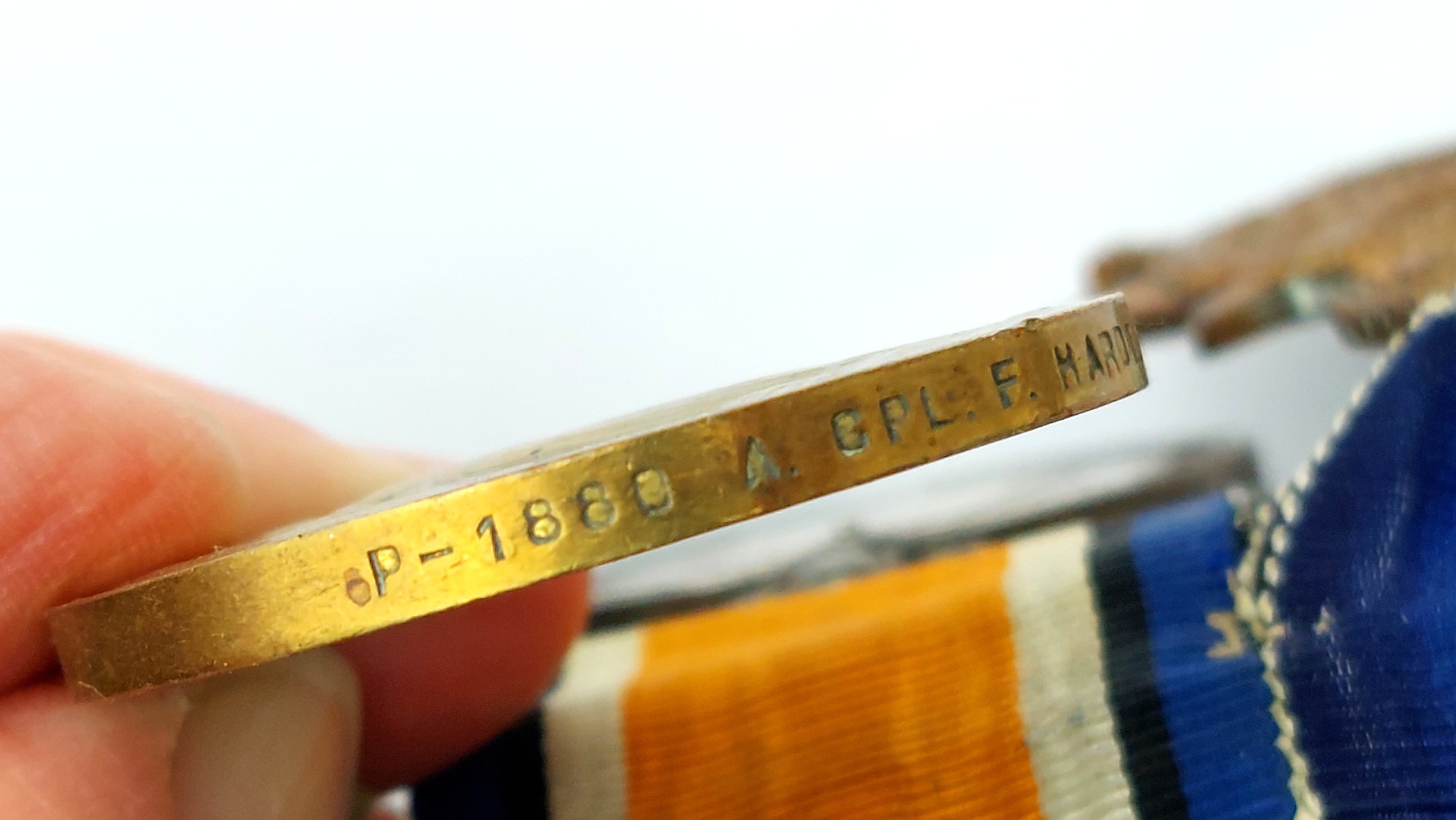
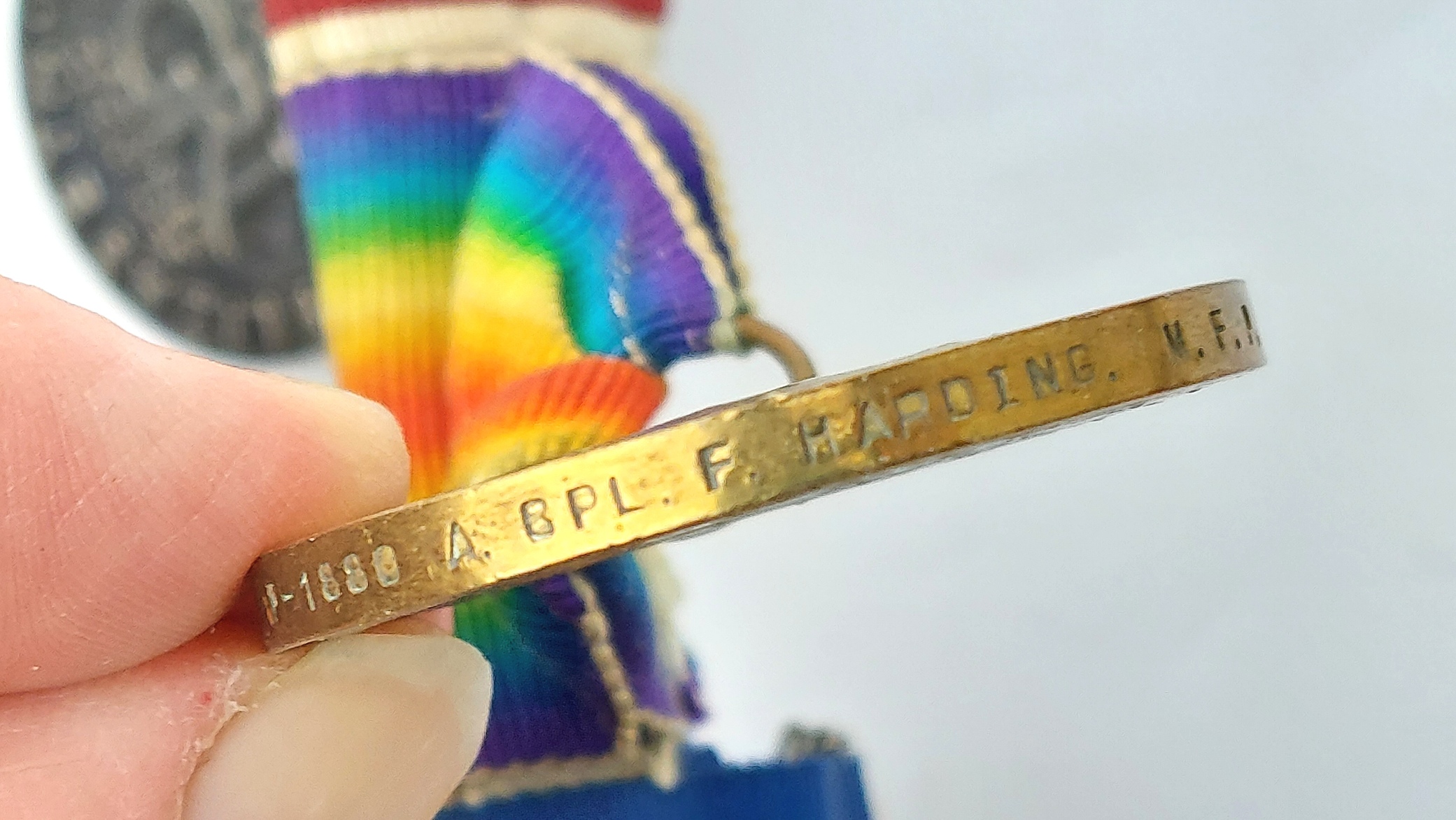
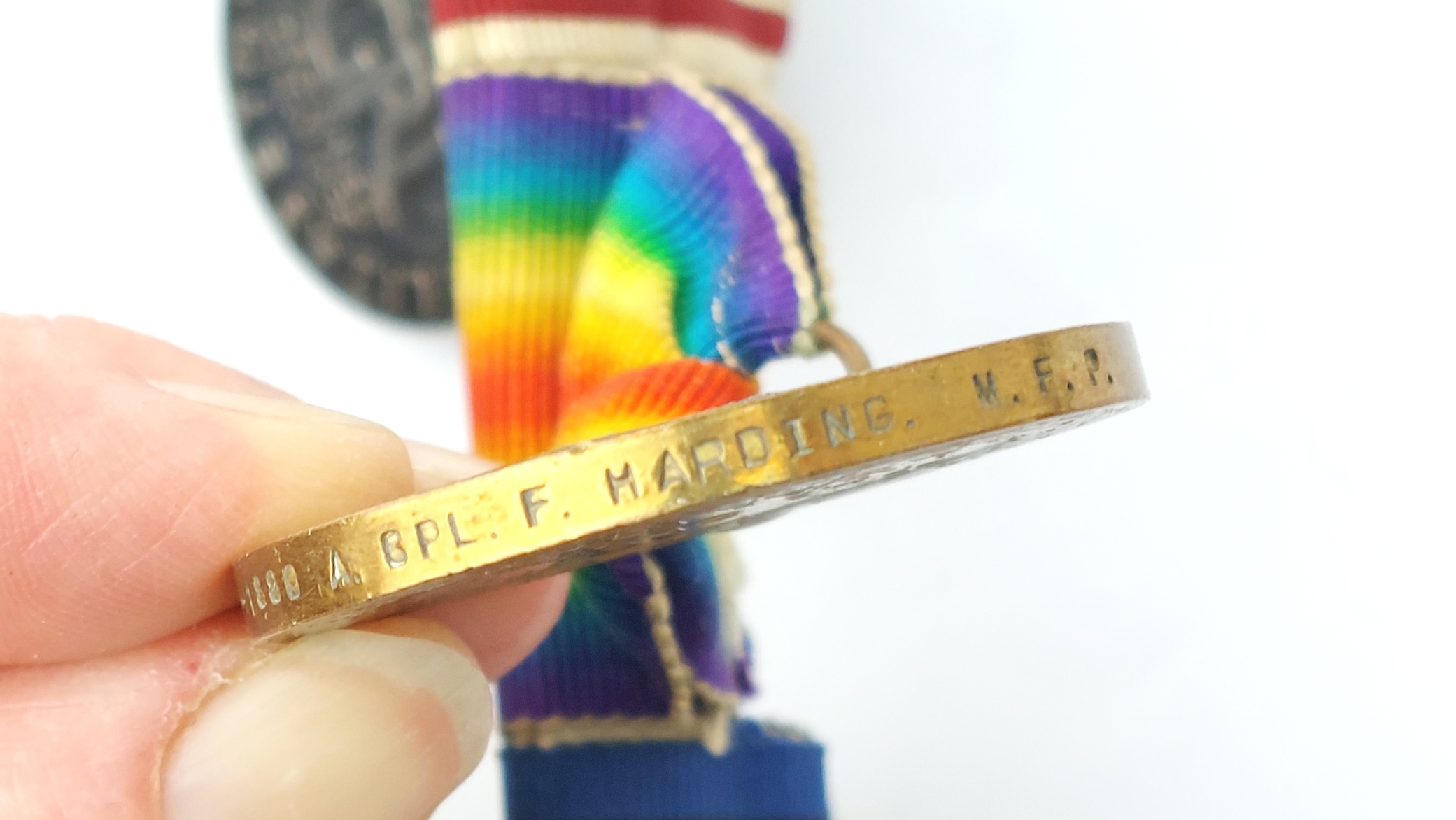
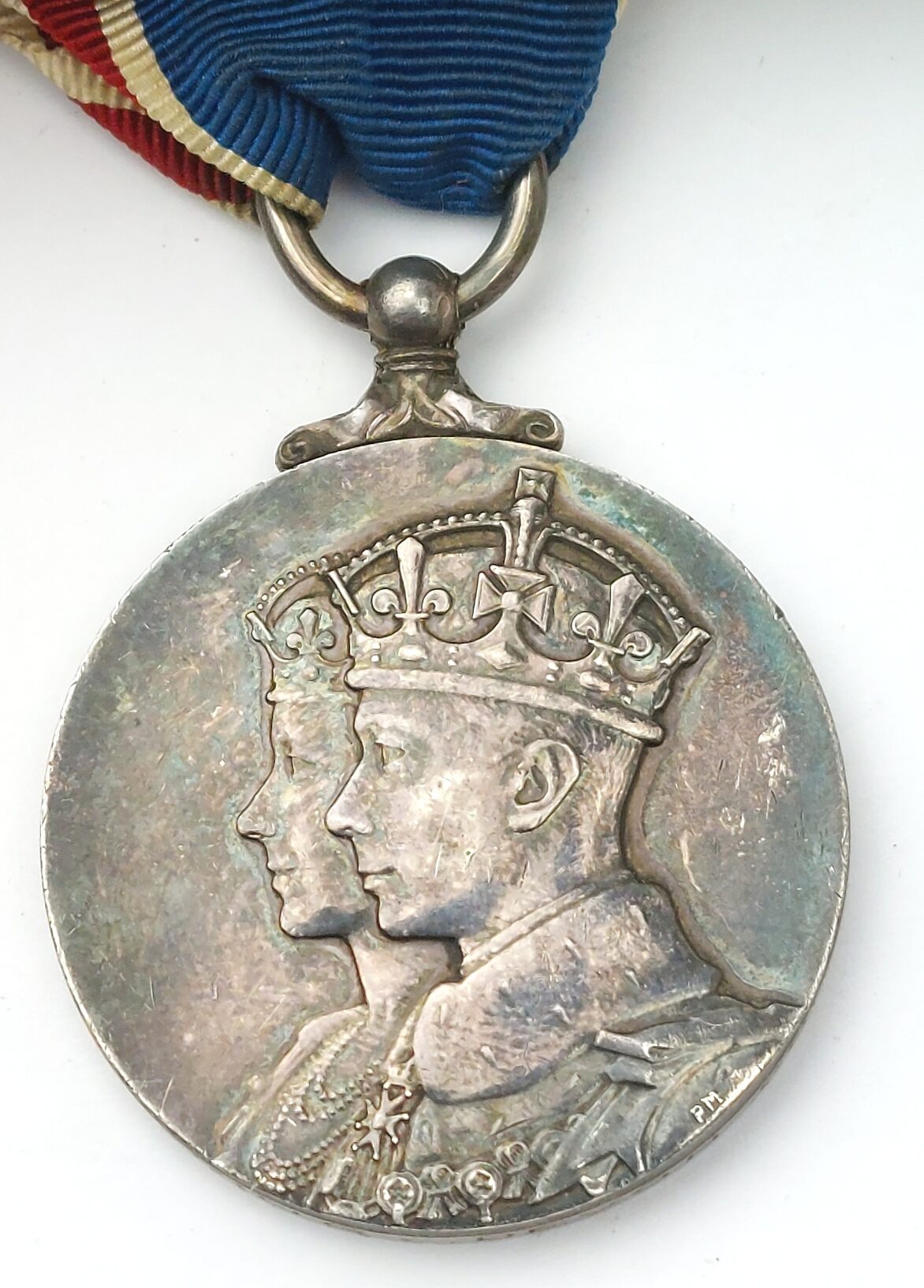
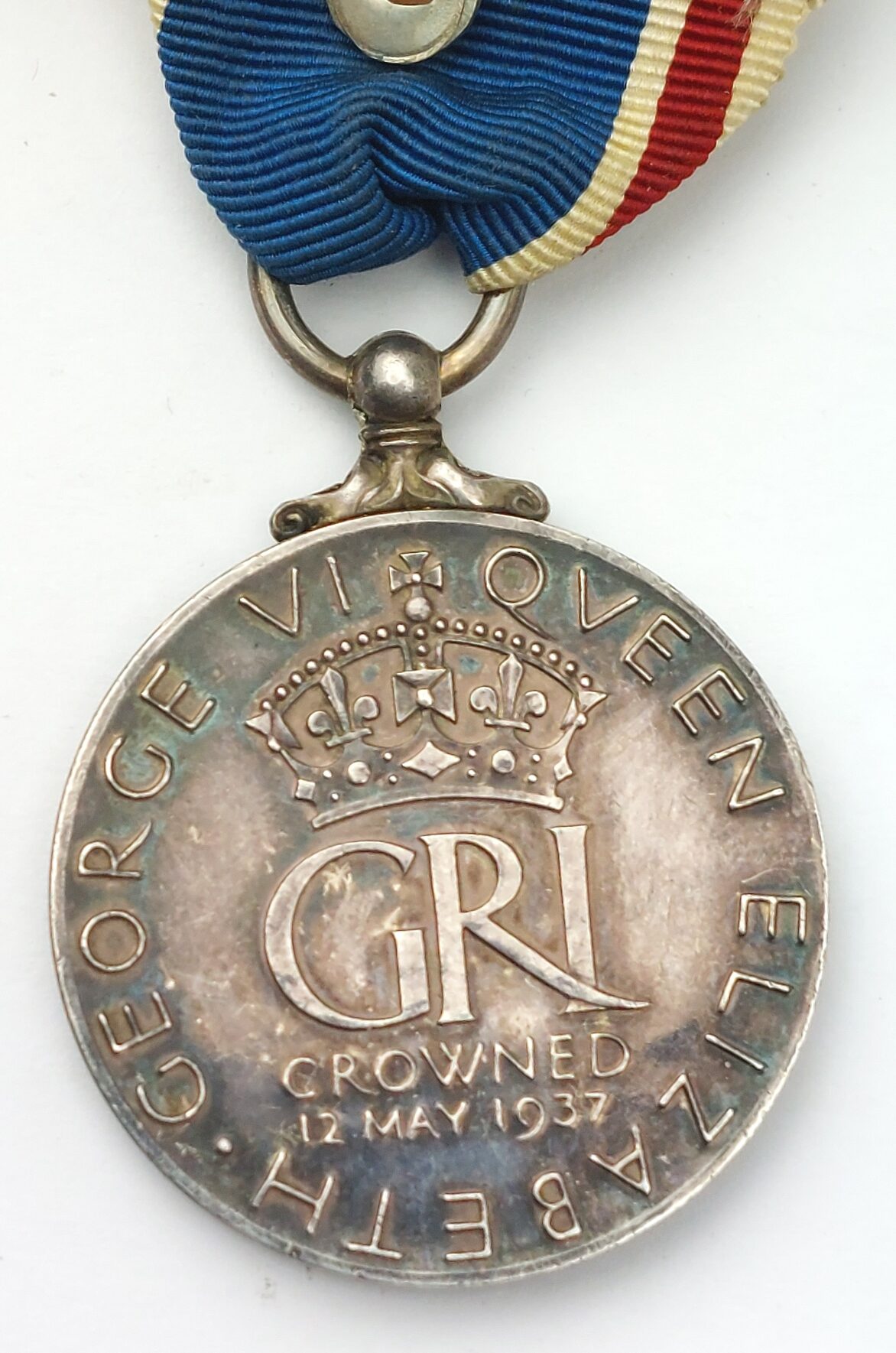
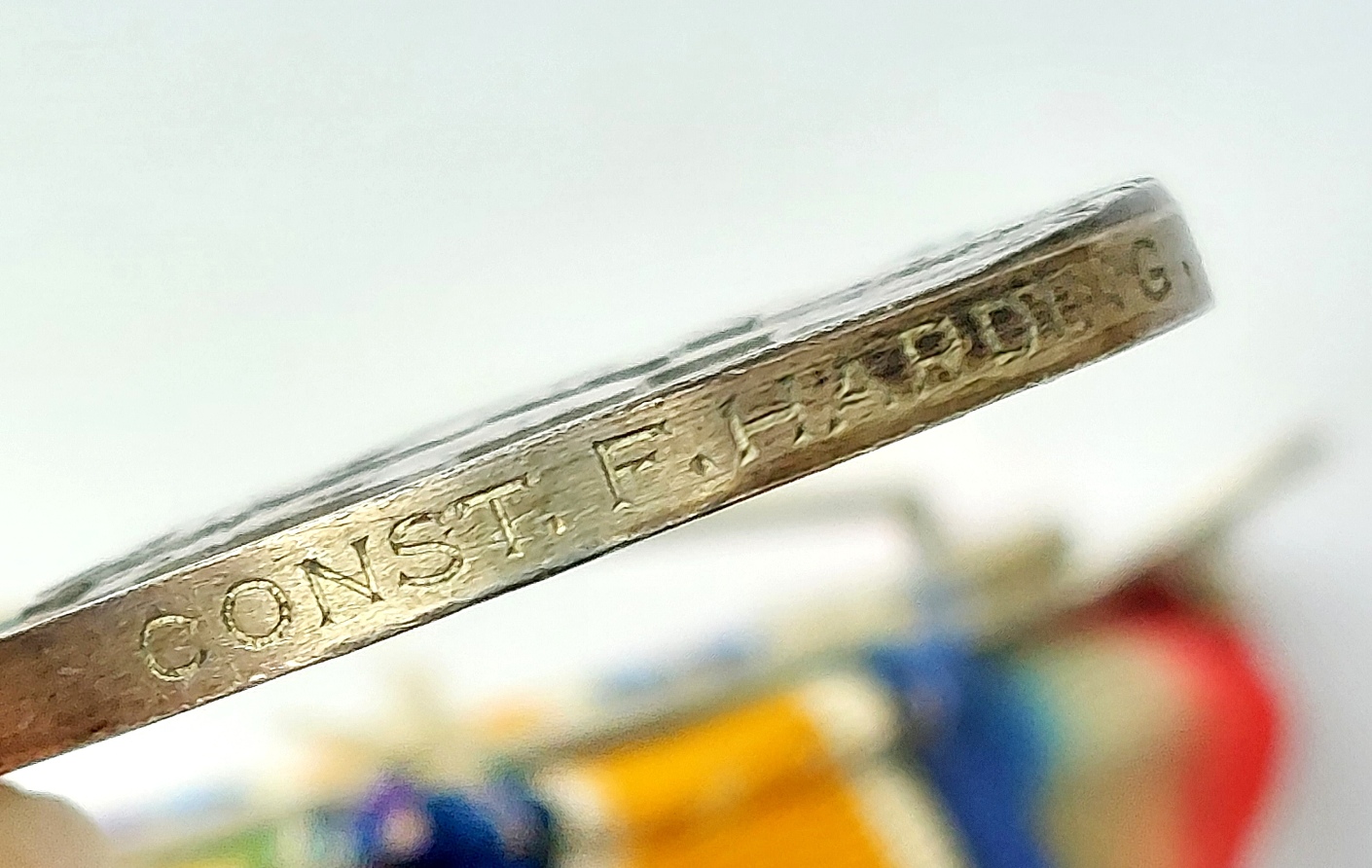
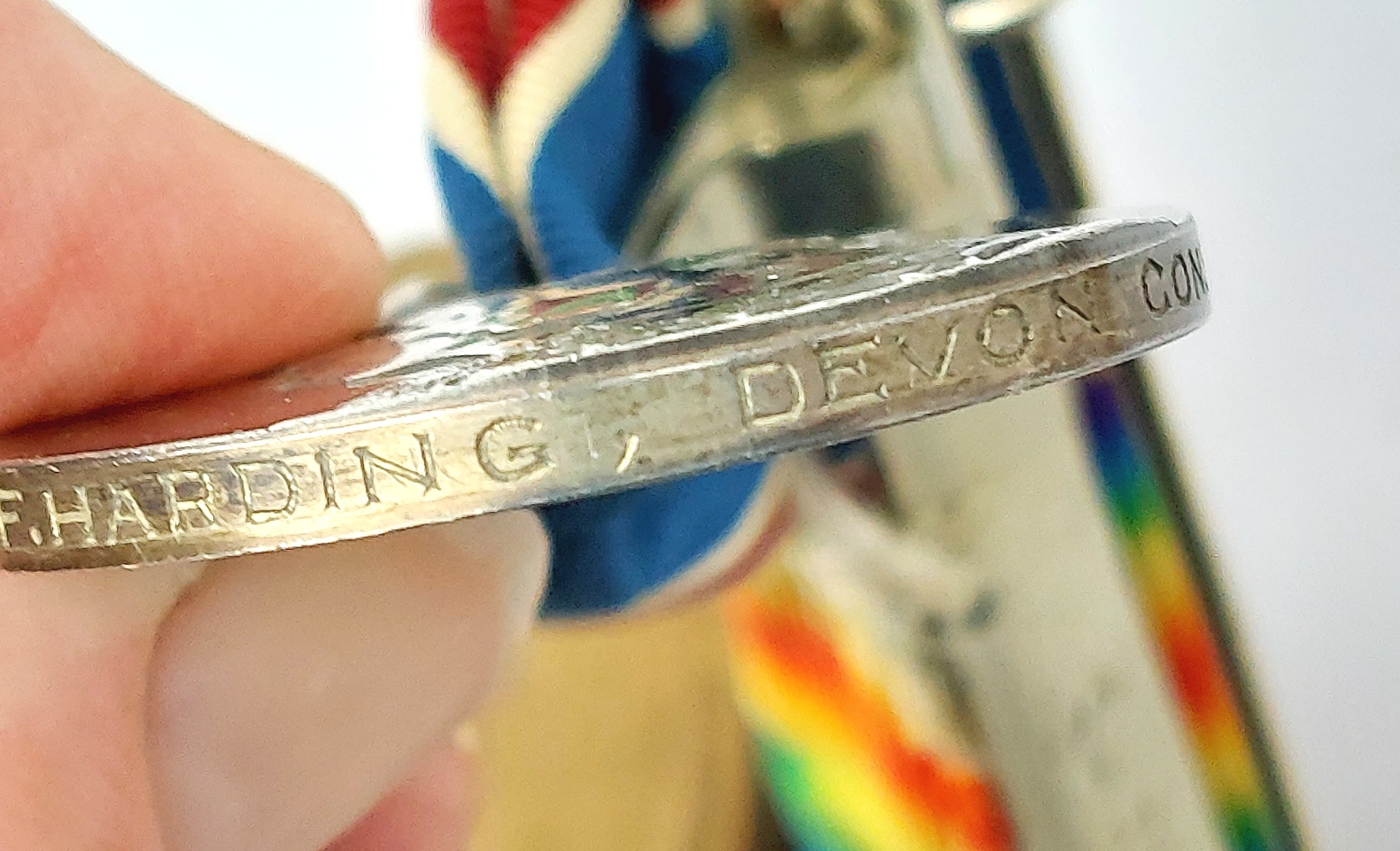
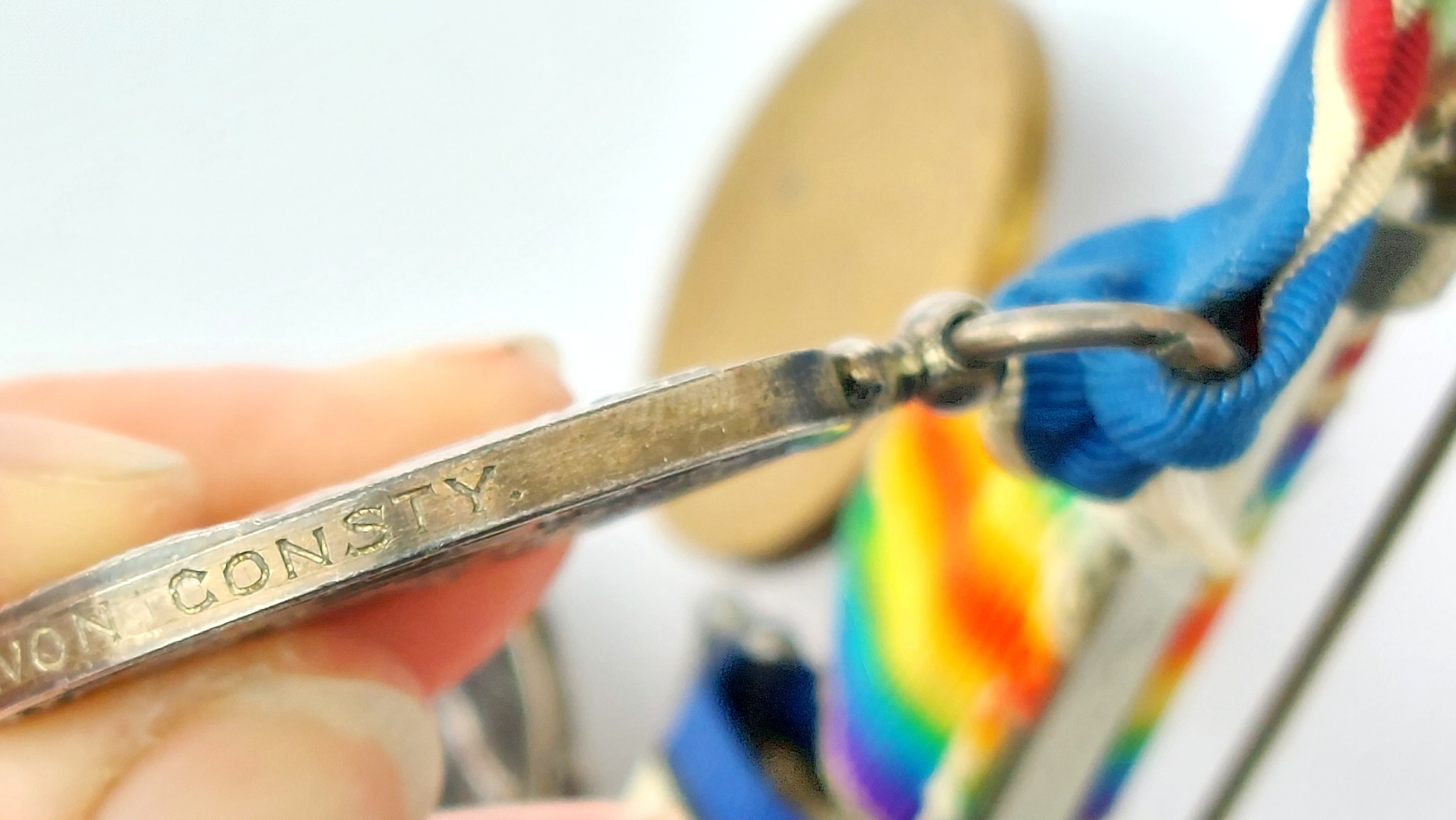
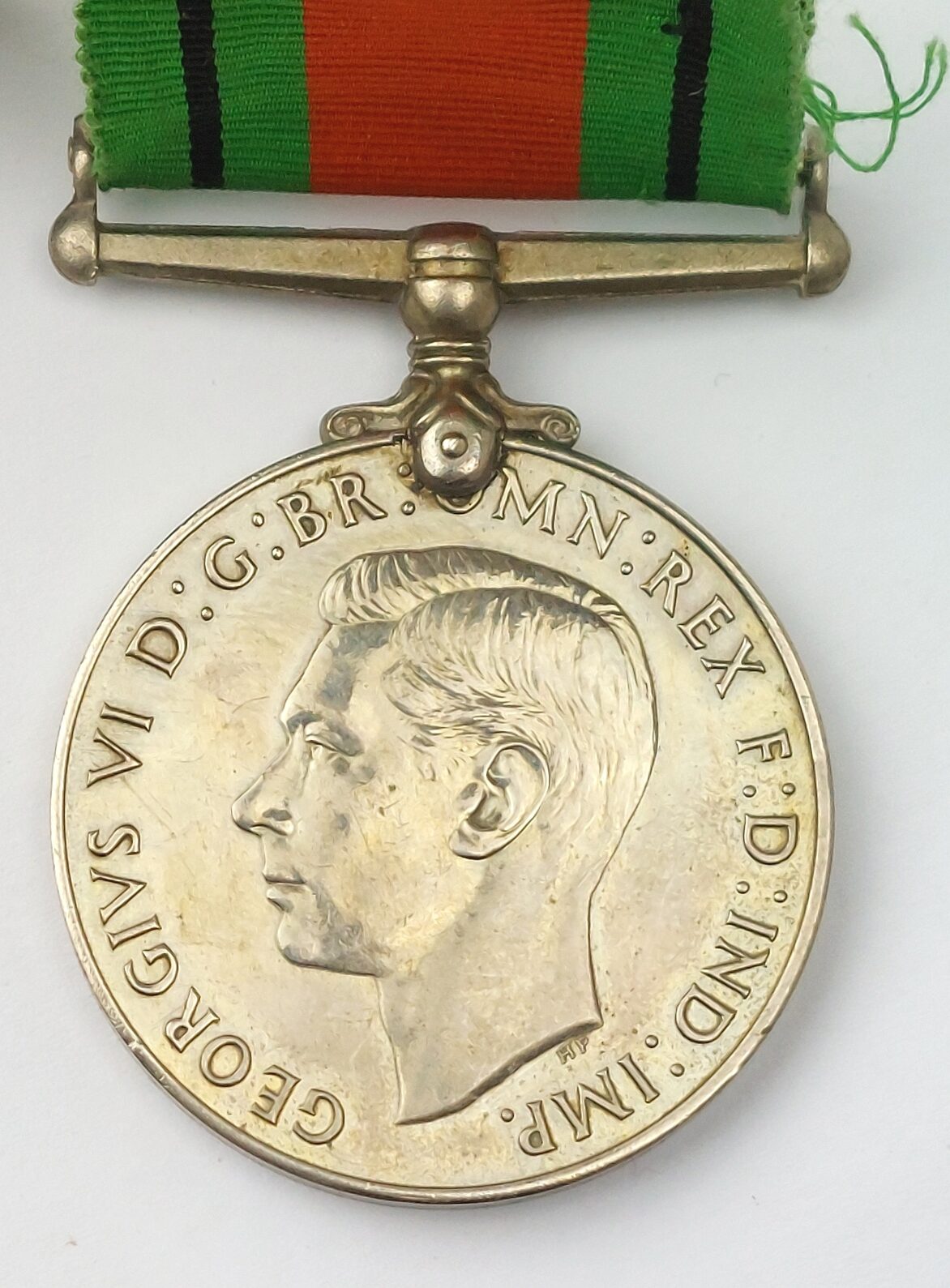
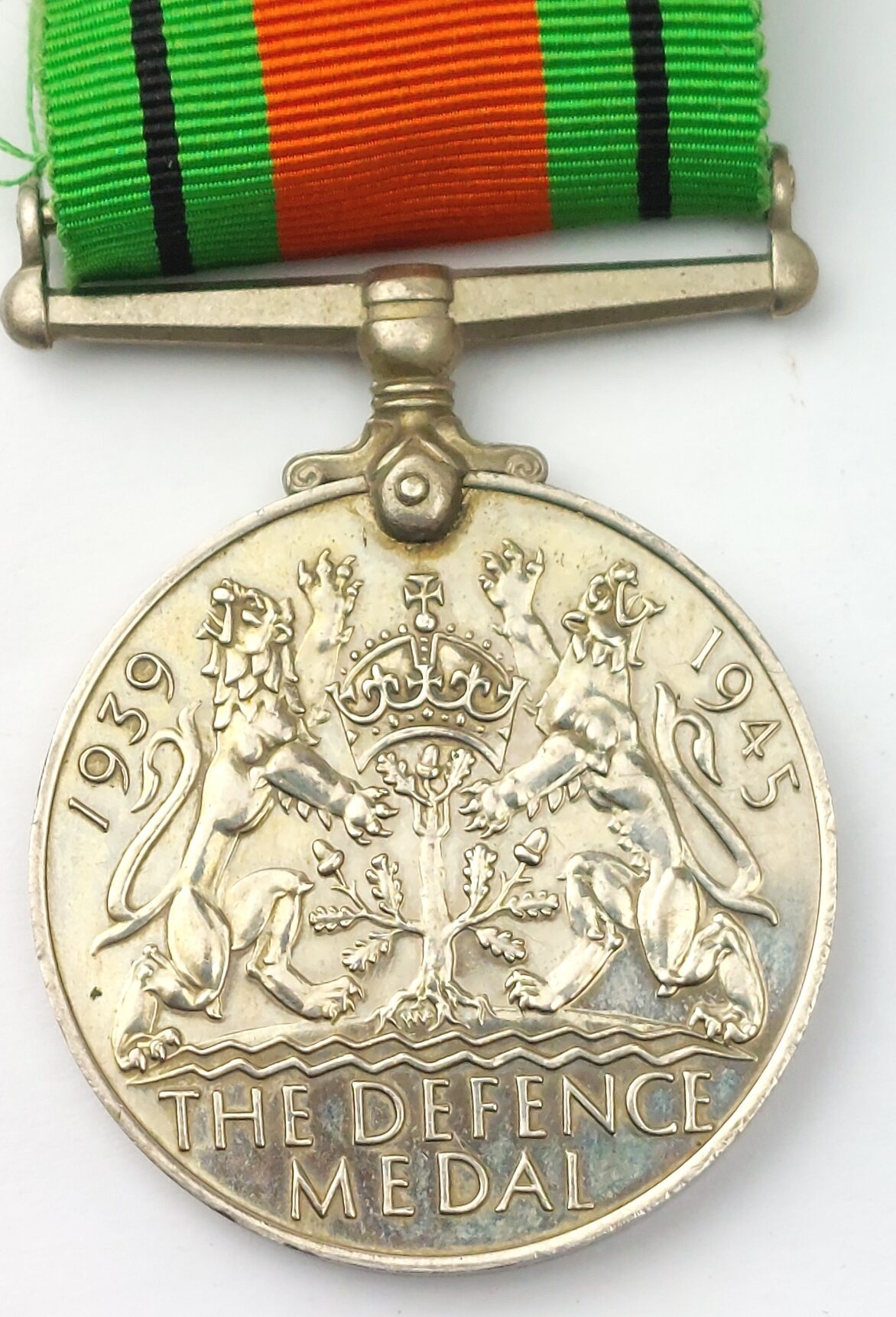
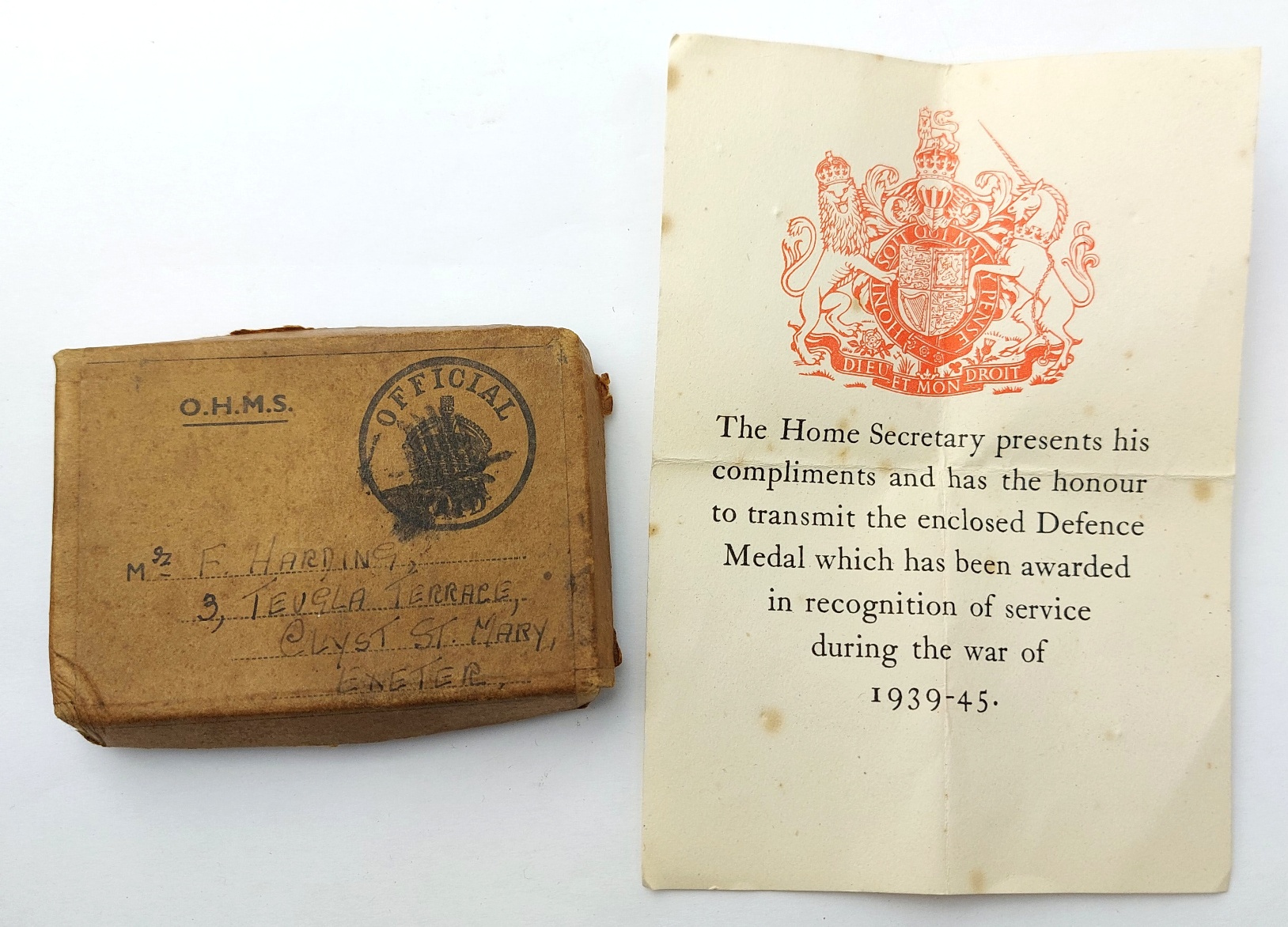
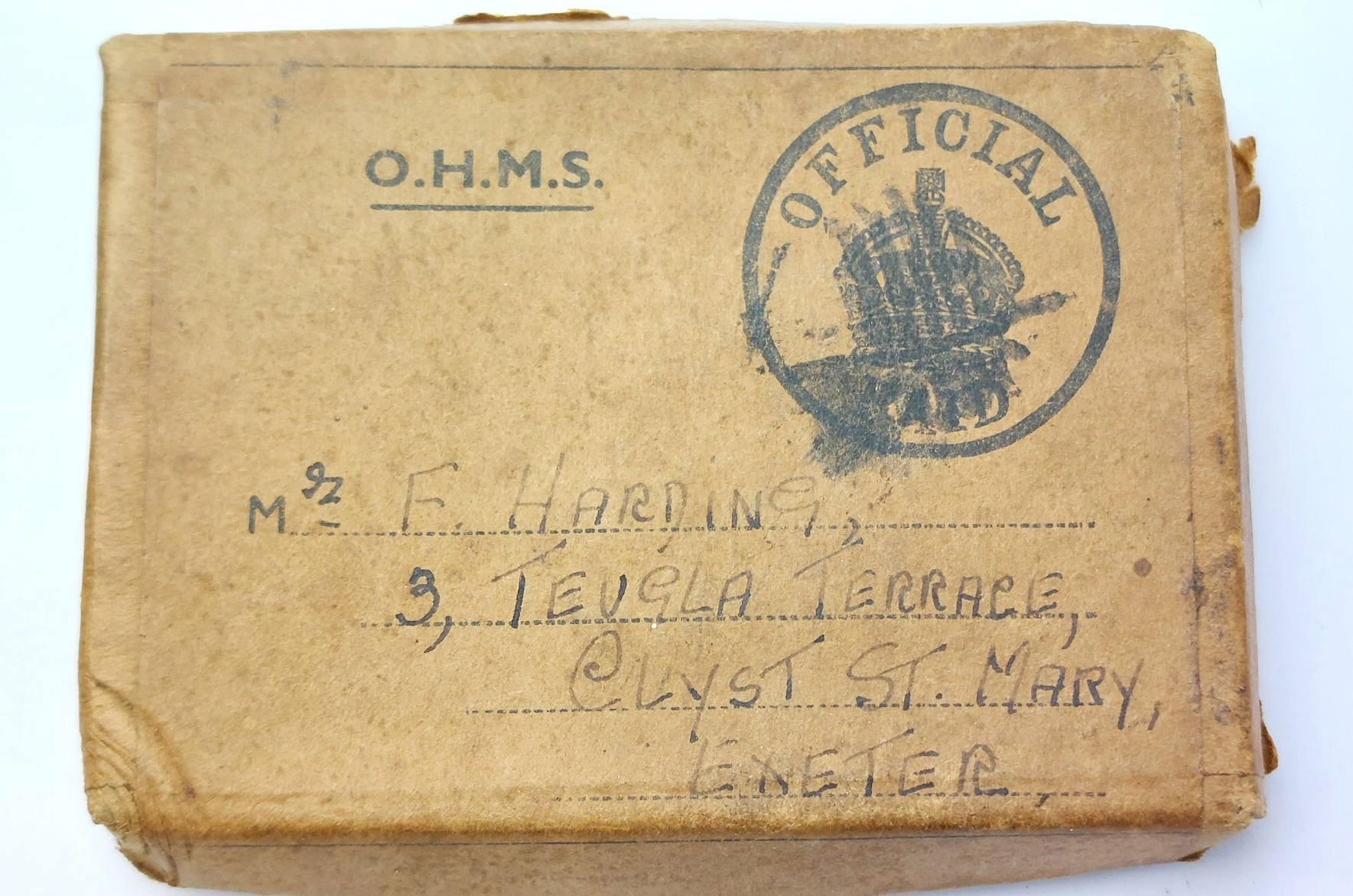
The court-mounted group of five comprises the 1914–15 Star impressed P.1880 L. CPL. F. HARDING. M.F.P.; the British War Medal 1914–1920 impressed P-1880 A. CPL. F. HARDING. M.F.P.; the Victory Medal 1914–1919 impressed P-1880 A. CPL. F. HARDING. M.F.P.; the 1937 Coronation Medal (George VI) impressed CONST. F. HARDING. DEVON CONSTY.; and the Defence Medal (1939–45), unnamed as issued, accompanied by its original O.H.M.S. cardboard issue box and official Home Office forwarding slip addressed to Mr F. Harding, 3 Teugla Terrace, Clyst St Mary, Exeter.
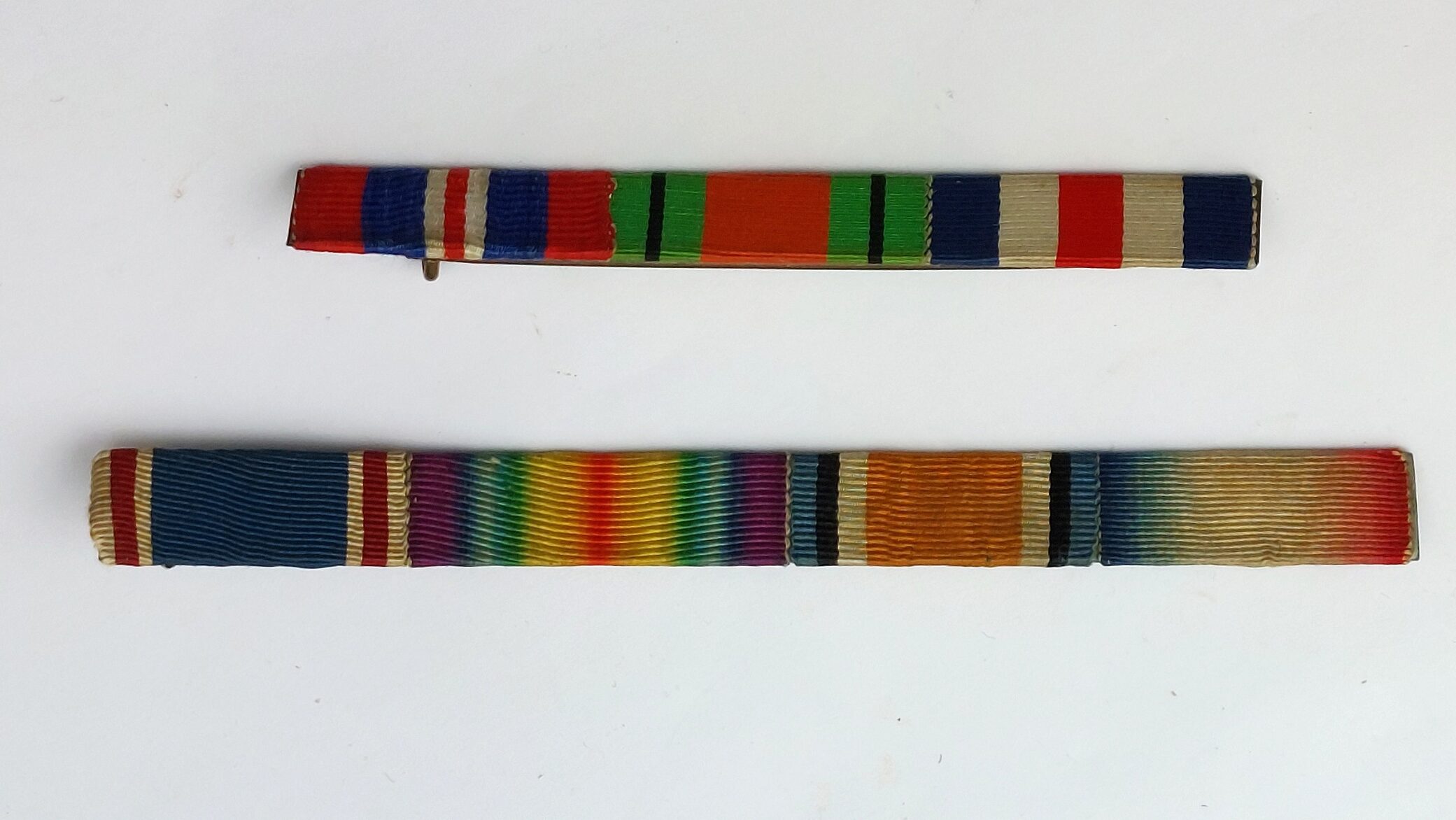
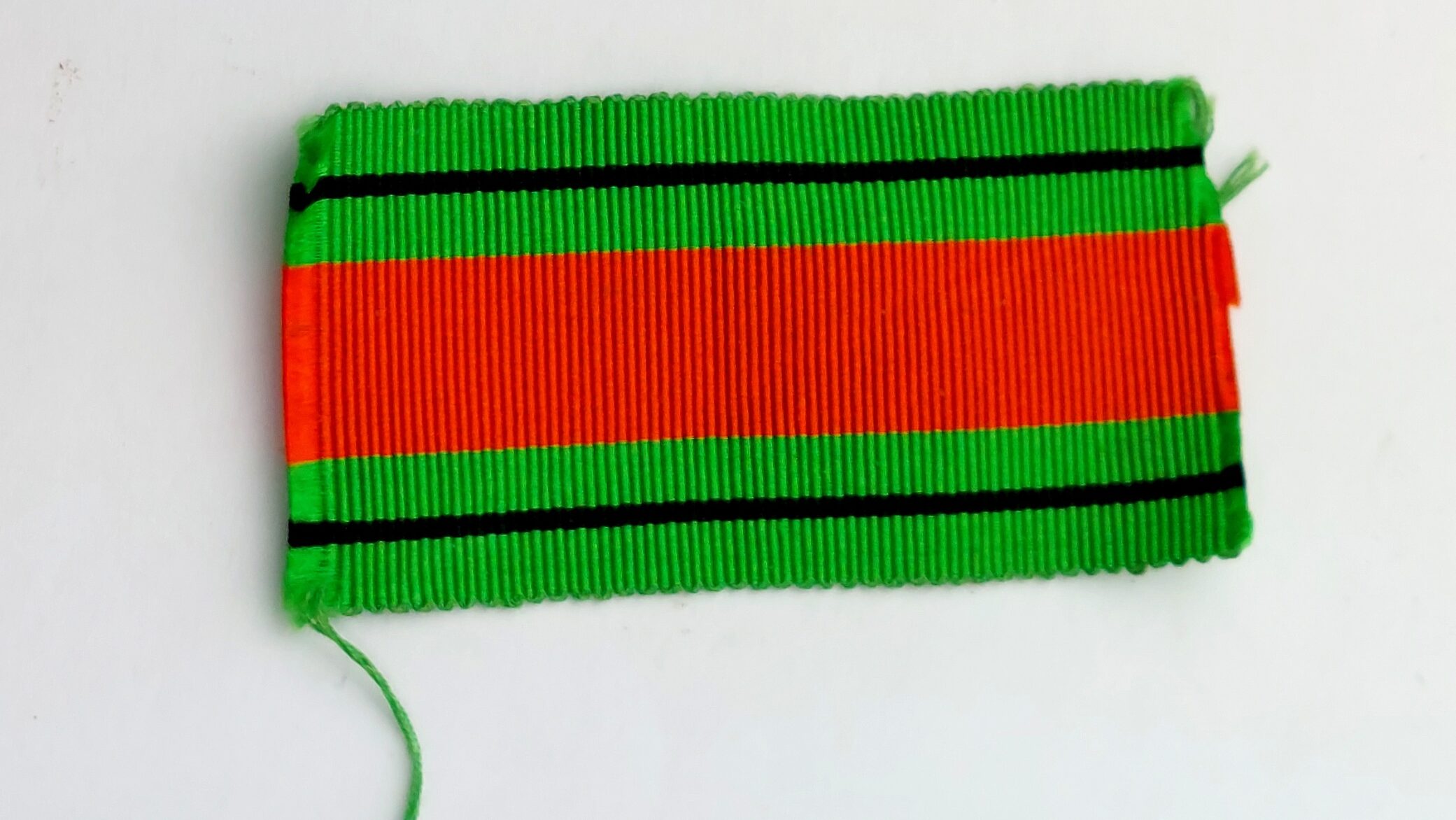
Also present are two original ribbon bars representing the mounted awards, together with a length of spare Defence Medal ribbon.
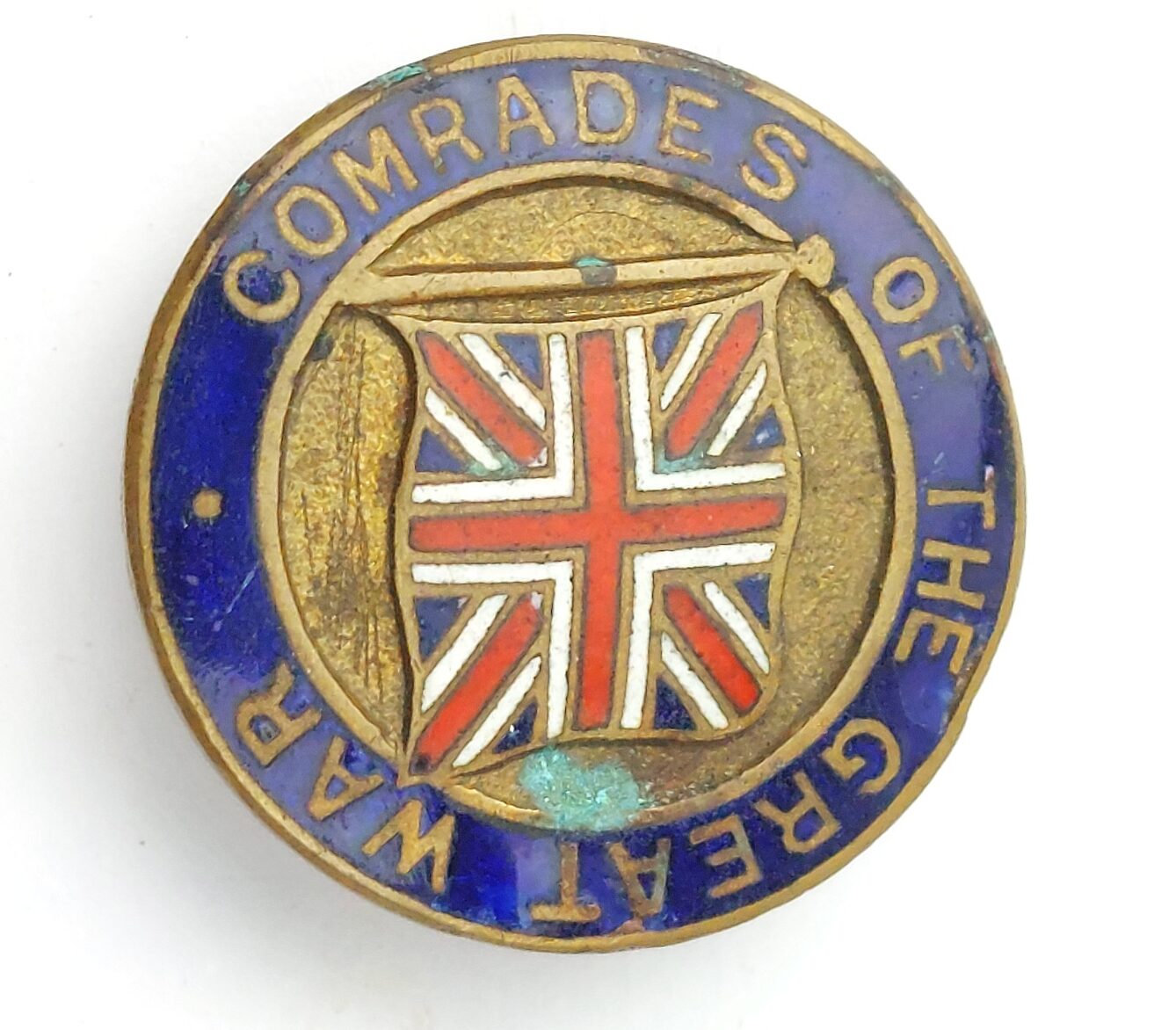
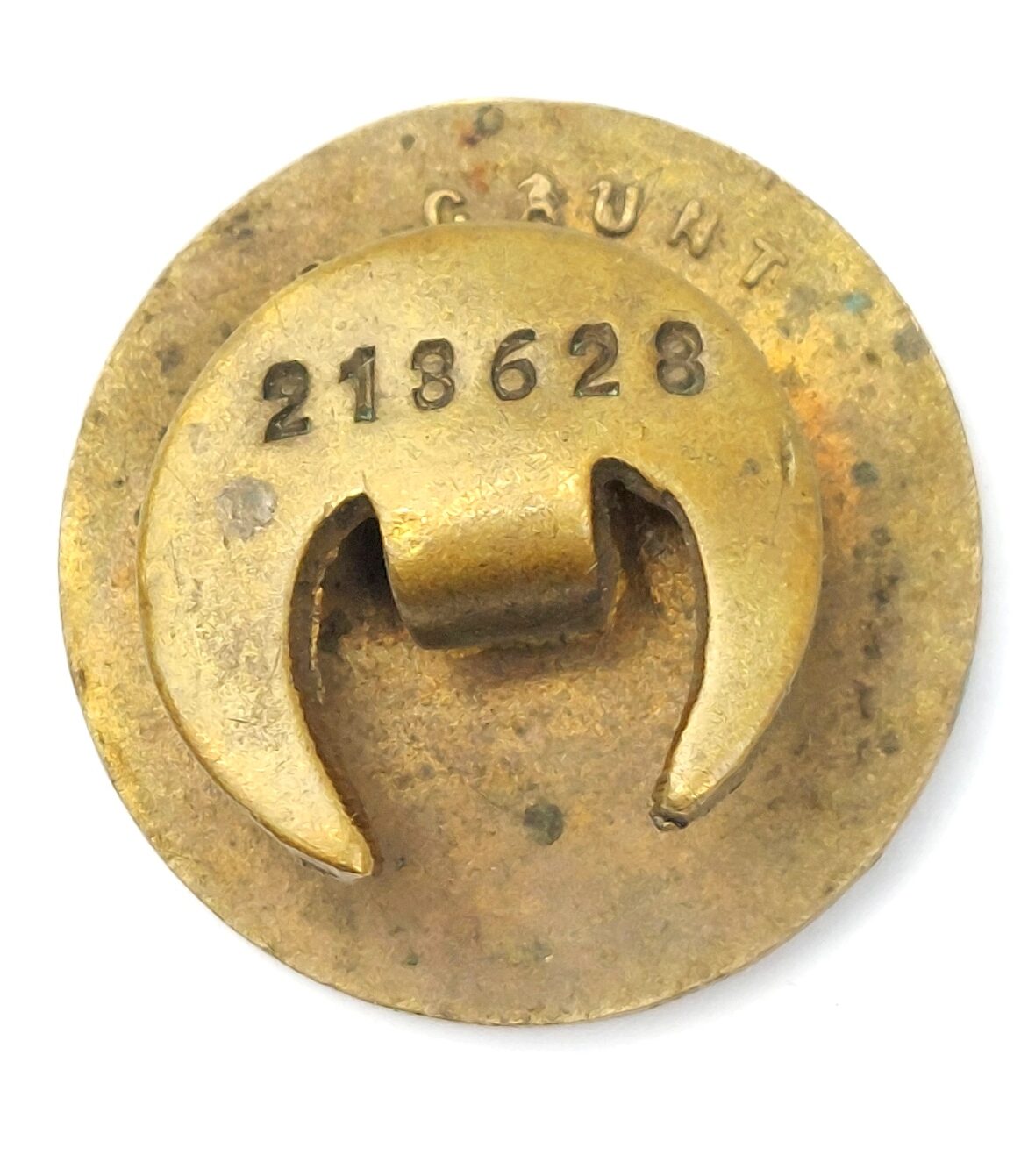
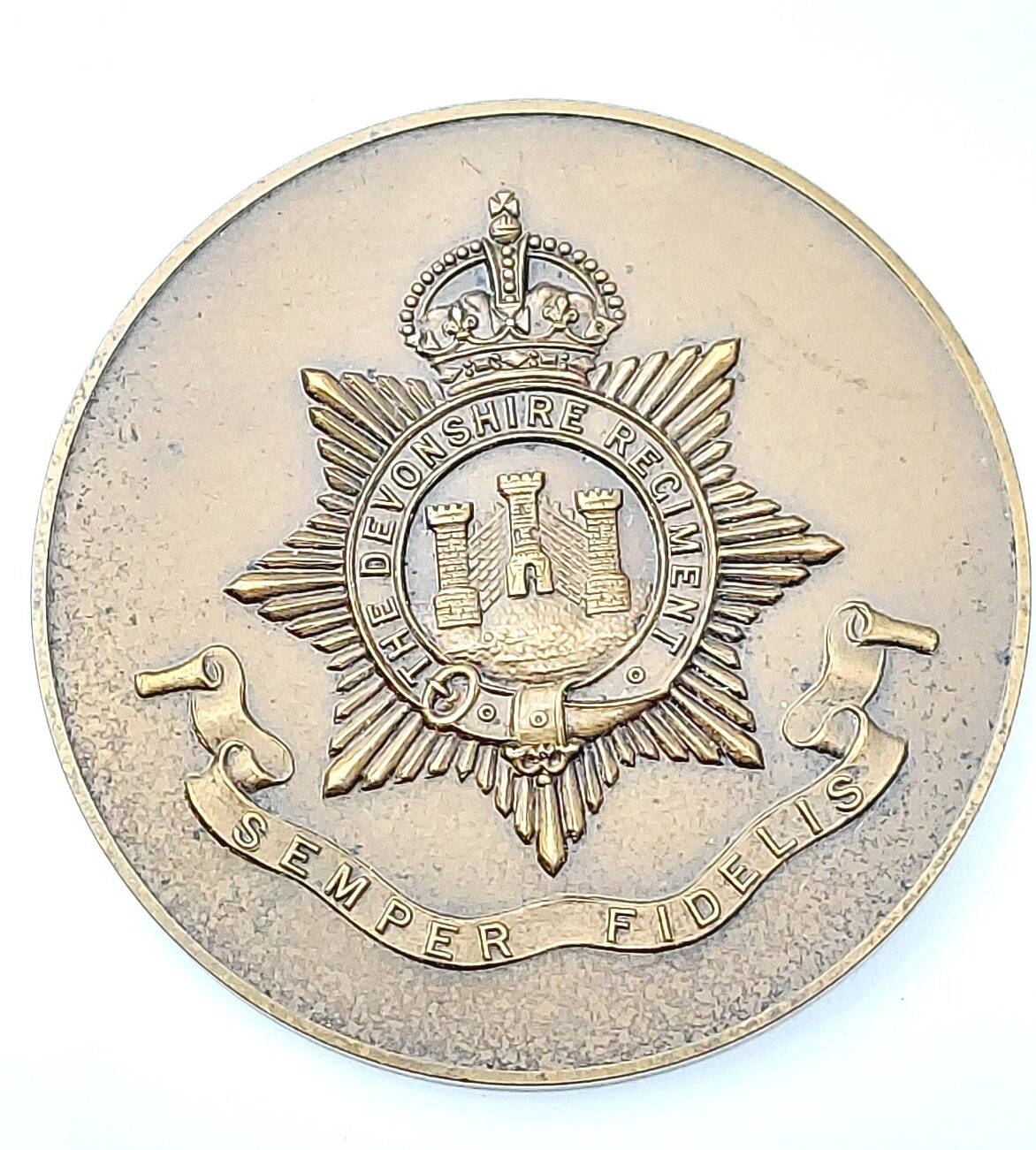
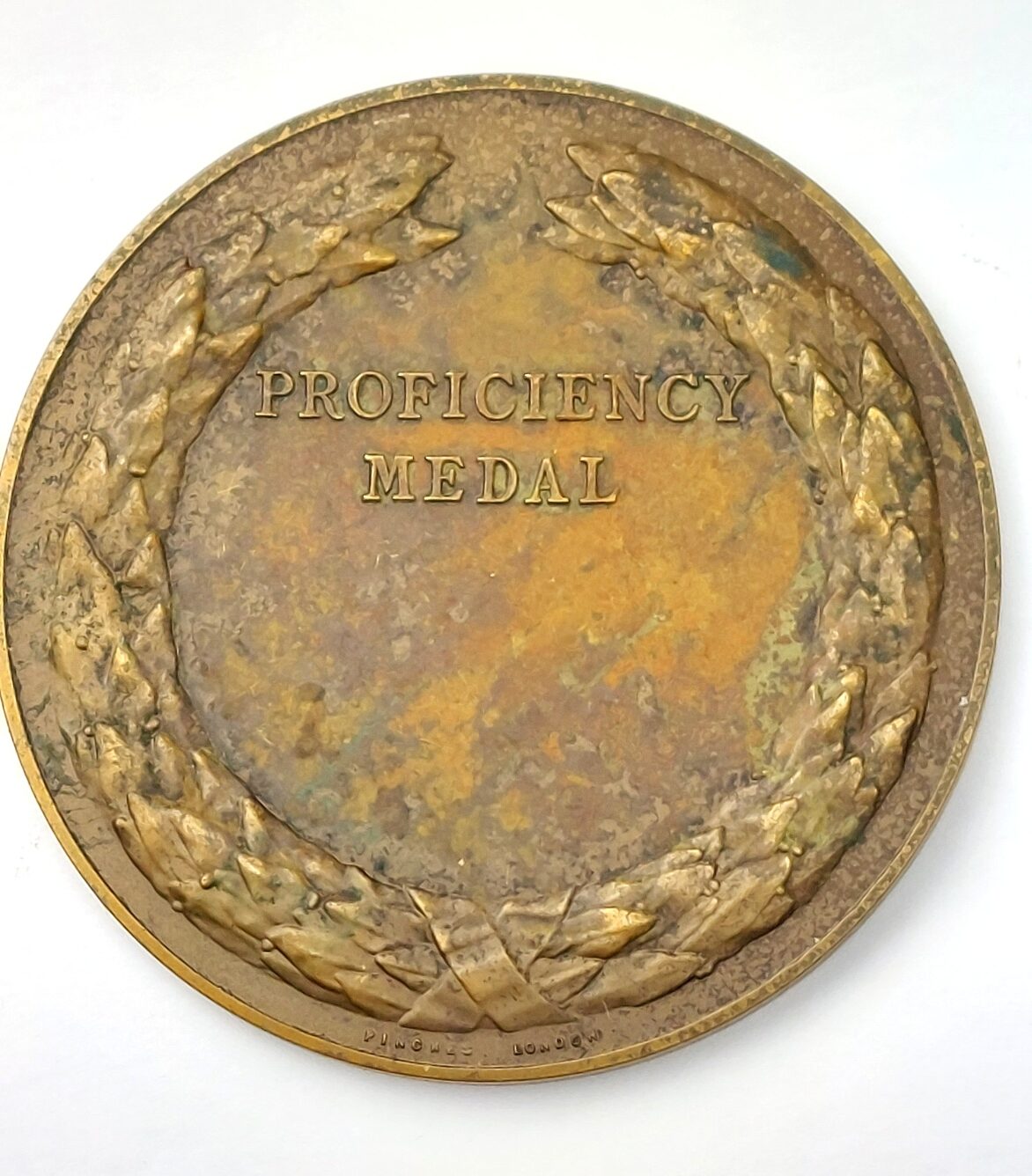
Accompanying the mounted group is a Devonshire Regiment Proficiency Medal in bronze, the obverse bearing the regimental device and legend “Proficiency Medal”, the reverse inscribed “The Devonshire Regiment – Semper Fidelis.” Also included is a Comrades of the Great War badge, numbered 218628 and maker marked GRUNT, retaining its original fittings.
Historical Note:
Medal Index Card (WO 372/9/9060) confirms that Frank Harding served with the Military Foot Police, entering France on 4 October 1915, thereby qualifying for the 1914–15 Star. The Military Foot Police were responsible for discipline, traffic control, prisoner escort and rear-area security — a vital but often under-recognised branch of wartime service operating immediately behind the front lines.
Archival material relating to the Devon Constabulary, published via the British Police History website, records a Police Constable Frank Harding (PC 42) who joined the force on 8 July 1912, aged 21 years and 8 months. He was born at Brampford Speke, on the outskirts of Exeter, and gave his occupation on joining as plate-layer. The record notes that he had already completed three years’ service in the Devonshire Regiment (the “Bloody Eleventh”) prior to joining the police. On 30 June 1915, Harding resigned from the Devon Constabulary in order to re-join the Devonshire Regiment for wartime service. This aligns precisely with his subsequent overseas service in October 1915, as confirmed by his Medal Index Card. He survived the war and was reinstated into the Devon Constabulary on 28 January 1919, continuing his service until 30 September 1938, when he was pensioned as a constable after over two decades of police duty. Constabulary Benefit Society records further note that he married Ellen after joining the force, and that they had two children: Frank George (born 3 April 1916) and Gladys Ella (born 19 December 1919) — details that firmly place him within the Devon community during and after the war years. These documented details correspond directly with: the presence of the Devonshire Regiment Proficiency Medal, his confirmed First World War service commencing in 1915 and the named 1937 Coronation Medal to the Devon Constabulary contained within this group.
The 1937 Coronation Medal of King George VI was issued in strictly limited numbers to selected serving police officers in recognition of their role in national ceremonial observances. County constabularies received allocated quotas, distributed at the discretion of Chief Constables, typically to officers of established service and good standing. Award of this medal reflects Harding’s long and reputable interwar career within the Devon Constabulary. County police examples are considerably scarcer than Metropolitan Police issues.
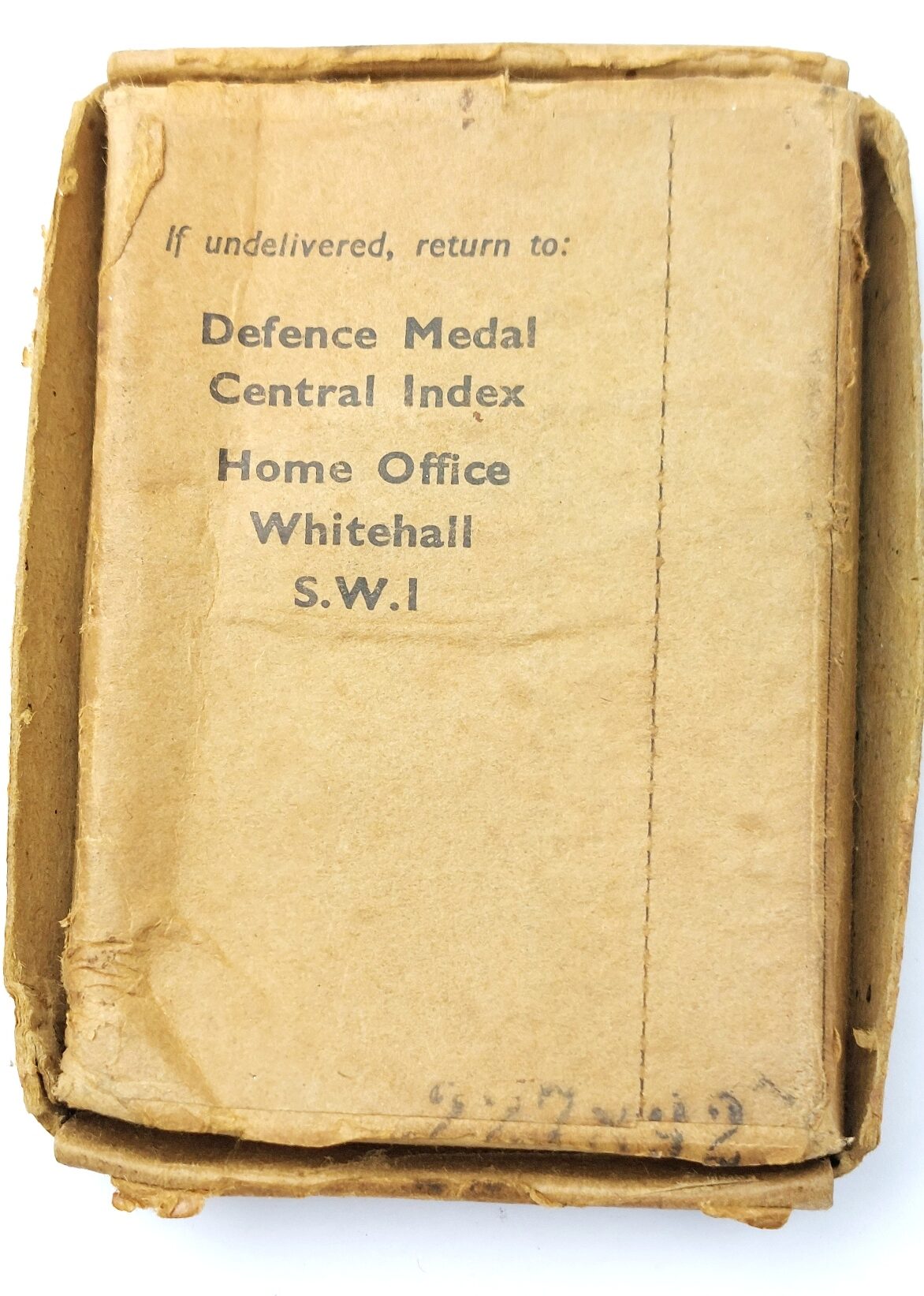
His award of the Defence Medal (1939–45) confirms continued public service during the Second World War. Instituted in 1945, the medal recognised a minimum of three years’ non-operational service within the United Kingdom between 1939 and 1945. Police forces formed a critical component of Britain’s Home Front defence structure, enforcing blackout regulations, safeguarding infrastructure, coordinating civil defence measures and responding to air raids. The survival of the original O.H.M.S. issue box and Home Office forwarding slip addressed to Harding at 3 Teugla Terrace, Clyst St Mary, Exeter, provides firm documentary provenance and anchors his wartime service in Devon.
The Comrades of the Great War badge further demonstrates Harding’s continued identification with the ex-servicemen’s community during the interwar years. Founded in 1917 and later incorporated into the British Legion in 1921, membership was voluntary and required proof of war service, making the badge a personal declaration of veteran status and a tangible link between his wartime service and civilian life.
Taken together, this group traces the life of a Devon man from pre-war regimental service, through wartime military policing in France, into a lengthy and documented career in the Devon Constabulary, and onward into continued Home Front service during the Second World War — a complete and regionally coherent service narrative spanning over three decades.
*Condition*
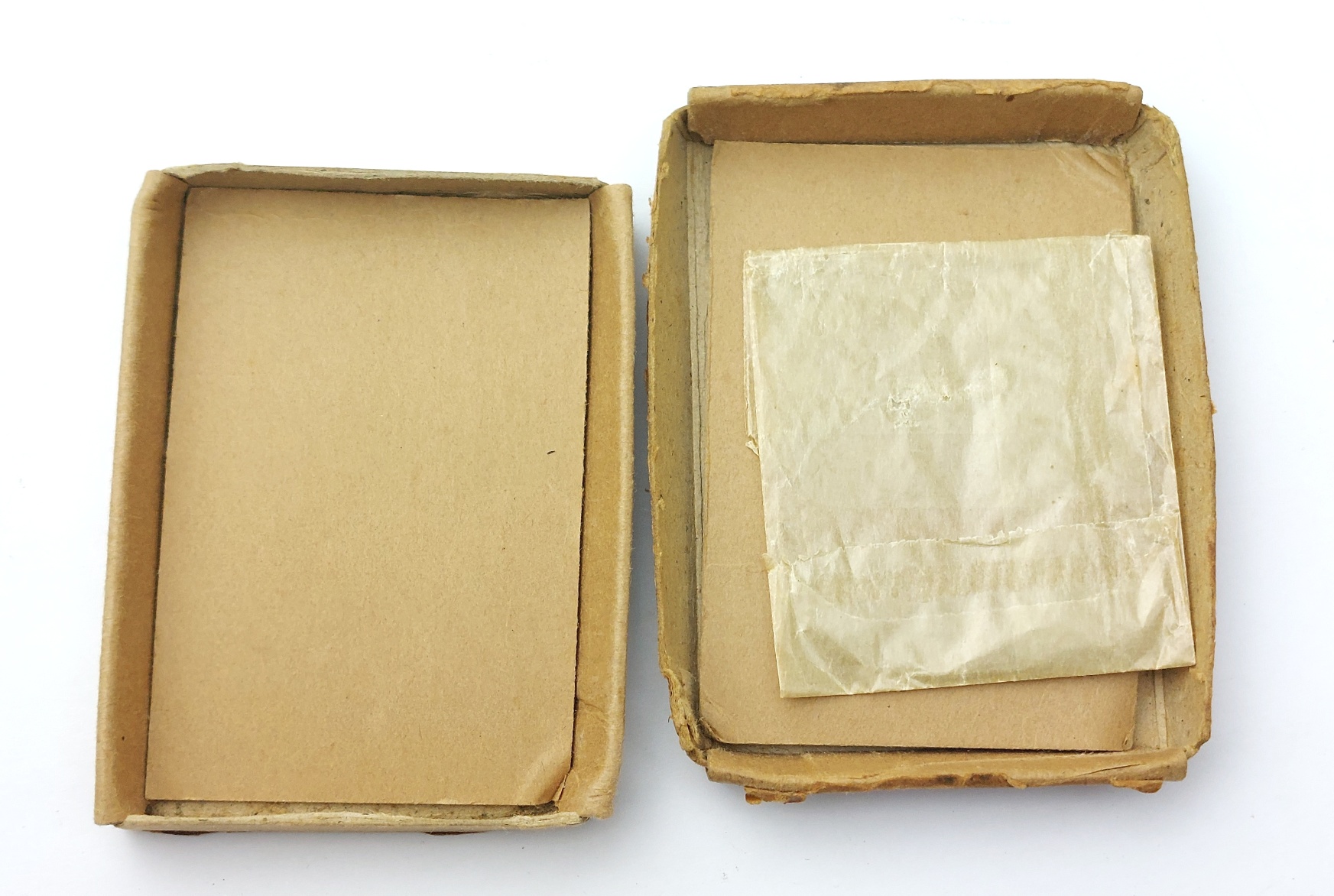
Medals professionally court mounted as worn. WWI medals evenly toned with clear and fully legible impressed naming. No evidence of erasure or re-impressing. Coronation Medal with crisp detail and sharp edge inscription. Defence Medal clean, accompanied by original named O.H.M.S. issue box and Home Office forwarding slip; box and slip display expected age wear and handling marks consistent with period issue. Devonshire Regiment Proficiency Medal with honest age patination. Comrades badge intact with clear numbering and maker mark. Please see photographs as part of the condition report.
RQMAEOXBFO_2815230541