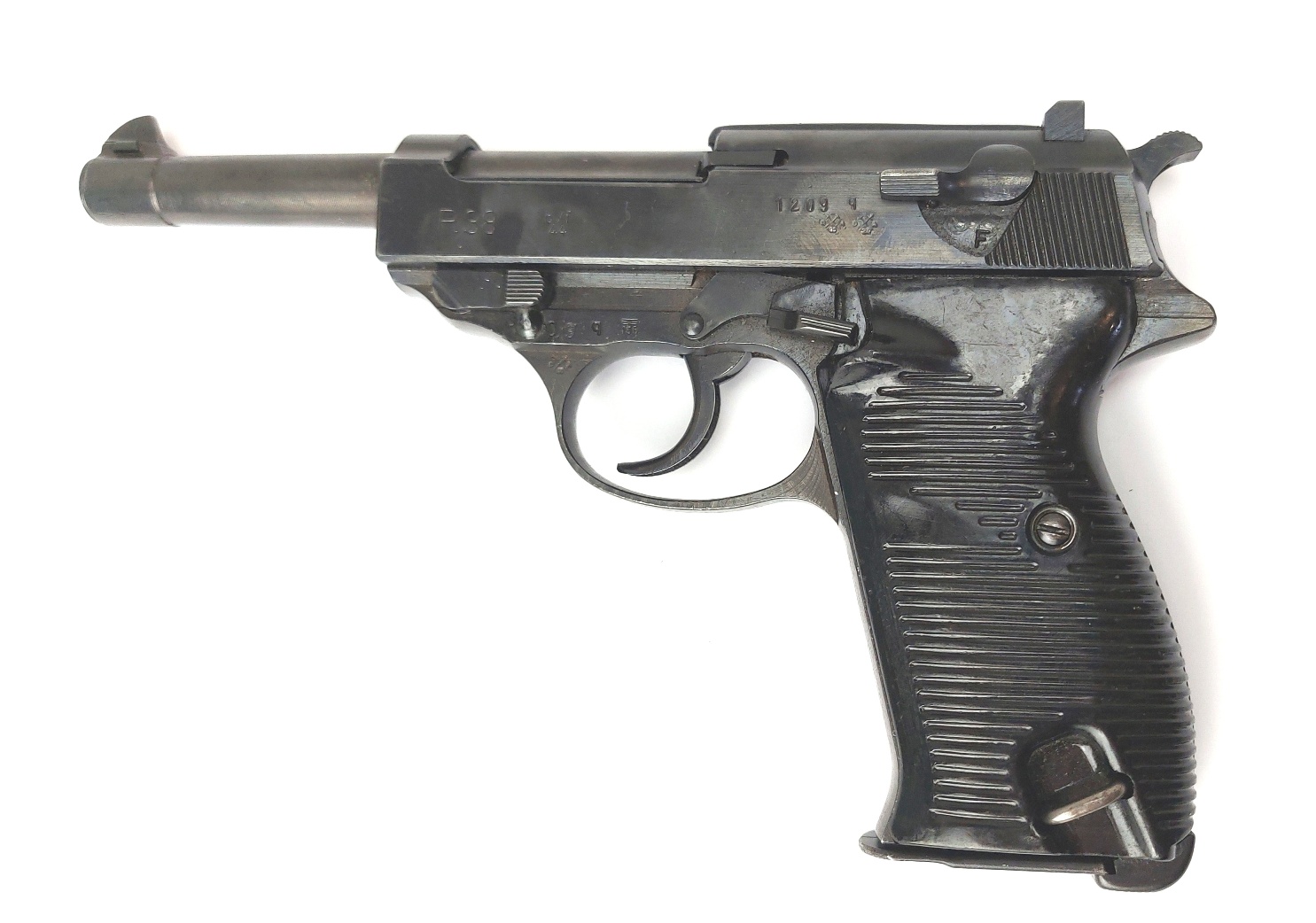
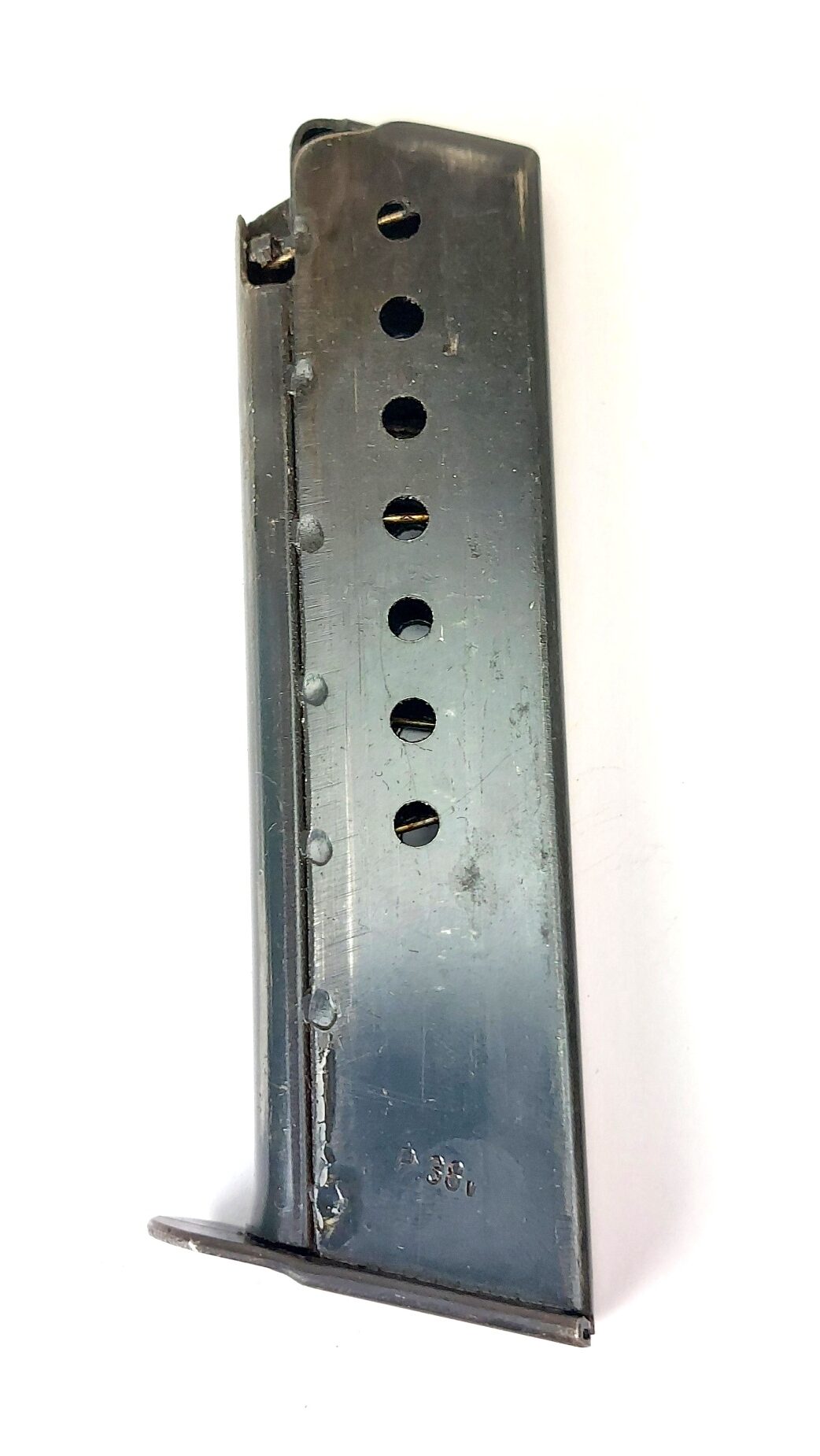
*German, WW2 - Dated 1944, Mauser-Werke P.38 Semi-Automatic Pistol, byf 44, WaA135, Serial No. 1209q, Matching Numbers, EU Deactivated, with WaA135 Magazine*
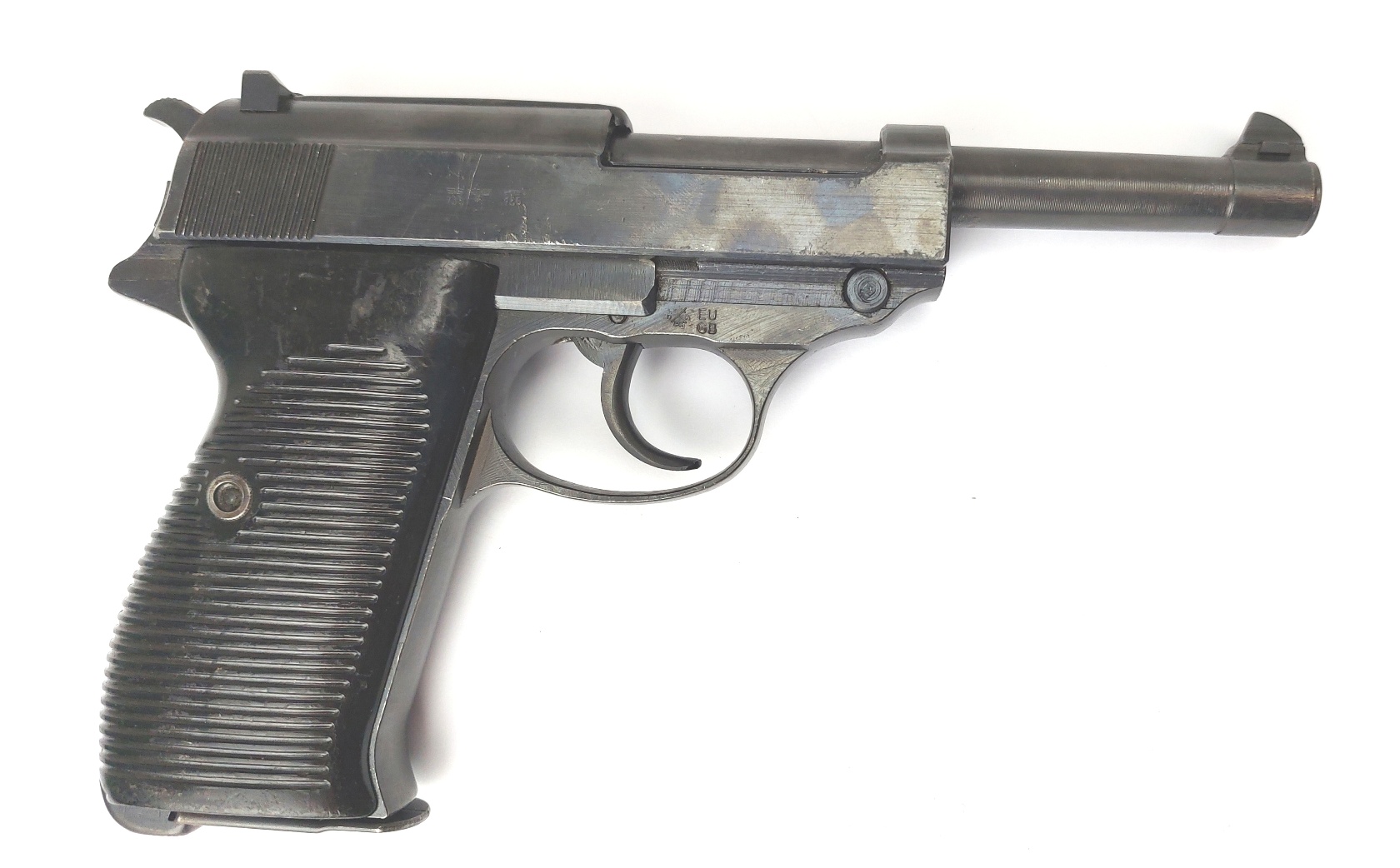
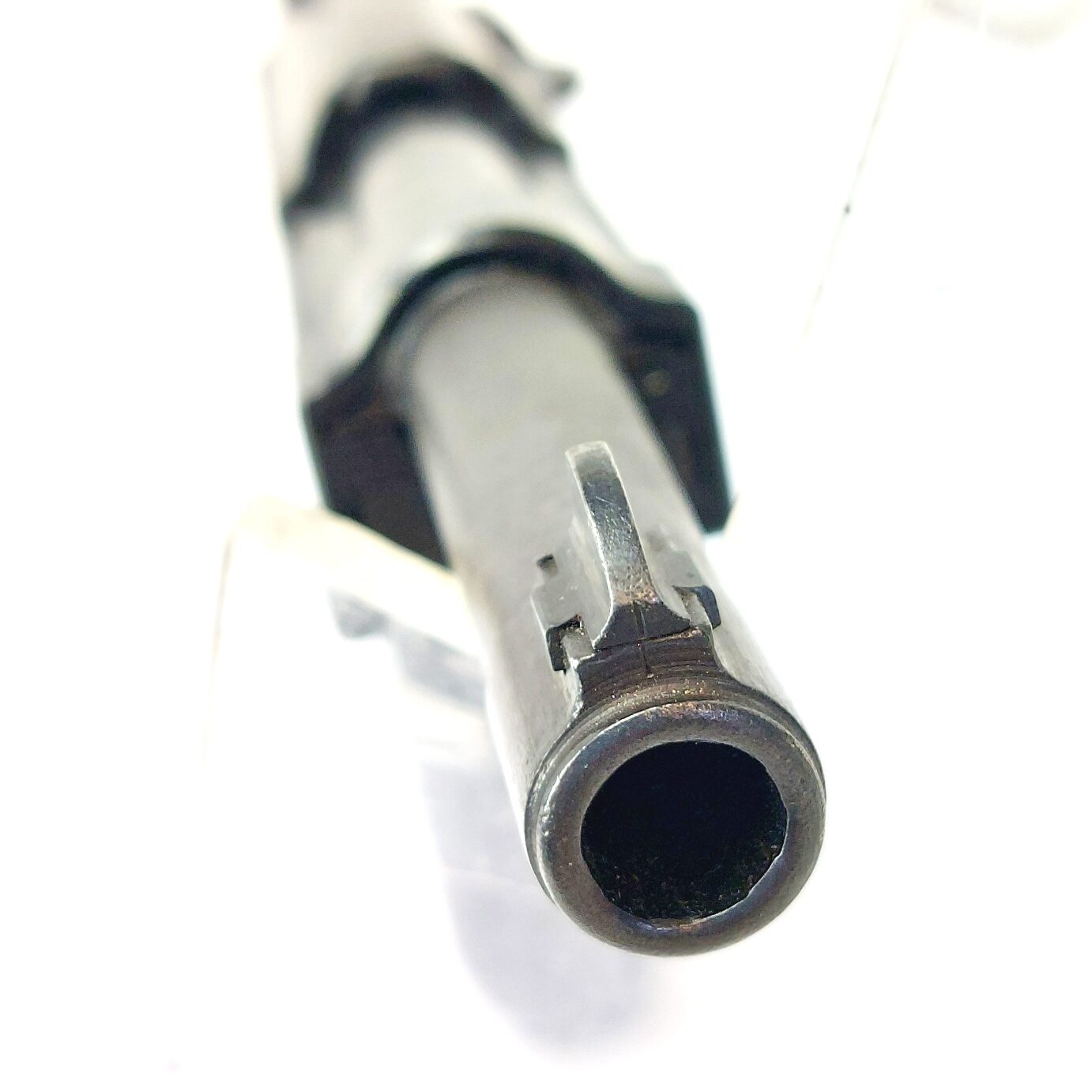
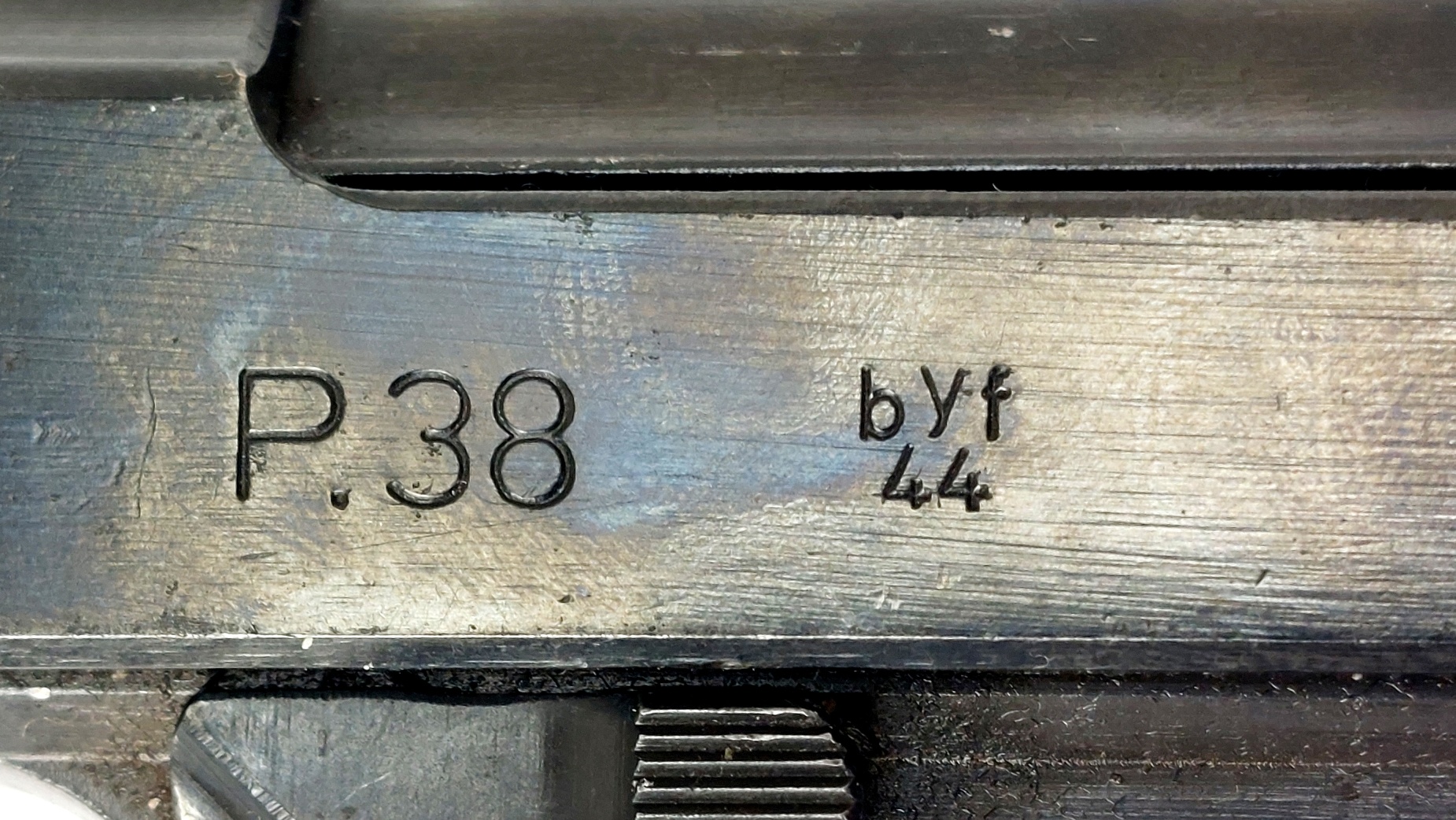
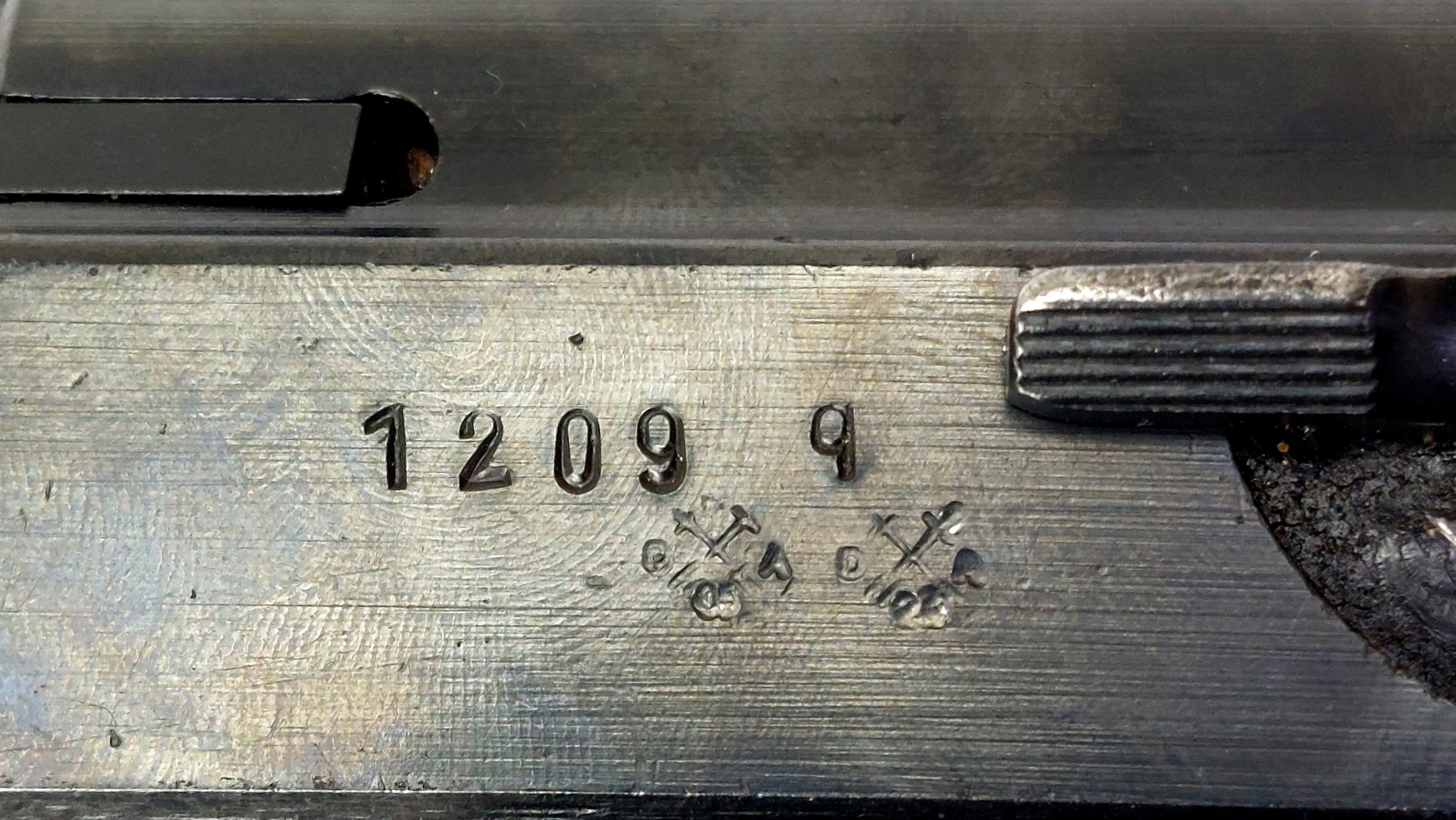
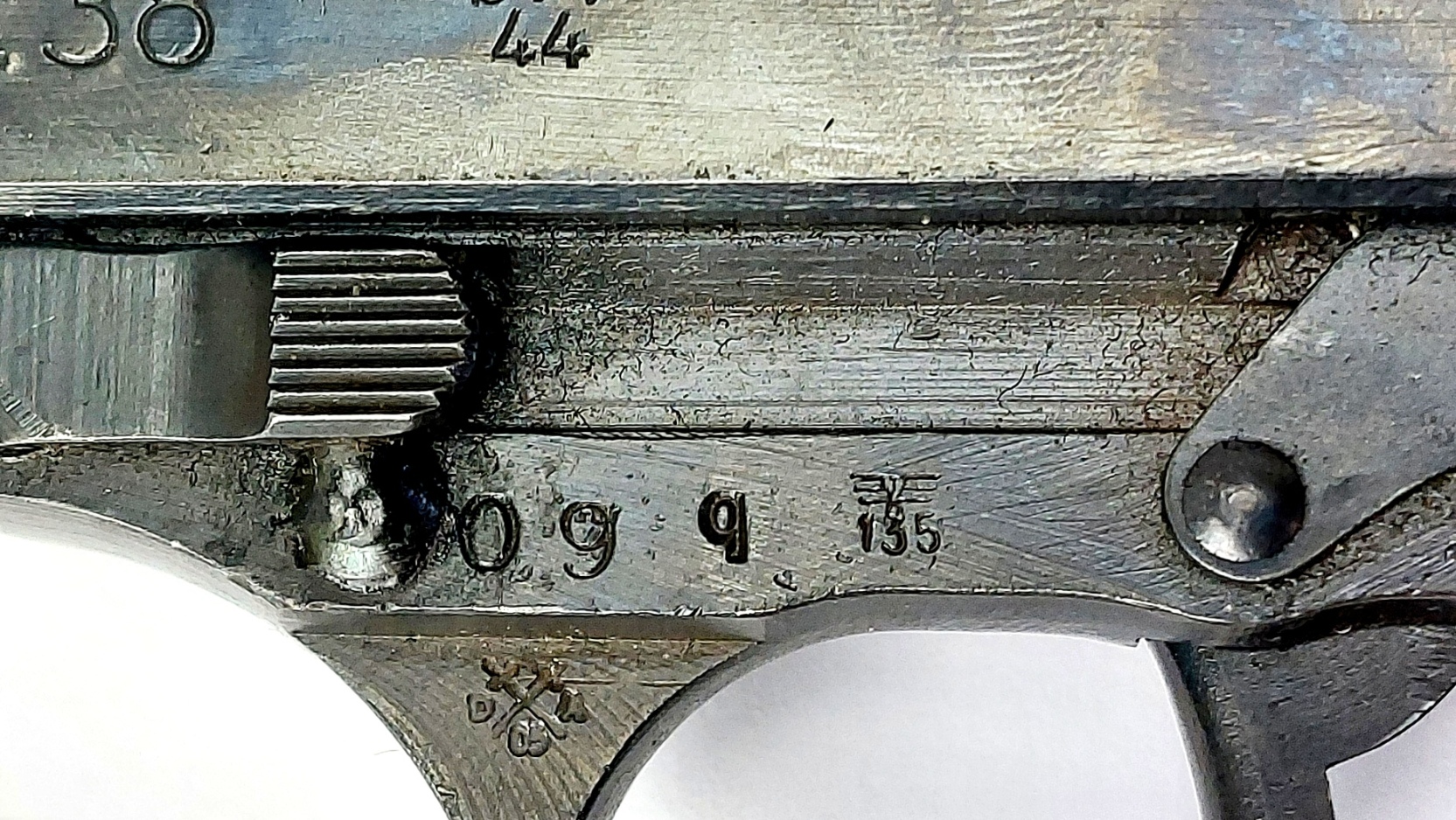
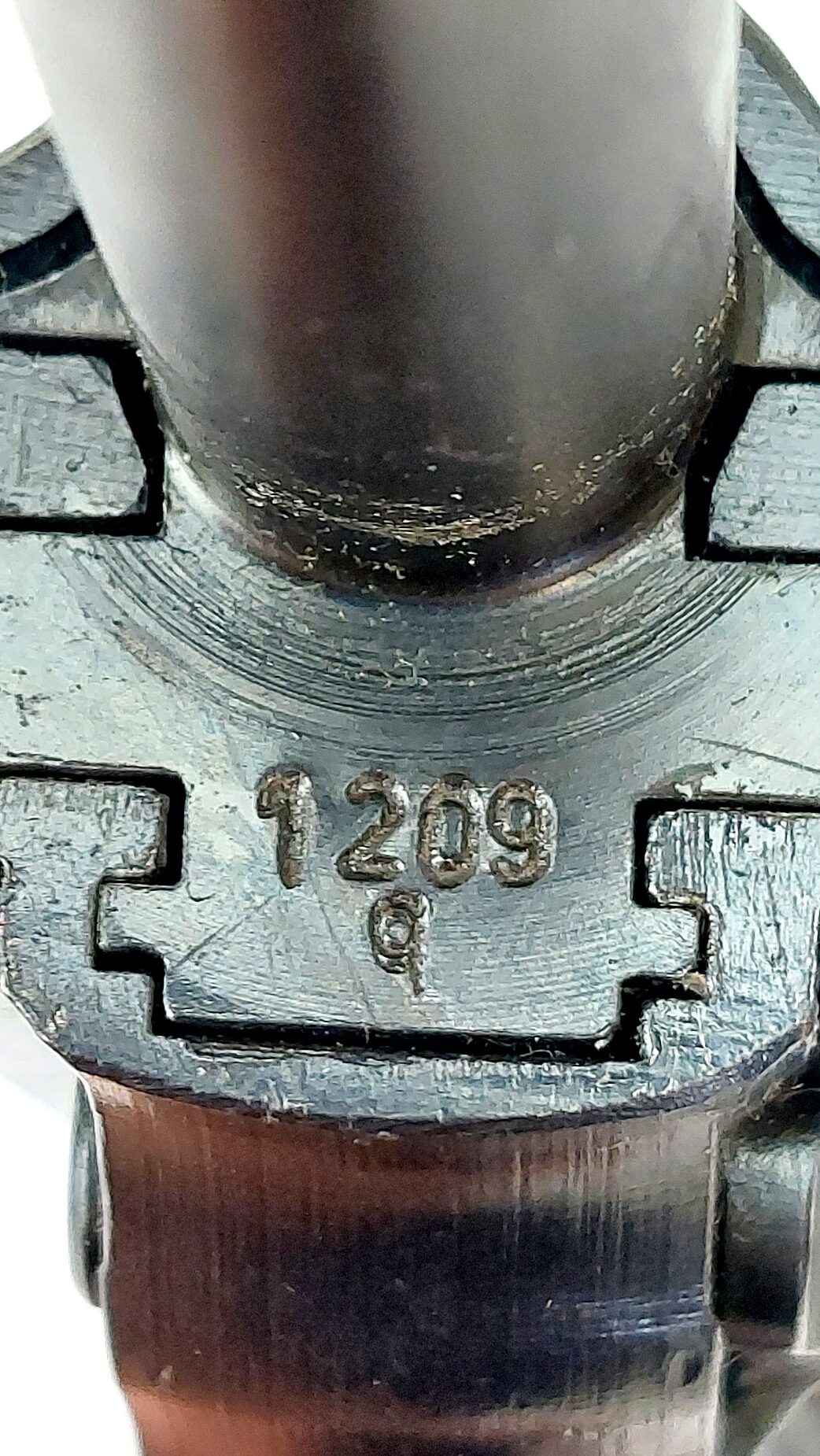
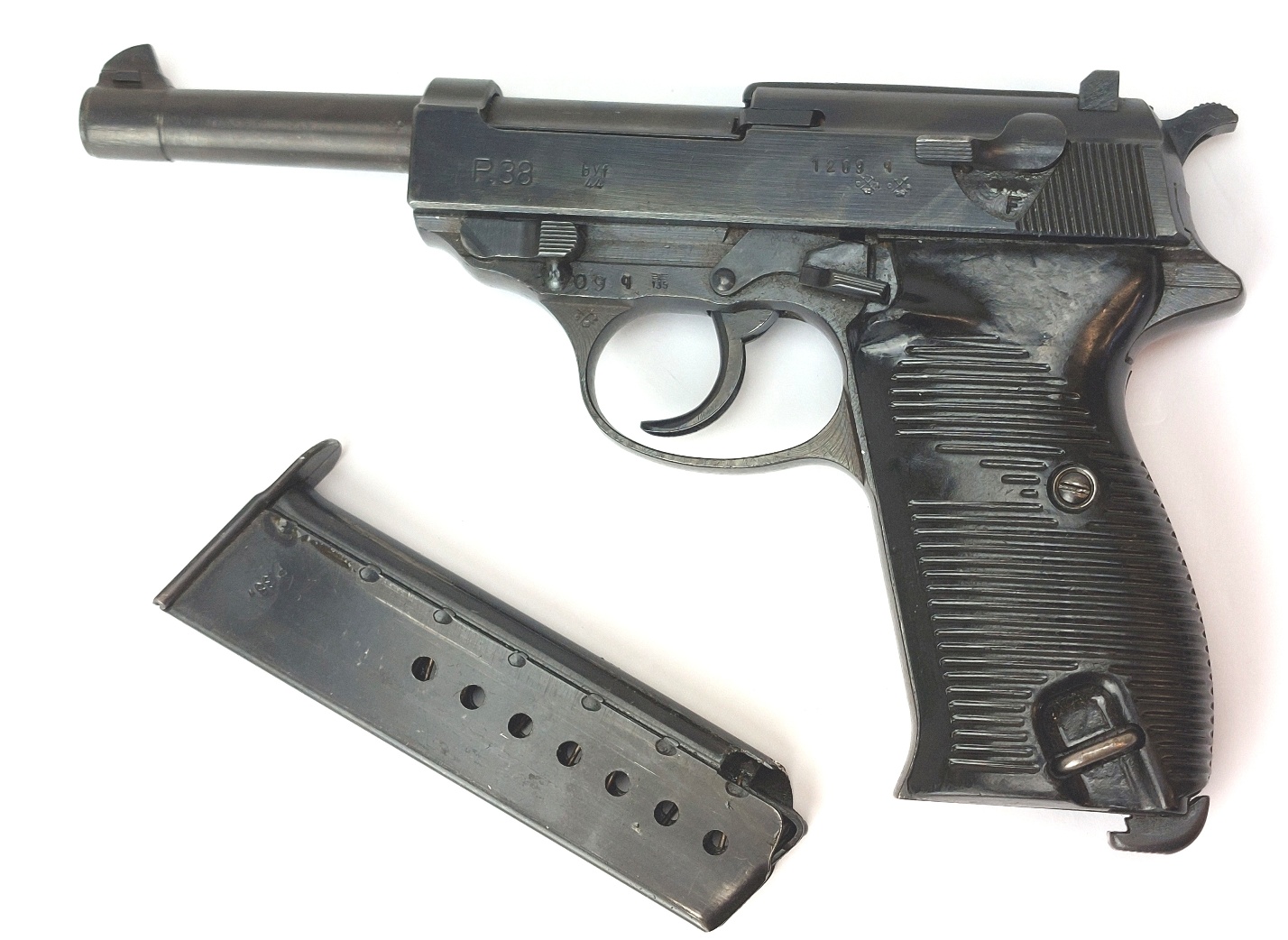
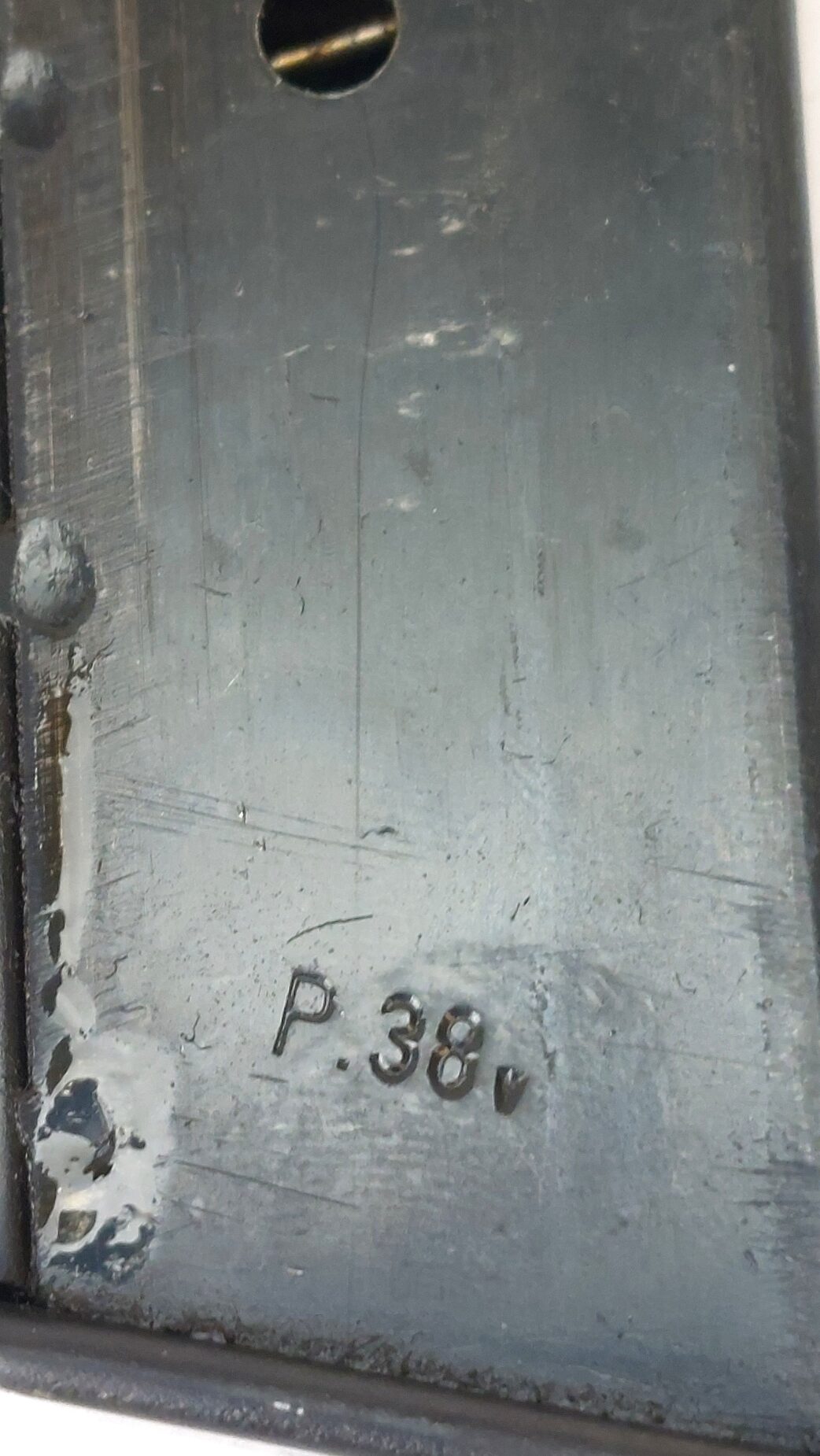
An original Second World War German Mauser-produced P.38 semi-automatic pistol, dated 1944 and bearing the wartime manufacturer code “byf 44” on the left side of the slide, identifying production by Mauser-Werke A.G., Oberndorf. The pistol is chambered in 9mm Parabellum and retains matching serial number 1209q across the principal visible components, including the frame, slide, and barrel assembly, together with a period detachable magazine marked “P.38v” and Waffenamt accepted. The left side of the slide is crisply marked “P.38” alongside the wartime Mauser manufacturer code “byf 44,” while the serial suffix “q” places the pistol within Mauser’s early 1944 production sequence.
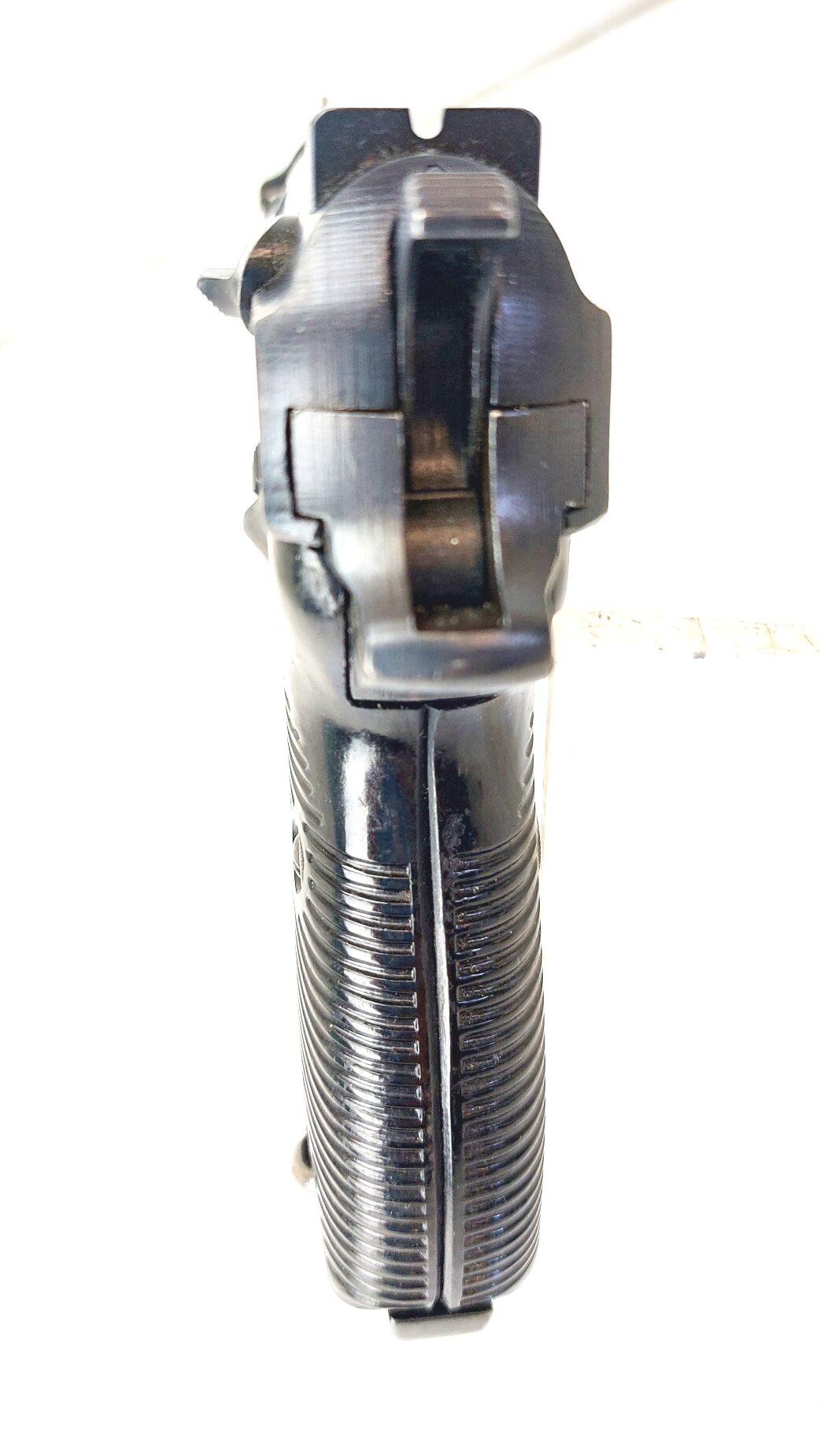
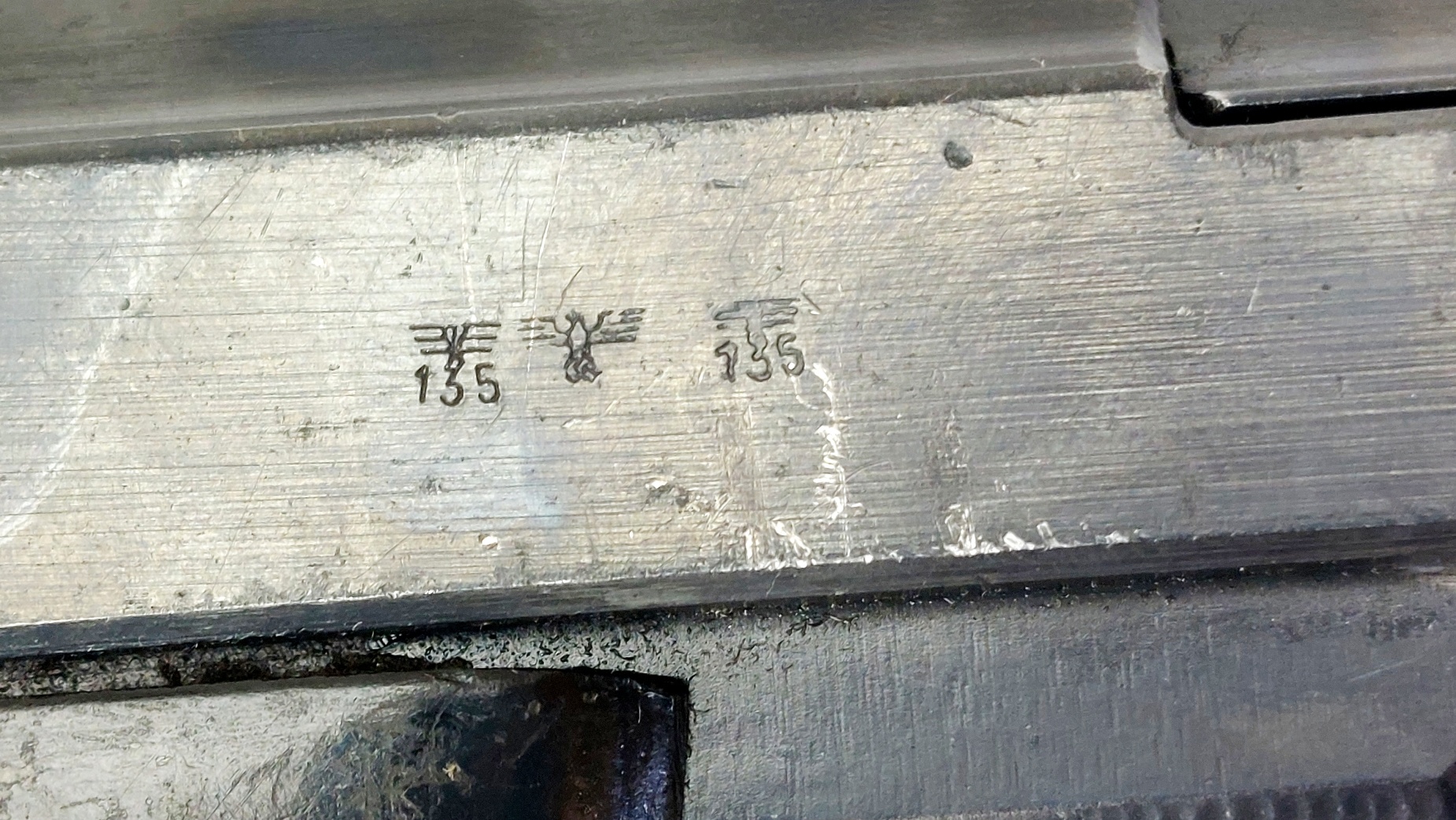
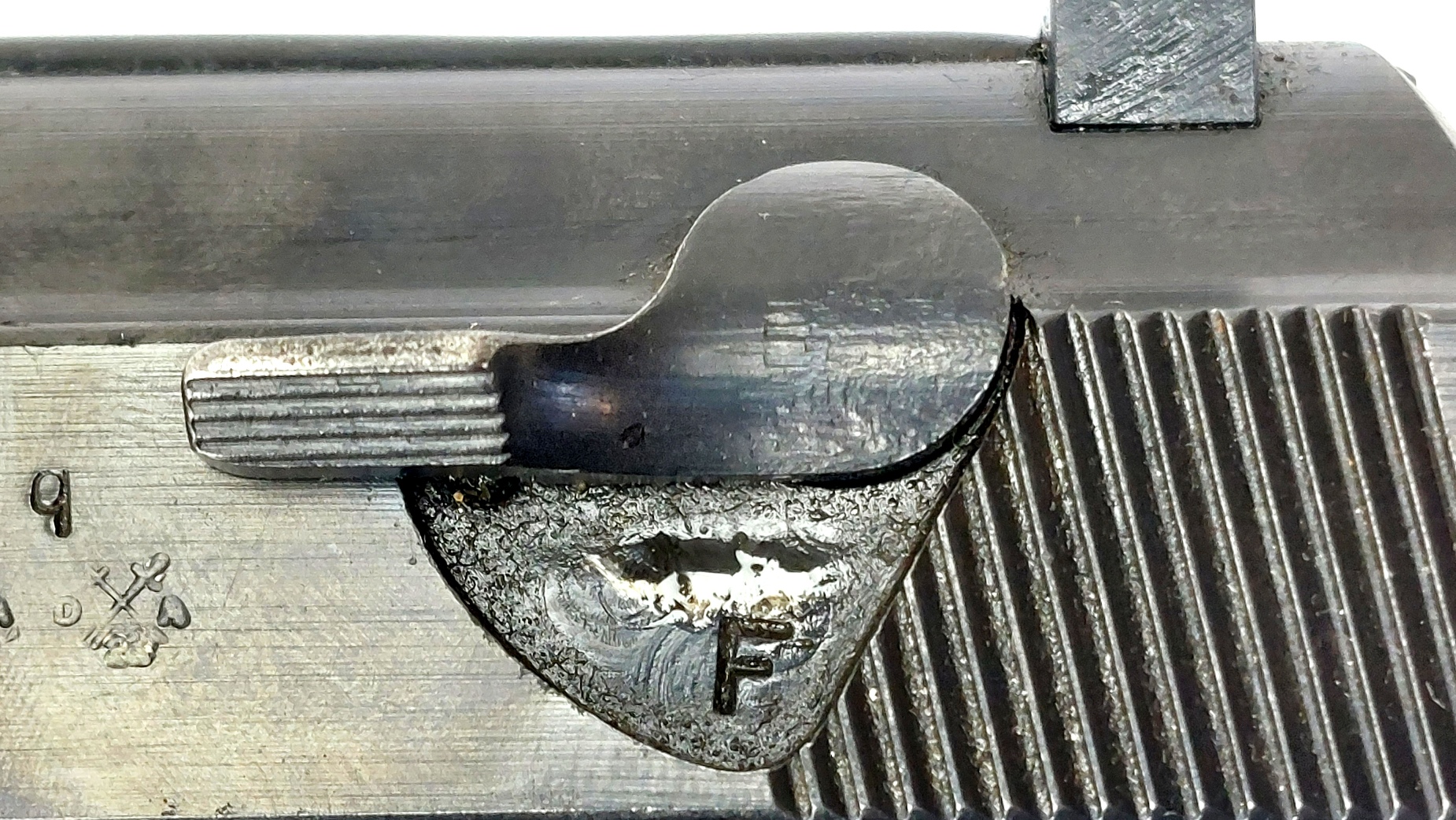
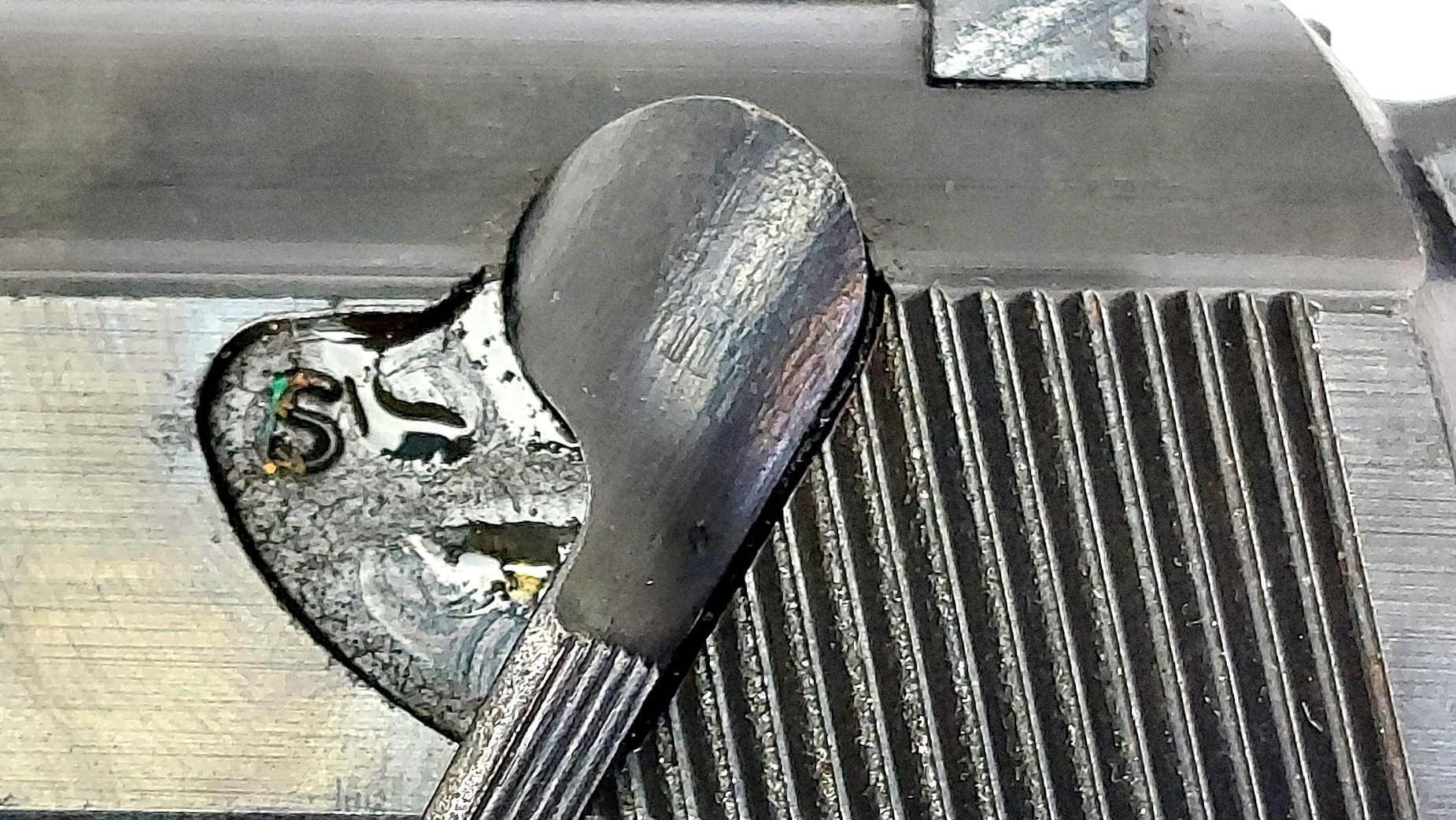
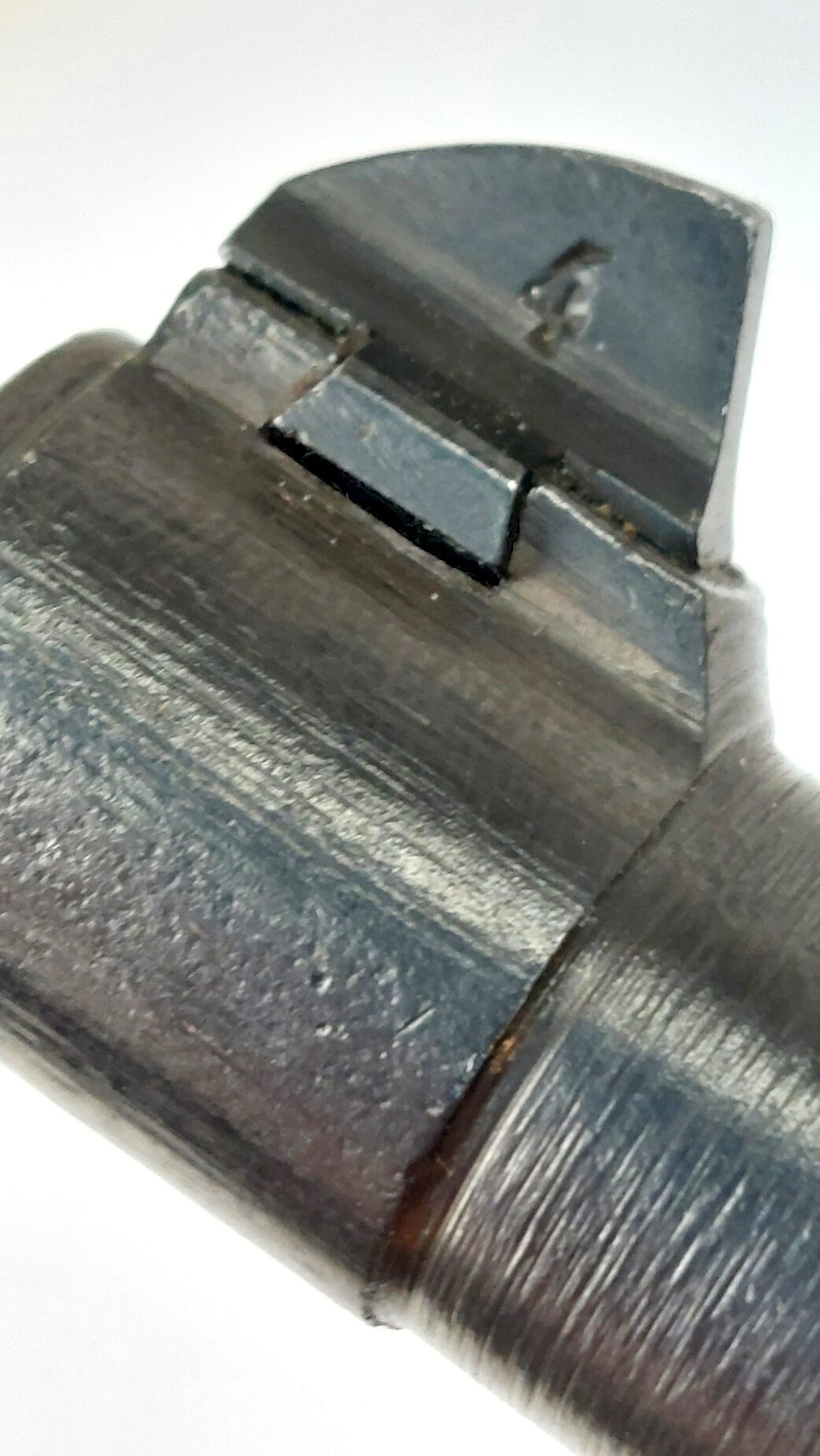
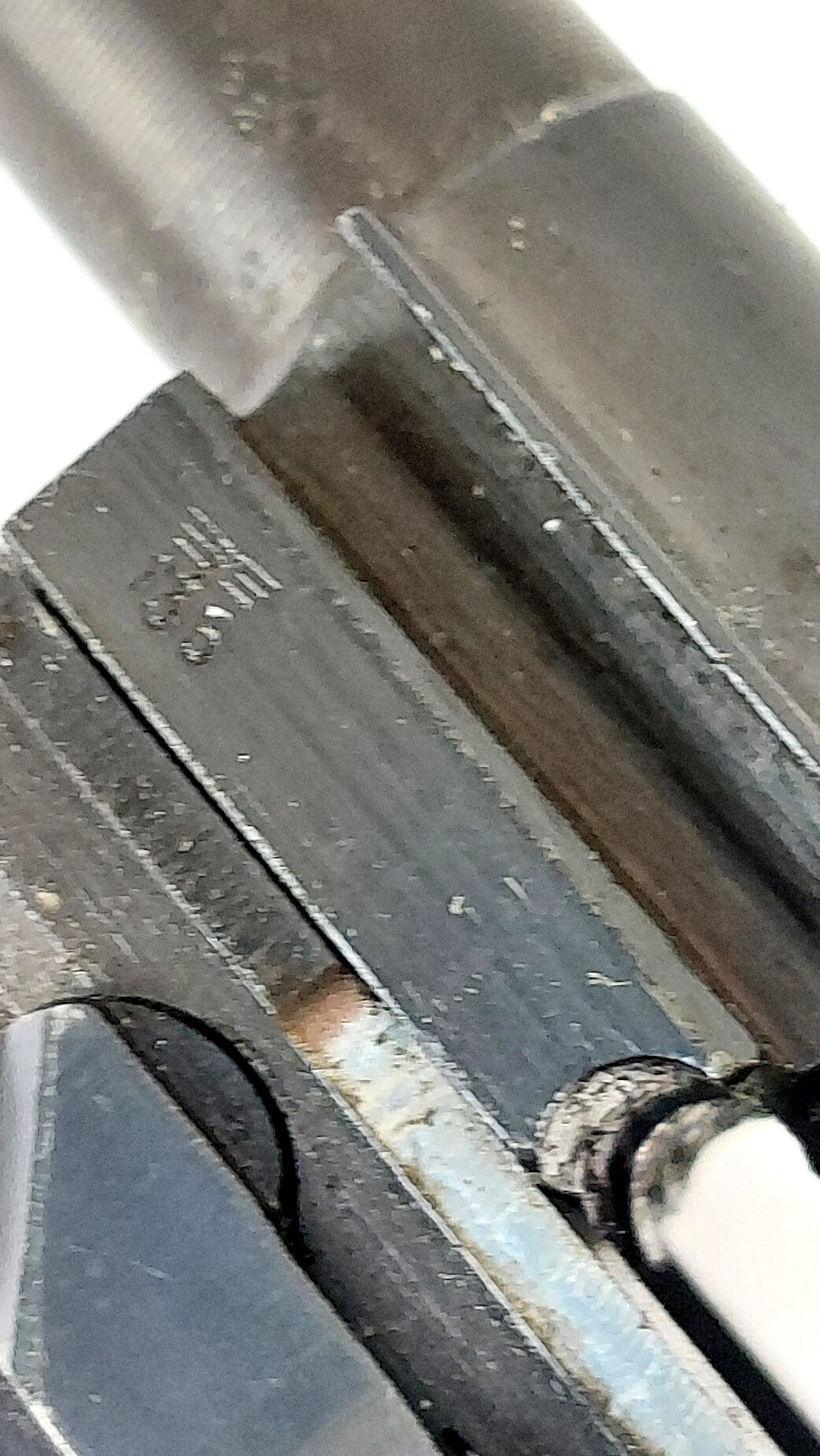
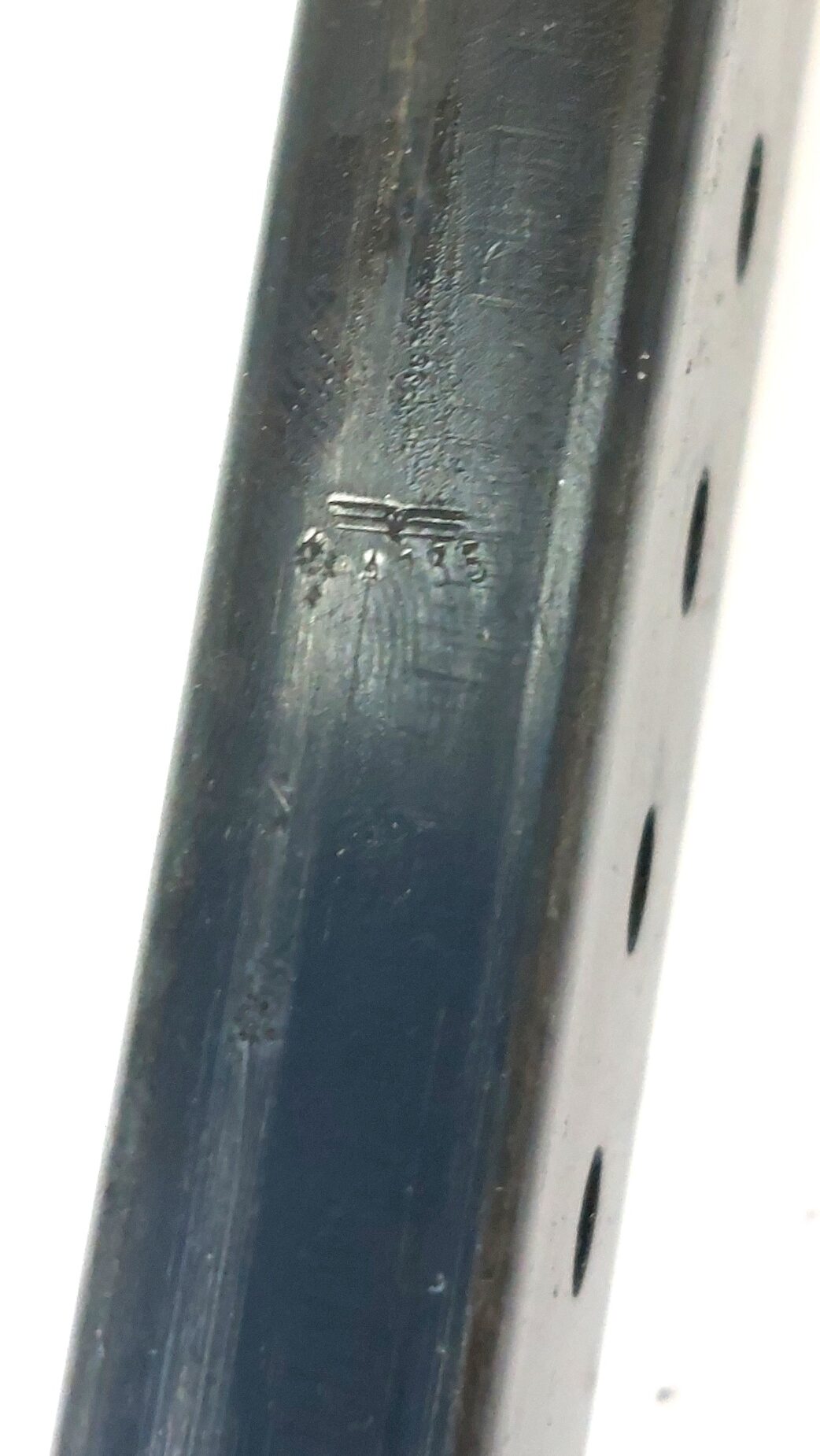
The pistol retains numerous Eagle / 135 Waffenamt military inspection marks throughout, including on the right-hand side of the slide, above the trigger on the frame, beneath the barrel assembly, and on the magazine body itself. These inspection stamps identify acceptance by the German military inspection team assigned directly to Mauser wartime production. The pistol further retains its original-style black ribbed Bakelite grips and lanyard loop at the base of the frame.
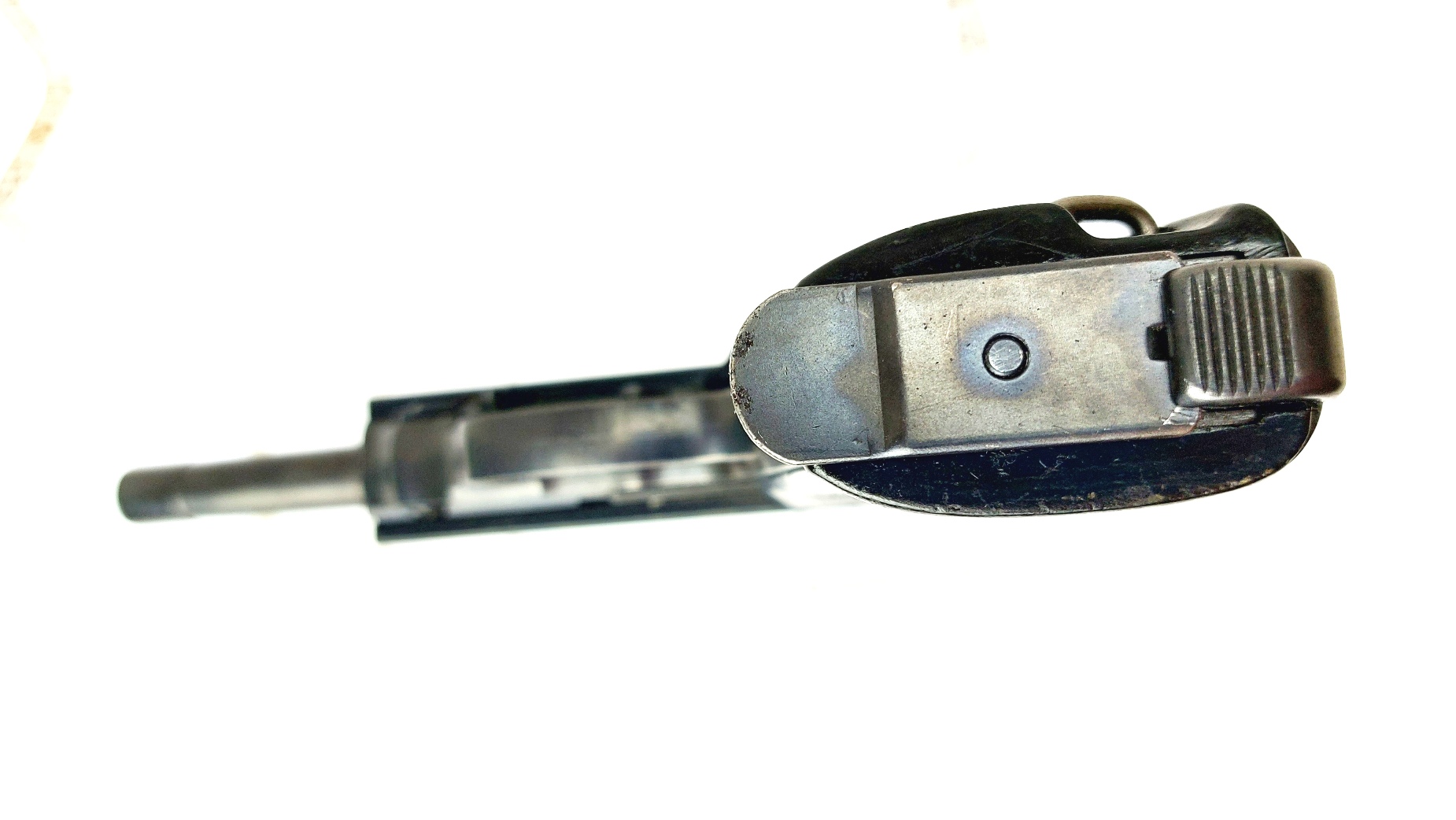
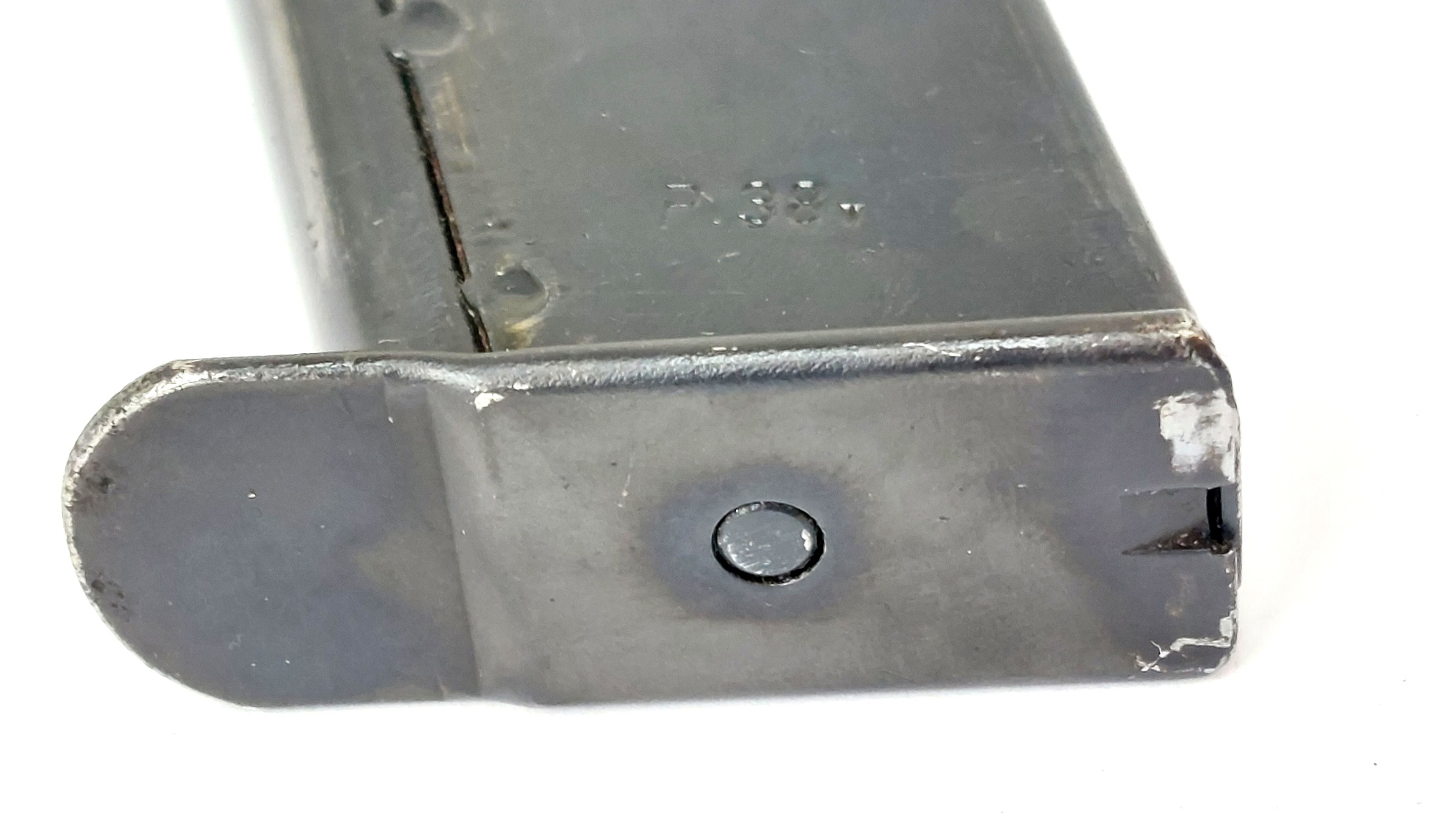
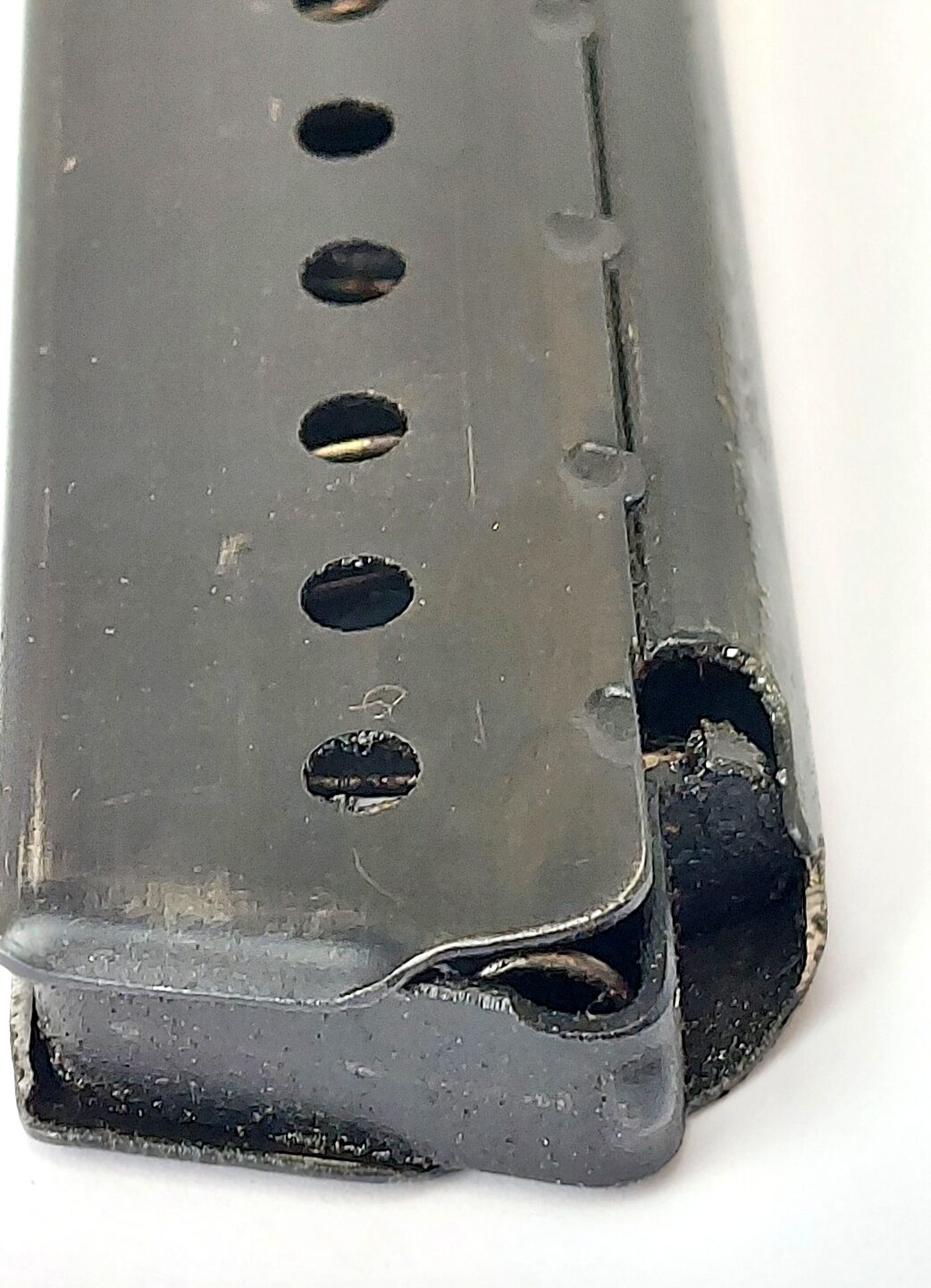
The supplied detachable magazine is stamped “P.38v” and bears an additional Eagle / 135 Waffenamt acceptance mark. While wartime P.38 magazines were often produced on dedicated subcontractor lines, the presence of the matching Eagle / 135 inspection mark confirms this example as a correct Mauser-inspected wartime magazine rather than a later replacement or post-war substitute.
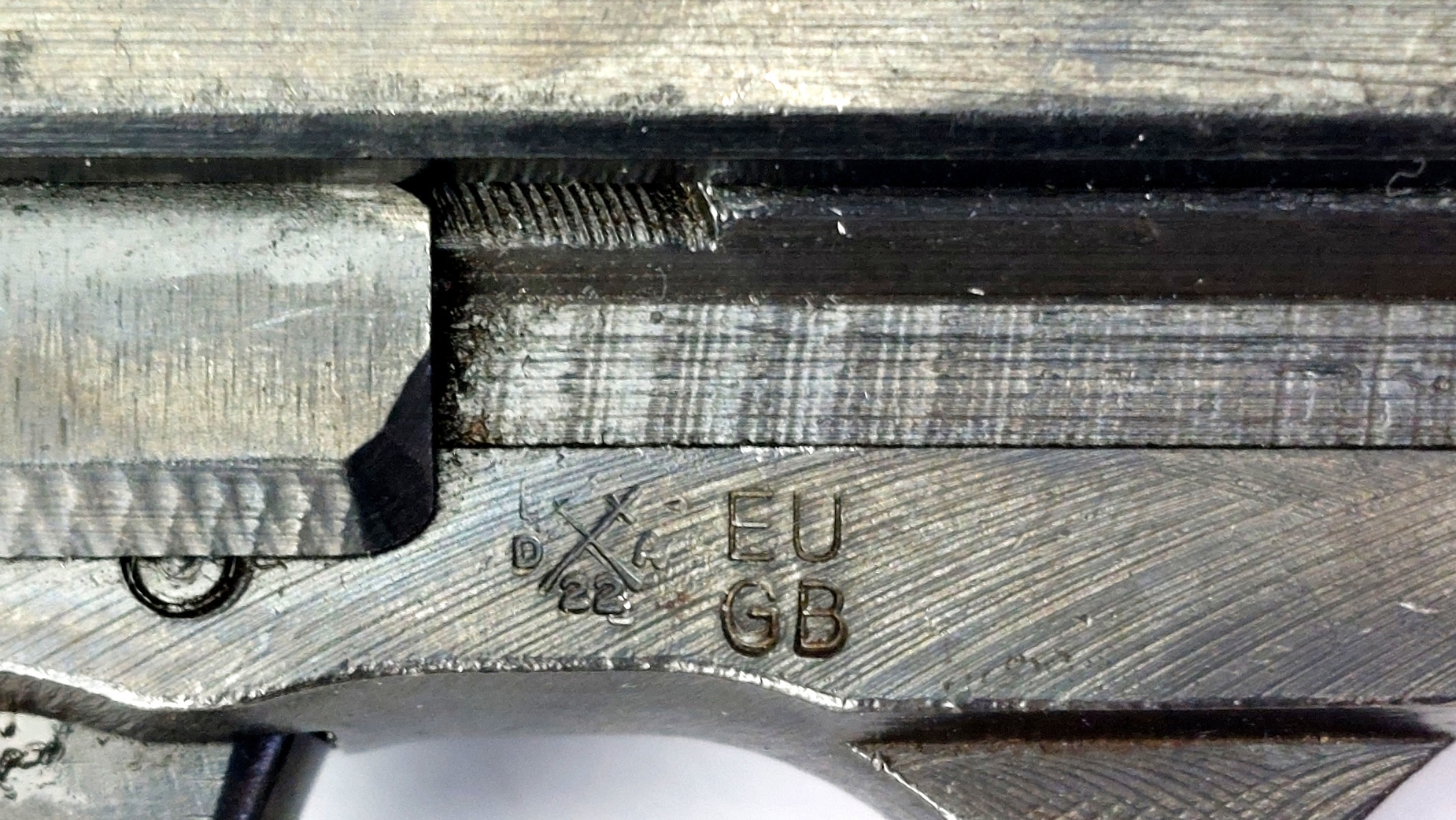
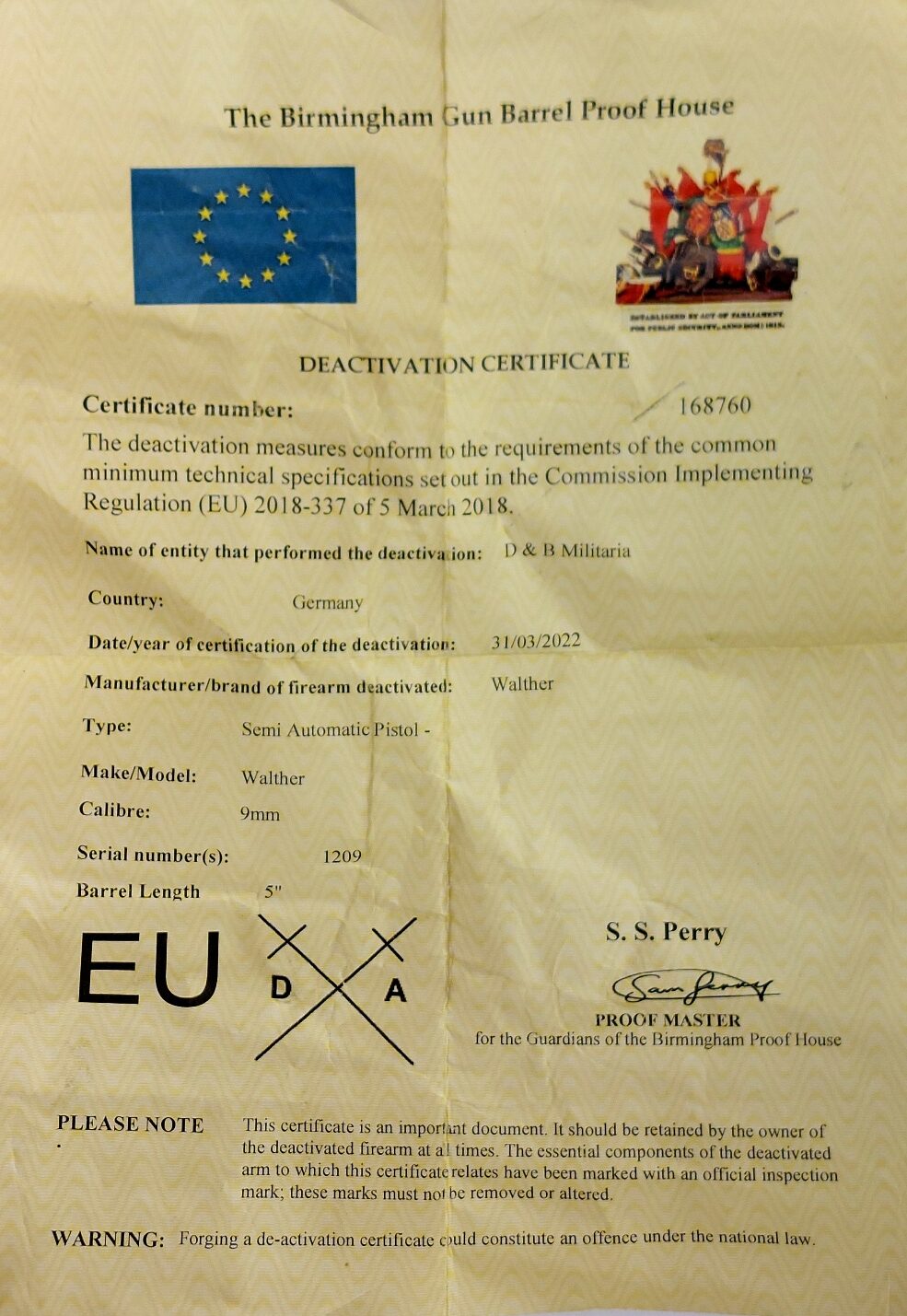
The pistol is accompanied by its Birmingham Gun Barrel Proof House EU deactivation certificate dated 31 March 2022, certificate number 168760.
Approx. Measurements – Overall length: 21.5 cm. Barrel length: 12.7 cm (5 inches).
History Note:
The Walther P.38 was officially adopted by the German Wehrmacht in 1938 as the intended replacement for the costly and mechanically intricate Luger P08. Designed to simplify manufacture while improving battlefield practicality, the P.38 introduced several advanced features for its era, including a double-action trigger mechanism and enclosed locking block system. Wartime demand rapidly exceeded Walther’s production capabilities, resulting in licensed manufacture by both Mauser and Spreewerk alongside Walther’s own factory output.
Mauser-produced examples are identified by the wartime manufacturer code “byf,” followed by the production year. By 1944, German wartime manufacturing pressures increasingly affected finishing standards, resulting in mixed phosphate and blued finishes, simplified machining, and reduced polishing compared to earlier pre-war and early-war production examples. Despite these wartime expedients, the P.38 remained one of Germany’s most successful and influential military sidearms of the conflict.
The numerous Eagle / 135 Waffenamt inspection marks found throughout this pistol identify acceptance by Wehrmacht inspectors assigned specifically to Mauser production at Oberndorf. Matching-number Mauser P.38 pistols from the “byf 44” series remain highly collectible due to their direct association with frontline German military service during the final phases of the Second World War.
*Condition*
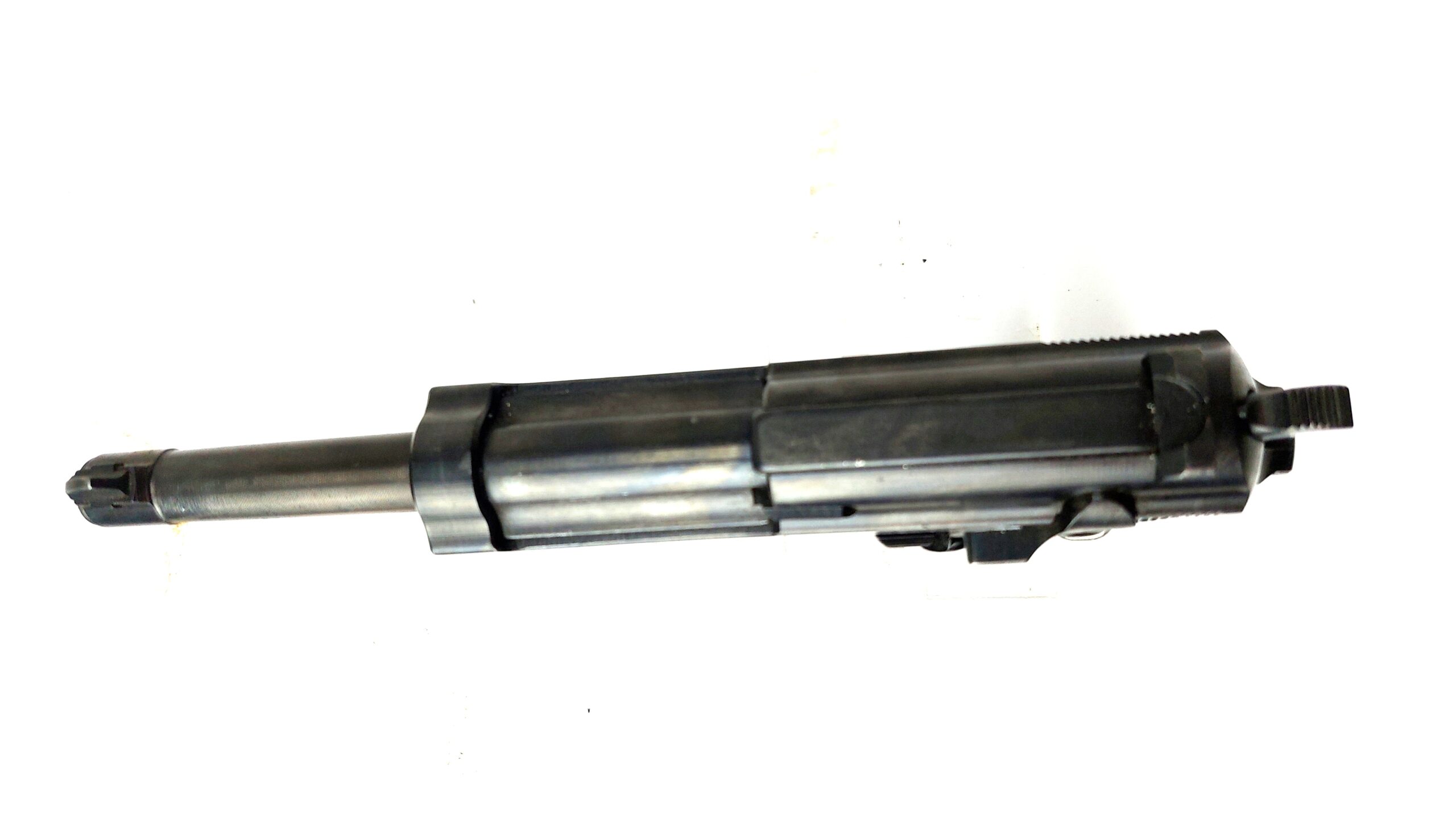
EU specification deactivated example with Birmingham Proof House certificate present. All moving parts remain mobile; however, the pistol does not cock or dry fire. Matching serial numbers observed across the principal visible components including slide, frame, and barrel assembly. The pistol retains numerous crisp Waffenamt Eagle / 135 inspection marks throughout. Finish shows honest wartime wear, thinning, handling marks, edge wear, scattered scratches, and areas of finish fading consistent with military service and age. Mixed blue and phosphate wartime finish characteristics remain visible across the pistol. Bakelite grips remain intact with expected handling wear and light surface dulling. The supplied “P.38v” magazine shows matching period wear and retains its Waffenamt acceptance stamp. Please see photographs as part of the condition report.
RQMHAEXAAEO_1522245561