*British, Late 19th / Early 20th Century, Admiralty-Style Celluloid Rolling Parallel Rule / Maritime Chart Plotter by G. Lee & Son, Portsmouth, in Hardwood Case*
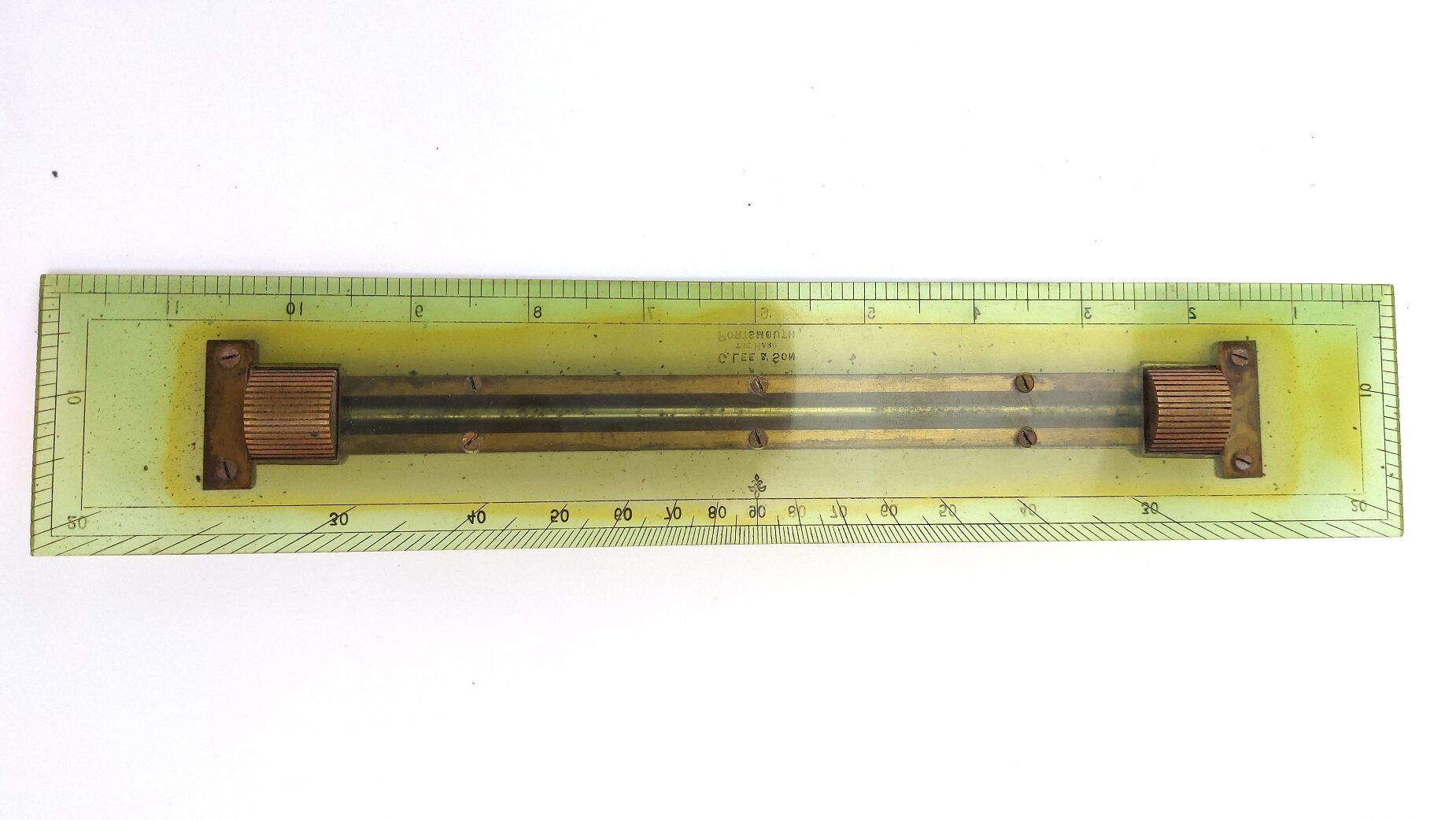
An original late Victorian to early 20th century Admiralty-style rolling parallel rule or maritime chart plotting instrument by G. Lee & Son, The Hard, Portsmouth, retaining its translucent yellow-green celluloid ruler body with inset brass rolling mechanism and housed in its original fitted hardwood storage case.
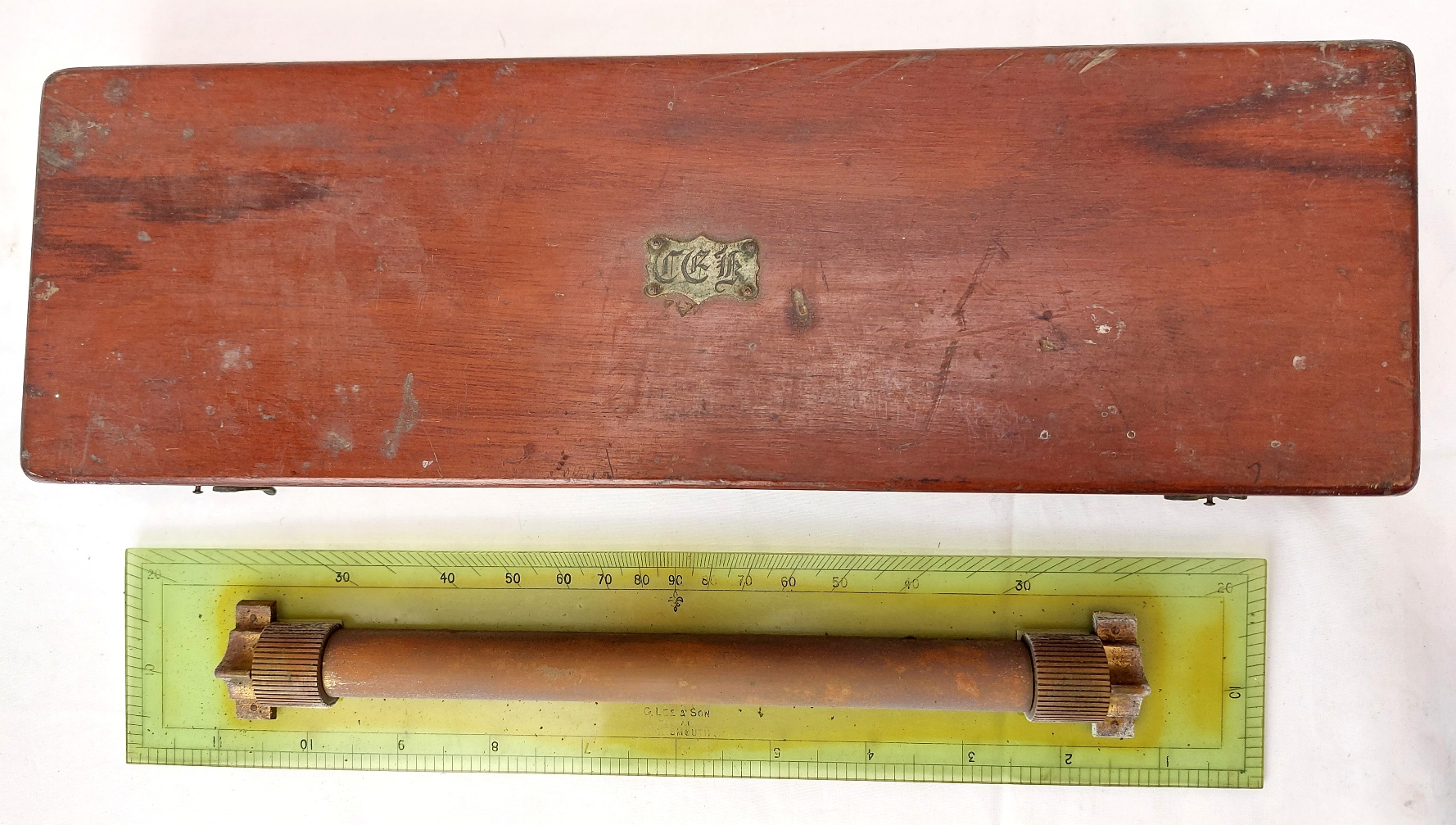
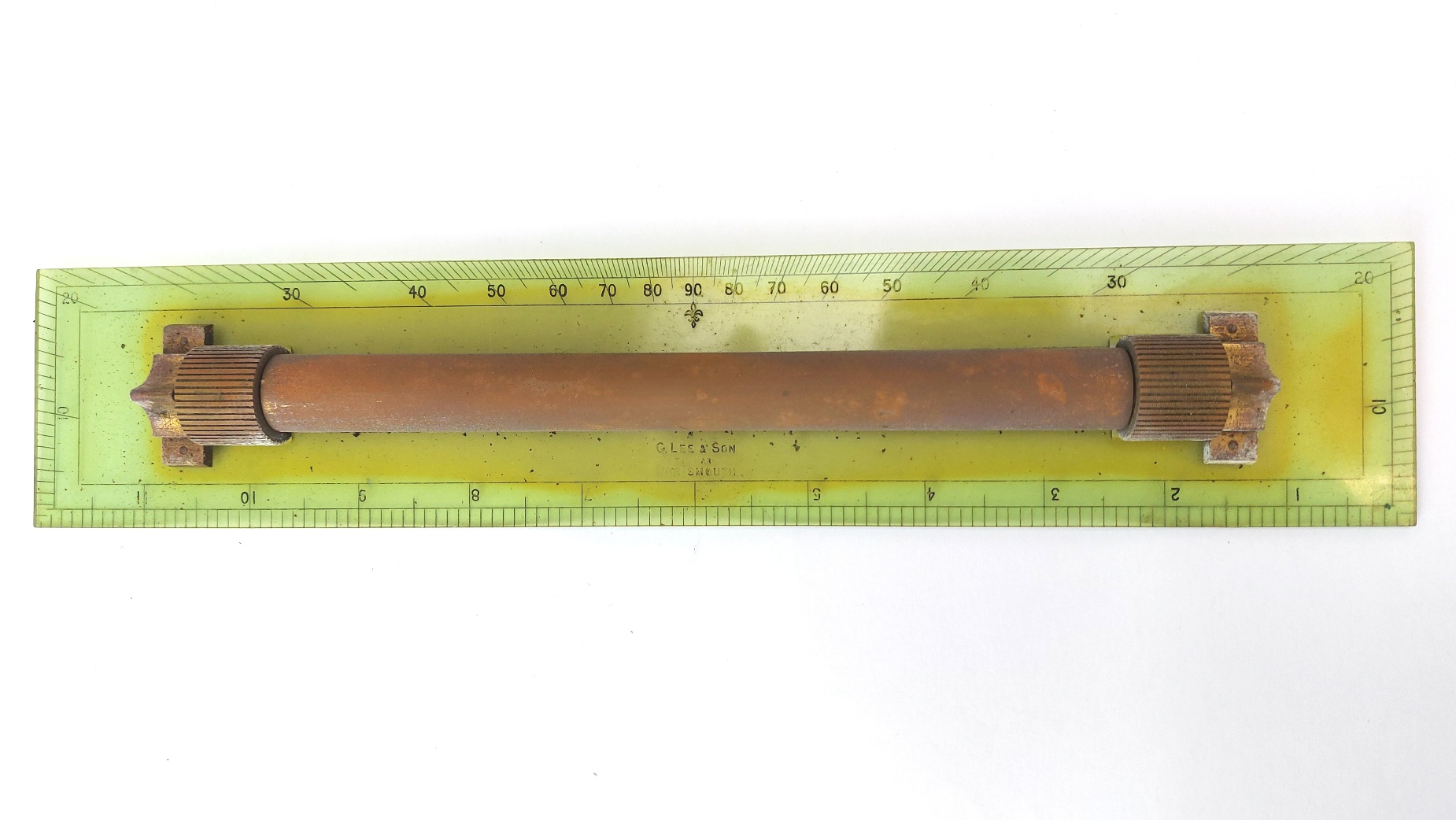
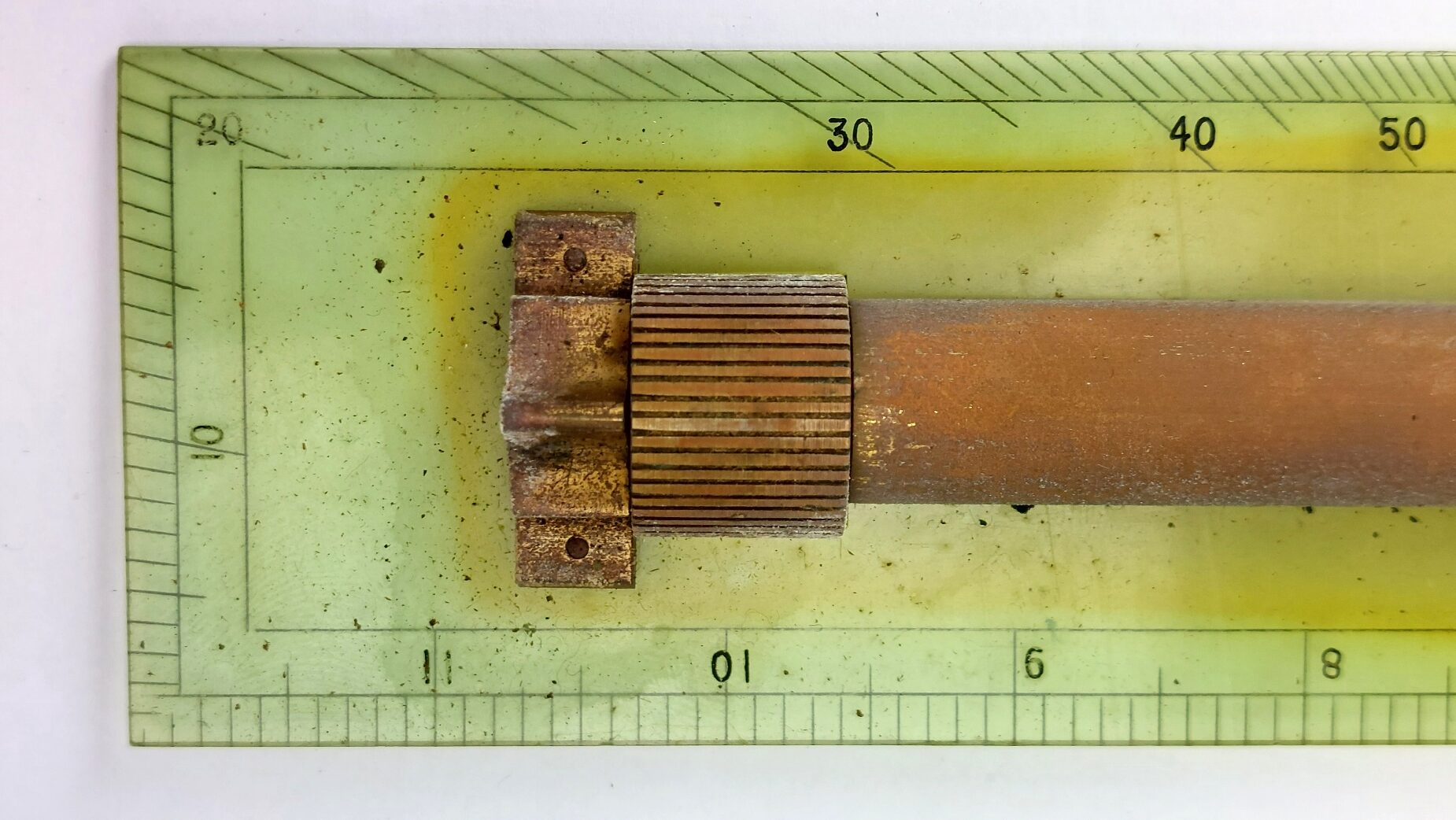
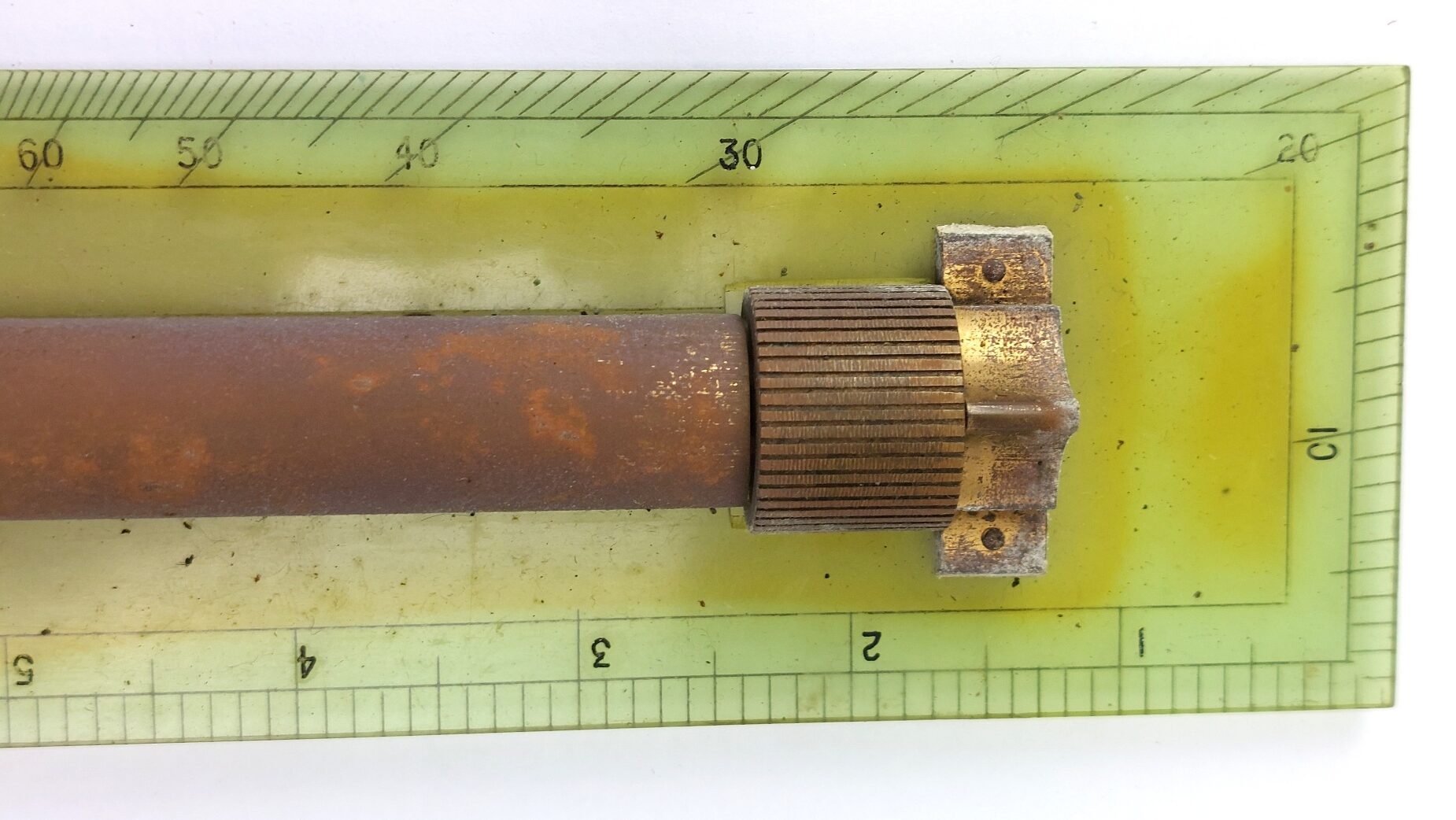
The instrument features a beautifully preserved translucent celluloid body with graduated scales and twin knurled brass roller assemblies mounted to each end around a central darkened brass roller bar. The vivid early celluloid colouring contrasts sharply against the aged brass fittings and remains notably flat and structurally stable — an increasingly uncommon survival amongst early synthetic scientific instruments, which are often prone to warping, shrinkage, or cracking with age.
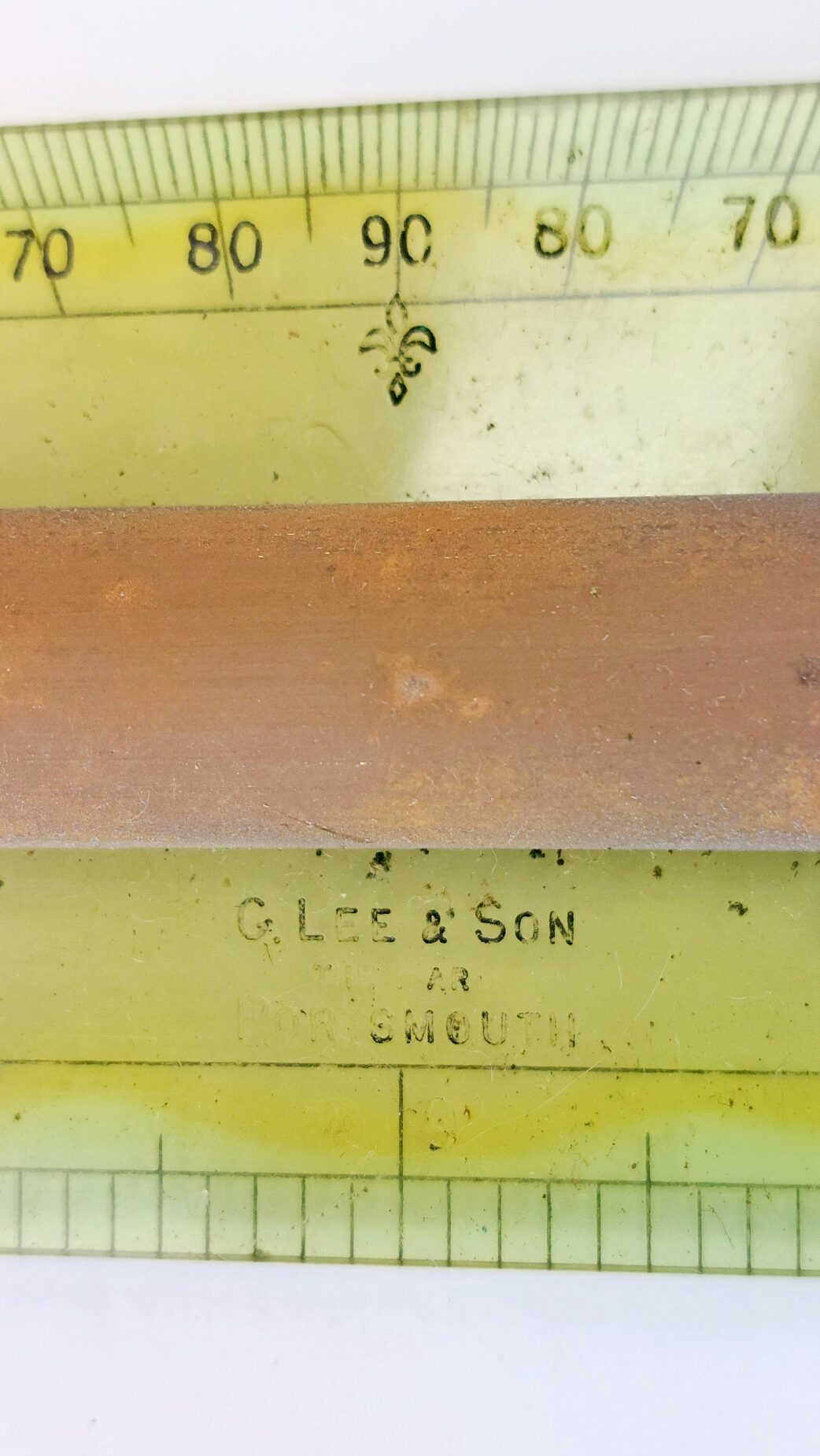
The ruler retains its original decorative fleur-de-lis device together with stamped maker’s details reading “G. Lee & Son / The Hard / Portsmouth.” George Lee & Son were established nautical, mathematical, and optical instrument makers operating from Portsmouth’s historic naval district, supplying navigational equipment to Royal Navy officers, merchant captains, dockyard surveyors, and maritime chart rooms.
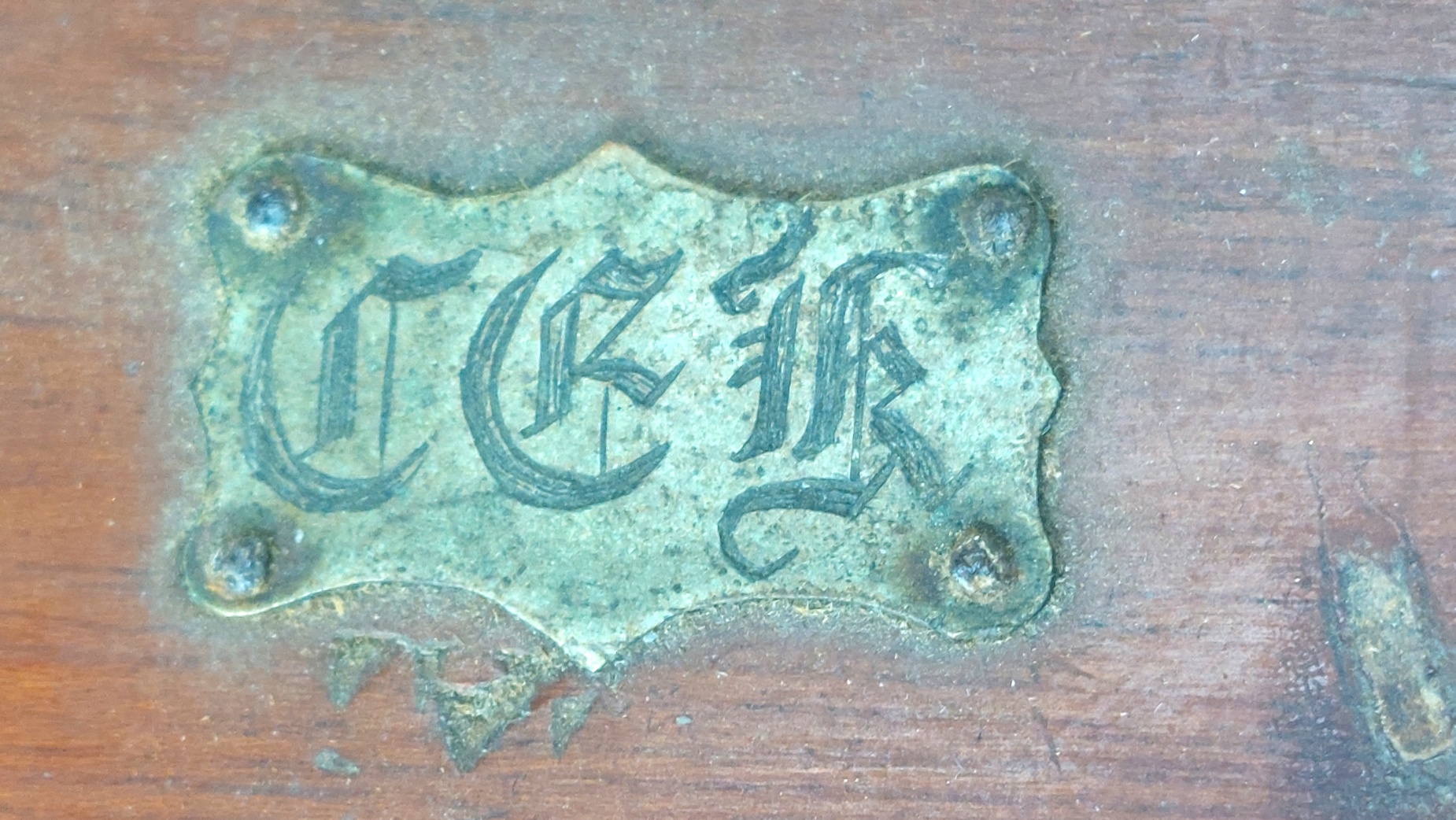
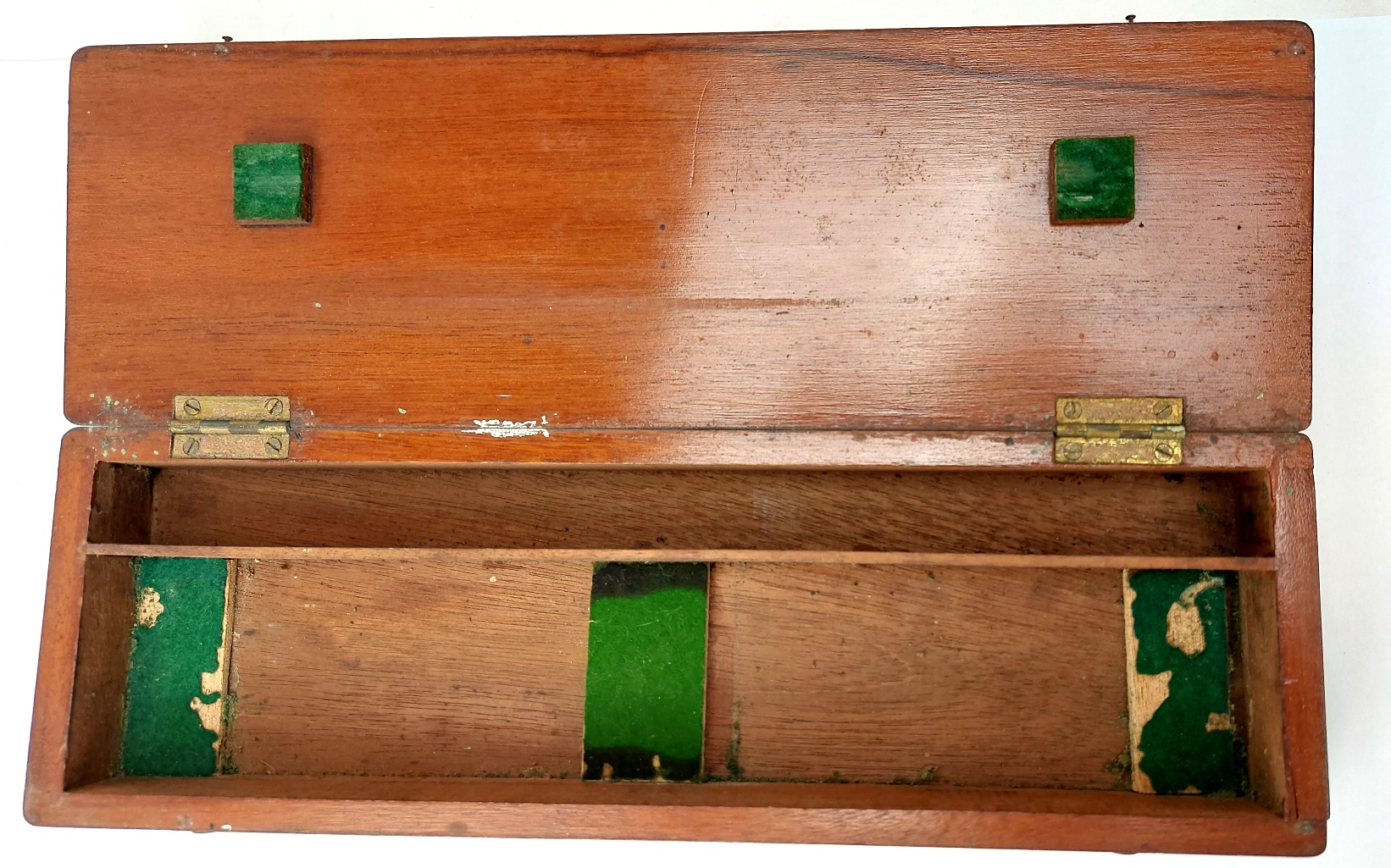
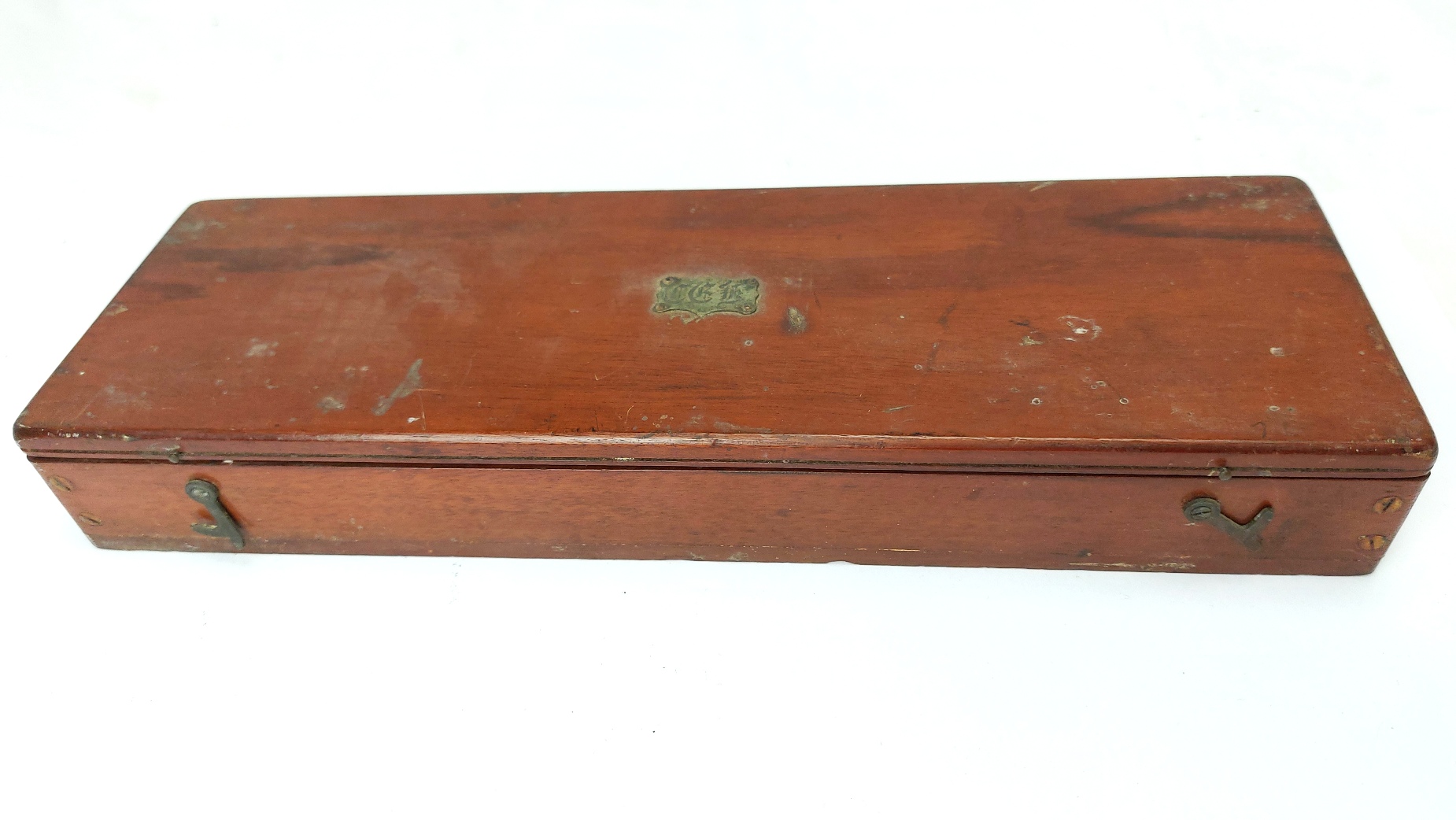
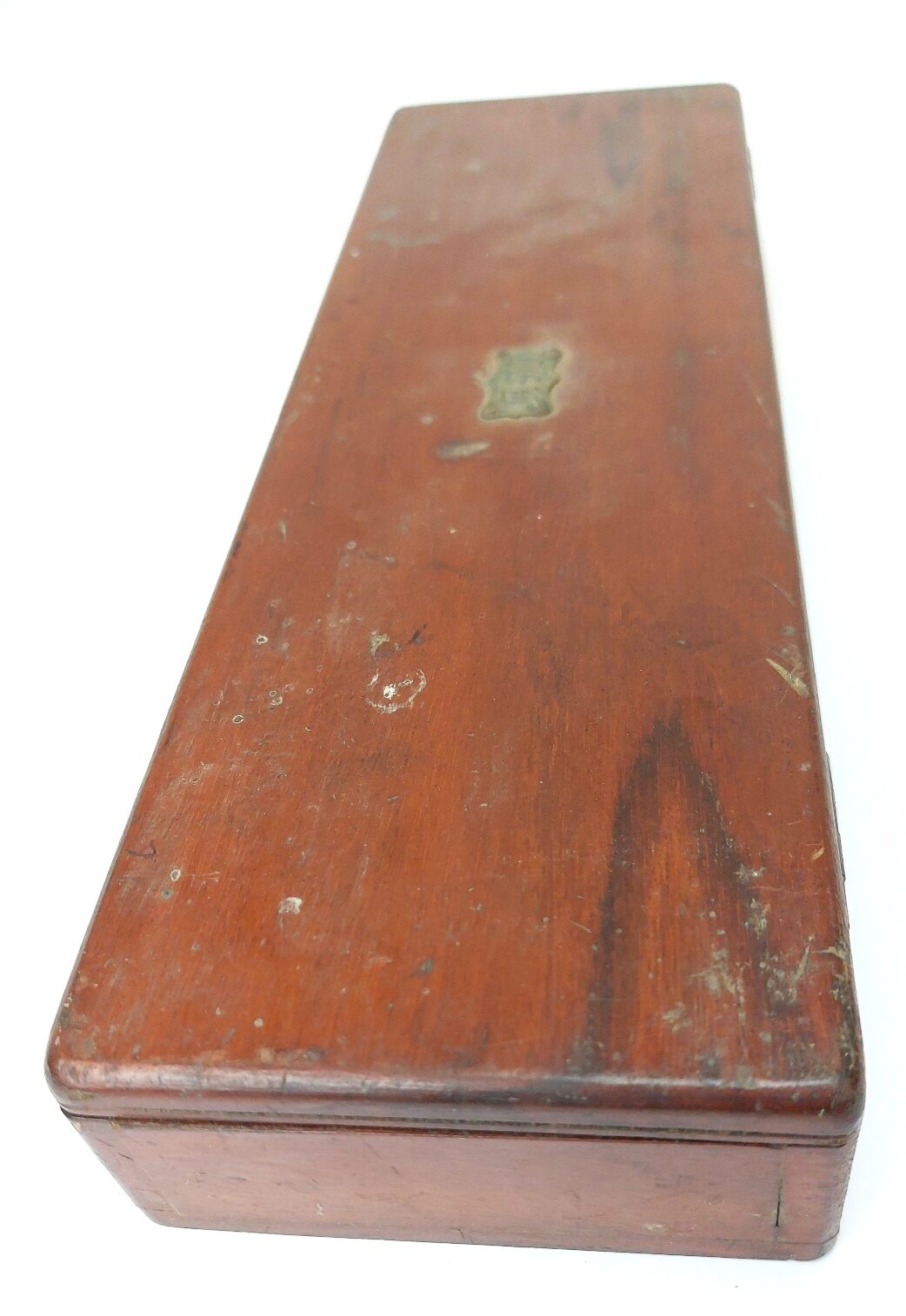
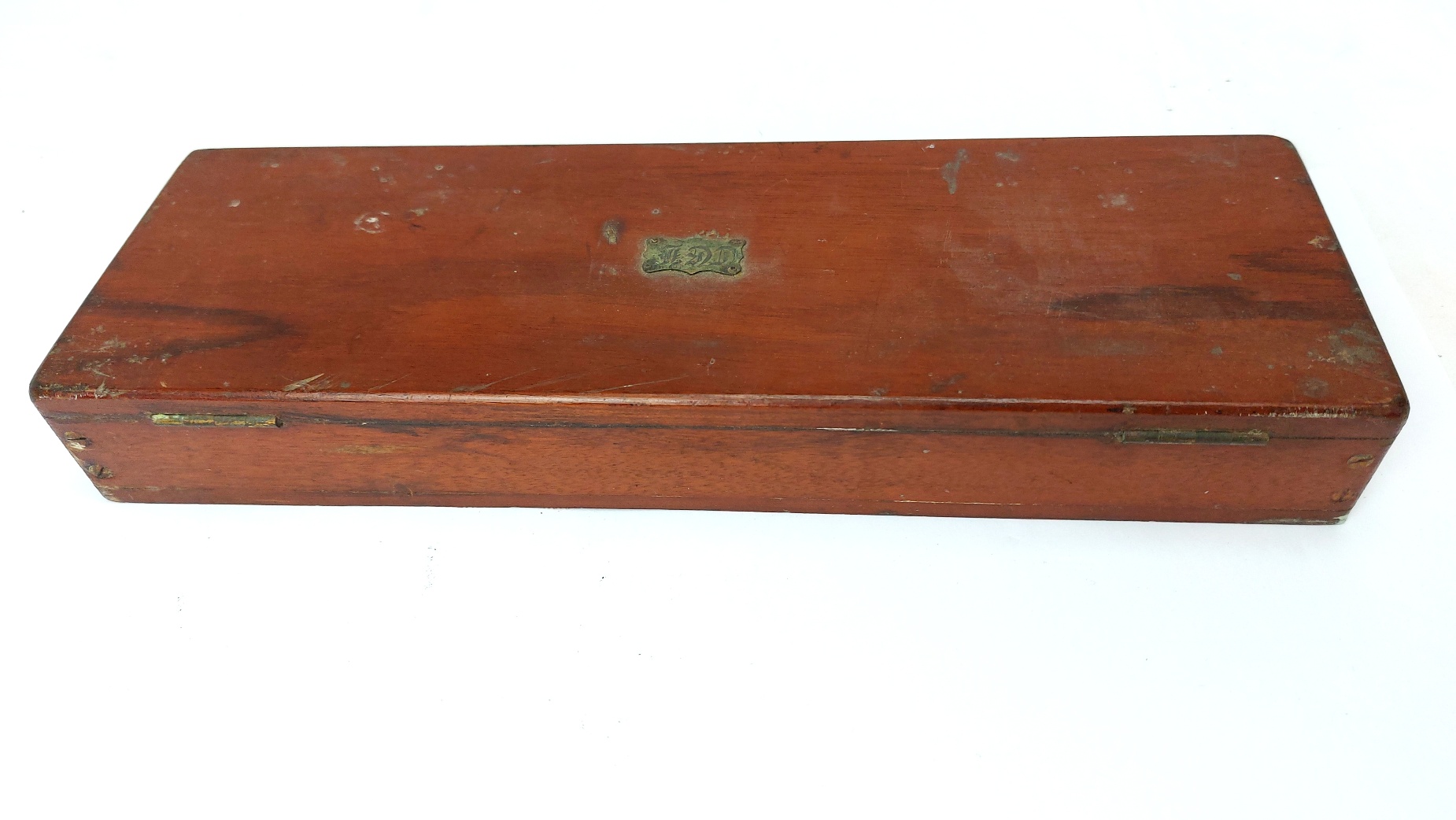
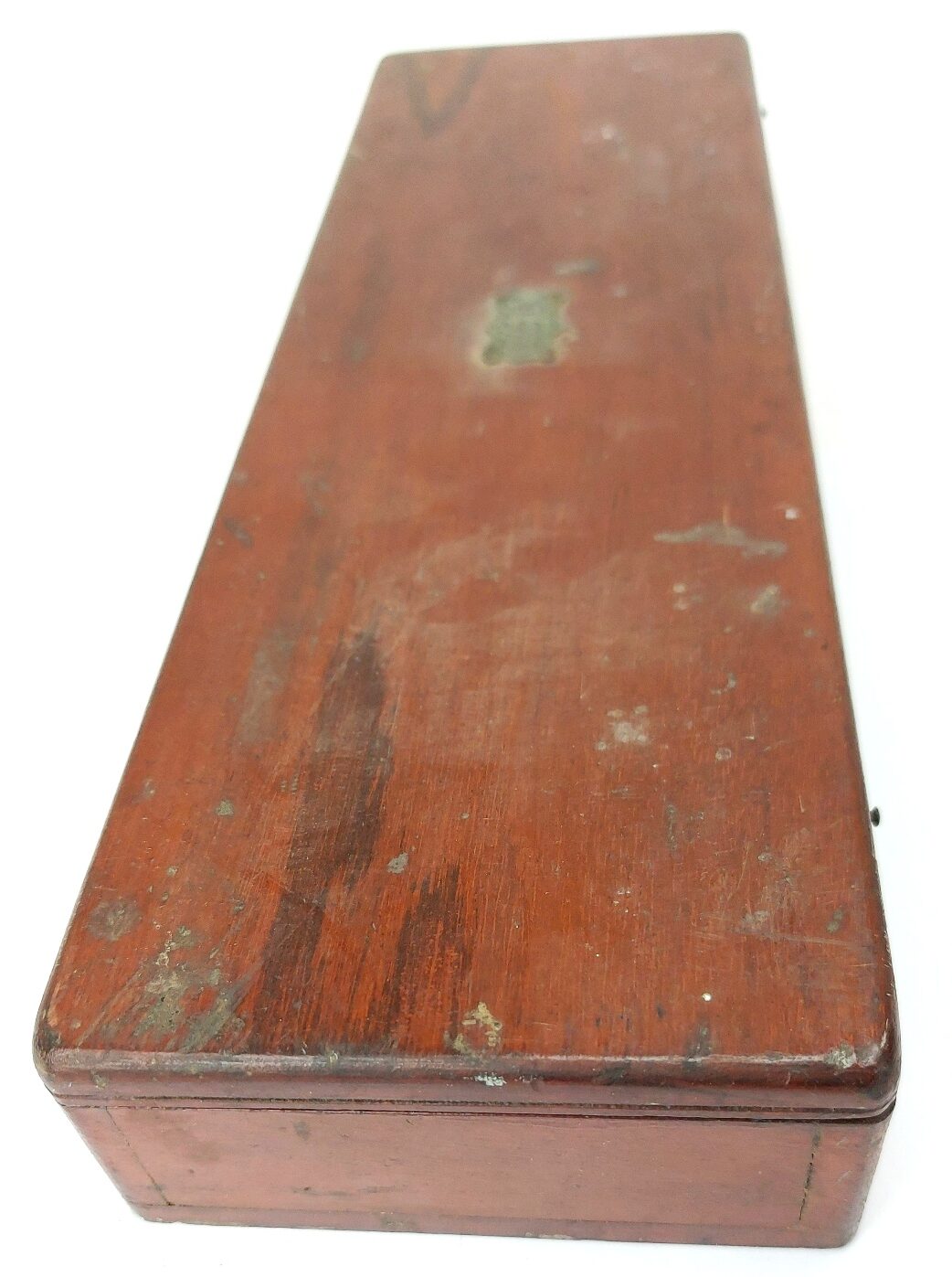
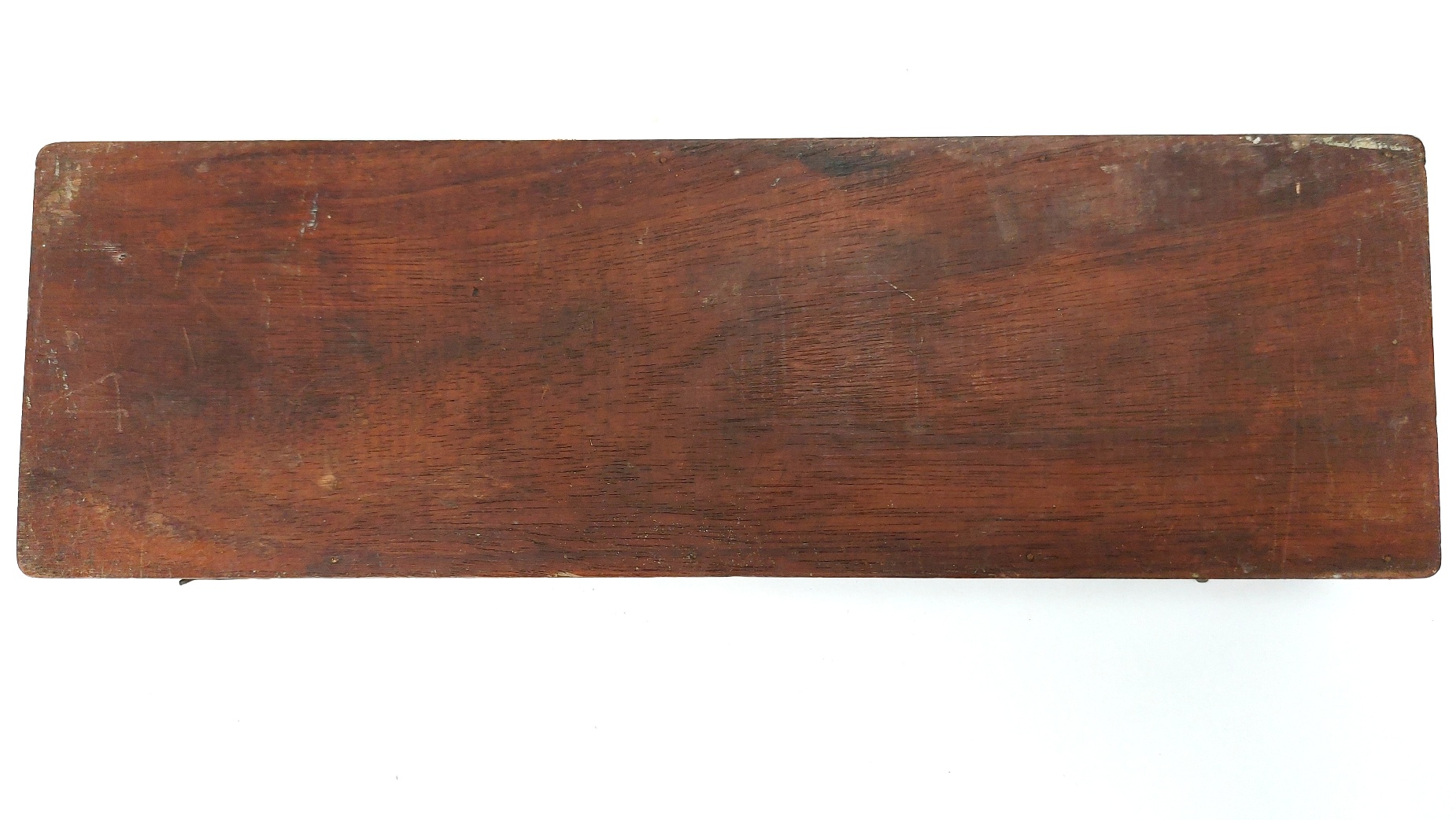
The original fitted finger-jointed hardwood case survives with internal divider and remnants of green baize lining. The lid retains an engraved brass escutcheon bearing a crisp Gothic-style monogram, seemingly “CEK,” suggesting a privately owned officer’s or presentation-grade instrument rather than ordinary Admiralty stores issue.
Approx. Measurements – Rule: 30.5 cm long x 6 cm wide. Brass roller assembly: 23.8 cm long. Hardwood case: approx. 48 cm x 8 cm x 5 cm deep.
History Note:
Rolling parallel rules became standard navigational equipment aboard Royal Navy and merchant marine vessels during the late 19th and early 20th centuries. Designed for the accurate transfer of bearings and positional fixes across Admiralty sea charts, the rolling system allowed navigators to maintain perfectly parallel course lines without the instability associated with hinged rulers. Instruments of this quality were frequently supplied through Portsmouth naval instrument makers and chandlers serving Britain’s principal naval dockyards and fleet anchorages.
*Condition*
Overall very good untouched condition with honest age-related wear throughout. The translucent celluloid ruler body remains notably flat and free from cracks or distortion, retaining excellent colour and clarity for its age. Brass components display natural oxidation and darkened maritime patina throughout. Roller mechanisms are stiff and currently not freely rotating but appear complete and likely require only sympathetic servicing or oiling. Hardwood storage case remains structurally solid with expected scuffs, scratches, and handling wear commensurate with age and use. Internal green baize lining partially worn and degraded. Brass escutcheon intact and well engraved. Please see photographs as part of the condition report.
RQMDEXIO_1492245805