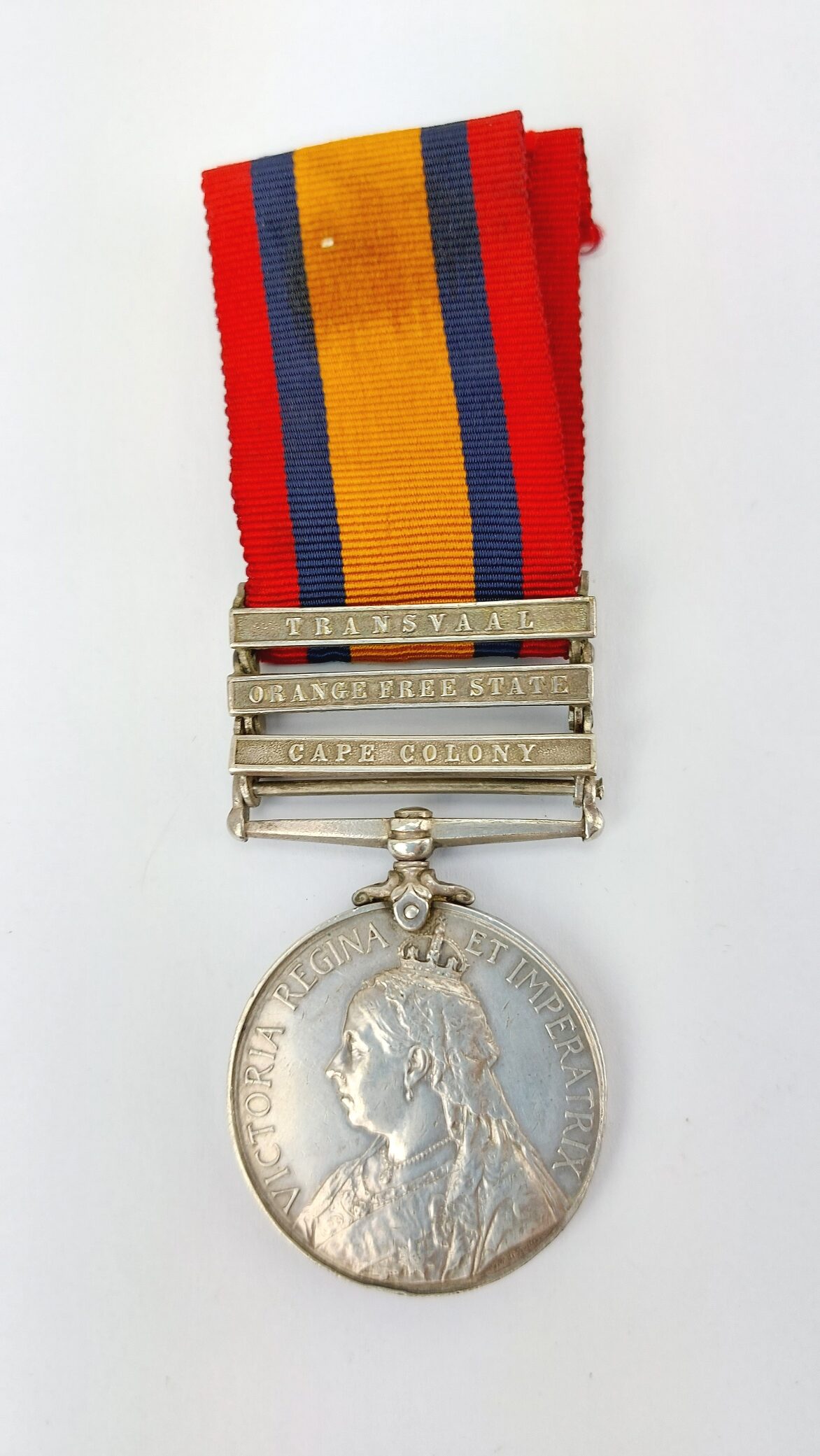
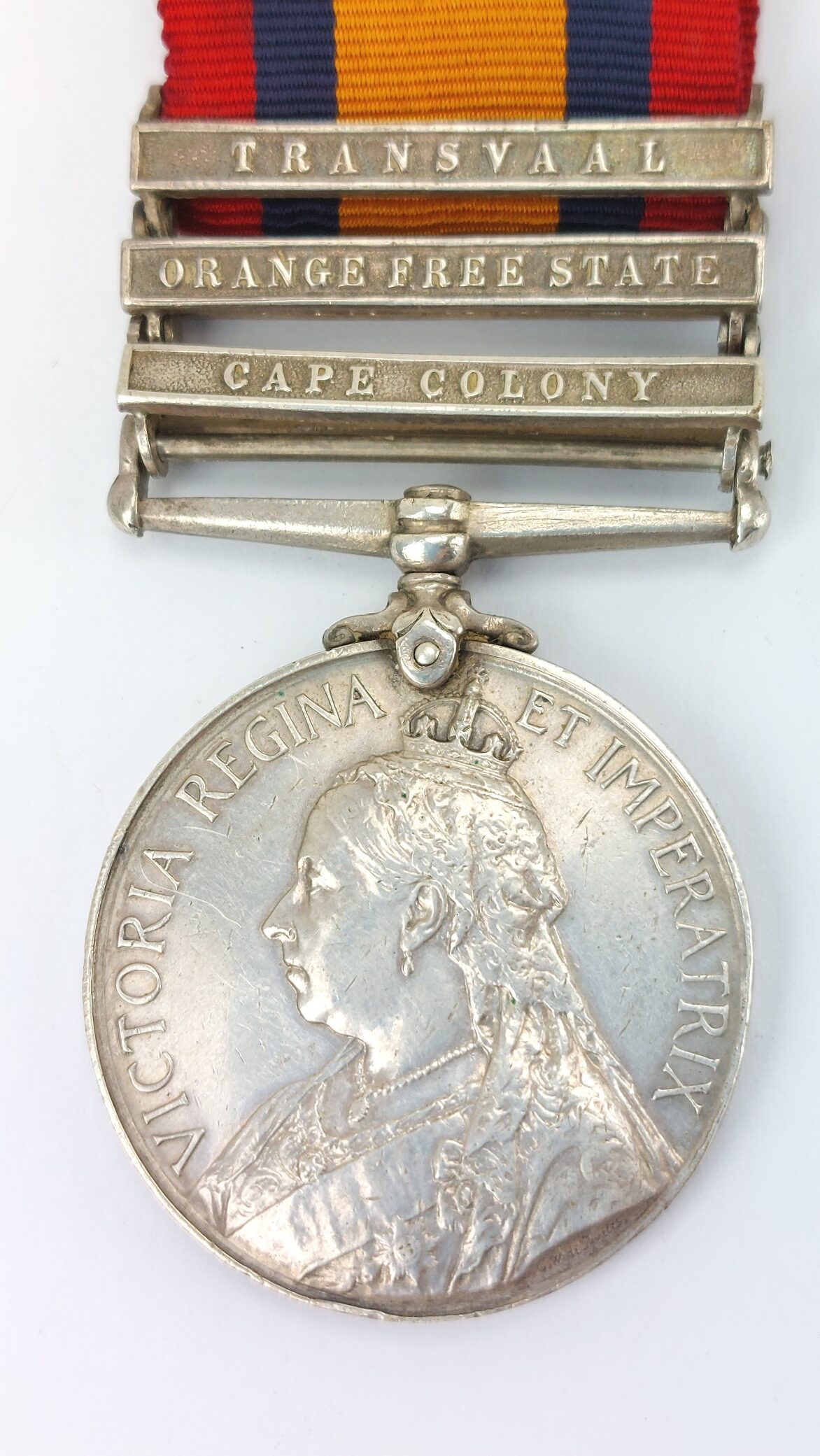
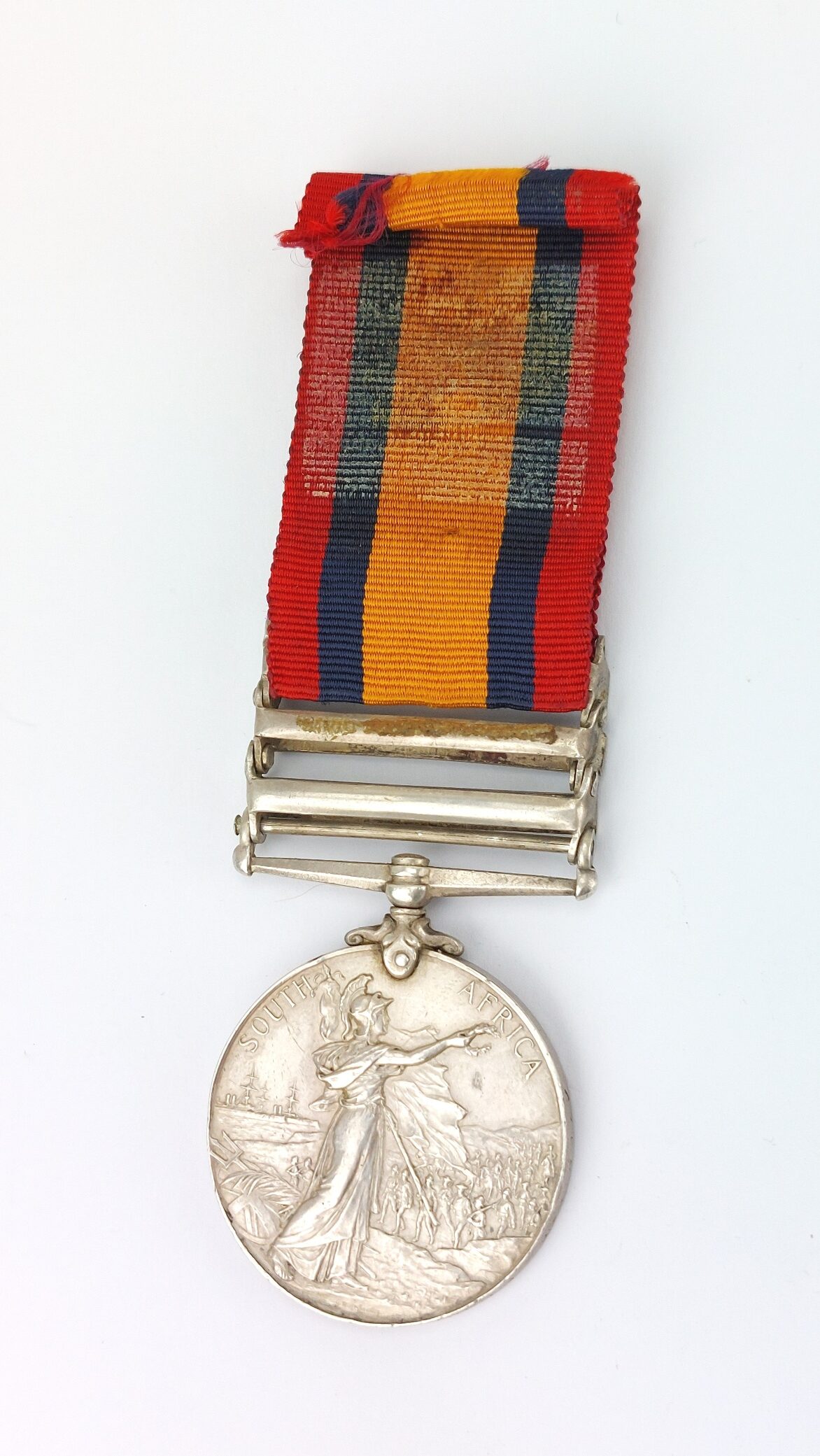
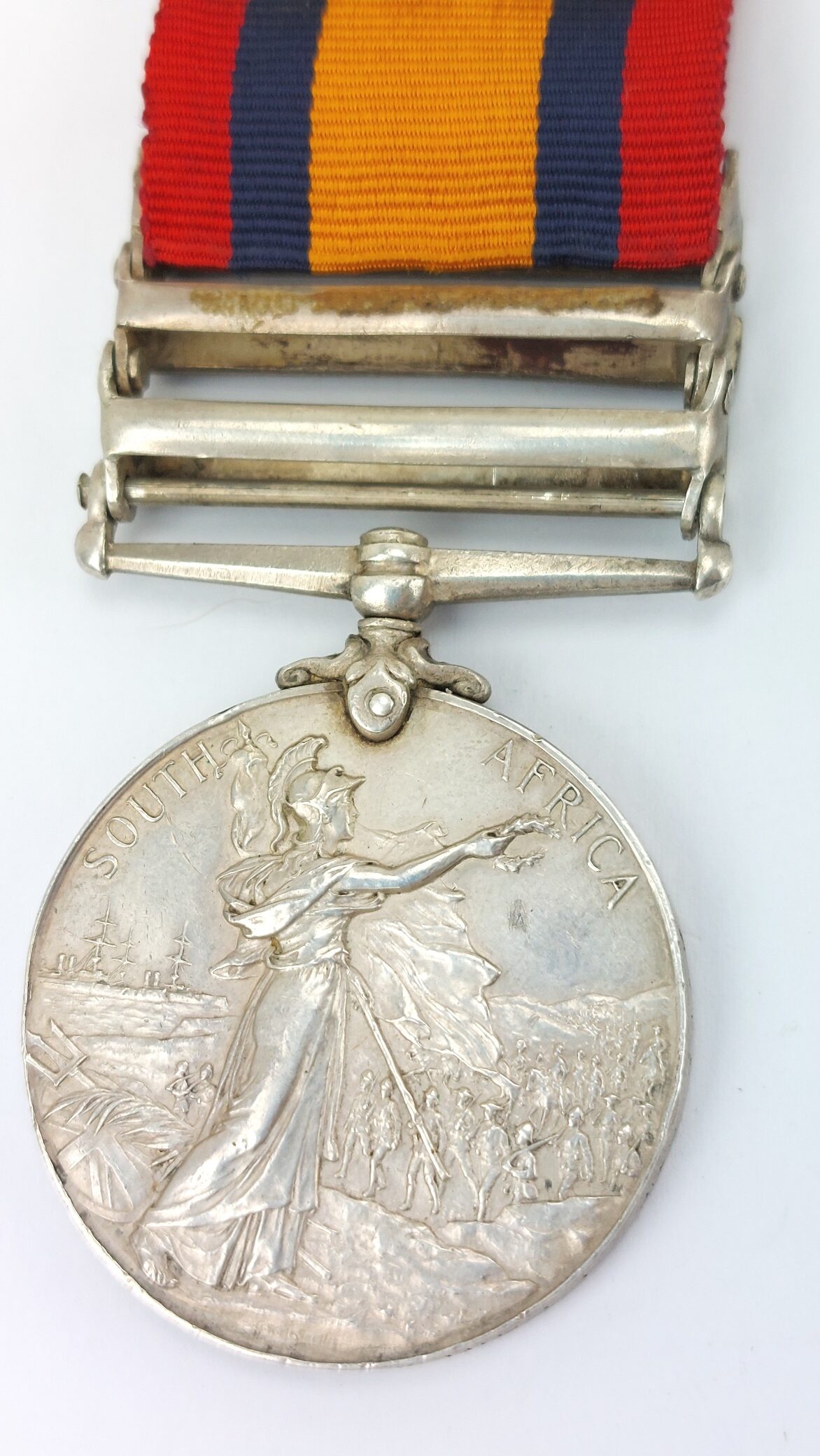
Crimean War, Egypt Campaign & Boer War MedalsBritish, Anglo Boer War 1899–1902, Queen’s South Africa Medal, 3 Clasps: Cape Colony, Orange Free State, Transvaal; Royal Dublin Fusiliers
SKU / Ref. No: JAQAOOXAFE_287326082025
£175.00
Your message was sent. We will contact you shortly.
*British, Anglo Boer War 1899–1902, Queen’s South Africa Medal, 3 Clasps: Cape Colony, Orange Free State, Transvaal; Royal Dublin Fusiliers*
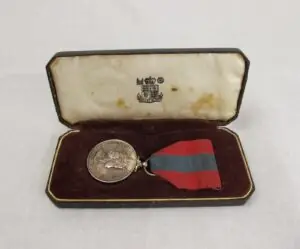
An original Queen’s South Africa Medal (QSA) awarded to a soldier of the Royal Dublin Fusiliers, fitted with the three clasps Cape Colony, Orange Free State, and Transvaal.
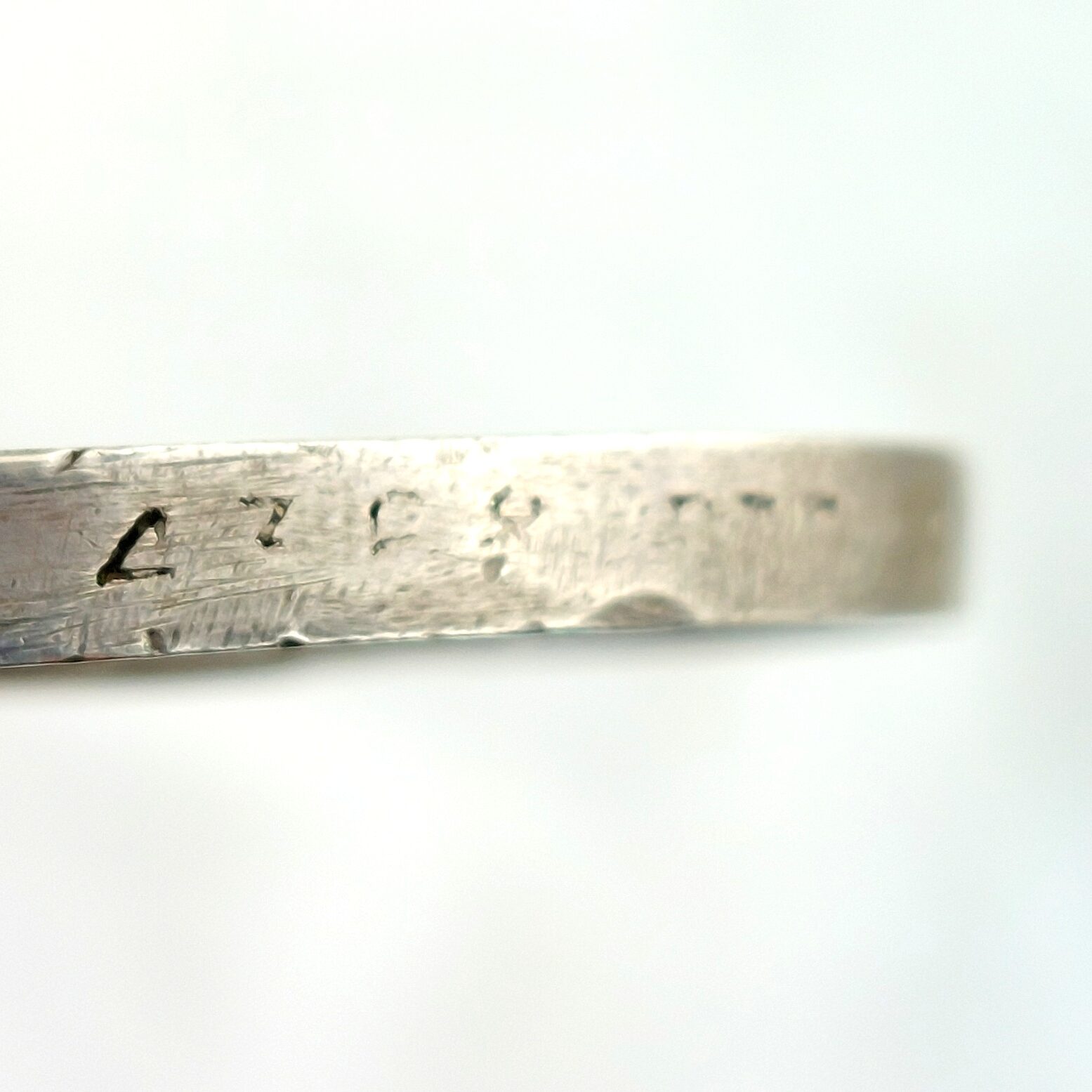
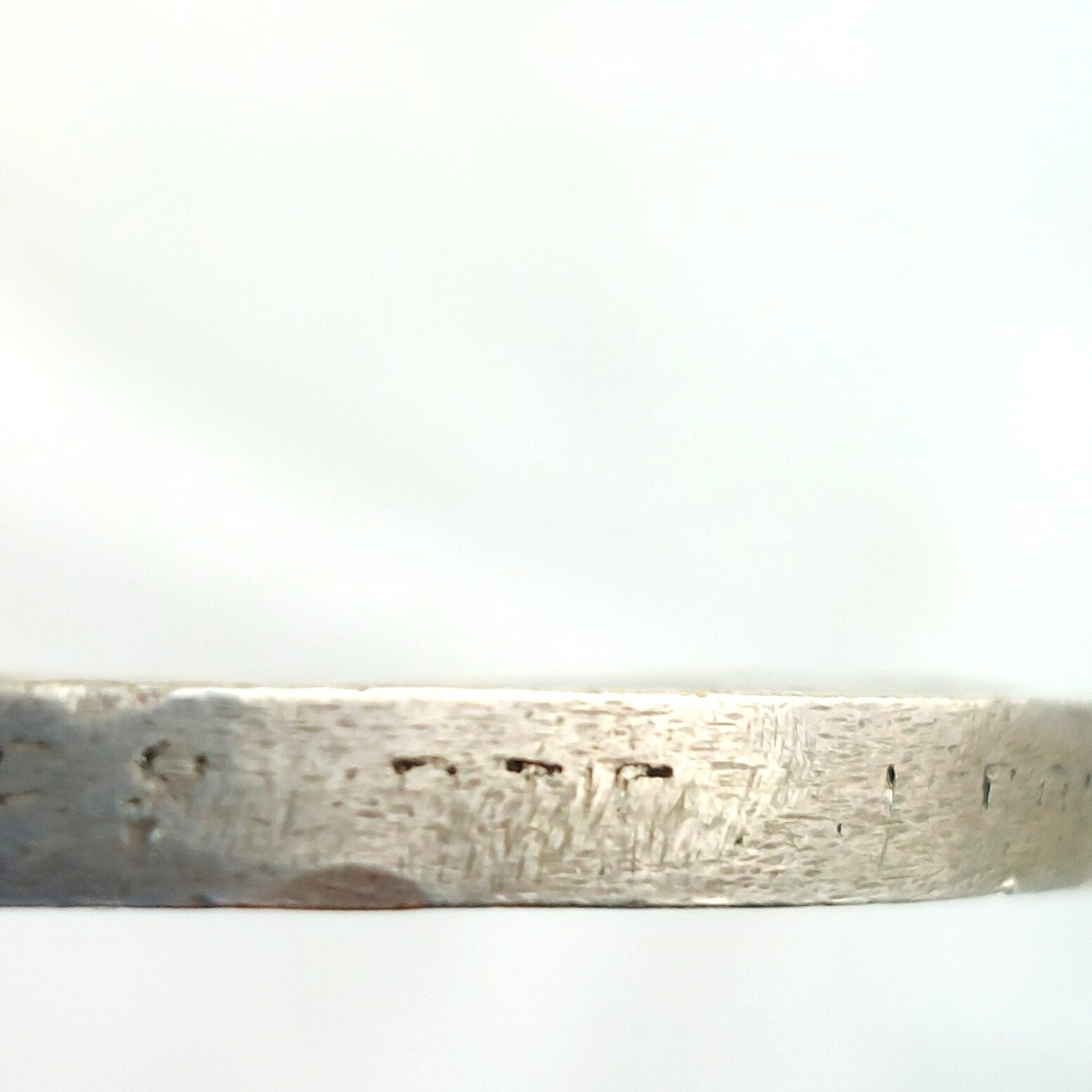
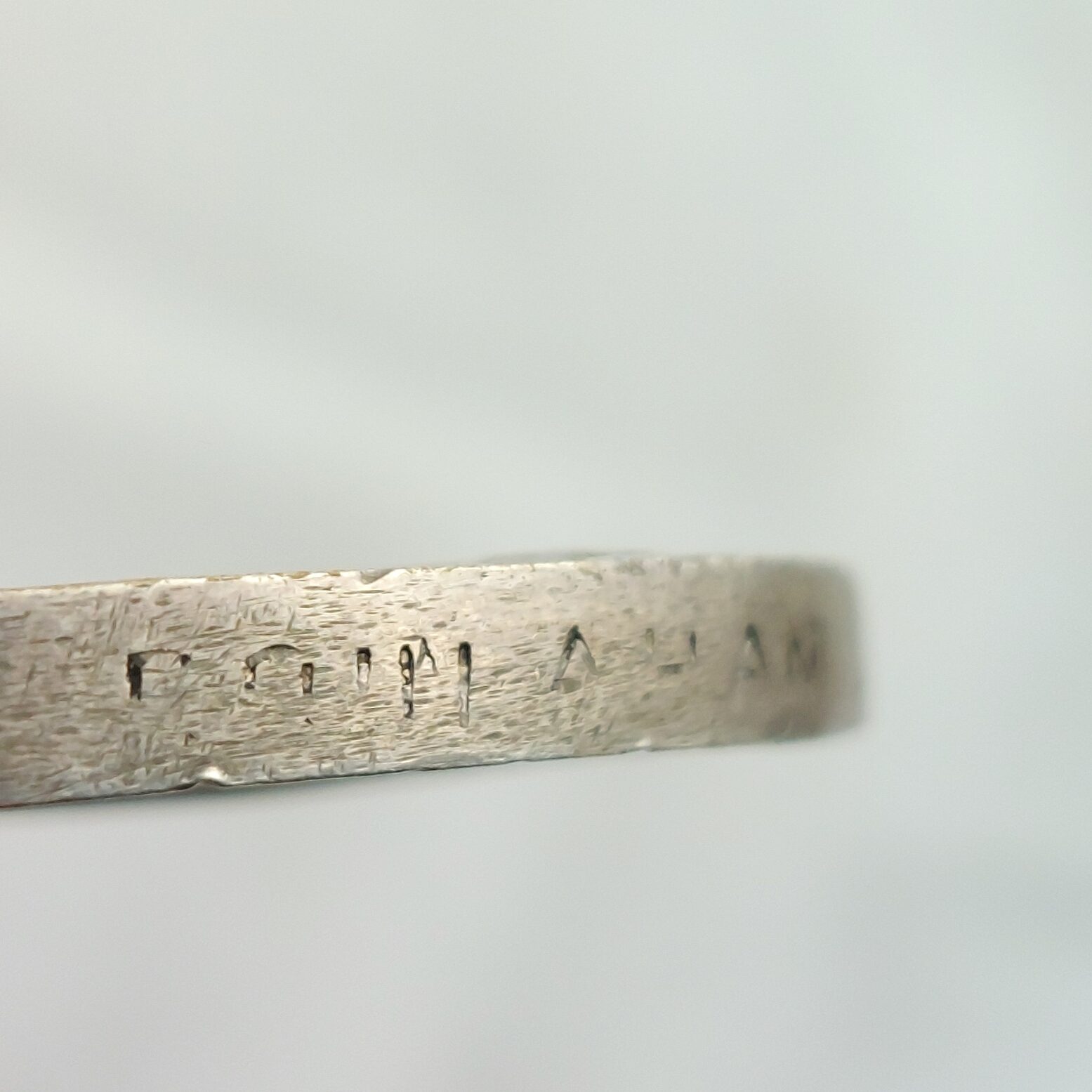
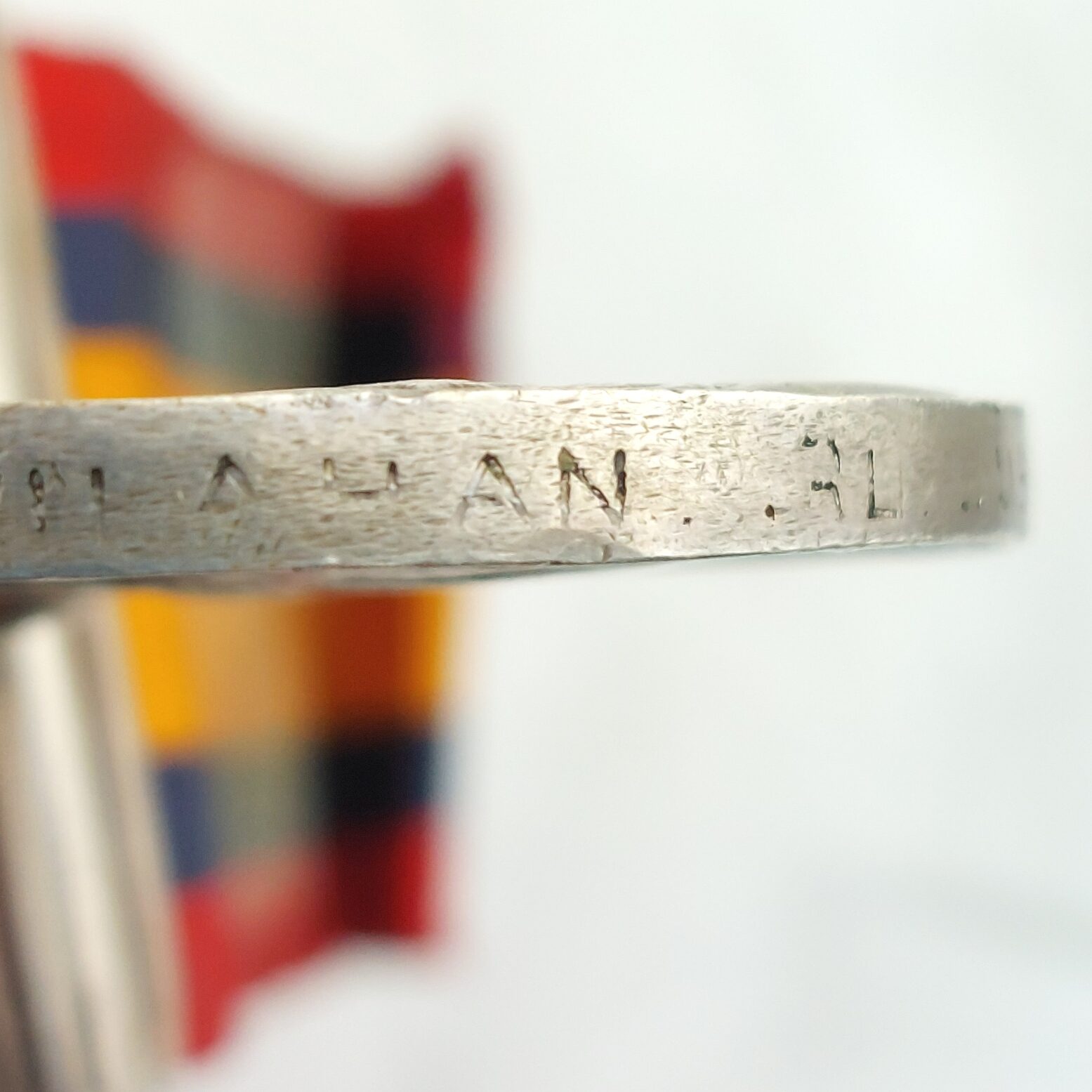
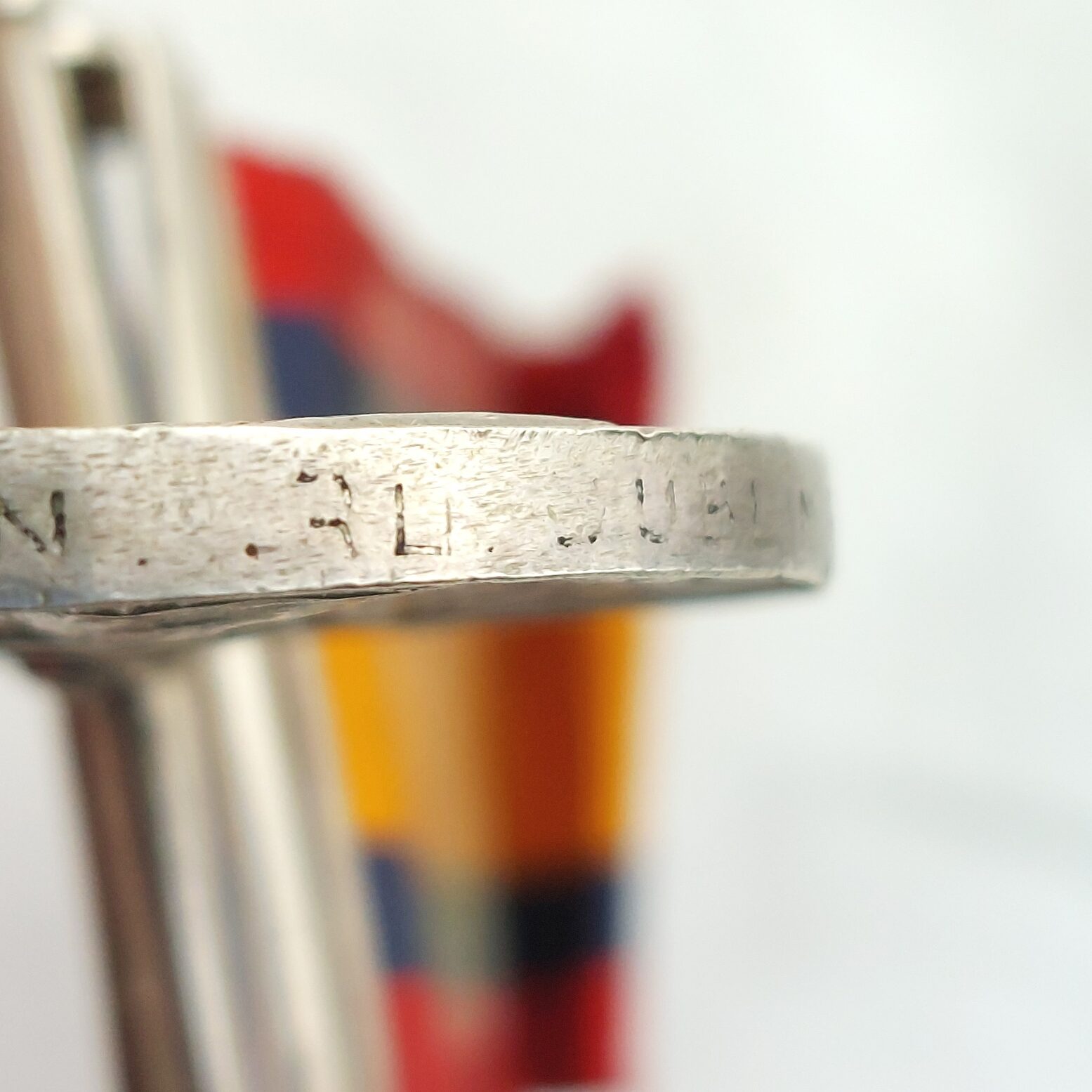
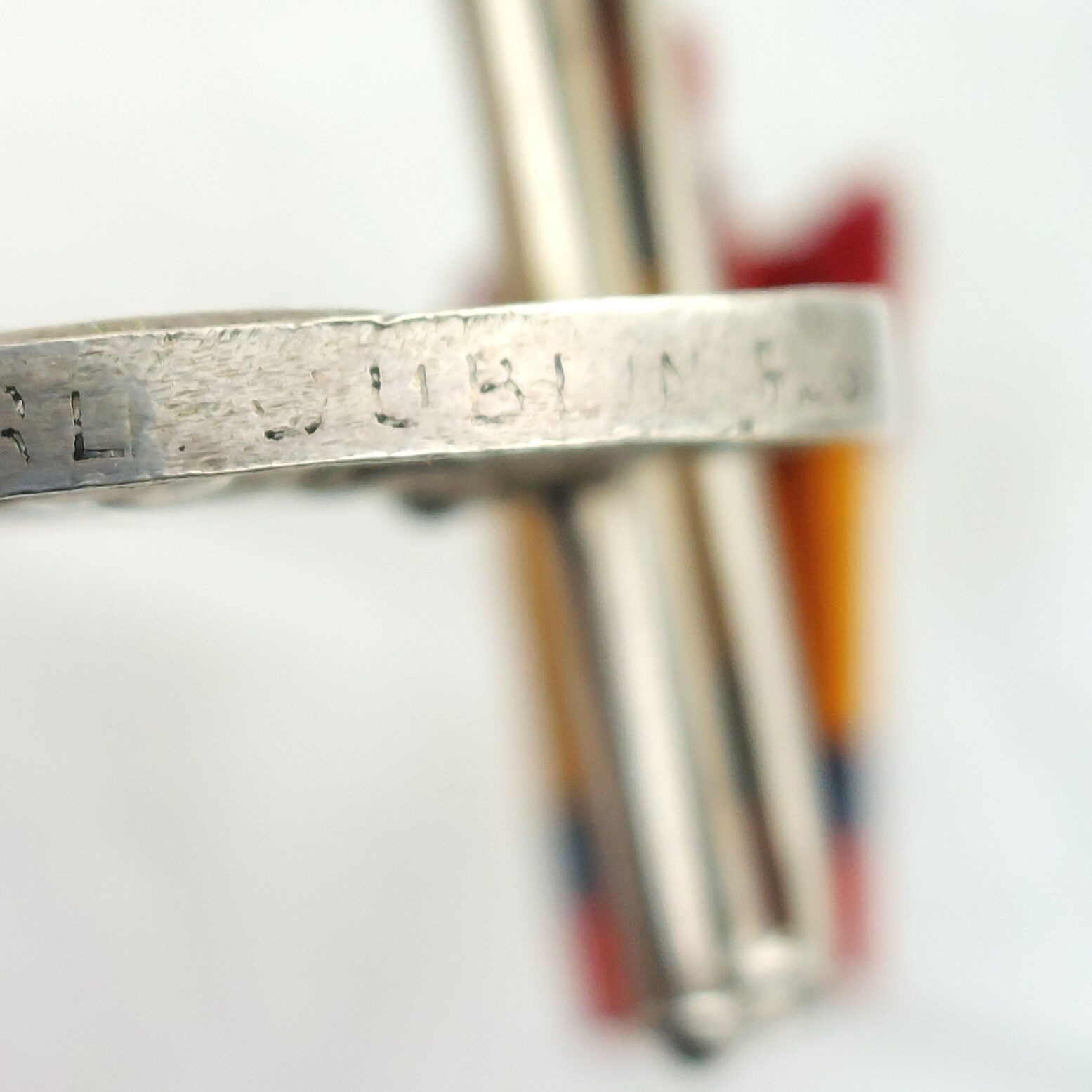
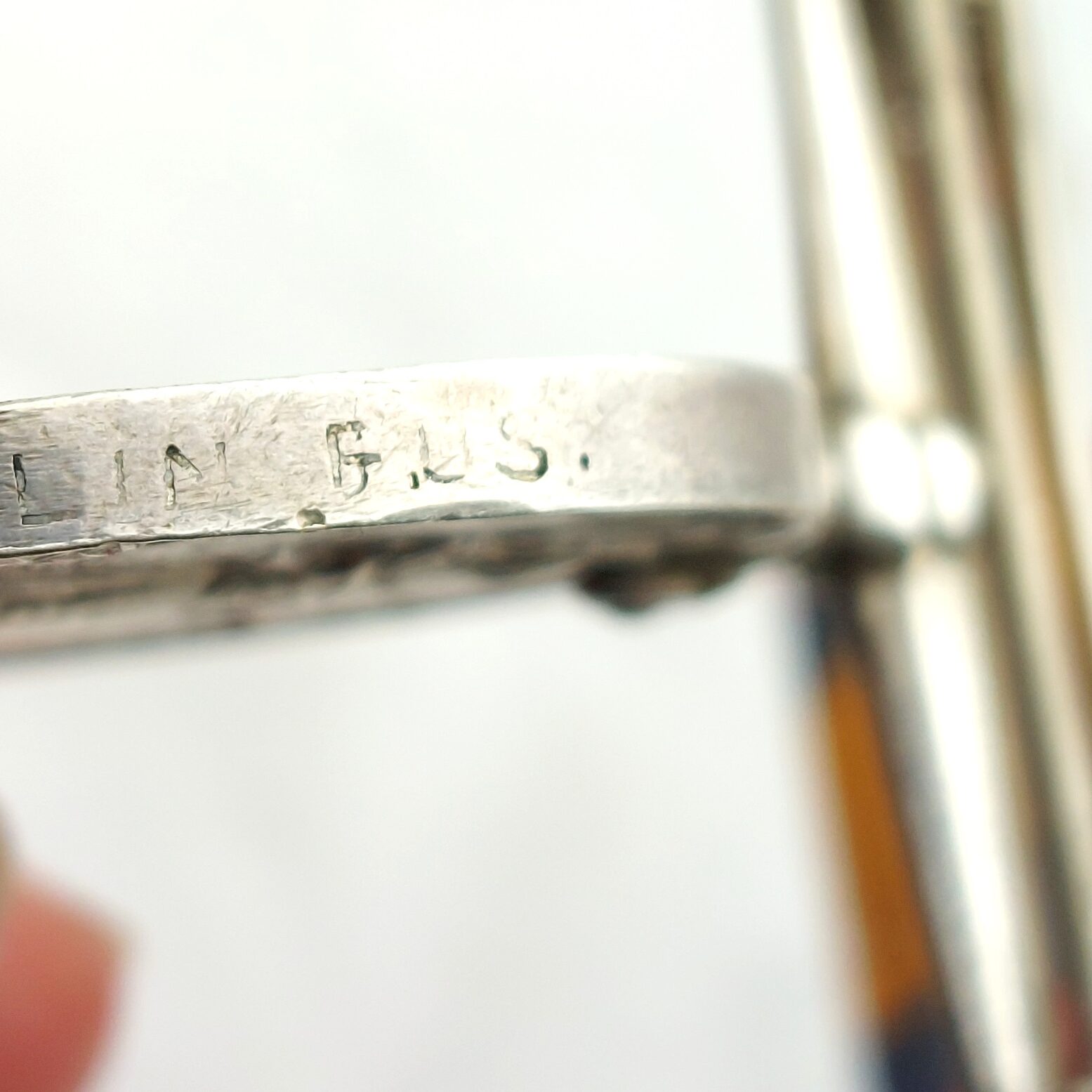
The medal is officially impressed to: 4?6? PTE ? …AN R.L. DUBLIN FUS.
The service number is partially legible and most likely reads 4368, though alternative interpretations including 4763, 4768, or 4388 remain possible due to softened punch depth and light historic rim polishing. The surname clearly terminates in “AN”, consistent with a number of Irish surnames represented within the regiment. The regimental designation R.L. DUBLIN FUS. is clear and correctly formatted.
The medal retains an even age tone with honest service wear and correctly fitted period clasps. An appealing and collectable example to a distinguished Irish infantry regiment of the Victorian Army.
Historical Note:
The Royal Dublin Fusiliers served with distinction throughout the Second Boer War (1899–1902). The 1st Battalion was stationed in Natal at the outbreak of war and saw heavy fighting during the early campaign, including the actions at Talana, the operations around Ladysmith, and the hard-fought engagements along the Tugela River. These early battles were among the most costly and exposed British infantry units to determined Boer resistance from entrenched positions.
Following the relief of Ladysmith in February 1900, the regiment advanced northward through the Orange Free State and into the Transvaal as British forces transitioned from set-piece battles to mobile operations and eventual counter-guerrilla warfare. Duties during this phase included column operations, railway protection, blockhouse garrisoning, and pursuit of Boer commandos. The clasp combination of Cape Colony, Orange Free State and Transvaal reflects participation in the broader theatre of operations and may indicate service during the main advance and later campaign phases rather than exclusively during the earliest Natal engagements.
The Royal Dublin Fusiliers sustained significant casualties during the war but earned a strong reputation for steadiness and discipline under fire. Irish regimental QSAs remain particularly desirable due to both their service record and subsequent regimental disbandment in 1922.
The service number on the rim appears most likely to be 4368, though readings such as 4763, 4768, or 4388 cannot be conclusively excluded due to wear and light polishing. The surname unmistakably ends in –AN, suggesting an Irish name consistent with the regiment’s recruiting base within the 43xx or 47xx number blocks of the regiment, and cross-referencing the medal roll against surnames ending in “–an” within those number ranges would provide the most secure identification pathway.
*Condition*
Officially impressed naming, partially softened through light historic polishing. Service number largely legible but not absolutely definitive. Medal with even age wear and correct period clasps. Please see photographs as part of the condition report.
JAQAOOXAFE_287326082025