*British c.1907–1914 Royal Navy Lieutenant’s Full Dress Uniform Group, Named Tailcoat & Boxed Epaulettes to Captain T. C. C. Bolster DSO RN, Gieve Matthews & Seagrove*
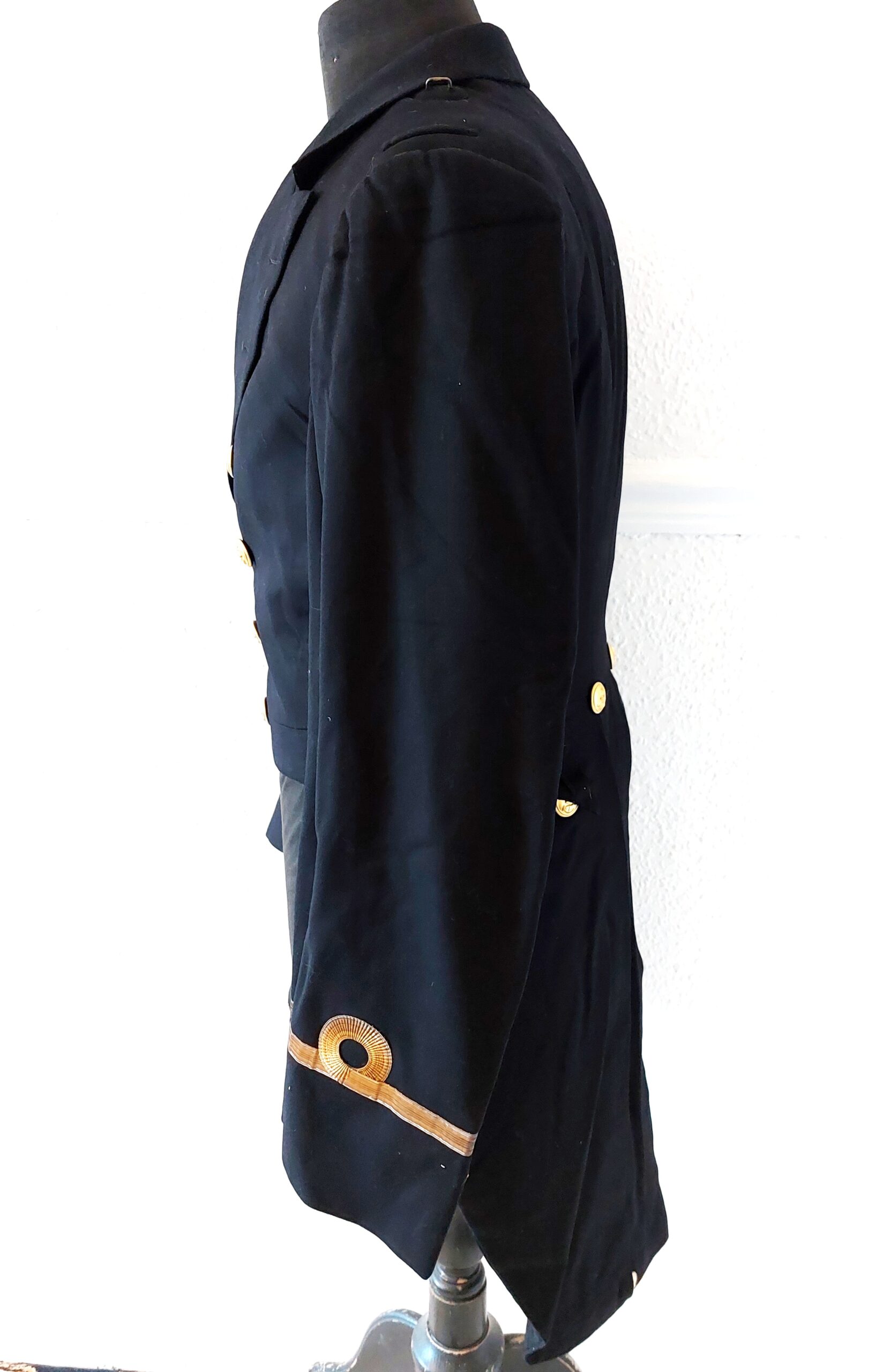
A superb and highly complete Royal Navy officer’s full dress uniform group, comprising a Lieutenant’s tailcoat and matching trousers by Gieve, Matthews & Seagrove Ltd, together with a boxed pair of gilt bullion dress epaulettes, all named to T. C. C. Bolster, Royal Navy, later Captain Thomas Charles Carpenter Bolster DSO RN (1885–1955). This is an unusually complete and attributable Edwardian Royal Navy officer’s ensemble, retaining not only the tailored uniform but also its associated ceremonial shoulder epaulettes in their original fitted case.
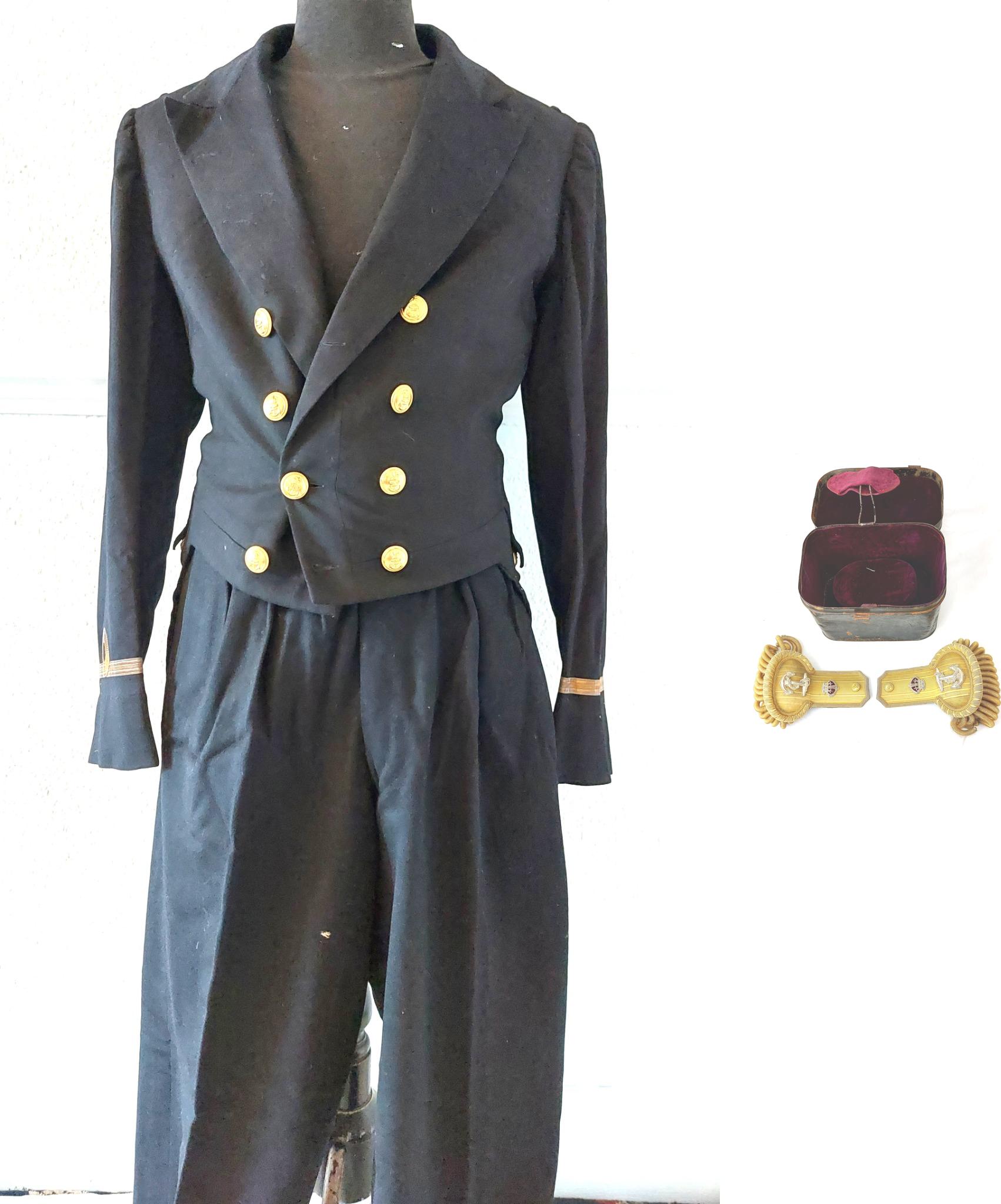
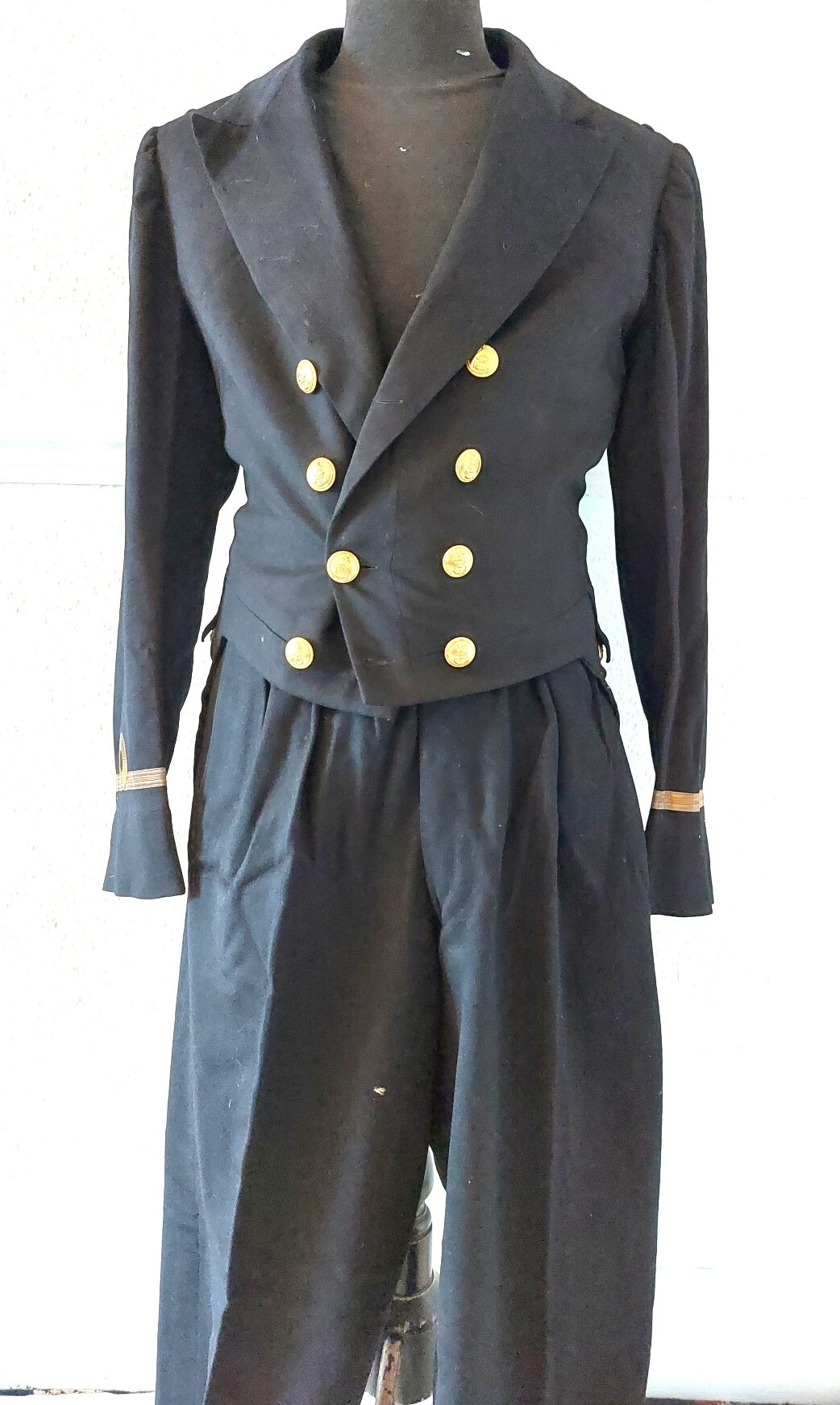
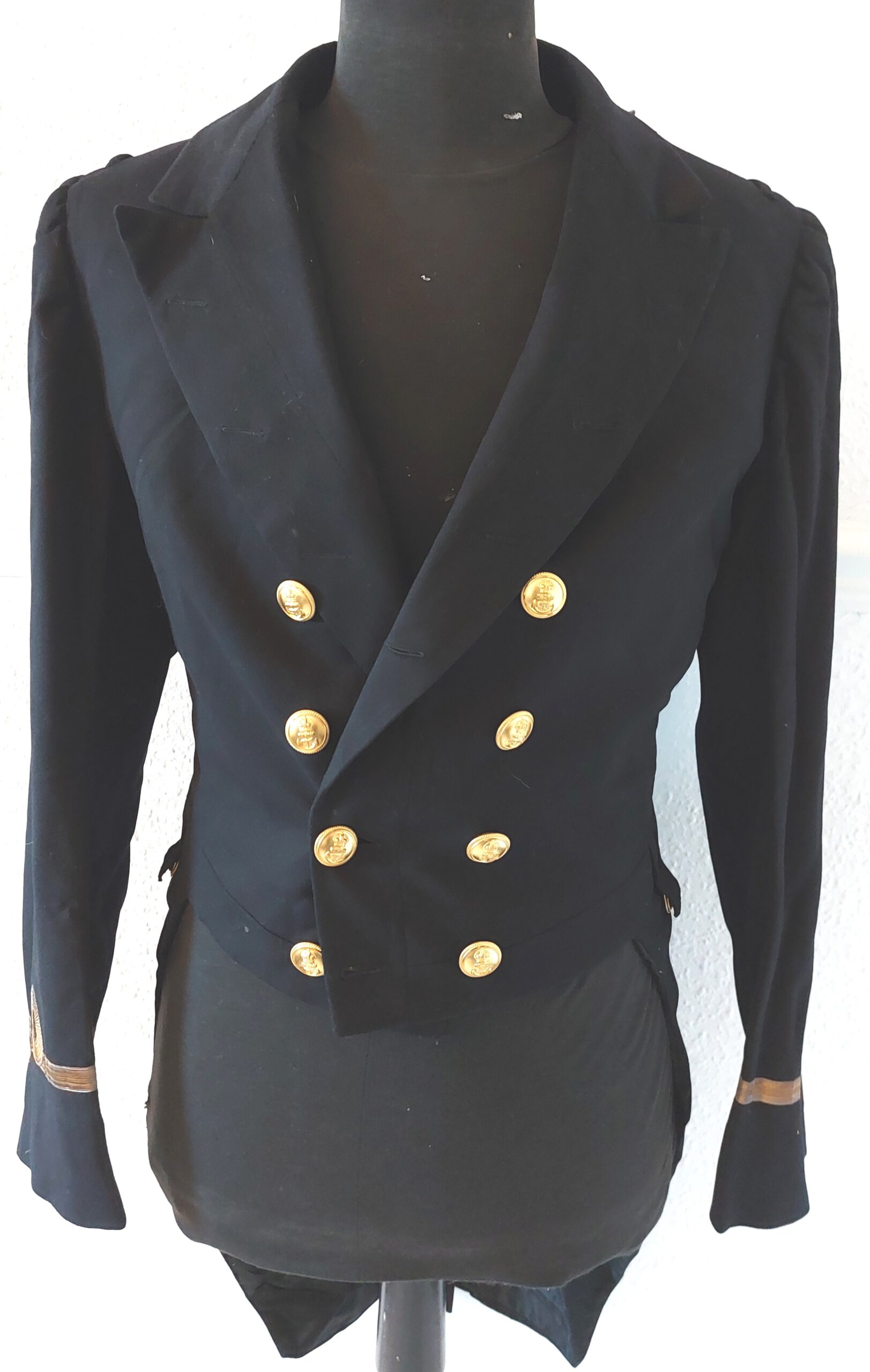
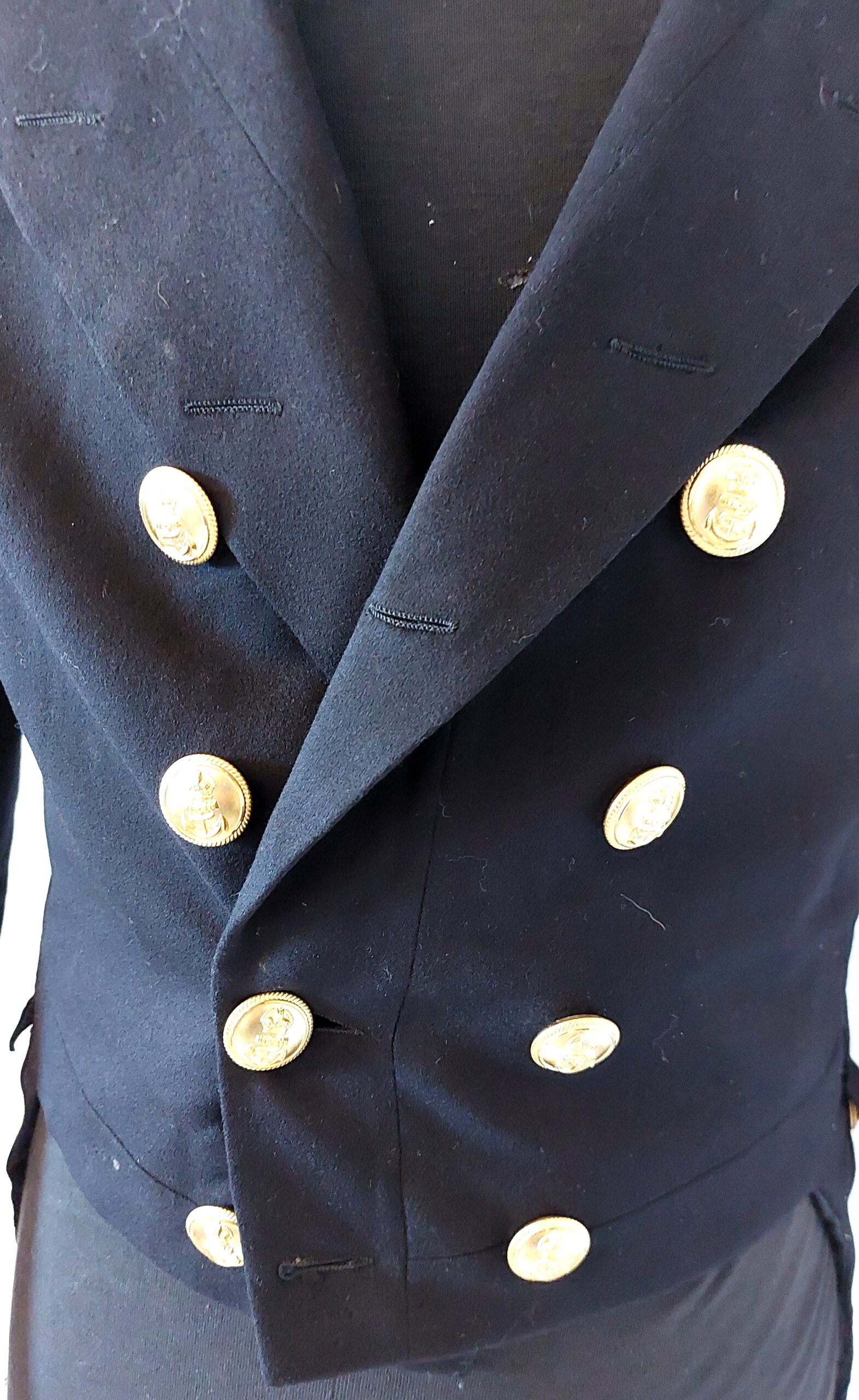
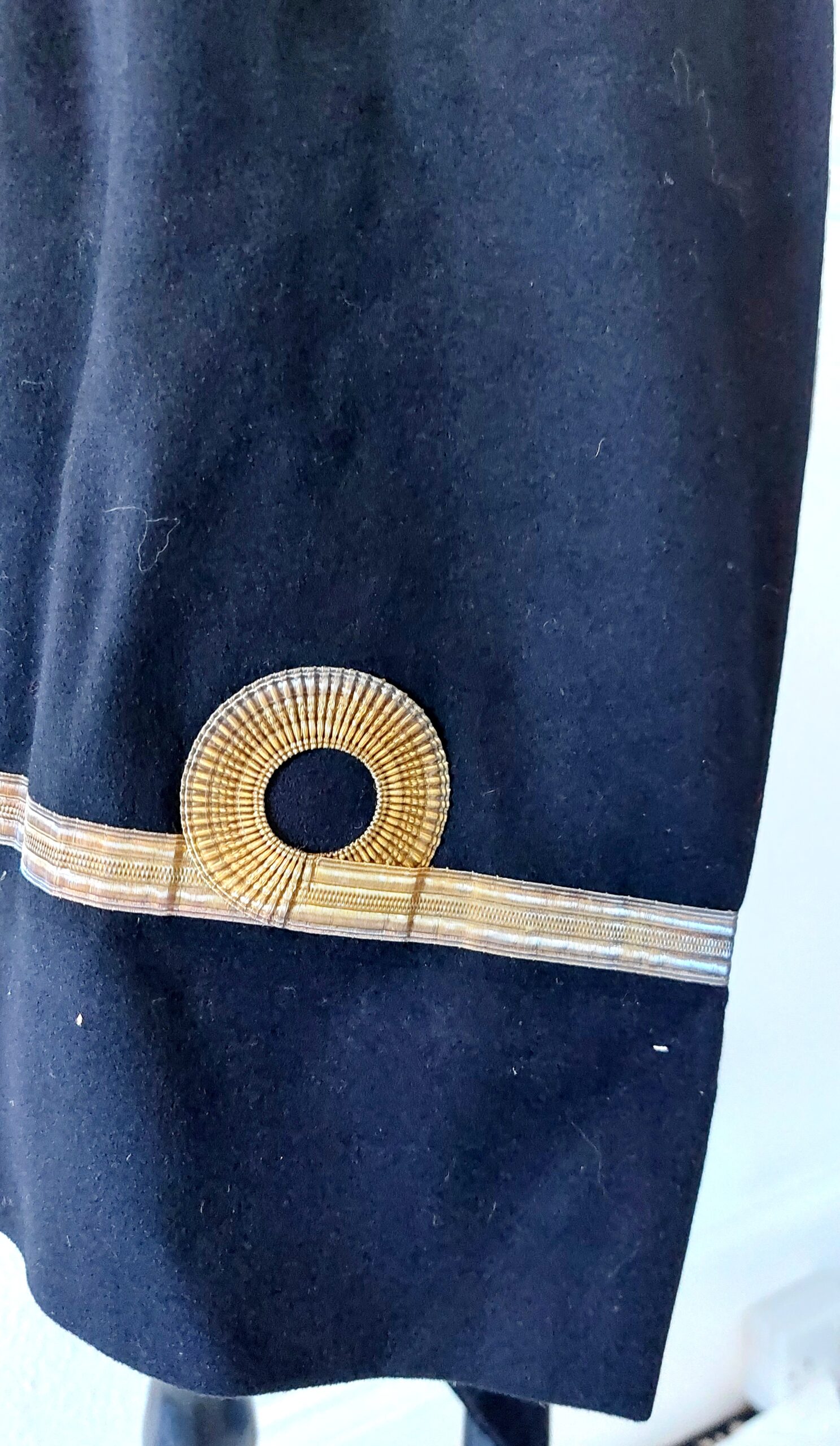
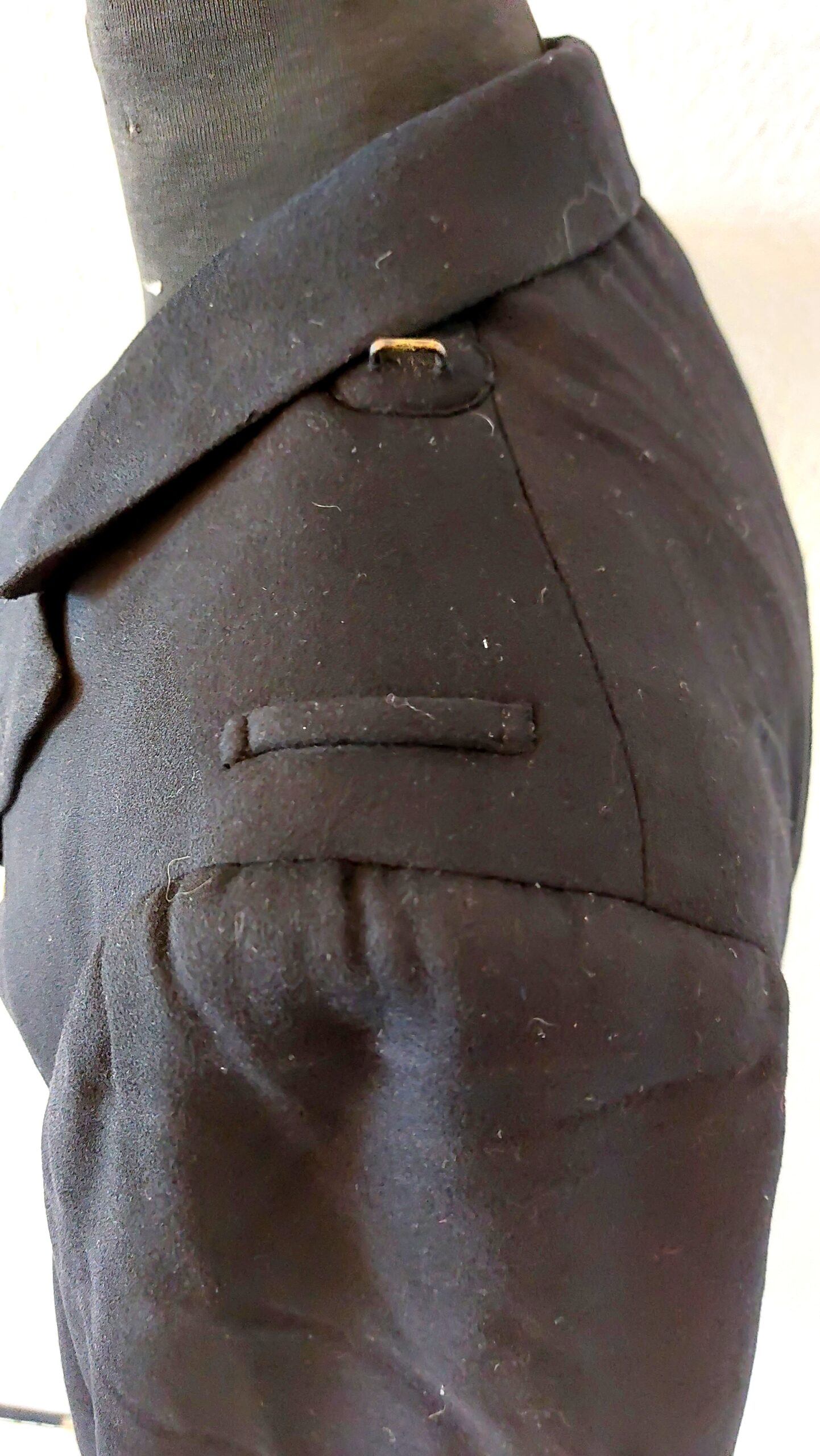
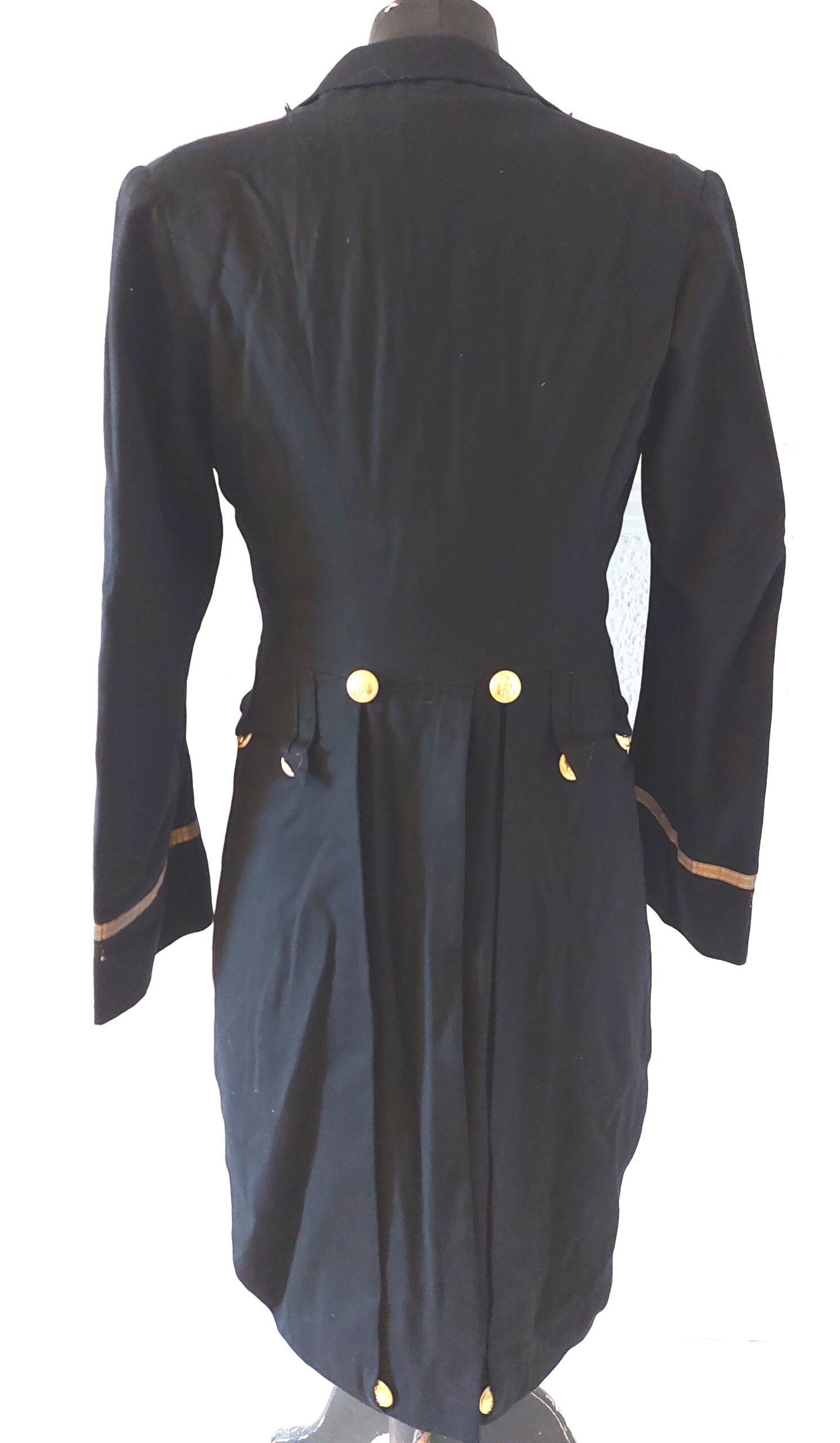
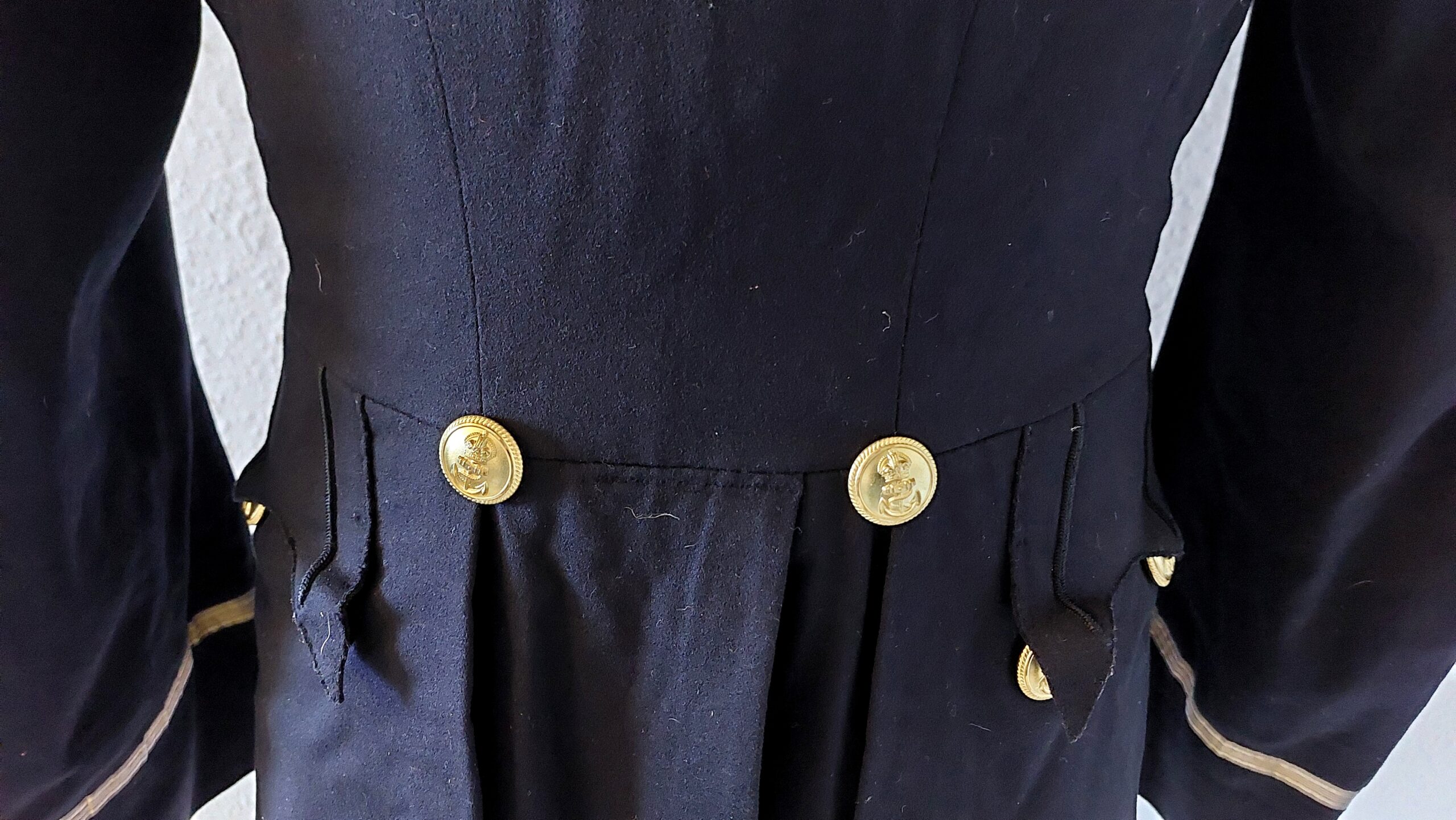
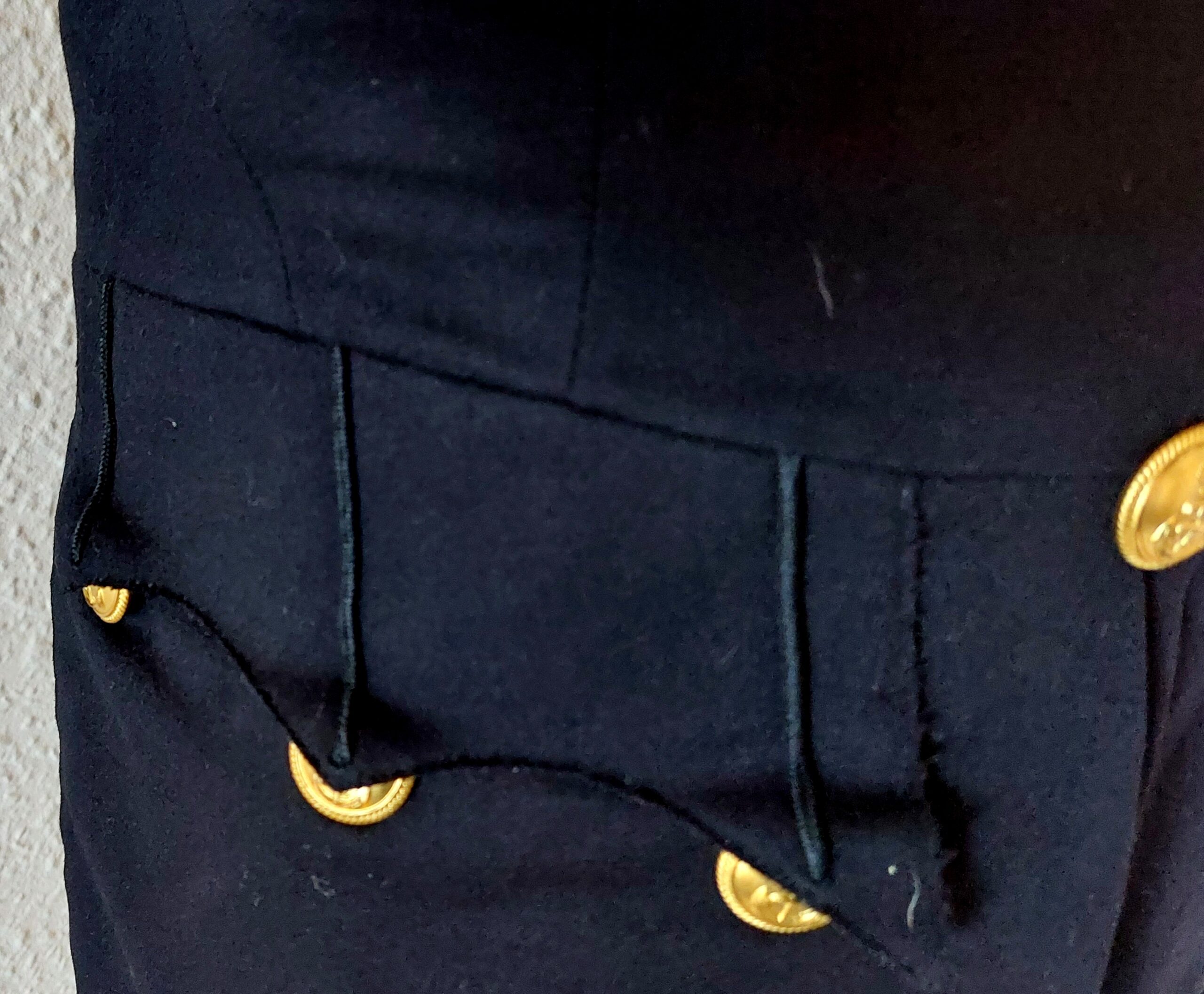
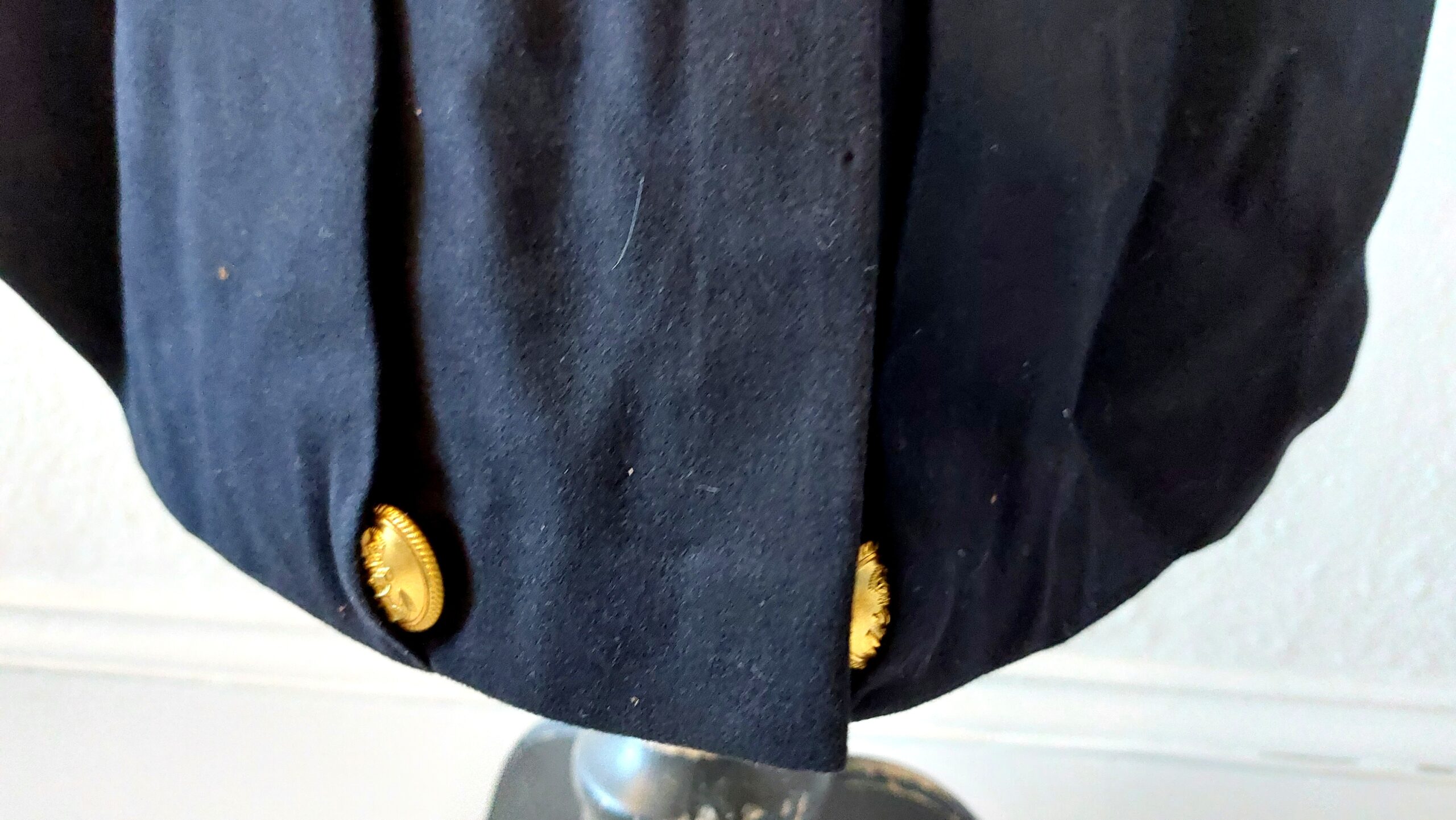
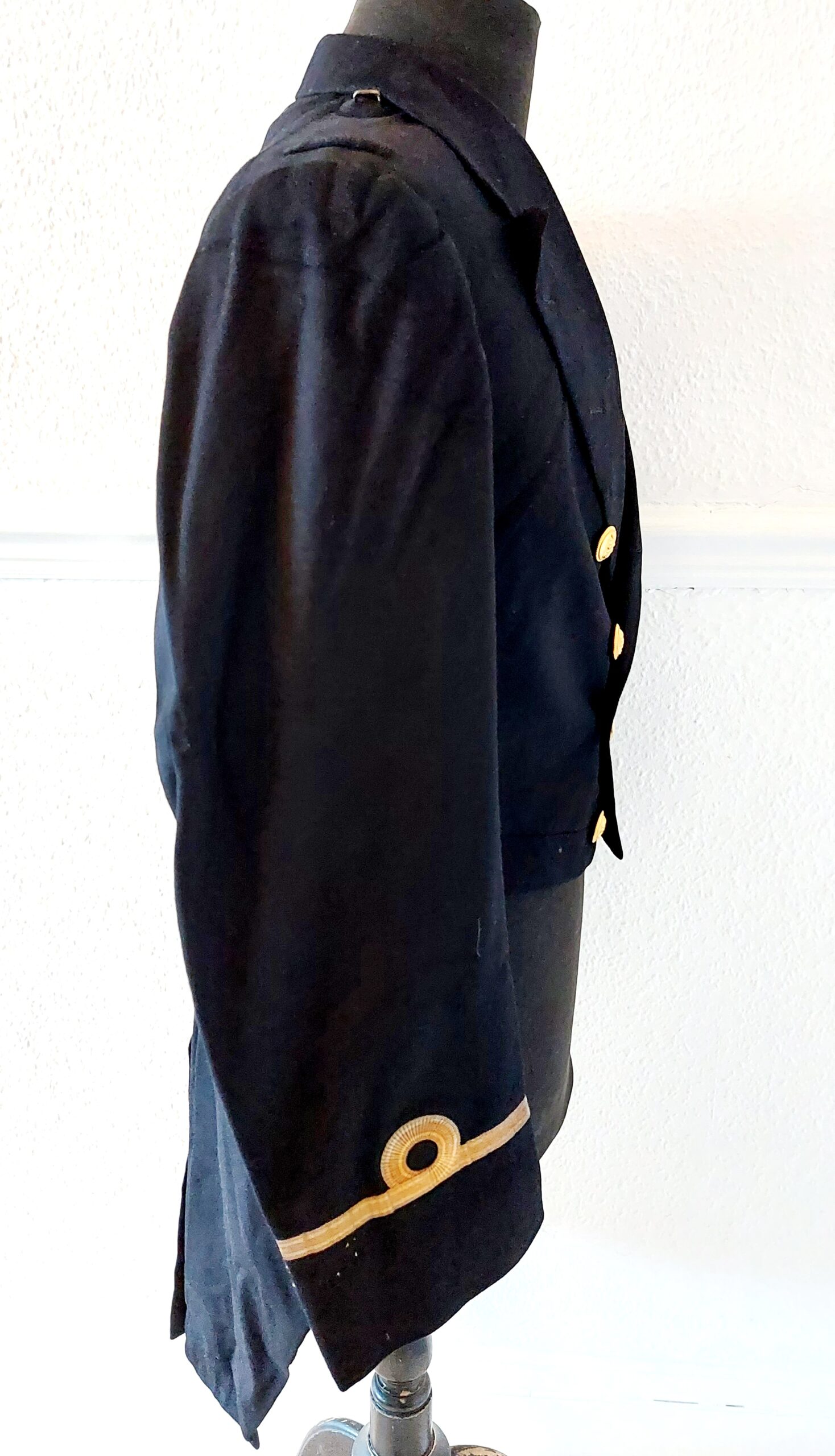
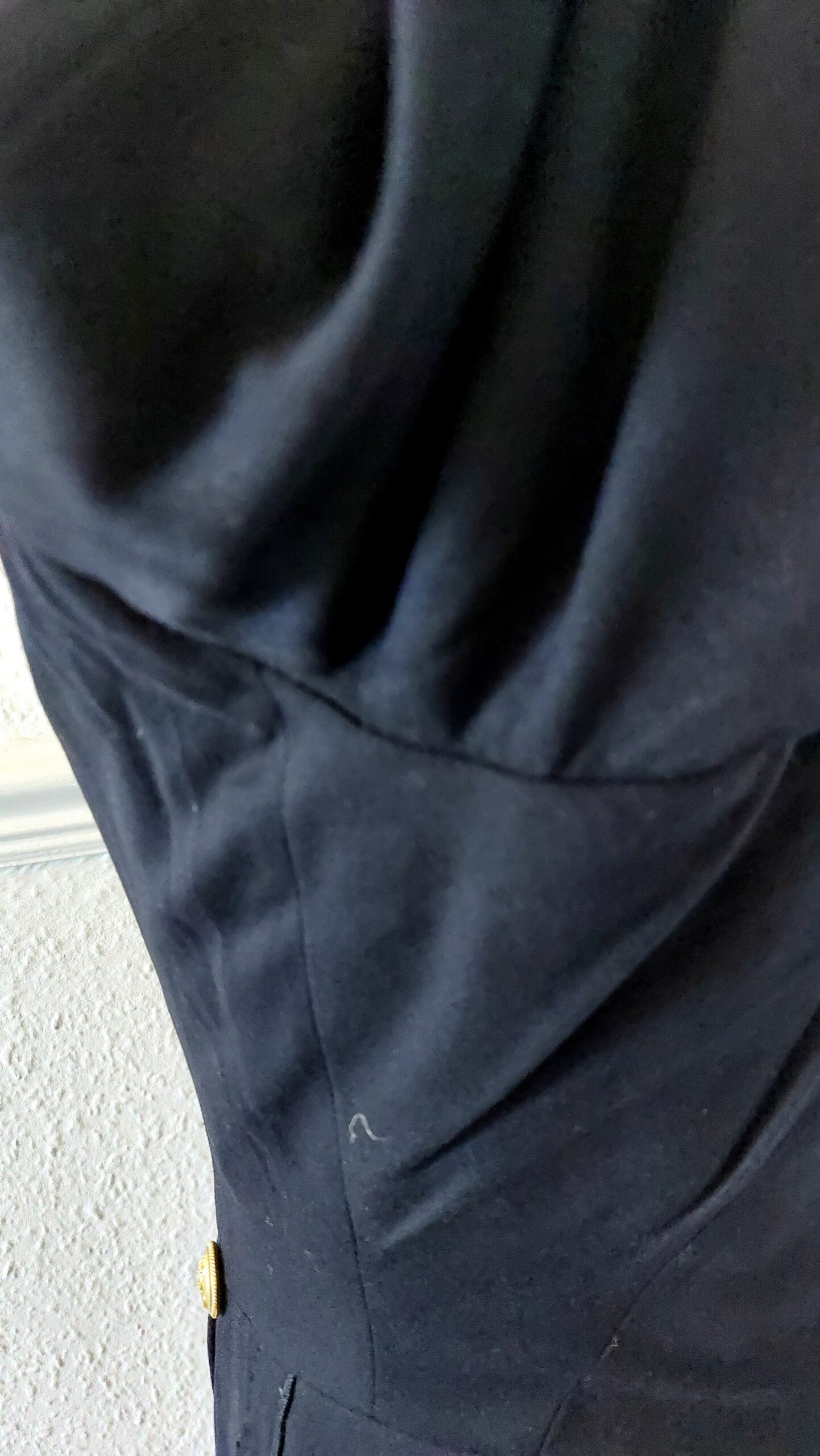
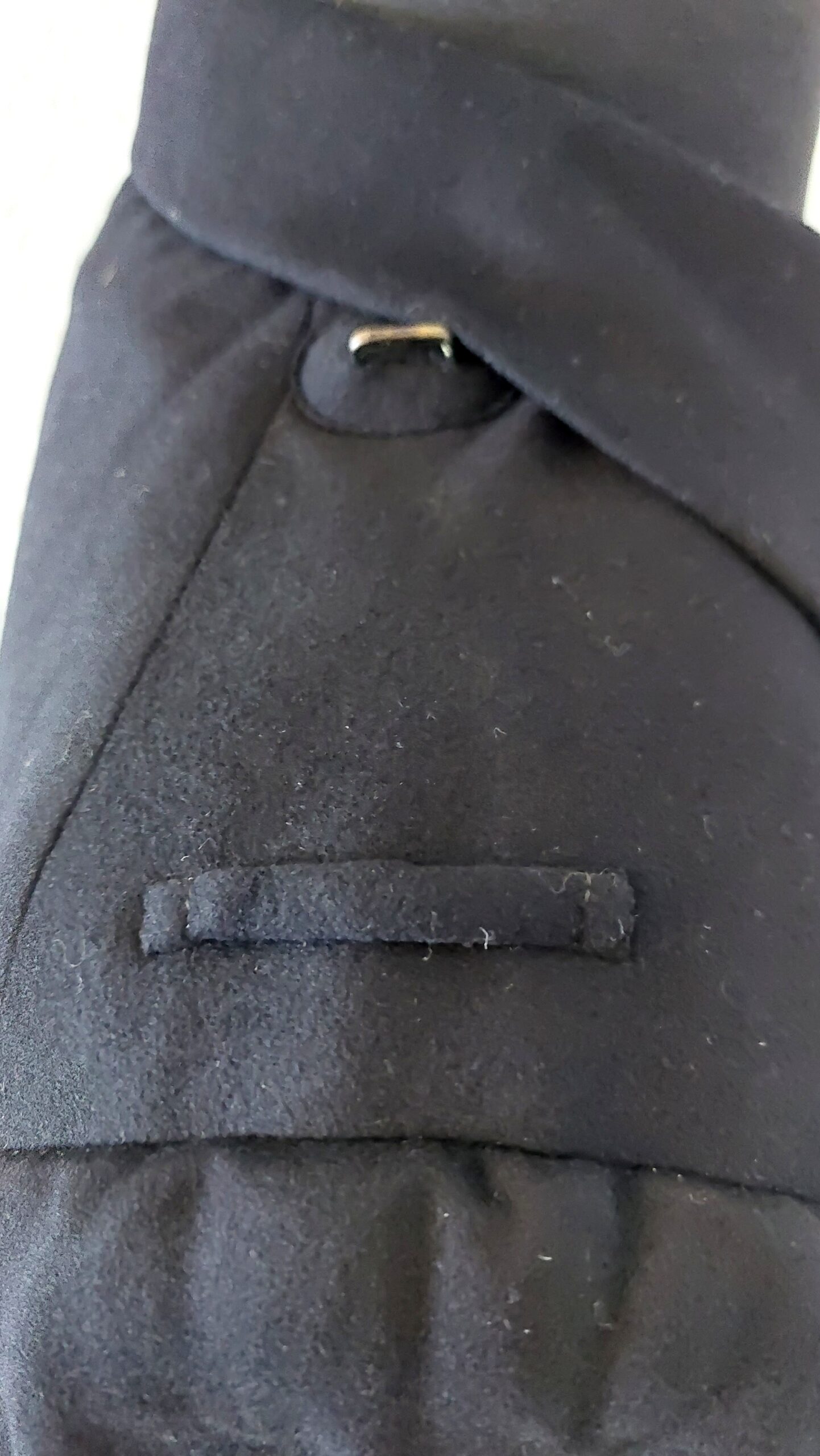
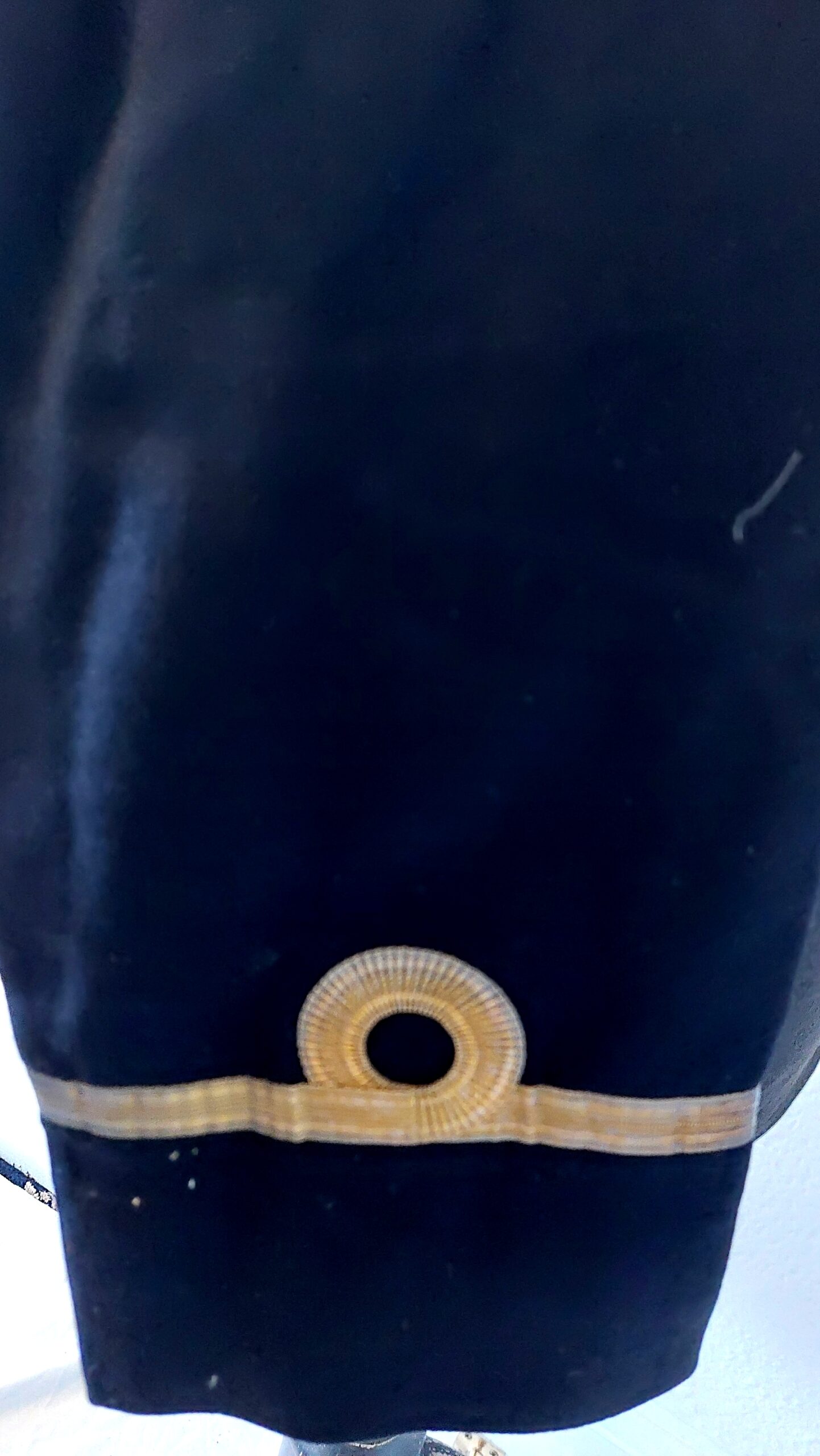
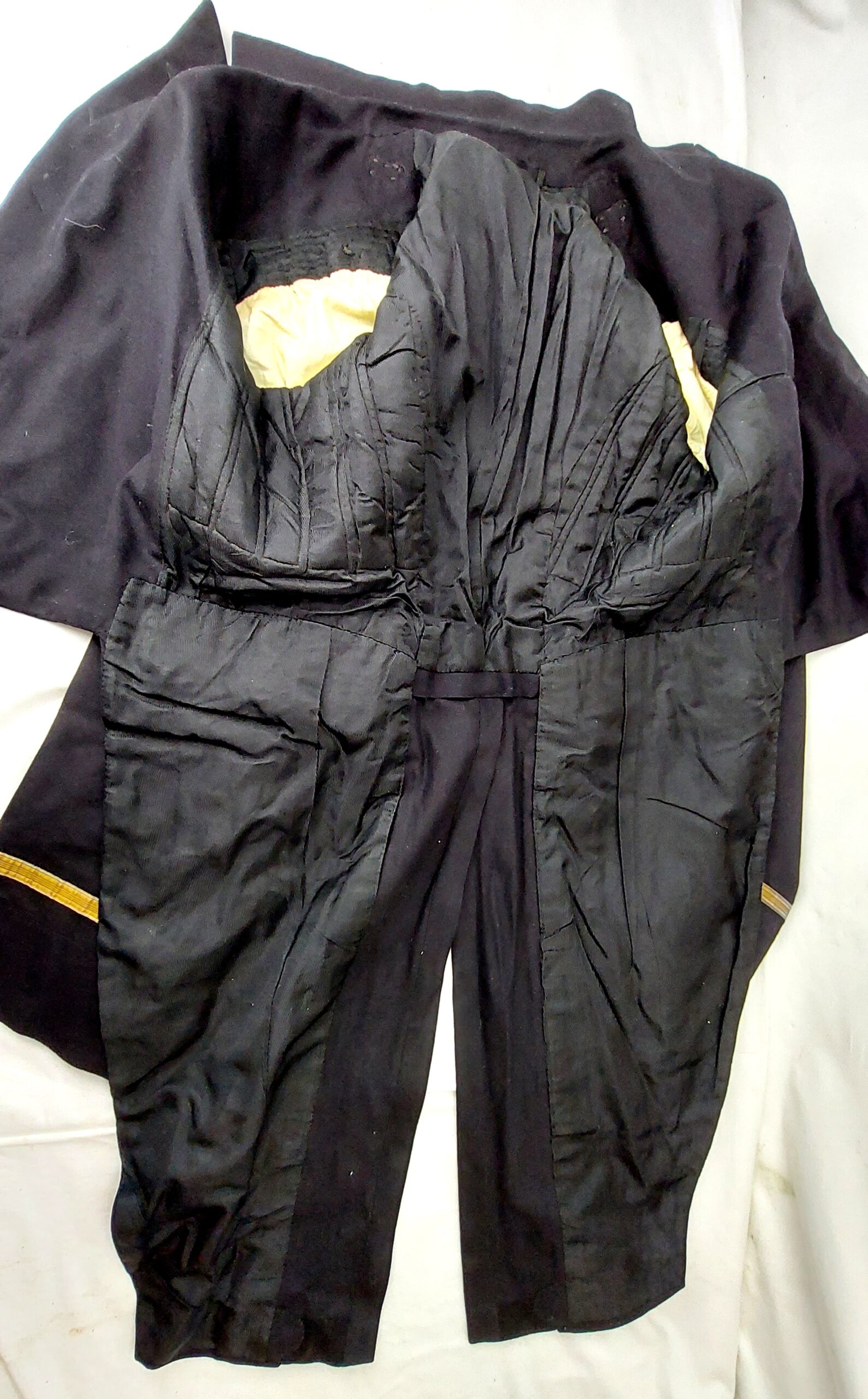
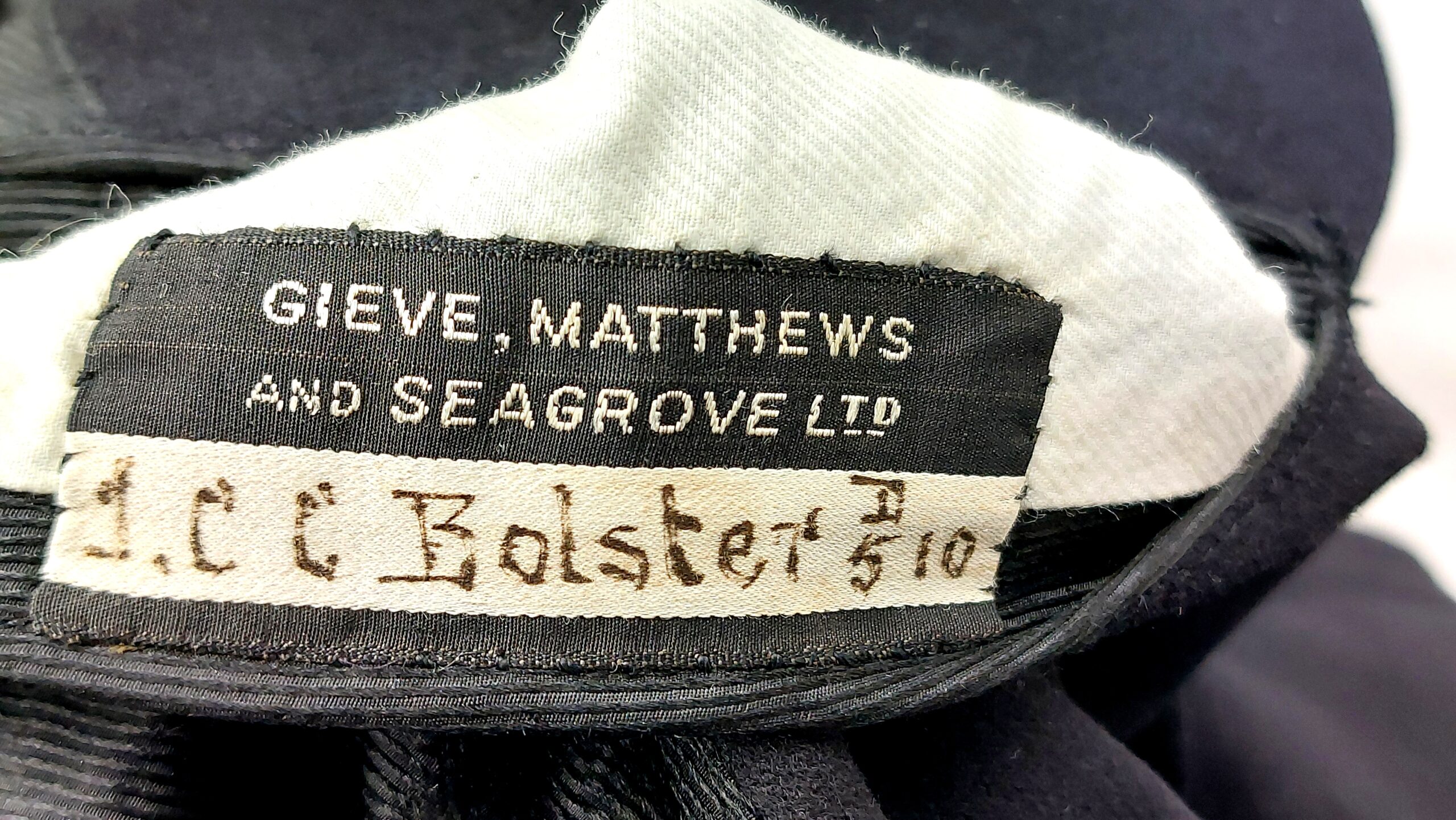
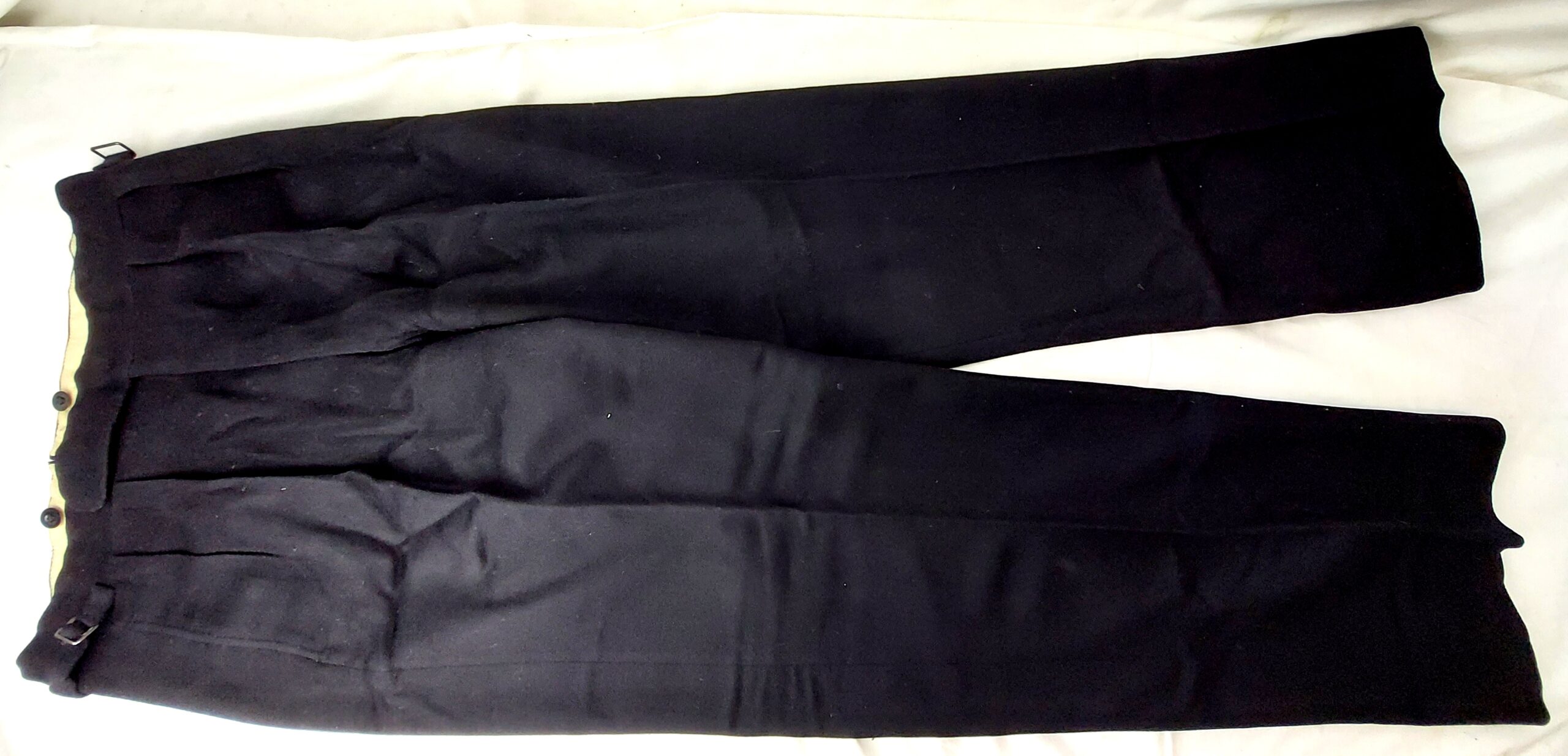
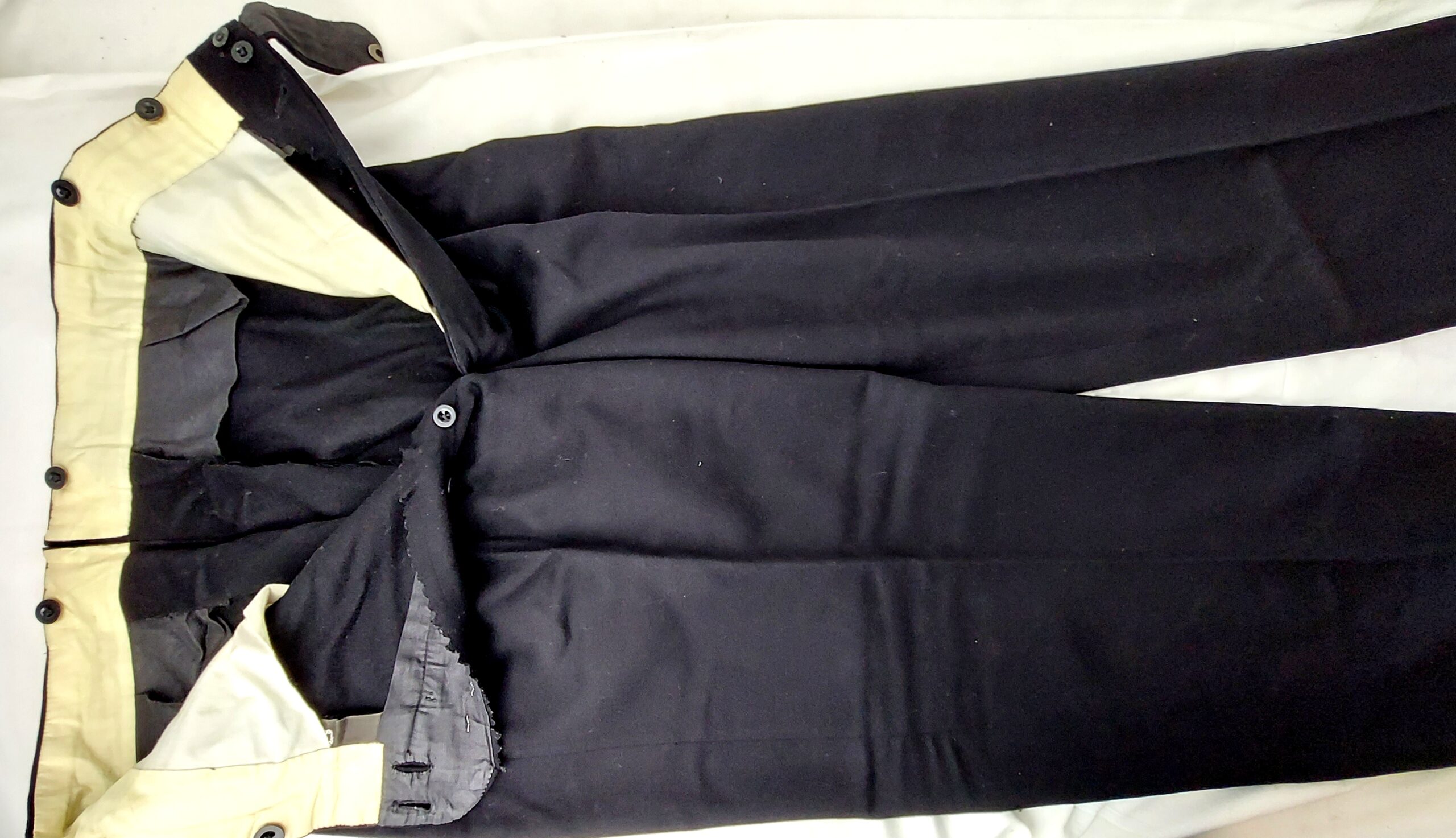
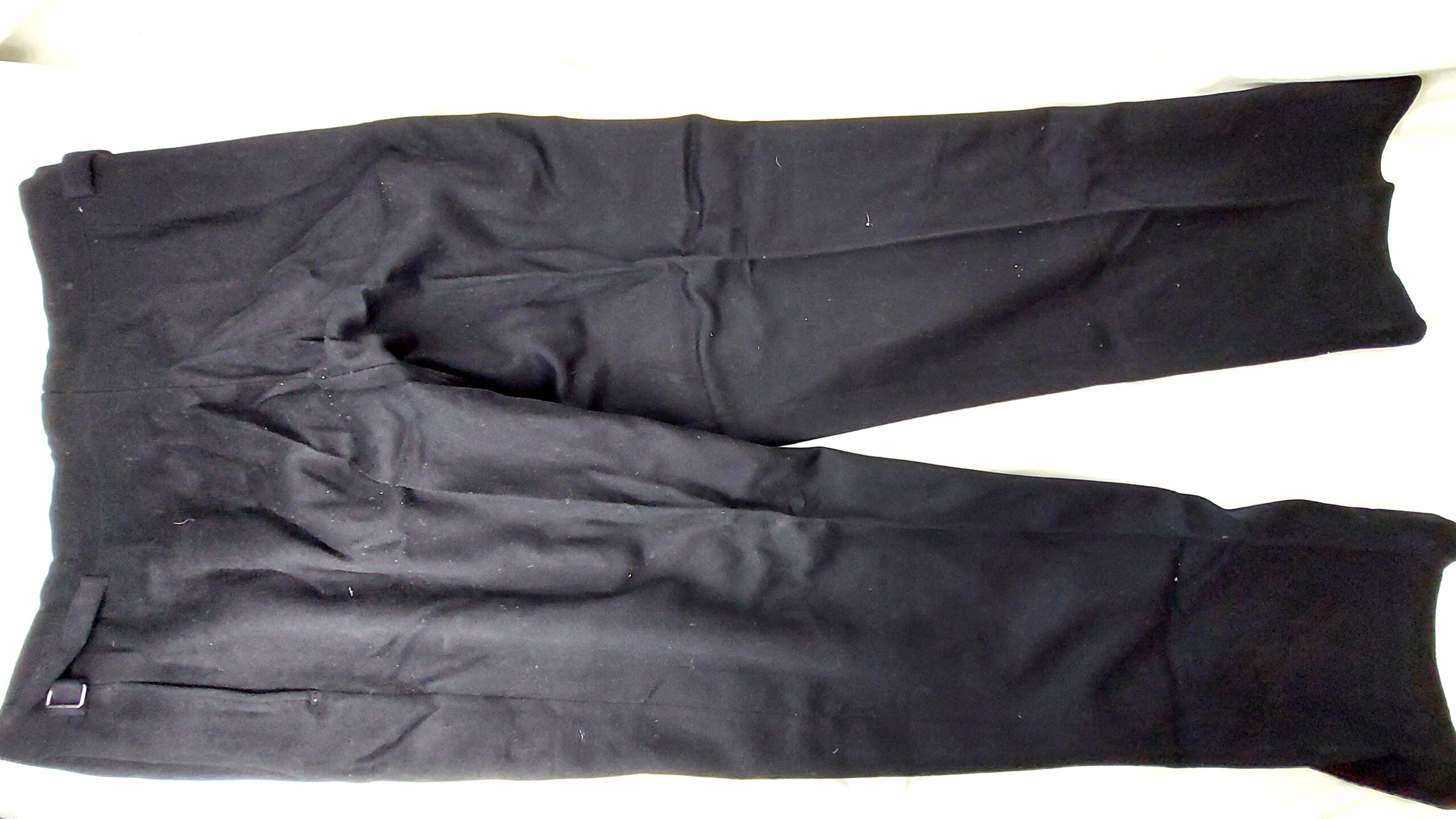
The full dress tailcoat is of regulation dark navy cloth, double-breasted with eight gilt King’s Crown fouled-anchor buttons (four per side), representing the earlier full dress pattern rather than later expanded button arrangements. The coat features long skirted tails and retains its original structure and form. The cuffs carry a single gold lace stripe with executive curl, denoting the rank of Lieutenant, Royal Navy (Executive Branch). All lace remains intact, with only slight dulling consistent with age. The interior retains the maker’s label “Gieve, Matthews & Seagrove Ltd” and is clearly named in ink to “T. C. C. Bolster”. The accompanying trousers are of correct full dress pattern, with high waist, brace fittings, and matching cloth, entirely consistent with Royal Navy officer’s dress uniform of the Edwardian and First World War period.
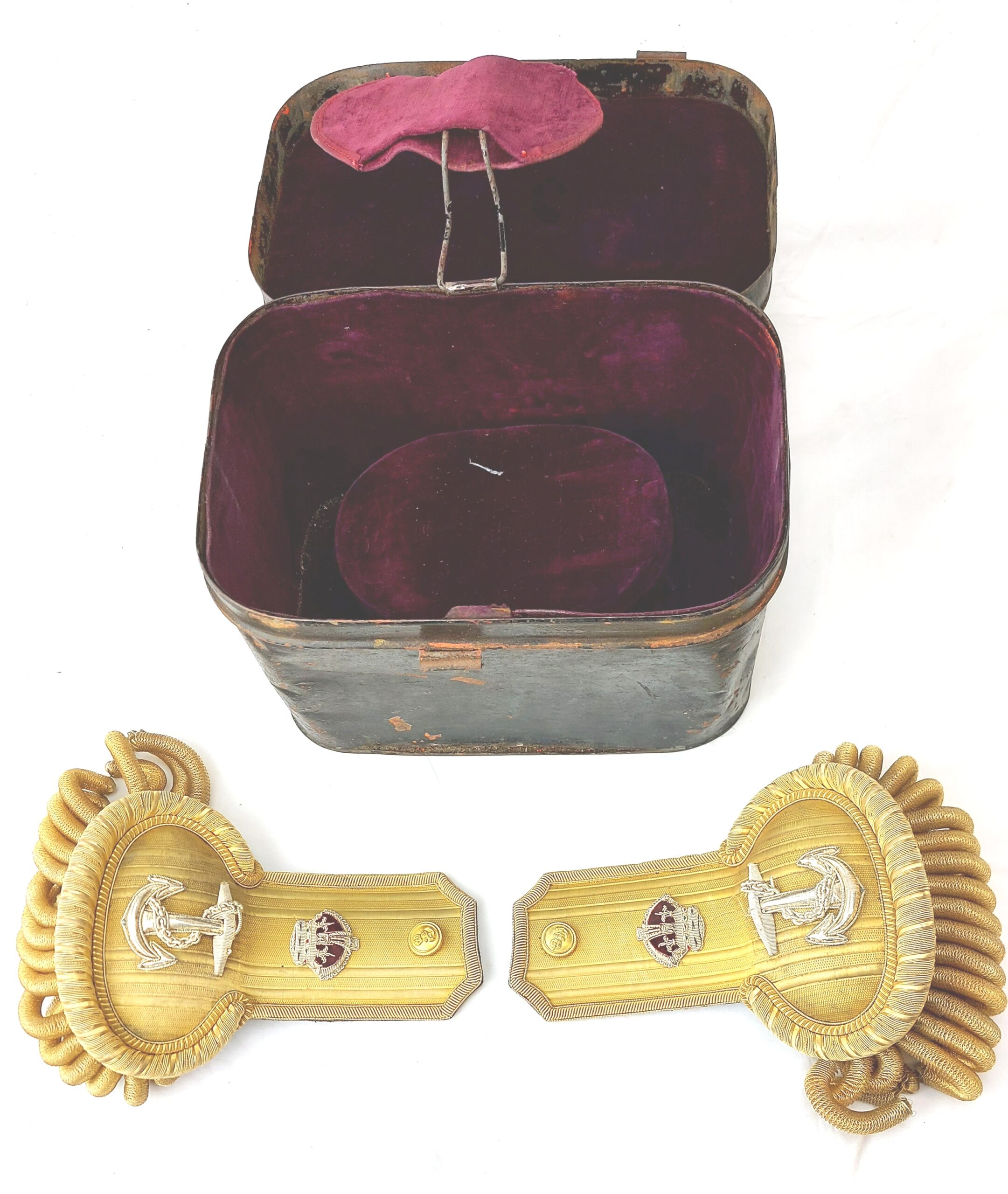
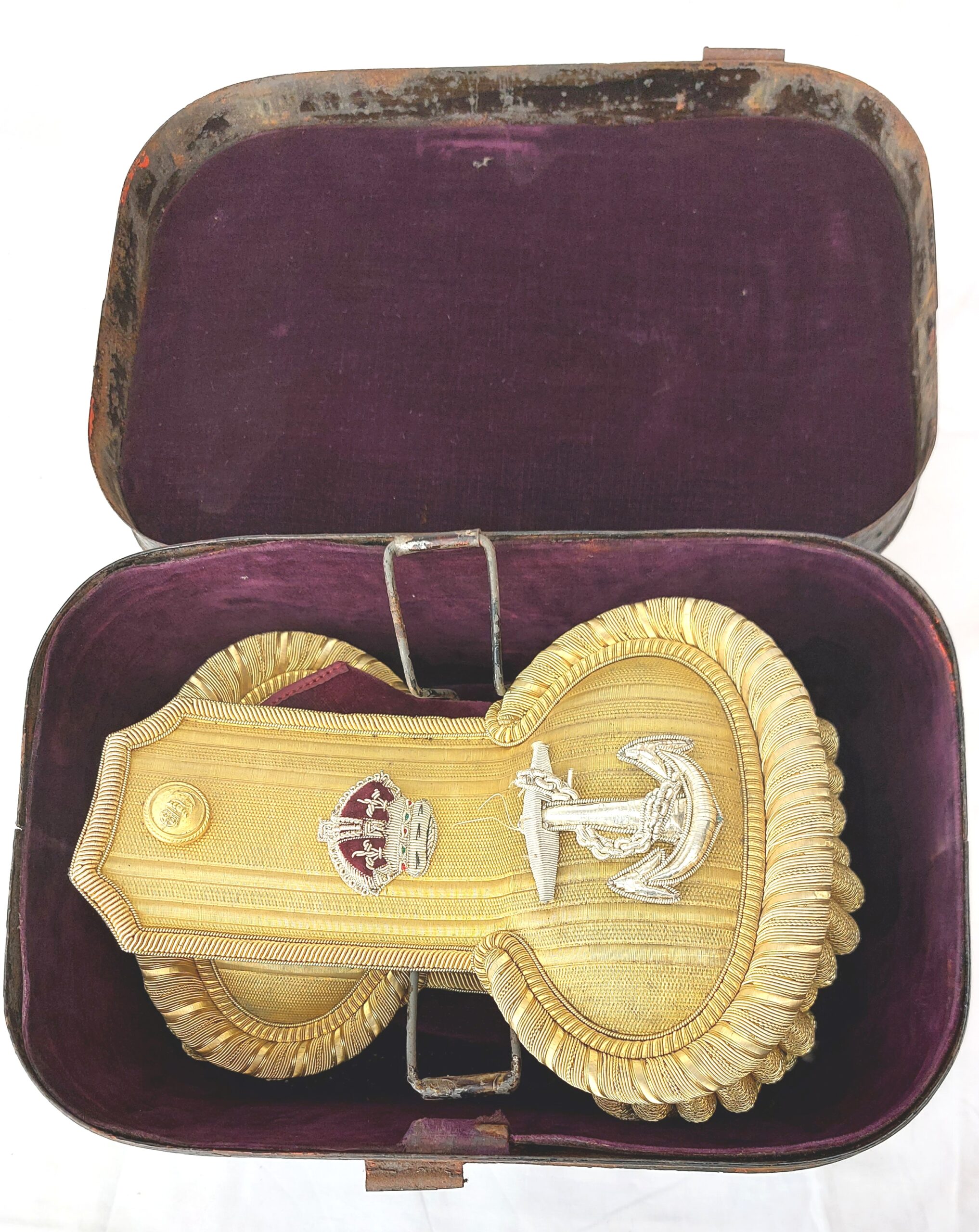
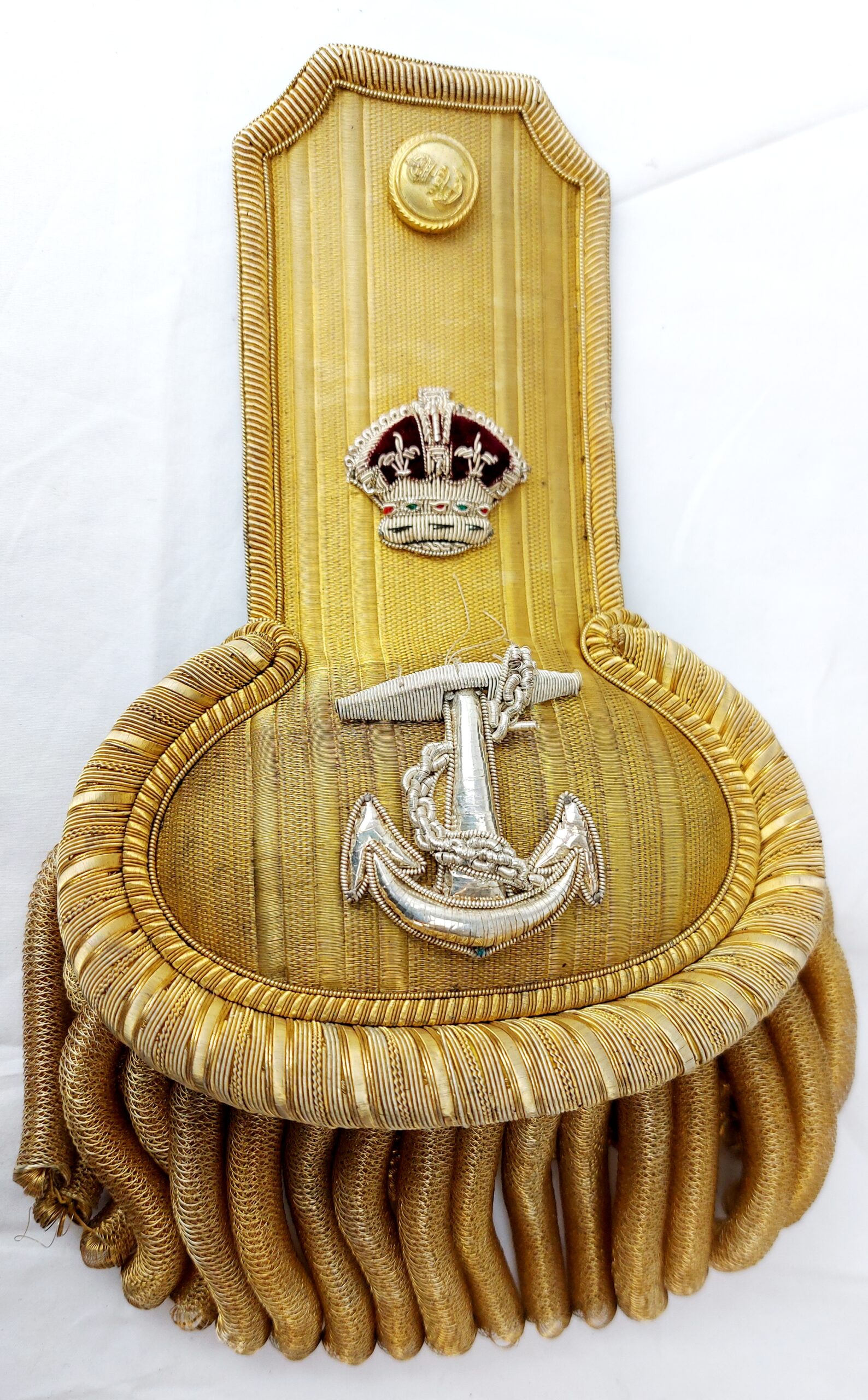
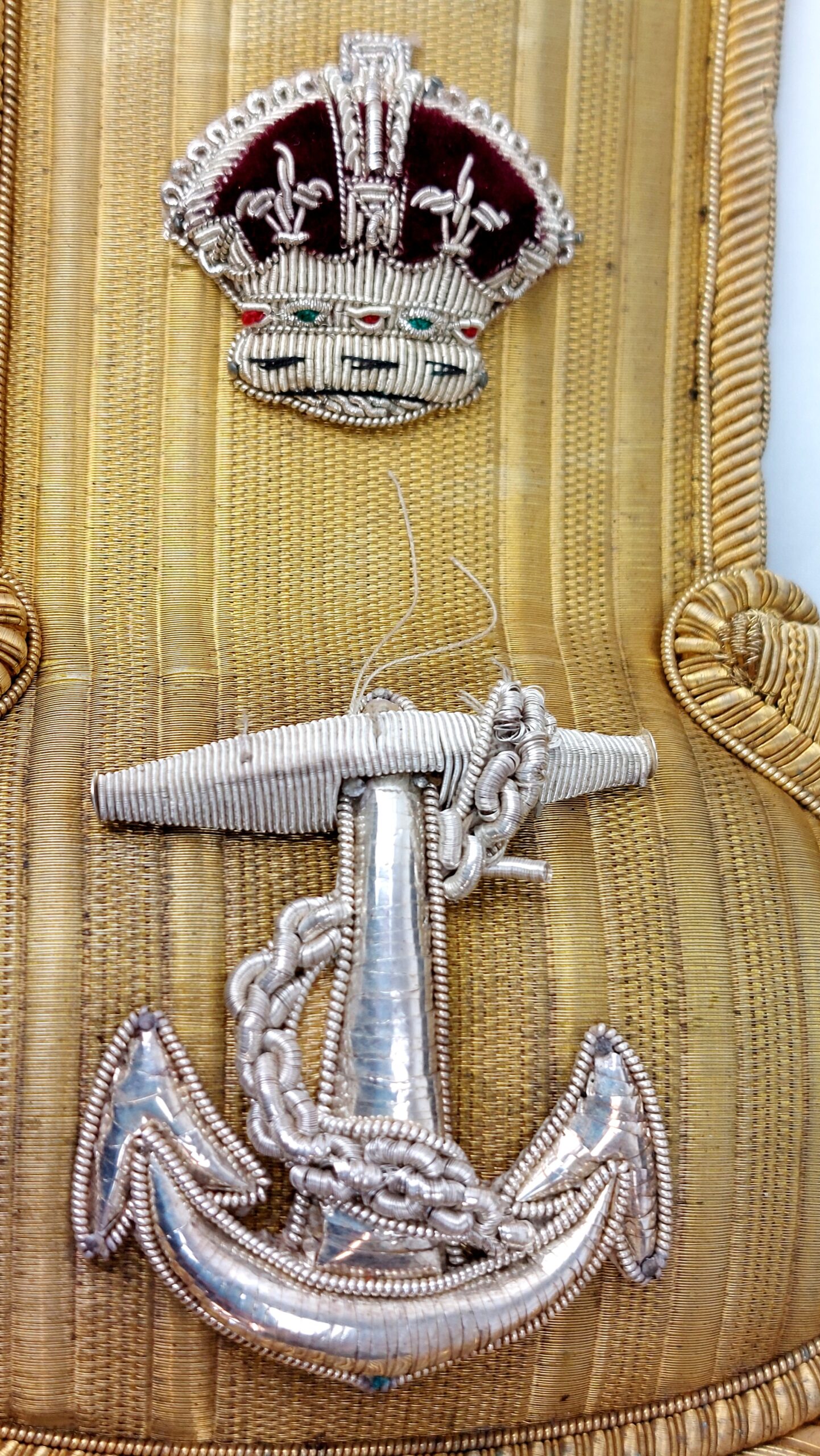
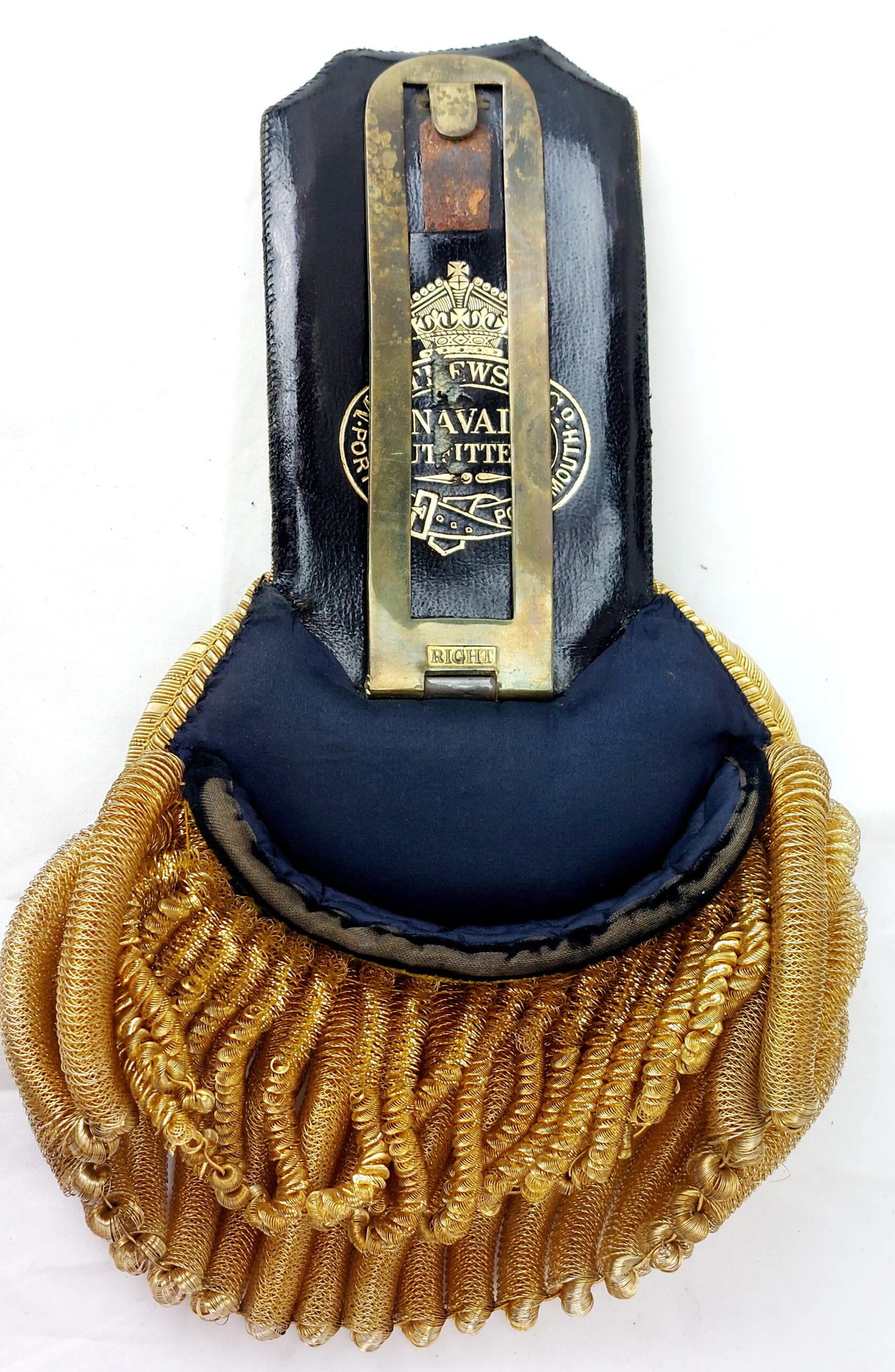
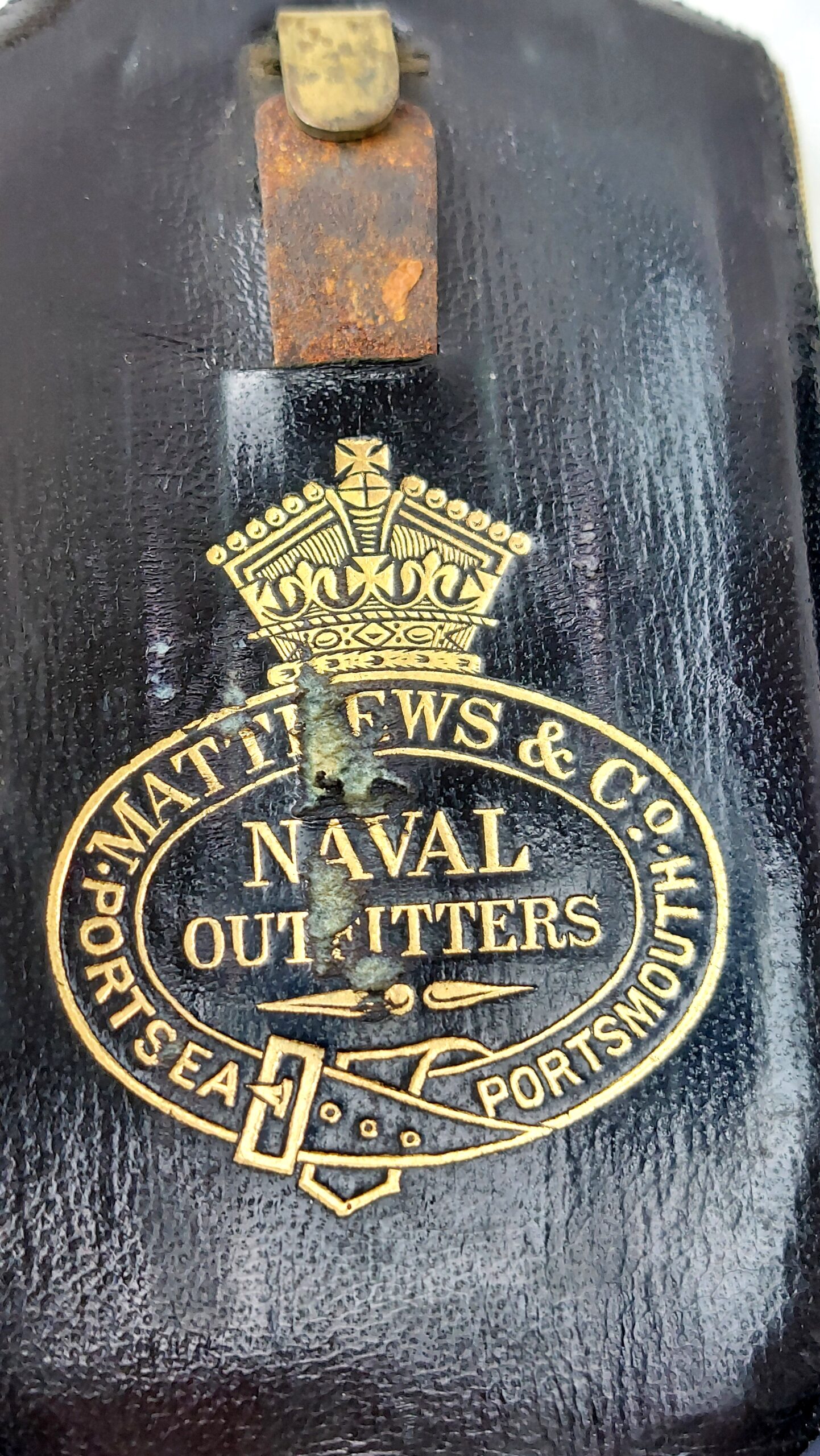
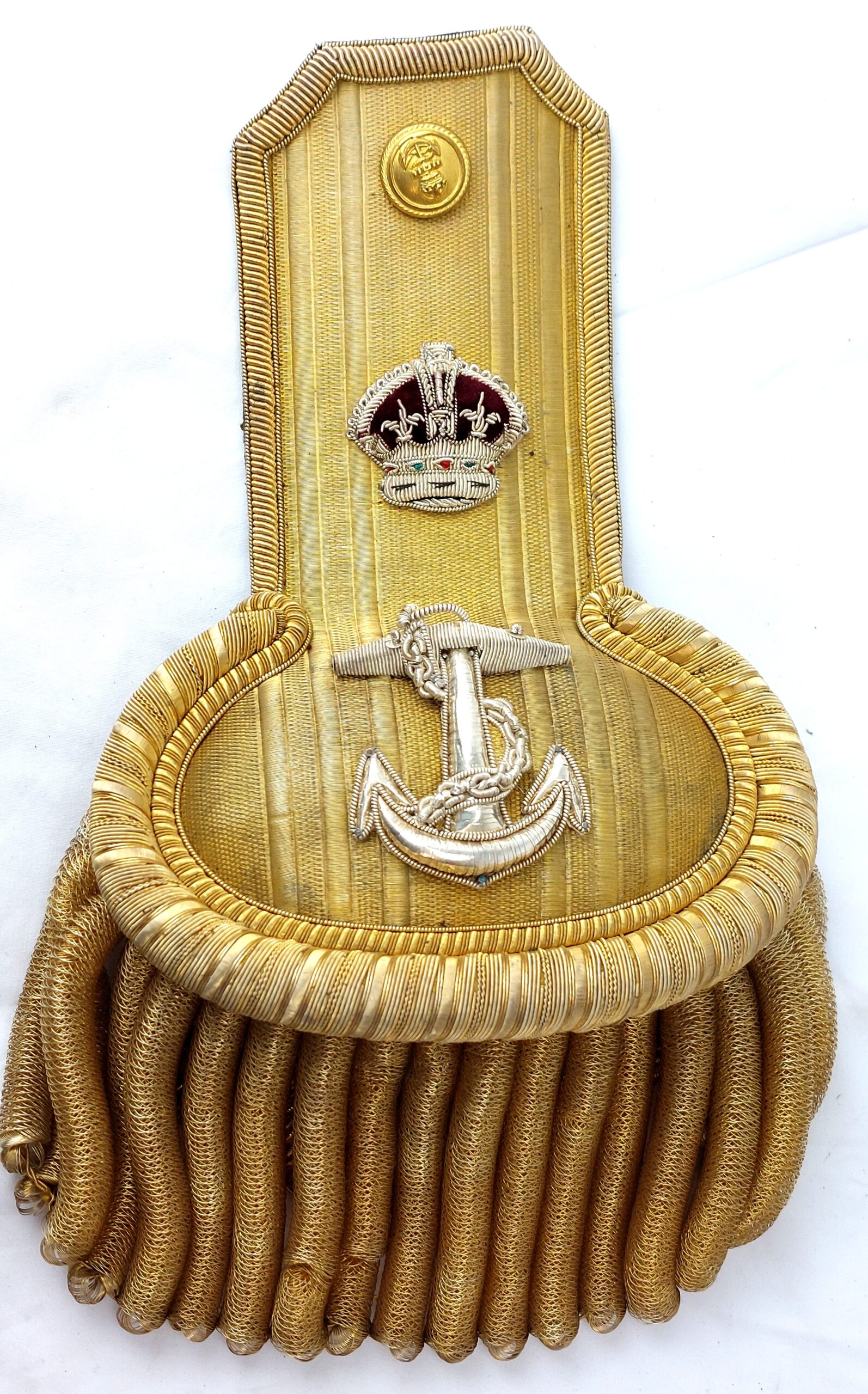
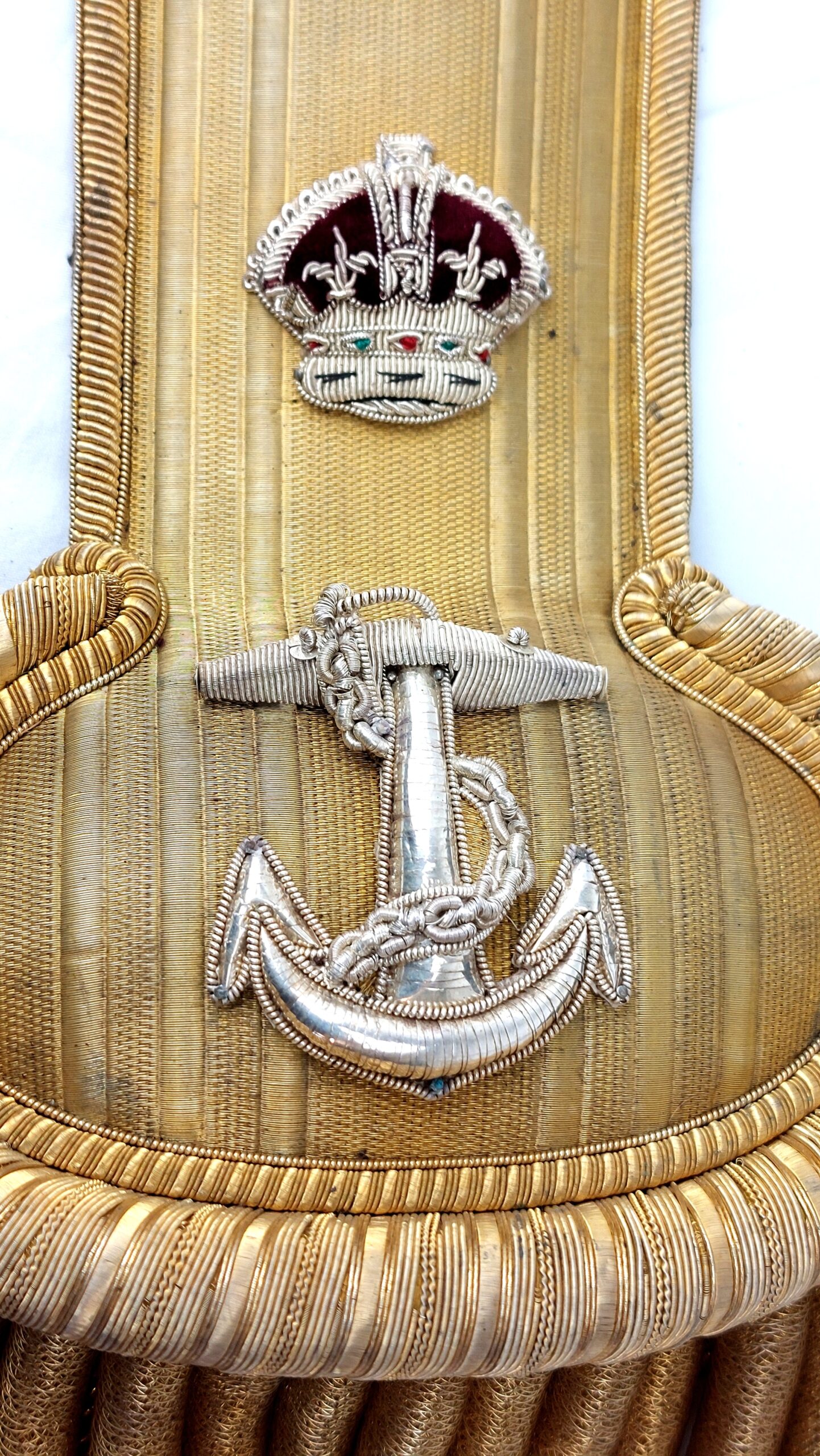
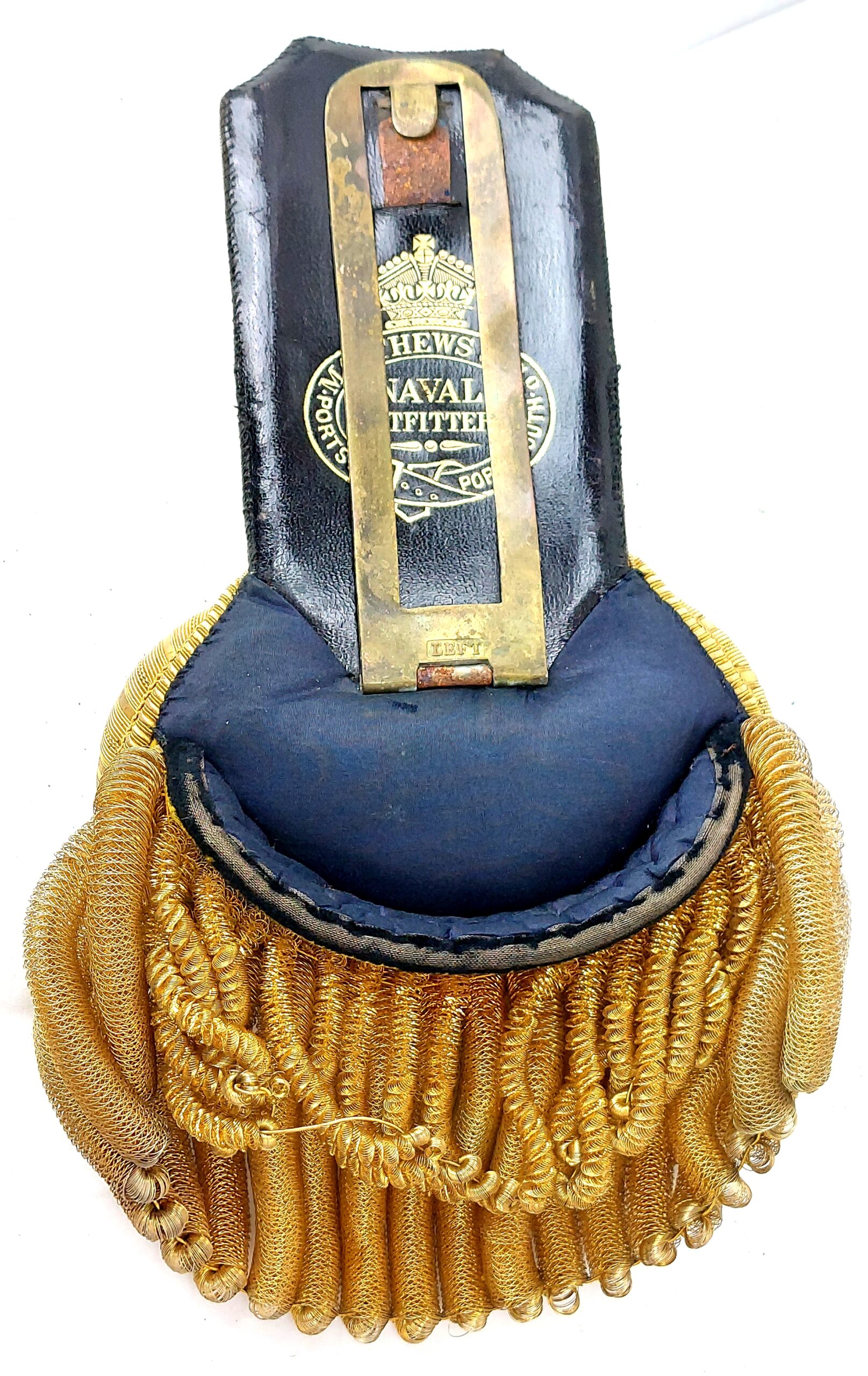
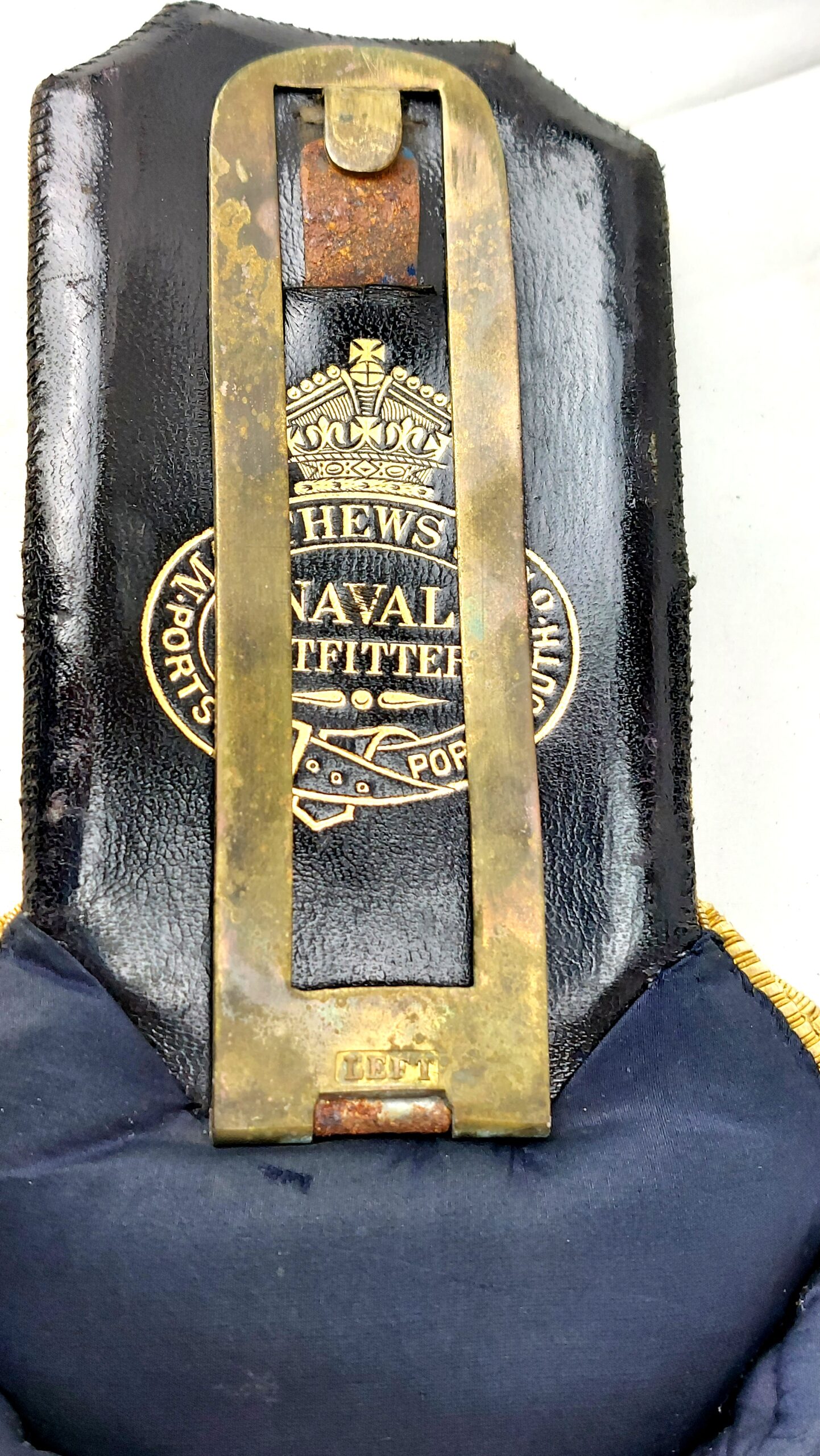
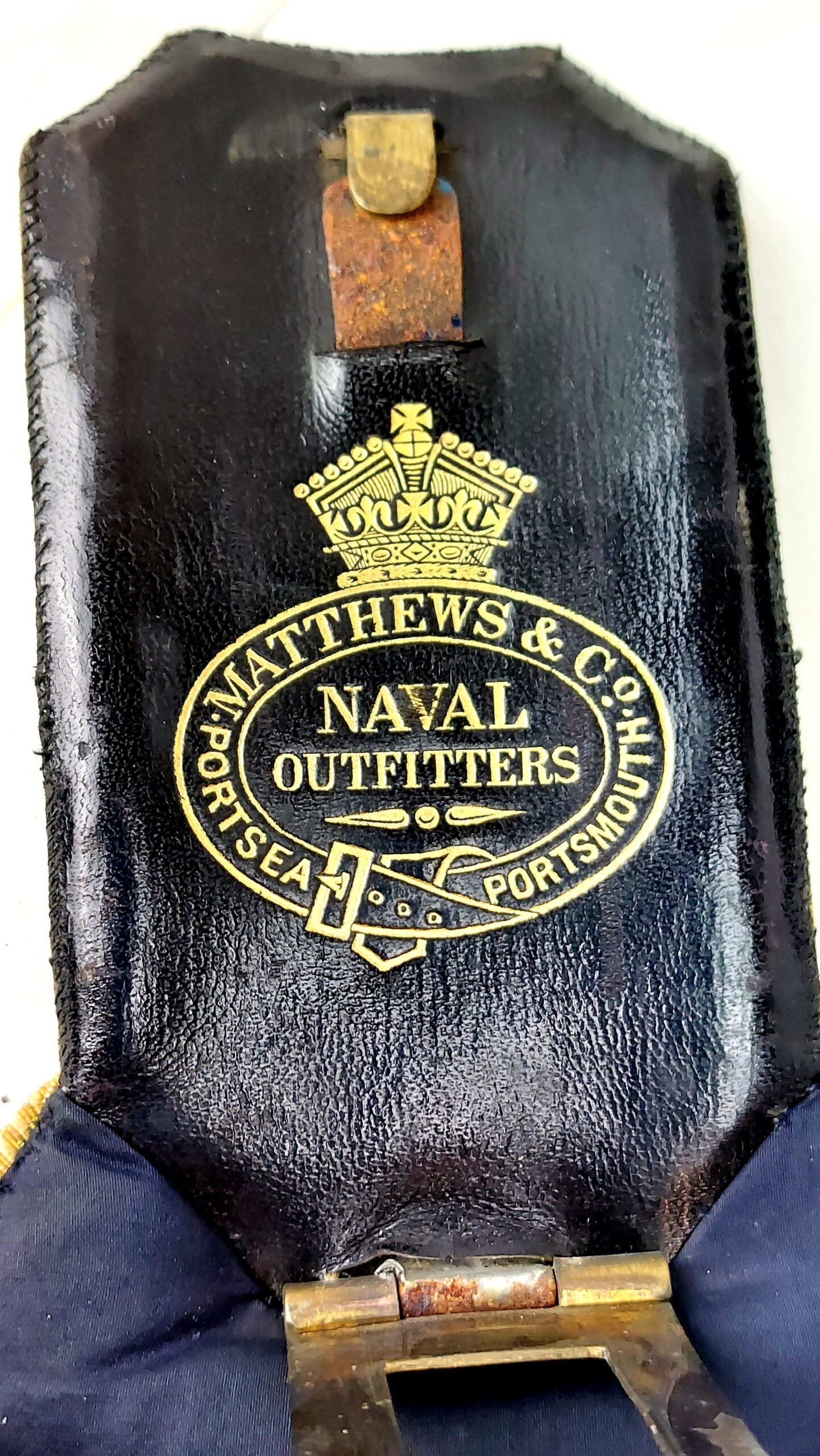
The group is significantly enhanced by the inclusion of a matching pair of full dress officer’s epaulettes, housed in their original fitted japanned storage case. These are of high-quality gilt bullion construction, with heavy coiled fringe and finely woven straps. Each epaulette is mounted with a silvered fouled anchor badge, confirming Royal Navy service, beneath a richly embroidered King’s Crown with red velvet backing, again consistent with pre-1953 (and here clearly pre-WWI) manufacture. The reverse retains the original black patent leather backing with gilt stamped outfitter details for “Matthews & Co., Naval Outfitters, Portsmouth”, directly linking them to one of the firms incorporated into Gieve, Matthews & Seagrove Ltd. The fittings remain present, including the mounting bars, one marked “LEFT”, confirming the pair as matched and correctly oriented.
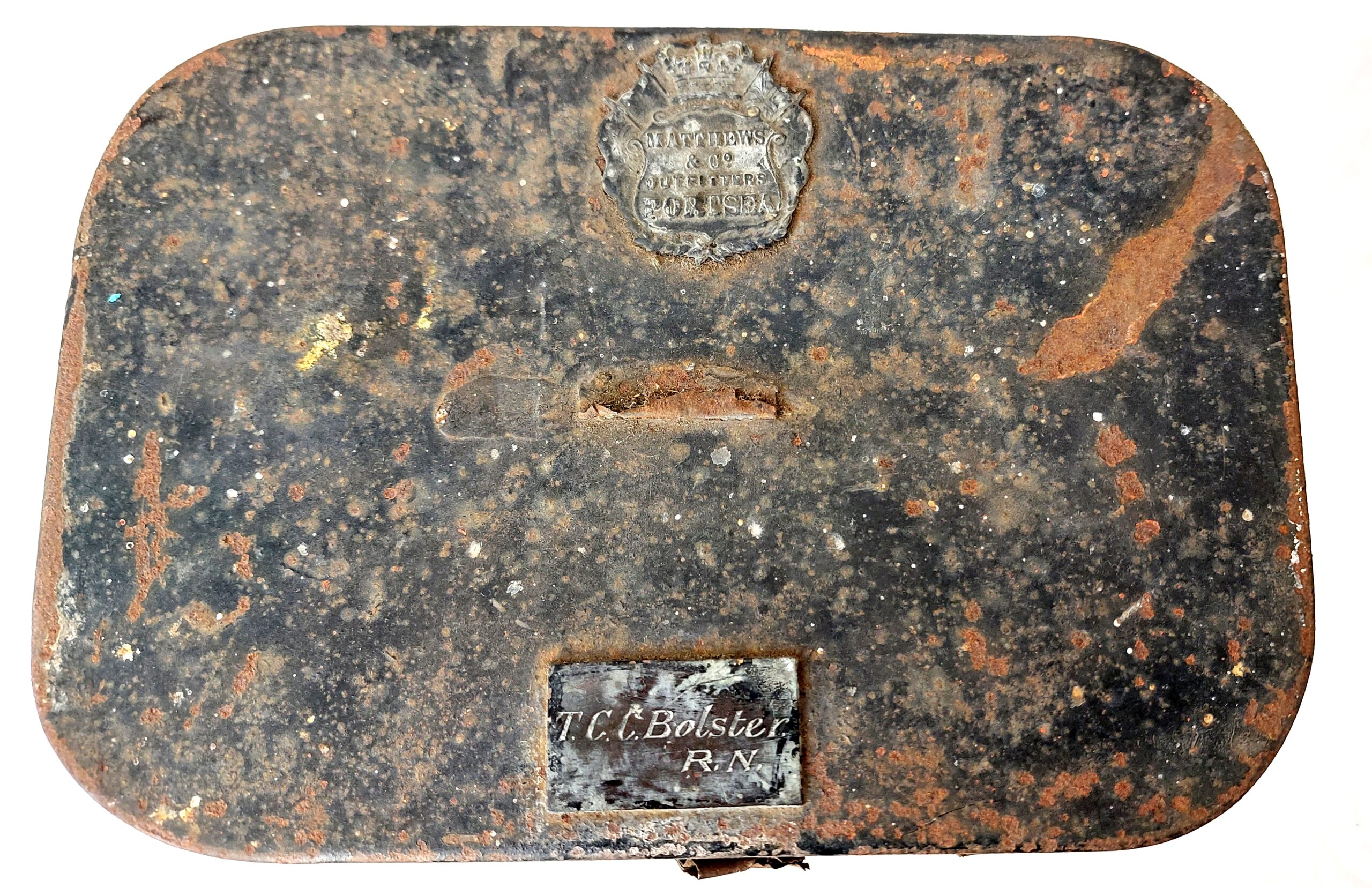
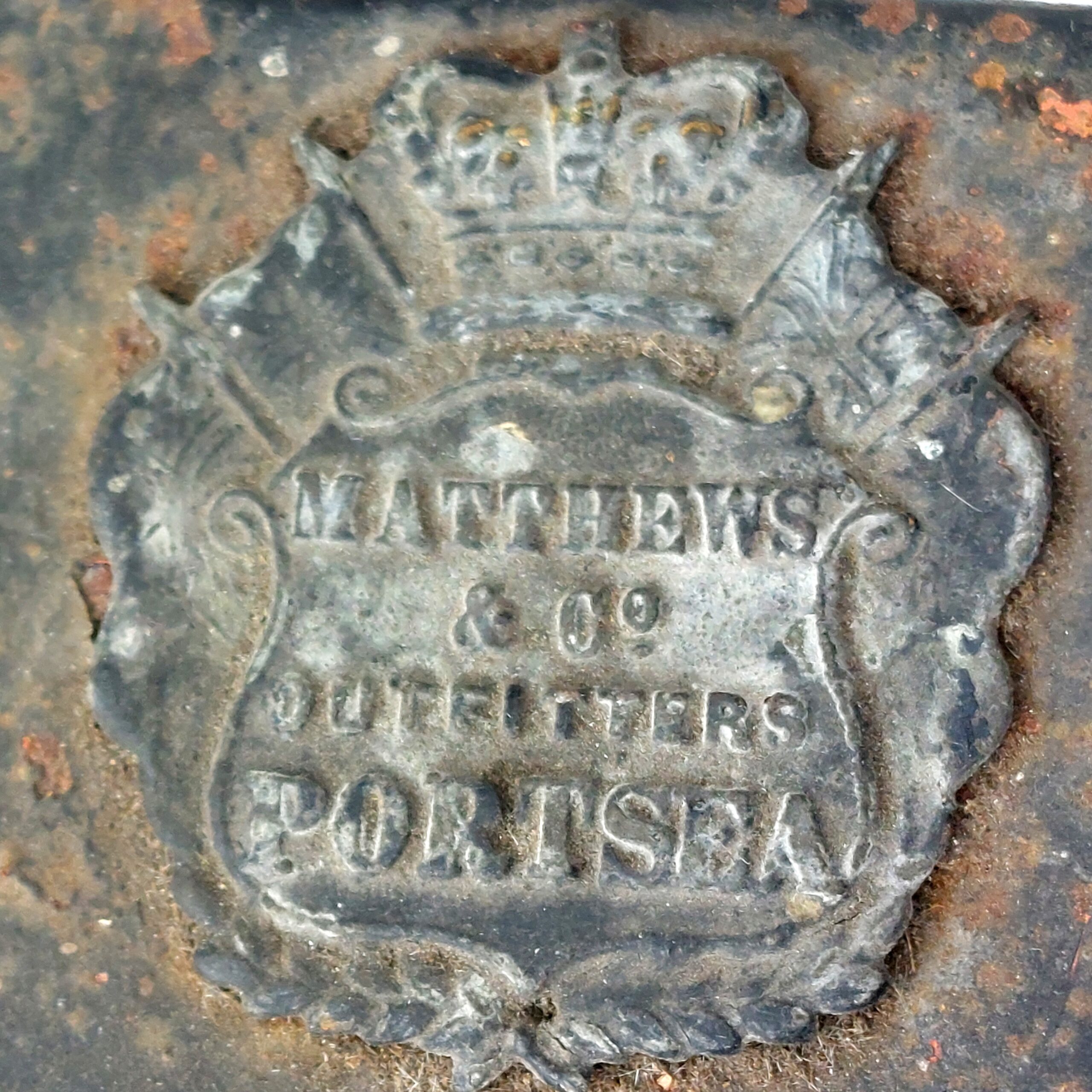
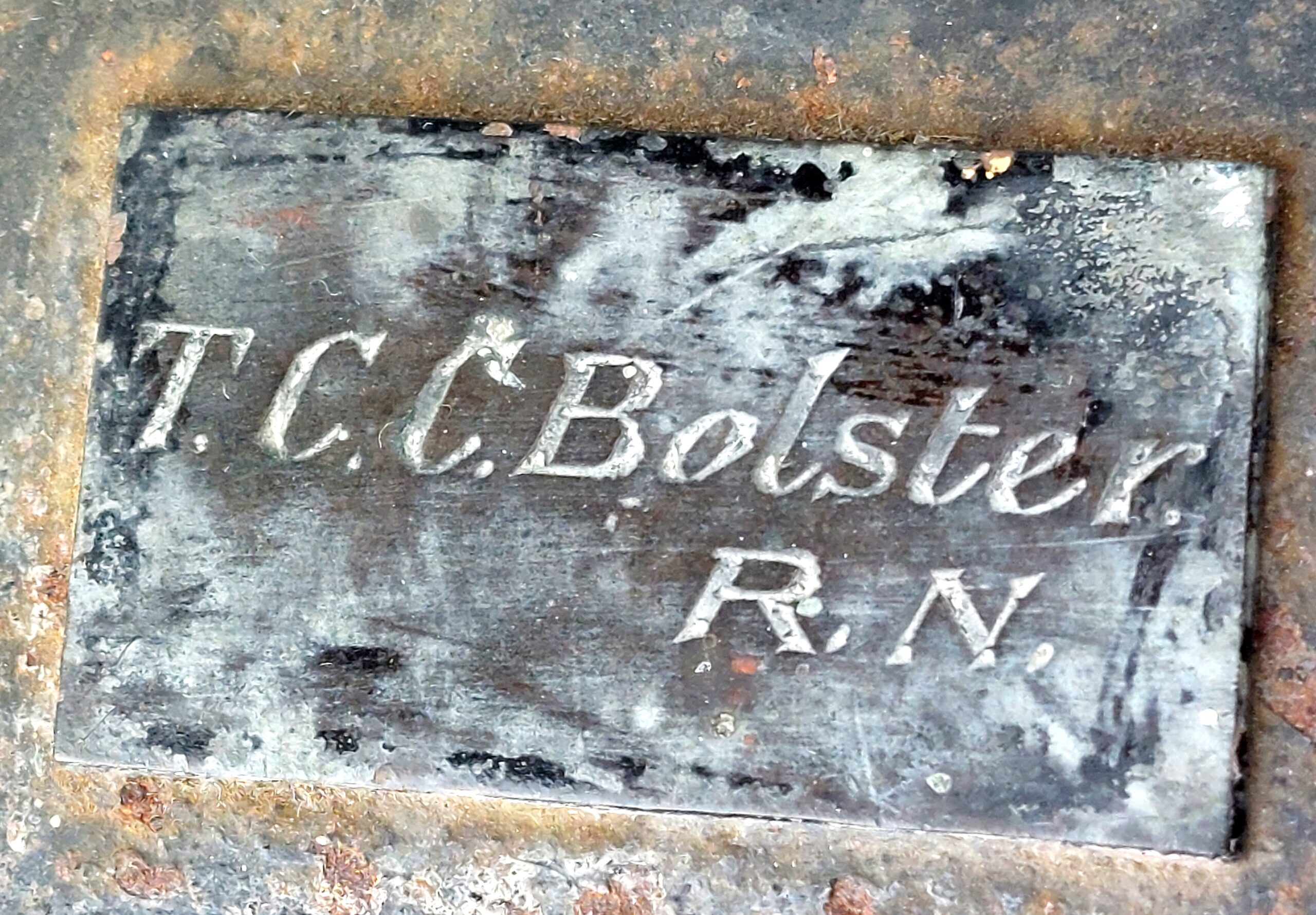
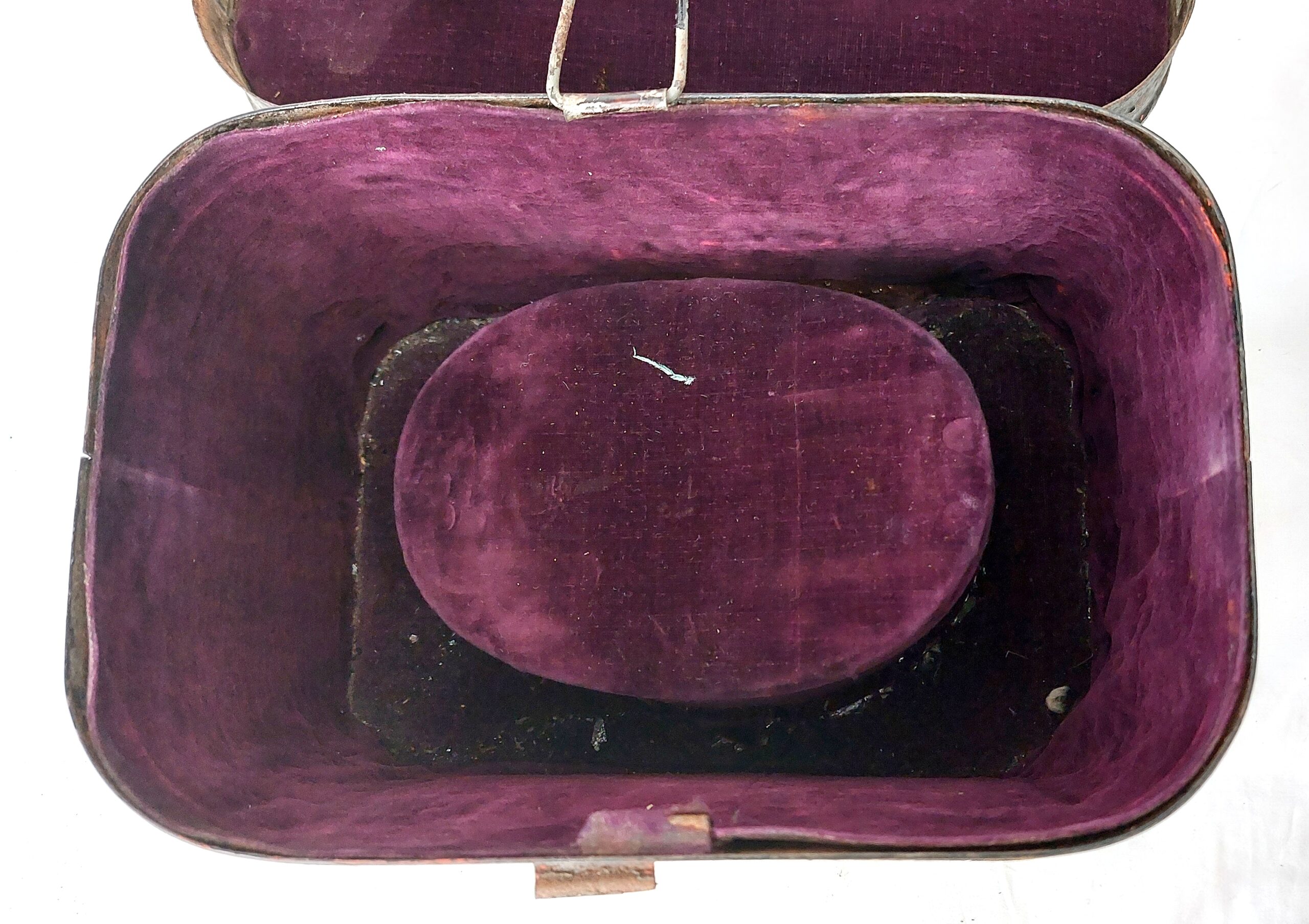
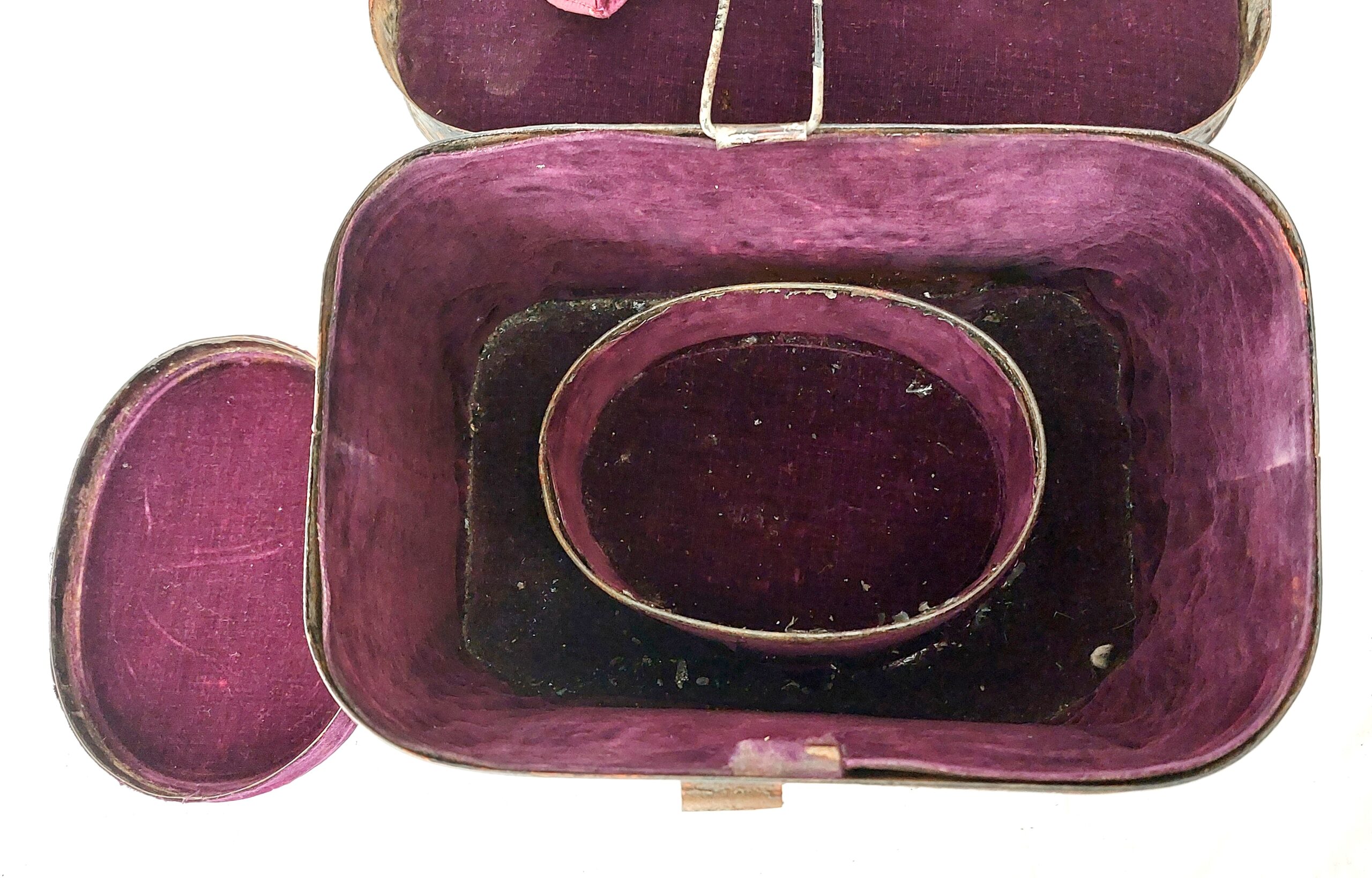
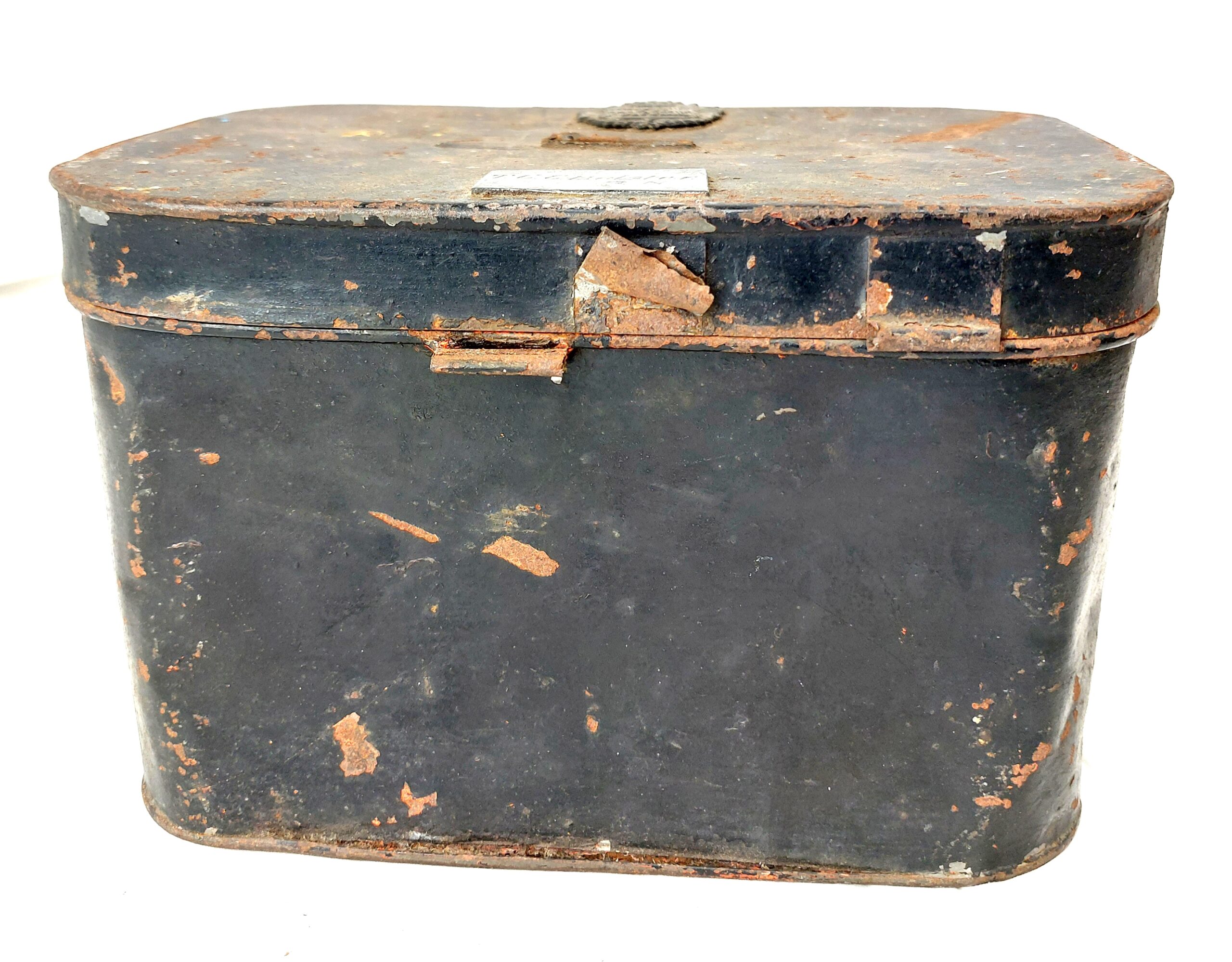
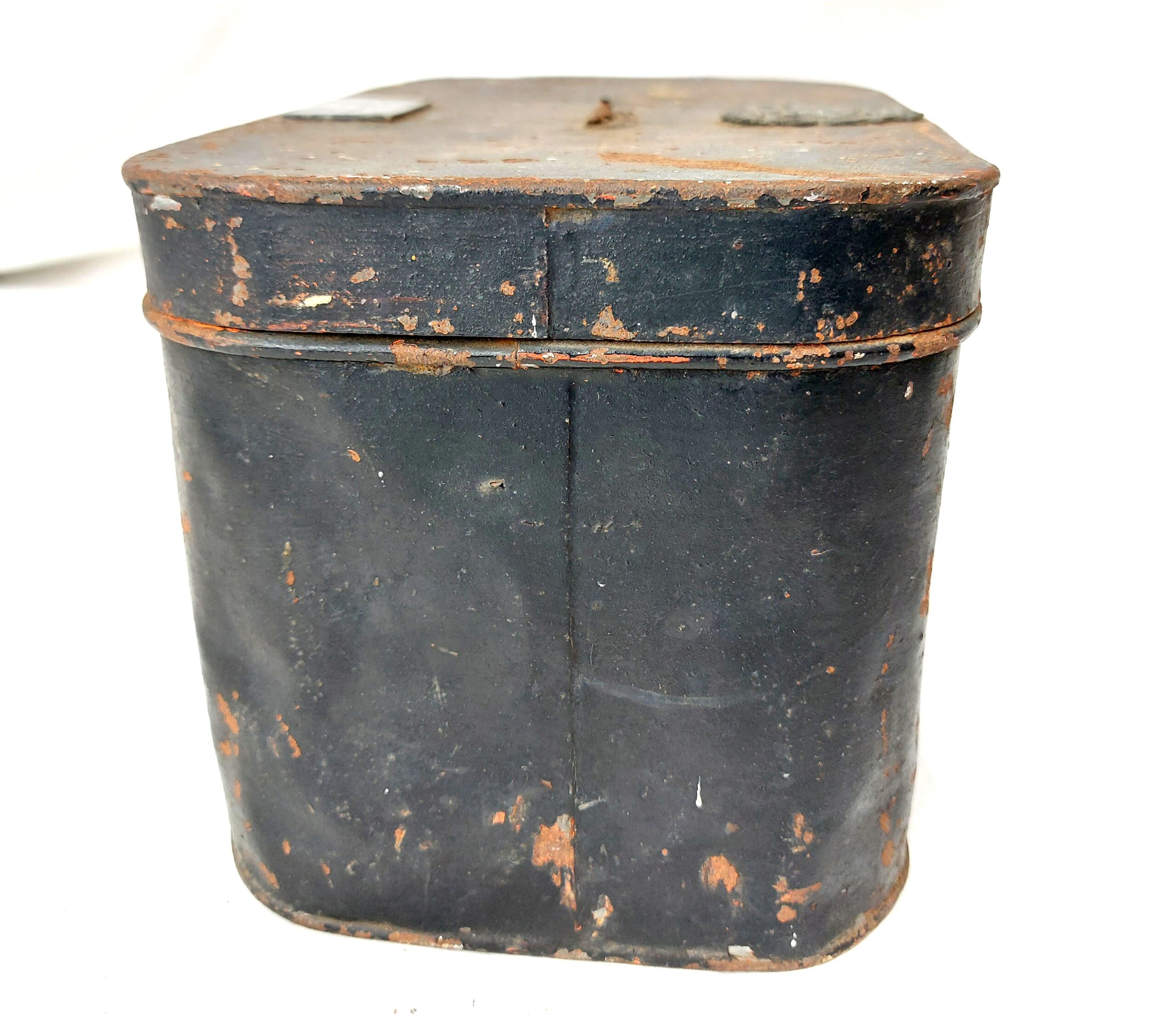
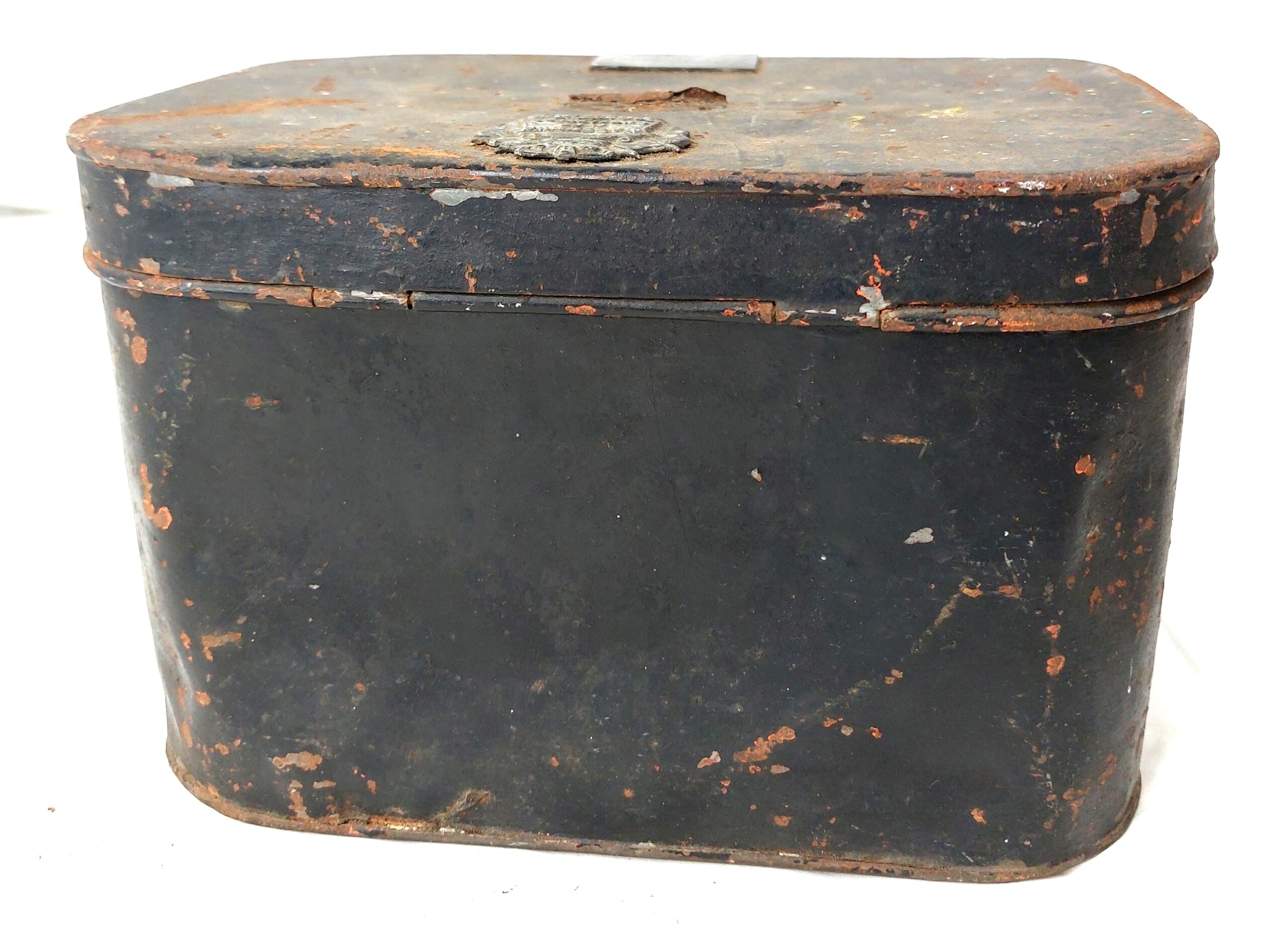
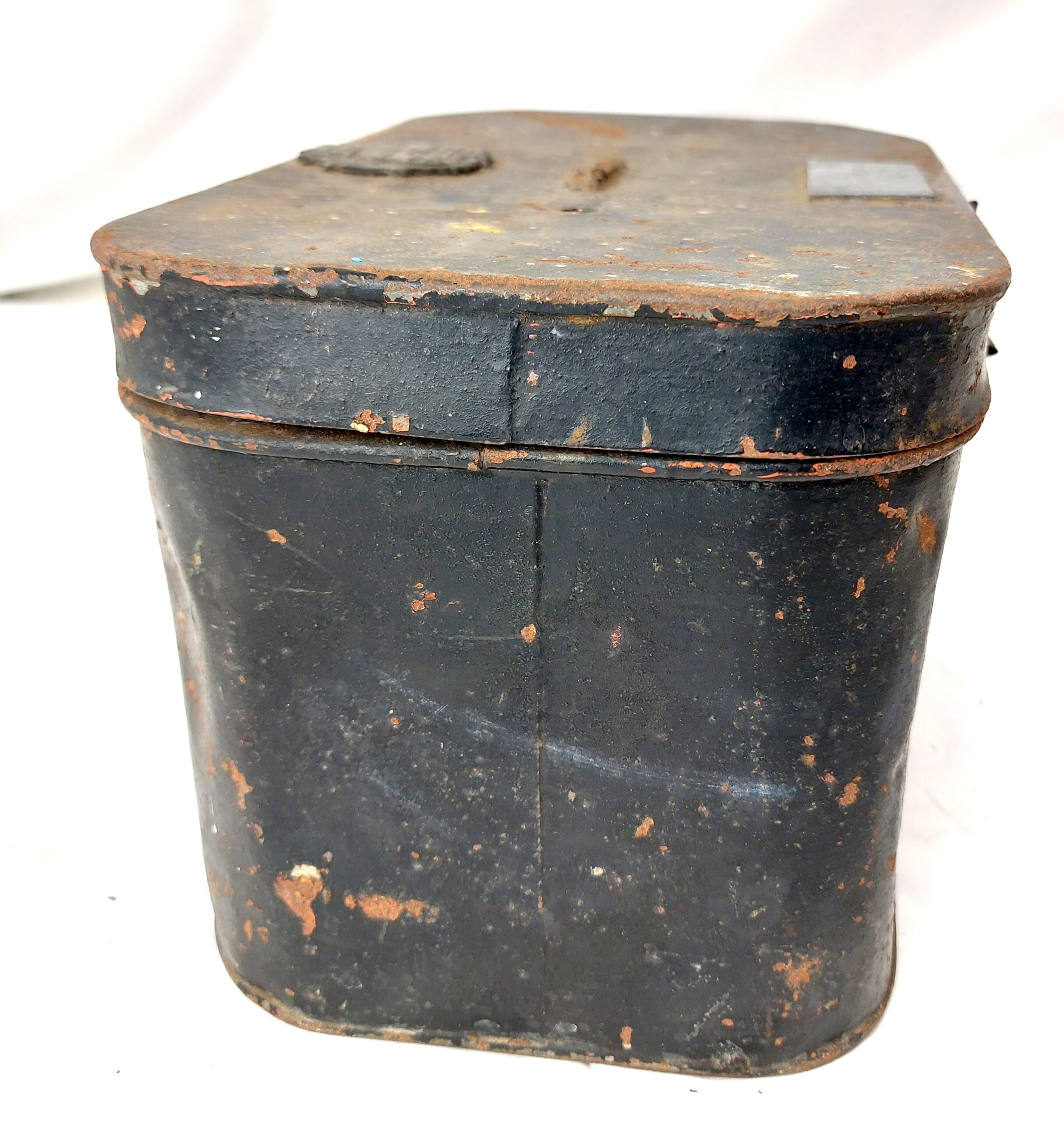
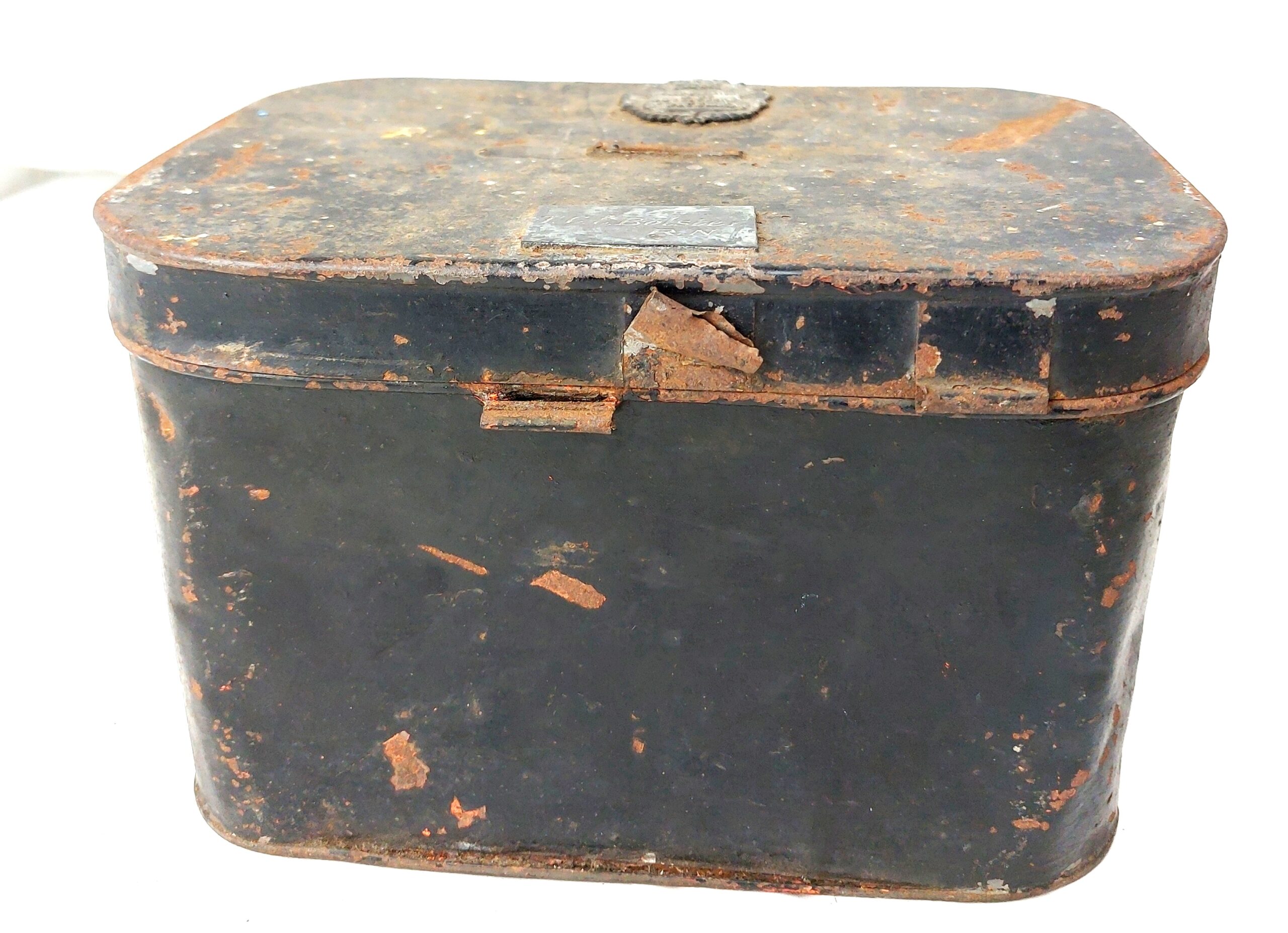
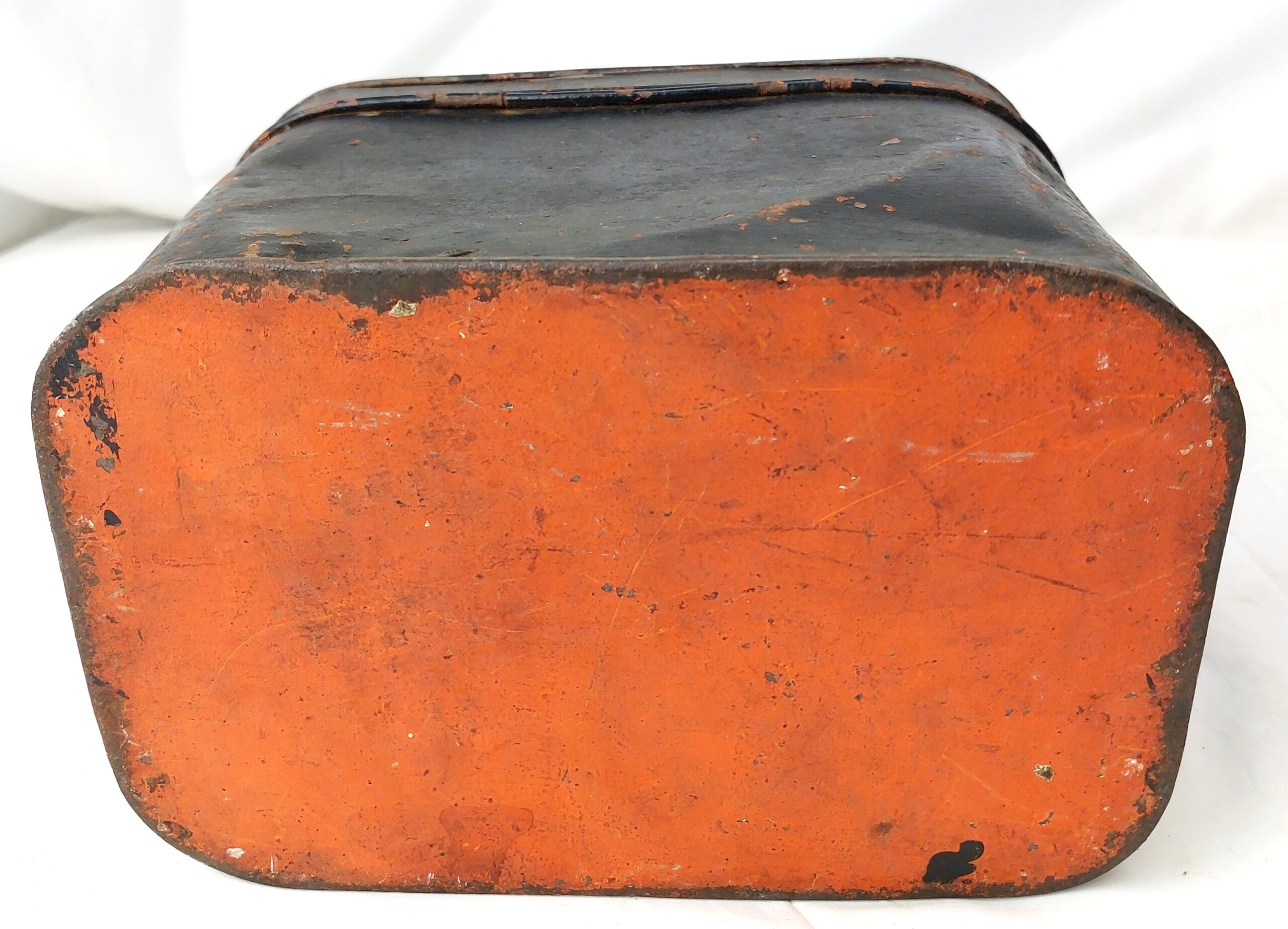
The epaulettes are contained within their original japanned tin case, fitted with a purple velvet interior and shaped supports. The lid retains a pressed Matthews & Co Portsmouth badge, and the interior carries a gilt maker’s label. Crucially, the case is fitted with a silvered engraved name plate reading “T. C. C. Bolster, R.N.”, firmly tying the epaulettes—and by extension the group—to the officer named within the coat.
Taken together, the uniform and epaulettes form a complete full dress presentation set, exactly as worn for ceremonial and formal occasions in the pre-war Royal Navy.
Approx. Measurements - Leg length: 116.5 cm. Waist (laid flat): 44 cm (×2). Jacket back length: 39 cm. Sleeve length: 63 cm.
Historical Note:
This uniform group can be attributed to Captain Thomas Charles Carpenter Bolster, D.S.O., Royal Navy (1885–1955), whose name appears both within the coat and on the epaulette case and whose career is well documented in Navy Lists, Admiralty records, and contemporary service references. Bolster was promoted Lieutenant on 15 September 1907 and qualified as a German interpreter in 1910, a skill noted in Navy Lists of the period and reflecting the growing importance of intelligence and signals work in the years immediately preceding the First World War (UK Navy List, August 1914; ADM records; Dreadnought Project officer index).
By December 1911 he was appointed in command of the destroyer HMS Lightning, serving with the Nore destroyer flotillas based at Chatham. Destroyers of this period formed a vital part of the Royal Navy’s home fleet, responsible for screening, patrol, torpedo attack, and escort duties in the North Sea as tensions with Germany increased prior to 1914. Officers commanding destroyers were typically young lieutenants trusted with independent command, and this period is the most likely time at which Bolster would have required a full dress uniform for official and social occasions.
He was promoted Lieutenant- Commander on 15 September 1915, after which he served in increasingly senior destroyer appointments, including command of the flotilla leader HMS Marksman. In 1917 he served in HMS Druid, engaged in North Sea patrol and escort duties during the height of the U-boat campaign. His wartime service was recognised with the award of the Distinguished Service Order, gazetted 22 May 1917, and he also received the 1914–15 Star, British War Medal, and Victory Medal for service during the First World War (London Gazette, 22 May 1917; ADM medal rolls; DreadnoughtProject.org officer biography).
After the war Bolster was promoted Commander in 1919 and later retired in 1931 with the rank of Captain, returning to service in a staff capacity during the Second World War (ADM service summaries; Navy Lists; Dreadnought Project).
The coat bears the rank of Lieutenant, indicating manufacture prior to his promotion in 1915, and most probably dating from the period 1907-1914 when he was serving as a young destroyer officer. Full dress uniforms were privately purchased and often retained throughout an officer’s career, particularly as such dress was seldom worn during wartime, making it entirely plausible that this coat represents Bolster’s early service full dress uniform from the years immediately before the First World War. The coat follows the late-Victorian and Edwardian Royal Navy full dress regulations, with the earlier eight-button front (four per side) tailcoat pattern rather than the larger button arrangements seen on some later full dress and No.1 dress coats. The single gold lace stripe with executive curl confirms the rank of Lieutenant of the executive branch, matching Bolster’s rank between 1907 and 1915.
The interior label reads Gieve, Matthews & Seagrove Ltd, one of the principal Royal Navy outfitters of Portsmouth, London and Devonport. This firm was formed in 1904 through the merger of James Gieve & Sons, Matthews & Co., and Seagrove & Co., and labels bearing the combined name are characteristic of Edwardian and early 20th-century production, before the later simplification to “Gieves Ltd” and ultimately Gieves & Hawkes.
Taken together, the name, rank, tailoring label, and construction clearly indicate manufacture for Thomas Charles Carpenter Bolster during his early career as a destroyer officer, most likely in the period 1907–1914. Full dress uniforms and epaulettes were privately purchased and typically retained throughout an officer’s career. The presence of both Gieve, Matthews & Seagrove Ltd tailoring and Matthews & Co. outfitter marks on the epaulettes directly reflects the 1904 merger and firmly anchors the entire ensemble to the Edwardian period.
*Condition*
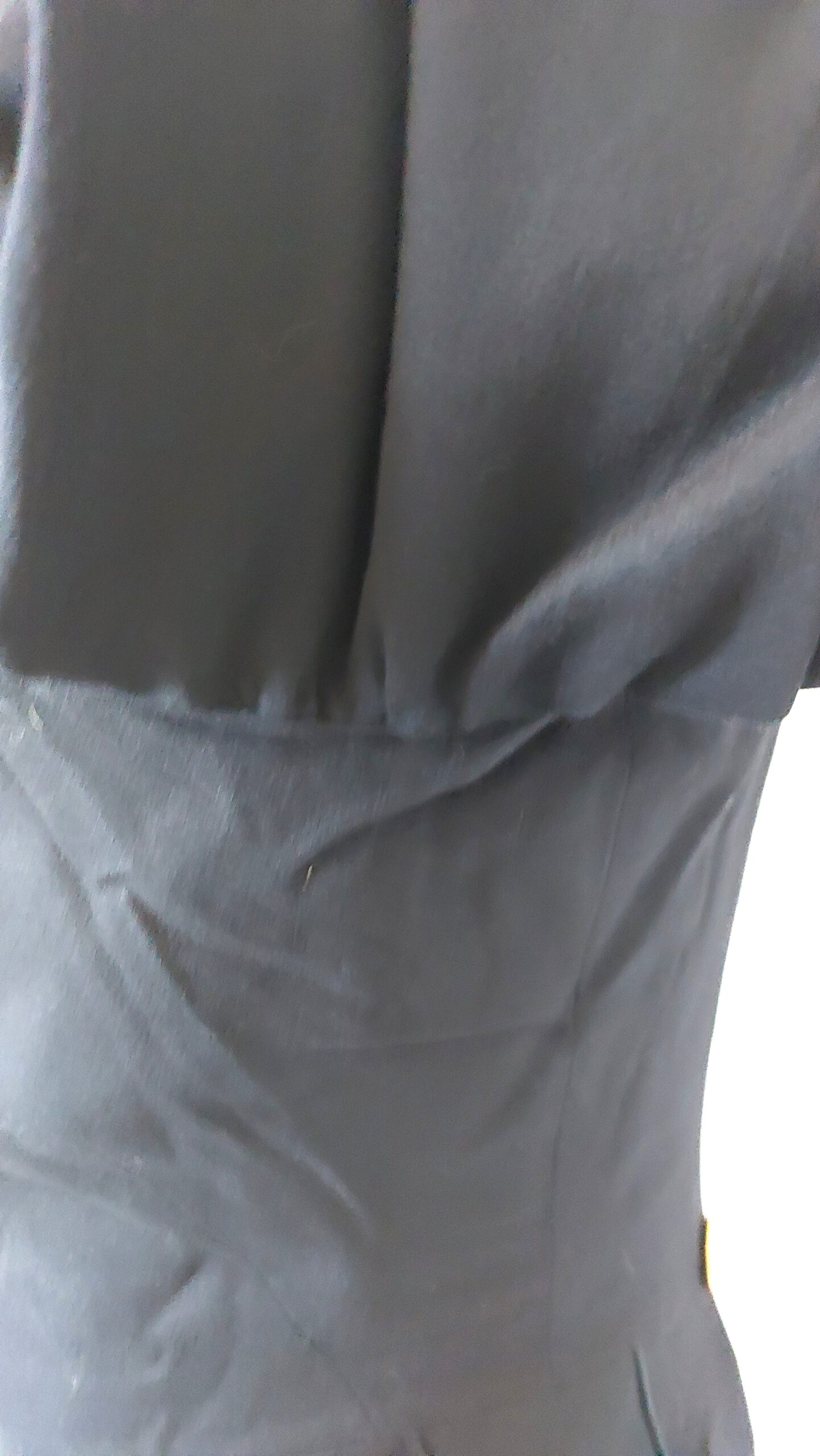
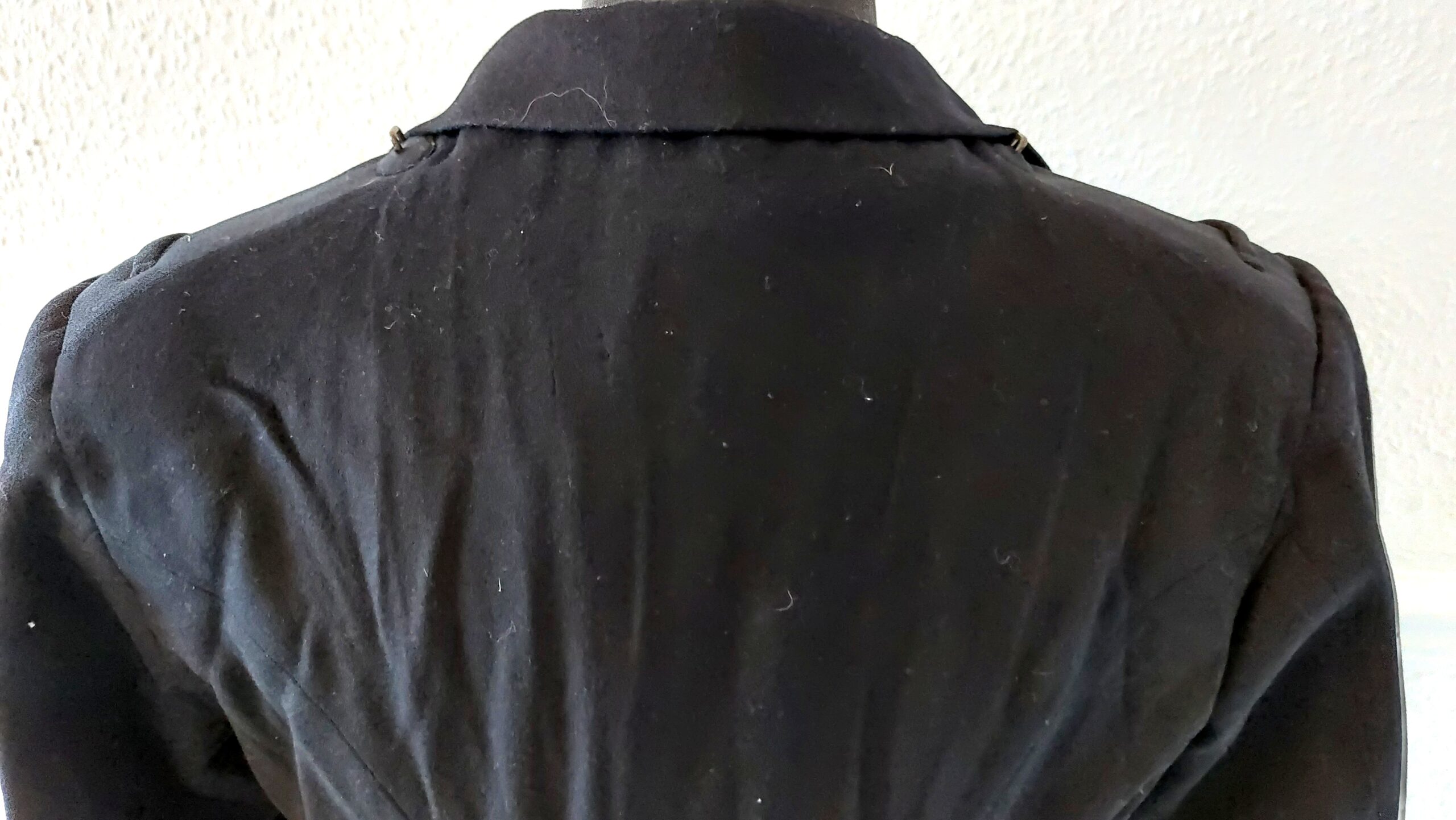
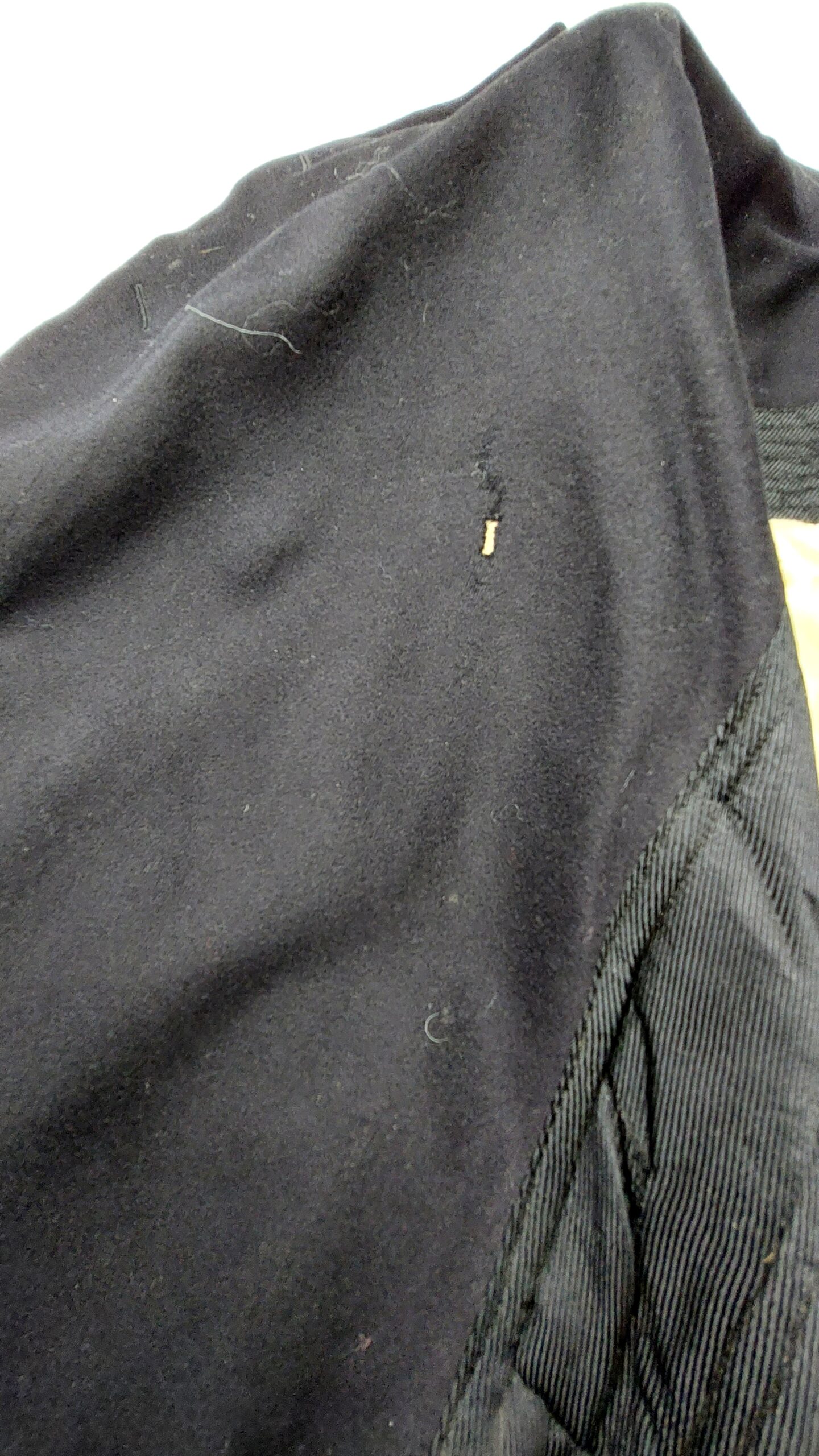
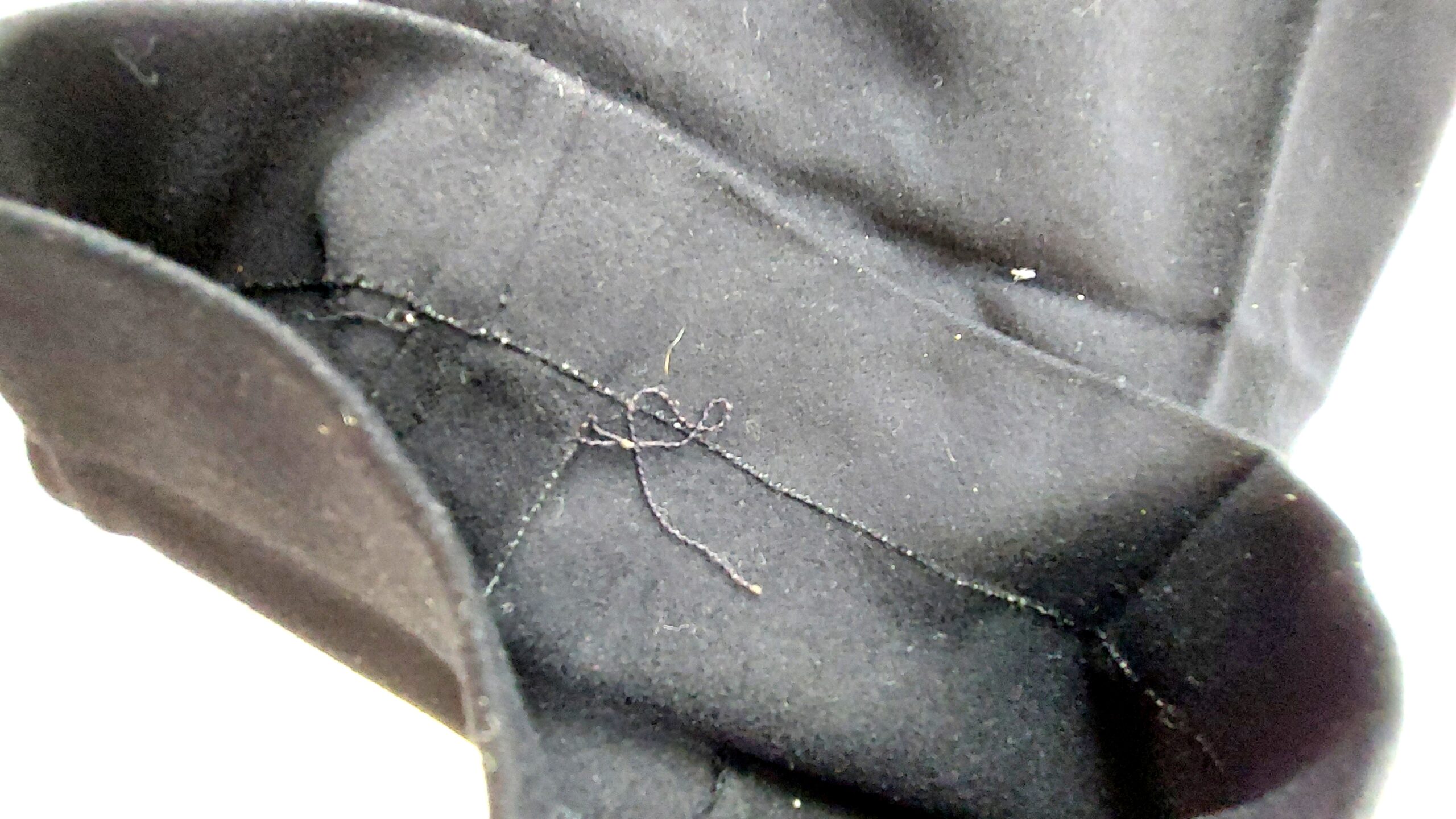
Uniform in good overall condition for age. Cloth remains strong with no visible moth damage. Some light wear, creasing, and minor marks consistent with storage. Interior lining shows expected wear. Buttons complete and matching. Lace intact with slight dulling. Epaulettes in very good display condition, with strong bullion and full fringe. Minor loose threads and light age toning only. Case shows heavy external wear, paint loss, and surface rust consistent with age and storage. Interior velvet worn but intact. Name plate remains legible. Please see photographs as part of the condition report.