British, Late Victorian, Pattern 1885 Type Cavalry Trooper's Sword – Possible Solingen Contract Manufacture

SKU / Ref. No: JAQ#3174E0_3663241522

£180.00

A highly atmospheric Victorian Pattern 1885 cavalry sword.

Would you like to find out more about this product?

SKU / Ref. No: JAQ#3174E0_3663241522

Enquire about this product

*British, Late Victorian, Pattern 1885 Type Cavalry Trooper's Sword – Possible Solingen Contract Manufacture*

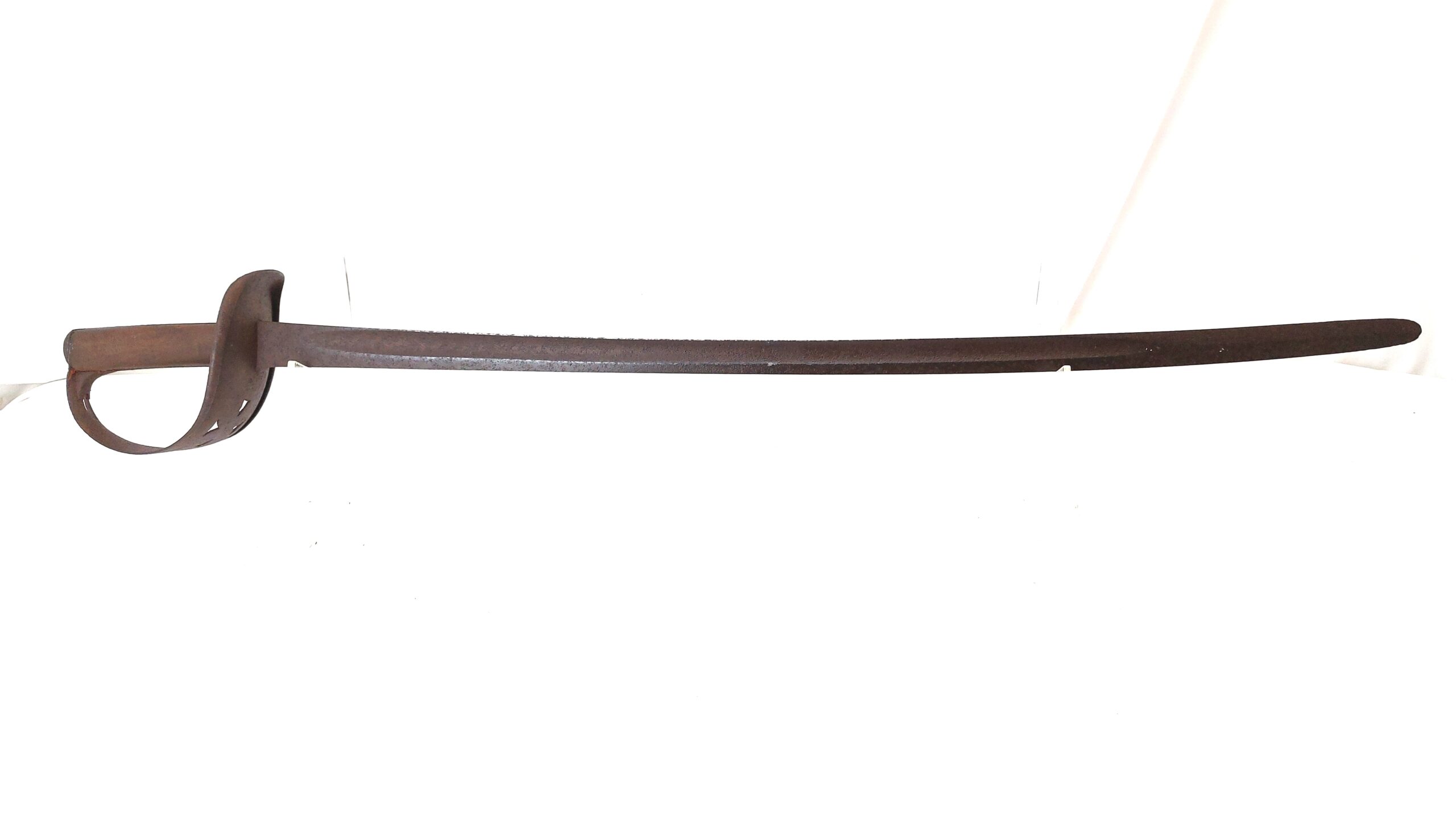
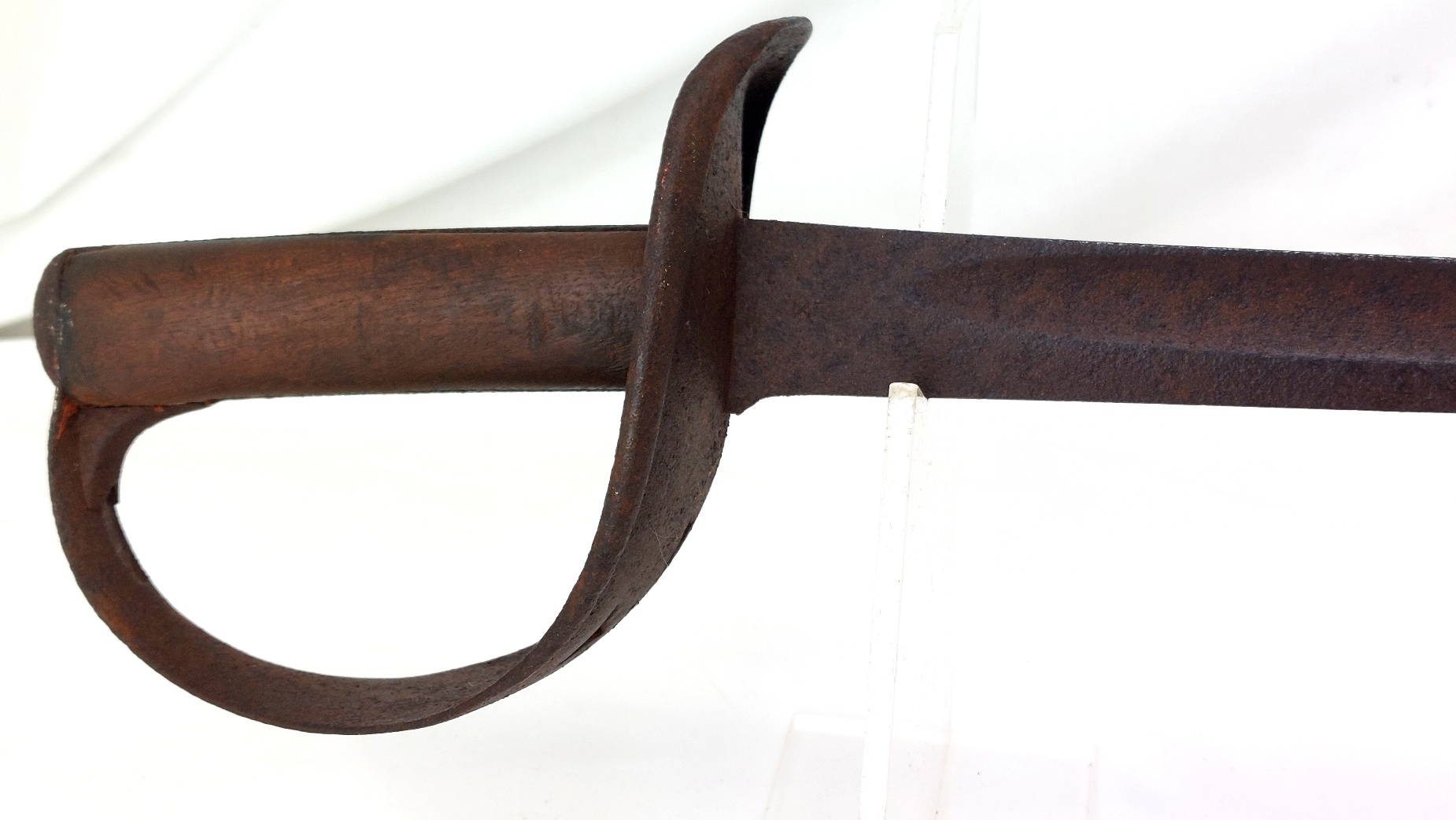
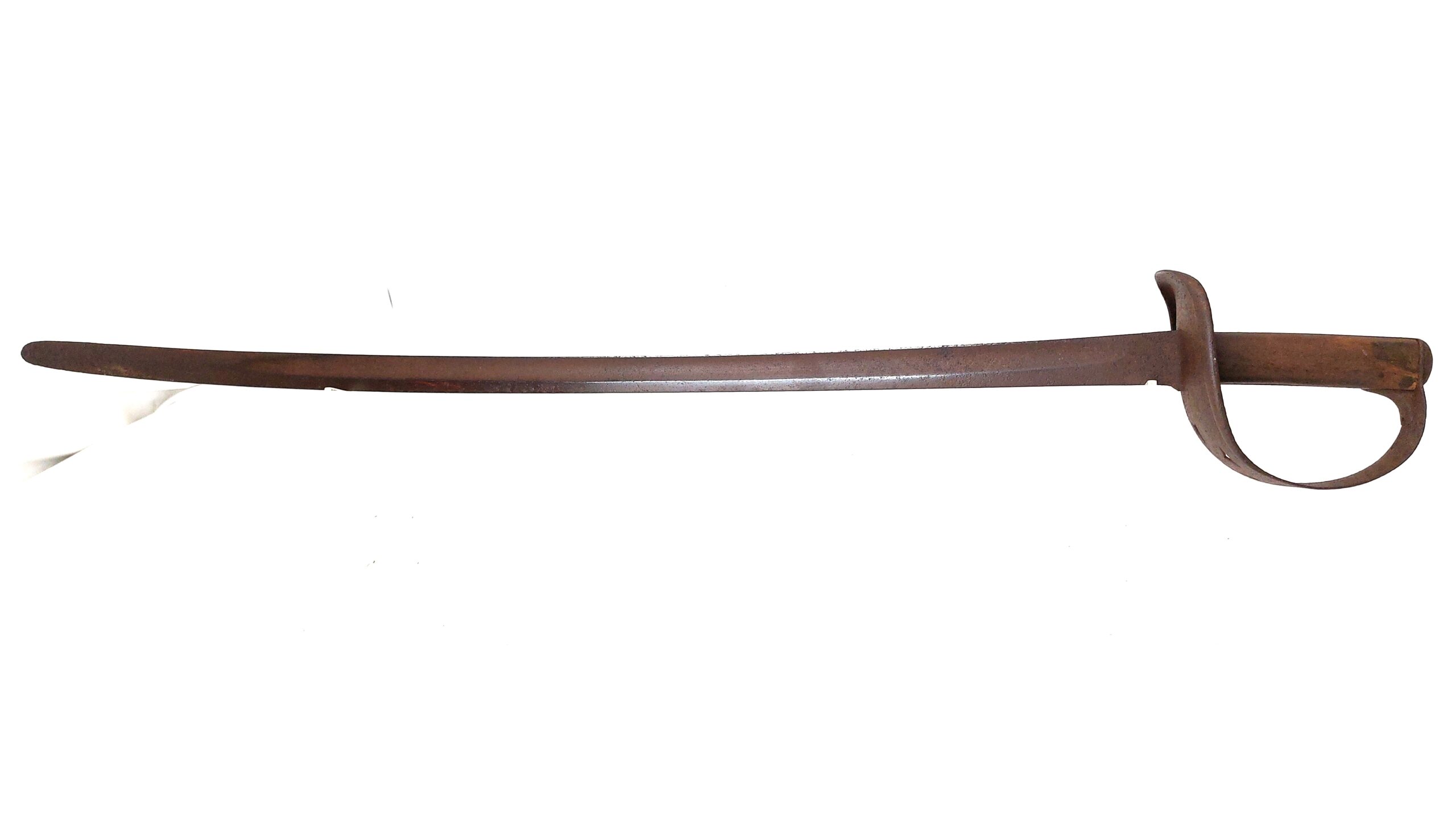
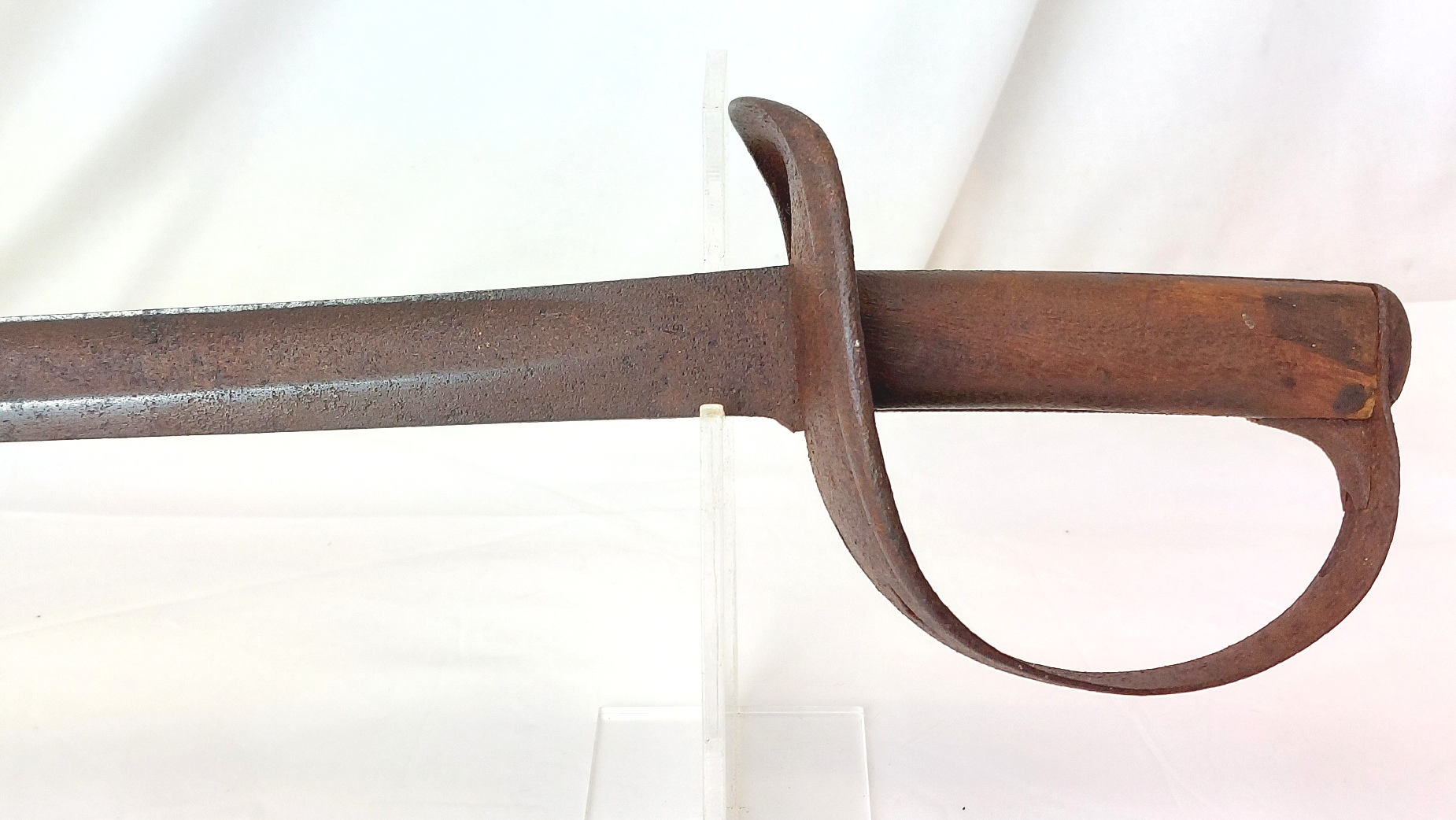
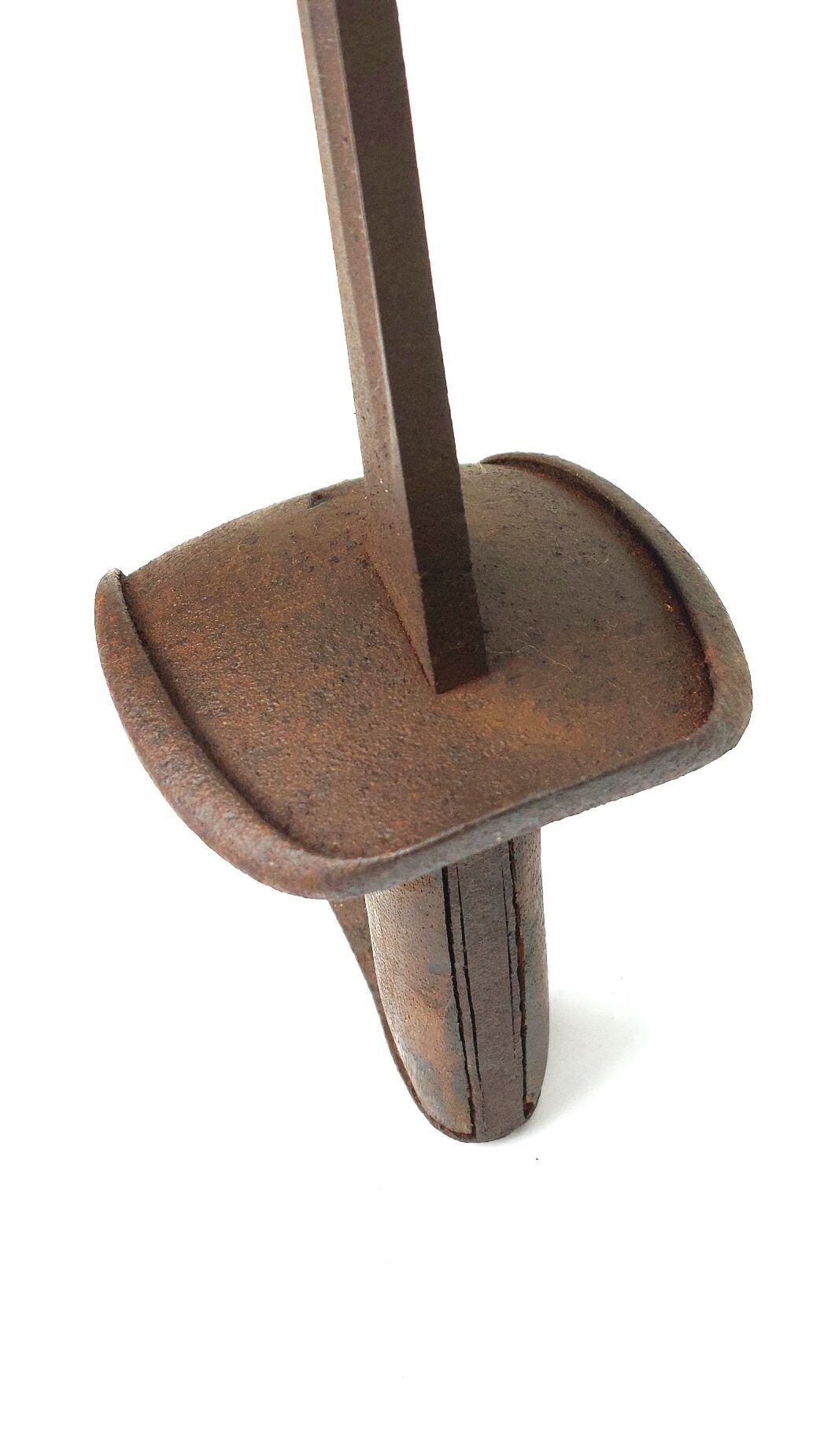
An intriguing and completely untouched late-Victorian cavalry sword of clear British Pattern 1885 influence, retaining its distinctive pierced iron bowl guard and broad fullered blade.

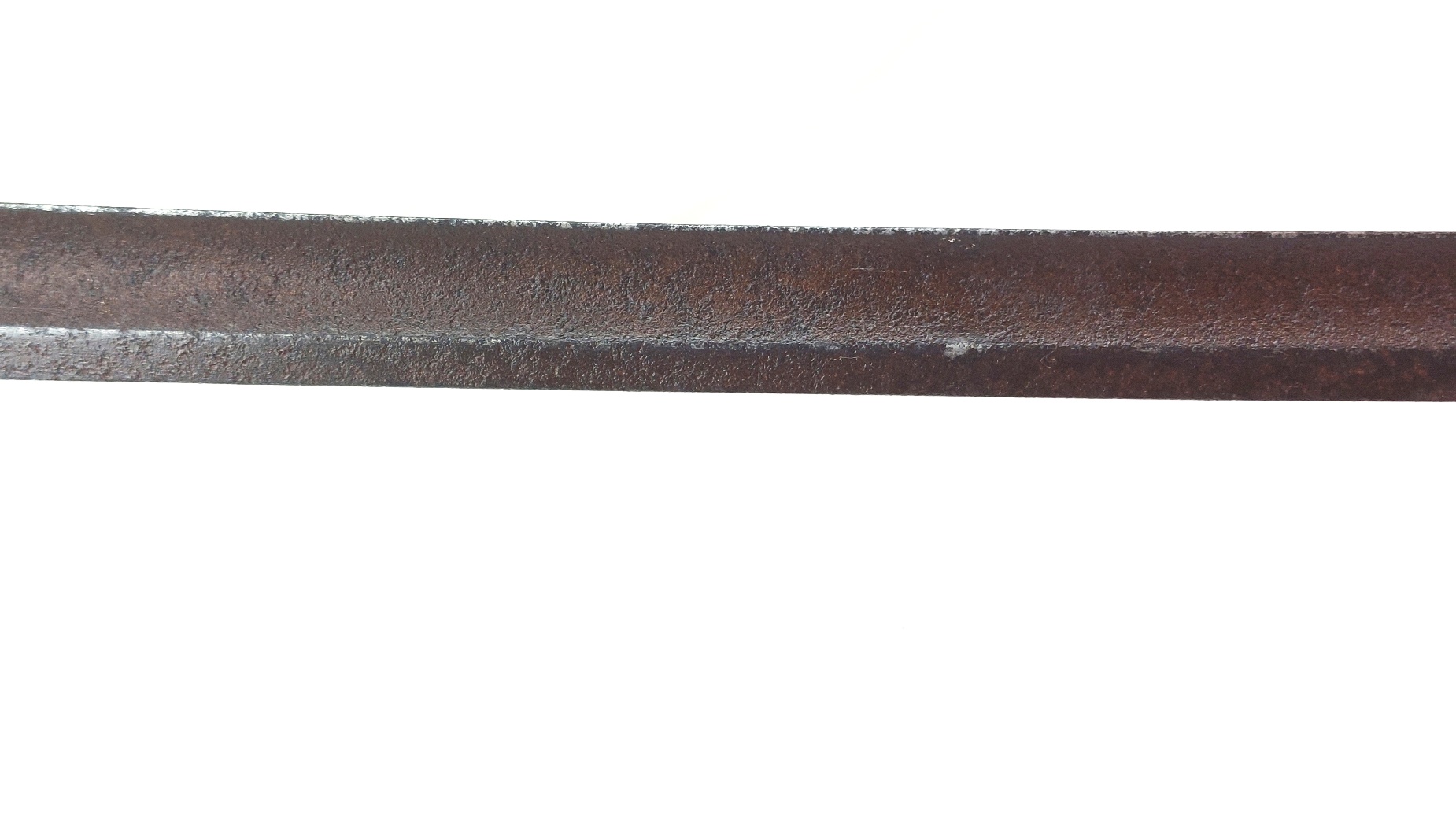
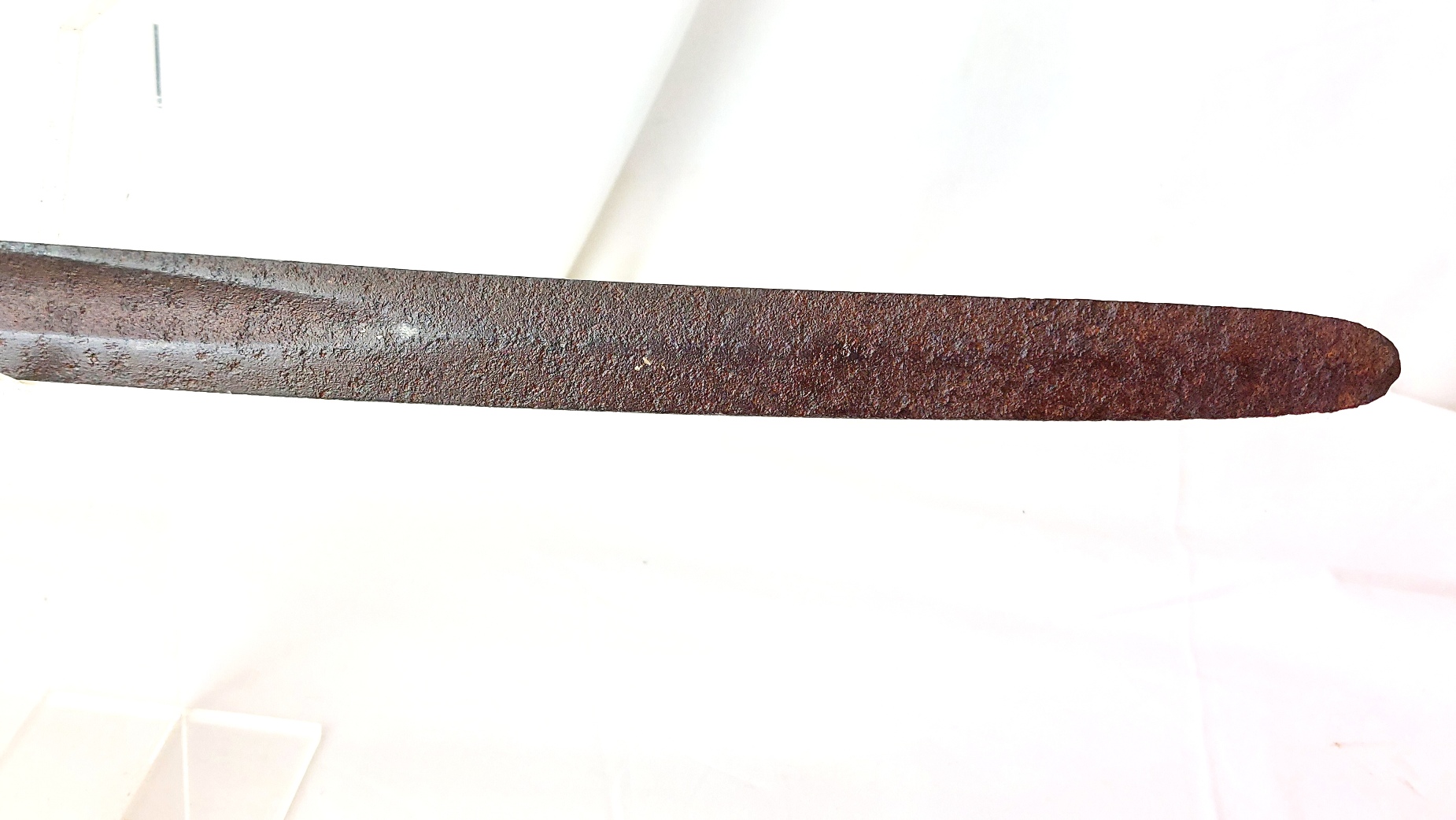
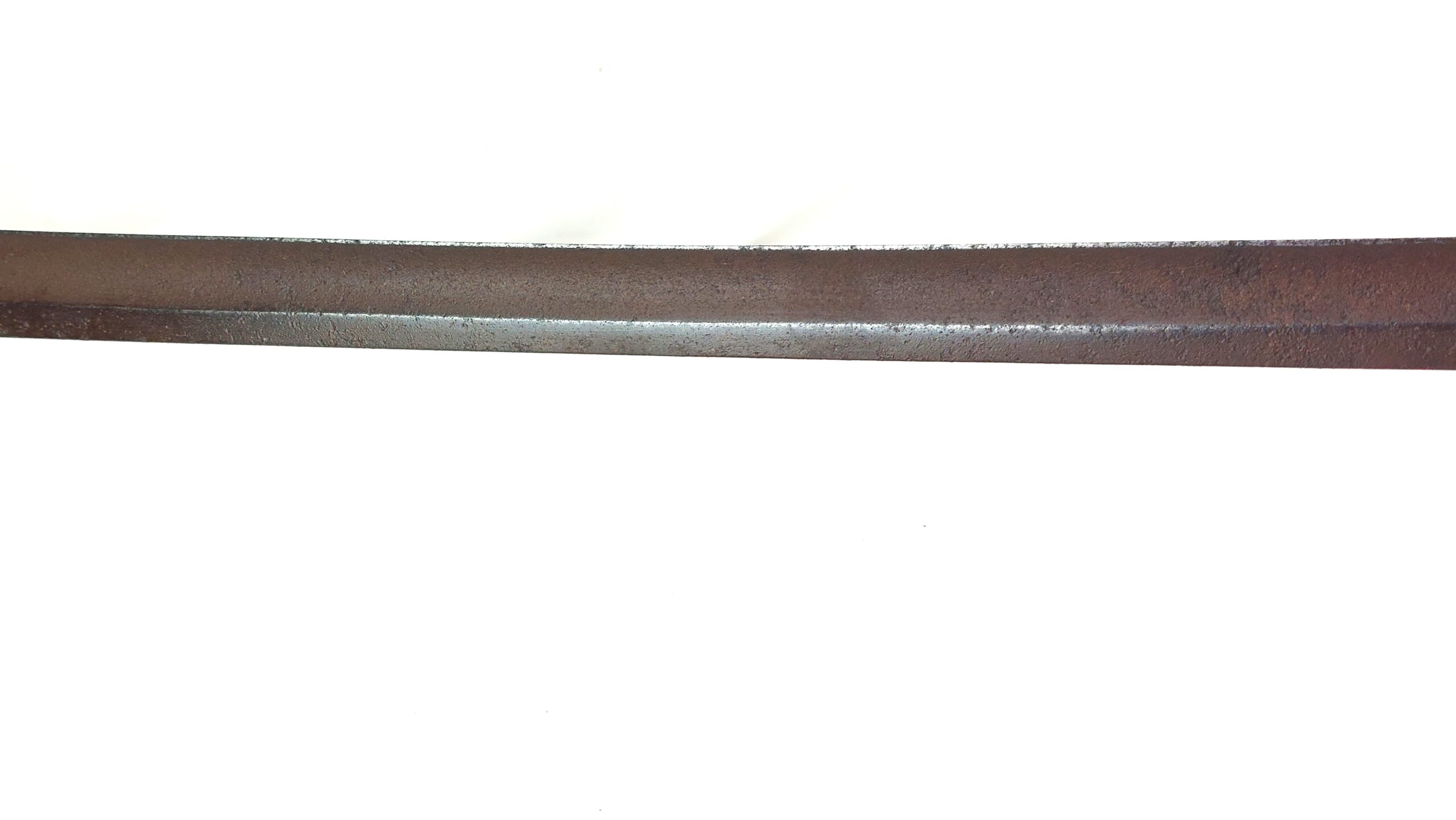
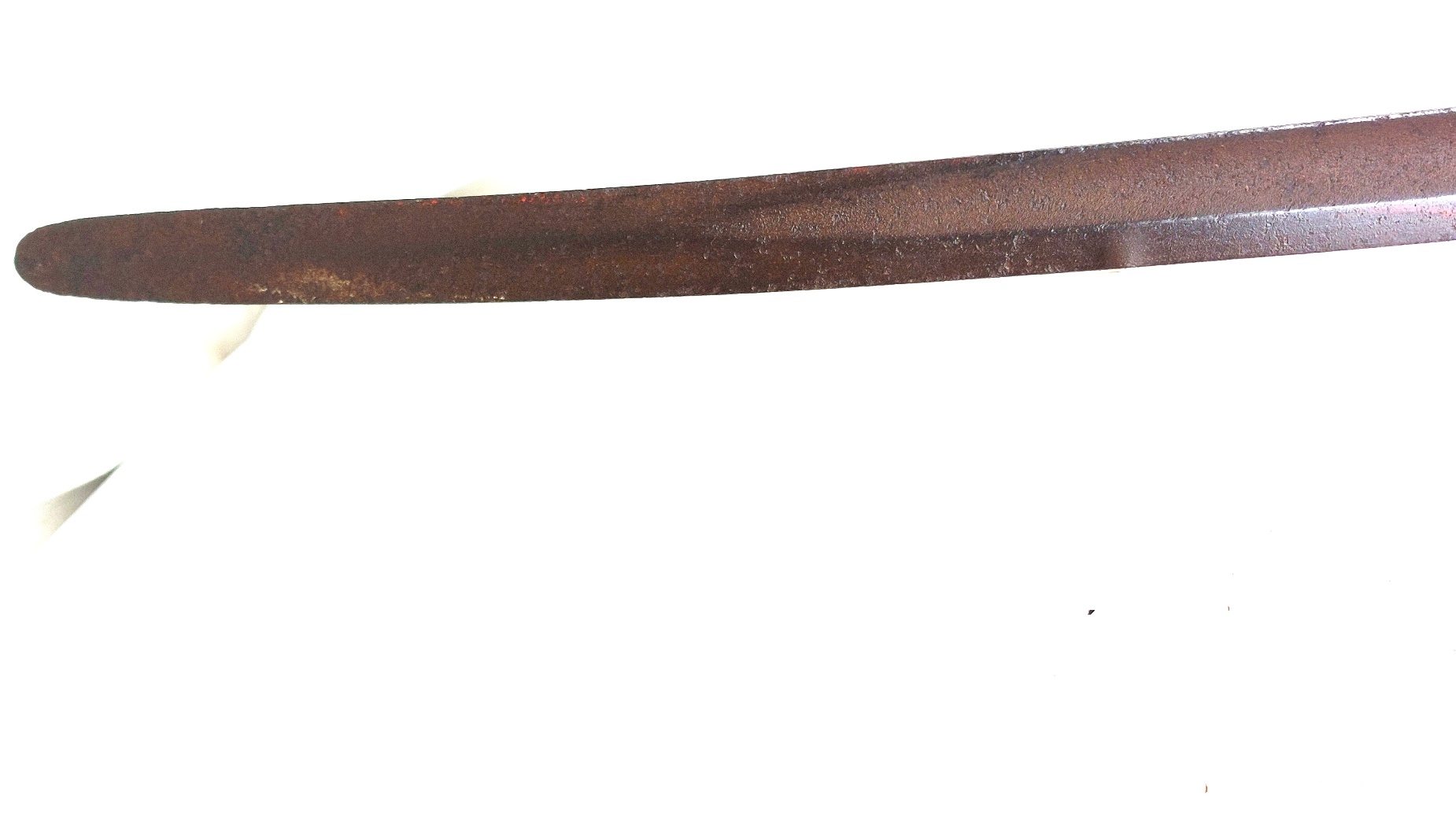
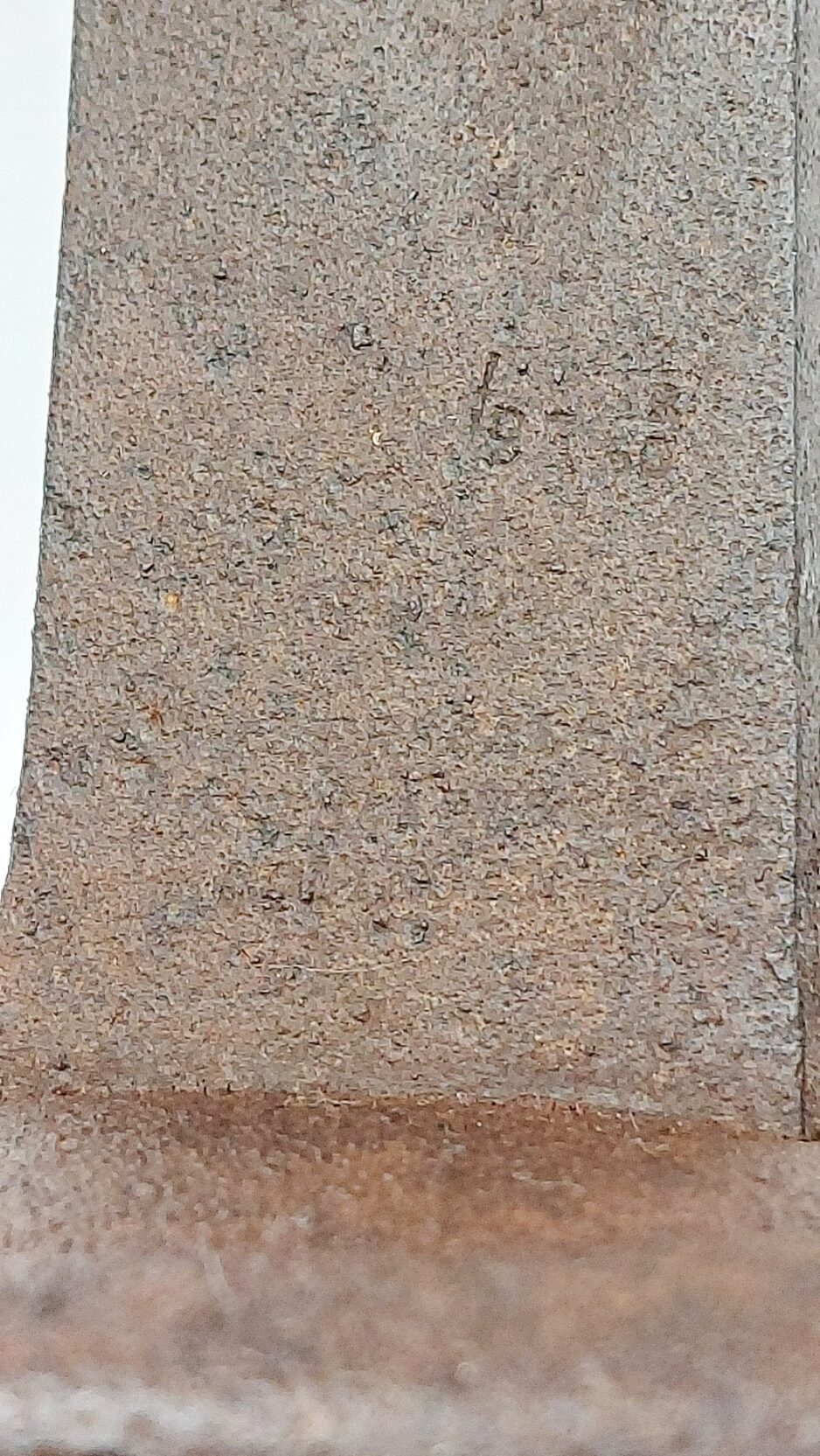
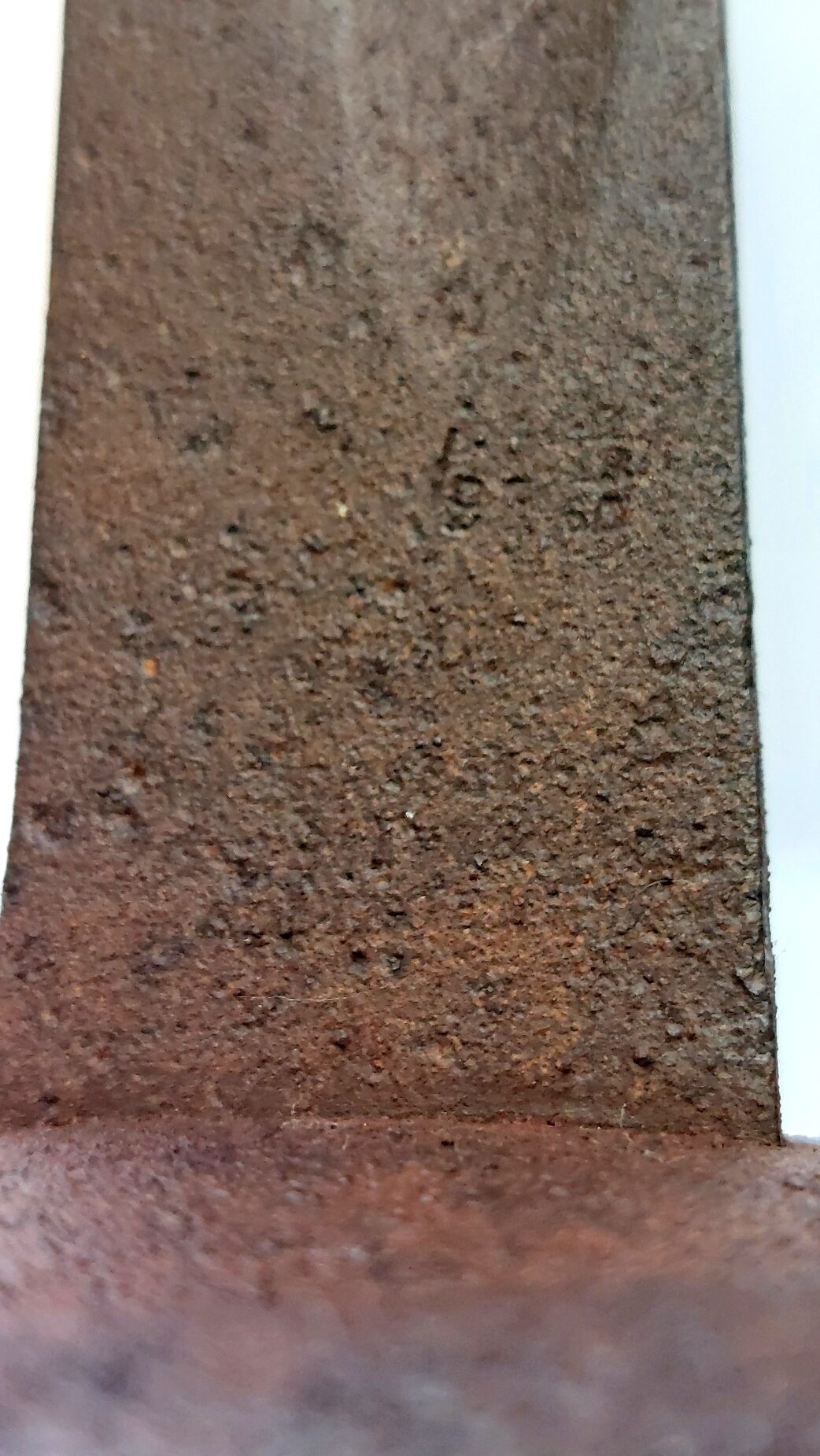
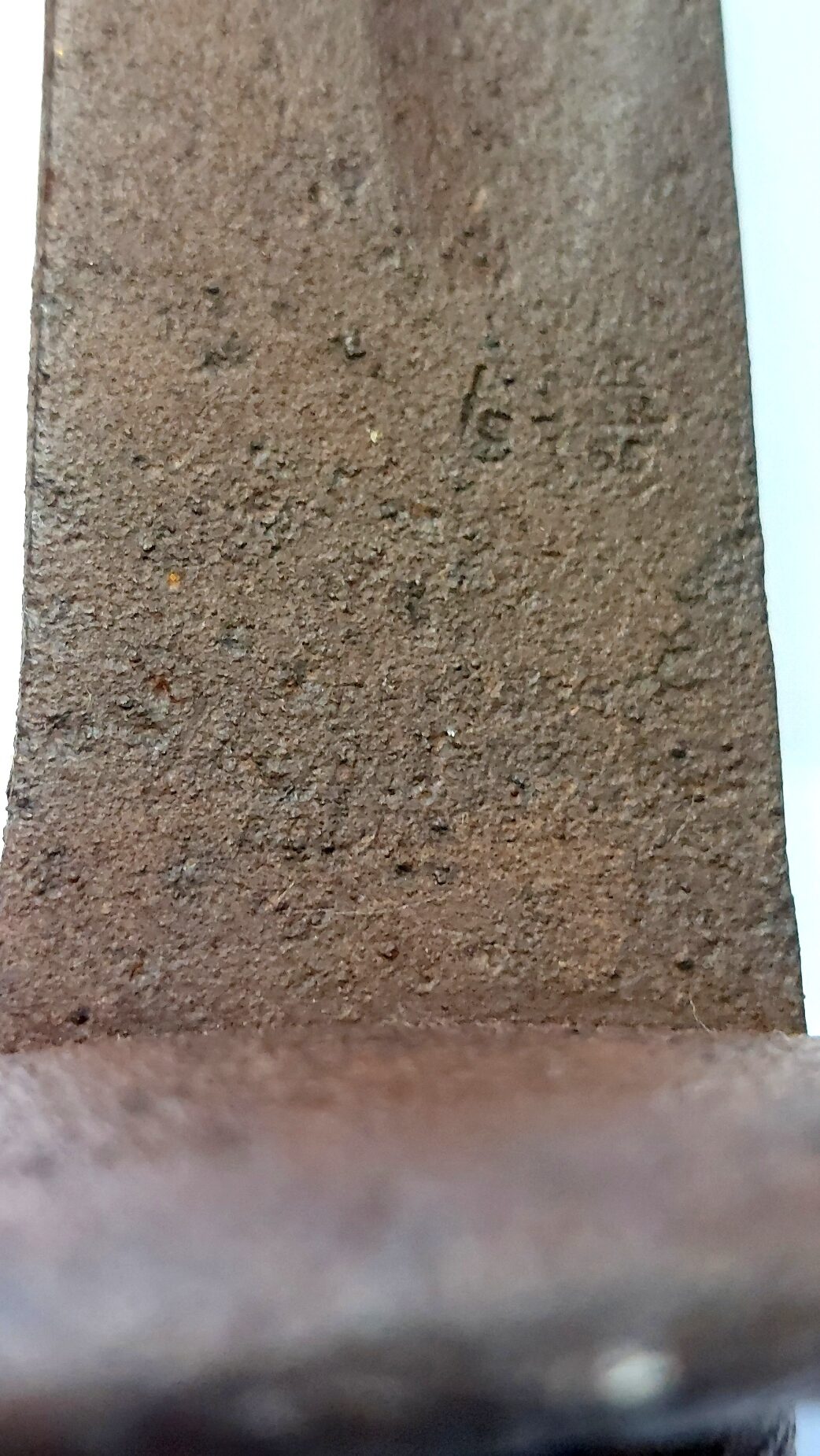
The sword retains a gently curved single-edged blade with broad fuller and spear-point profile, dimensions closely corresponding with regulation late-Victorian cavalry specifications. Faint ricasso markings survive and appear to comprise a partially legible three-line maker's stamp, possibly attributable to the Solingen firm: WEYERSBERG / KIRSCHBAUM / SOLINGEN or a similar German military contractor mark. Additional worn markings include an apparent X proof or inspection stamp together with further indistinct marks no longer sufficiently clear to confidently interpret.

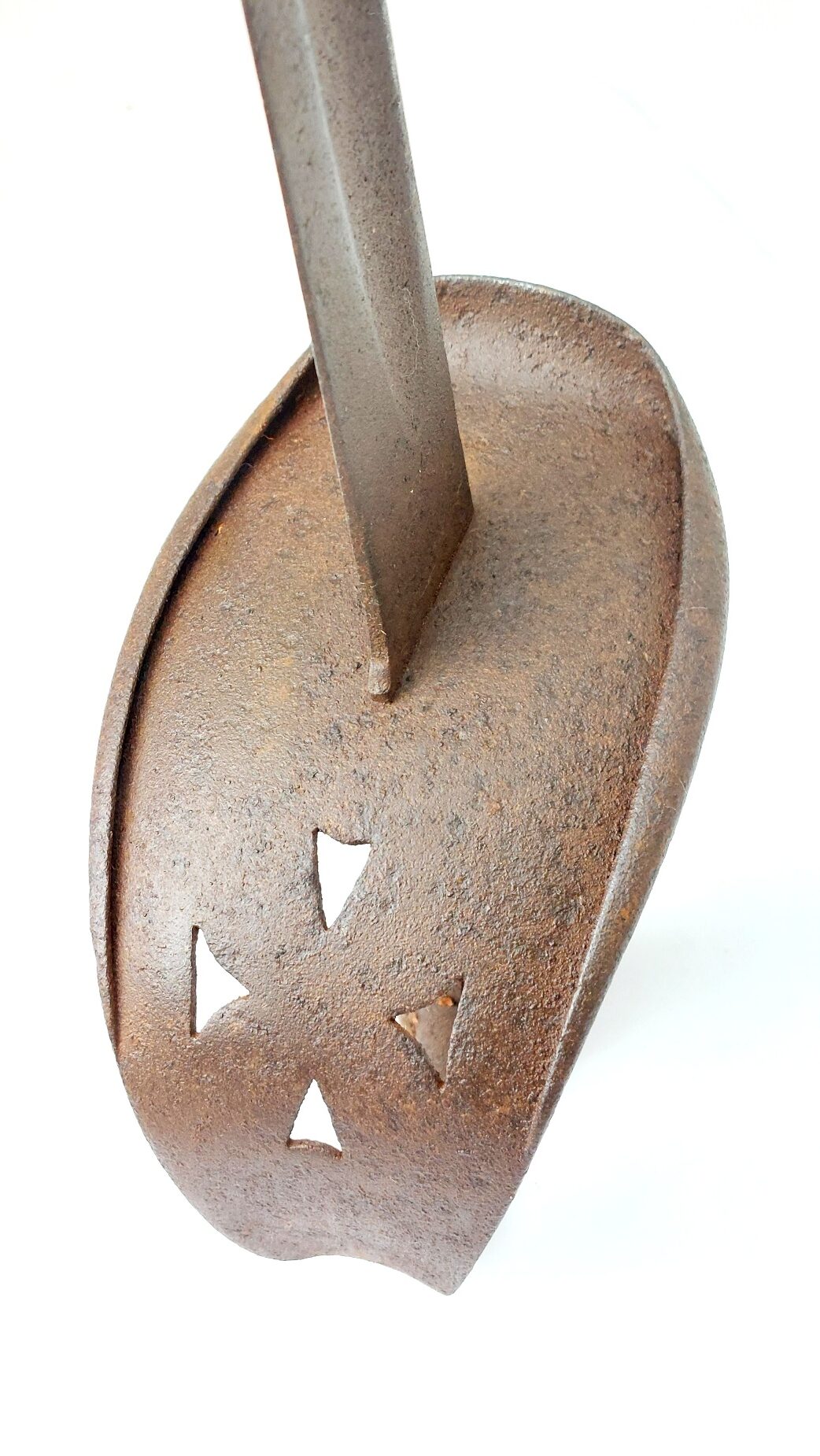
Most distinctive is the pierced iron guard displaying the characteristic Pattern 1885 Maltese-cross arrangement. The triangular piercings combine to form the traditional cross motif associated with this cavalry pattern, while the smaller aperture by the pommel likely functioned as a sword-knot slot. The guard itself aligns strongly with official British cavalry forms of the period.

the wooden grip scales differ significantly from the regulation chequered leather or composition grips normally associated with Pattern 1885 cavalry trooper swords. No securing rivets or pins are visible and the construction appears consistent with later applied replacement slabs, possibly secured during a subsequent repair or refurbishment. Such alterations may have occurred during military service, colonial use, Volunteer ownership, or later working life. While non-regulation, they form part of the sword’s individual history and suggest prolonged use beyond its original issue configuration.

Rather than detracting from the piece, these unusual characteristics give the sword individuality and suggest a more complex service history than that of a standard issue example.

Approx. Measurements – Blade length: 84.5cm. Overall length: 98.8cm.

History Note:
Introduced in 1885, the British Cavalry Trooper's Sword represented a transitional design intended to improve thrusting capability while retaining practical cutting characteristics. During the later Victorian period Britain increasingly relied upon overseas contractors, particularly major Solingen firms, to supplement domestic military sword production. Numerous contract, colonial and export variants emerged, some differing subtly from strict War Department specifications. Such deviations can now provide important clues regarding manufacture, procurement and service use.

*Condition*
Good untouched attic condition displaying honest age and military wear throughout with stable surface oxidation and an even dark patina. Blade retains clear profile and fuller detail beneath age wear. Iron guard remains structurally sound. Grip scales display expected age shrinkage and longitudinal splitting associated with age and long-term storage. Ricasso markings survive but remain faint and only partially legible. Please see photographs as part of the condition report.

JAQ#3174E0_3663241522

, , , , , , , , , , , , , , , , ,

Download QRPrint QR

Important!

*In order to complete the online purchase we will require a picture/scan of a photo ID (Driving Licence, Passport or an official document with a recent picture). If you don't posses any such document please call to buy.
If we consider that the proof of ID is incorect or insuficient, we reserve the right to cancel the transaction.

*We also reserve the right to cancel the transaction with a full refund if there is any suspicion that the provided item will be used in any way contrary to the laws and legislation of UK.

Scroll to Top