WW1/WW2British, WW1-1914, Princess Mary Christmas Gift Tin, with 1915 Christmas Card & Original Bullet Pencil Card and Two Bullet Pencils
SKU / Ref. No: JAQAOOXBHO_286726082025
£300.00
Your message was sent. We will contact you shortly.
*British, WW1-1914, Princess Mary Christmas Gift Tin, with 1915 Christmas Card & Original Bullet Pencil Card and Two Bullet Pencils*
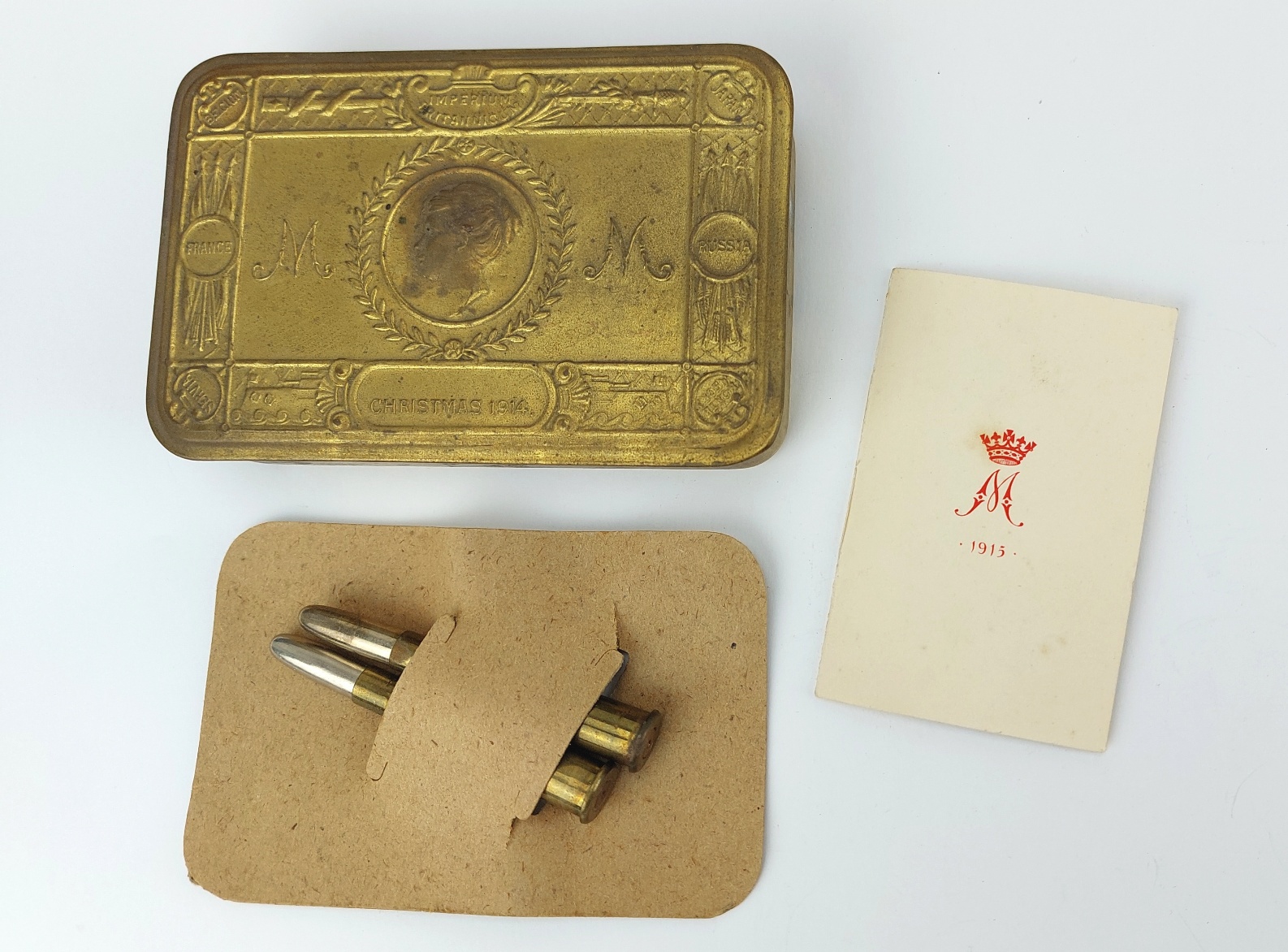
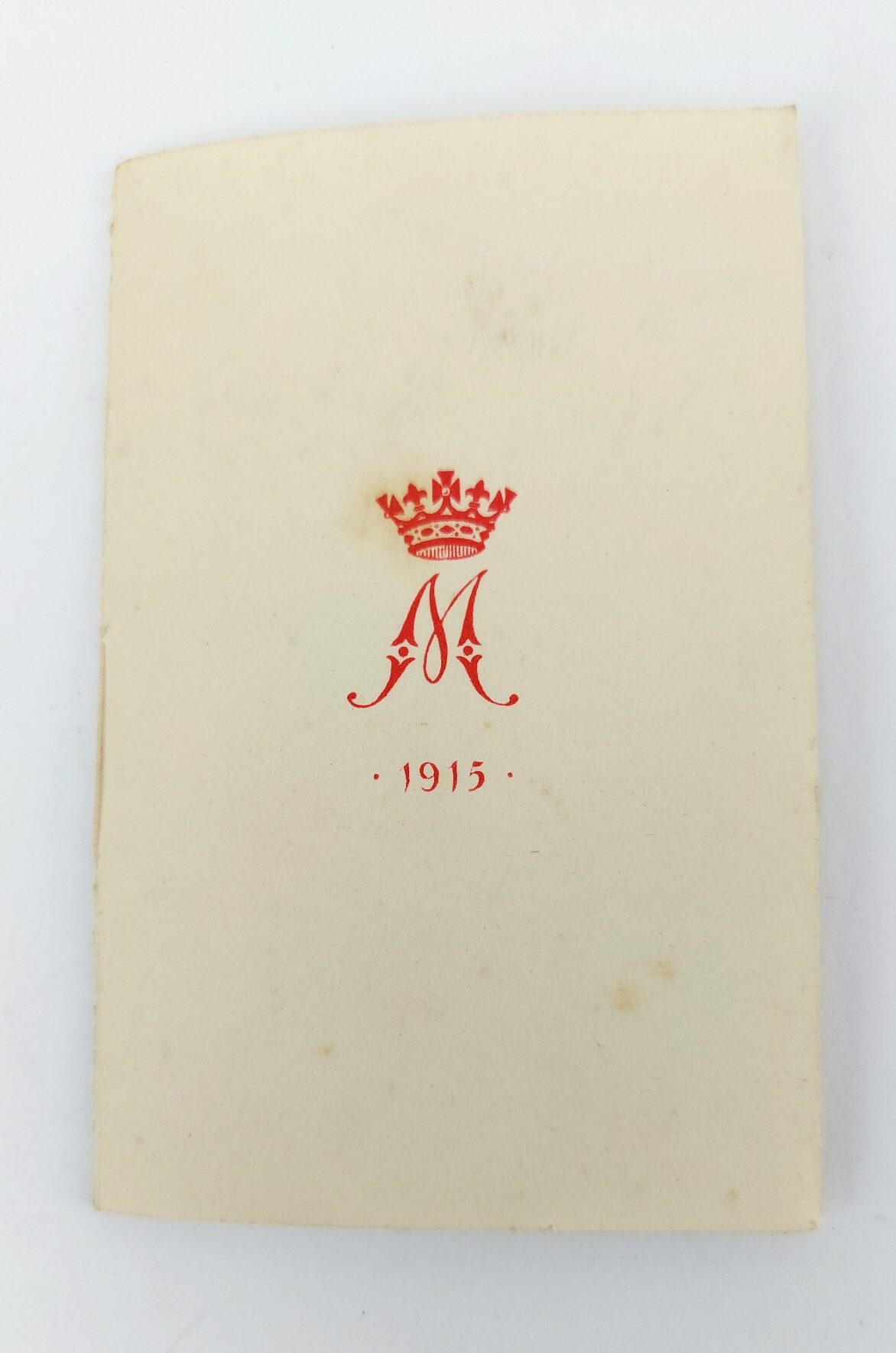
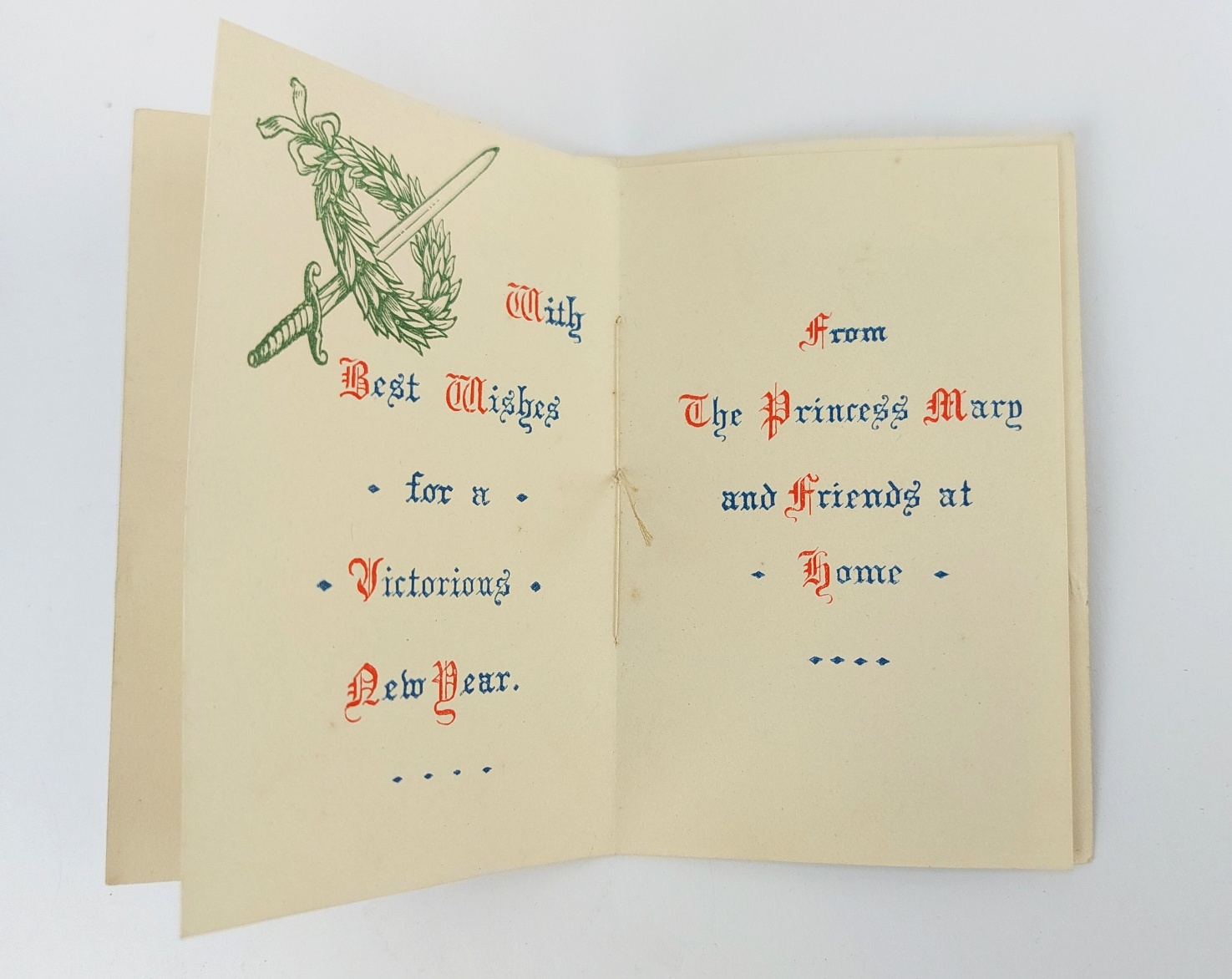
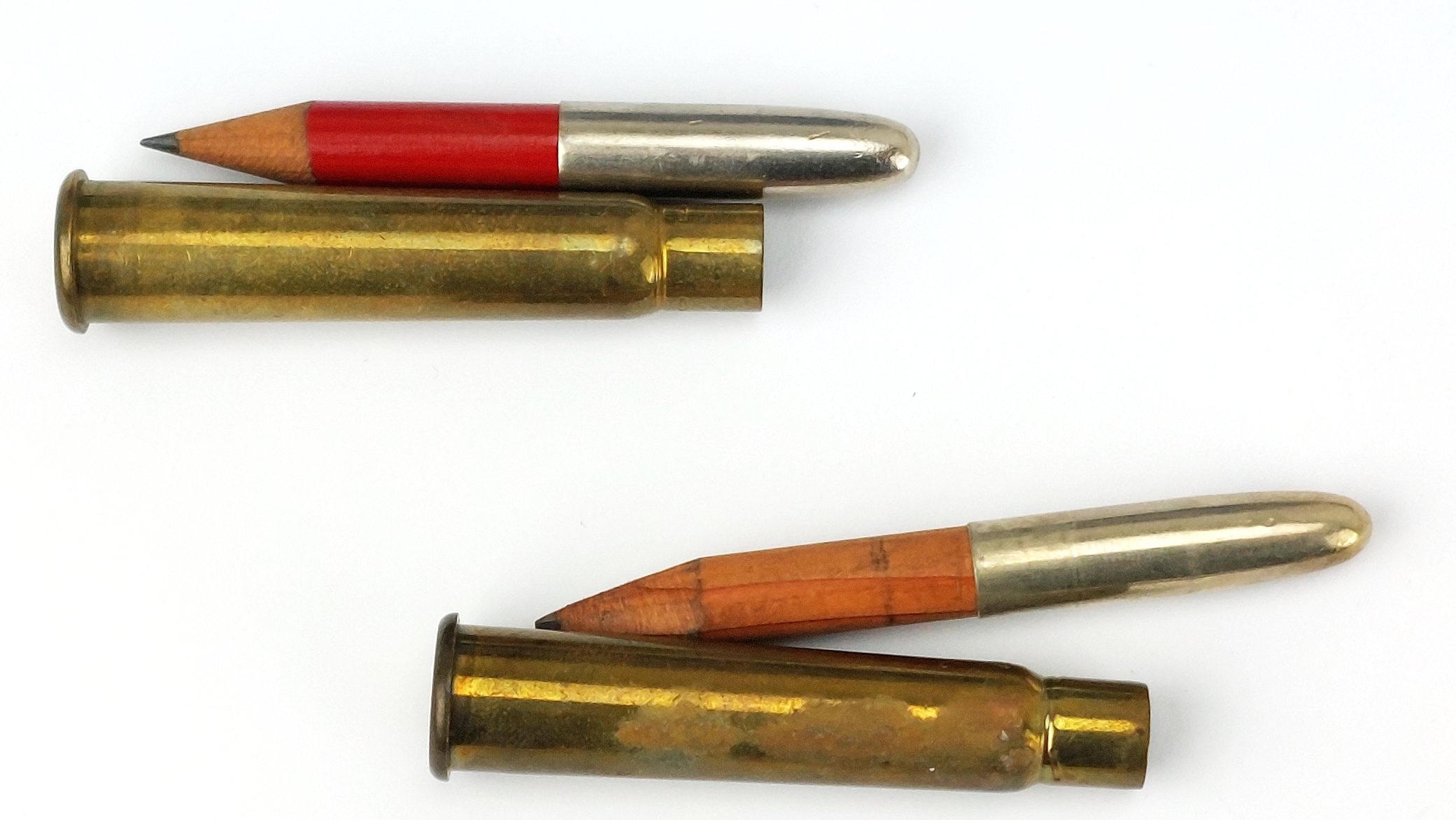
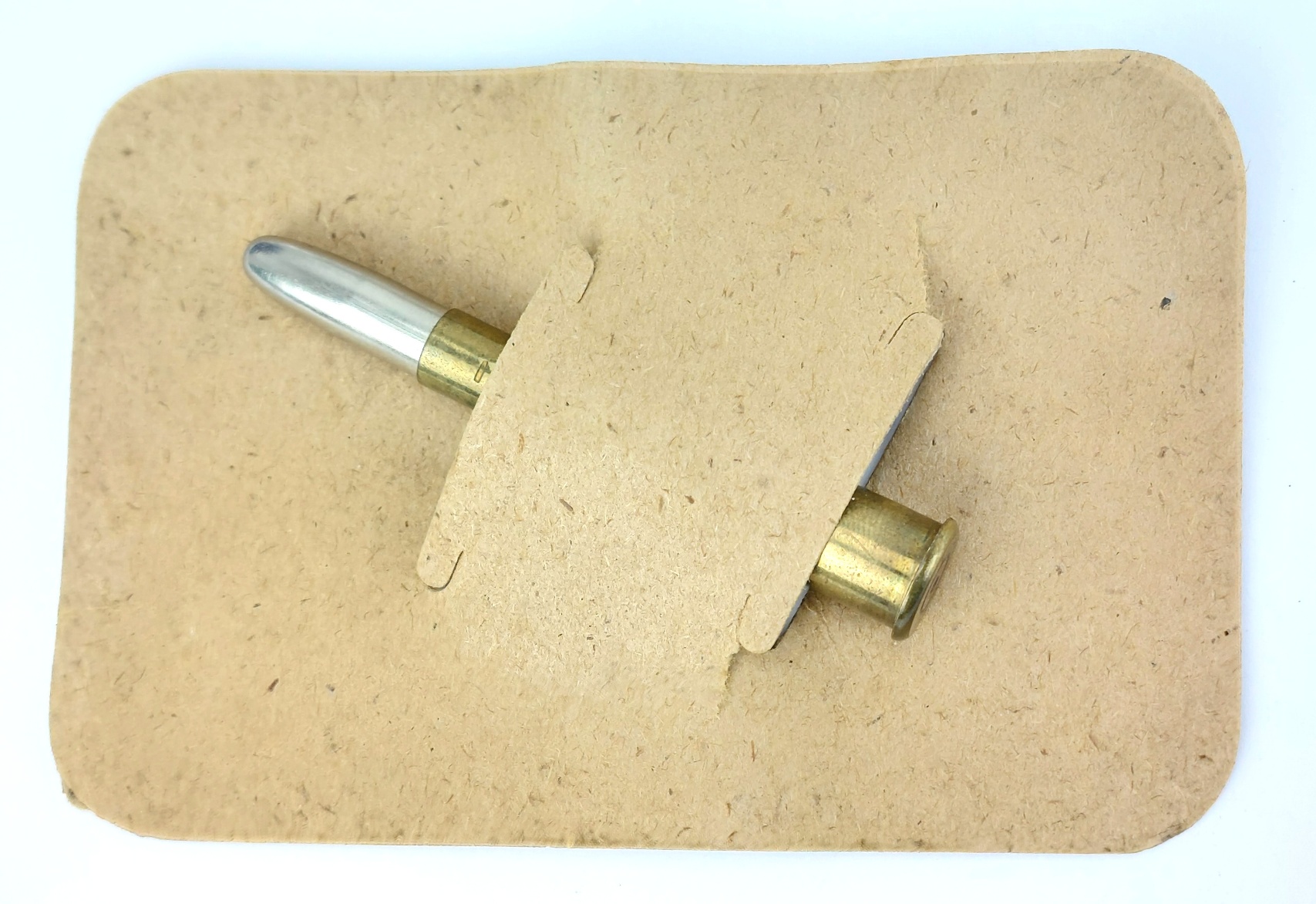
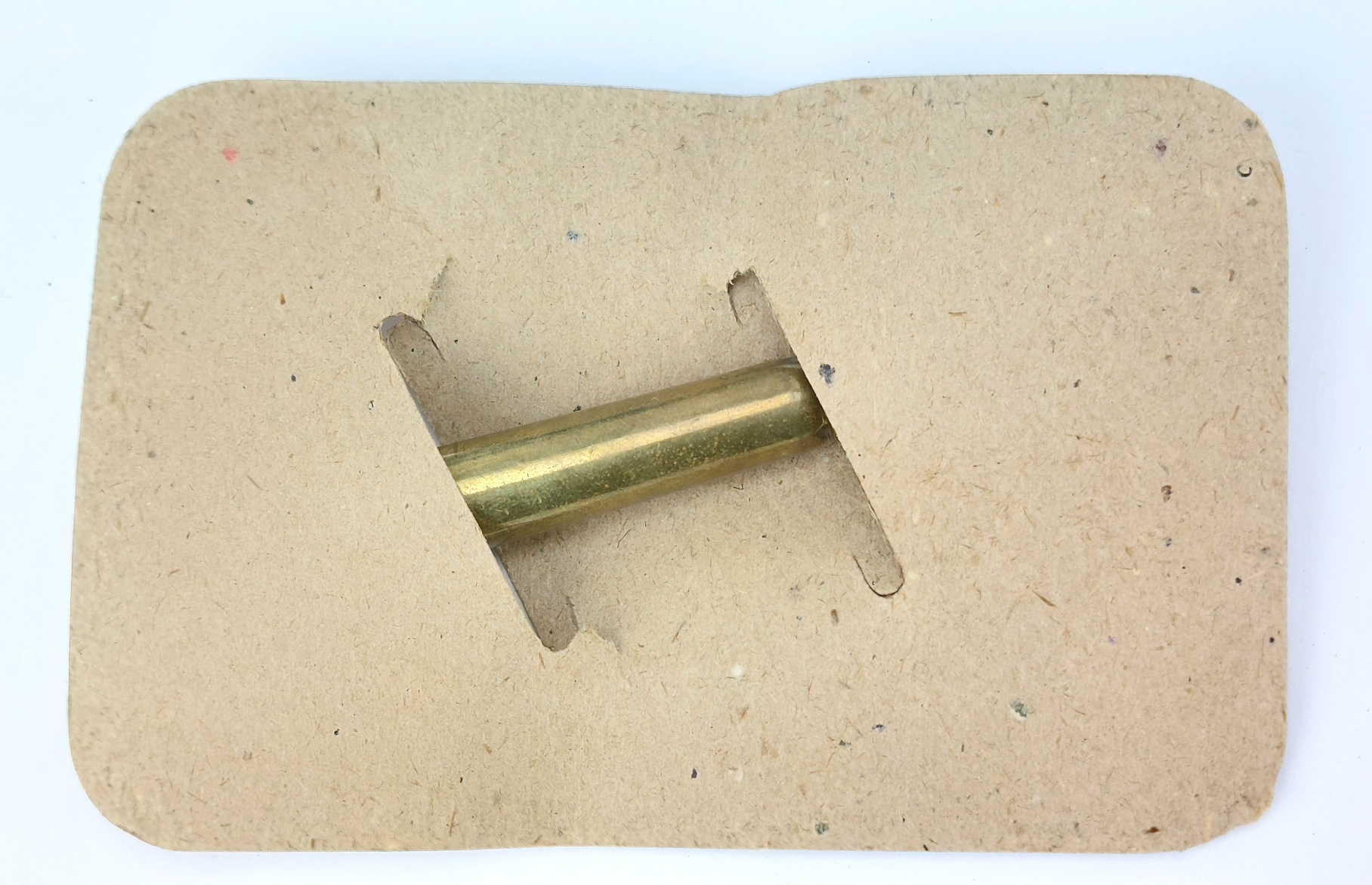
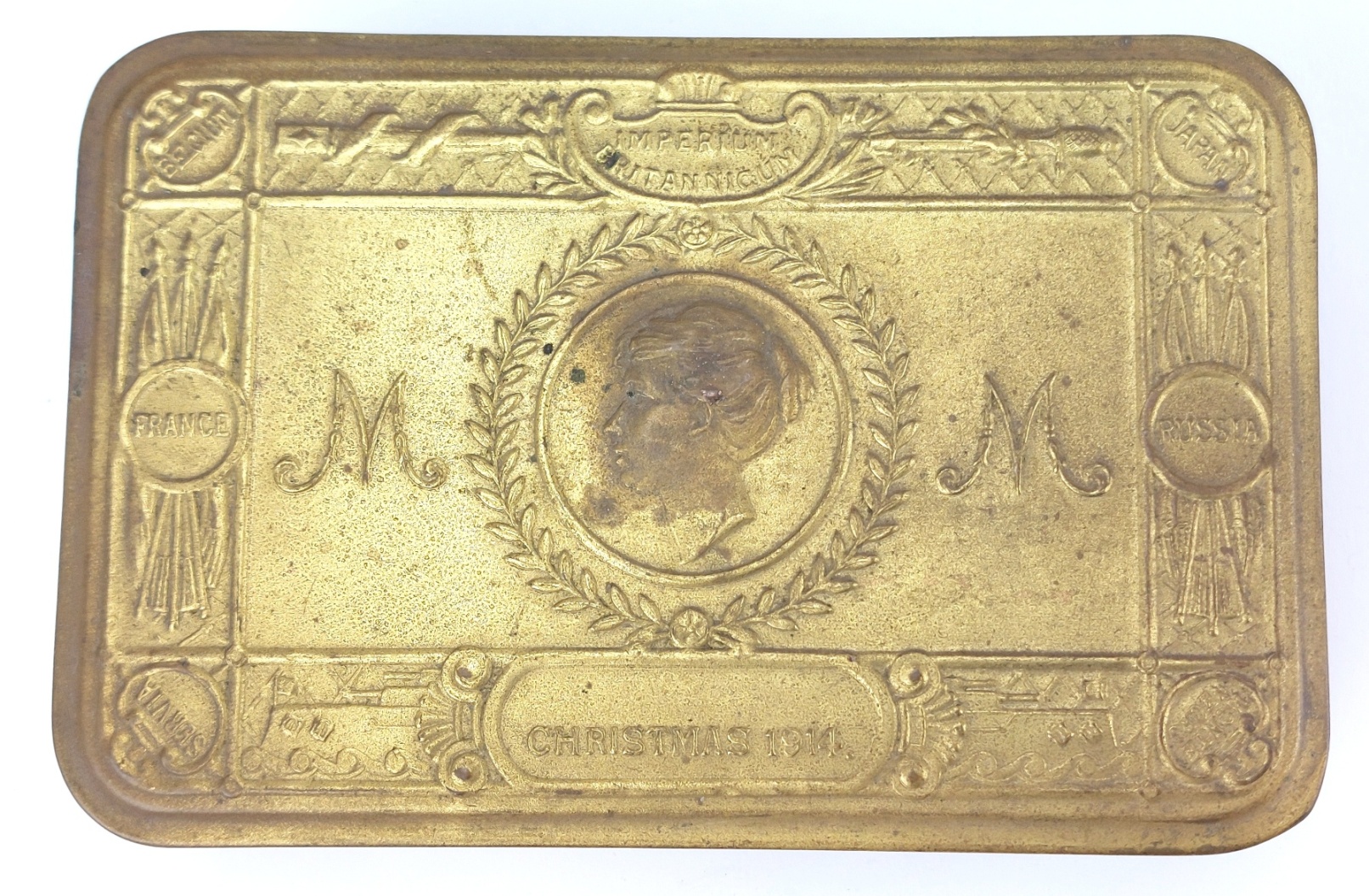
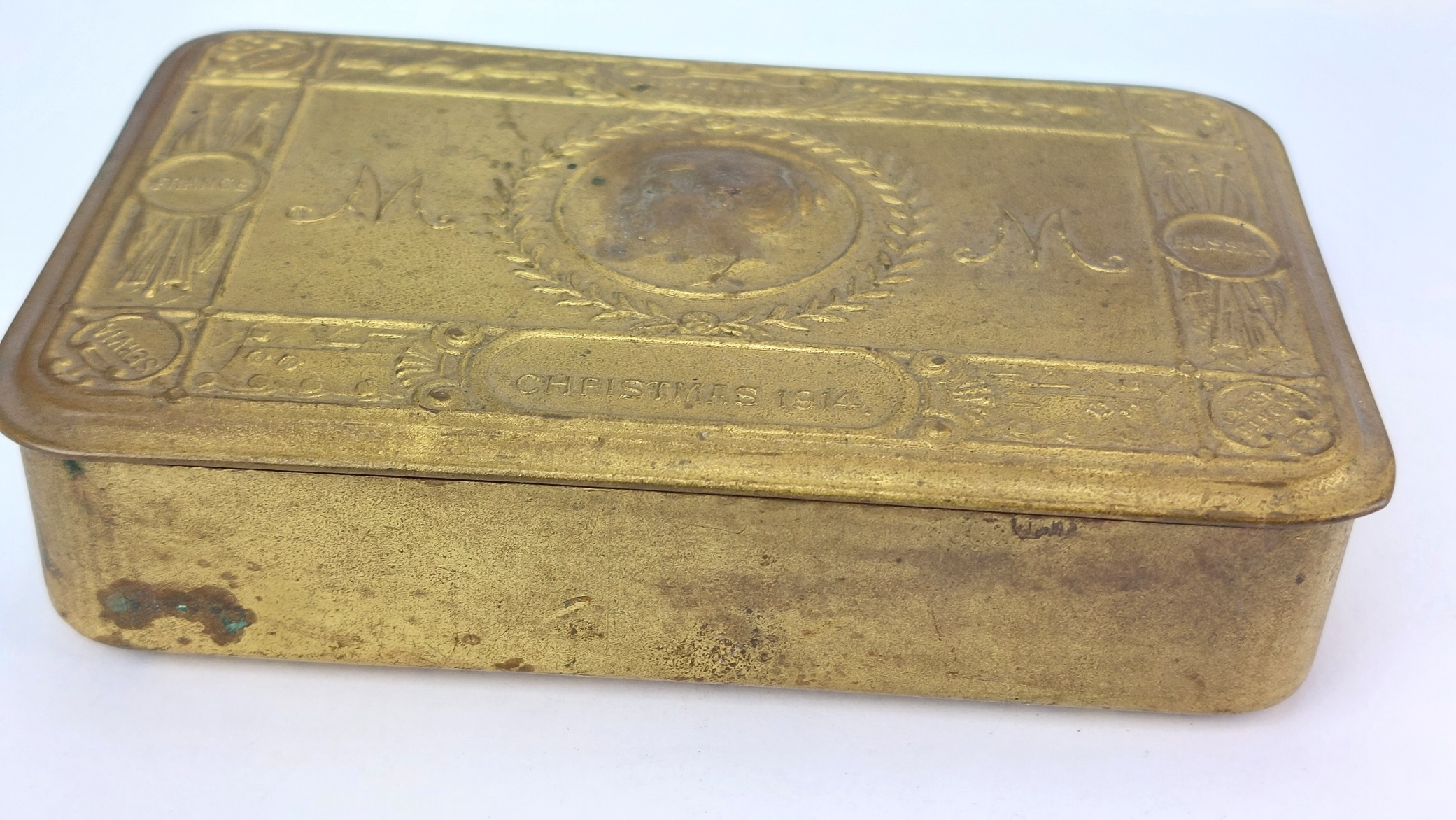
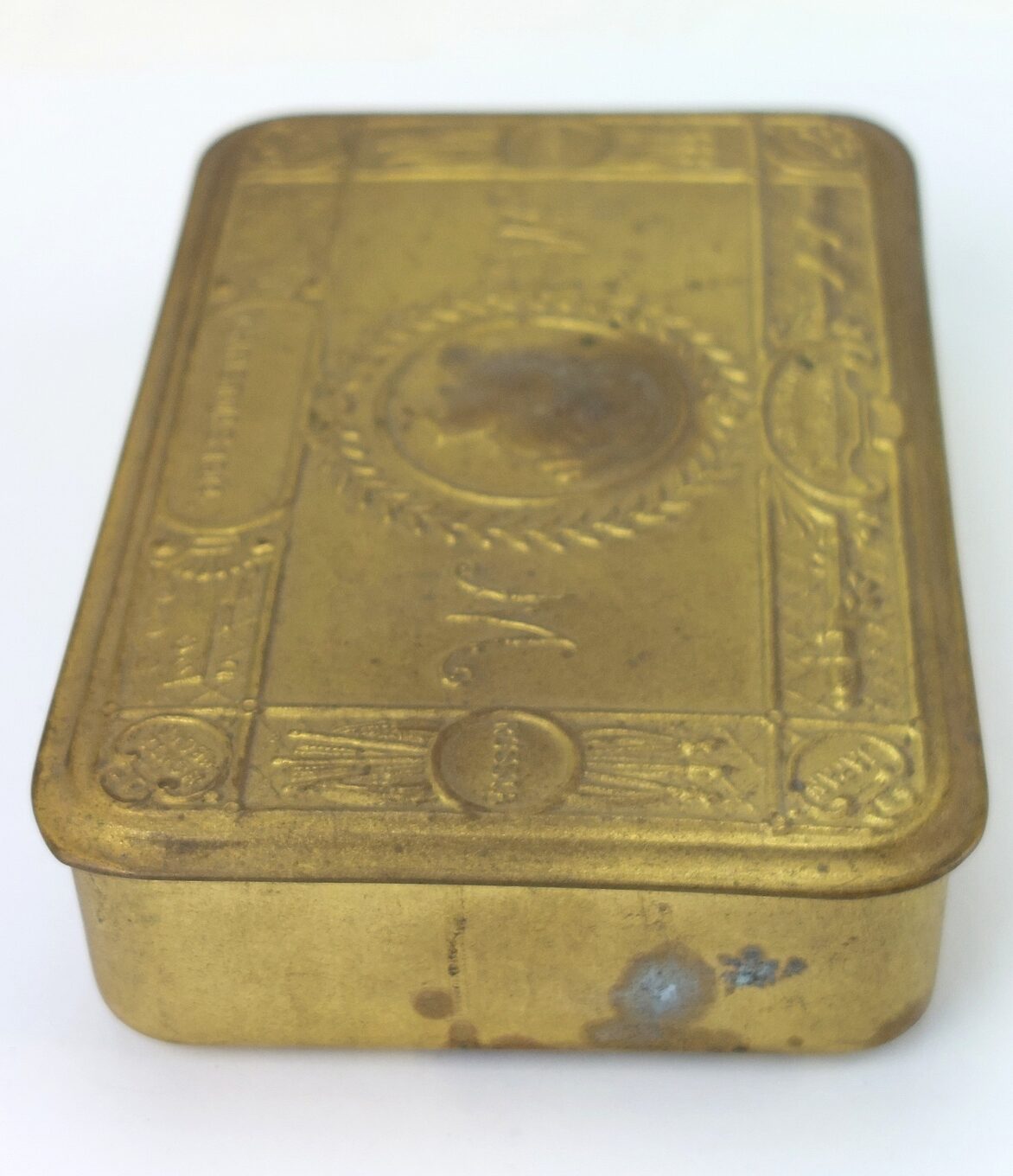
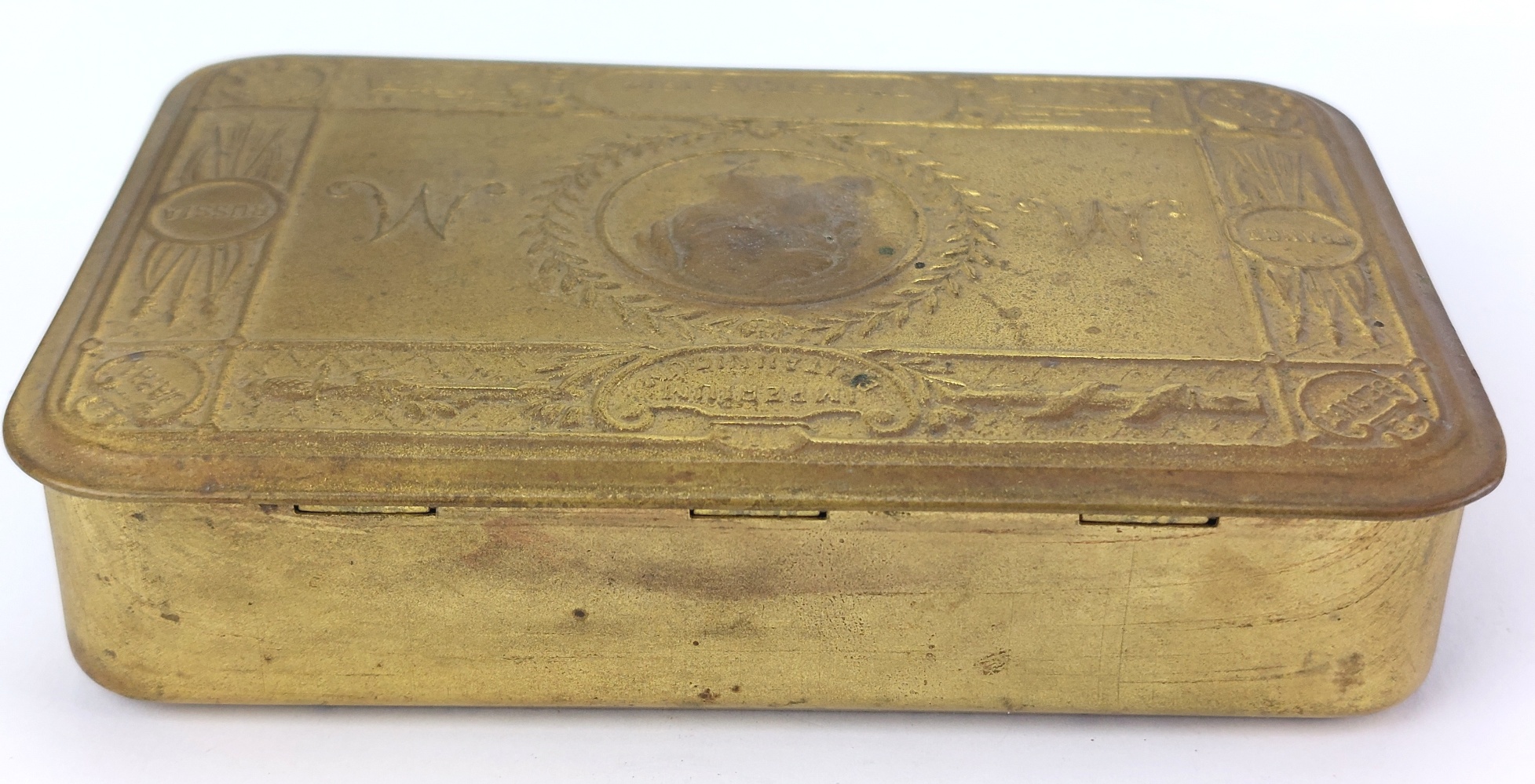
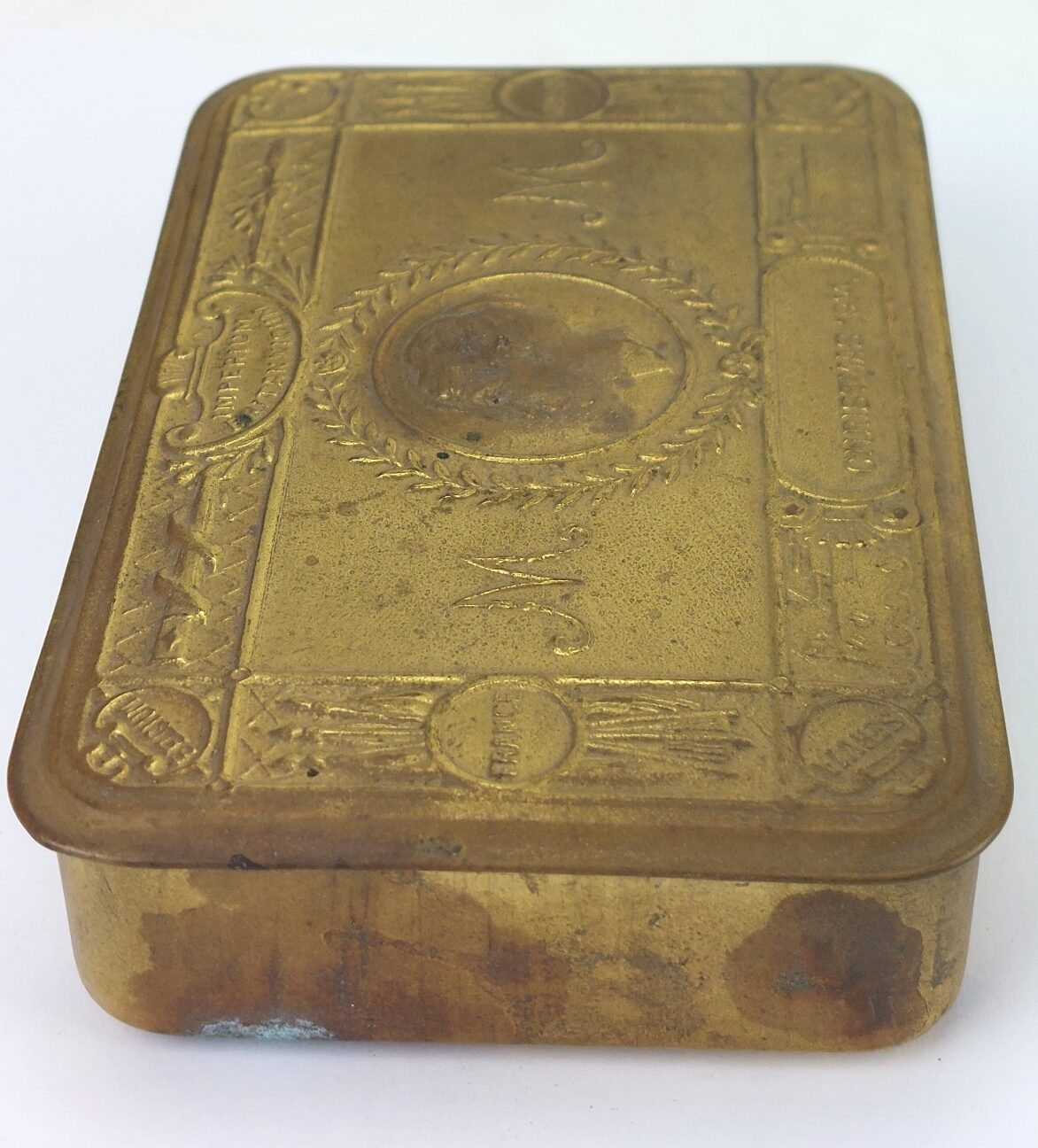
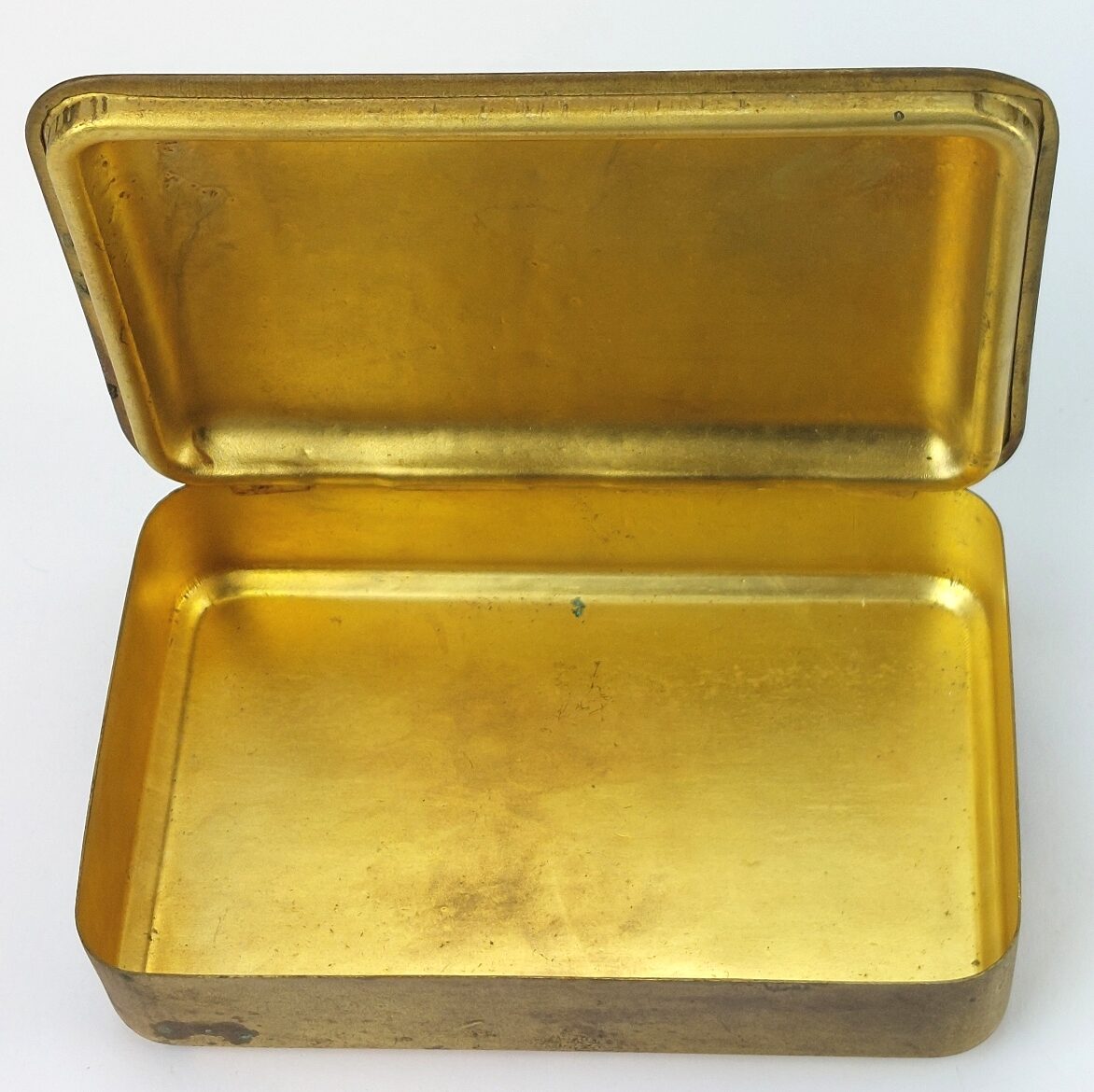
An original and highly collectible Princess Mary Christmas Gift Fund tin, issued to British and Imperial servicemen during the First World War, retaining its associated contents including a 1915 Christmas card and two original bullet pencils mounted on their presentation card.
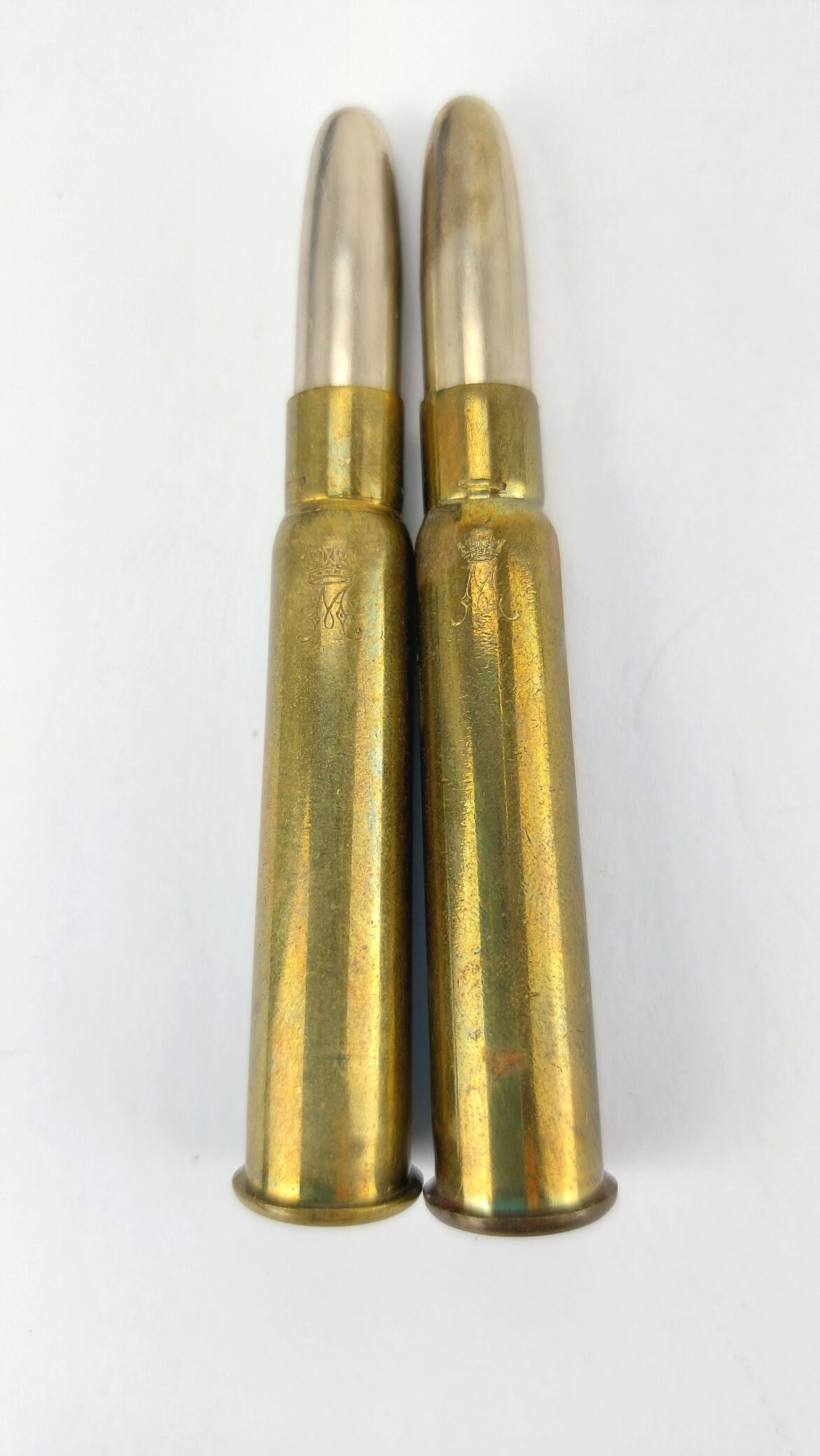
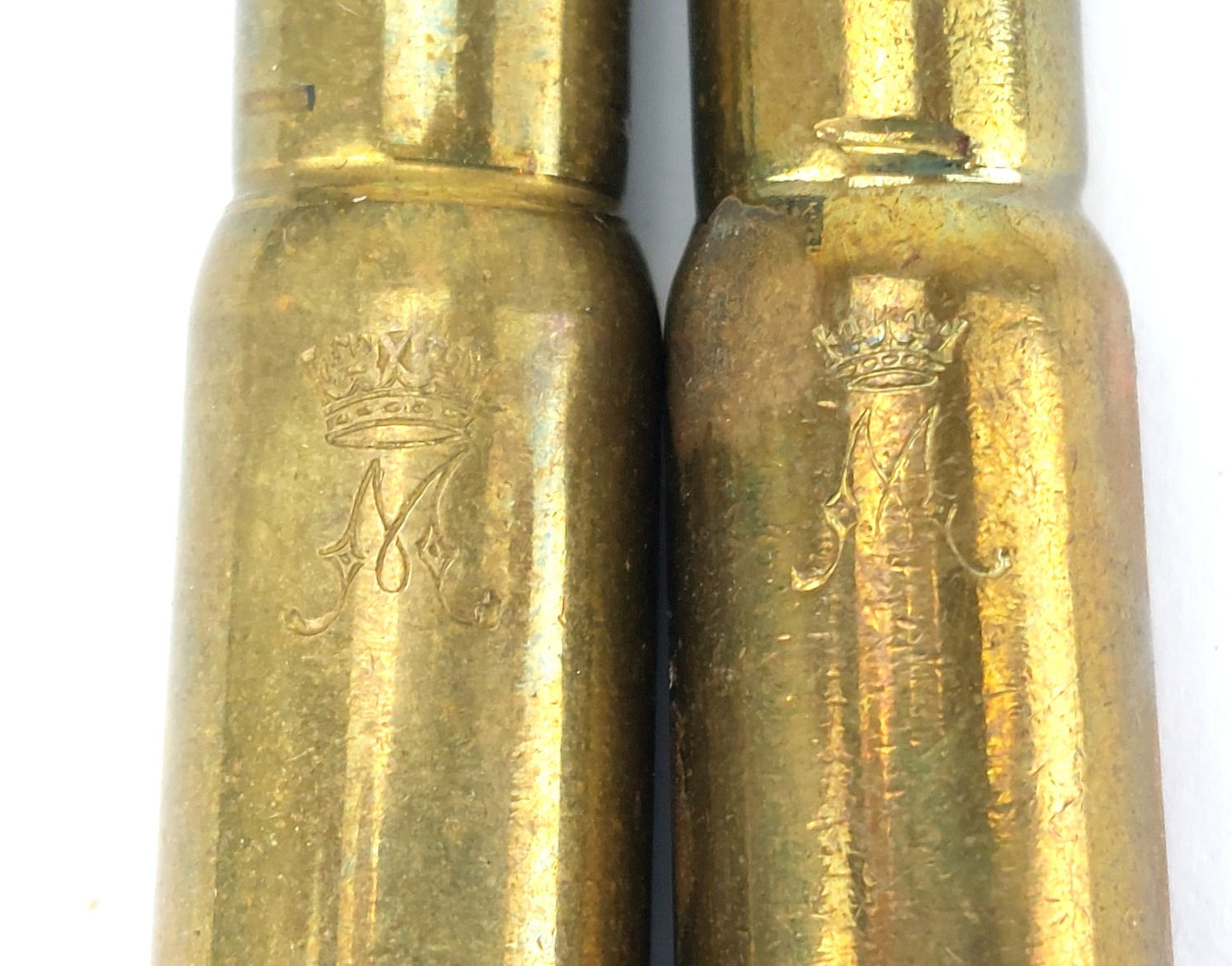
The brass gift tin bears the familiar embossed profile of Princess Mary within a laurel wreath and Imperial cypher, a design instantly recognisable as one of the iconic morale gifts of the Great War. The interior includes the period card insert and the pair of brass-cased pencils produced from converted .303 service cartridge cases — a distinctive and symbolic item linking the gift directly to frontline military service.
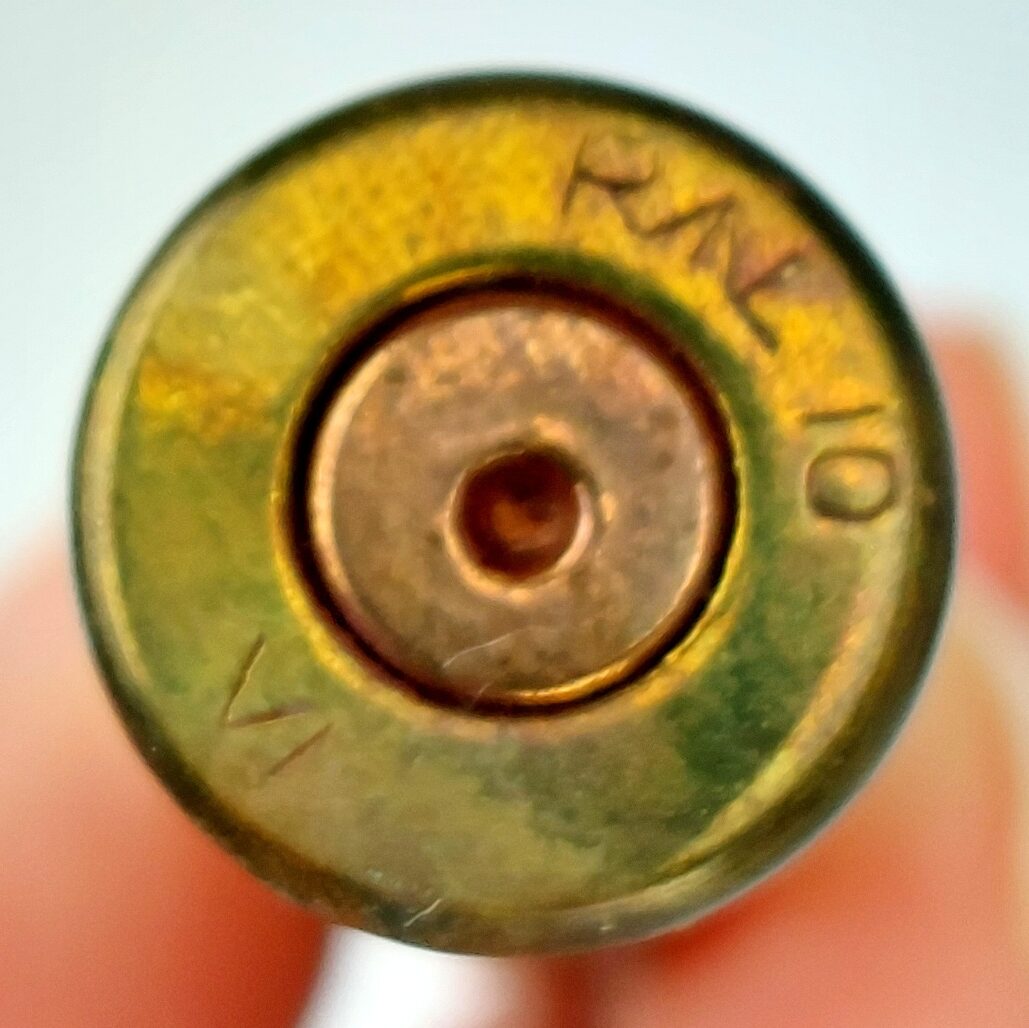
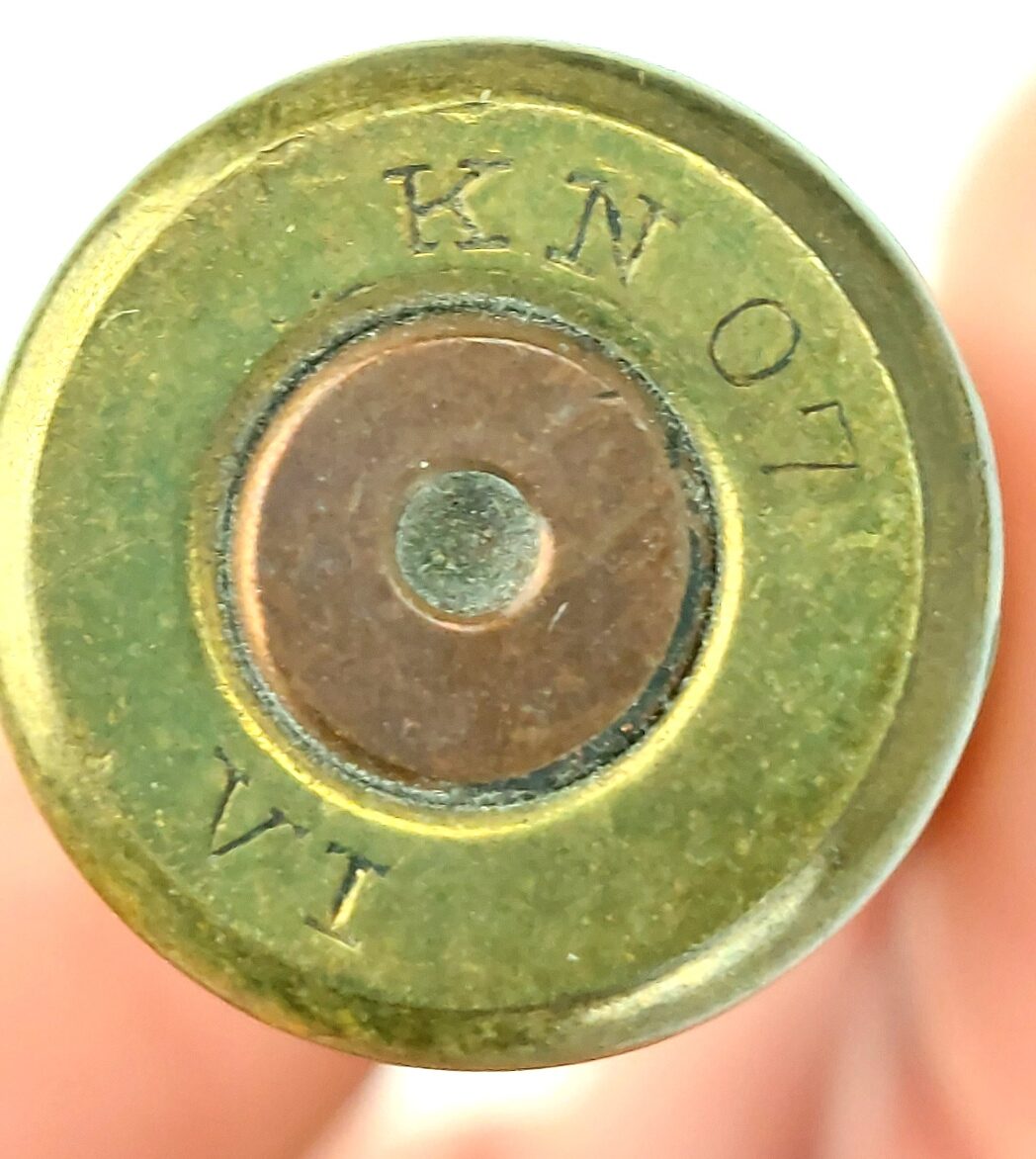
The pencils retain clearly legible military headstamps to their bases, confirming their origin from genuine British military ammunition cases recycled for the Gift Fund presentation sets.
Approx. Measurements – Tin diameter: approx. 13 cm.
History Note:
The Princess Mary Christmas Gift Fund was established in late 1914 by Princess Mary (later Princess Royal) with the intention of providing every member of the British armed forces serving overseas with a Christmas gift from the nation. Public donations exceeded £160,000, allowing over 2.6 million boxes to be distributed to “every sailor afloat and every soldier at the front”. The gifts were distributed during 1914–1915 and became one of the most enduring personal relics of the First World War.
While the brass tin design remained standard, the internal contents varied according to role, personal preference, and religious background:
- Smokers typically received tobacco, cigarettes, a pipe, and a lighter.
- Non-smokers received sweets or writing materials.
- Nurses generally received chocolate.
- Indian troops received culturally appropriate alternatives such as sugar candy or spices.
- Royal Navy recipients commonly received the bullet pencil instead of a lighter.
The bullet pencils were particularly symbolic, being manufactured from recycled .303 cartridge cases — transforming instruments of war into practical keepsakes intended to encourage correspondence with home. The headstamps on the pencil bases identify the original cartridge manufacturers:
- R L (Broad Arrow) 10 / VI — produced at the Royal Laboratory, Royal Arsenal, Woolwich, dated 1910, with the Broad Arrow denoting British Government property.
- K N 07 / VI — manufactured by King’s Norton Metal Company, Abbey Wood, dated 1907.
- The Roman numeral VI on both indicates they were originally .303 Mark VI ammunition, the standard British service round before widespread adoption of the Mark VII pattern.
Such details are highly desirable, as they demonstrate authentic military provenance and illustrate the wartime practice of repurposing ammunition components into commemorative items.
The presence of the bullet-form pencils in place of a lighter strongly suggests this example may represent a Royal Navy or non-smoker issue configuration, as naval recipients commonly received pencils rather than lighters within the Princess Mary Gift scheme.
*Condition*
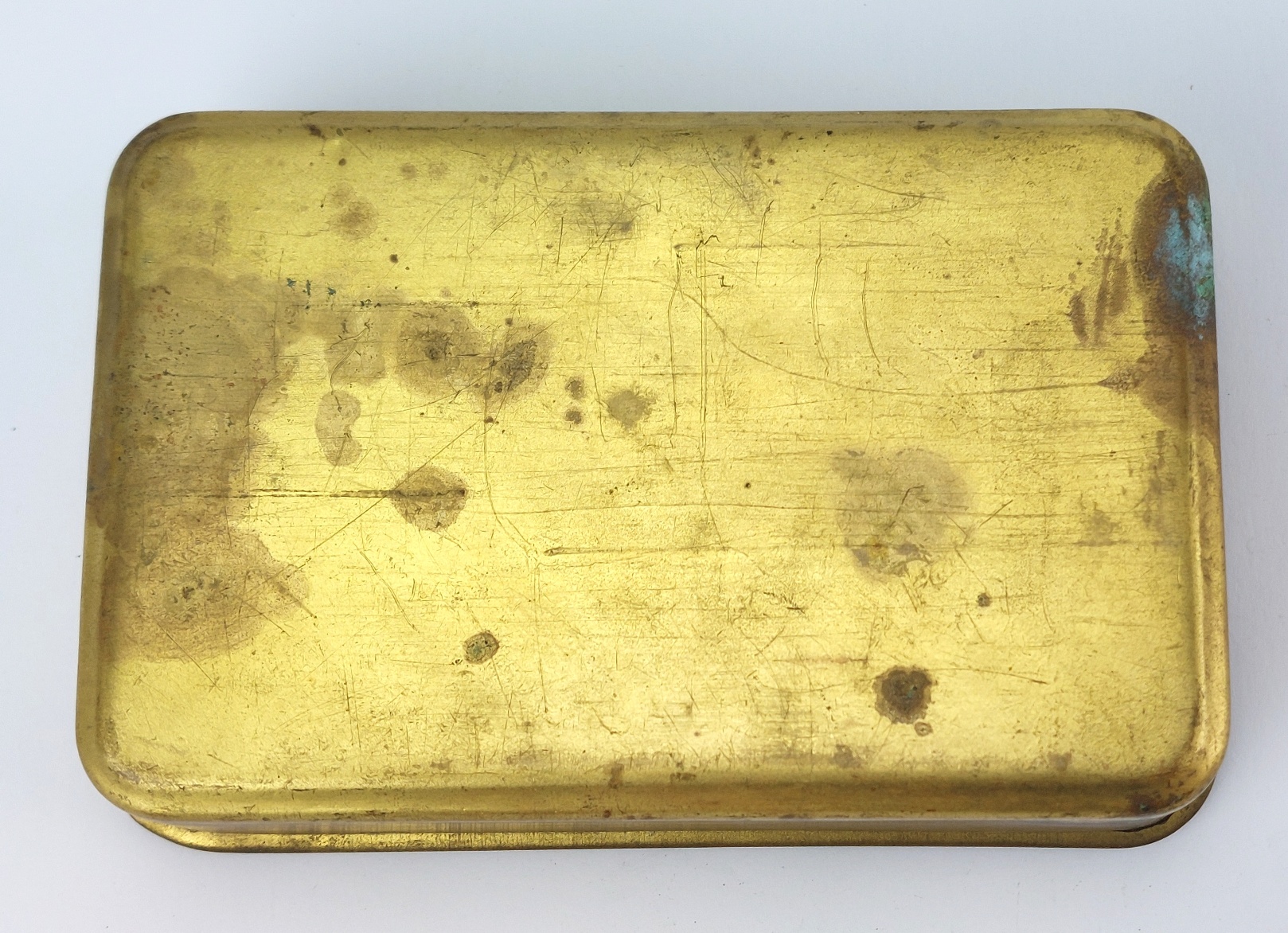
The tin displays expected age-related wear, light surface marks and patination consistent with over a century of storage. The embossed detail remains clear and attractive. The 1915 Christmas card is present with typical age toning and light handling wear. The original bullet pencils remain mounted on their card, both retaining clear base headstamps. Overall an honest, original and complete example suitable for collectors of WW1 memorabilia. Please see photographs as part of the condition report.
Complete Princess Mary sets retaining both the paper inserts and original bullet pencils are increasingly sought after, particularly when the headstamps remain readable as in this example, as they provide a direct link to early pre-war British .303 ammunition production.
JAQAOOXBHO_286726082025