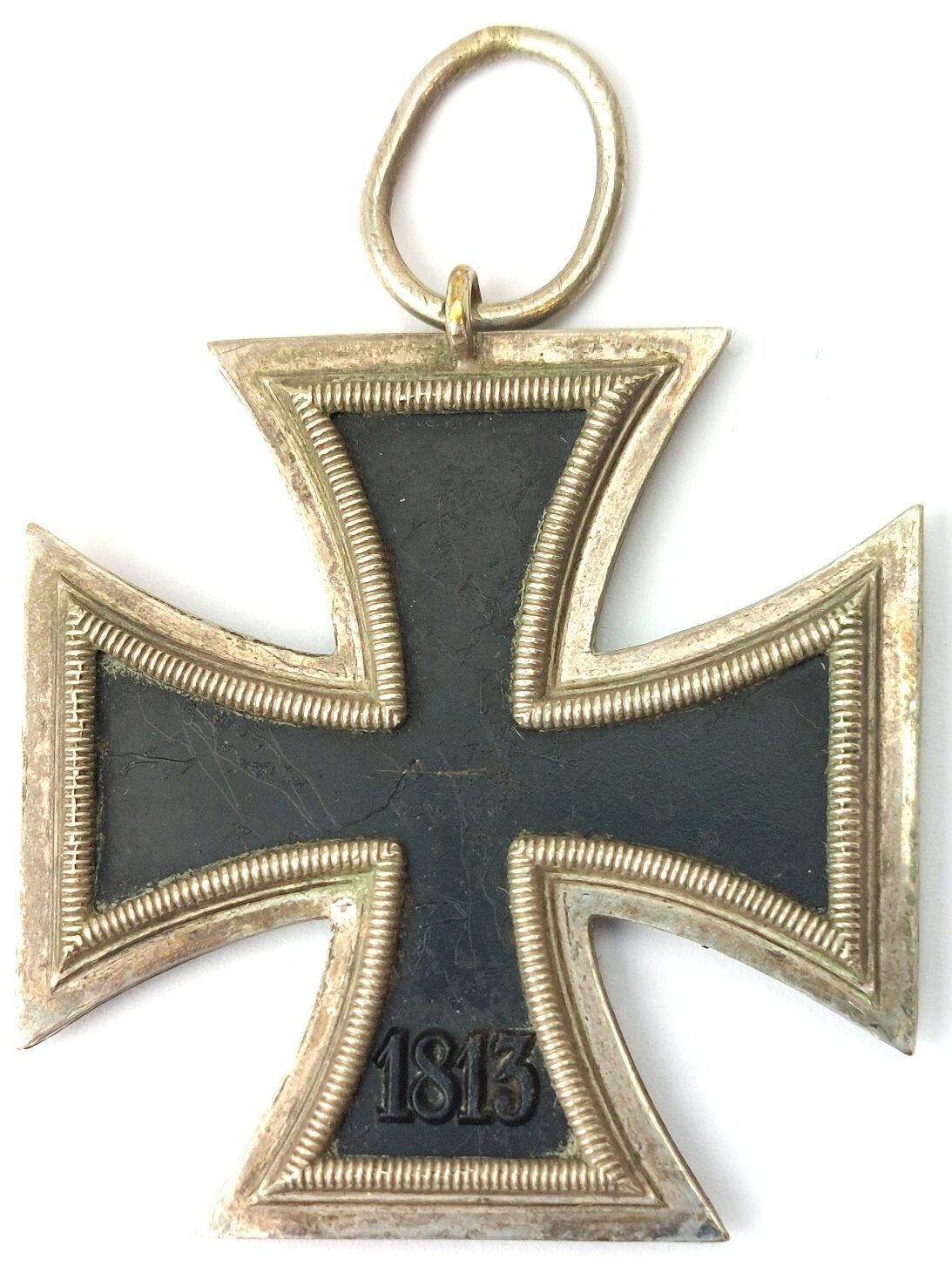
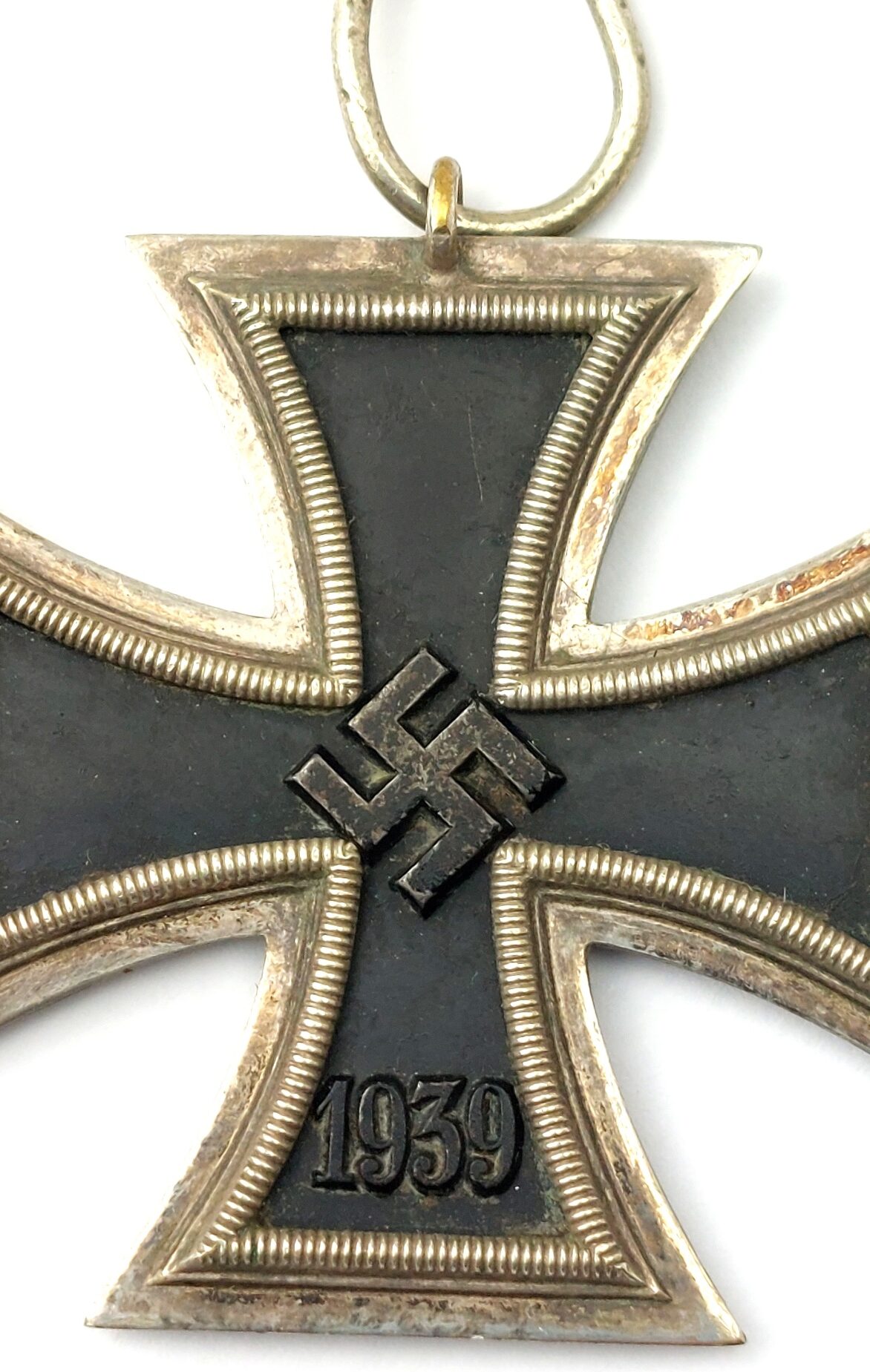
German, WW2, Iron Cross 2nd Class 1939 (Eisernes Kreuz II. Klasse) with Named Kriegsmarine Award Citation, Maker Marked “22” – Boerger & Co., Berlin

SKU / Ref. No: RQMCEOXEOO_9814237154

£550.00

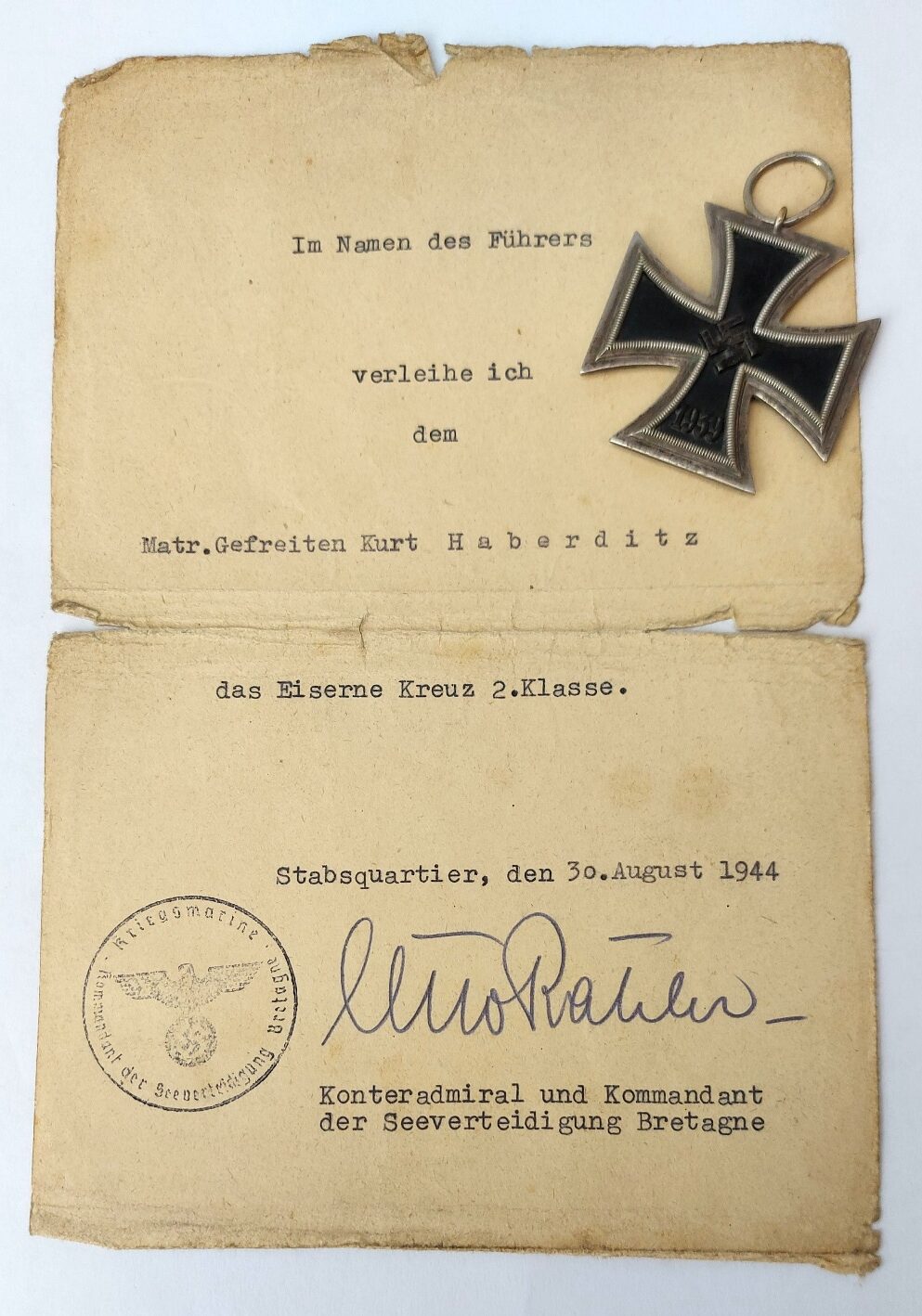
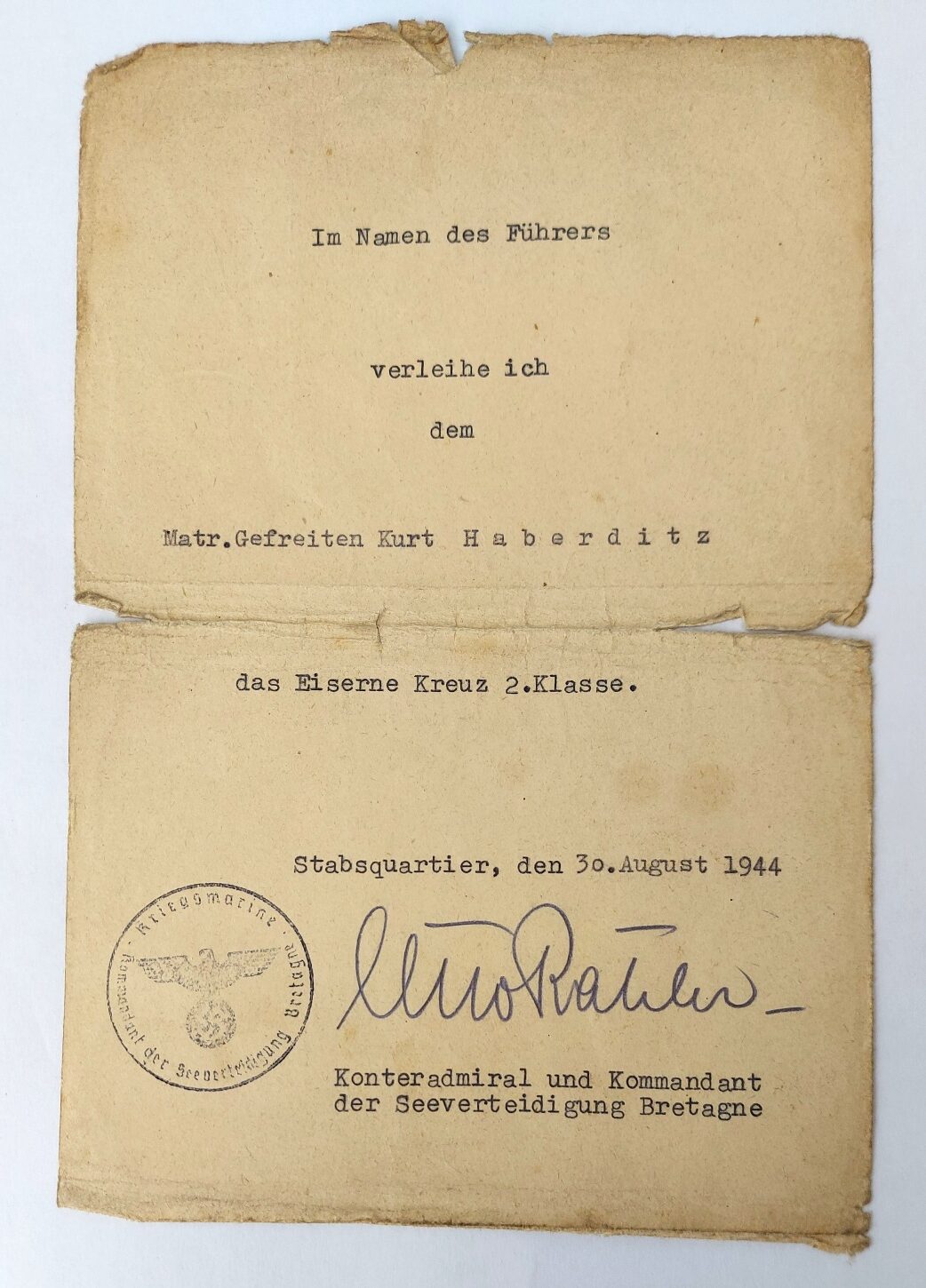
An original WW2 German Iron Cross 2nd Class complete with its named Kriegsmarine award citation issued during the final weeks of the Battle for Brittany in August 1944, signed by Konteradmiral Otto Kähler and awarded to naval serviceman Kurt Haberditz.

Would you like to find out more about this product?

SKU / Ref. No: RQMCEOXEOO_9814237154

Enquire about this product

*German, WW2, Iron Cross 2nd Class 1939 (Eisernes Kreuz II. Klasse) with Named Kriegsmarine Award Citation, Maker Marked “22” – Boerger & Co., Berlin*

- Original German WW2 Iron Cross 2nd Class (Eisernes Kreuz II. Klasse) with named award citation
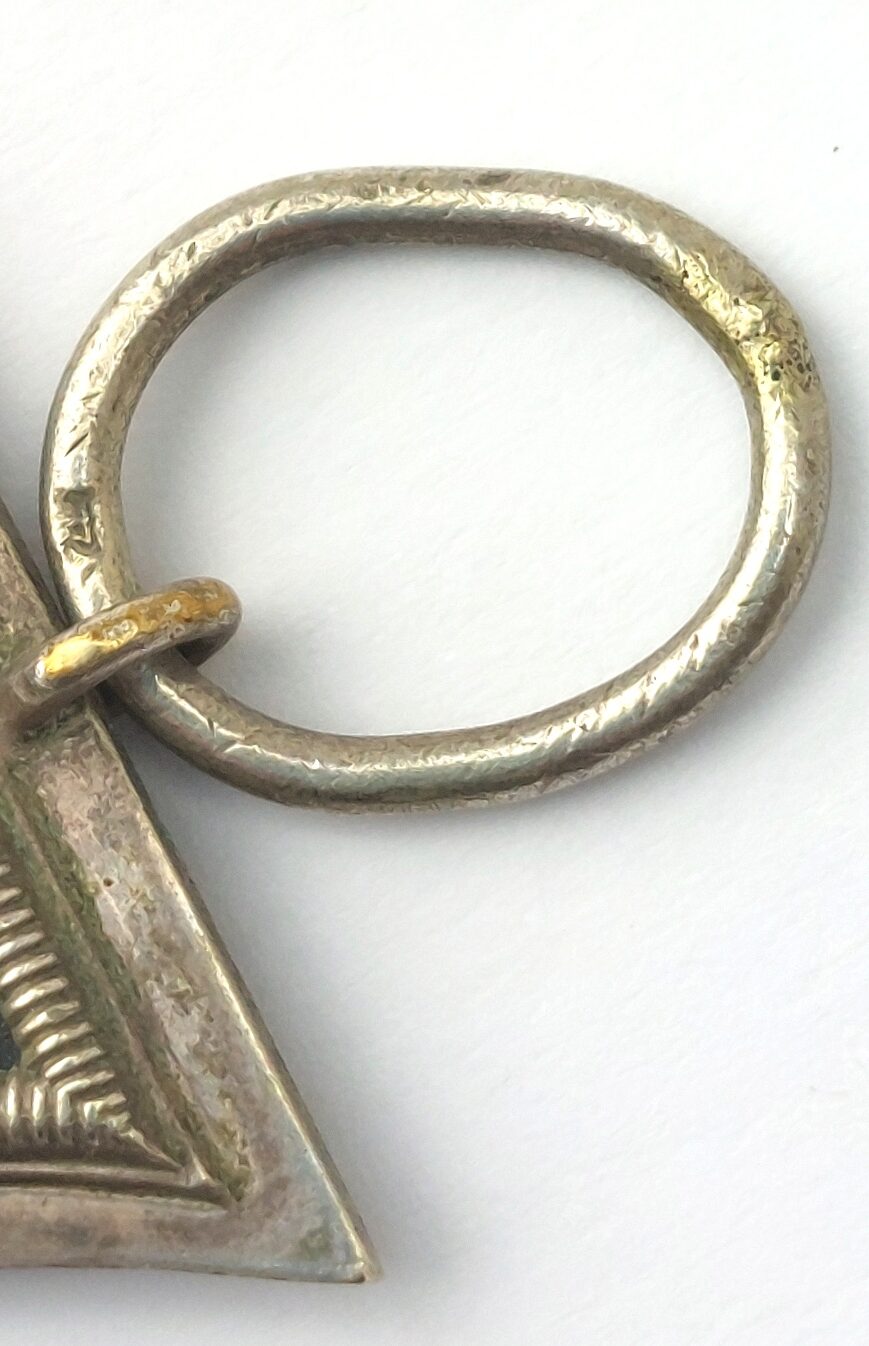
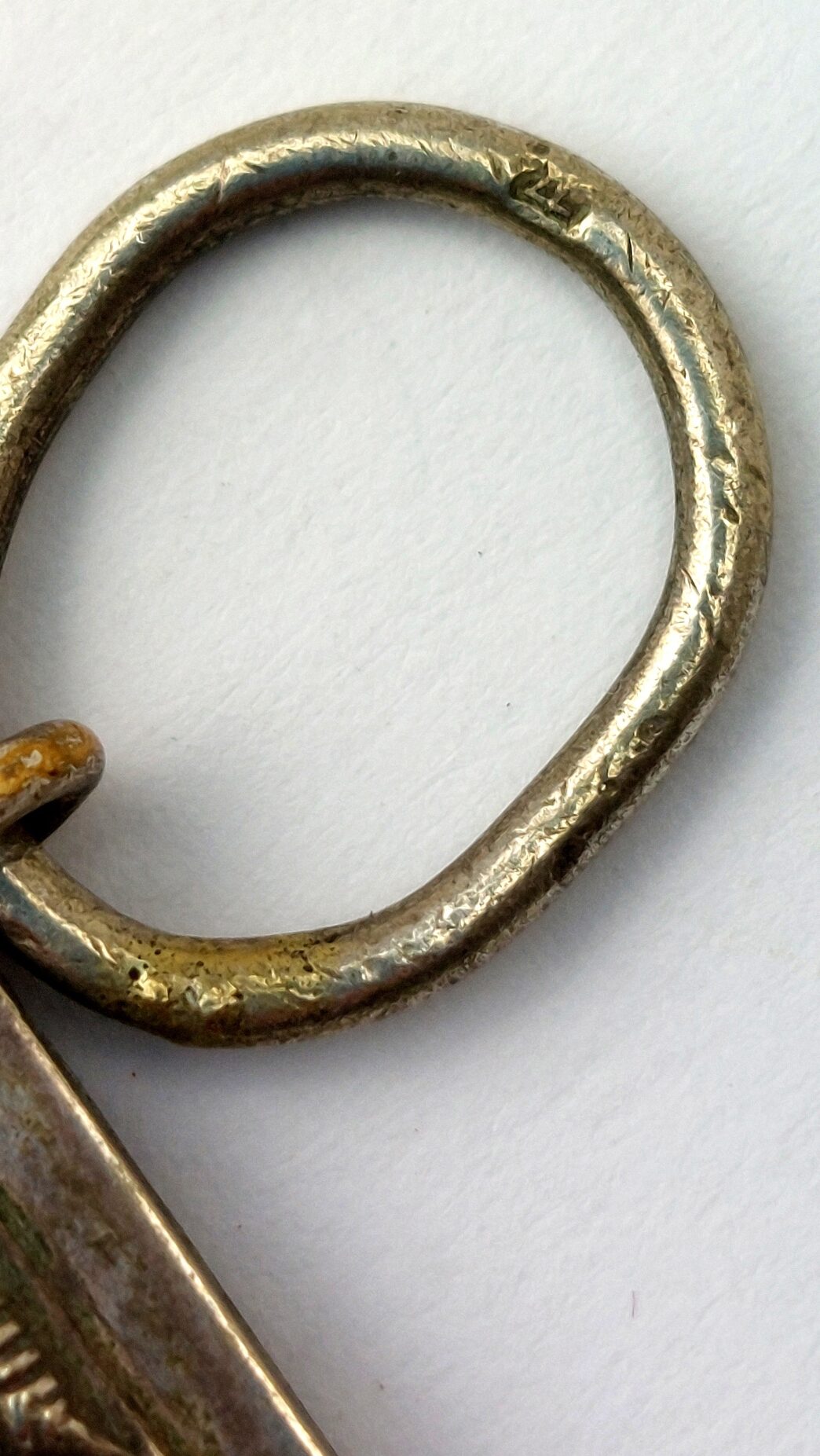
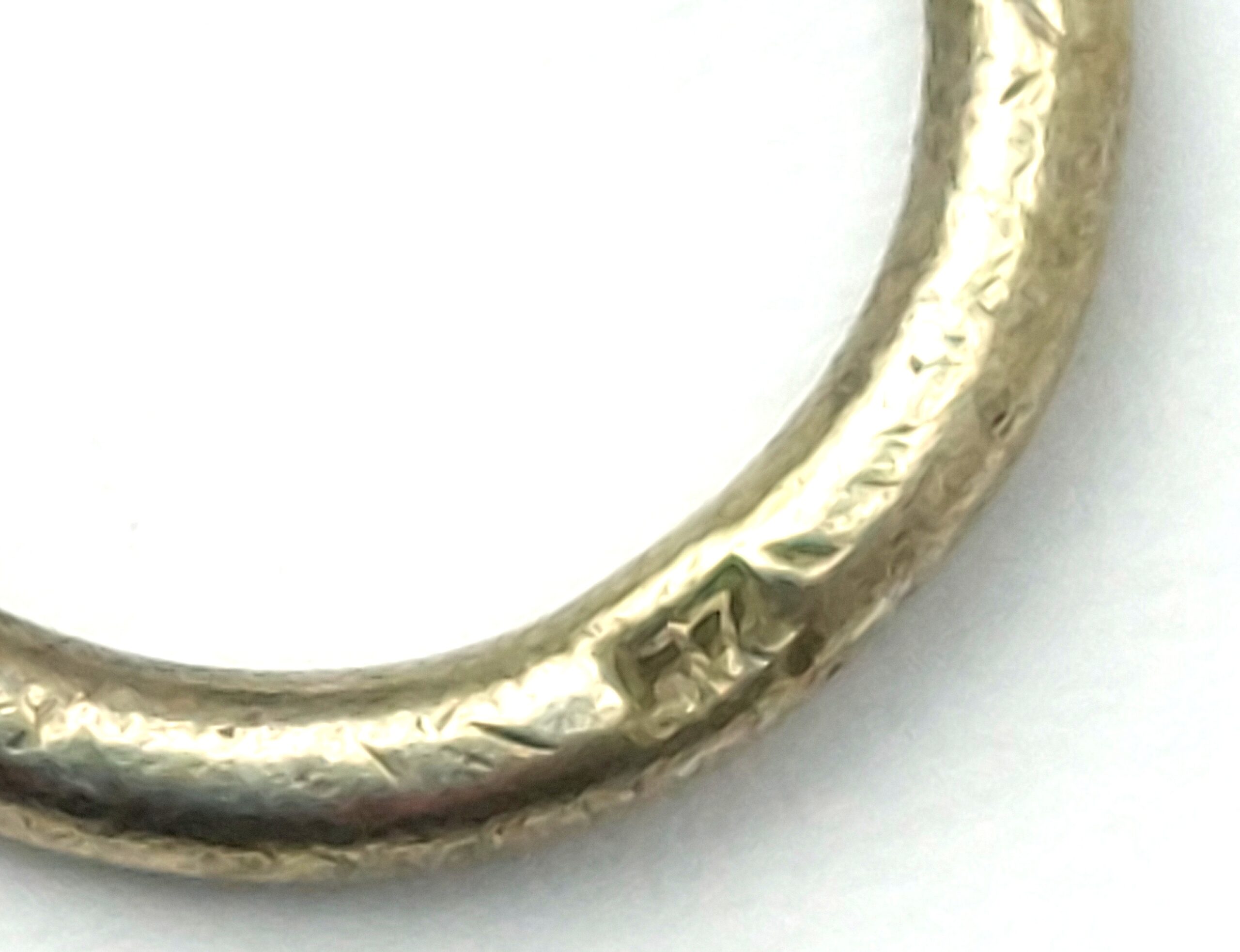
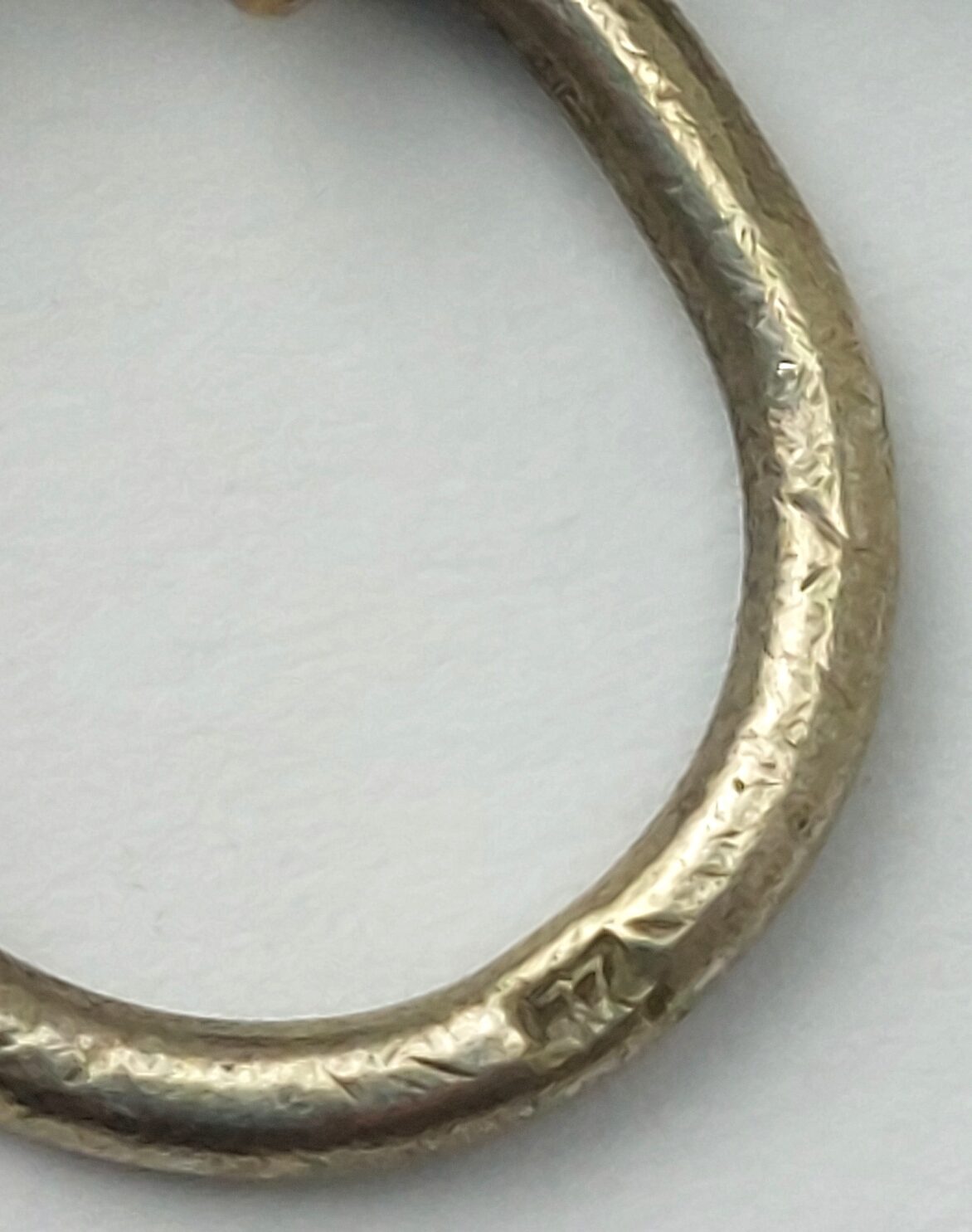
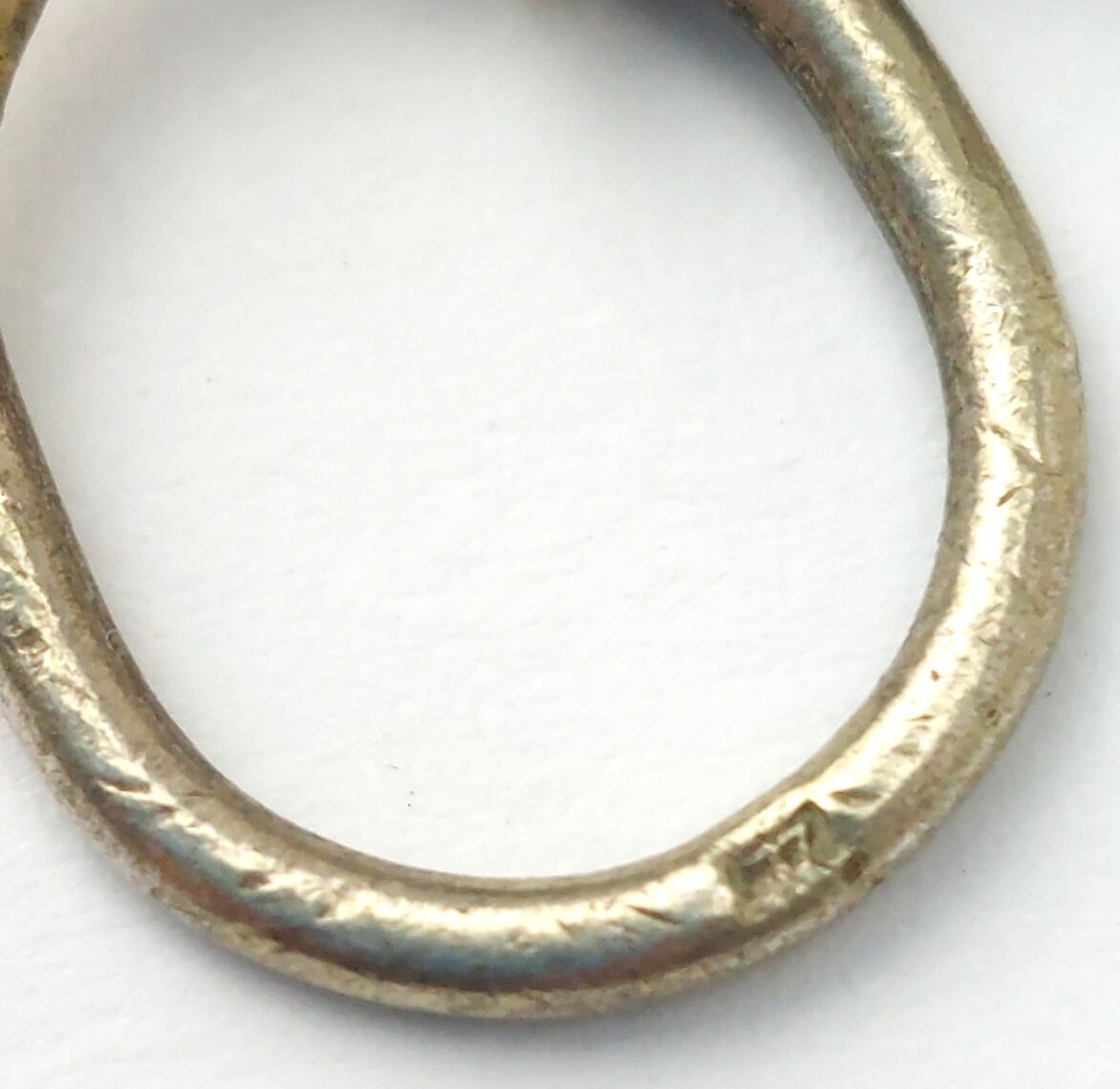
- Medal maker marked “22” for Boerger & Co., Berlin
- Awarded to Matr. Gefreiten Kurt Haberditz of the Kriegsmarine
- Dated 30 August 1944 during the Siege of Brest / Brittany campaign
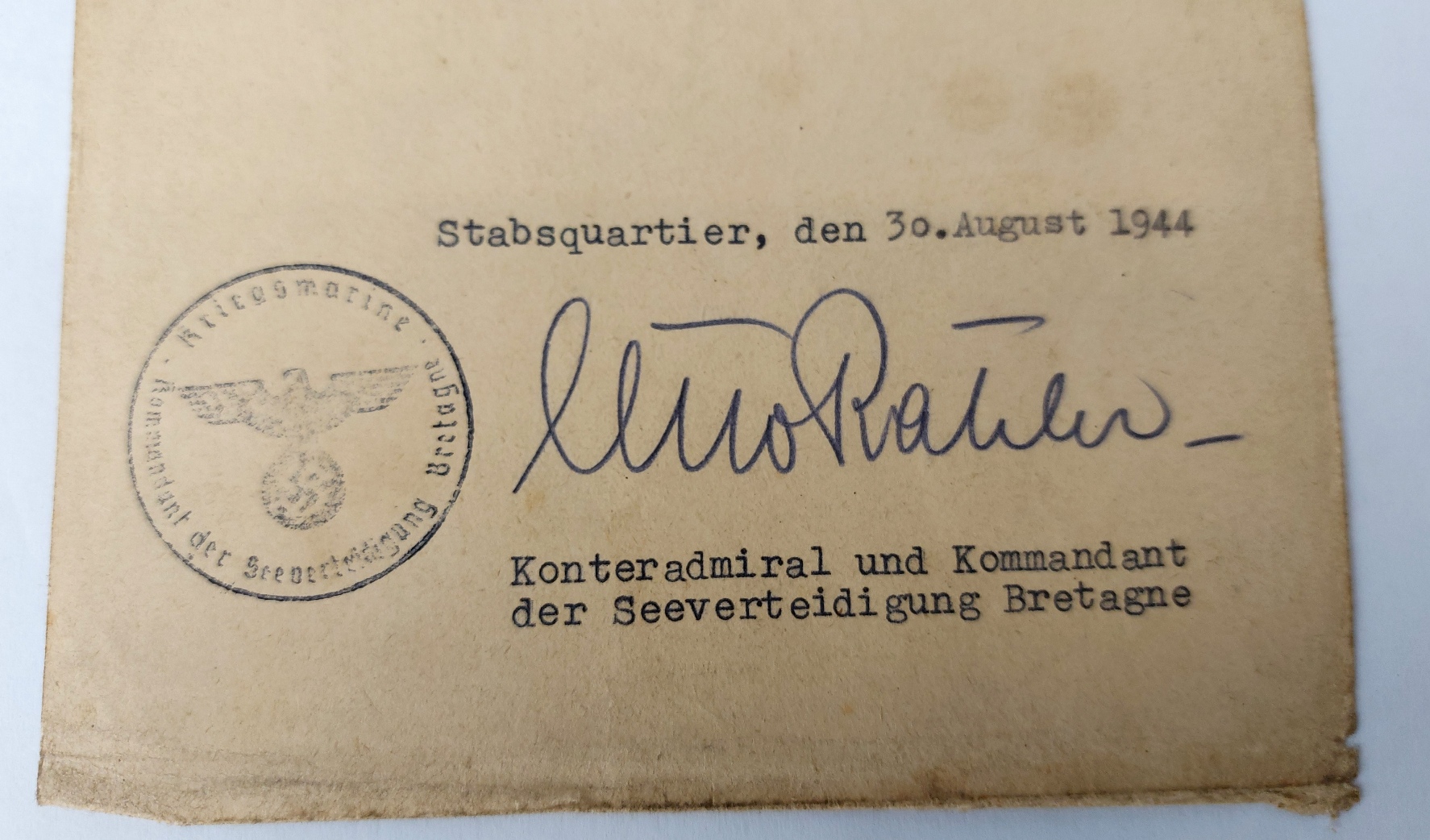
- Signed by Konteradmiral Otto Kähler, Commander of Sea Defences Brittany
- Official Kriegsmarine command ink seal present
- Historically significant late-war battlefield-period issue
- Magnetic three-piece construction with original suspension ring
- Strong research and display potential with named provenance

An original German Second World War Iron Cross 2nd Class (Eisernes Kreuz II. Klasse) of the 1939 issue, accompanied by its original named Kriegsmarine award certificate (Besitzzeugnis) issued to Matr. Gefreiten Kurt Haberditz and dated 30 August 1944.

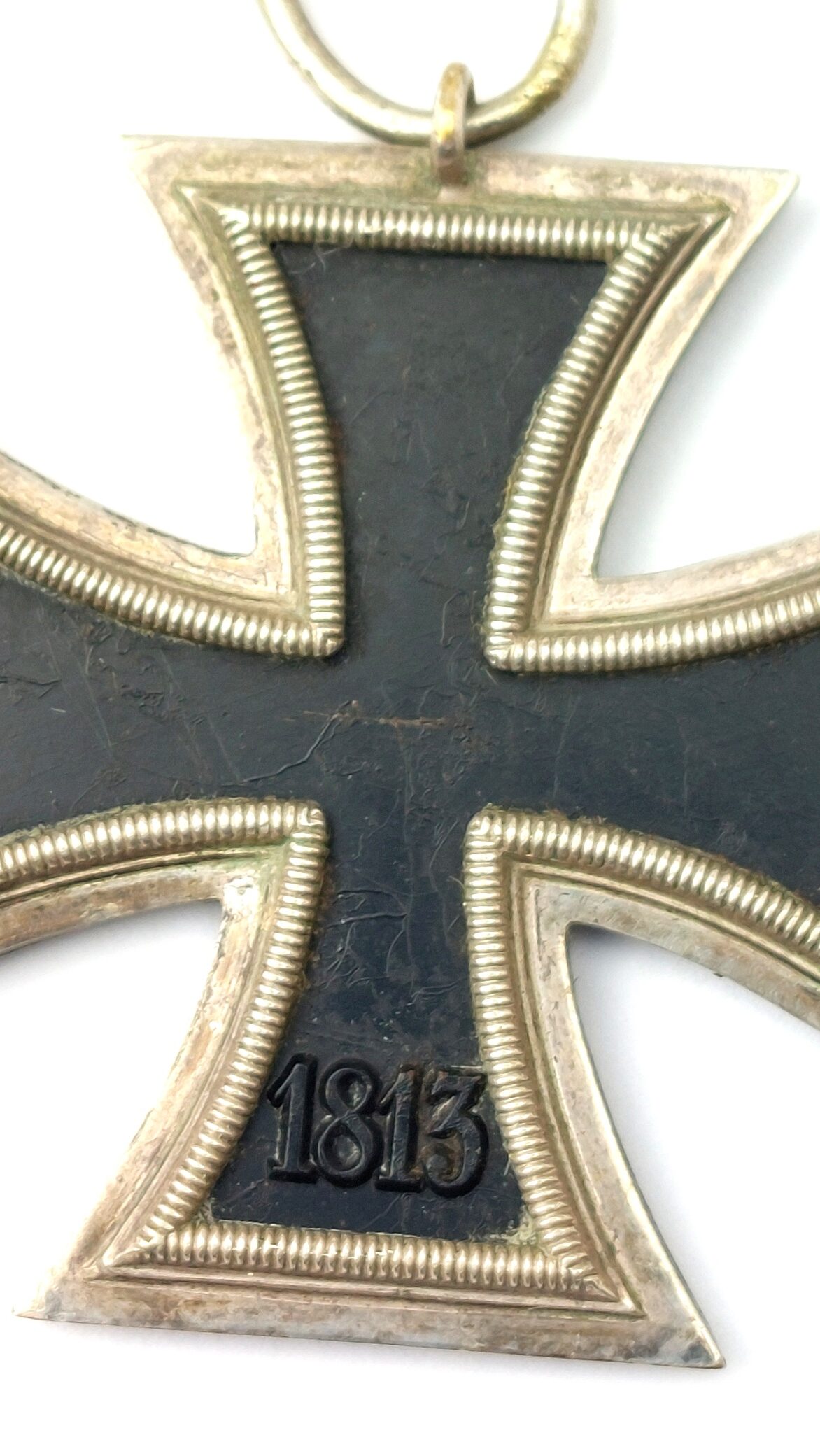
The medal is constructed in the traditional three-piece format with a magnetic iron core housed within a two-piece silvered frame. The obverse displays the raised swastika above the date “1939”, while the reverse bears the historic “1813” commemorative date honouring the original institution of the Iron Cross during the Napoleonic Wars. The frame retains its characteristic fine beaded border together with an attractive untouched patina and honest age-related wear. The suspension ring is clearly maker marked “22”, identifying manufacture by Boerger & Co., Berlin, one of the recognised wartime producers of Iron Cross decorations. The ring and suspension loop appear original to the piece, while the core remains magnetic as expected of wartime construction.

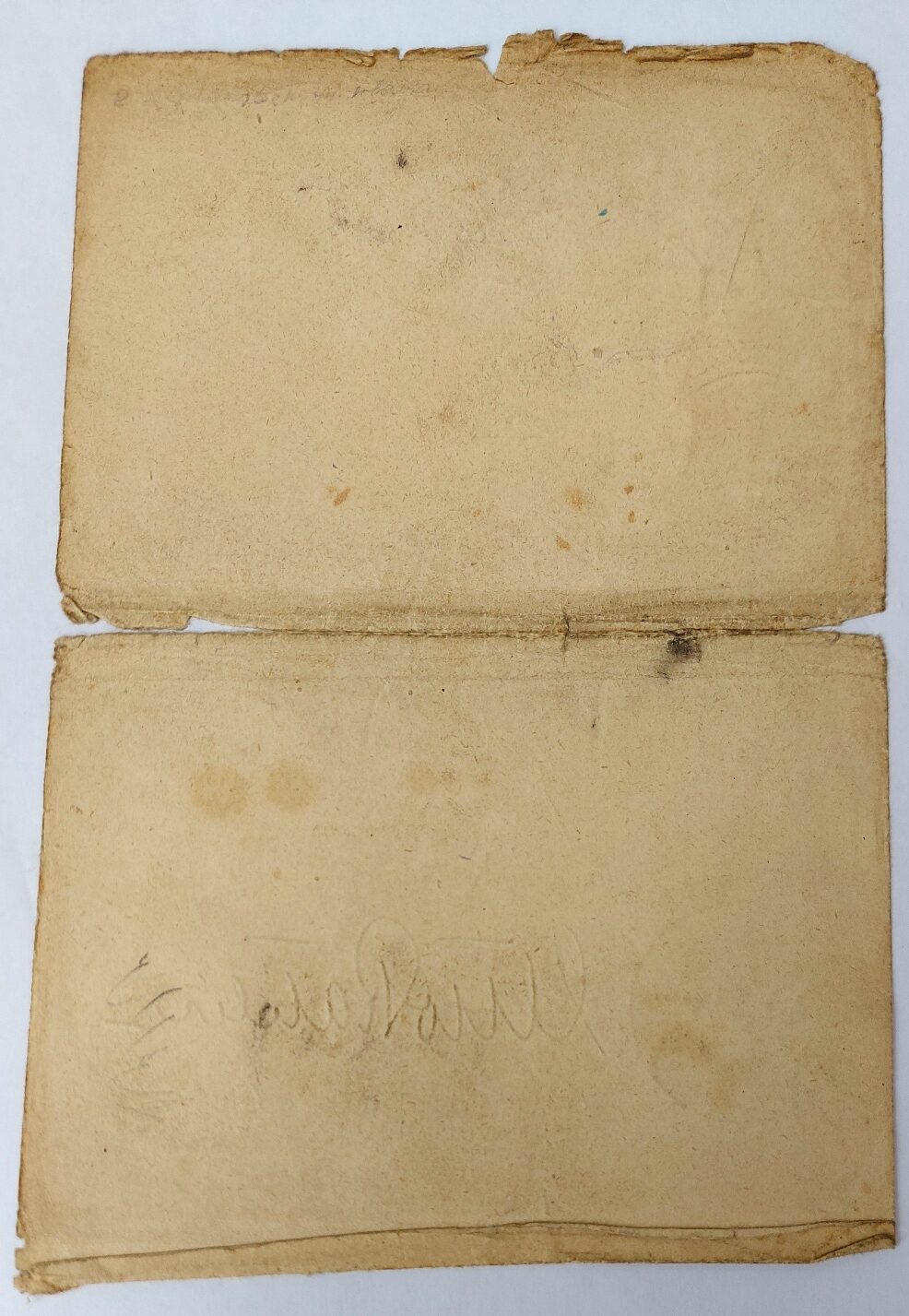
Included is the recipient’s original wartime award document printed “Im Namen des Führers verleihe ich dem…” (“In the name of the Führer, I award to…”), naming Matr. Gefreiten Kurt Haberditz. The rank Matrosengefreiter was a Kriegsmarine naval rank broadly equivalent to a Seaman / Lance Corporal. The document awards “das Eiserne Kreuz 2. Klasse” and is dated Stabsquartier, den 30. August 1944 (“Headquarters, 30 August 1944”). The citation bears the bold ink signature of Konteradmiral Otto Kähler, who served as Kommandant der Seeverteidigung Bretagne (Commander of the Sea Defences of Brittany), together with the official circular Kriegsmarine command seal reading “Kriegsmarine • Kommandant der Seeverteidigung Bretagne •” surrounding the national eagle emblem. The reverse of the document displays strong period characteristics, including visible ink bleed-through from Kähler’s fountain pen signature, heavy horizontal fold fatigue with tearing and fraying along the central crease, age toning, staining, and handling wear consistent with long-term storage and wartime carriage in a tunic pocket or wallet. Faint pencil notations are also visible near the upper edge, likely later dealer or inventory markings accumulated over decades.

Overall, an historically evocative and highly displayable named Kriegsmarine Iron Cross grouping combining an authentic maker-marked EK2 with an original late-war award citation issued inside the besieged Brittany fortress pocket during the closing stages of the Second World War.

Approx. Measurements: Iron Cross: approx. 4.4 cm x 4.4 cm. Citation: approx. 14.8 cm x 10.5 cm folded

History Note:
The Iron Cross was originally instituted in 1813 by King Frederick William III of Prussia during the Wars of Liberation against Napoleon and later revived for the conflicts of 1870, 1914, and again in 1939 at the outbreak of the Second World War. The Iron Cross Second Class (EK2) became one of Germany’s most widely awarded combat decorations during WWII, presented for bravery, leadership, or distinguished military service under combat conditions. Recipients traditionally wore the ribbon through the buttonhole of the field tunic while reserving the medal itself for parade or formal wear.

The date on this award document — 30 August 1944 — places it directly within the final stages of the Battle for Brittany following the Allied breakout from Normandy during Operation Cobra. By this stage of the war, German forces in Brittany had been isolated into heavily defended Atlantic fortress pockets, with Brest under intense siege by advancing U.S. forces. The city remained under the command of Konteradmiral Otto Kähler, commander of the Seeverteidigung Bretagne (Sea Defences Brittany), until its eventual surrender on 18 September 1944, less than three weeks after this citation was issued.

As Commander of Sea Defences, Kähler oversaw the systematic demolition of Brest’s docks, cranes, locks, fuel depots, and harbour infrastructure in order to deny Allied logistical use of the strategically important port. The destruction proved highly effective, leaving Brest largely unusable following the German surrender. Documents connected to the defence and fall of Brest are particularly sought after today due to their direct association with one of the final major German Atlantic strongholds in occupied France.

Named examples accompanied by original wartime documentation remain especially desirable to collectors, particularly Kriegsmarine-associated awards linked to identifiable commanders, fortress garrisons, and historically significant late-war campaigns.

*Condition*
Good original condition overall. The iron core retains much of its original black finish with light surface wear and age-related marks. The silvered frame shows natural toning and honest handling wear consistent with wartime service. The core remains magnetic. The suspension ring is clearly stamped “22” and appears original. The accompanying citation displays heavy period wear including fold separation, edge tears, fraying, staining, toning, and small losses around the margins, though the text, seal, and signature remain clear and legible. Please see photographs as part of the condition report.

RQMCEOXEOO_9814237154

, , , , , , , , , , , , , , , , , , , , ,

Download QRPrint QR
Scroll to Top