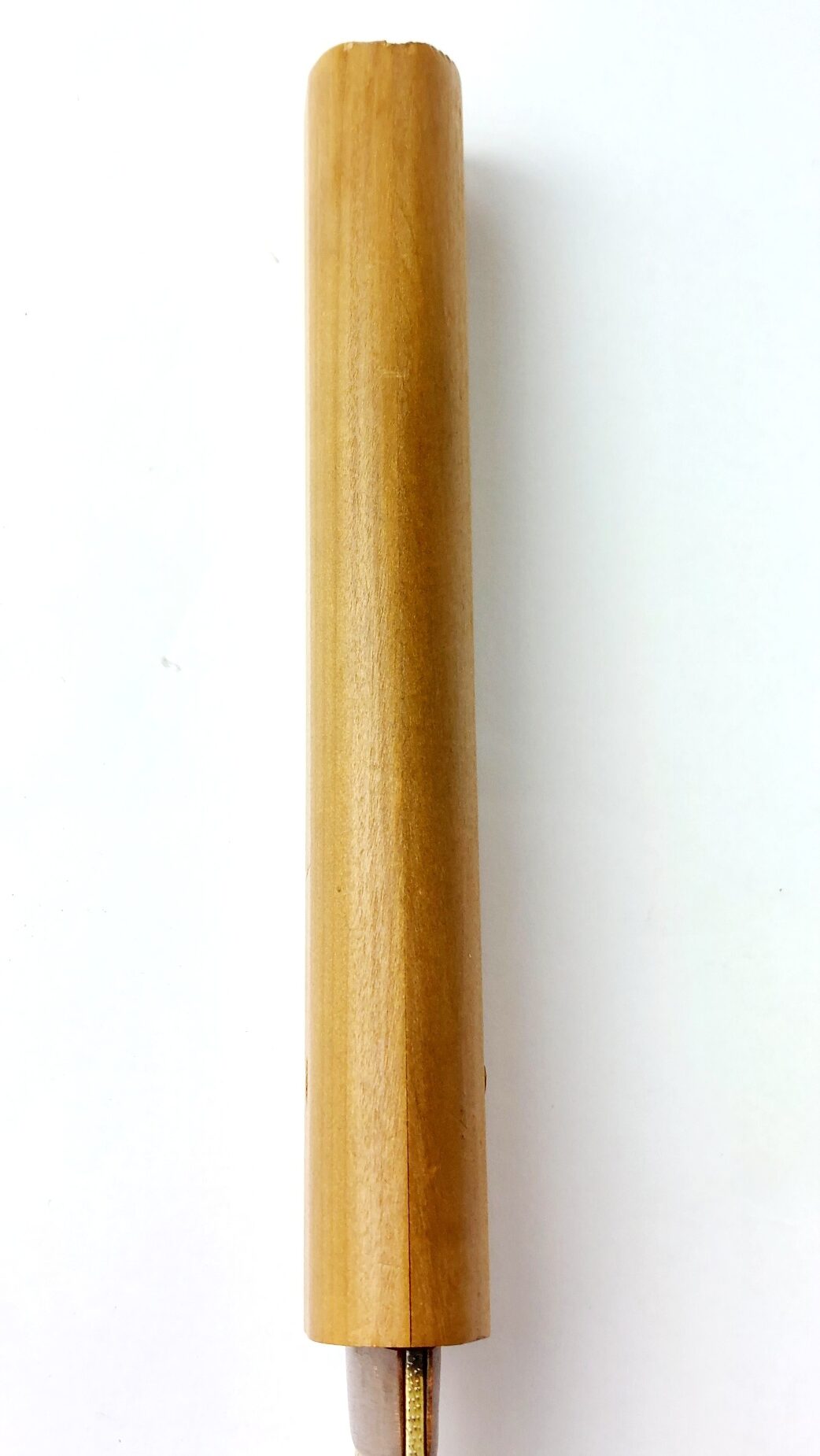
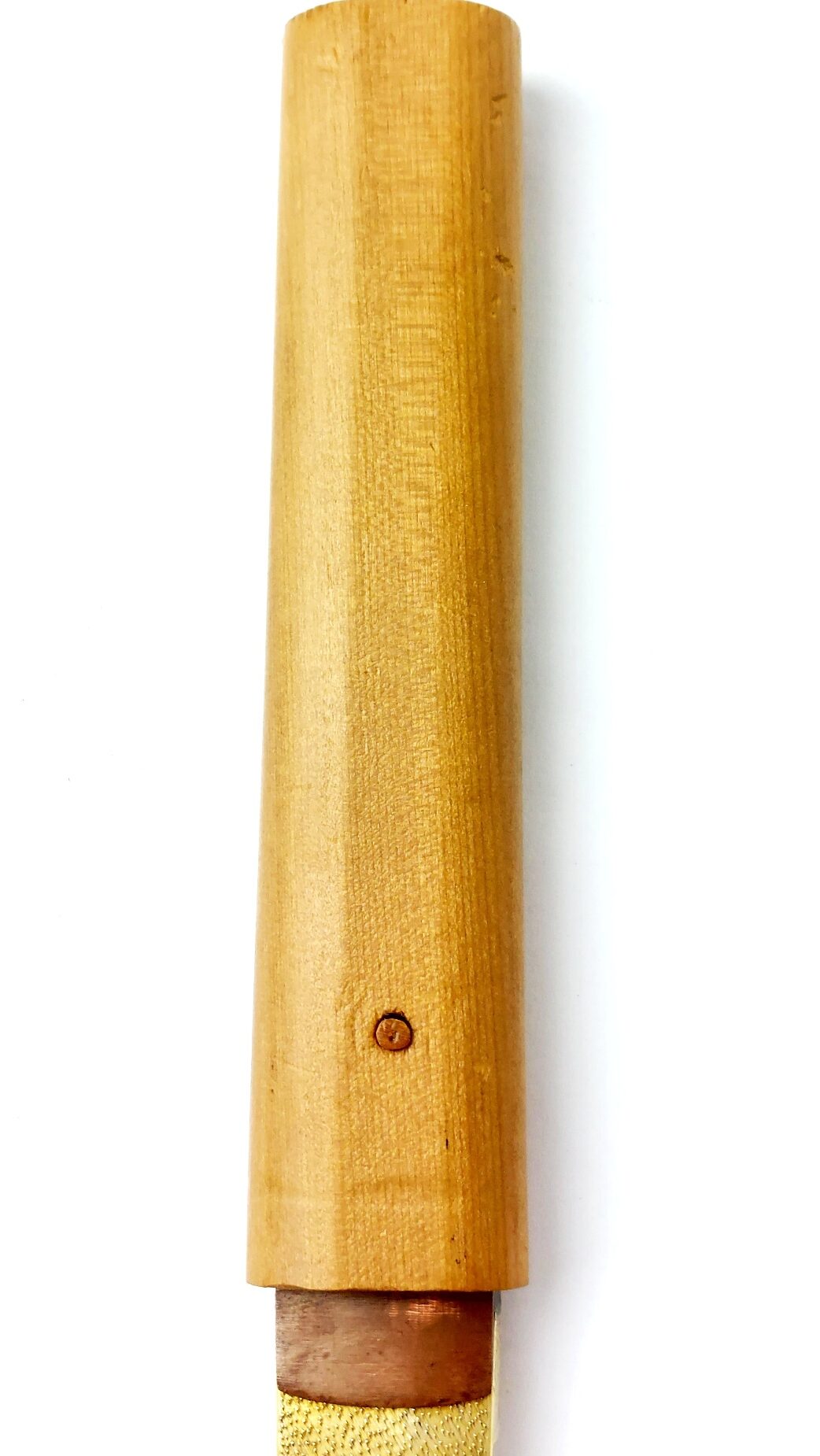
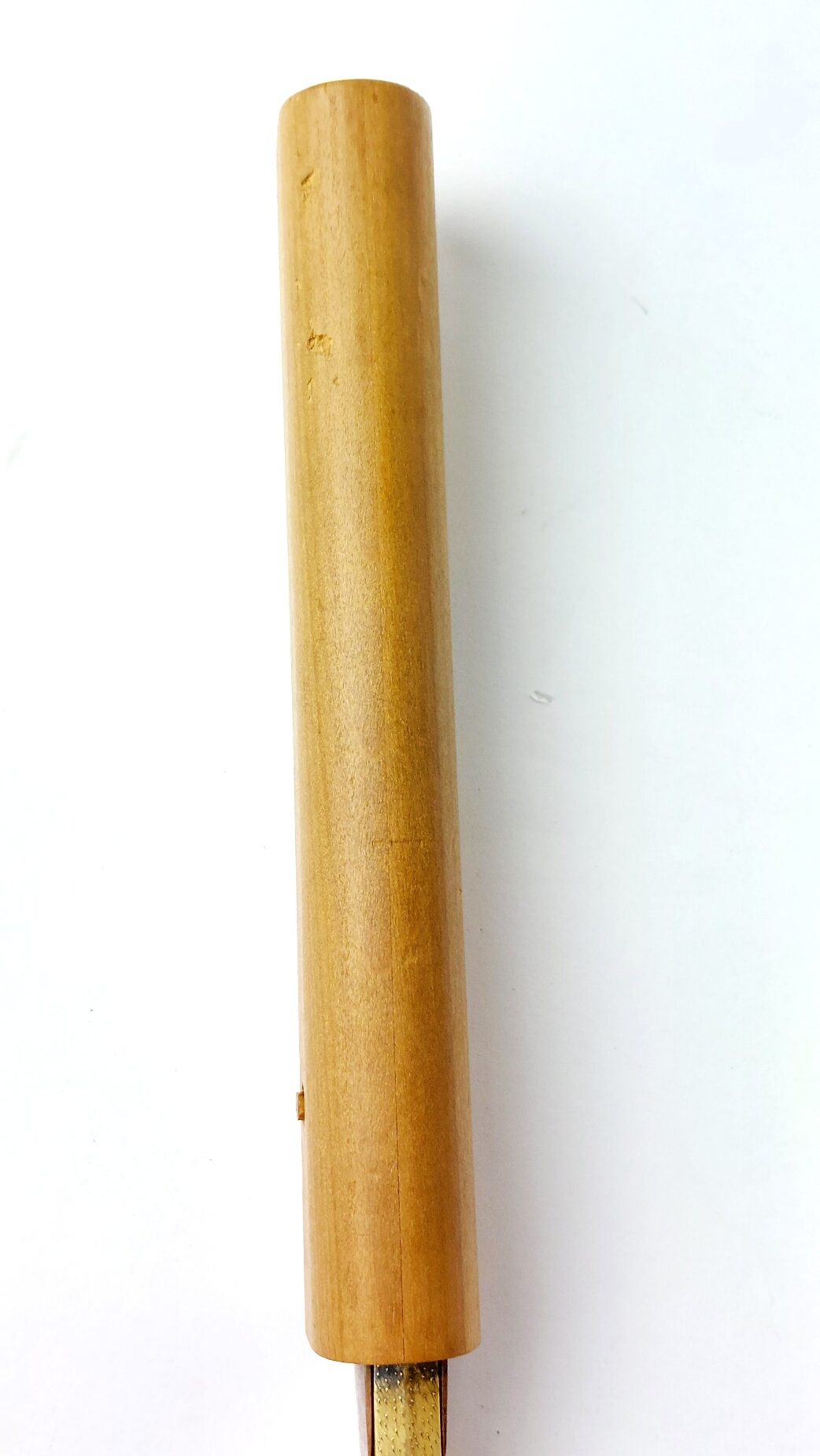
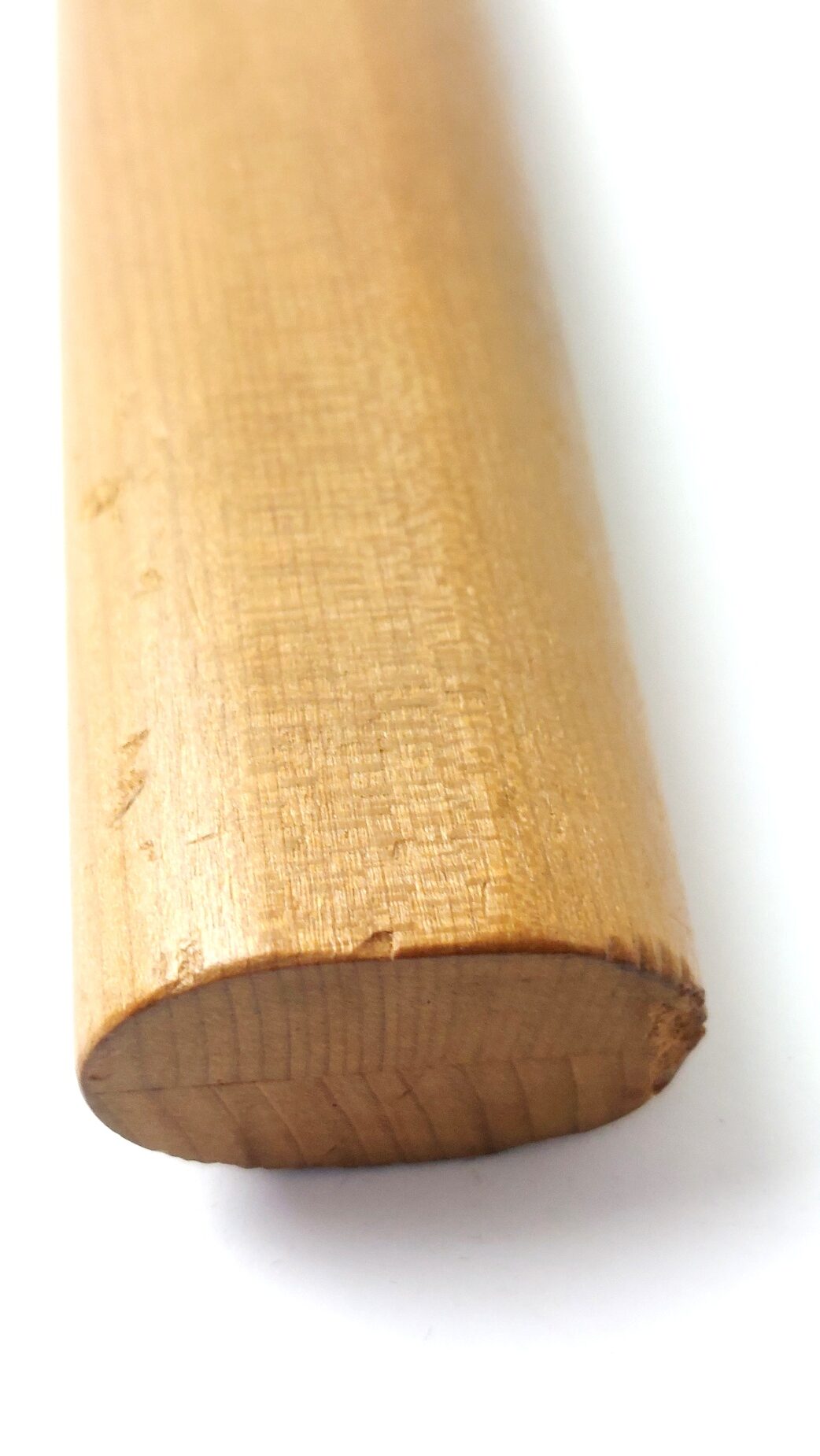
Japanese, Edo Period or Earlier, Wakizashi with Unsigned (Mumei) Blade in Shirasaya, Bearing Attribution to "Nōshū Seki Magoroku Kanemoto"

SKU / Ref. No: JAQ#FDE_300620263330

£2,150.00

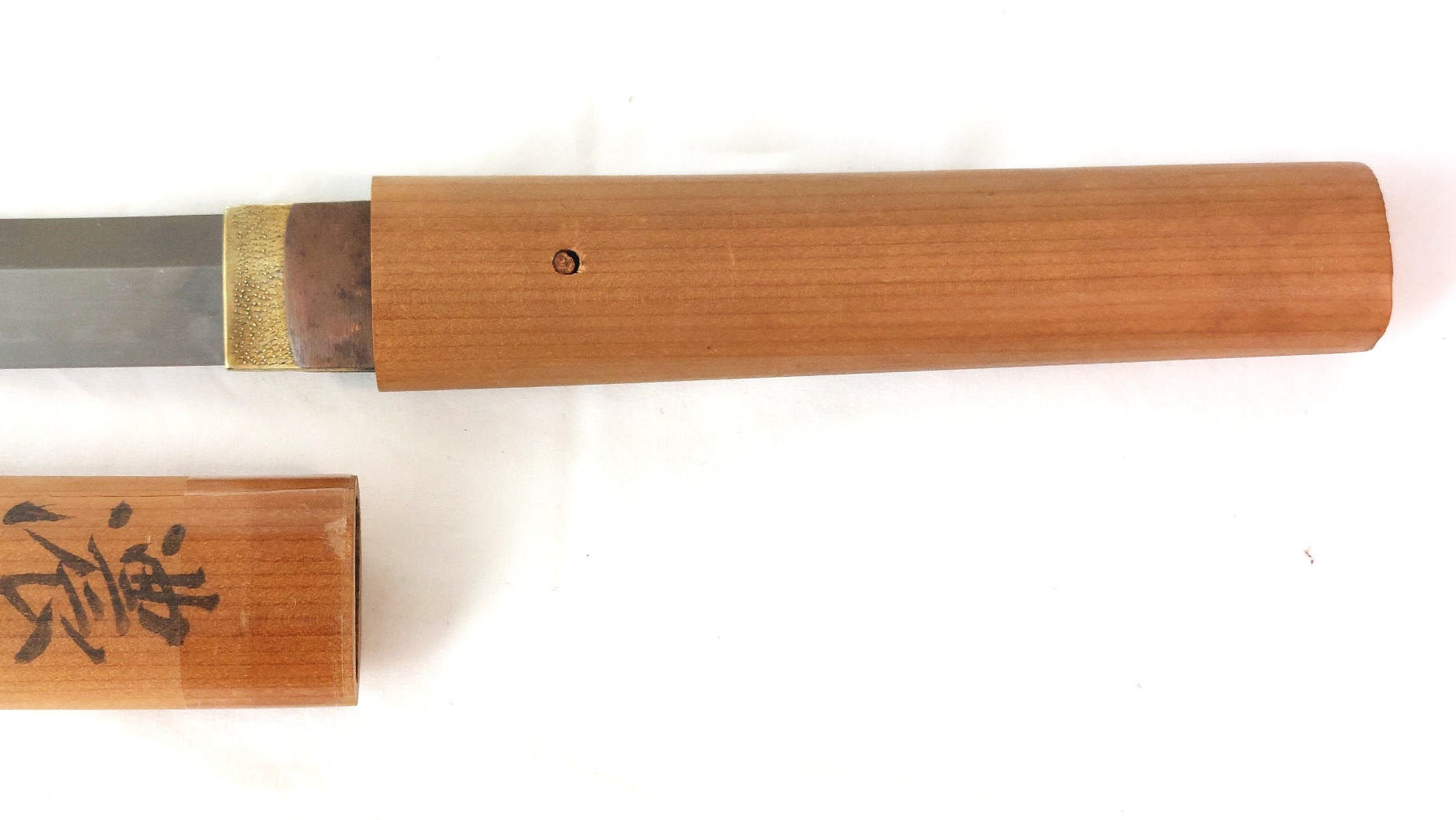
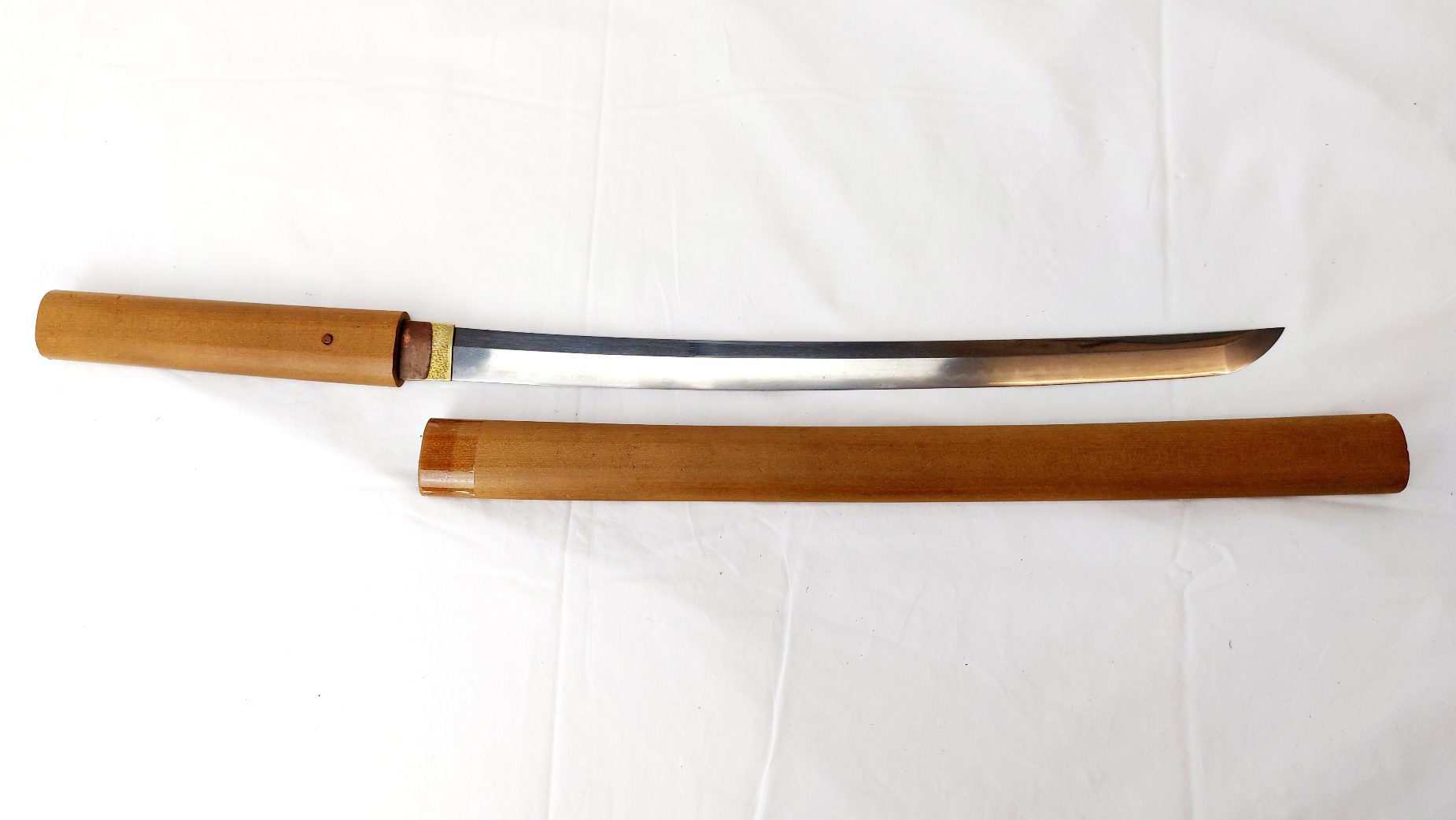
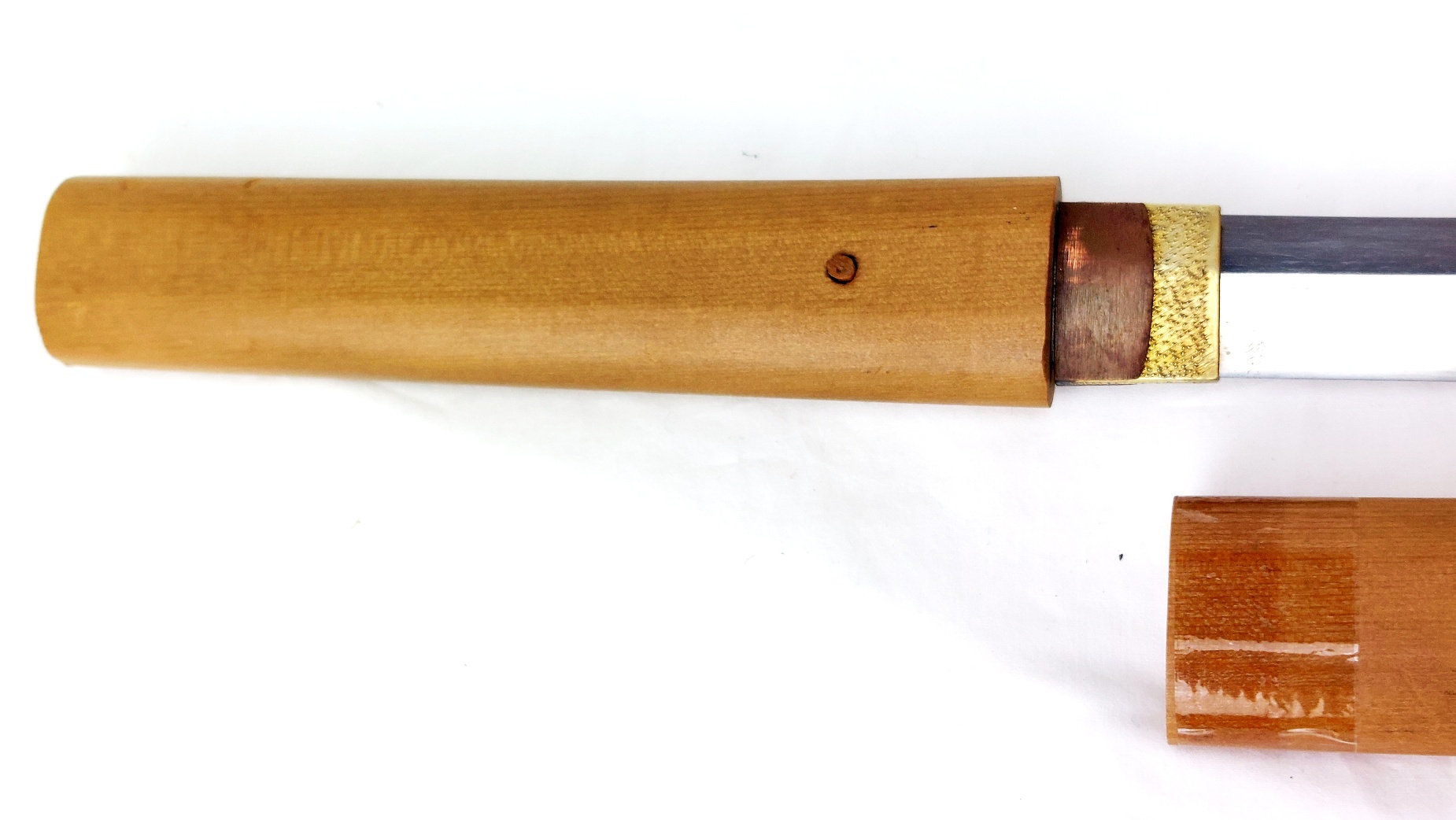
A well-presented Japanese wakizashi with an unsigned blade mounted in traditional shirasaya bearing an attribution to Nōshū Seki Magoroku Kanemoto, complete with gilt-brass habaki and red cloth sword bag. An attractive collector's sword offering historical interest, traditional craftsmanship and excellent potential for further expert study.

Would you like to find out more about this product?

SKU / Ref. No: JAQ#FDE_300620263330

Enquire about this product

*Japanese, Edo Period or Earlier, Wakizashi with Unsigned (Mumei) Blade in Shirasaya, Bearing Attribution to "Nōshū Seki Magoroku Kanemoto"*

- Traditional Japanese wakizashi with unsigned (mumei) blade.
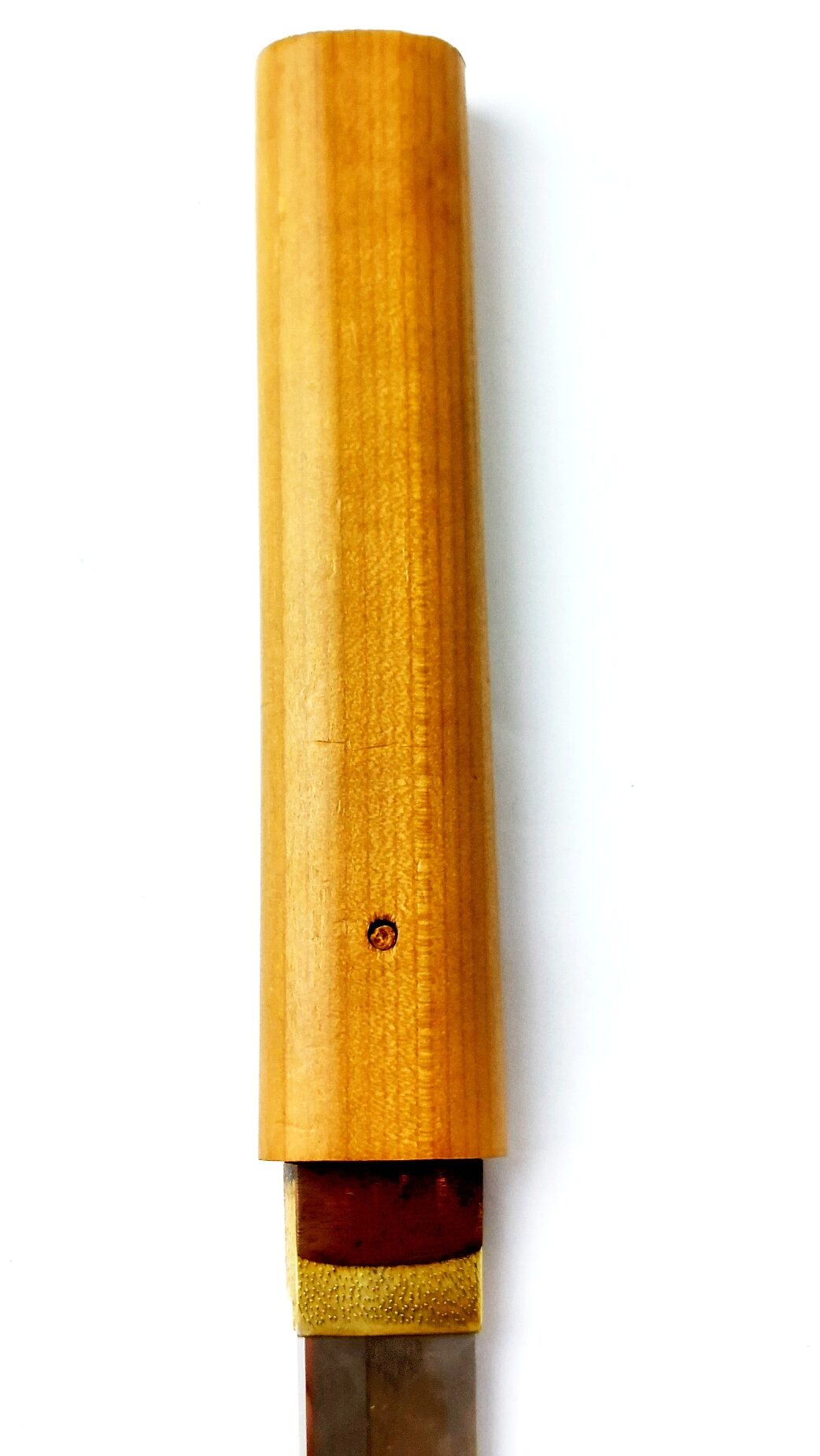
- Mounted in plain wooden shirasaya with gilt-brass habaki.
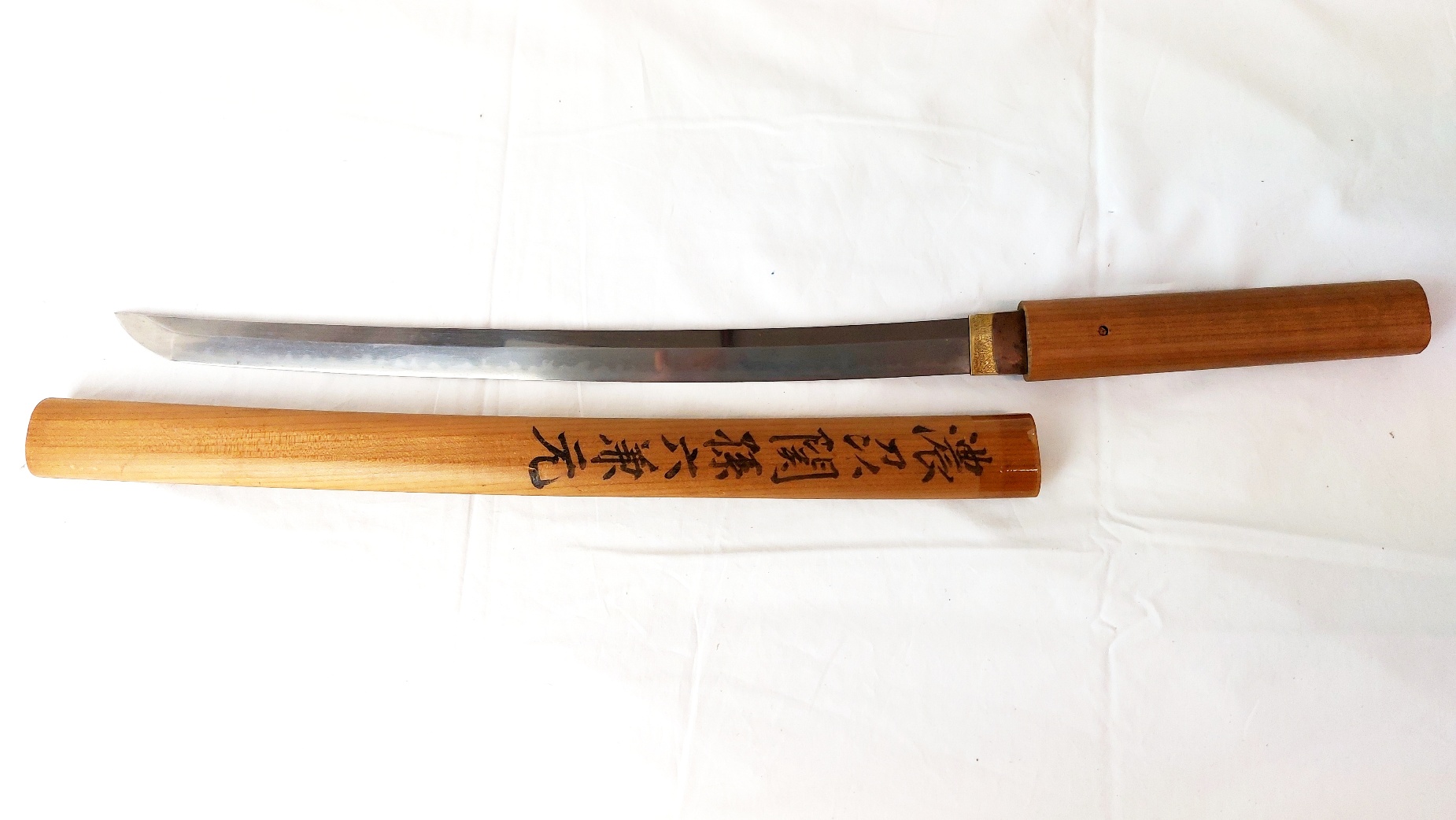
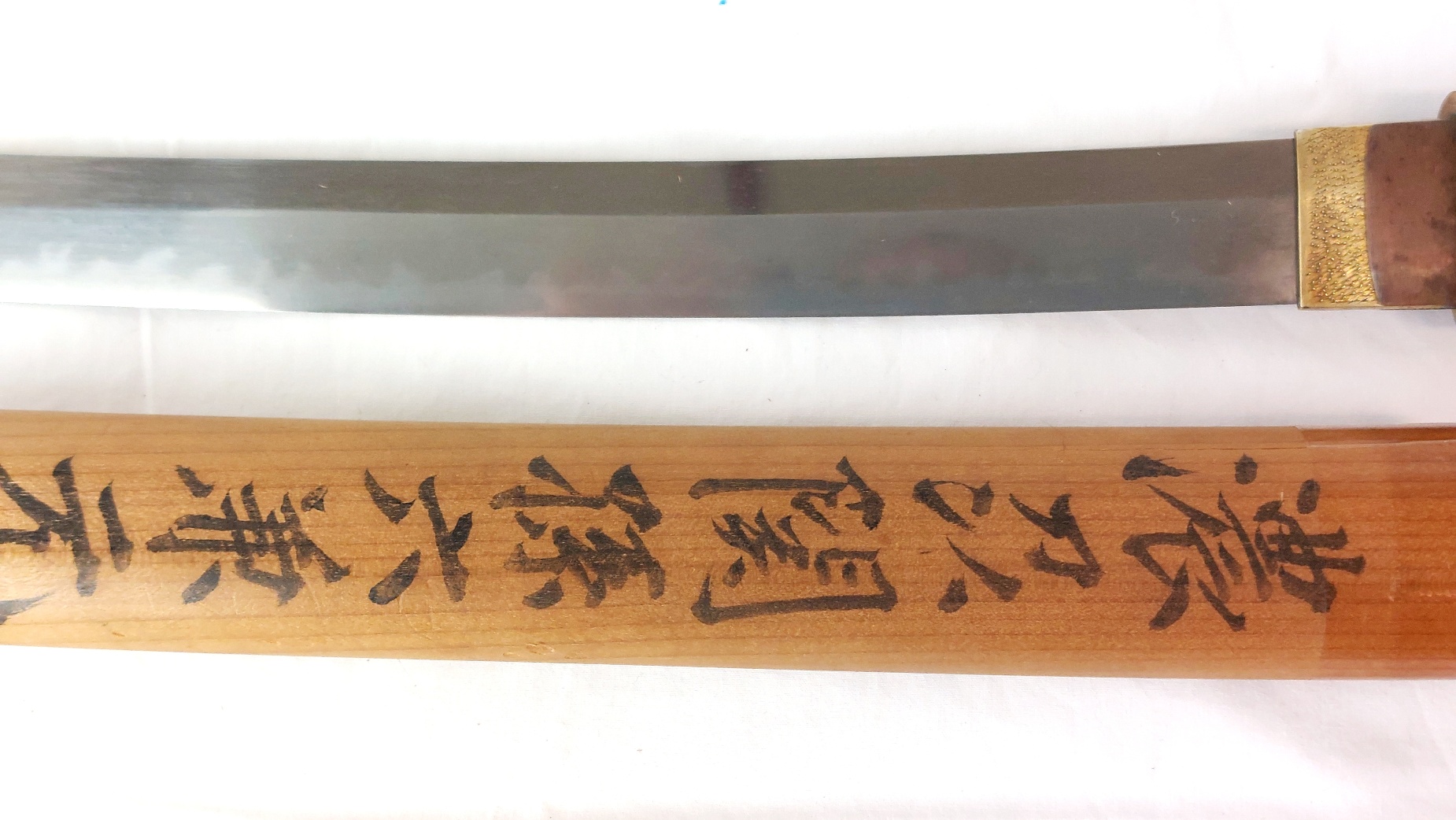
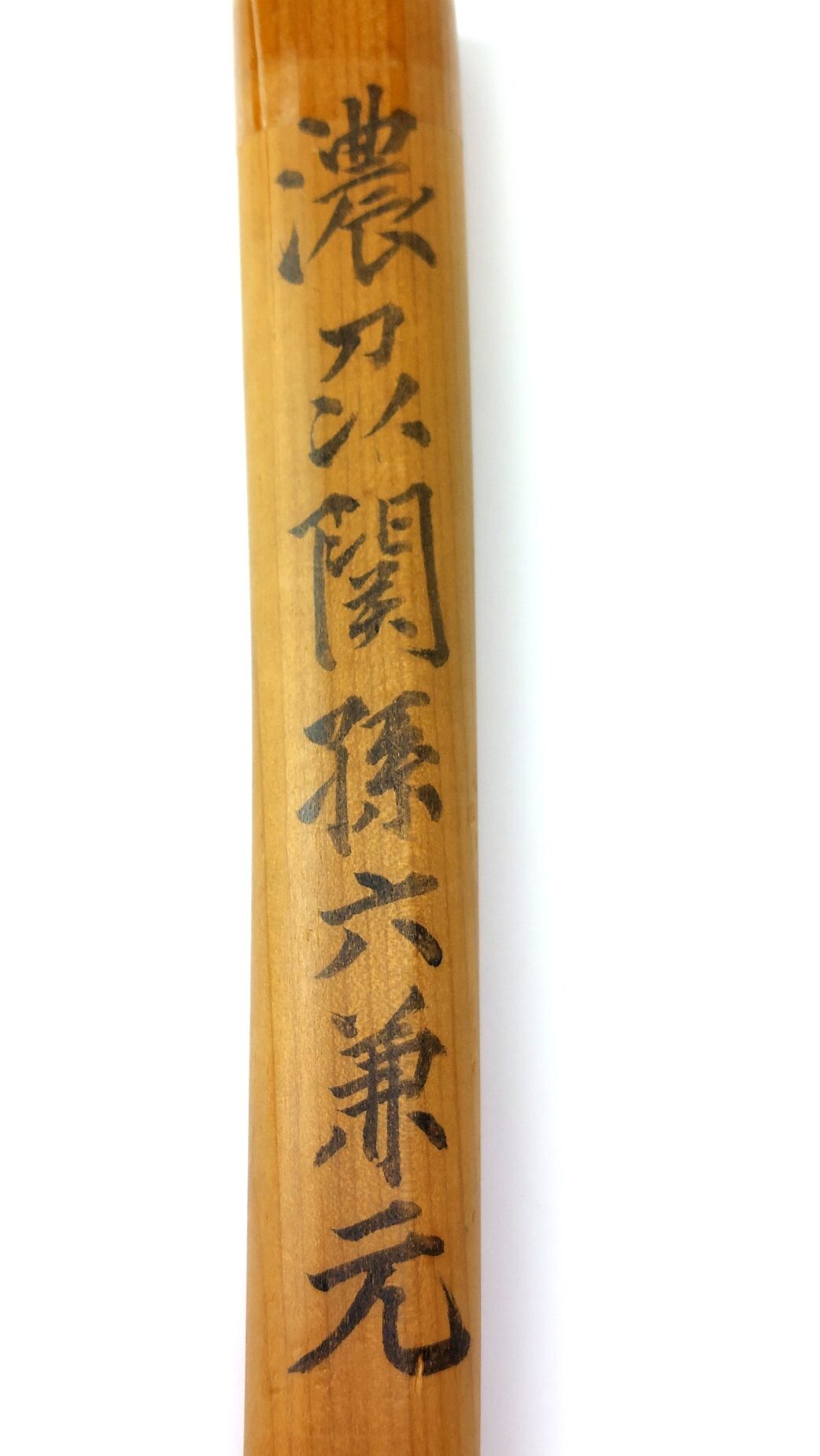
- Shirasaya inscribed 濃州関孫六兼元 (Nōshū Seki Magoroku Kanemoto).
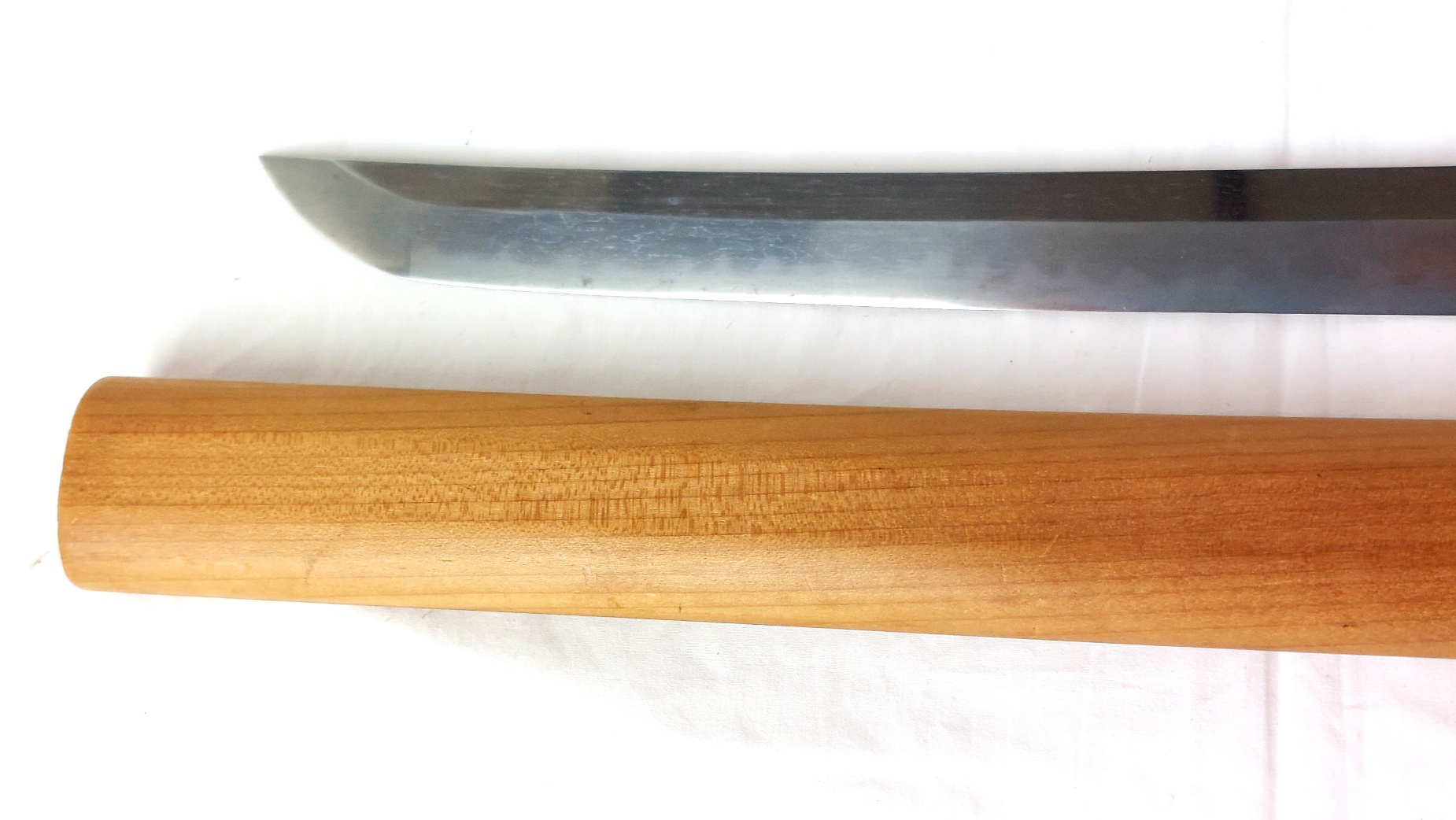
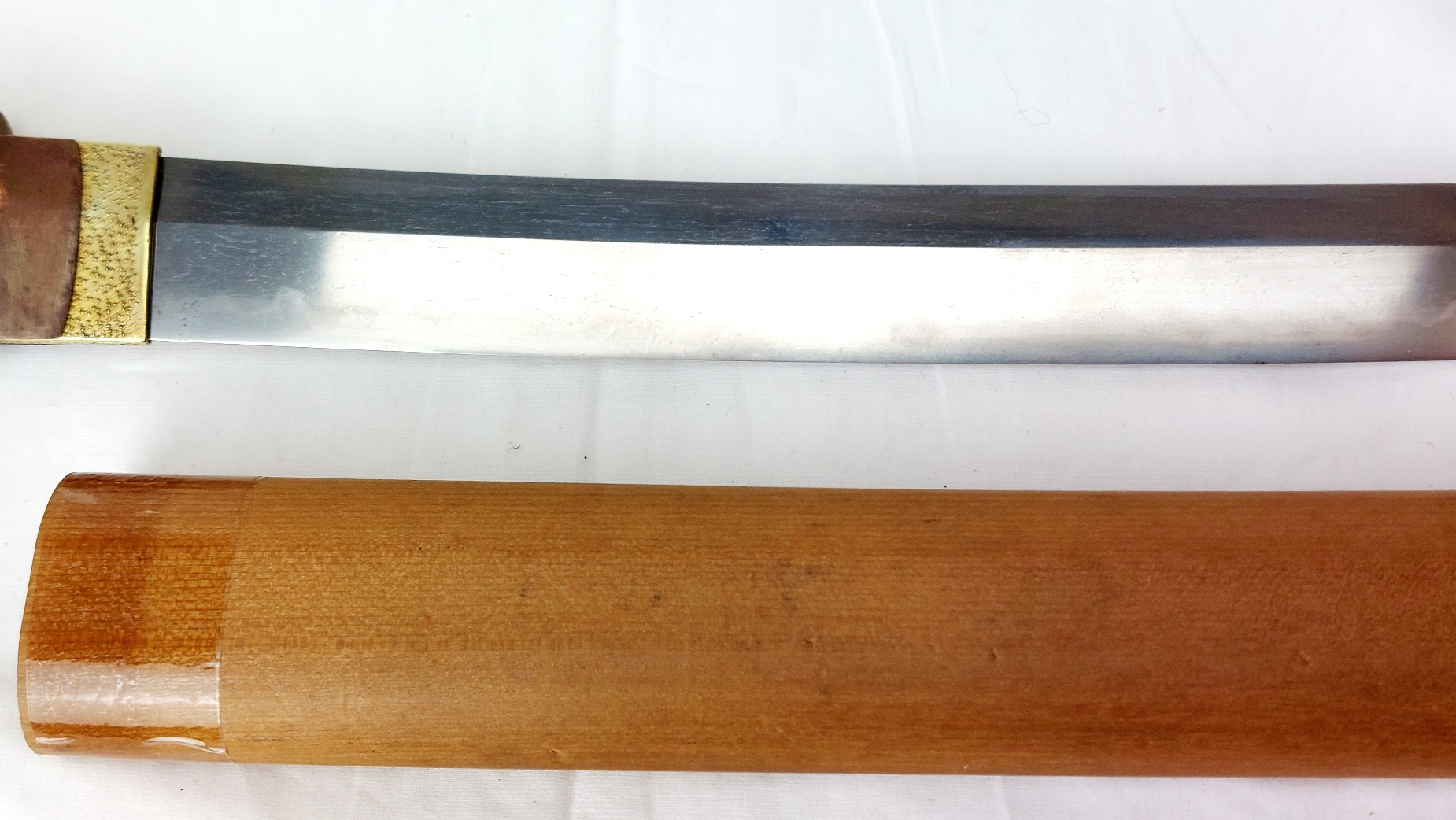
- Visible hamon displaying pointed elements reminiscent of the Kanemoto school's celebrated sanbonsugi style.
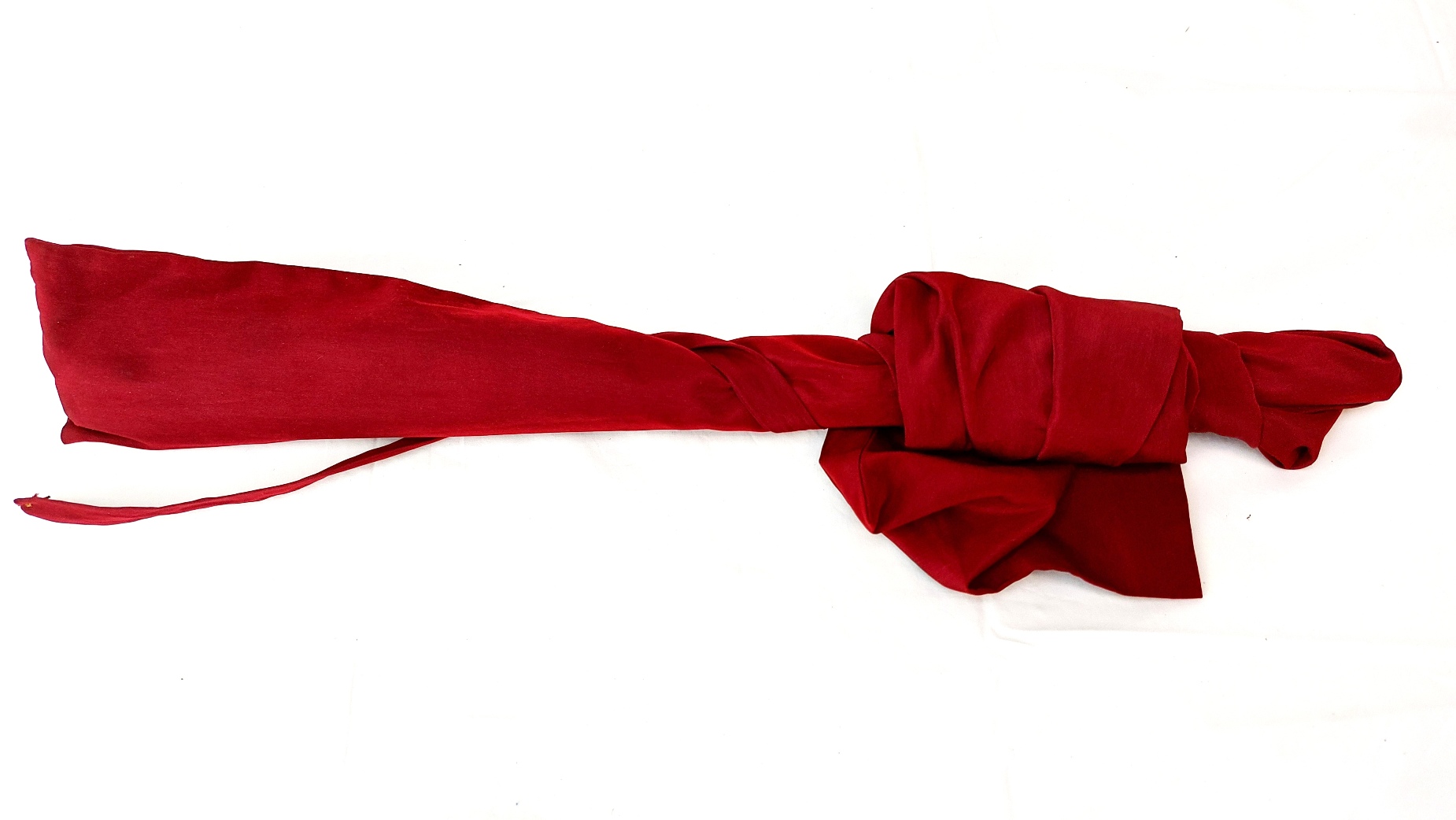
- Complete with red cloth sword storage bag.
- An attractive collector's piece offering excellent scope for further research and professional appraisal.

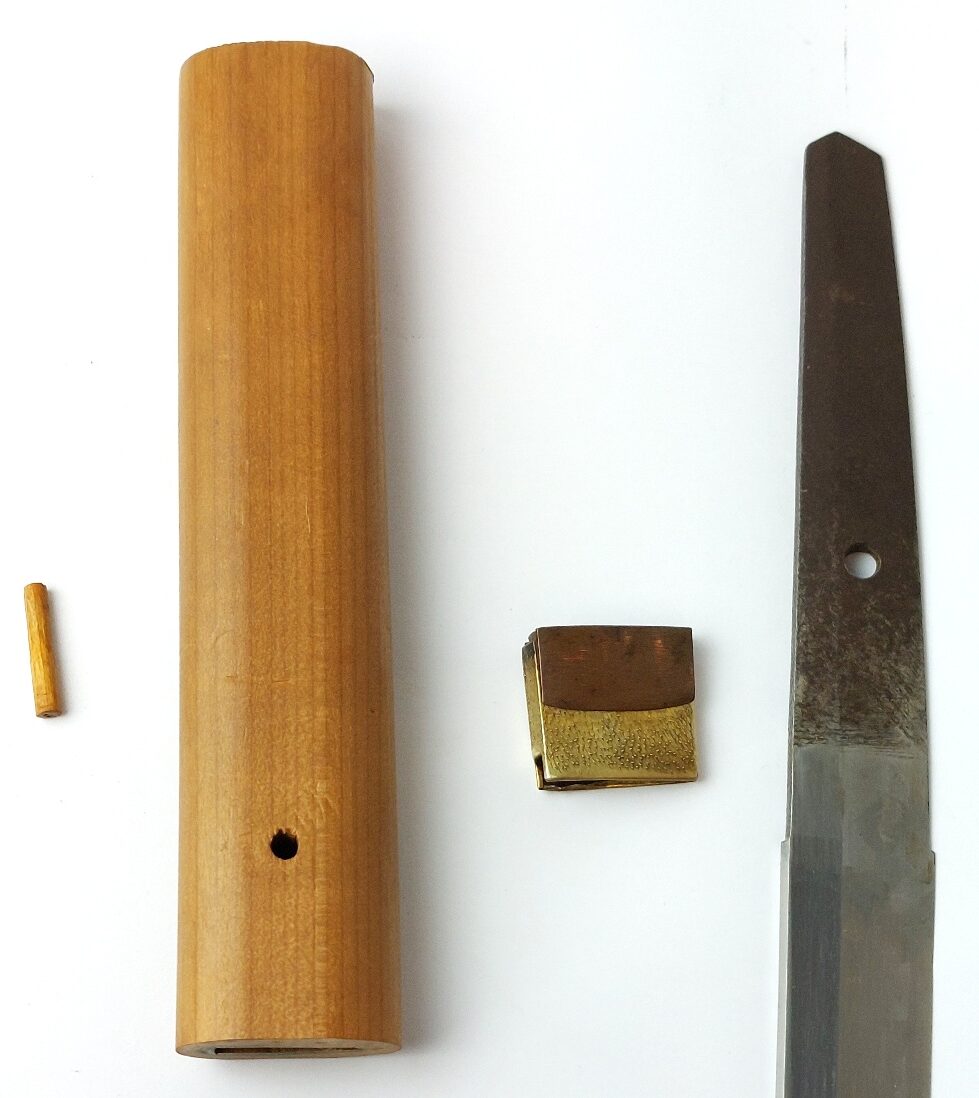
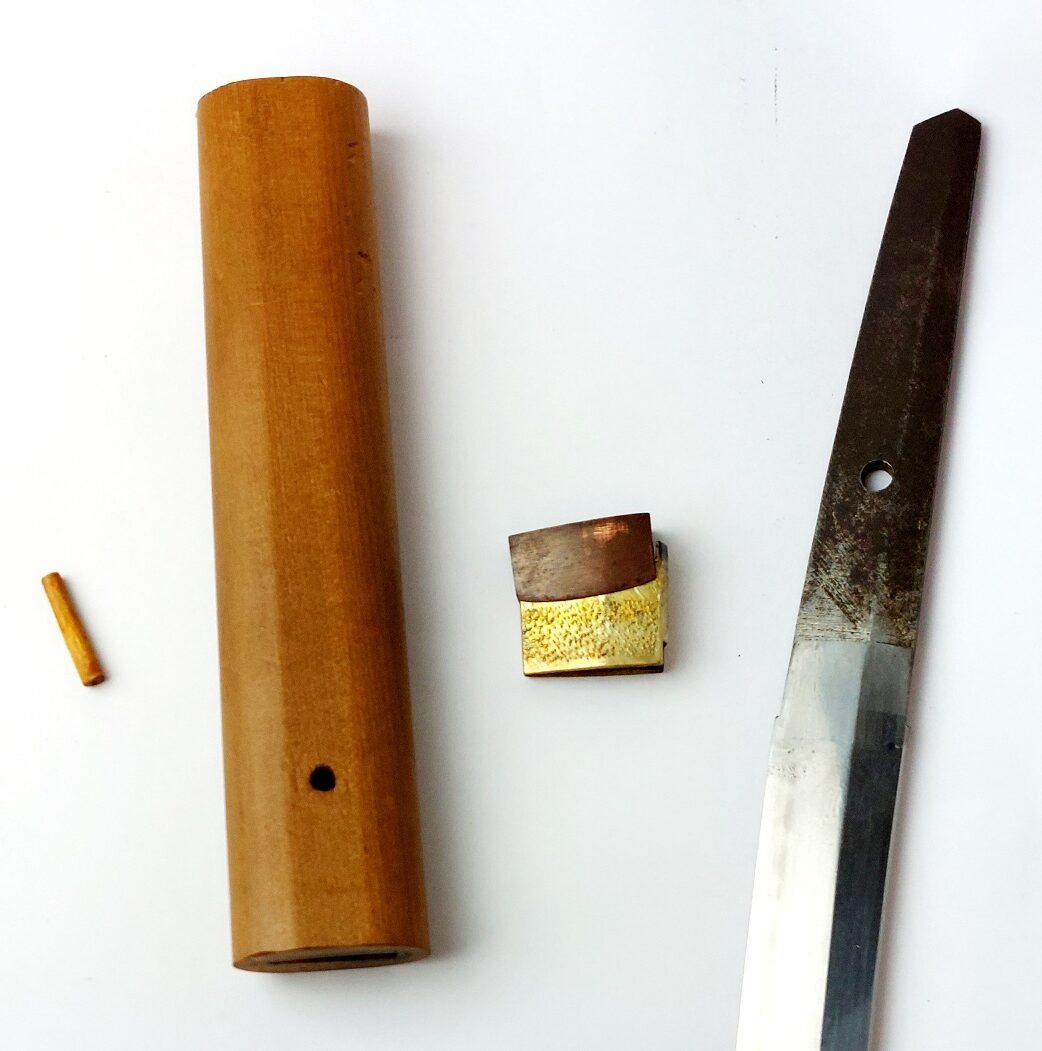
A traditional Japanese wakizashi with an unsigned (mumei) blade mounted in a plain wooden shirasaya, fitted with a gilt-brass habaki and accompanied by a red cloth sword storage bag.

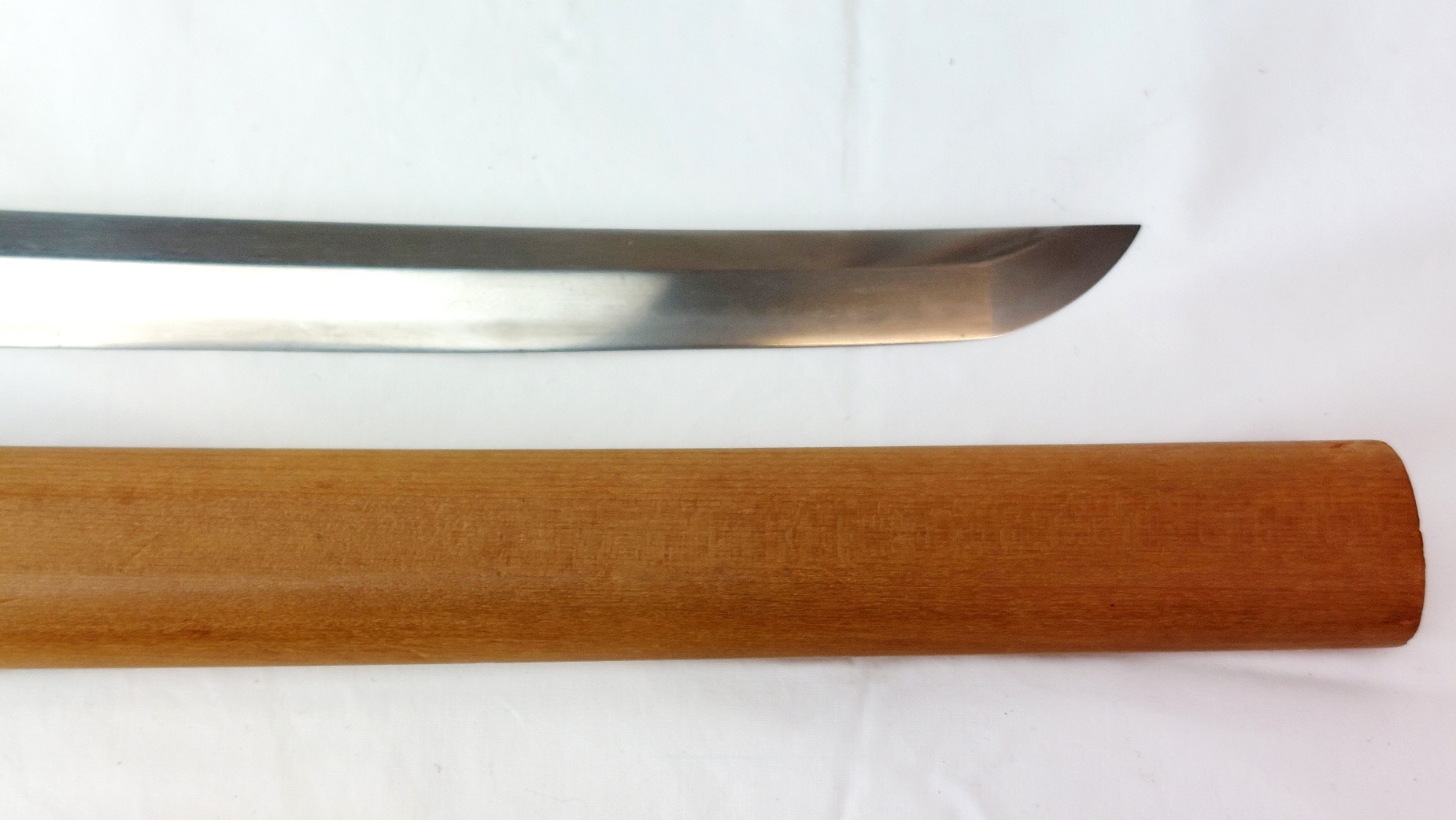
The blade is of classic shinogi-zukuri form with an elegant curvature and a well-proportioned chū-kissaki. It remains in a pleasing traditional polish, allowing the hamon to be appreciated along much of the cutting edge. The visible temper line displays pointed elements reminiscent of the celebrated sanbonsugi ("three cedars") style associated with the Kanemoto school of Mino Province, although the present polish and photographic evidence are insufficient to confirm the exact pattern with certainty. The tang is unsigned (mumei) and retains a single mekugi-ana.

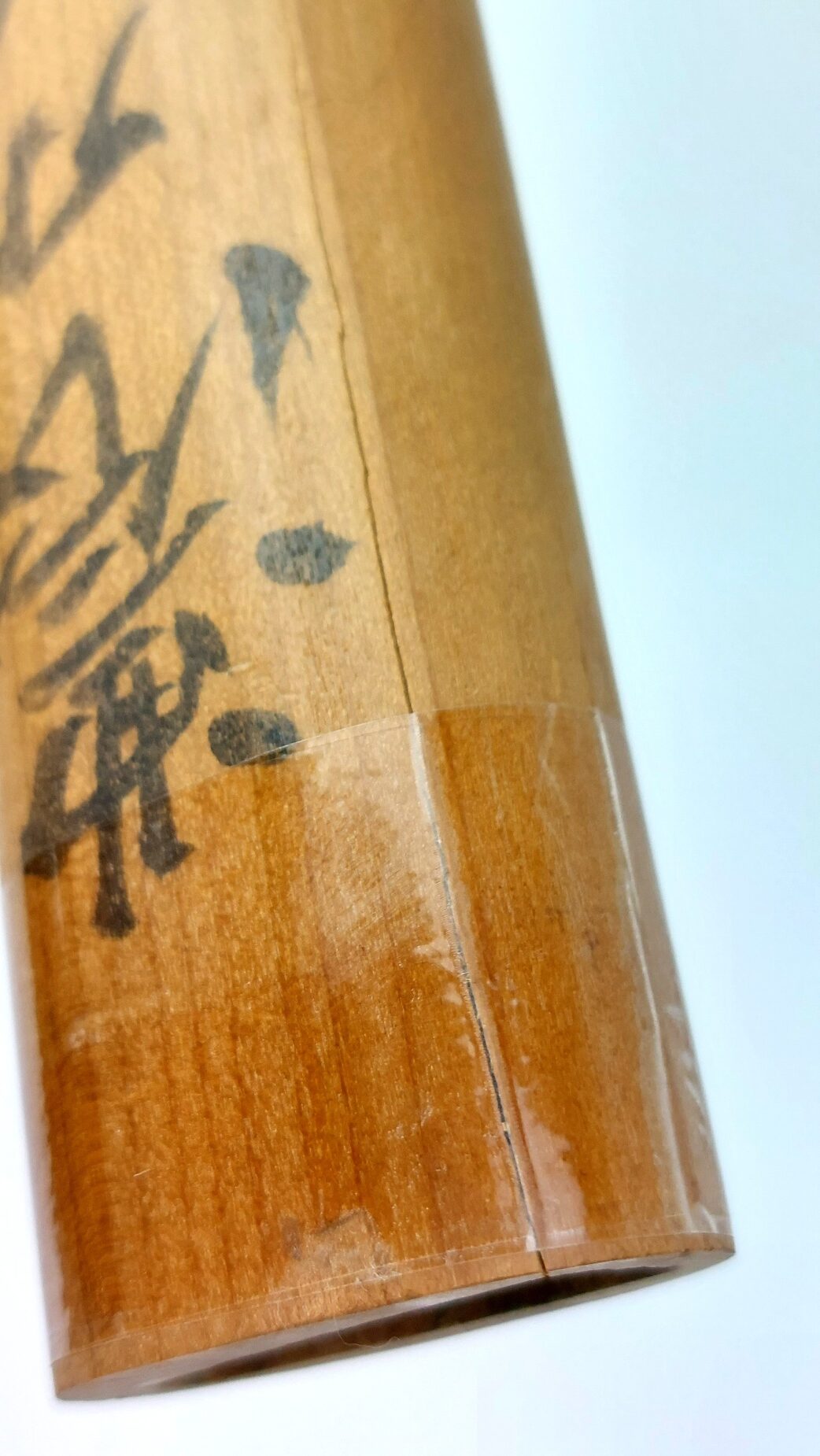
The blade is housed in a well-made wooden shirasaya fitted with a plain gilt-brass habaki. The exterior of the shirasaya bears the handwritten inscription:
濃州関孫六兼元 (Nōshū Seki Magoroku Kanemoto)
This identifies the famous Kanemoto tradition of Seki in Mino Province. The style of handwriting is consistent with a practical identification or dealer's attribution rather than a formal sayagaki by a recognised Japanese sword authority. As the blade itself is unsigned and is not accompanied by NBTHK, NTHK or other authentication papers, the inscription should be regarded solely as an attribution and not as proof that the blade is the work of Magoroku Kanemoto.

The wakizashi is further accompanied by a red cloth sword bag for storage and protection.

Overall, this is an attractive and well-presented Japanese wakizashi that offers considerable appeal both as a display piece and as an opportunity for further study by collectors of Japanese swords.

Approximate Measurements: Overall length: 59cm. Blade length: 41.5cm

History Note:
The wakizashi formed one half of the traditional daishō, the paired swords worn by the samurai, and was carried as both a practical sidearm and a symbol of status throughout the Edo period (1603–1868). Unlike the longer katana, the wakizashi could be worn indoors and accompanied its owner in situations where the principal sword was surrendered.

The inscription on the shirasaya references Magoroku Kanemoto, one of the most celebrated swordsmiths of Japan's Mino tradition. Working during the Muromachi period, Magoroku Kanemoto became renowned for producing exceptionally effective cutting swords distinguished by their characteristic sanbonsugi ("three cedars") hamon. His work proved so influential that numerous later generations of Kanemoto smiths, together with many other makers working in Seki, adopted and imitated this distinctive tempering style.

As this blade is unsigned (mumei) and unpapered, it cannot be attributed to Magoroku Kanemoto on the basis of the shirasaya inscription alone. It may represent the work of a later Kanemoto-school smith or another Mino tradition maker working in the characteristic style, but a definitive attribution would require examination by a recognised Japanese sword authority.

*Condition*
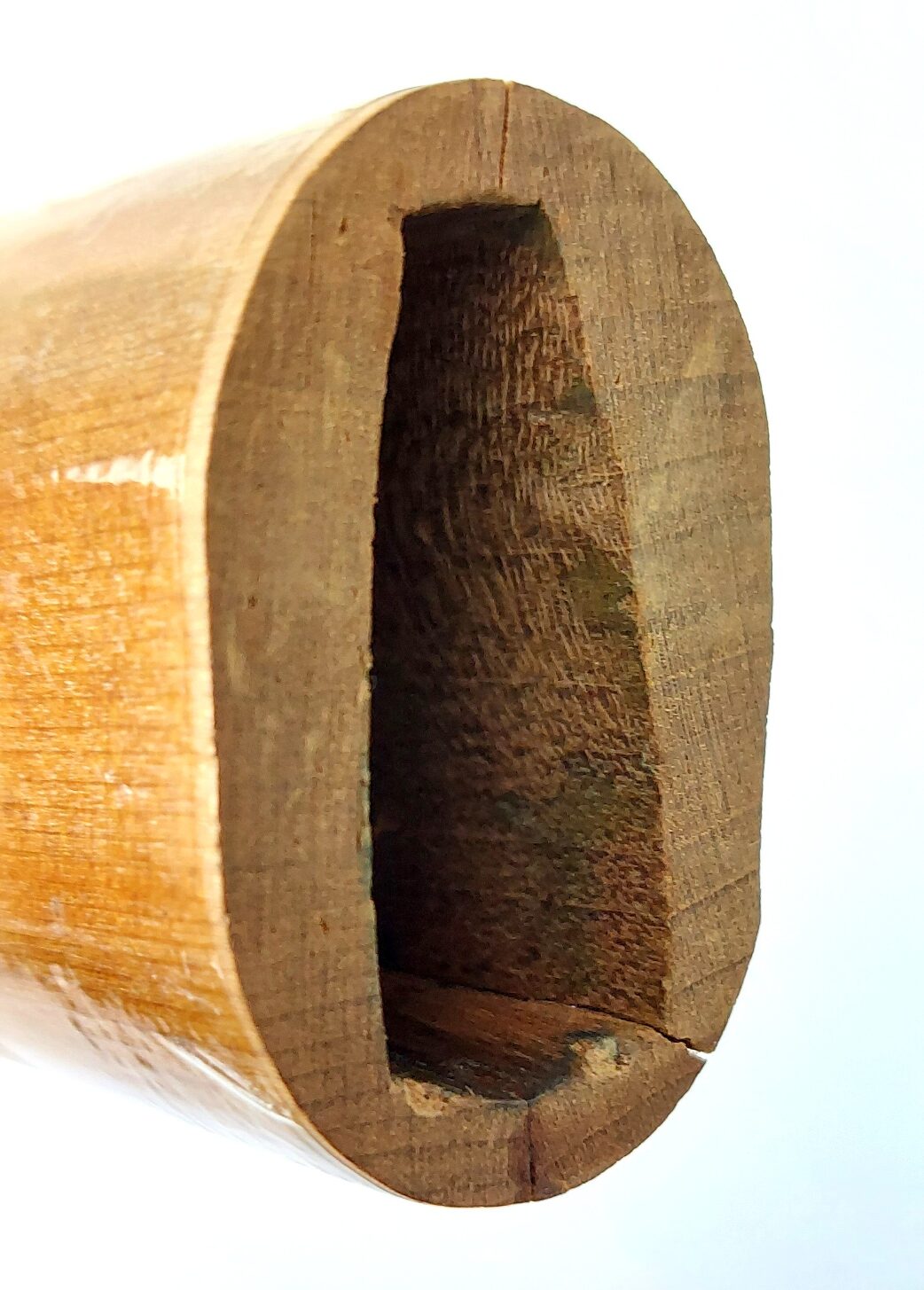
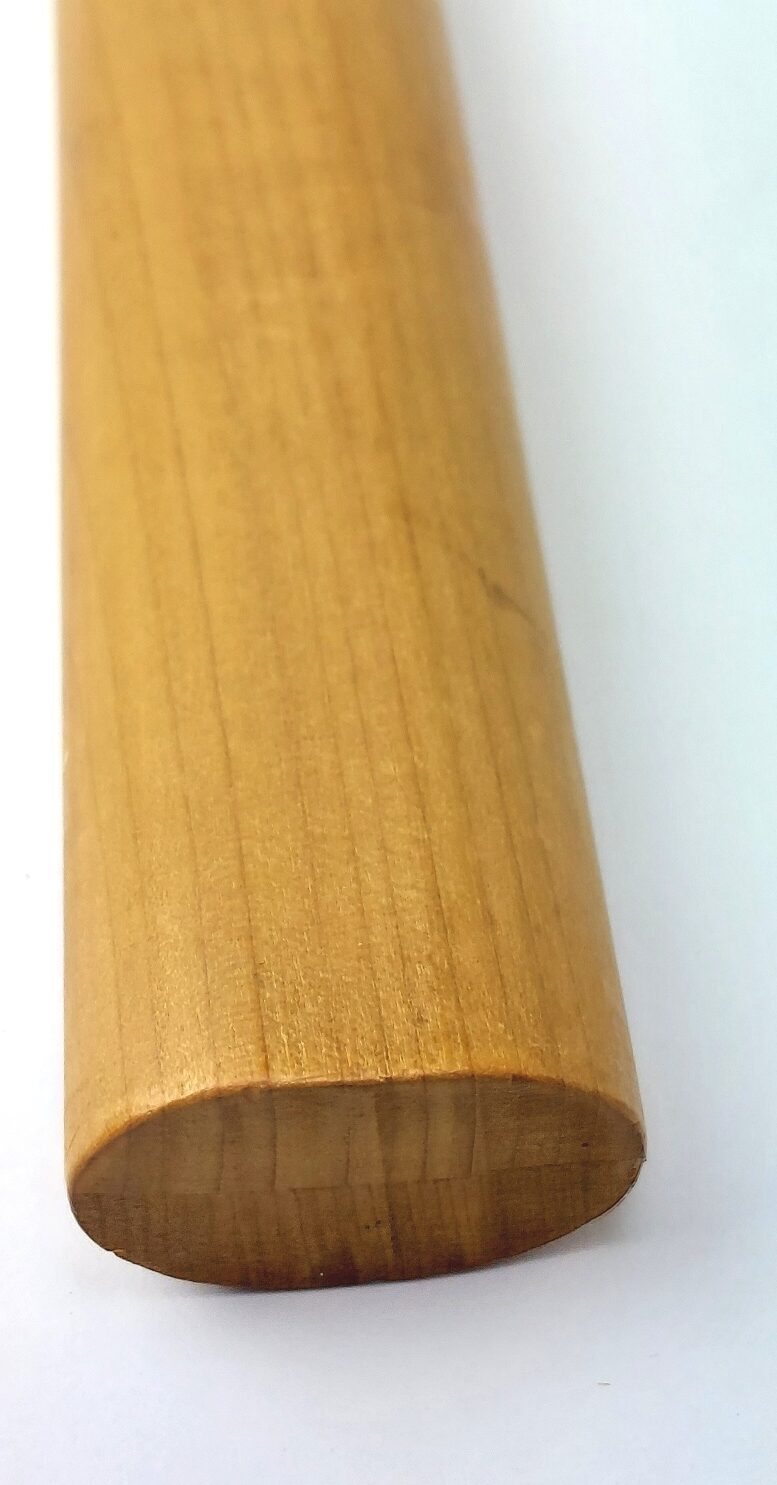
Presented in good overall condition consistent with age. The blade retains an attractive polish with light age-related surface marks, minor areas of staining and oxidation, and no obvious edge chips visible in the photographs. The hamon remains visible along much of the blade. The tang is unsigned (mumei) and retains a single mekugi-ana. The gilt-brass habaki fits securely and displays only light age-related wear. The wooden shirasaya remains structurally sound and retains its handwritten inscription. There is a stable age-related split running along one side of the scabbard together with a small split around the mouth, both typical of aged wooden storage mounts and not appearing to affect functionality. The wooden mekugi has been removed and is present separately. Please refer carefully to the photographs for the overall condition.

JAQ#FDE_300620263330

, , , , , , , , , , , , , , , , , , ,

Download QRPrint QR

Important!

*In order to complete the online purchase we will require a picture/scan of a photo ID (Driving Licence, Passport or an official document with a recent picture). If you don't posses any such document please call to buy.
If we consider that the proof of ID is incorect or insuficient, we reserve the right to cancel the transaction.

*We also reserve the right to cancel the transaction with a full refund if there is any suspicion that the provided item will be used in any way contrary to the laws and legislation of UK.

Scroll to Top