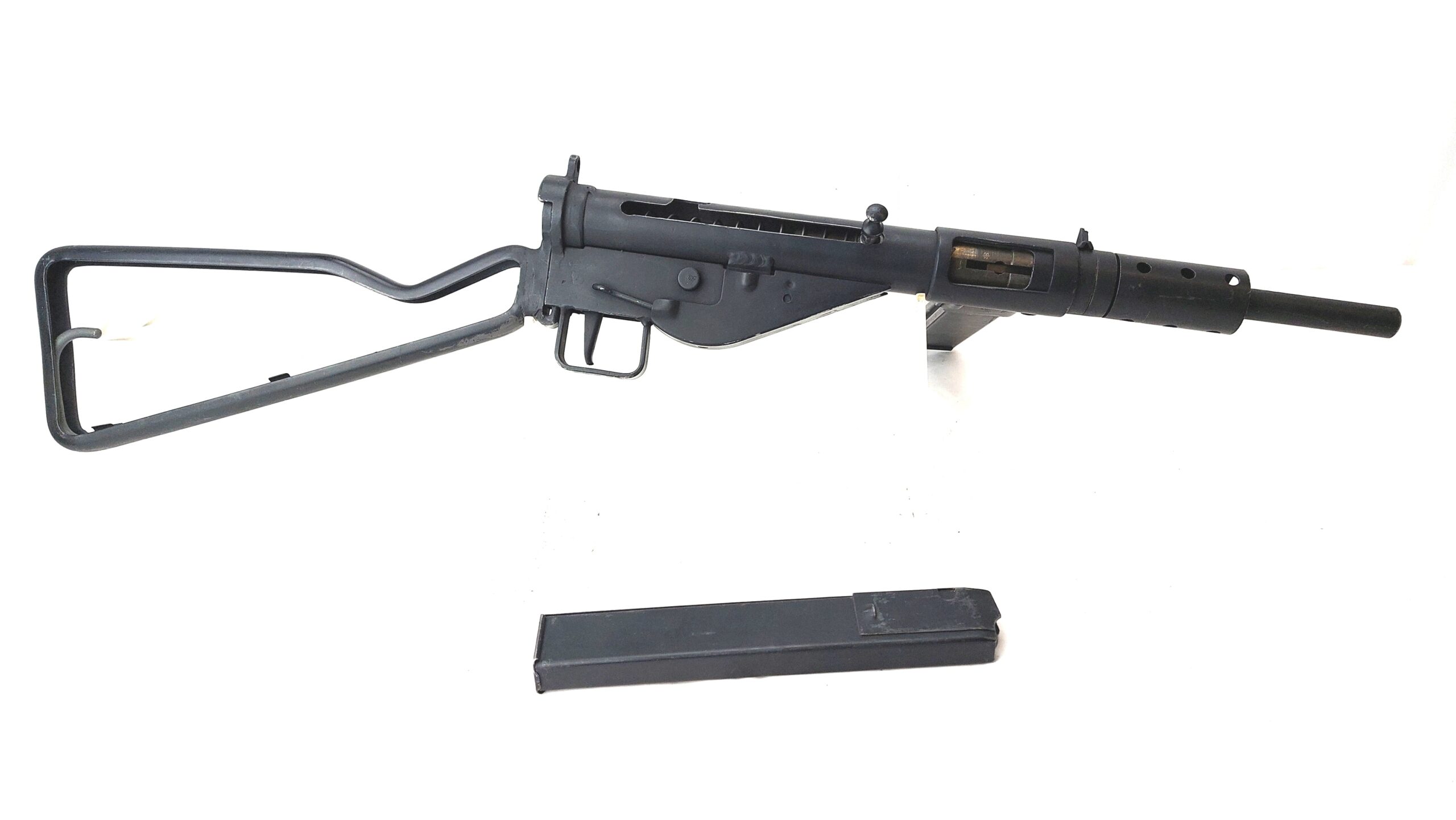
*British, WWII, STEN Mk II 9mm Submachine Gun with Skeleton Stock, Matching Serial No. 48057, Sterling (S23) Components, Two Magazines & Cleaner, Old Spec Deactivation*
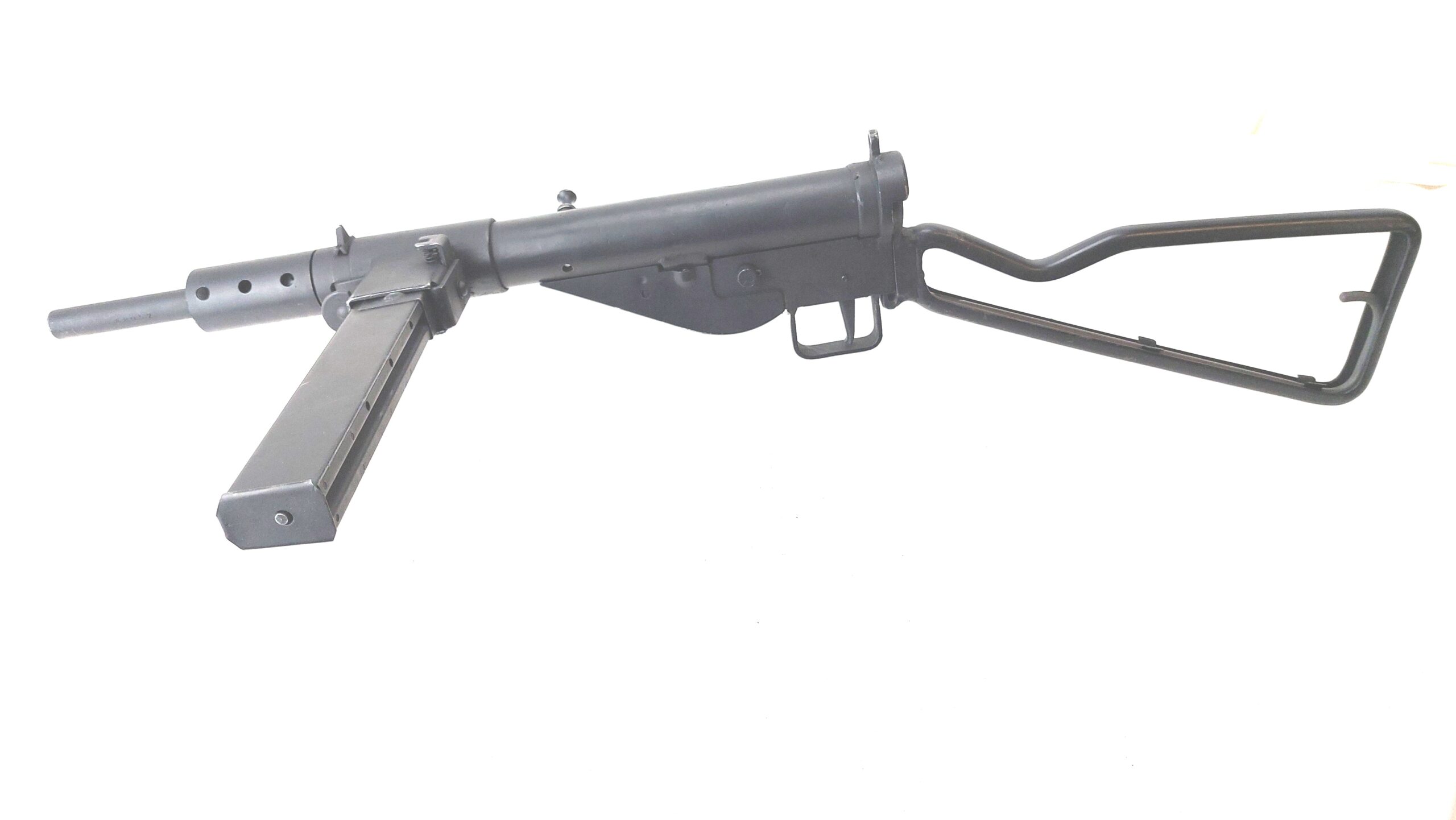
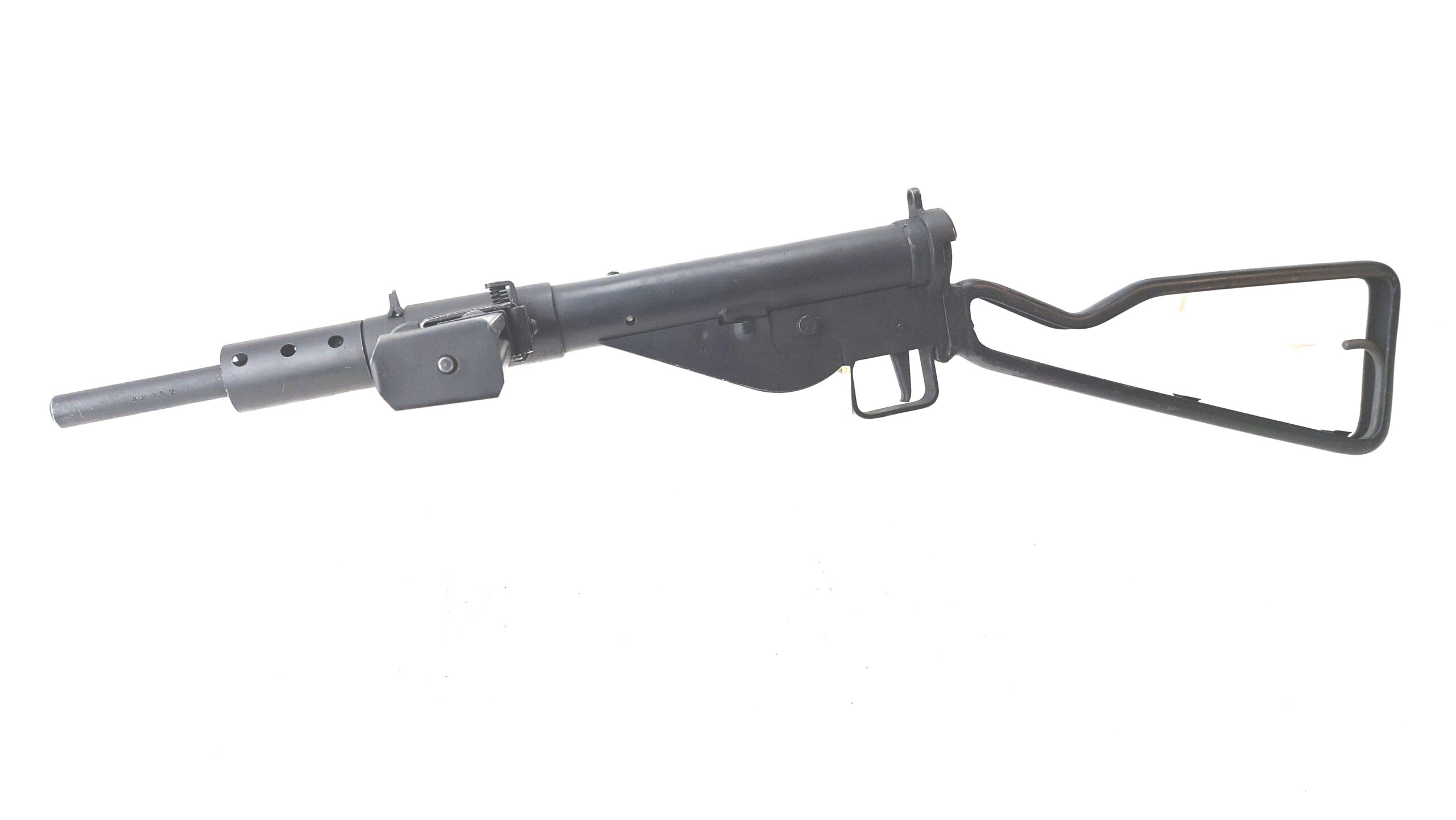
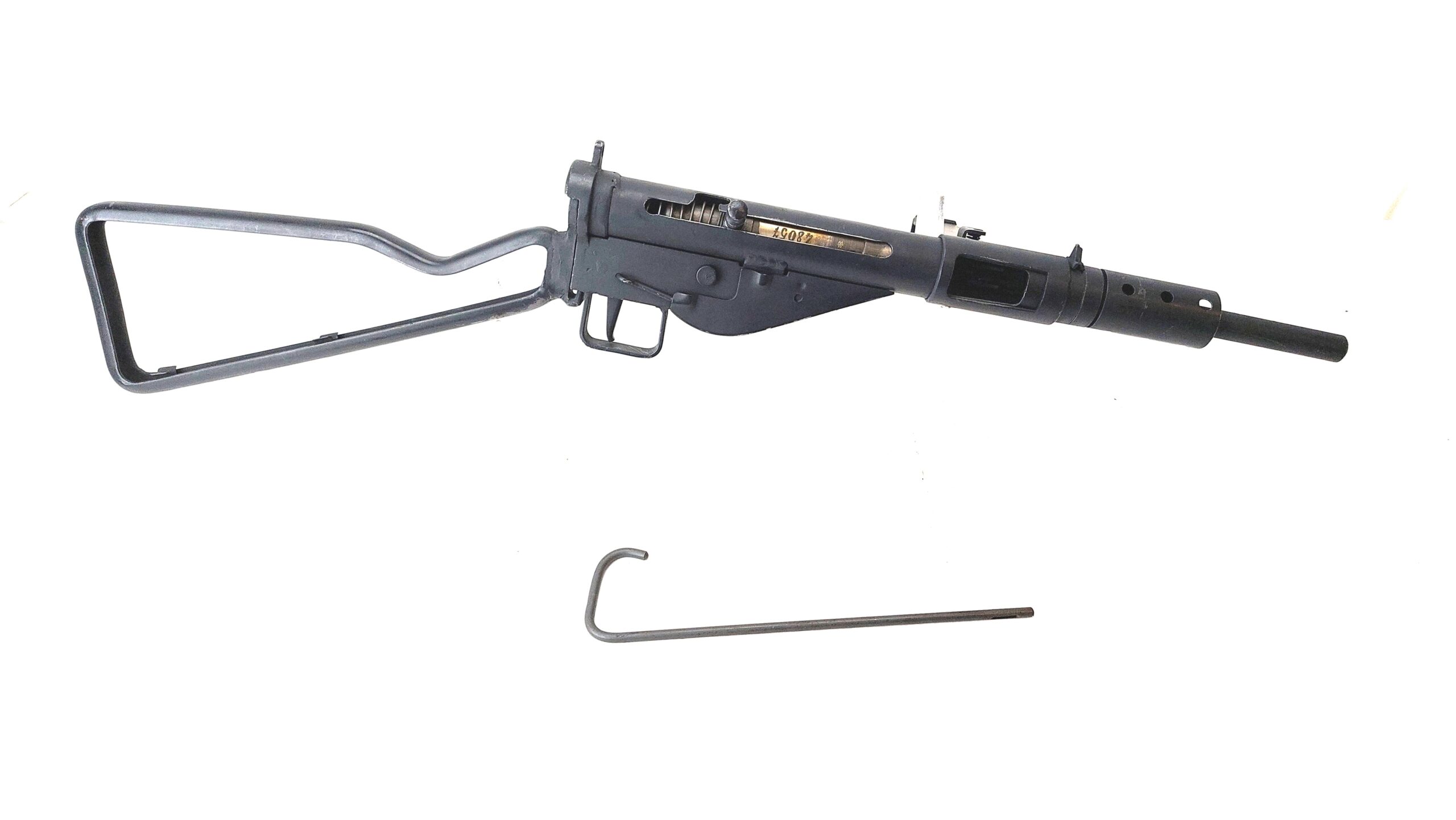
A particularly clean and desirable example of the iconic Second World War British STEN Mk II submachine gun, serial number 48057, retaining matching numbered components and accompanied by magazines and cleaning rod.
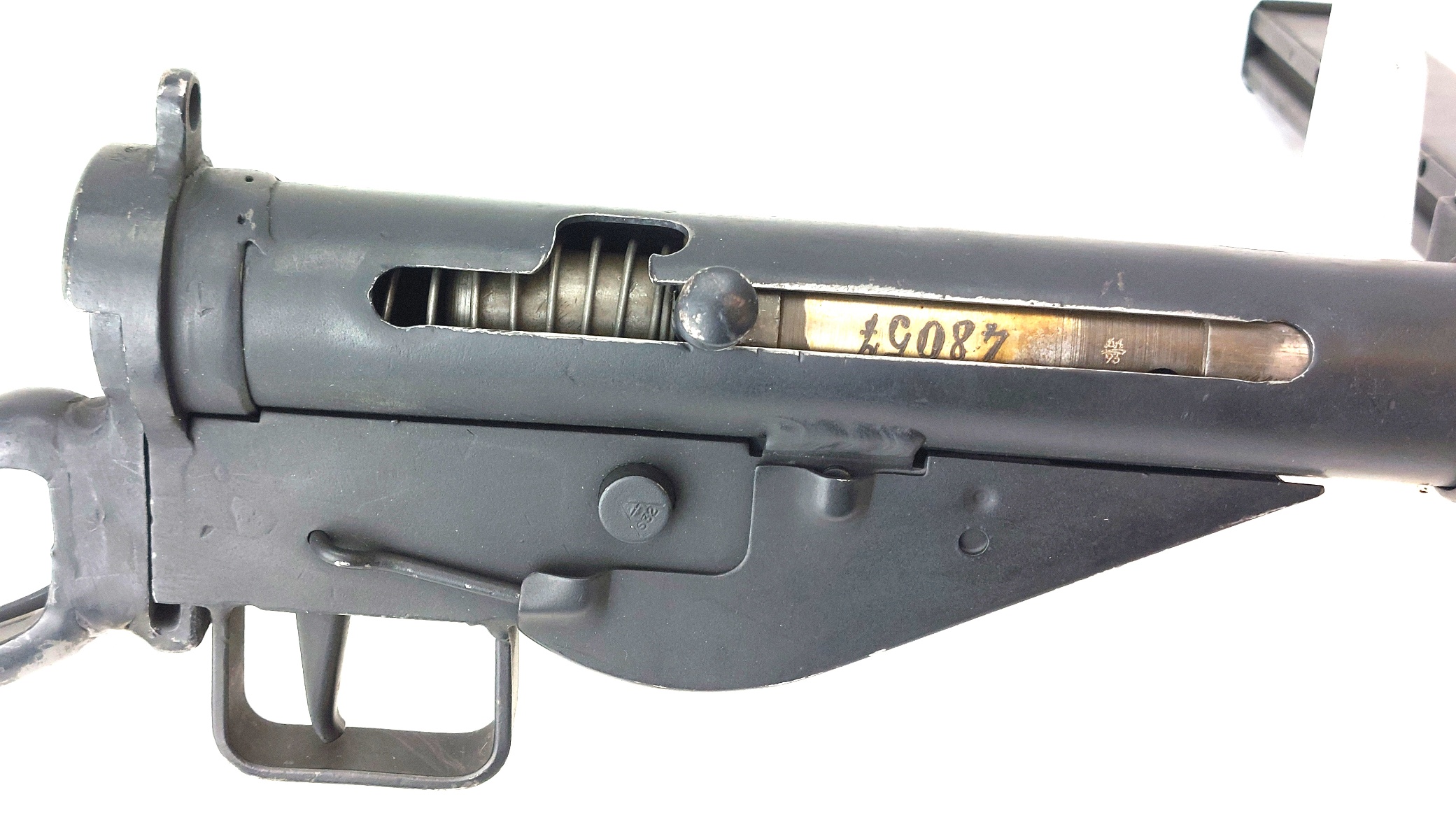
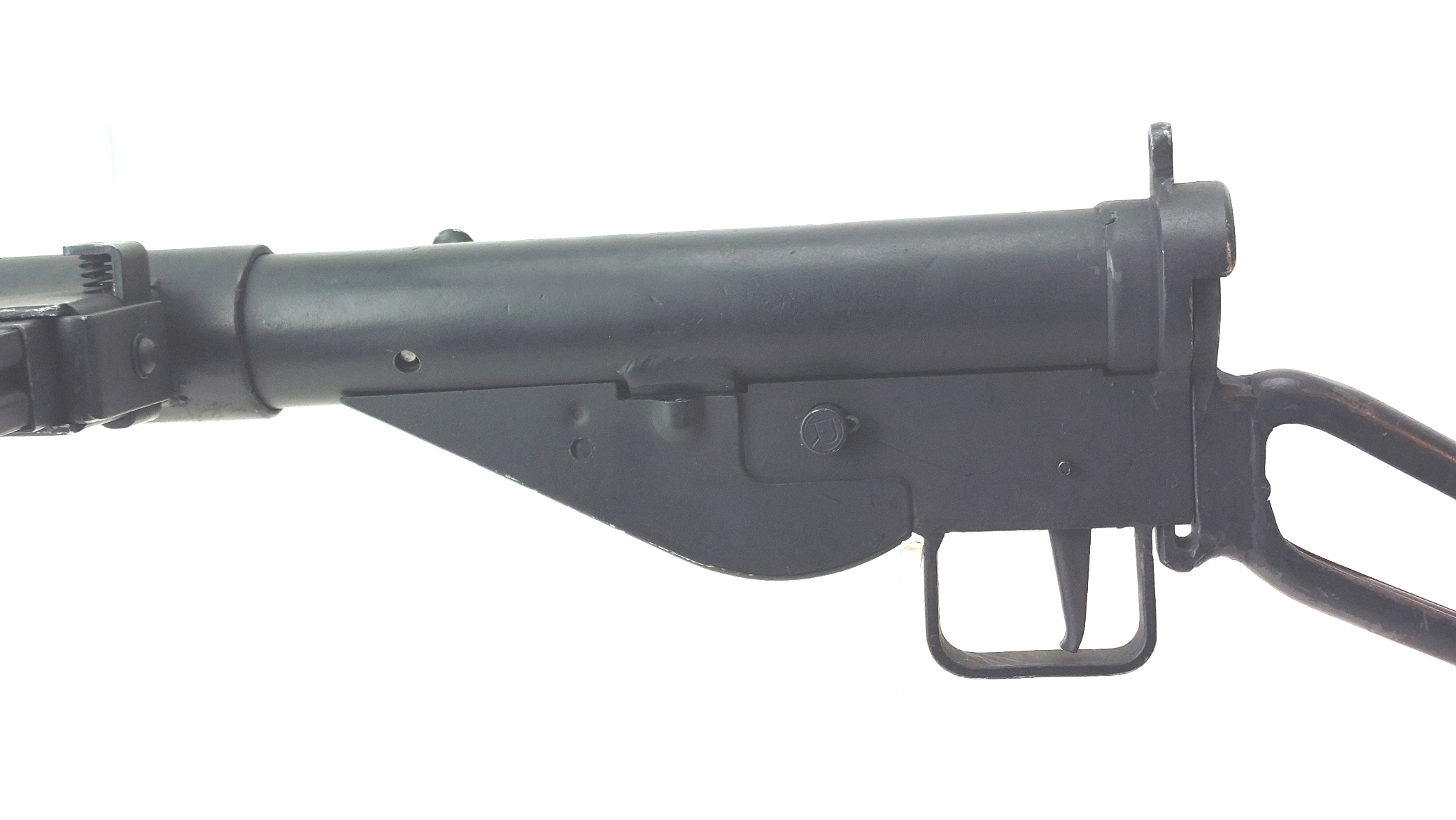
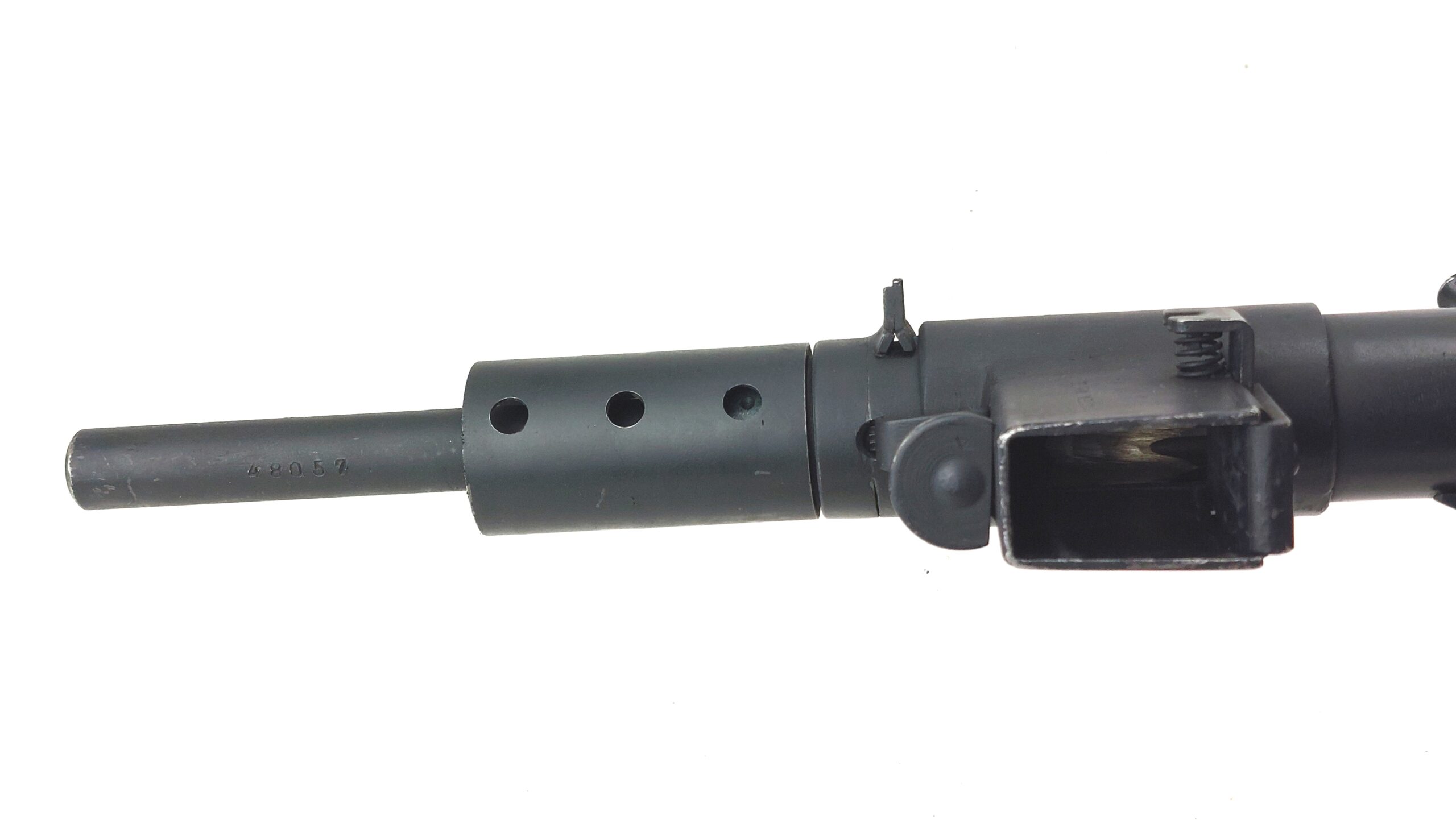
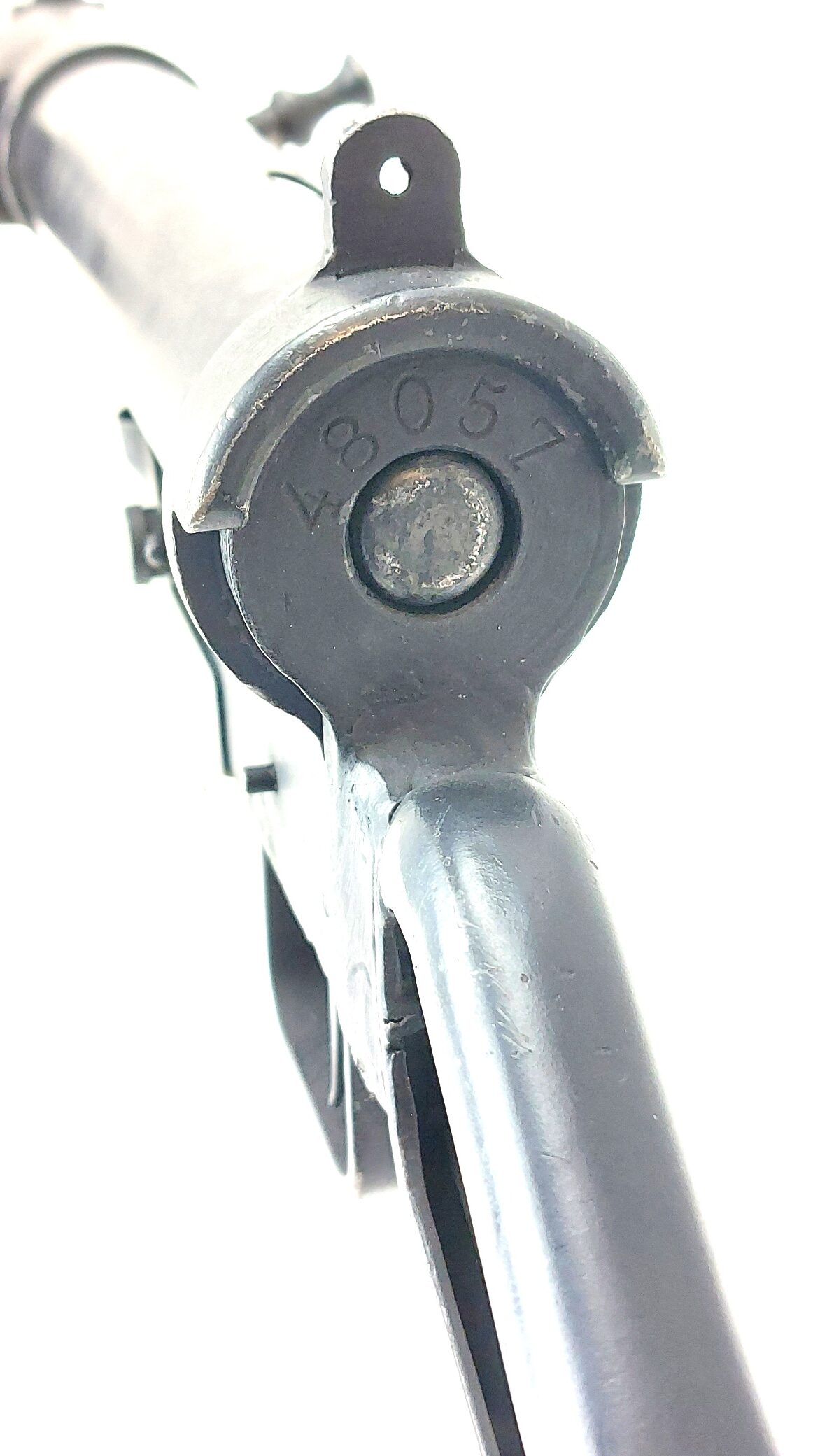
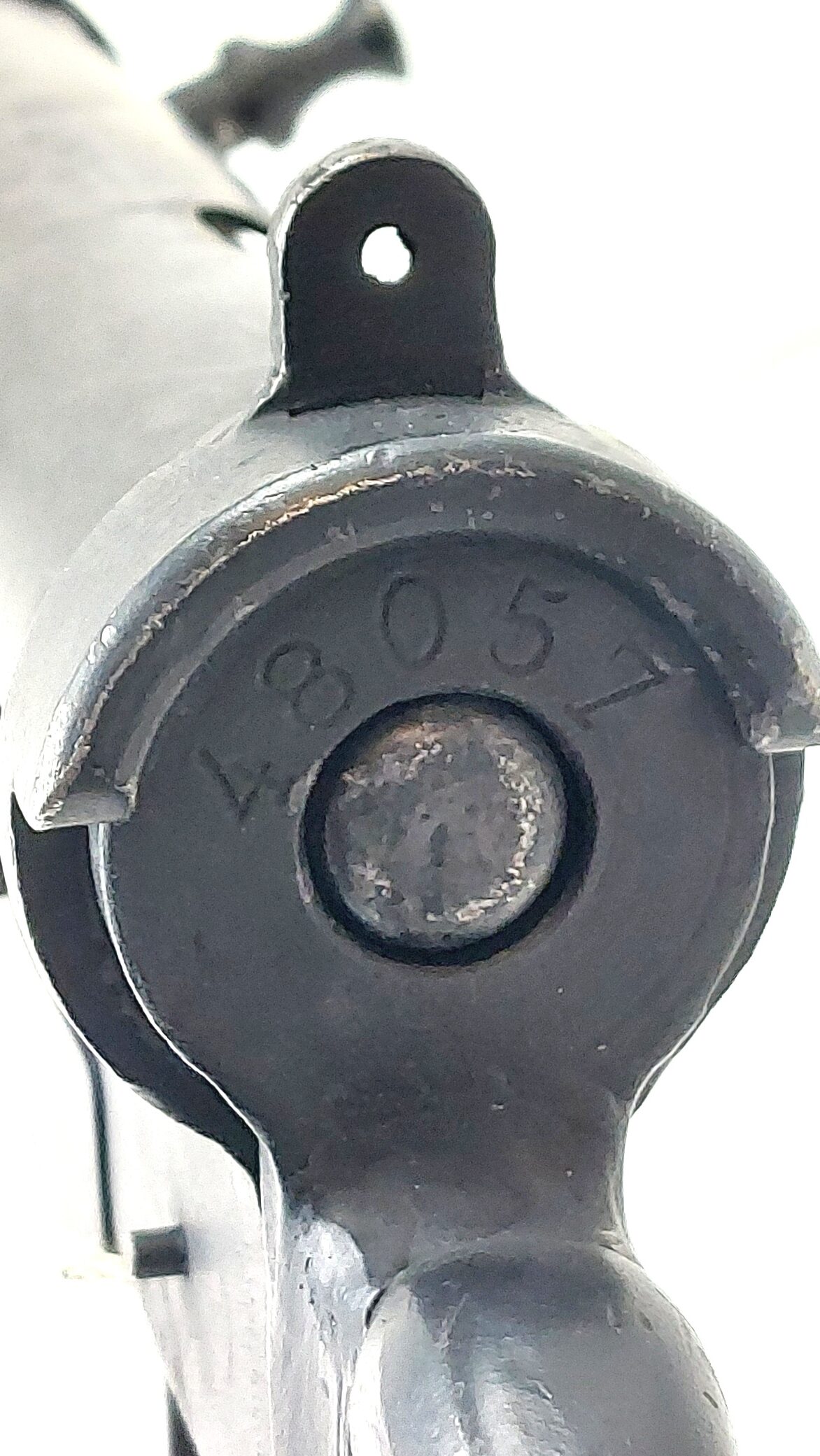
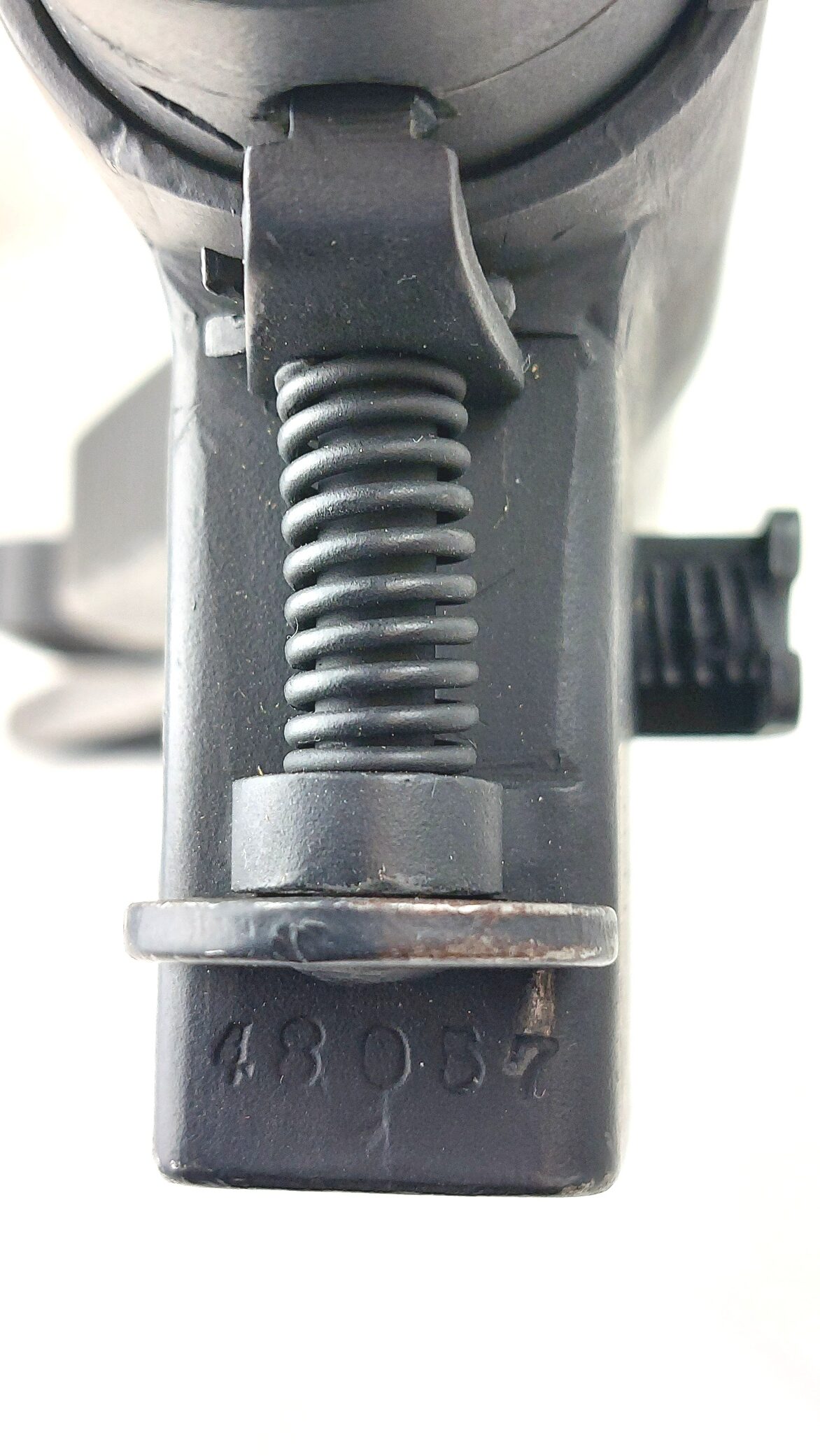
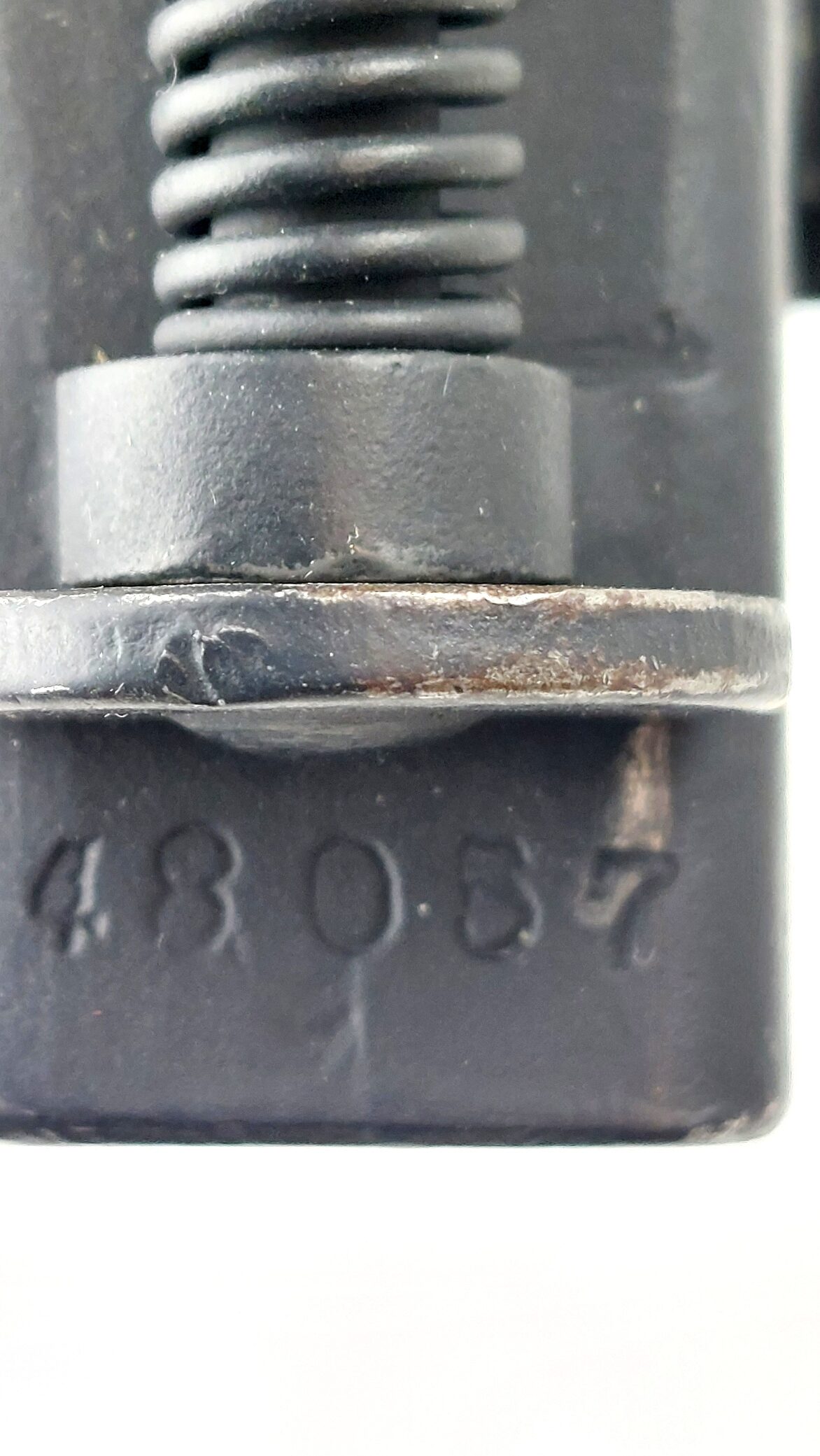
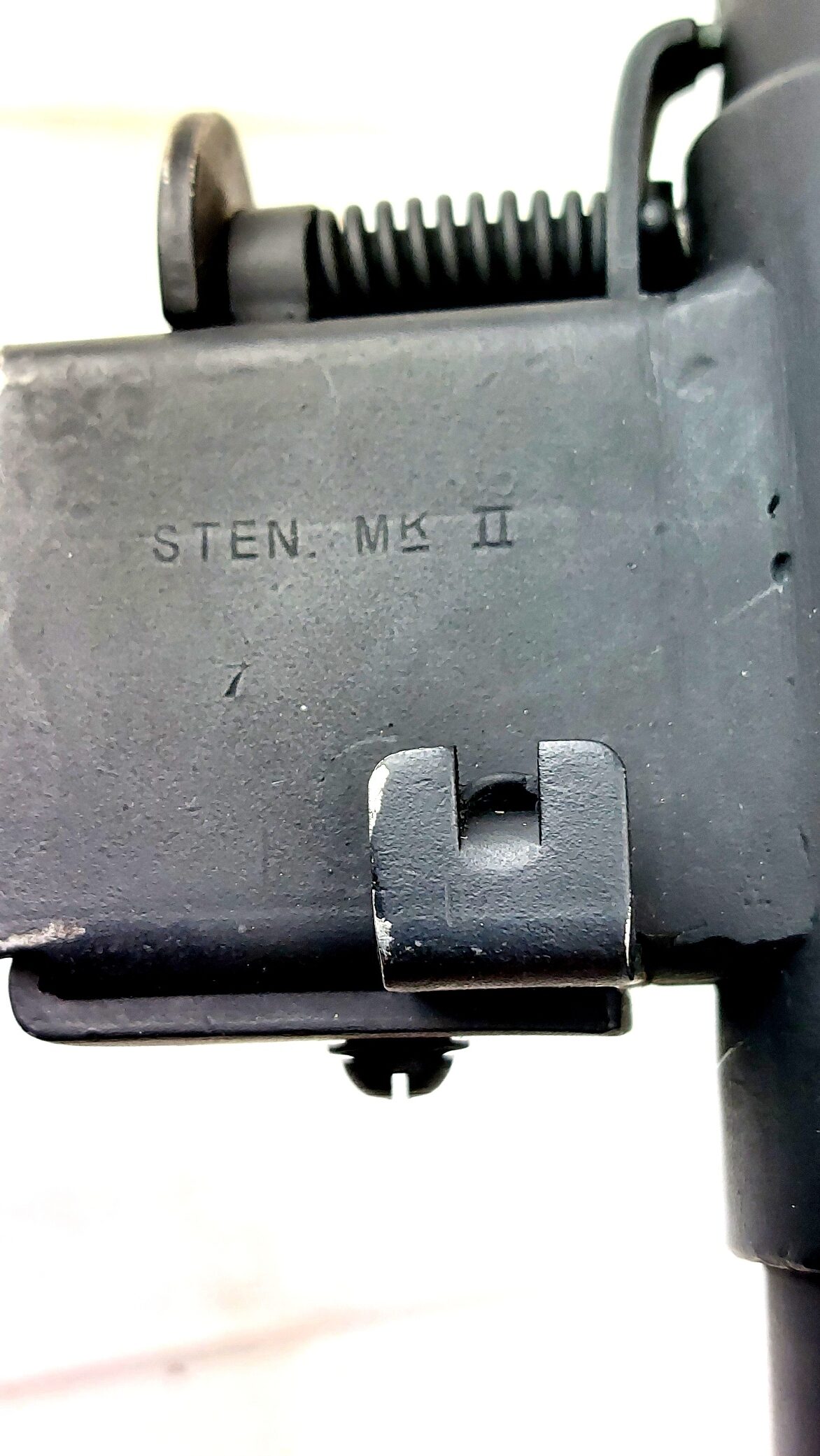
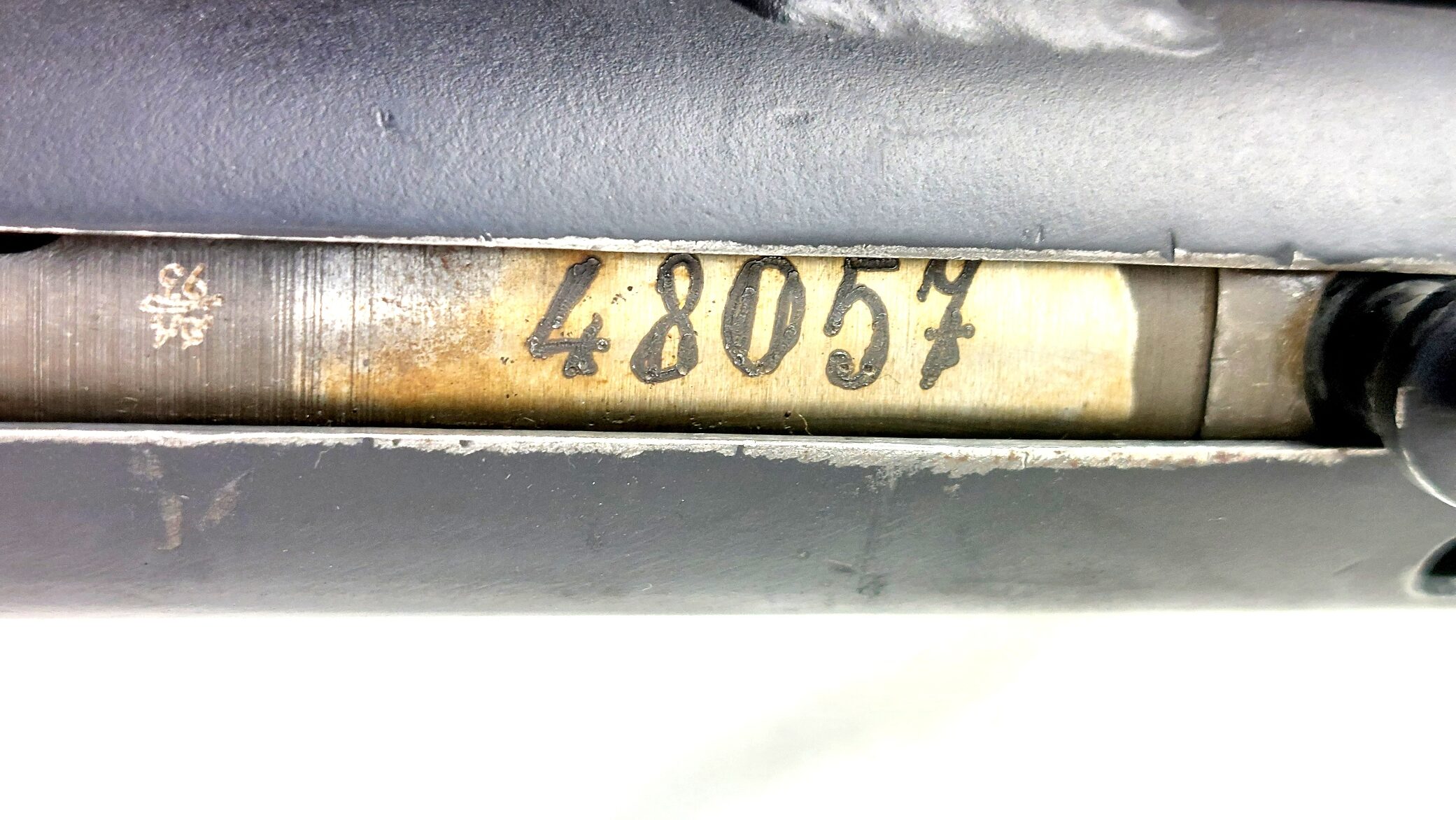
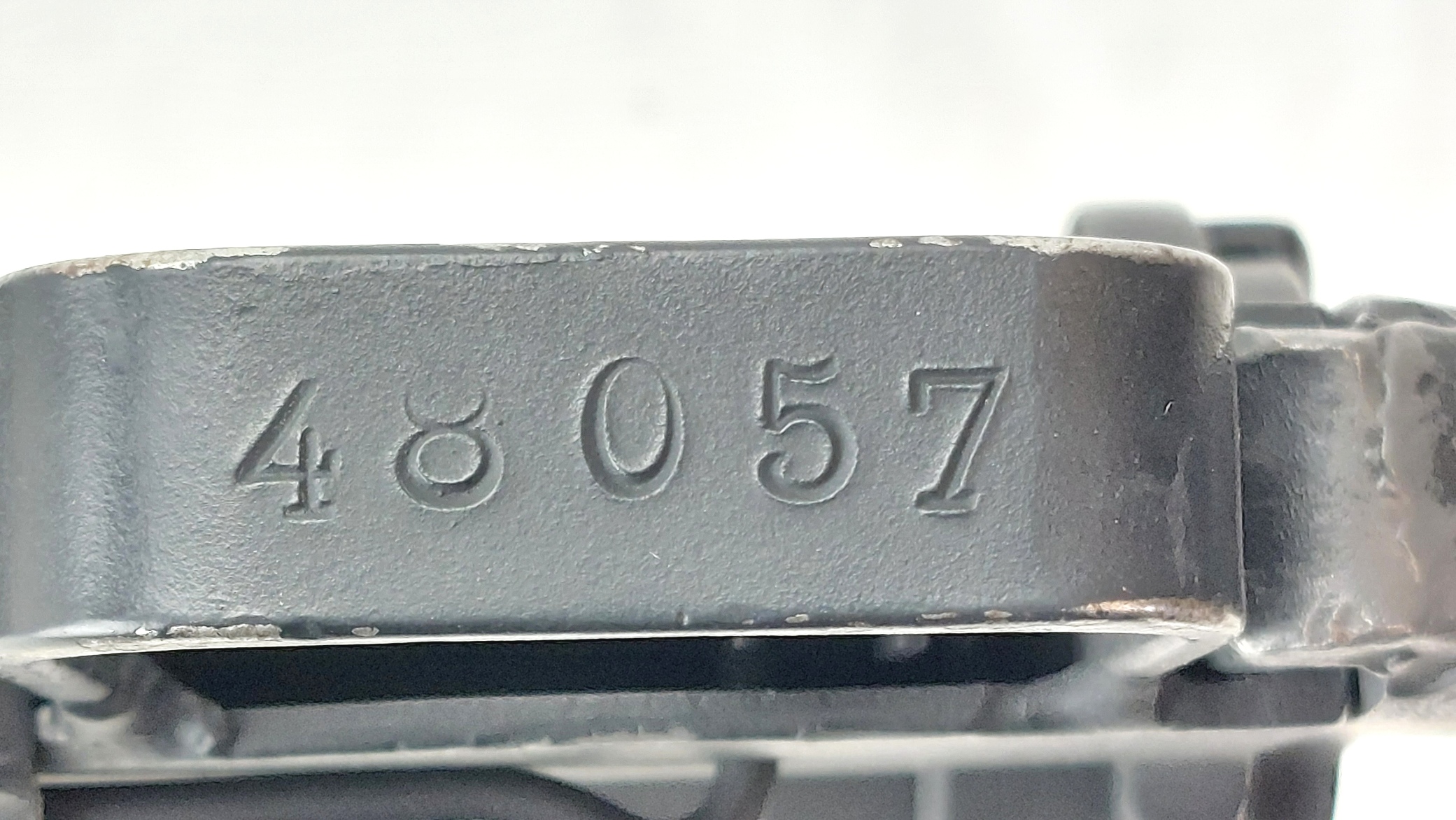
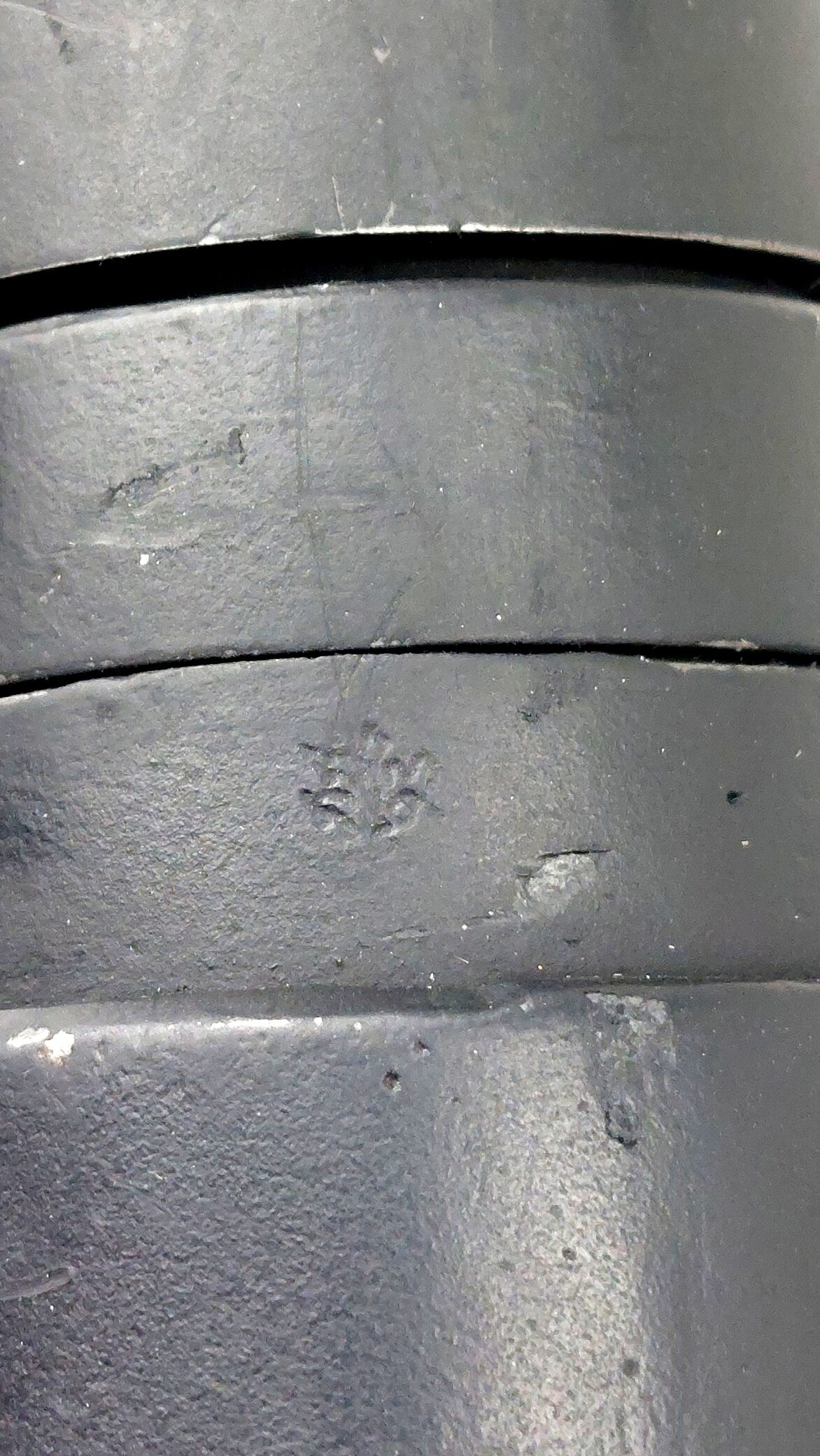
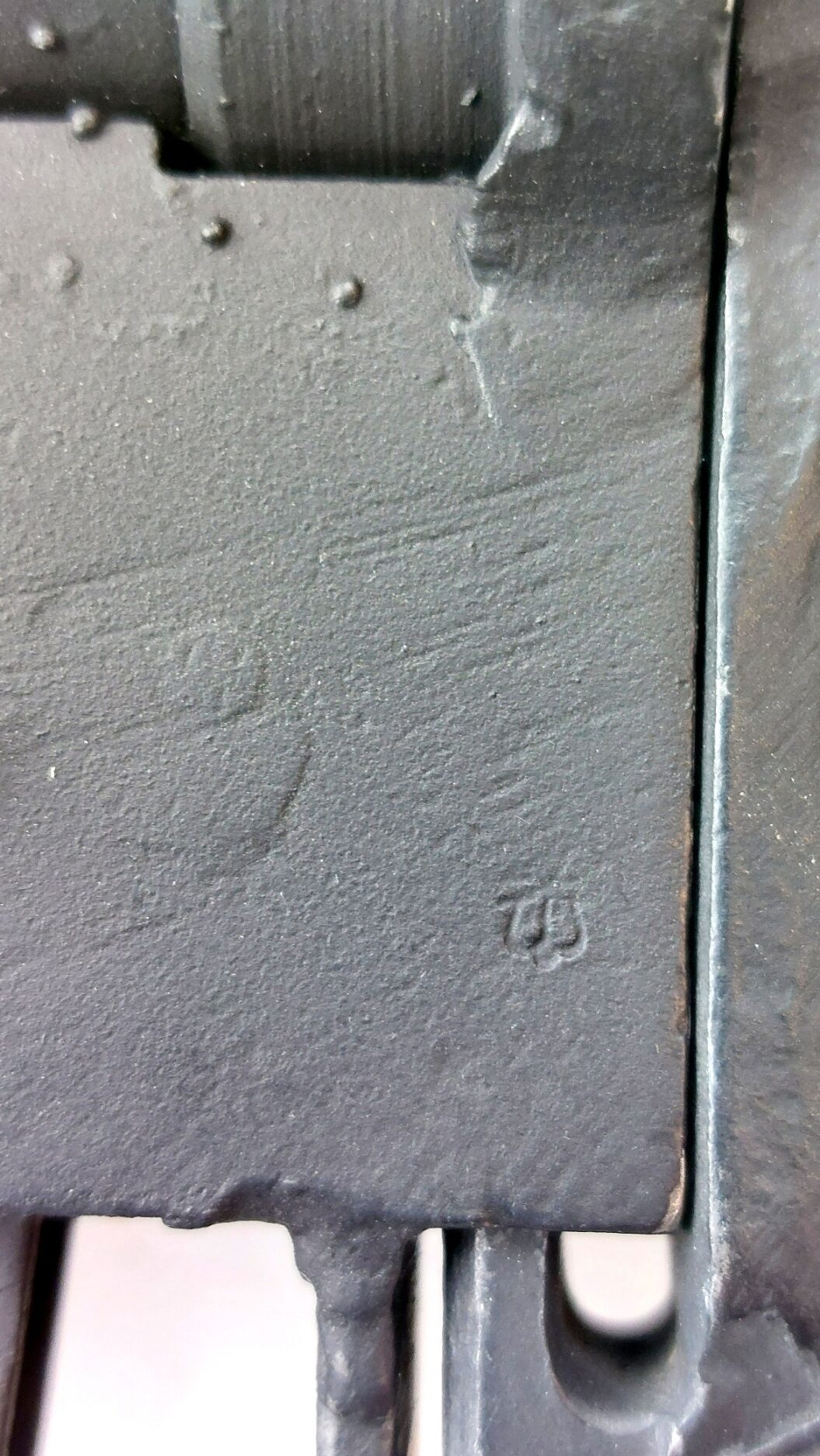
The receiver tube is stamped “STEN Mk II”, identifying the weapon as the most widely produced wartime variant of Britain’s emergency submachine gun. The serial number 48057 is repeated across several principal components including the receiver rear cap, barrel, barrel collar and trigger frame.
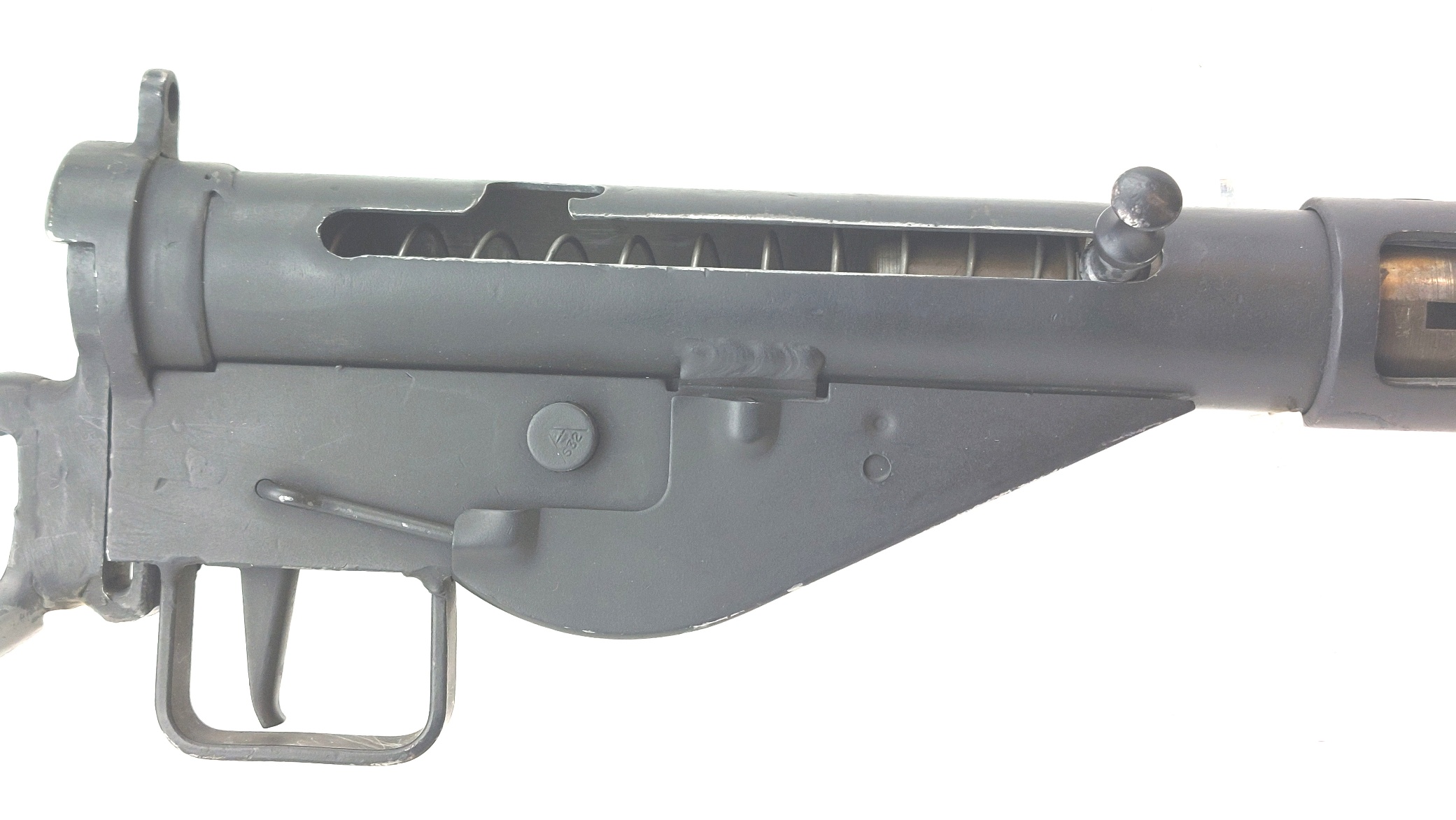
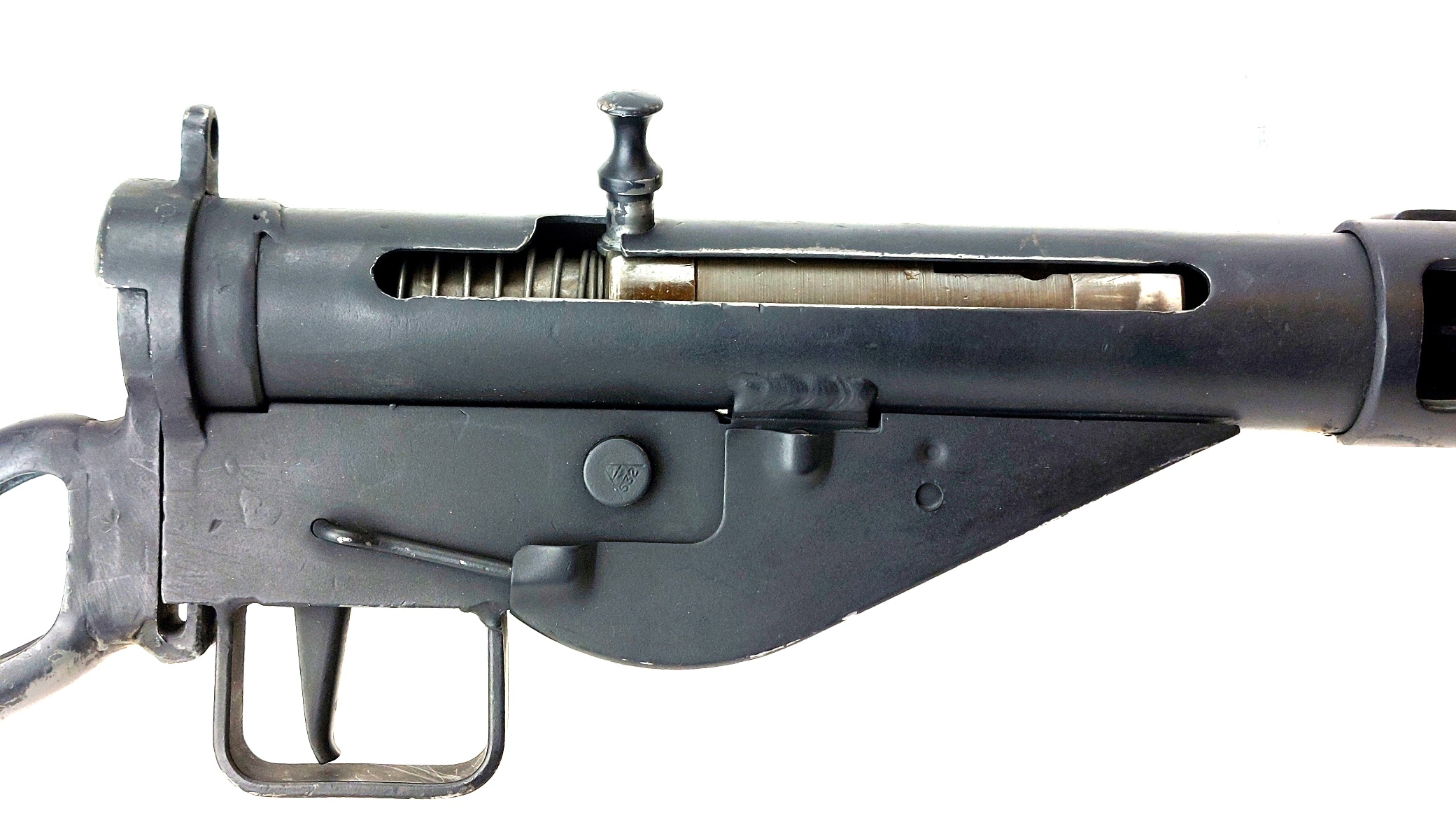
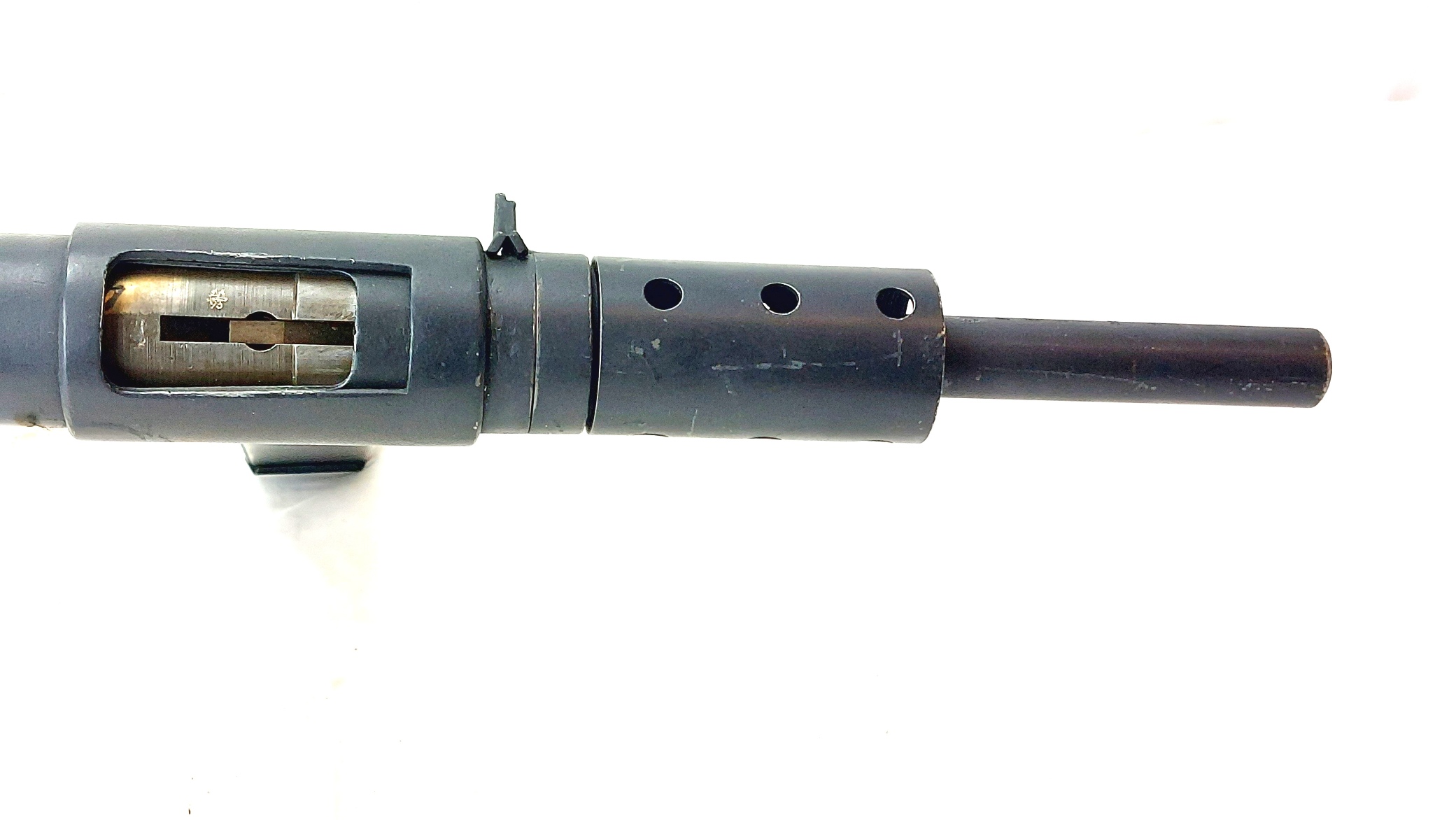
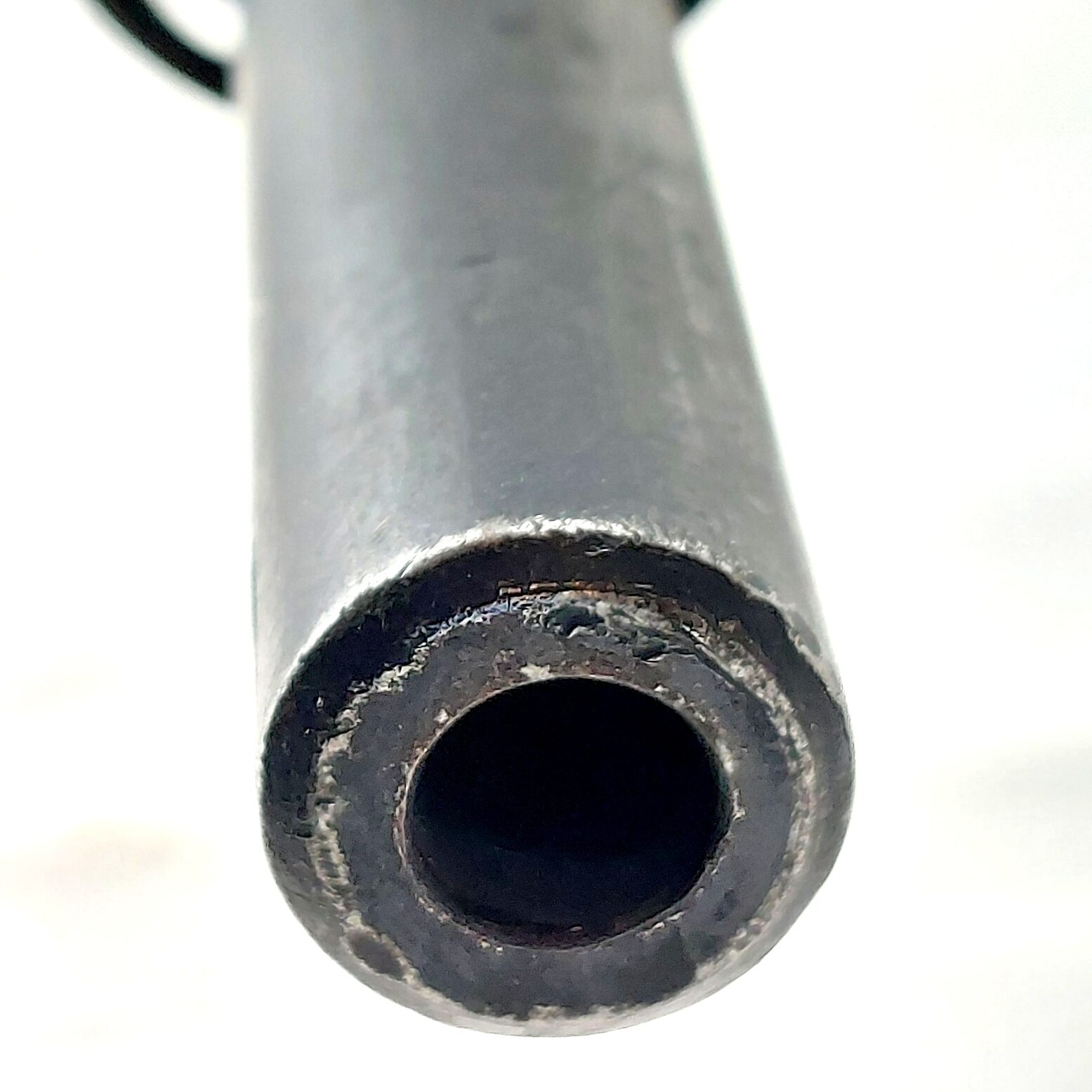
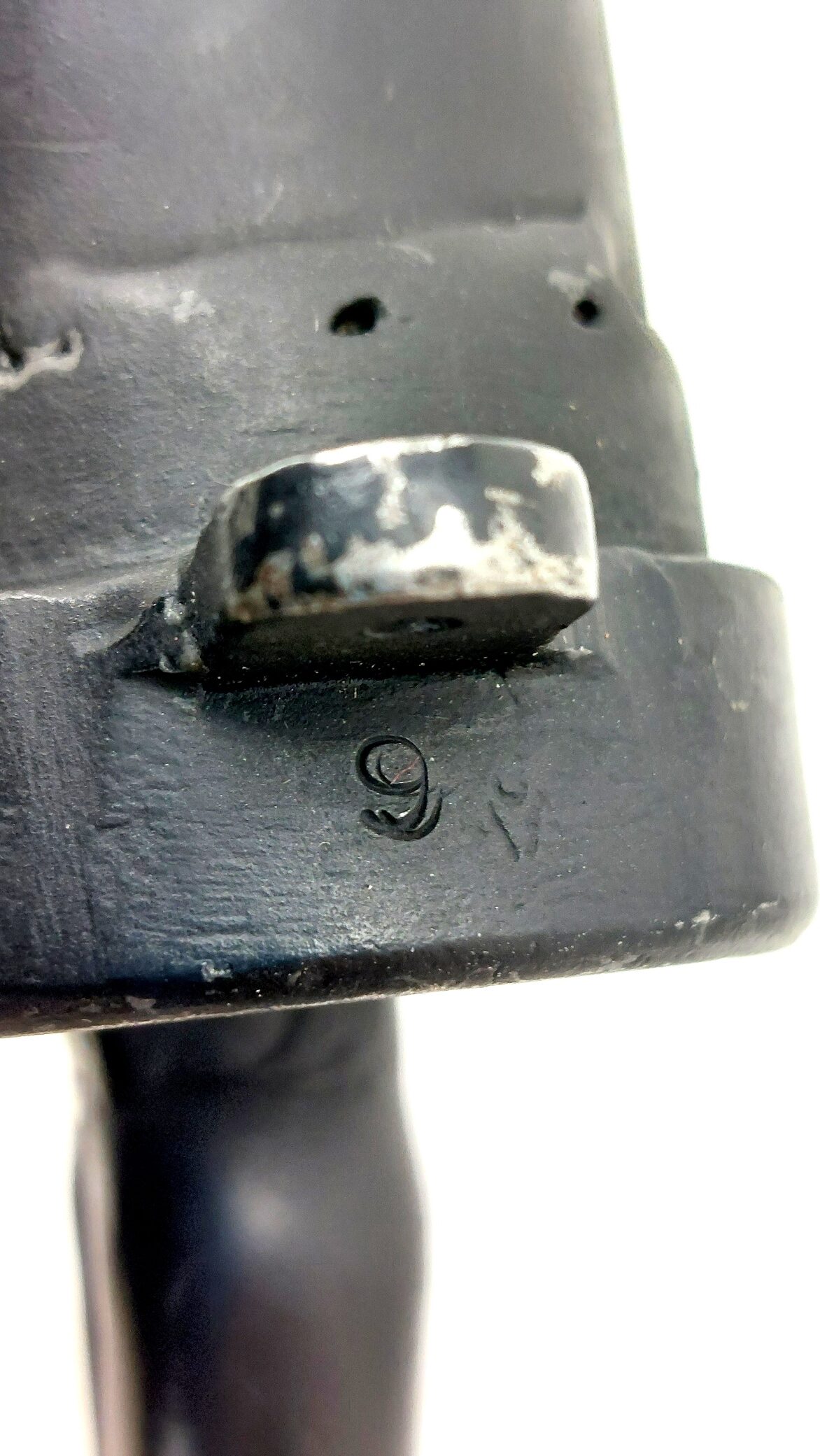
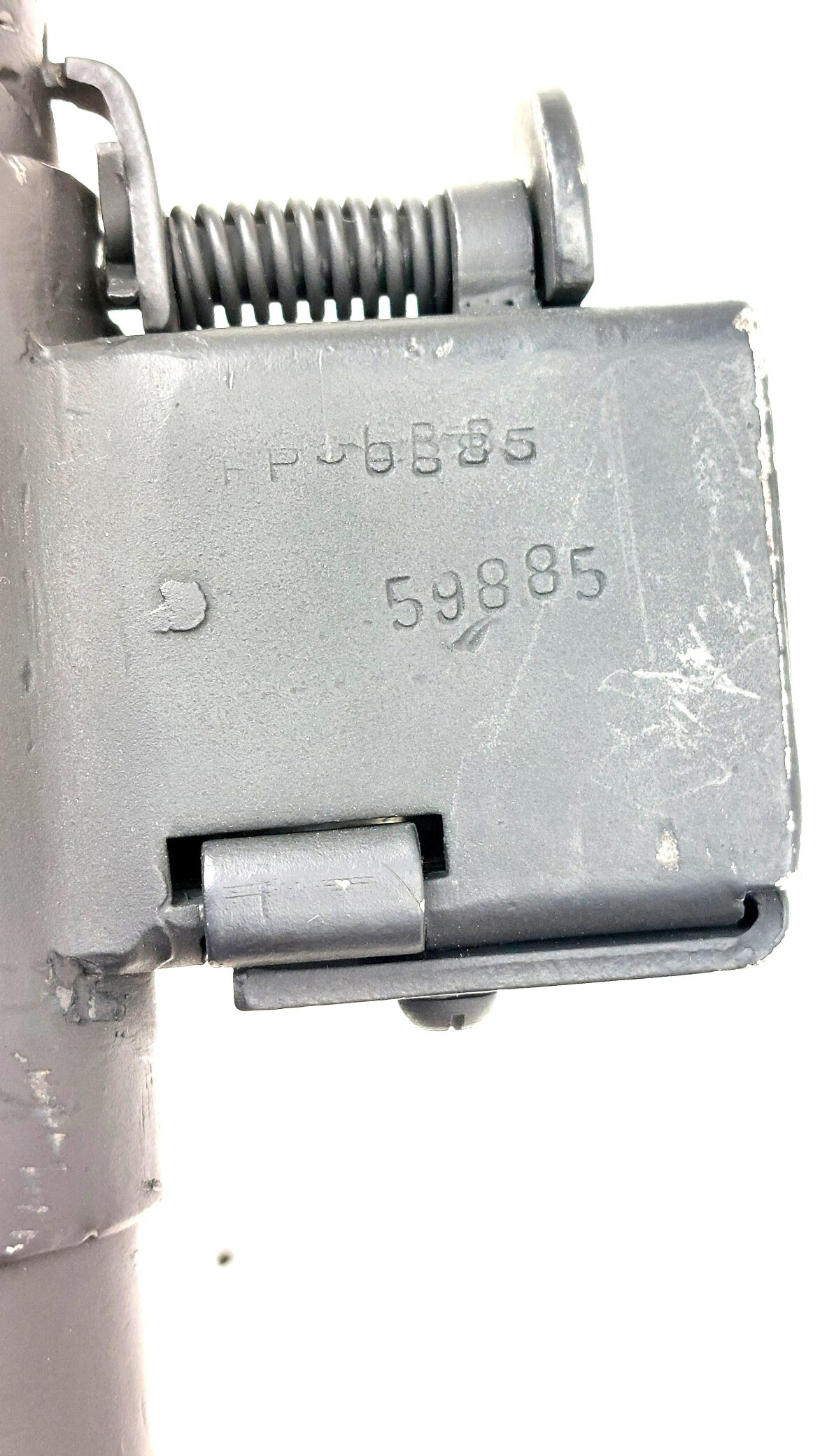
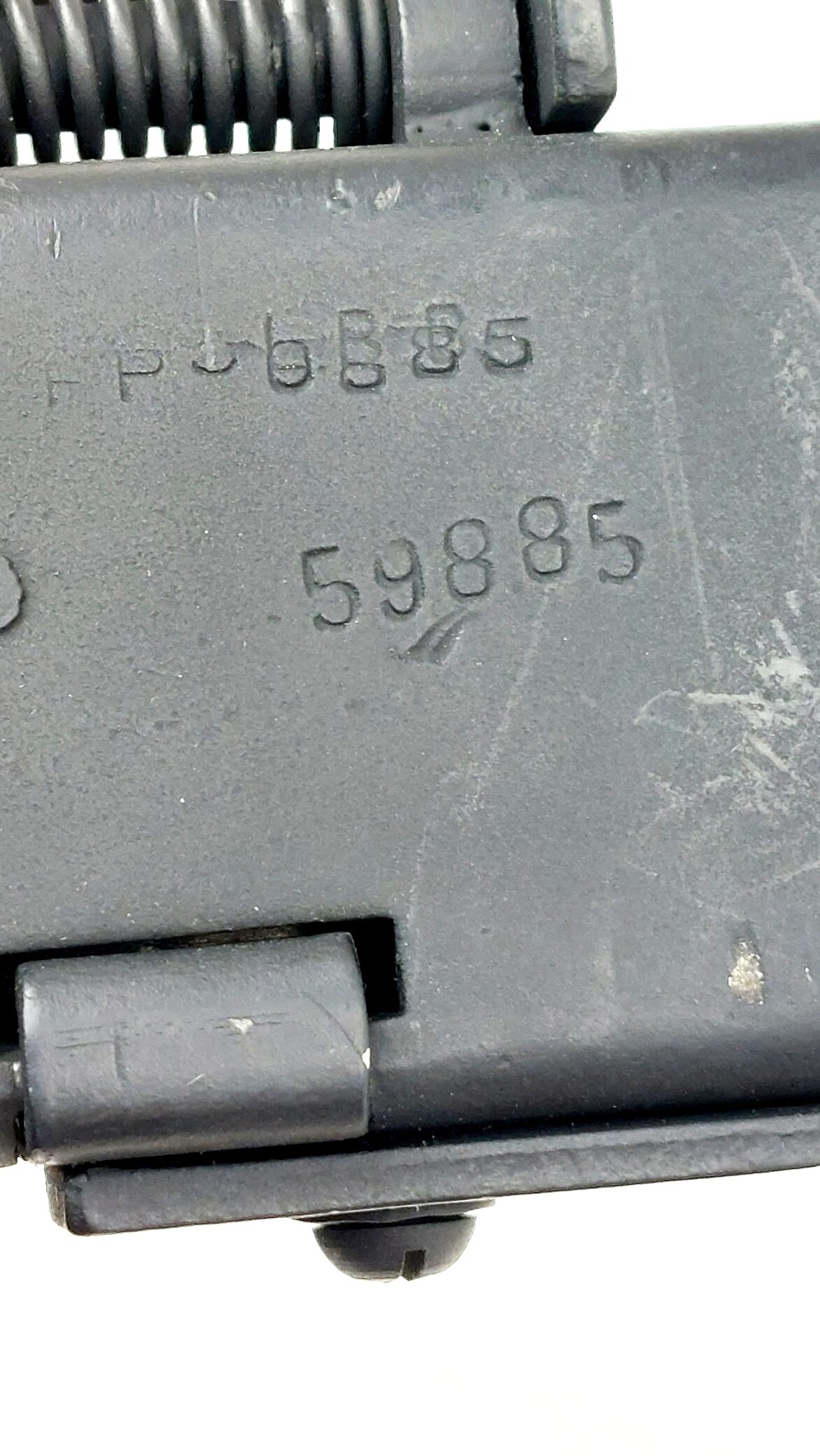
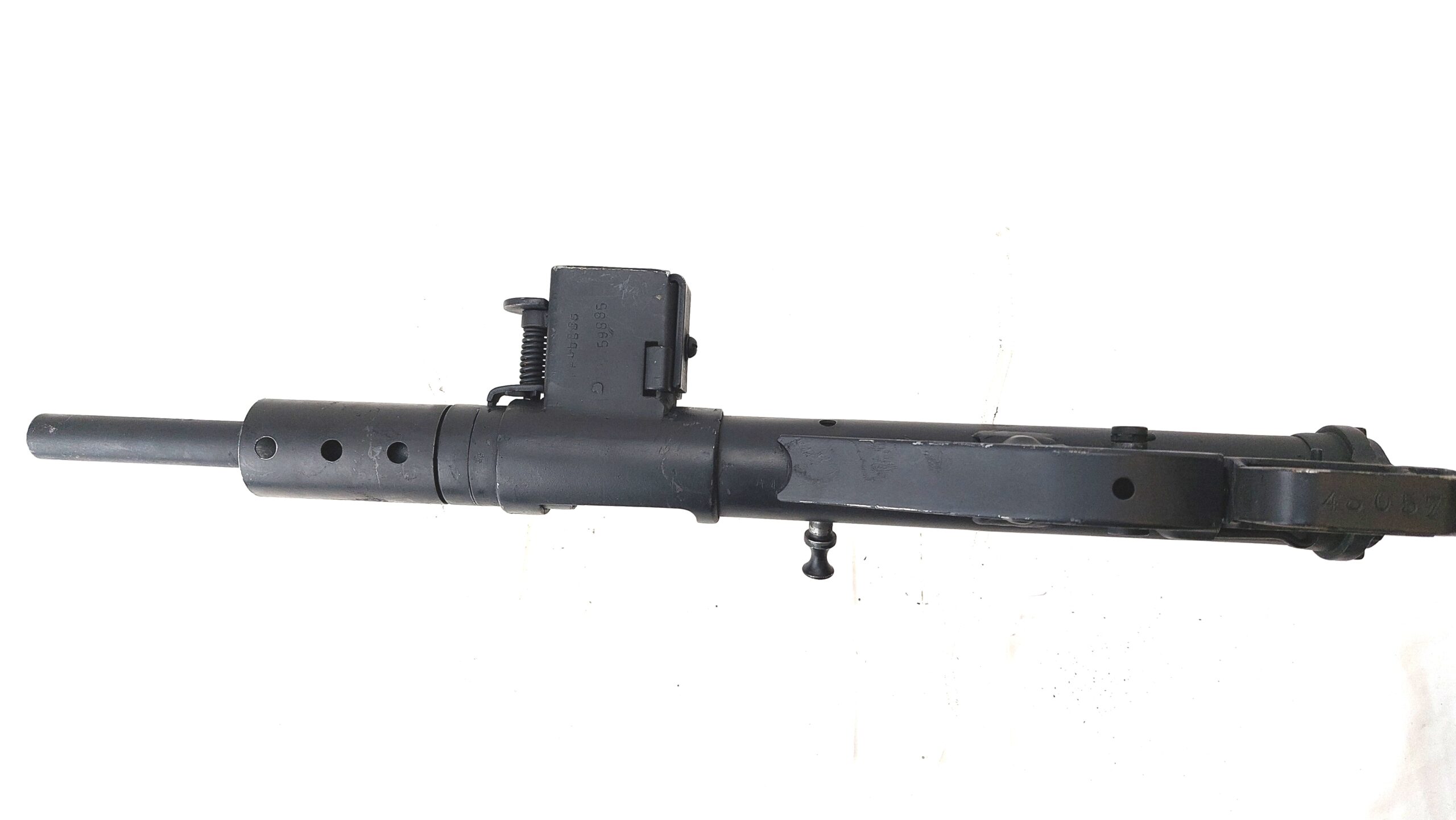
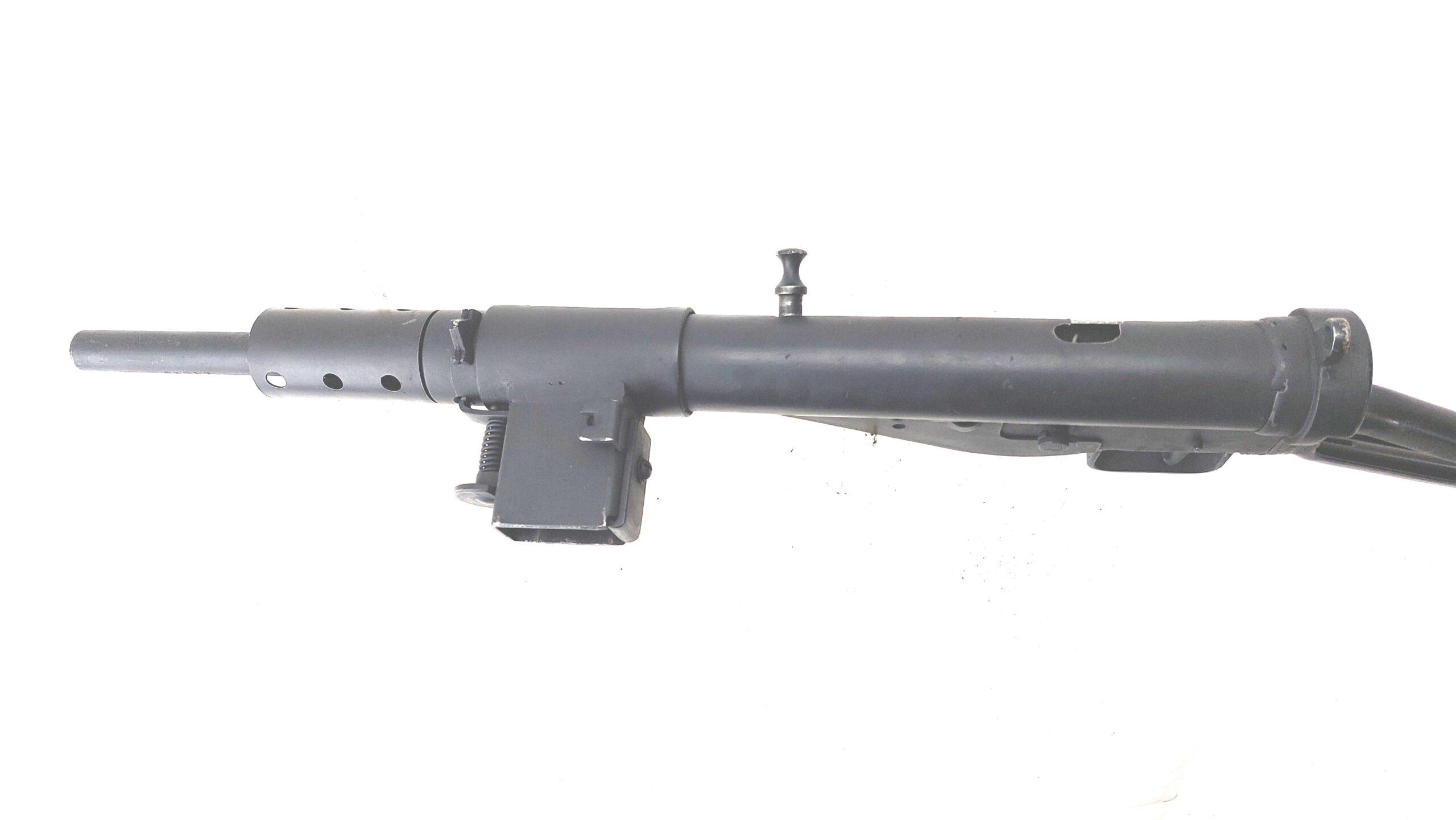
The gun retains its characteristic cylindrical receiver construction with the longitudinal cocking slot, removable barrel assembly and perforated barrel shroud. The bolt and recoil spring are visible through the cocking slot, and the barrel itself is stamped 48057, confirming it remains original to the gun. The rotating magazine housing, a distinctive feature of the Mk II pattern, allows the magazine to be locked either vertically for firing or rotated horizontally for safe carriage and protection of the feed lips. The housing bears the additional number 59885, typical of subcontractor or assembly numbers encountered on wartime Sten components.
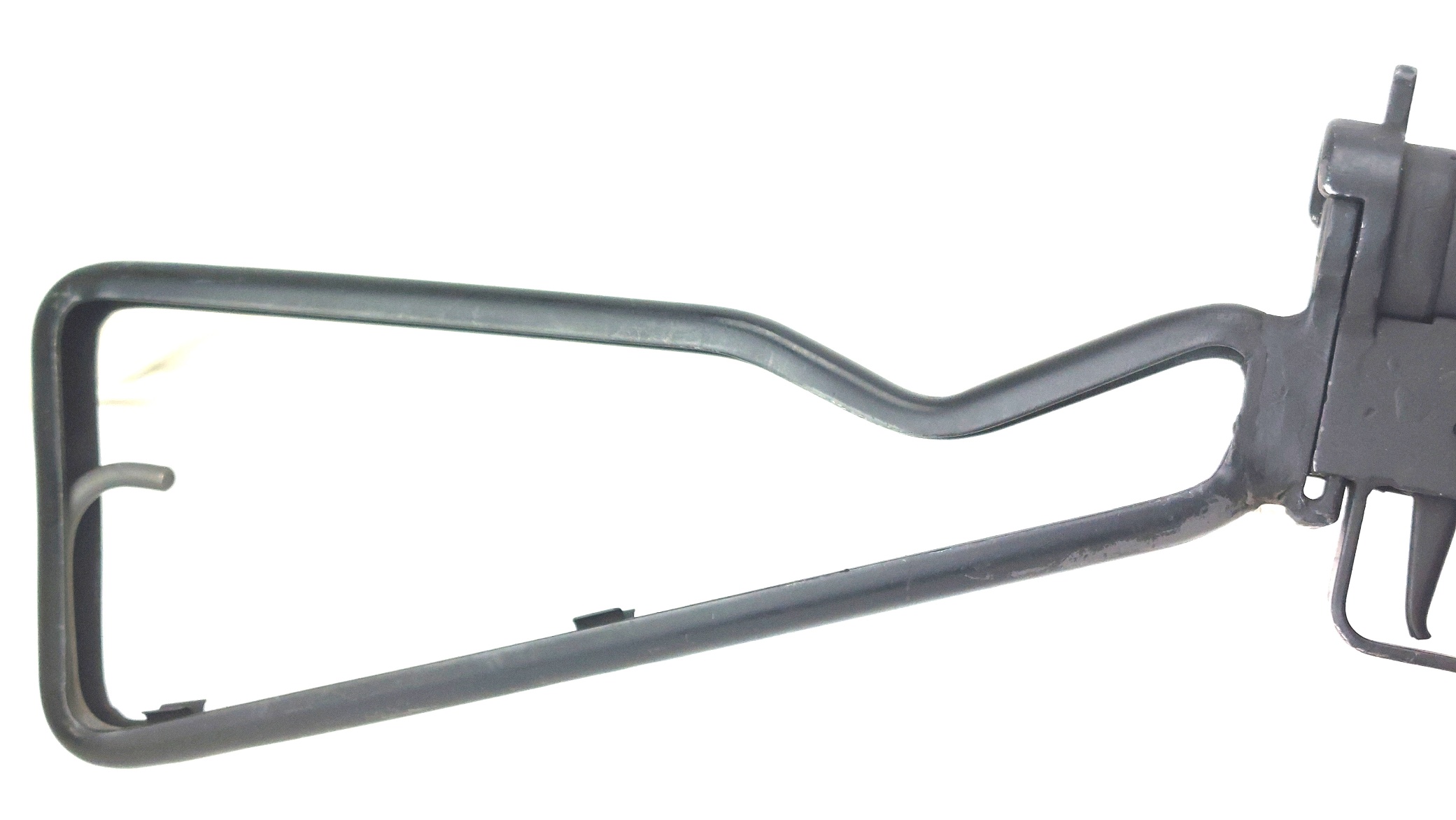
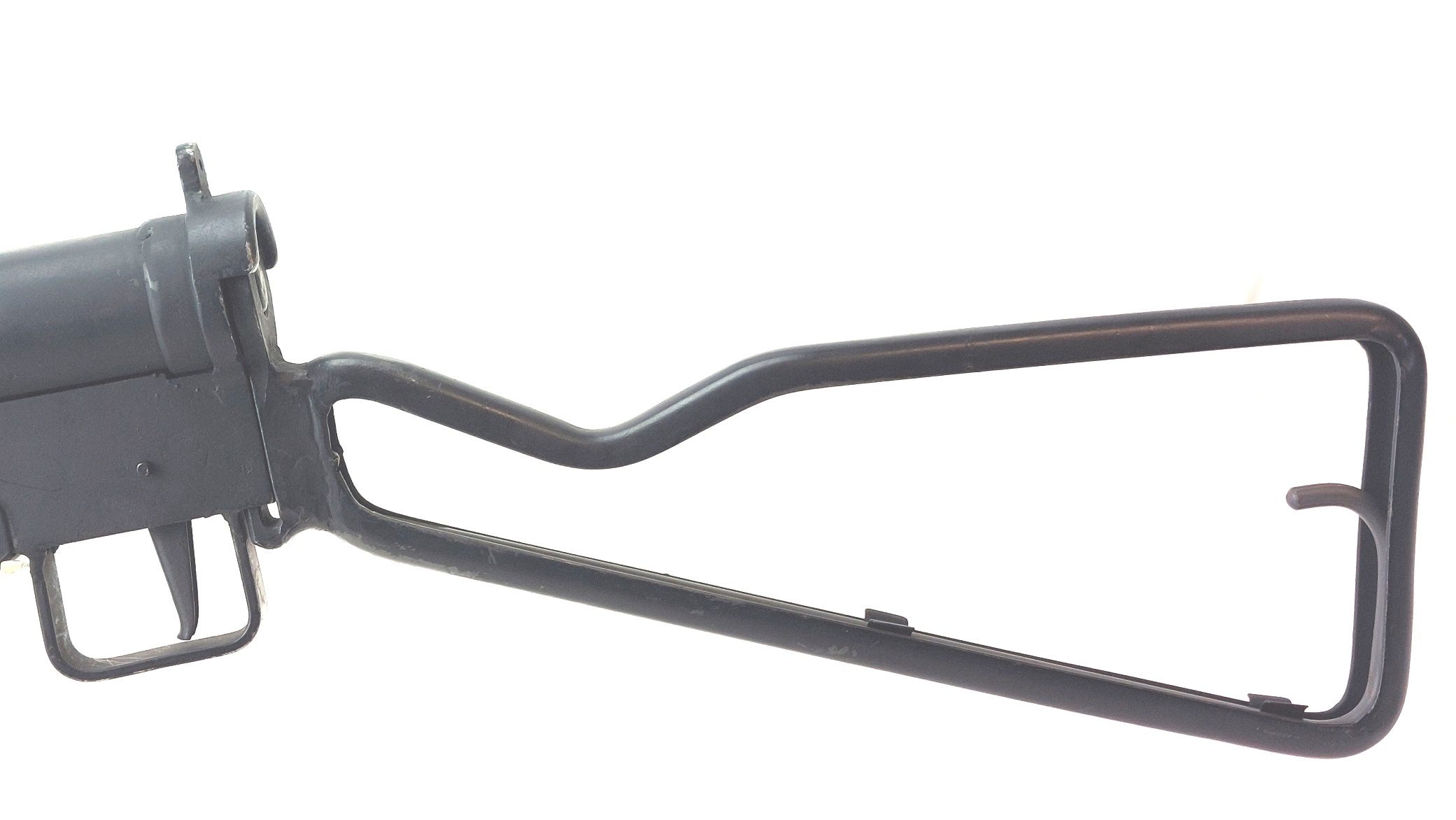
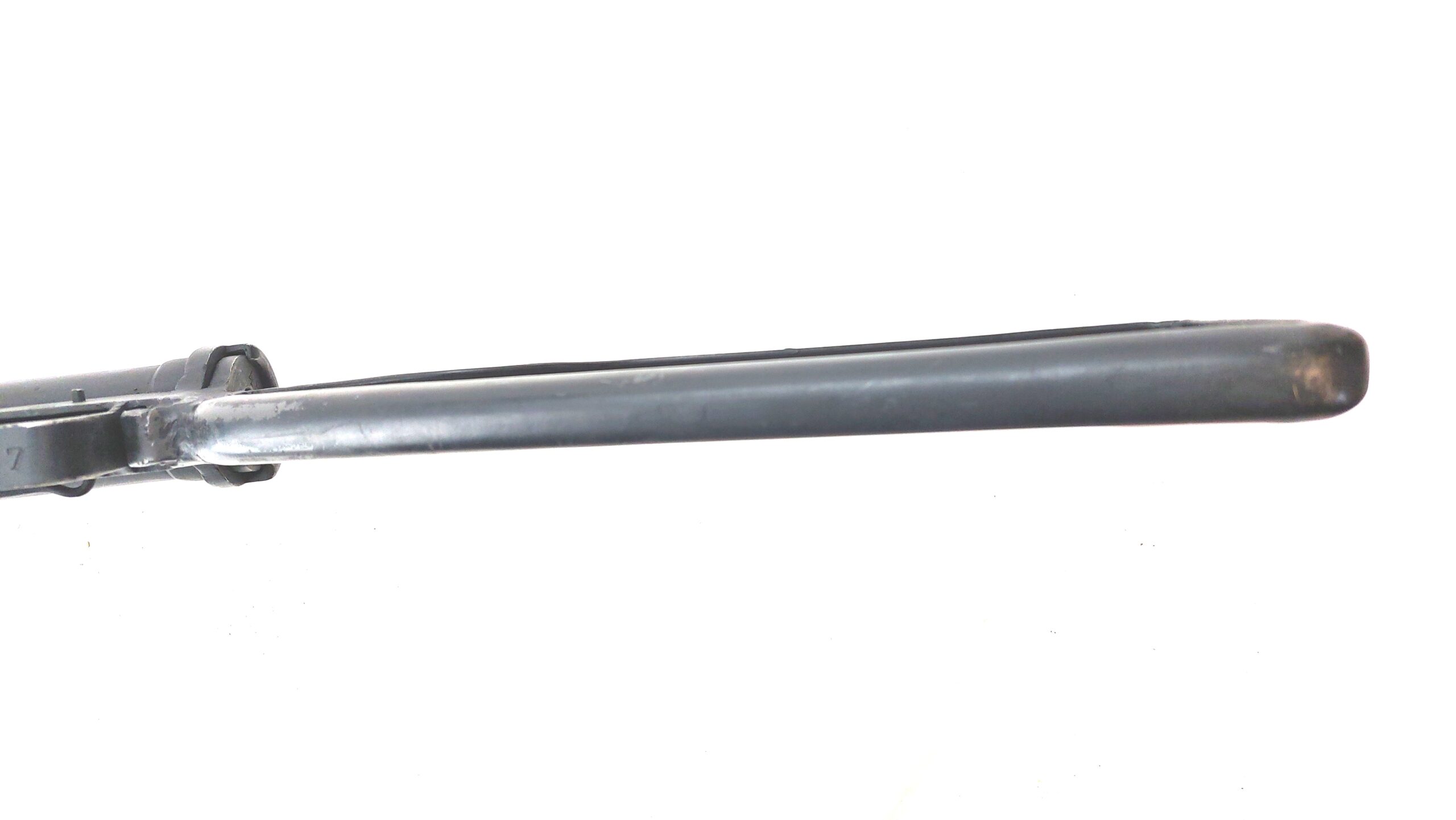
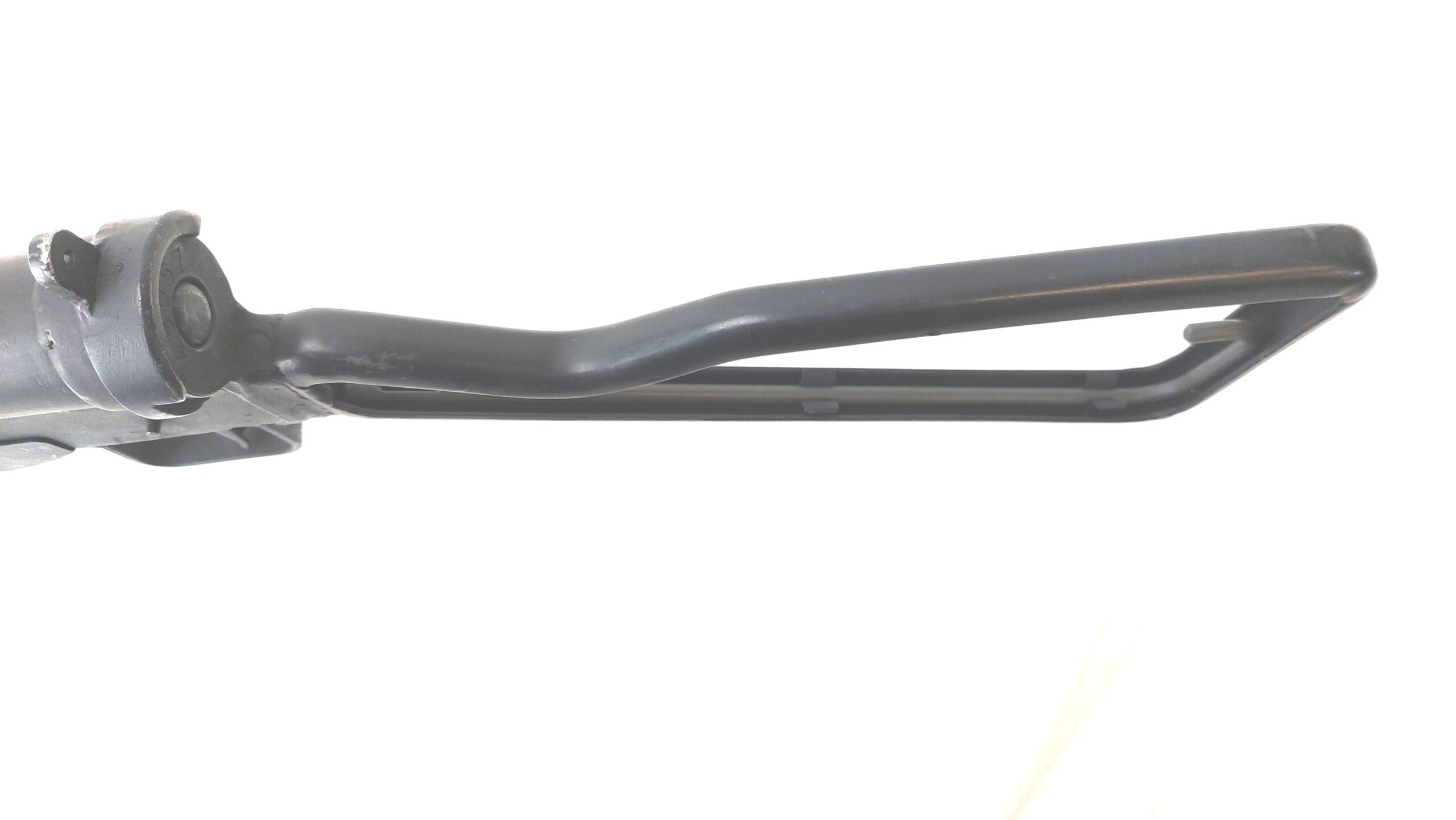
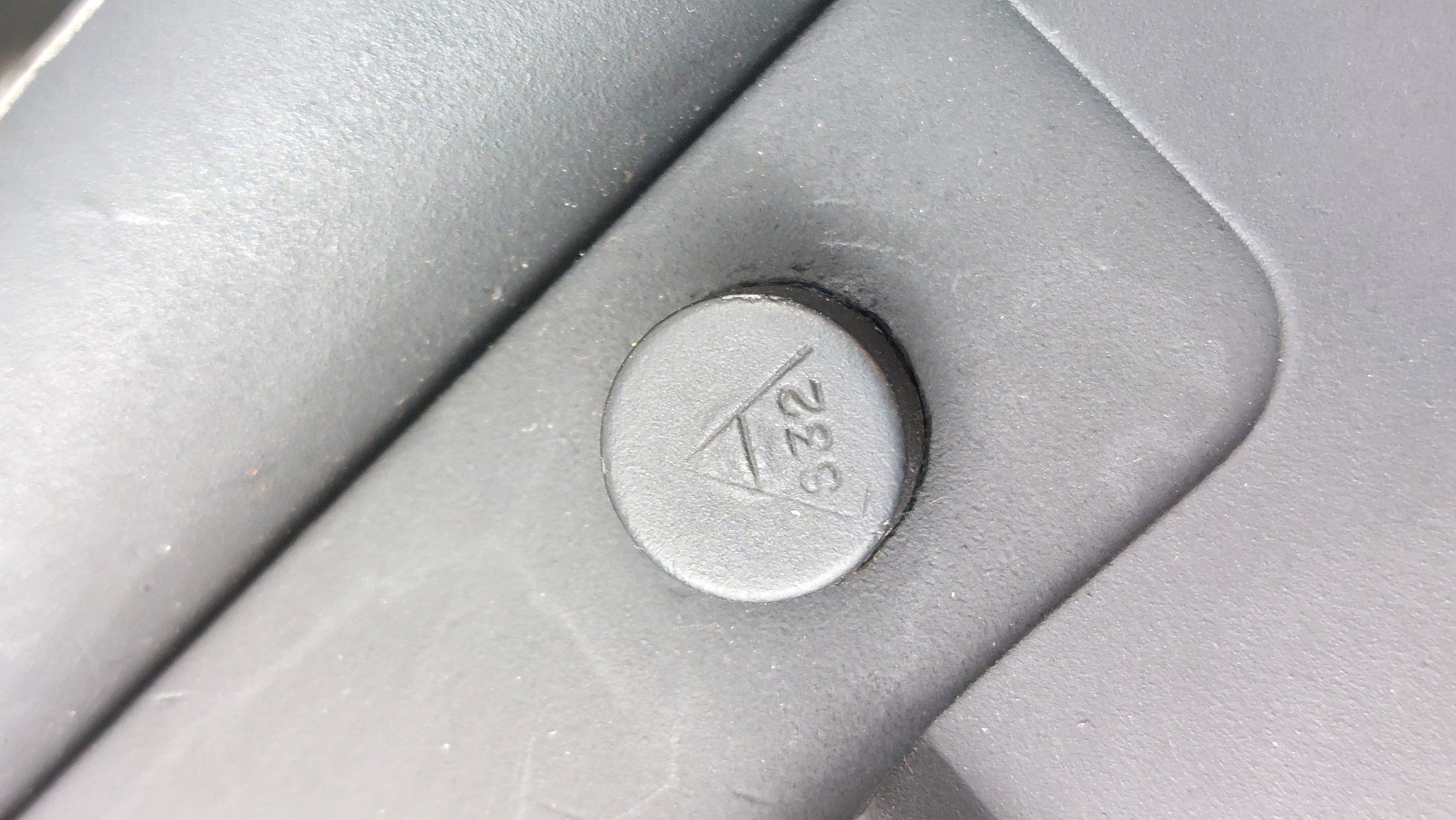
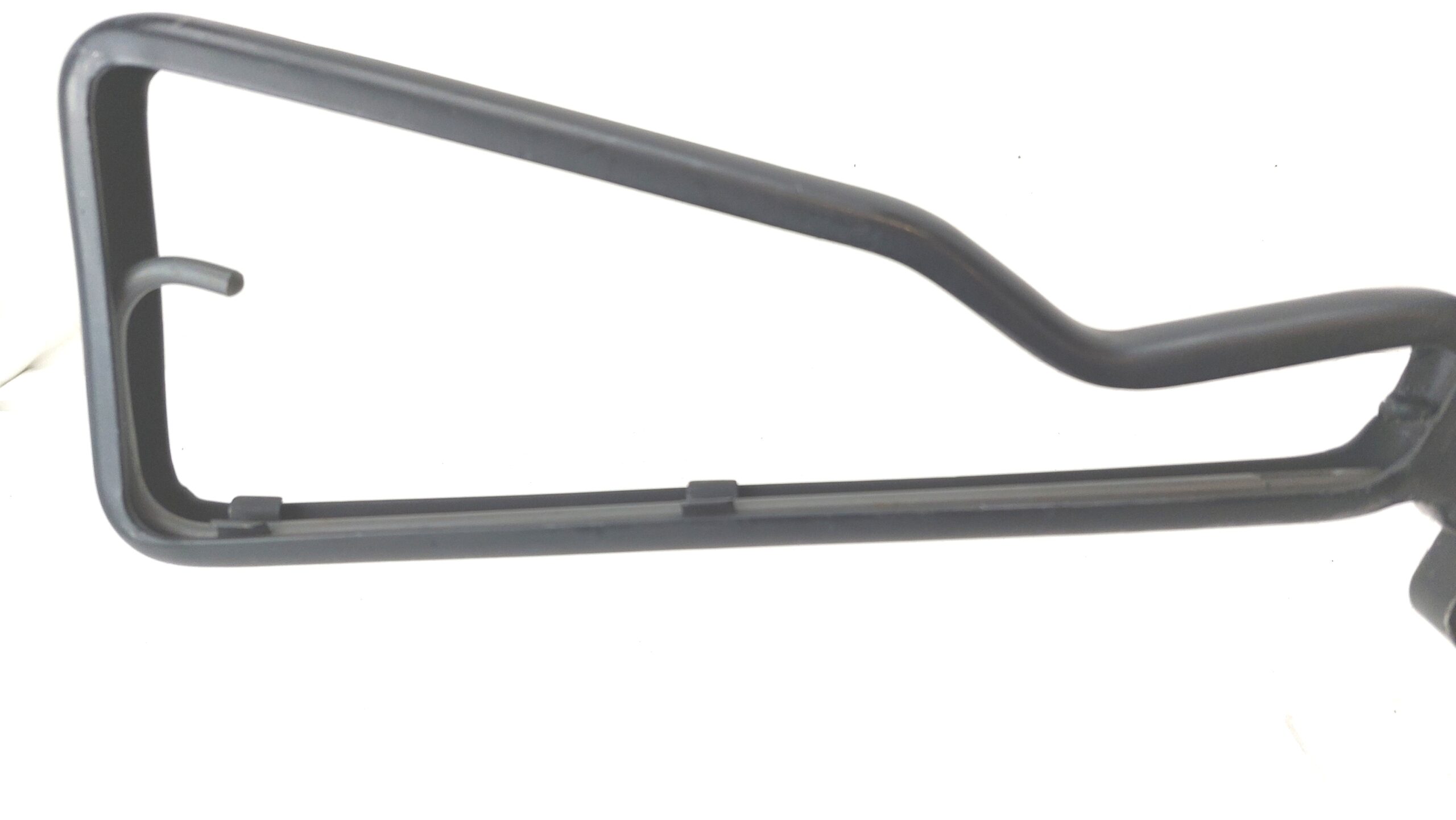
Several small inspection and subcontractor markings are present throughout the weapon. The trigger housing retaining button is stamped S23, identifying manufacture by Sterling Engineering Company Ltd., Dagenham, one of the principal wartime producers of the Sten Mk II. Sterling was heavily involved in Sten production during the peak wartime manufacturing period and later became renowned for the post-war Sterling submachine gun. The gun is fitted with the correct detachable wire skeleton shoulder stock, the standard stock issued with the Mk II pattern. The triangular butt frame and rear locking hook are present and the stock remains solid and well preserved.
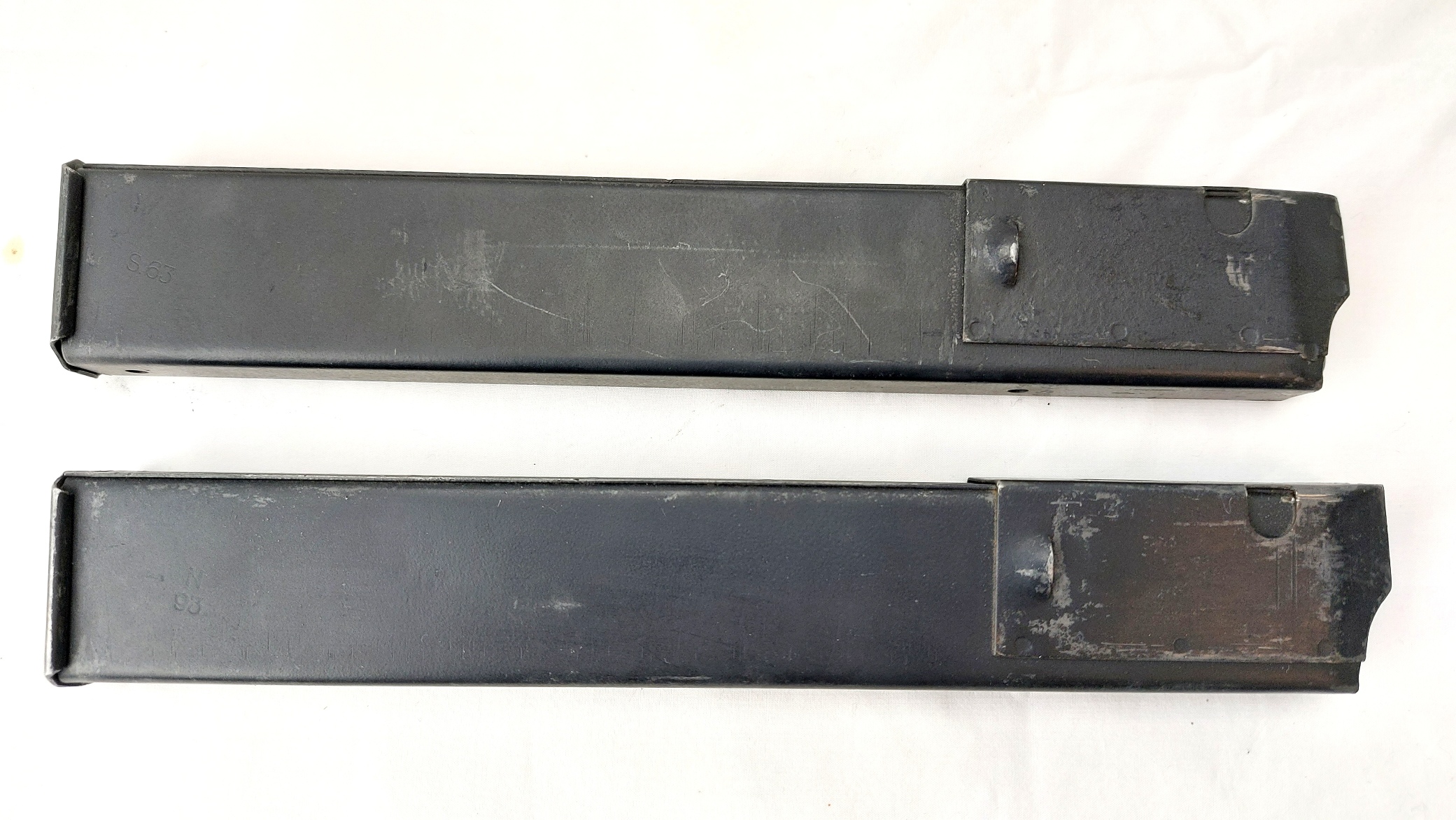
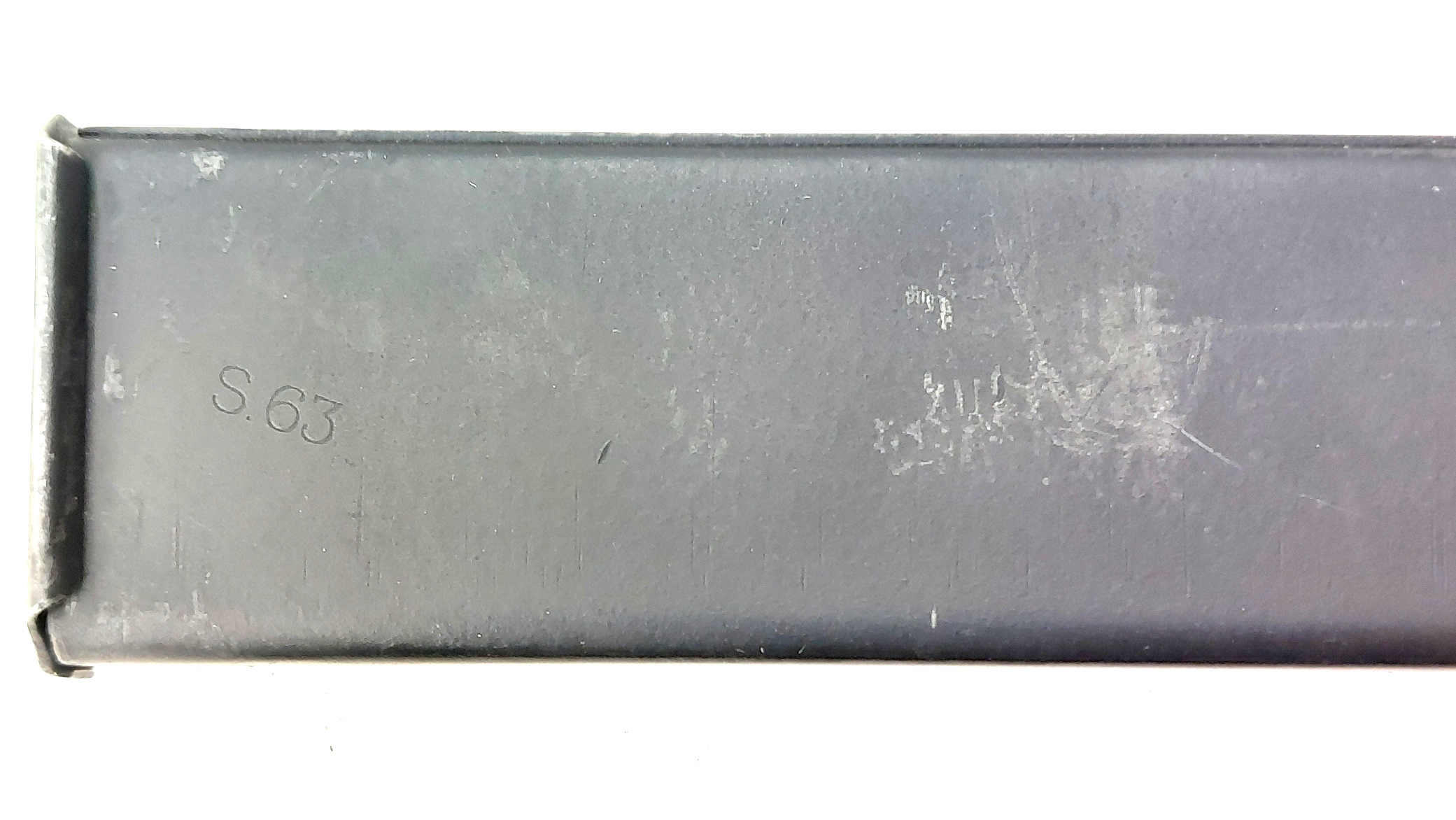
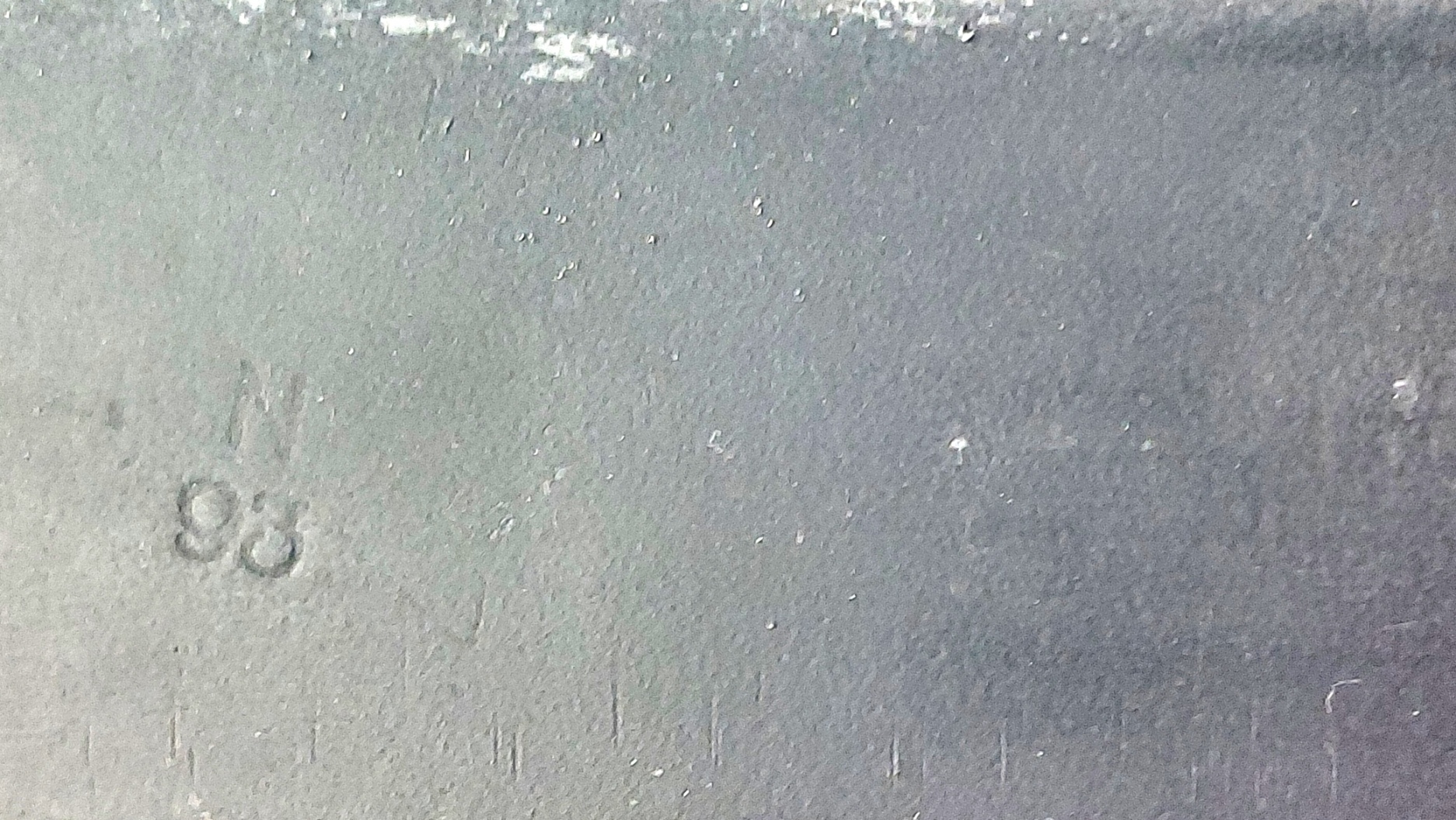
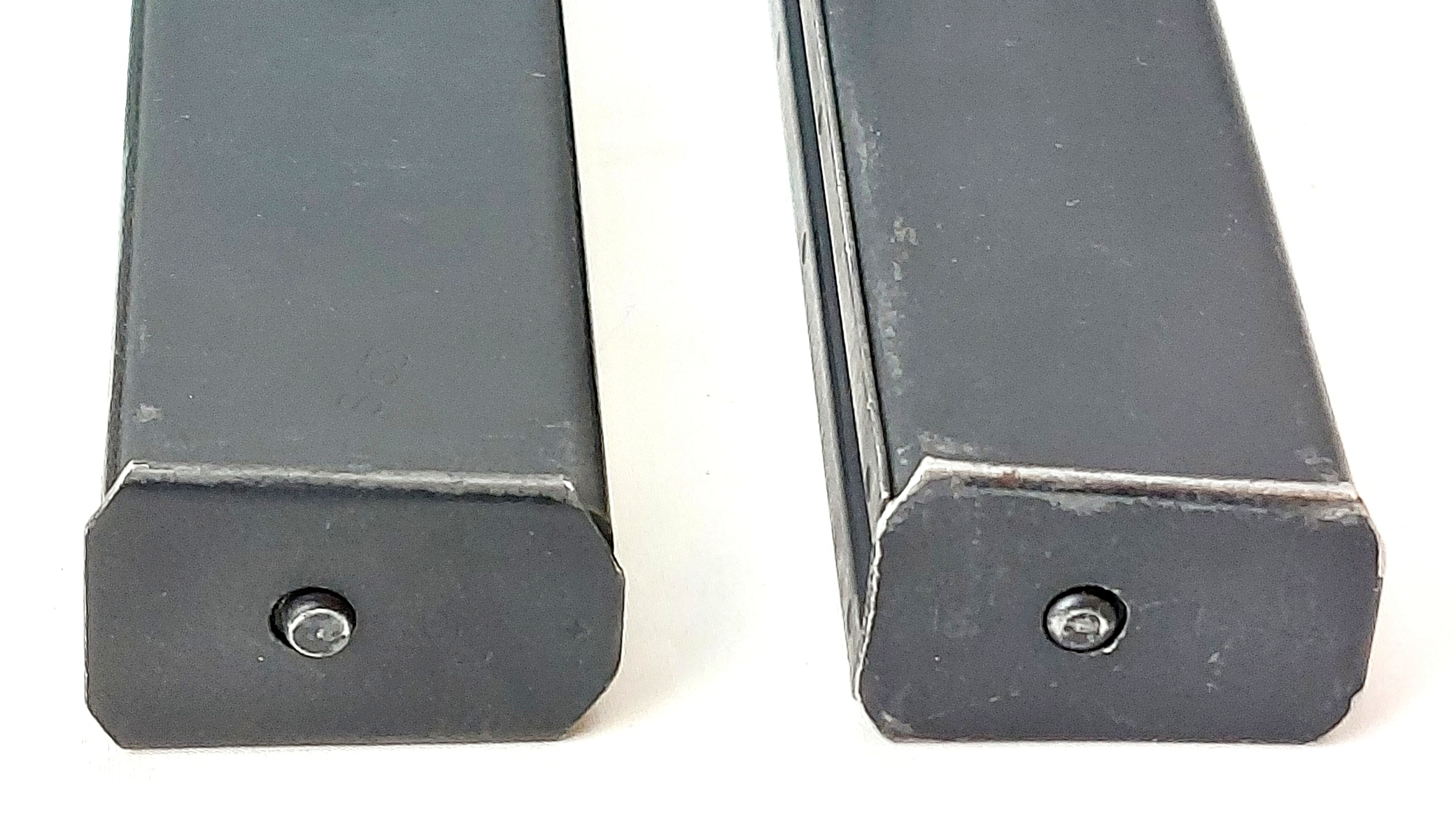
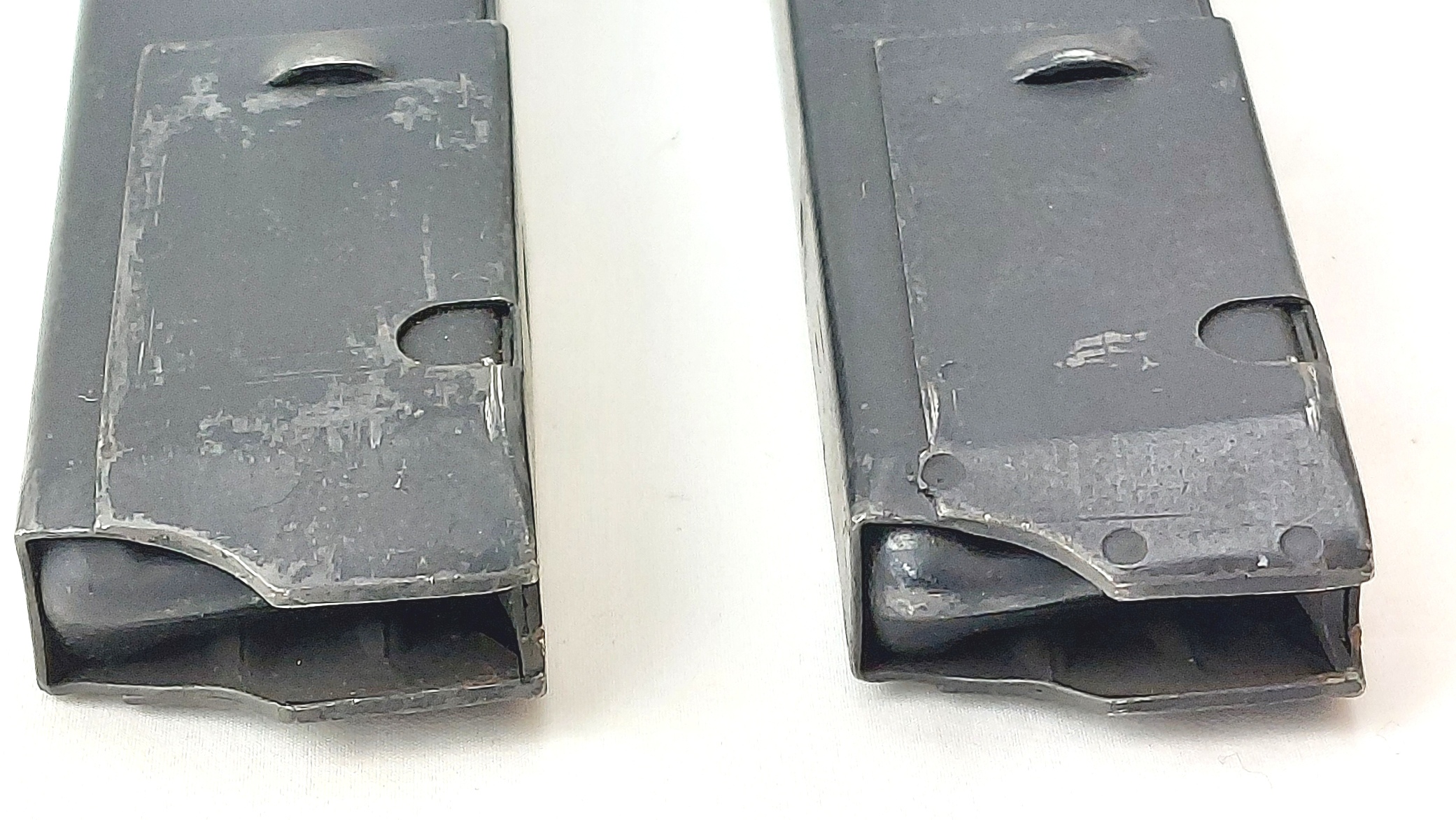
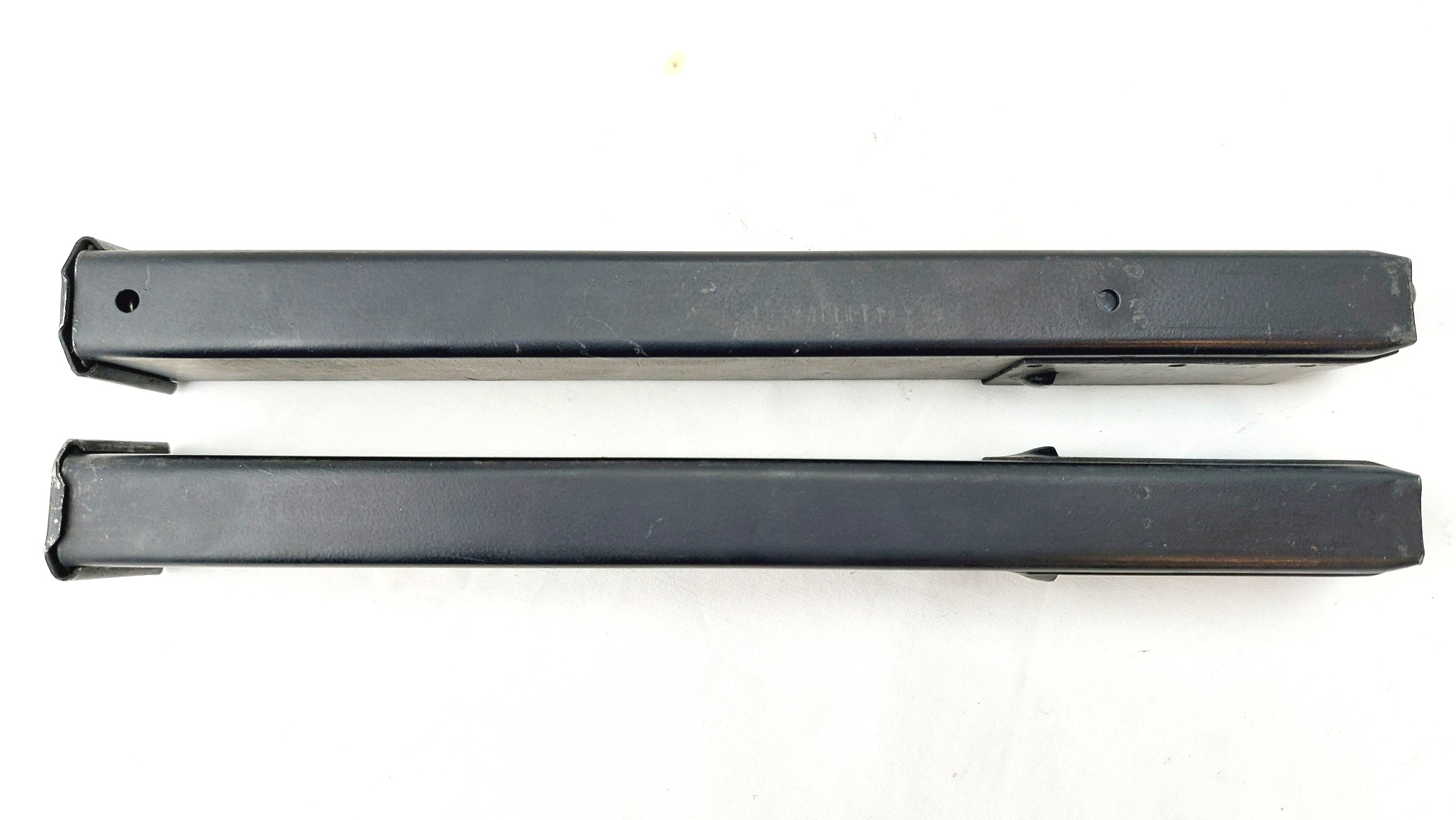
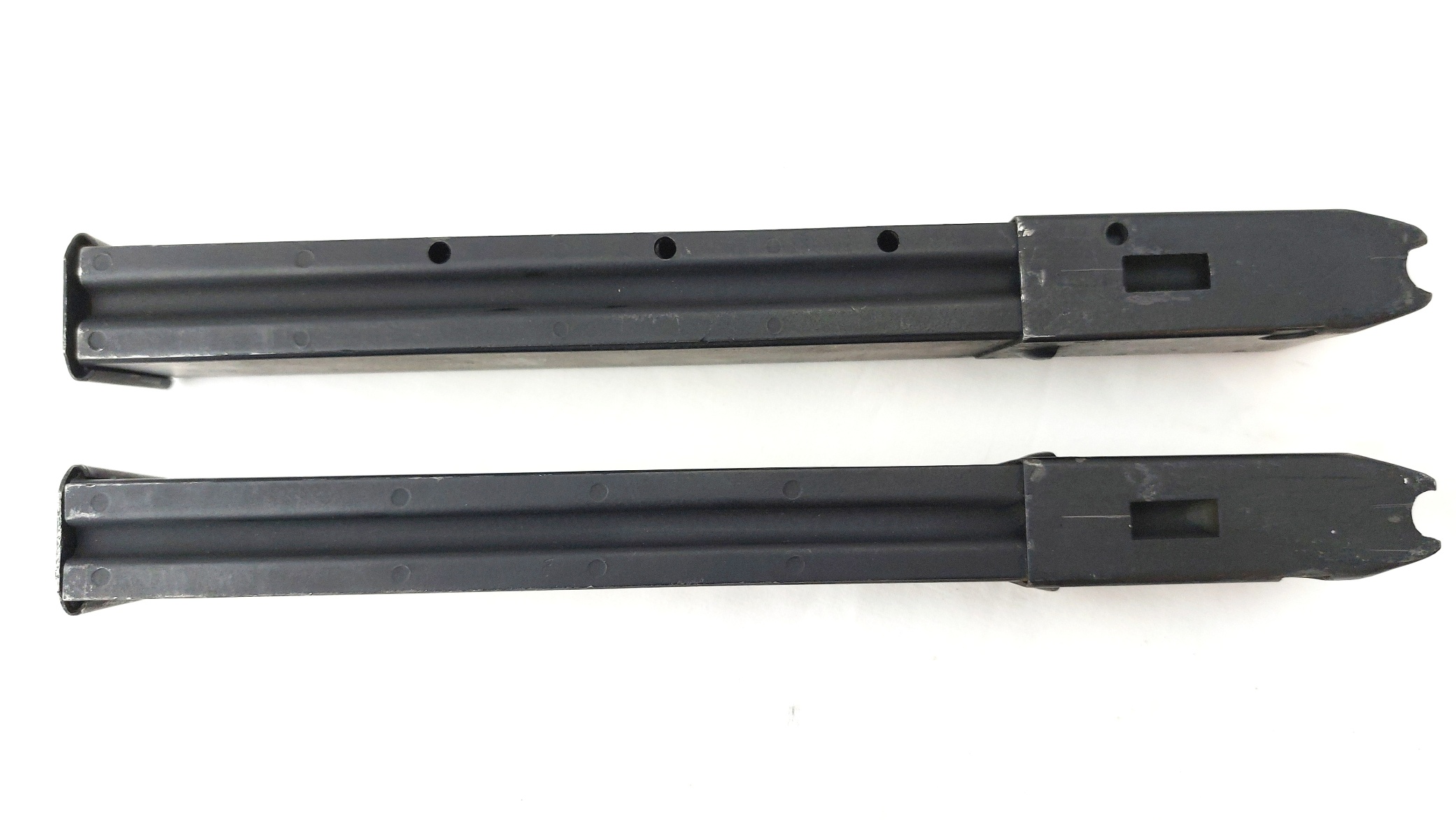
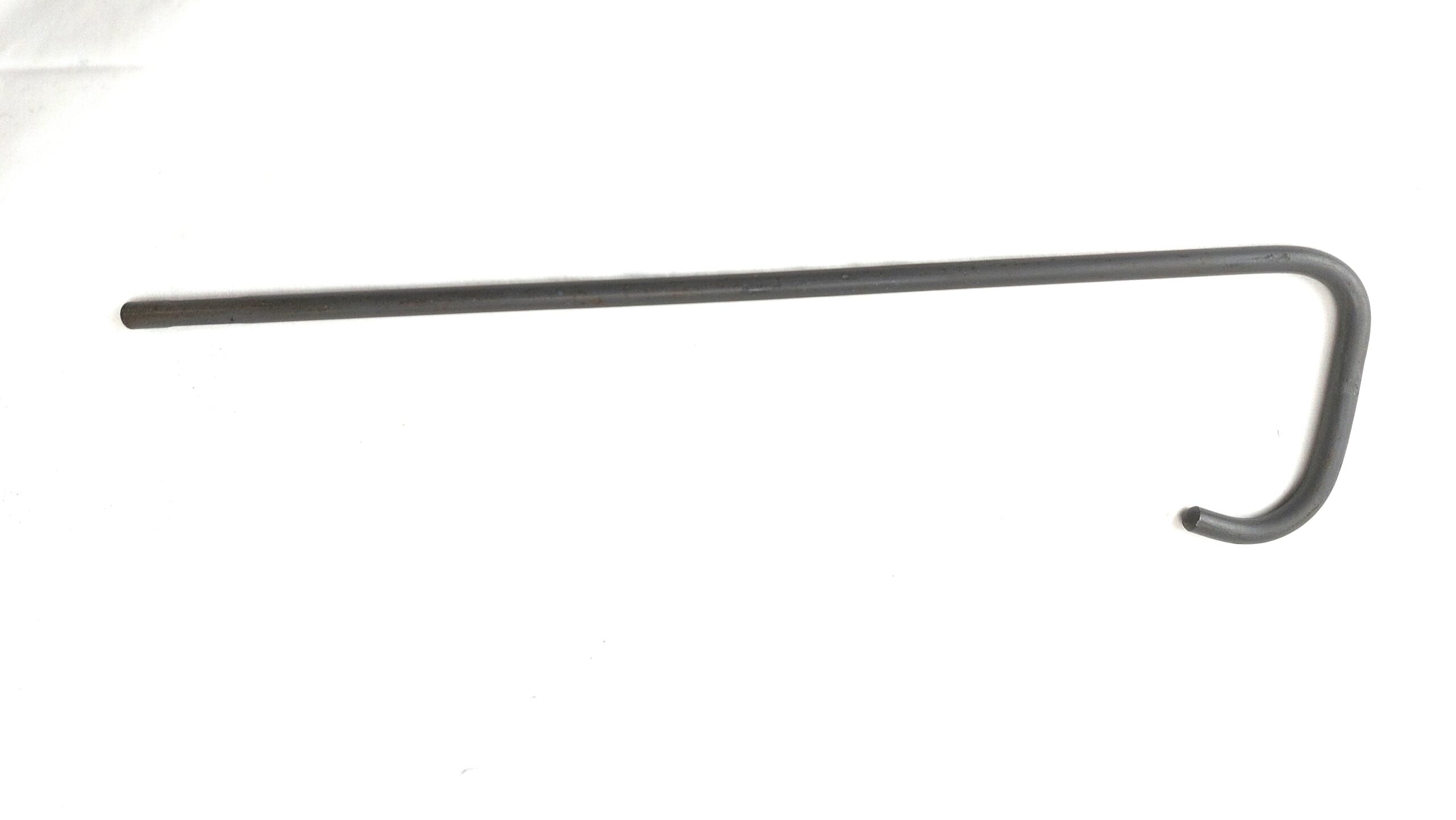
Two Sten pattern 32-round box magazines accompany the gun. One is stamped S63, while the other bears the marking N93, both typical wartime production codes used by subcontractors supplying magazines for Sten guns. Also included is a cleaning rod / pull-through tool, a simple accessory commonly carried with the weapon for maintenance.
The finish across the gun is extremely well preserved, displaying a consistent dark military finish typical of wartime phosphated or parkerised coatings applied to Sten submachine guns.
Approx. Measurements – Barrel length: 17.8 cm. Overall length: approx. 79 cm. Calibre: 9mm x 19mm Parabellum
History Note:
The STEN submachine gun was developed in Britain during 1940–1941 following the evacuation from Dunkirk, when large quantities of military equipment had been lost and Britain urgently required a simple, rapidly produced automatic weapon. Designed at the Royal Small Arms Factory, Enfield, by Major Reginald V. Shepherd and Harold J. Turpin, the name STEN derives from the designers’ surnames combined with EN for Enfield.
The weapon was deliberately designed to be extremely simple and inexpensive to manufacture. Constructed largely from steel tubing and pressed components, the Sten could be produced by a wide range of factories and subcontractors throughout Britain. This decentralised production allowed the weapon to be manufactured in enormous quantities during the war. The Sten Mk II became the principal wartime model and the most widely produced variant, with over 2.6 million examples manufactured between 1941 and 1945. Its detachable barrel, rotating magazine housing and removable skeleton stock made it compact and practical for a variety of military roles. Sten guns were issued widely to the British Army, Commonwealth forces, airborne units, commandos and the Home Guard, and large numbers were supplied to Special Operations Executive (SOE) agents and resistance fighters throughout occupied Europe, where their simplicity and ease of concealment made them ideal weapons for clandestine operations. Today the Sten Mk II remains one of the most recognisable firearms of the Second World War and an enduring symbol of Britain’s wartime industrial ingenuity.
Condition*
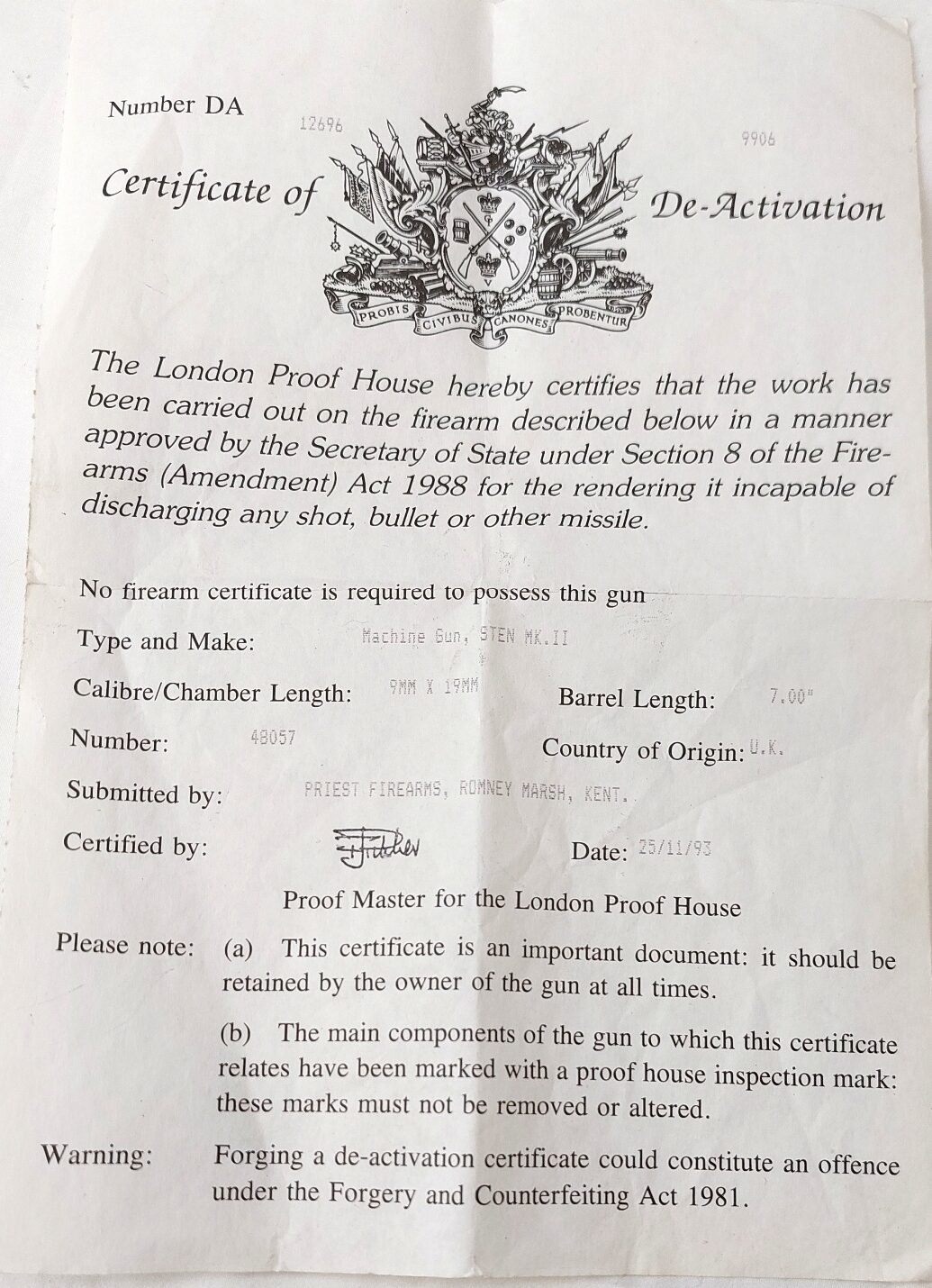
An excellent and particularly well preserved example. The metal finish remains strong and even throughout with only light handling wear and minor marks consistent with careful storage and display. All principal markings remain clear and legible. The serial number 48057 is repeated across multiple components including receiver rear cap, barrel, barrel collar and trigger frame, indicating matching numbered parts. The detachable skeleton shoulder stock is correct and solid, retaining its original form and finish. The rotating magazine housing remains intact and correctly fitted. The gun is accompanied by two magazines marked S63 and N93, together with a cleaning rod. This example has been deactivated to early UK specification (Old Spec) and the bolt moves, the action cocks and the trigger dry-fires, giving excellent display functionality. The gun is accompanied by the original London Proof House Deactivation Certificate dated 25 November 1993, confirming deactivation under the provisions of the Firearms (Amendment) Act 1988. Please see photographs as part of the condition report.
RQMAOOOXAHOO_2449234410