Firearms, Blades and Other Weapons
Due to the nature of these items, they will require upon purchase the upload of a proof of ID photo.
Explore our collection of antique and collectible arms, including swords, bayonets, daggers, deactivated and obsolete-calibre firearms, inert ammunition and edged weapons. Each piece is offered strictly as a historical collector's item, chosen for its craftsmanship, history and condition, and supplied in full accordance with UK law. A serious category for militaria collectors and historians. Please note that age and identification checks apply to relevant items.
Showing 1–36 of 1345 resultsSorted by latest
-
Small ArmsDetails
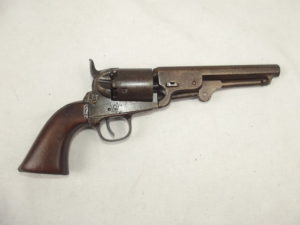
1851 Colt Navy Pattern Short Barrel Six shot Revolver, English Stamps
Original price was: £1,450.00.£1,275.00Current price is: £1,275.00. -
German DaggersDetails
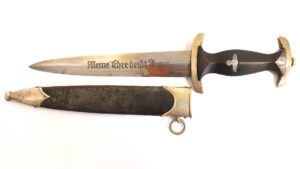
German, WW2-1939, Third Reich SS Model 1933 Dienstdolch (Service Dagger), Robert Klaas, Solingen (RZM M7/37 & SS Contract RZM 1051/39), with Original Scabbard
£3,000.00 -
German DaggersDetails
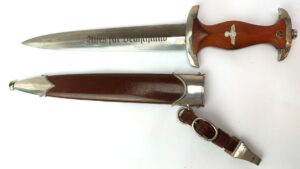
German, WW2, Third Reich SA (Sturmabteilung) Honour Dagger, RZM M7/13 by Arthur Schüttelhöfer & Co., with Original Scabbard and RZM Hanger
£895.00 -
DeactivatedDetails
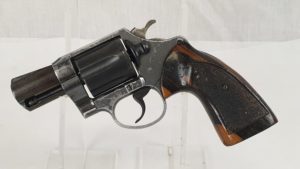
Colt Agent .38 Special Snub Revolver - EU spec Deactivated
Original price was: £675.00.£575.00Current price is: £575.00. - Details
-
Replica SwordsDetails
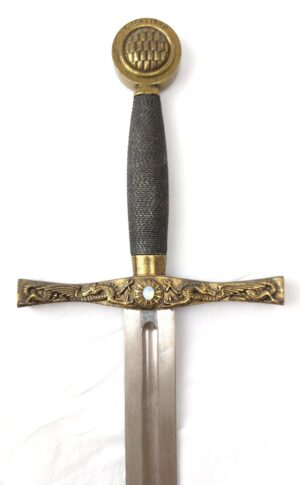
Replica Excalibur Fantasy Sword, Heavy Display Piece with Dragon Hilt Decoration
£55.00 - Details
- Details
- Details
- Details
-
Post-WW2Details
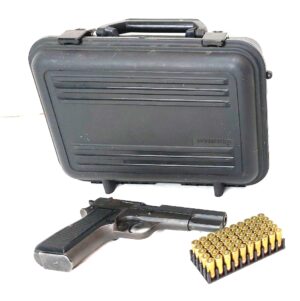
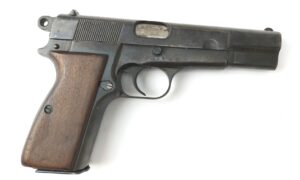
Belgium, c. Late 1940s, FN Browning Hi-Power (P35) Semi-Automatic Pistol, 9mm, Serial No. 1223, Early Commercial Production, EU Spec Deactivated
£1,650.00 -
Sword SticksDetails
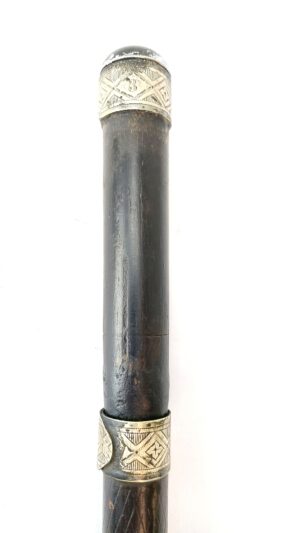
Late 19th / Early 20th Century, Concealed Sword Stick, Four-Sided Steel Blade, Carved Hardwood Scabbard
£225.00 - Details
- Details
-
Post-WW2Details
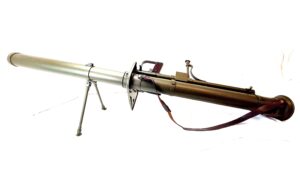
US, Cold War Era, M20 "Super Bazooka" 3.5-Inch Rocket Launcher, Matching Serial No. 2619, Mod.58 Optical Sight, Bipod & Sling, Old Spec UK Deactivated
£2,250.00 - Details
- Details
- Details
- Details
- Details
-
Inter-WarDetails
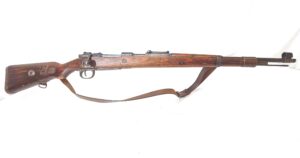
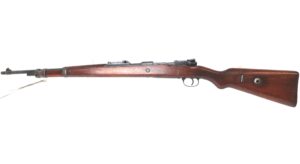
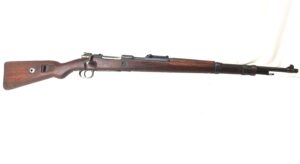
German, Pre-WW2 1936, Mod.98 (K98) Mauser Bolt Action Rifle, S/42 Mauser Oberndorf, Serial no. 9956, Waffenamt 63, Early Features, UK/EU Deactivated
£895.00 - Details
- Details
- Details
- Details
-
WW2Details
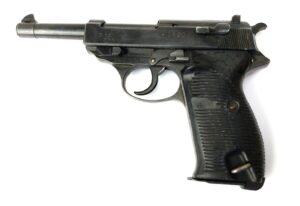
German, WW2 – June 1943, Mauser P38 Semi-Automatic Pistol, byf/43, Matching Serial No. 2637f, WaA135, EU/UK Deactivated
£1,295.00 -
Inter-WarDetails
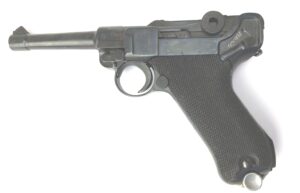
German, Interwar-1937, Mauser P.08 Luger 9mm Semi-Automatic Pistol, S/42, WaA63, Matching Serial Nos. 7363t, EU/UK Deactivated
£1,795.00 - Details
- Details
- Details
-
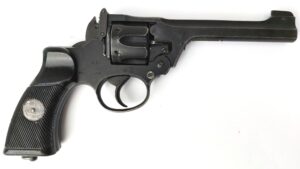
Inter-WarDetails
British, Interwar-Dated 1934, Early Enfield No.2 Mk I .38/200 Service Revolver, Matching Serial No. C6740, Old Spec Handling, EU/UK Deactivated
£1,100.00 - Details
- Details
-
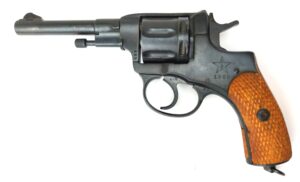
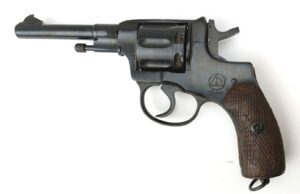
Inter-WarDetails
Soviet/Russian, Interwar-Dated 1929, Nagant M1895 7.62×38mmR Revolver, Tula Arsenal, Matching Serial No. 887, Old Spec UK Deactivated
£795.00 - Details
-
Inter-WarDetails
British, Interwar - Dated 1935, Enfield No.2 Mk I* .38/200 Service Revolver, Matching Serial No. D8744, FTR/52, EU/UK Deactivated
£575.00