*Japanese, Edo Period Wakizashi (Short Sword) with Koshirae (Mounts) & Black Lacquer Saya (Scabbard), Iron Tsuba, Dragon Menuki, Signed Fuchi Mei 岩本昆寛 Iwamoto Konkan*
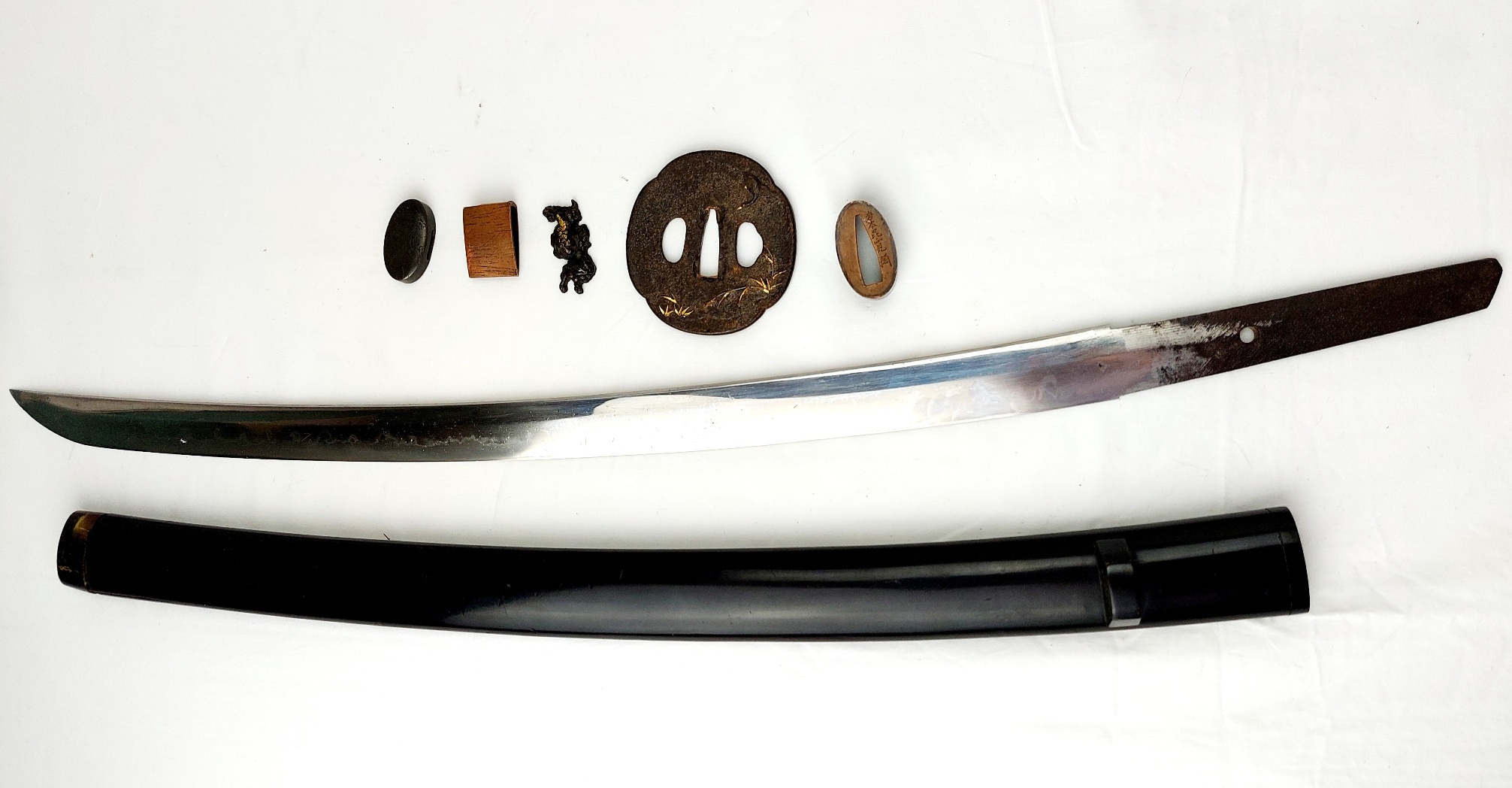
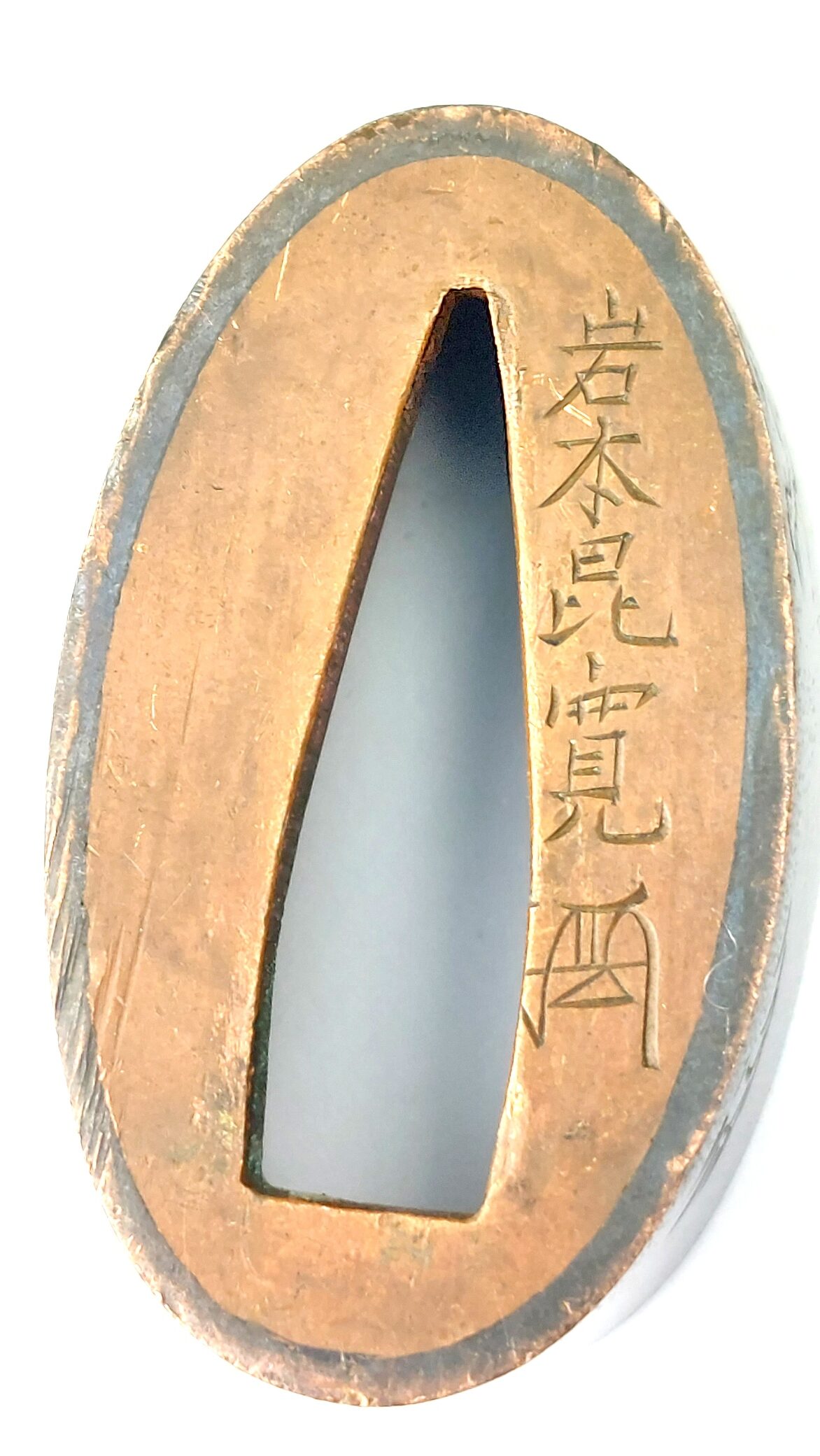
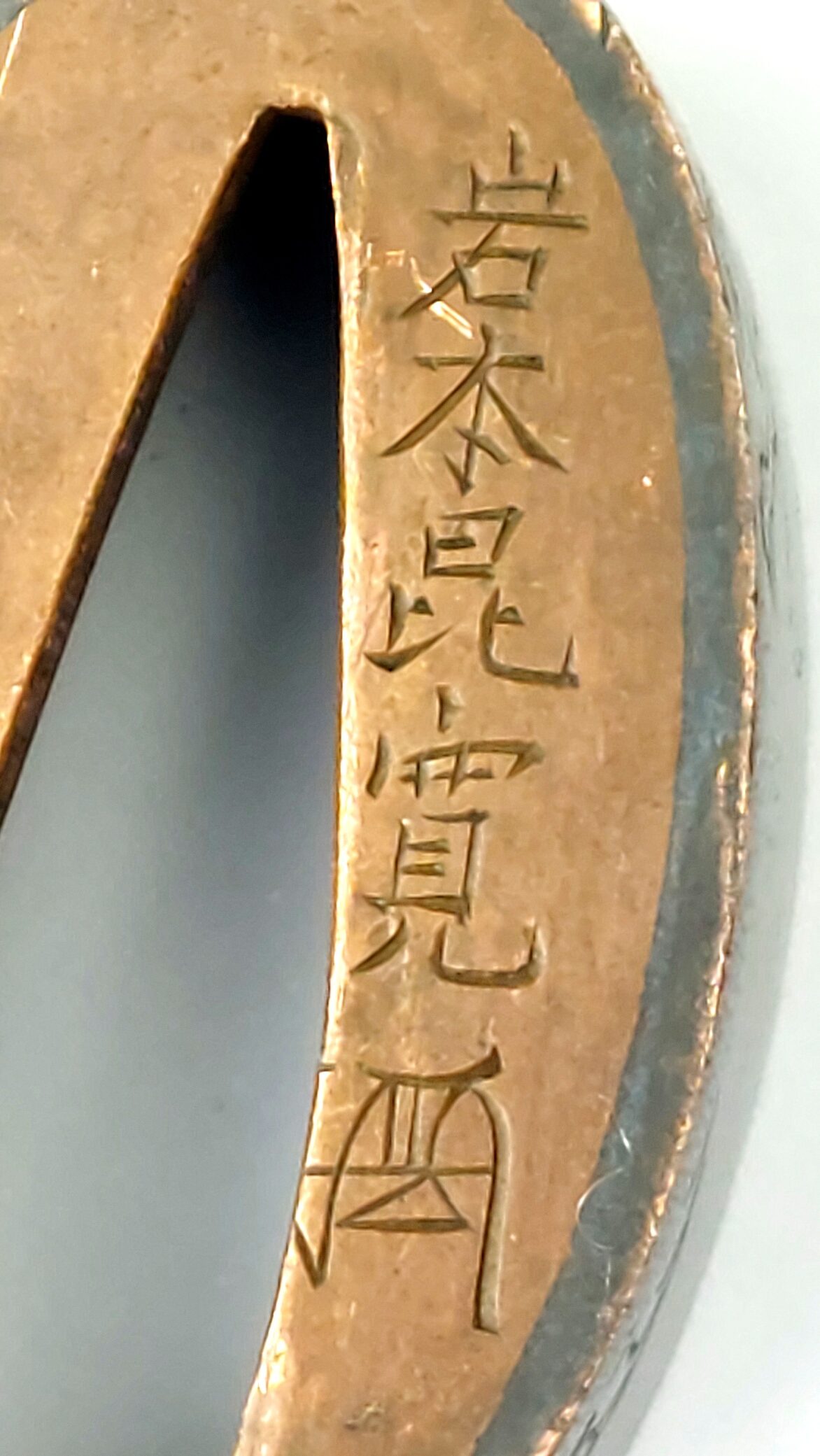
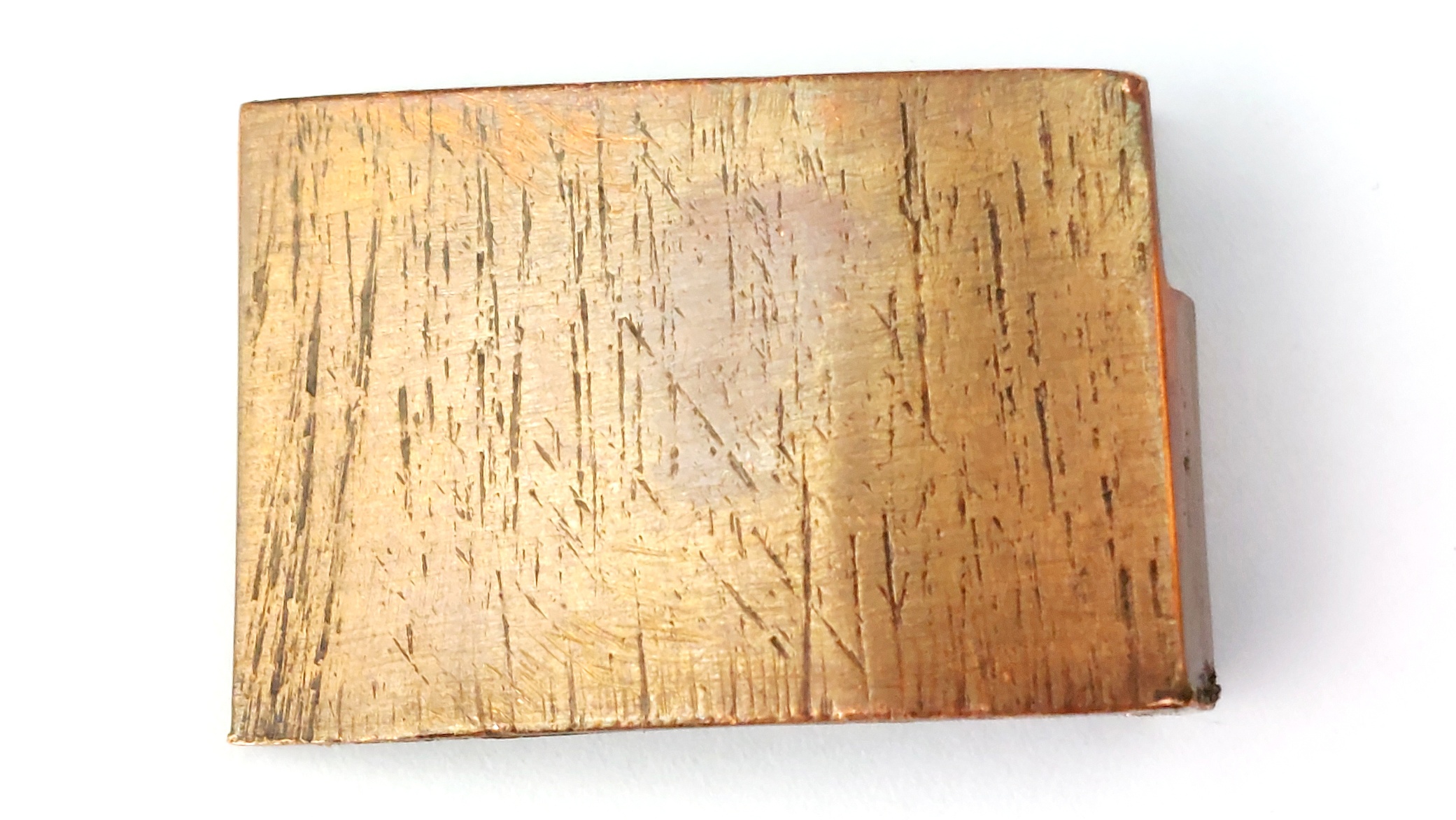
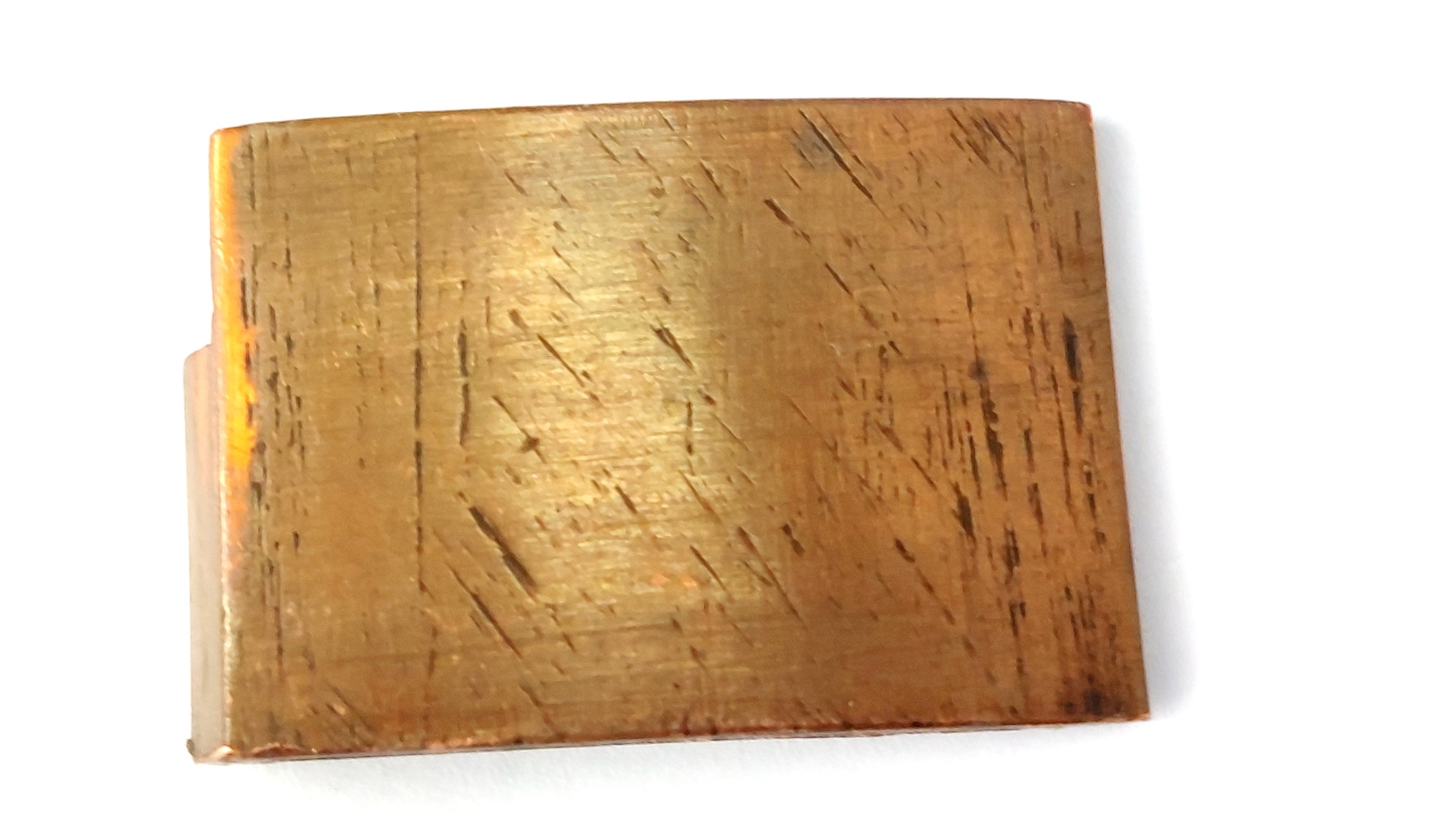
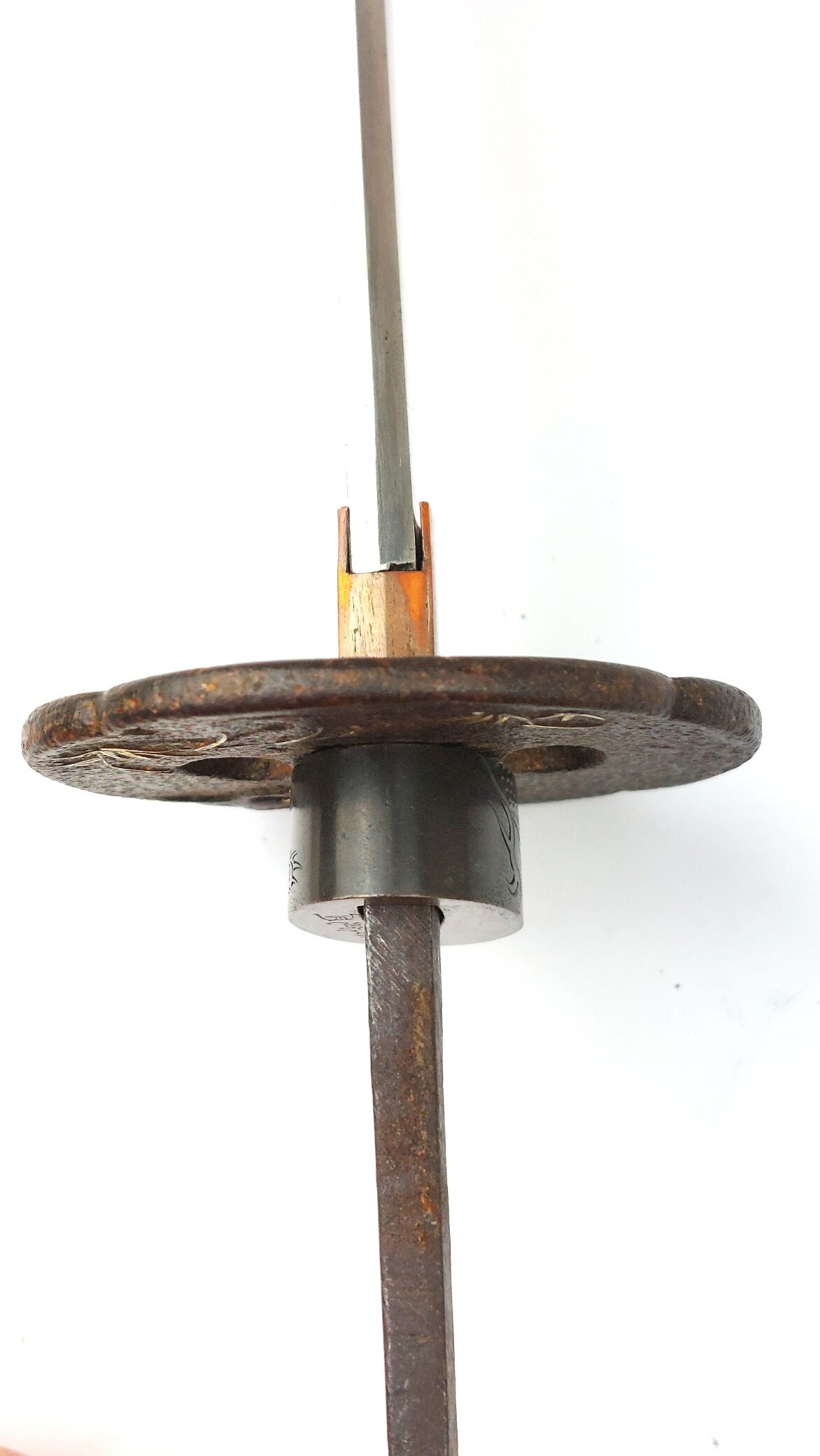
An attractive Edo period Japanese wakizashi offered with its traditional fittings and black lacquer saya, including a signed fuchi bearing the mei 岩本昆寛 (Iwamoto Konkan). The sword is presented as a group of koshirae components comprising the blade together with an iron tsuba, dragon menuki, and copper habaki.
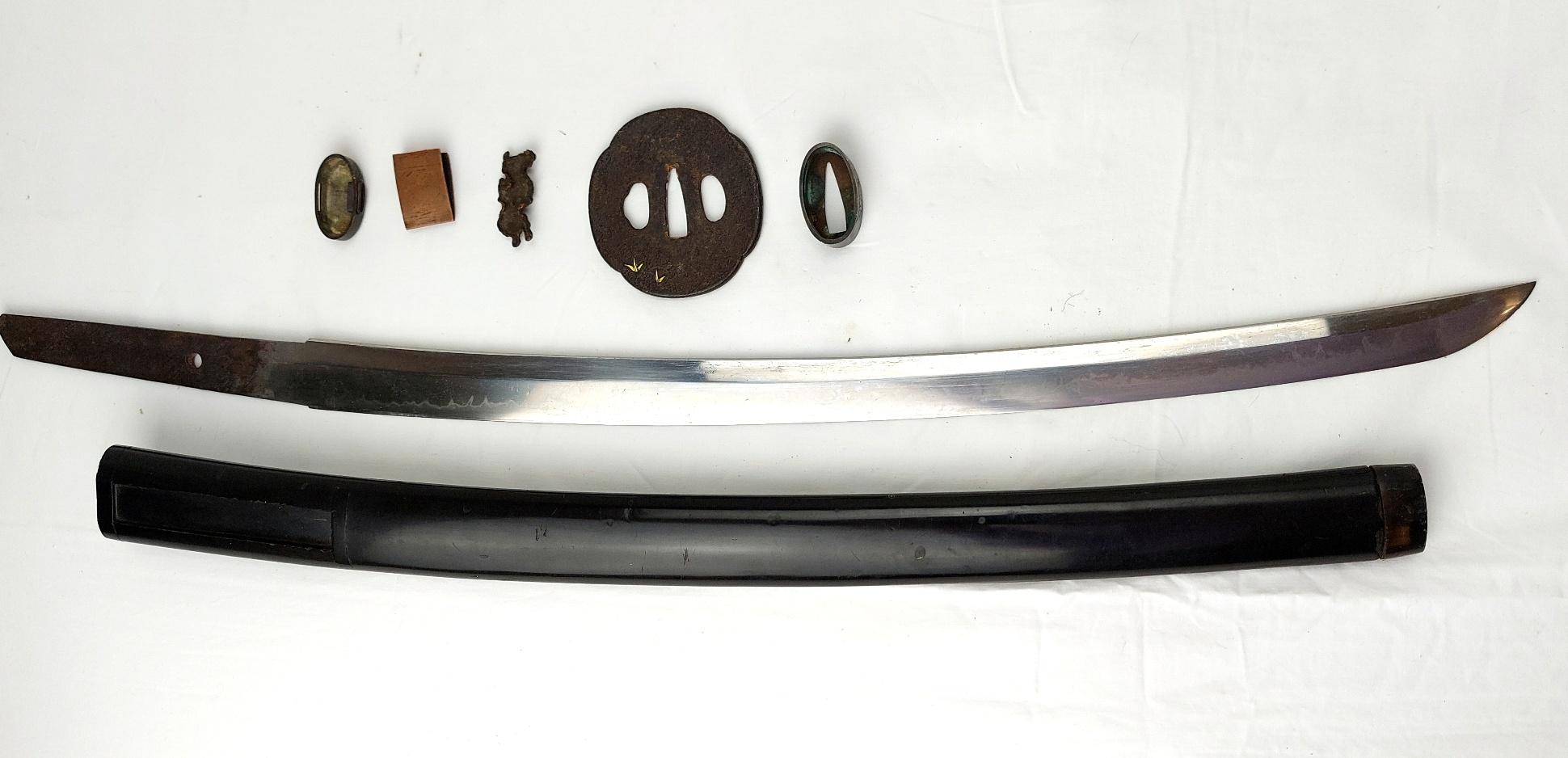
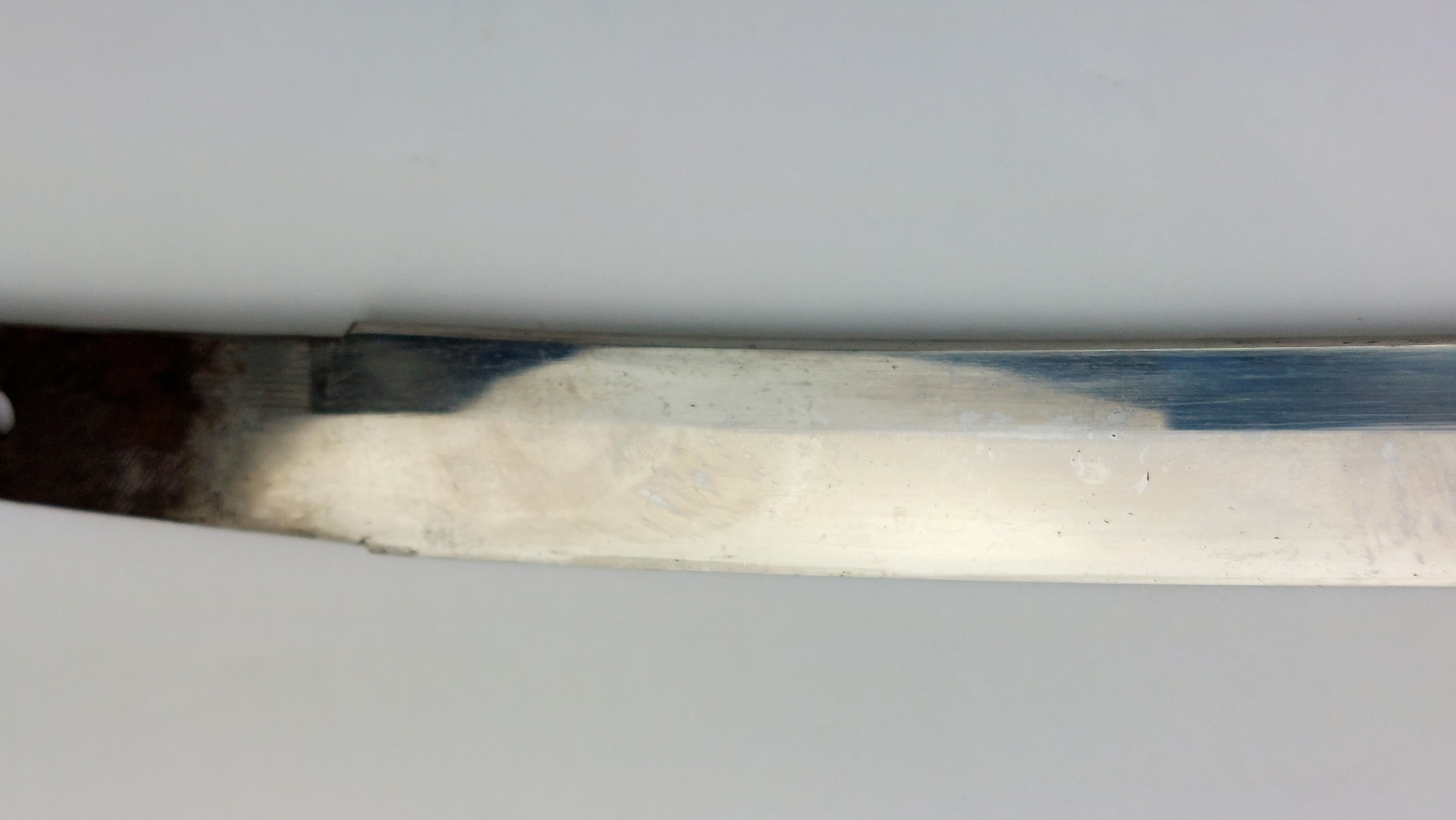
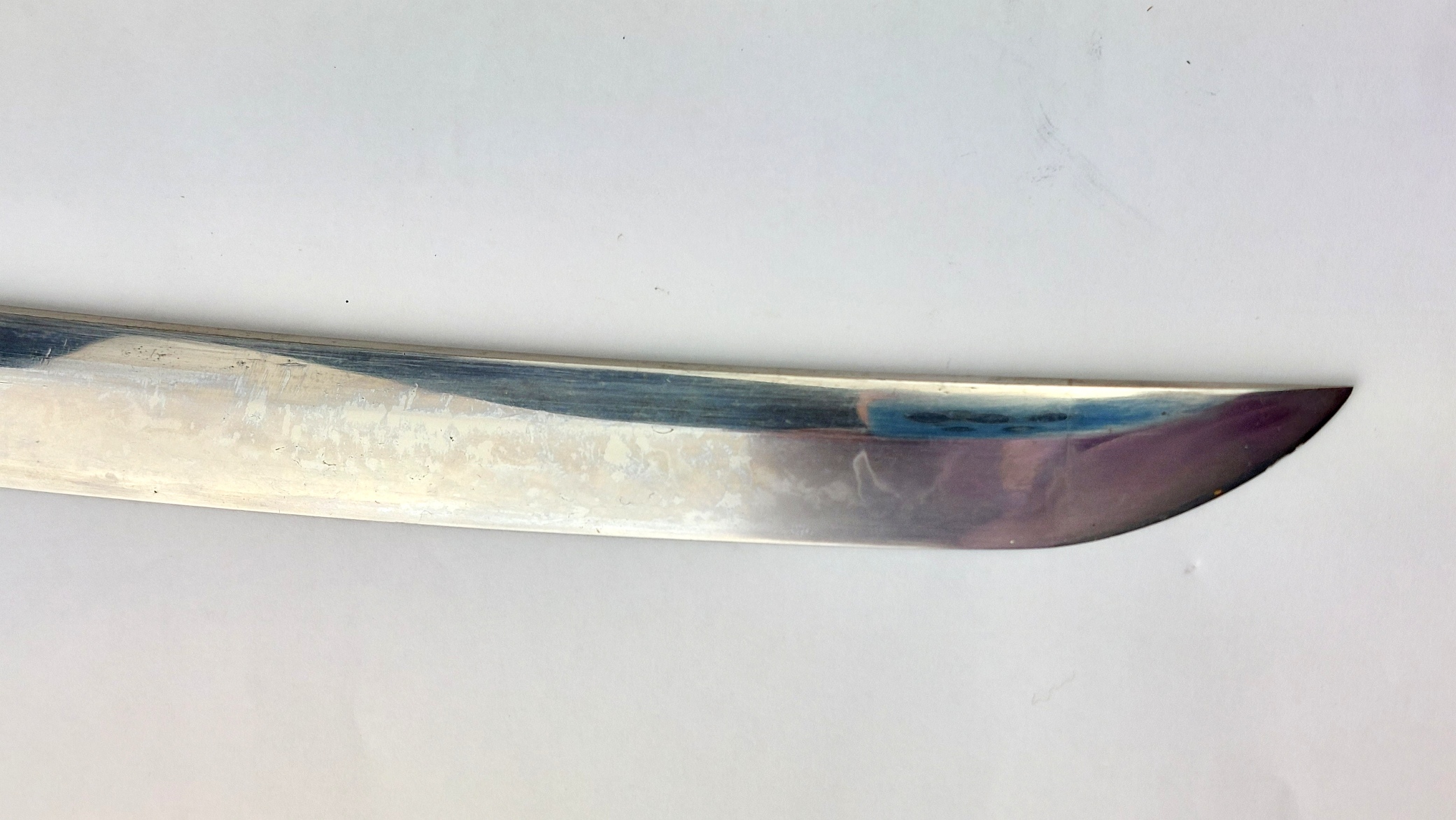
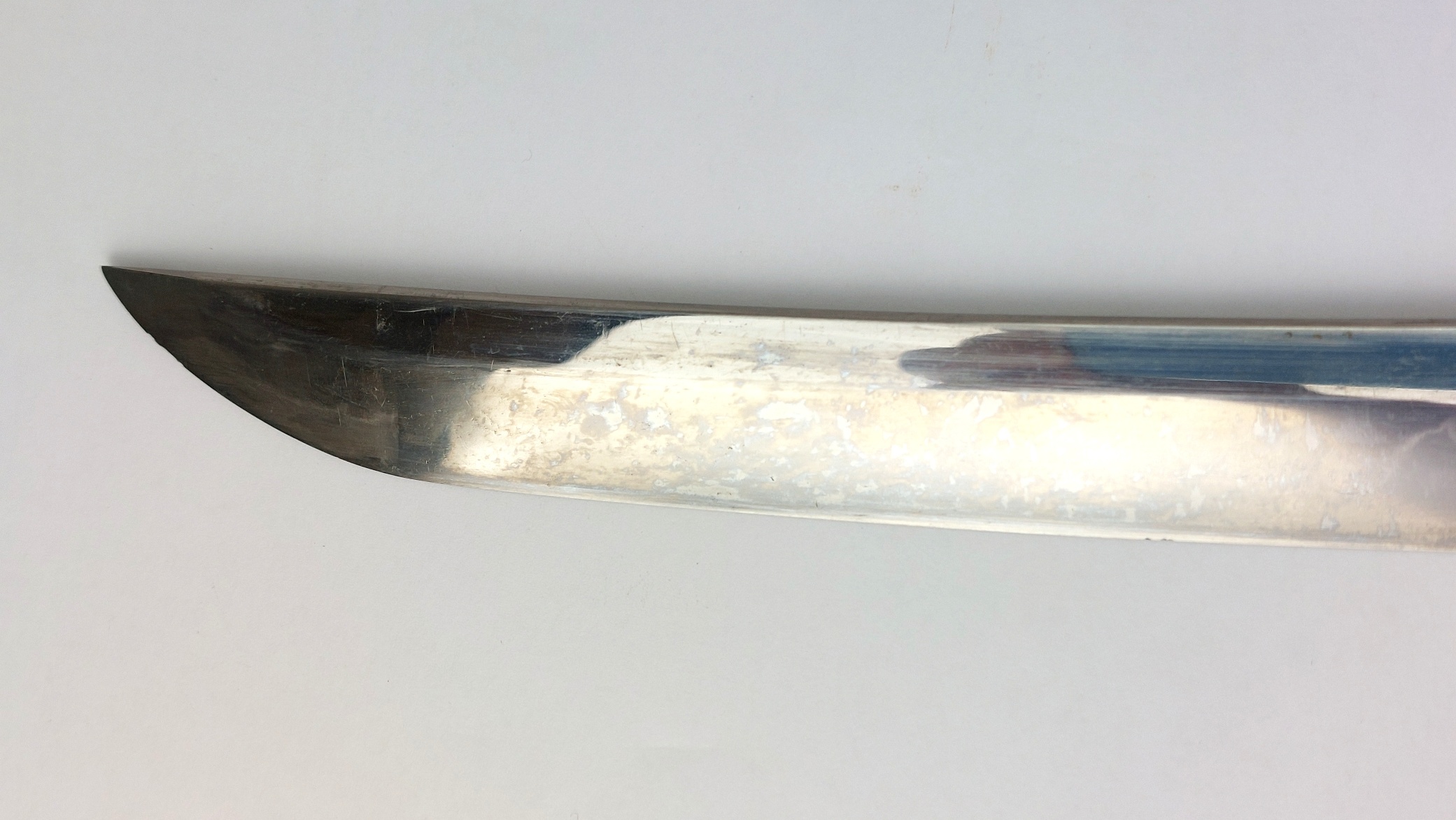
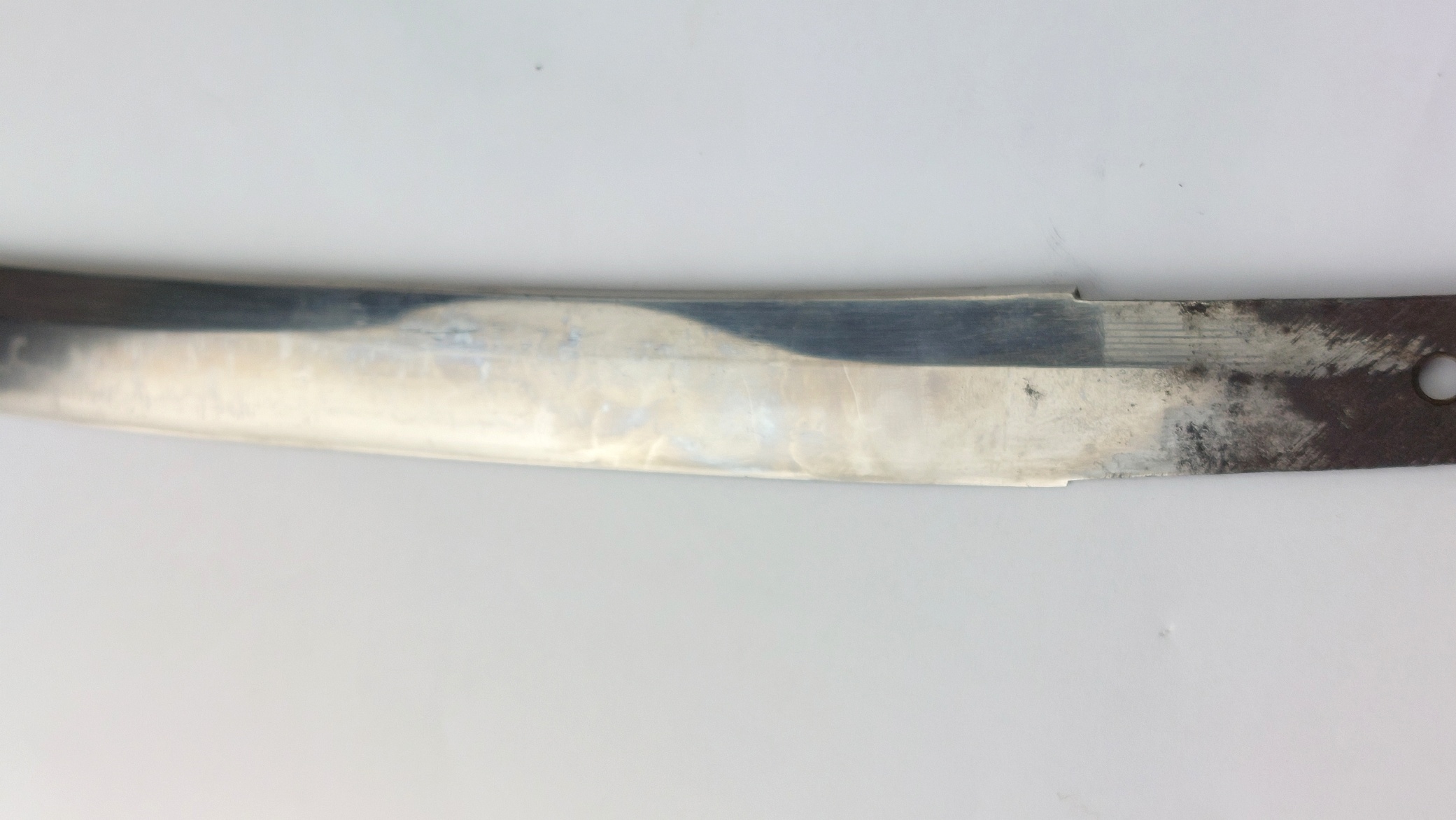
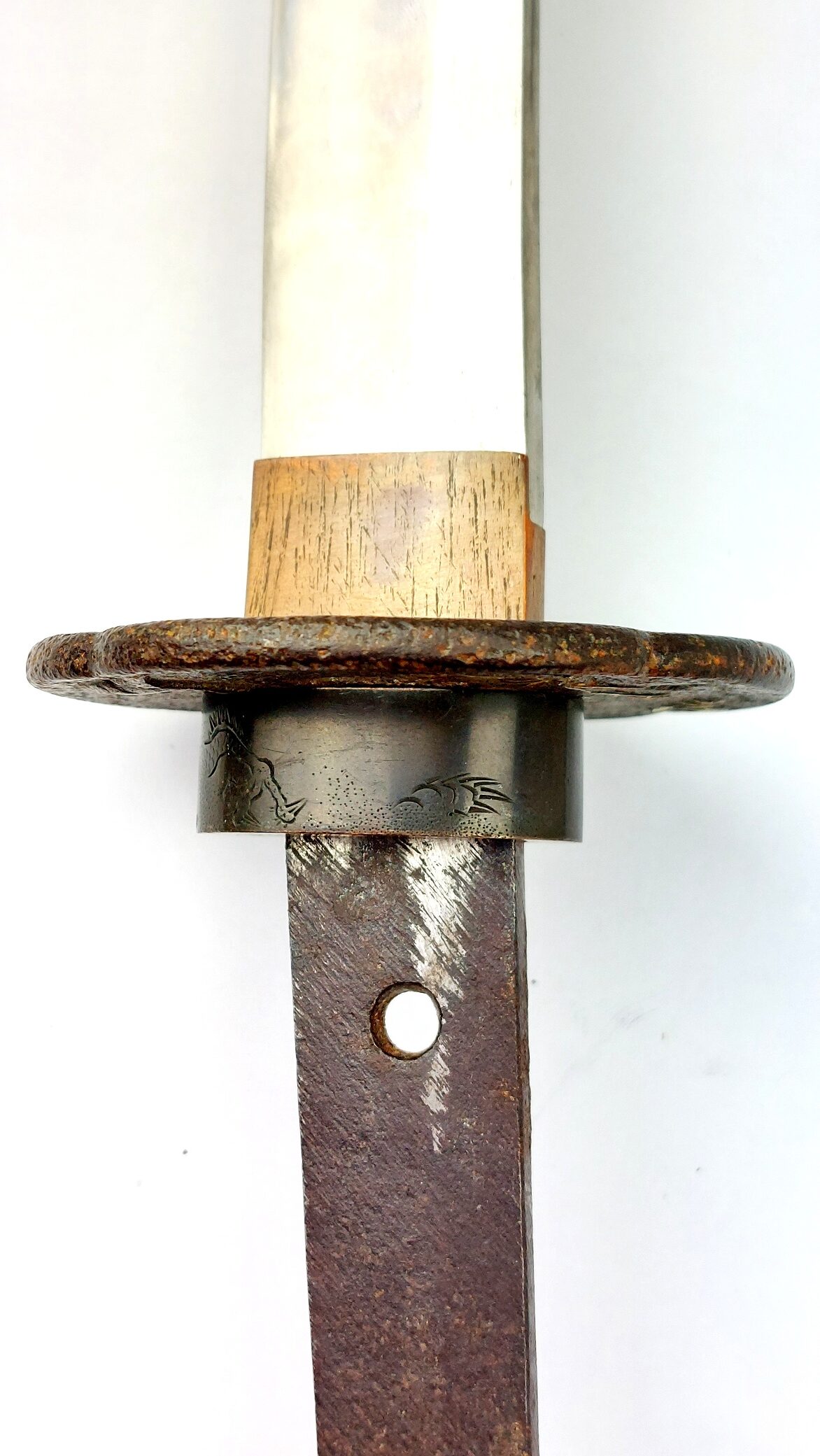
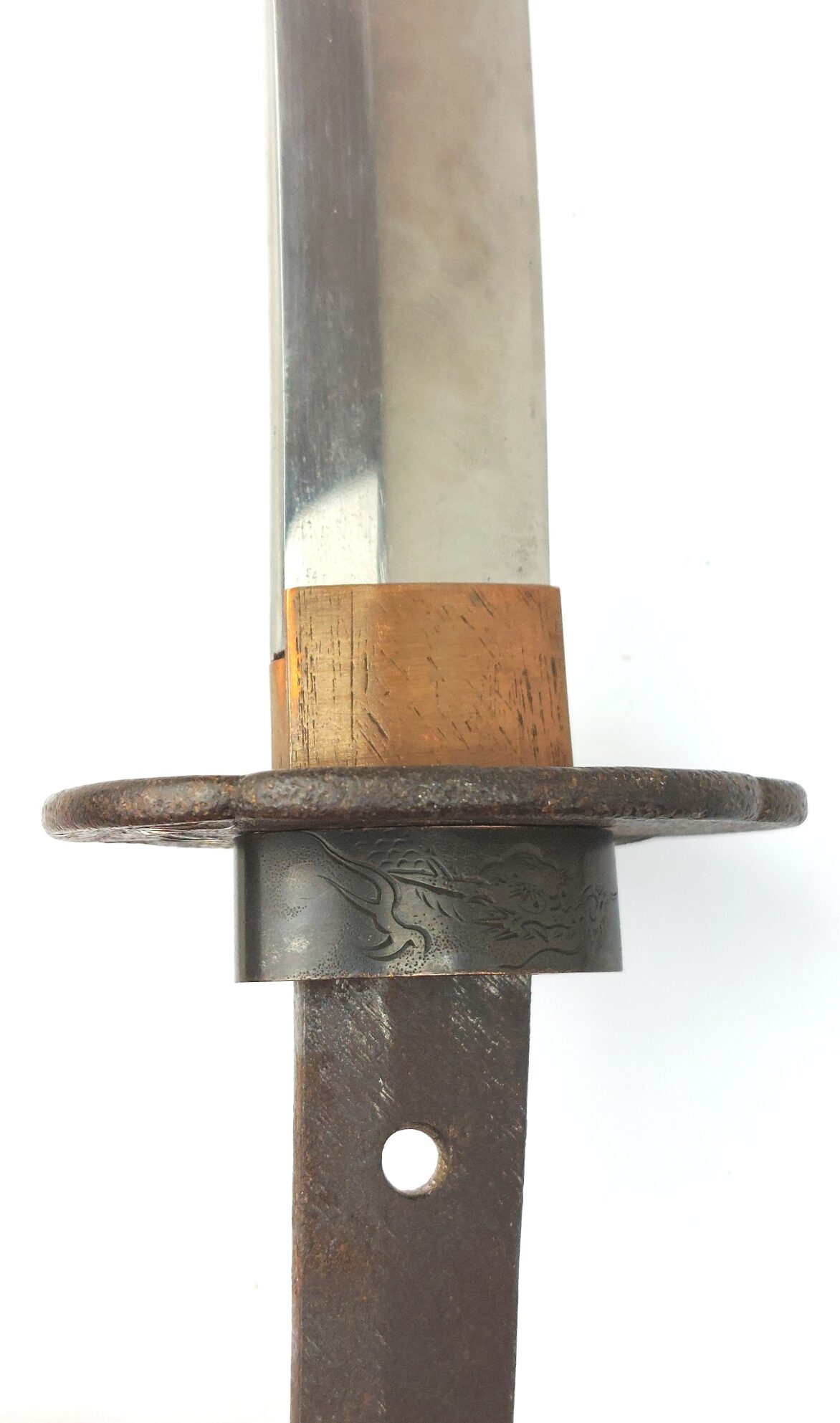
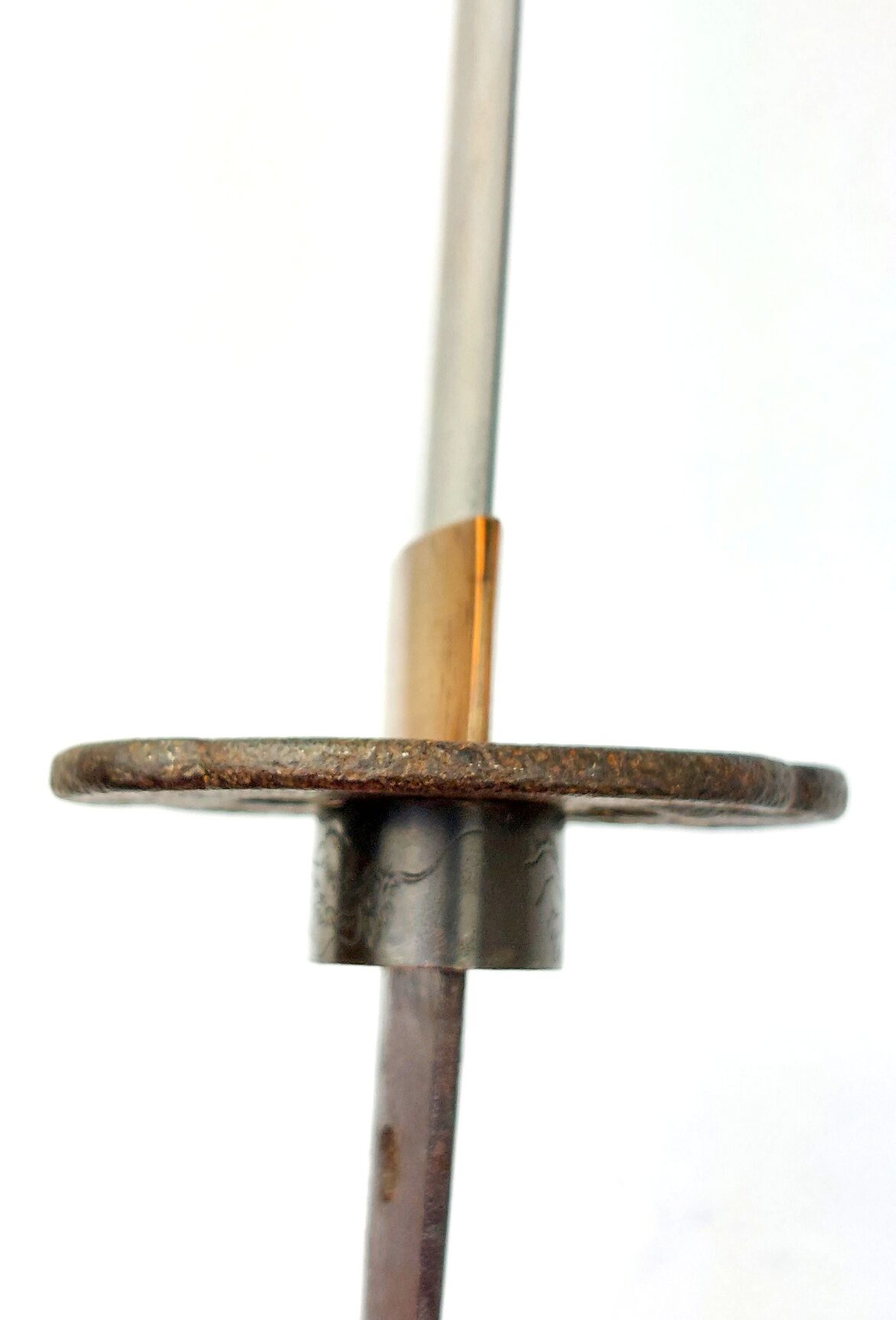
The blade has a classic shinogi-zukuri form with visible hamon and is accompanied by a suite of traditional fittings including an iron tsuba with gold inlay, a signed fuchi bearing the mei “Iwamoto Konkan” (岩本昆寛), dragon menuki and a copper habaki.
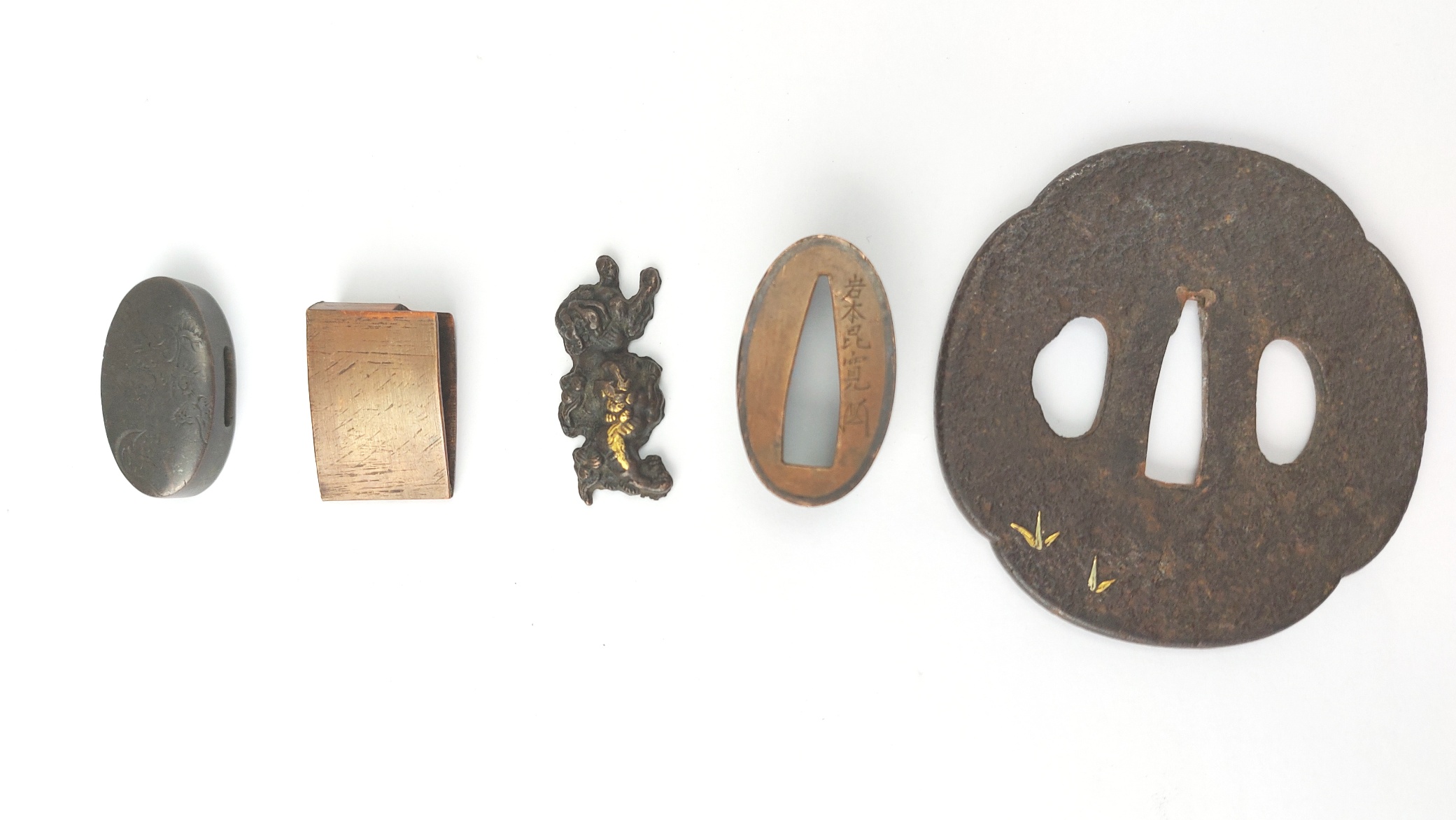
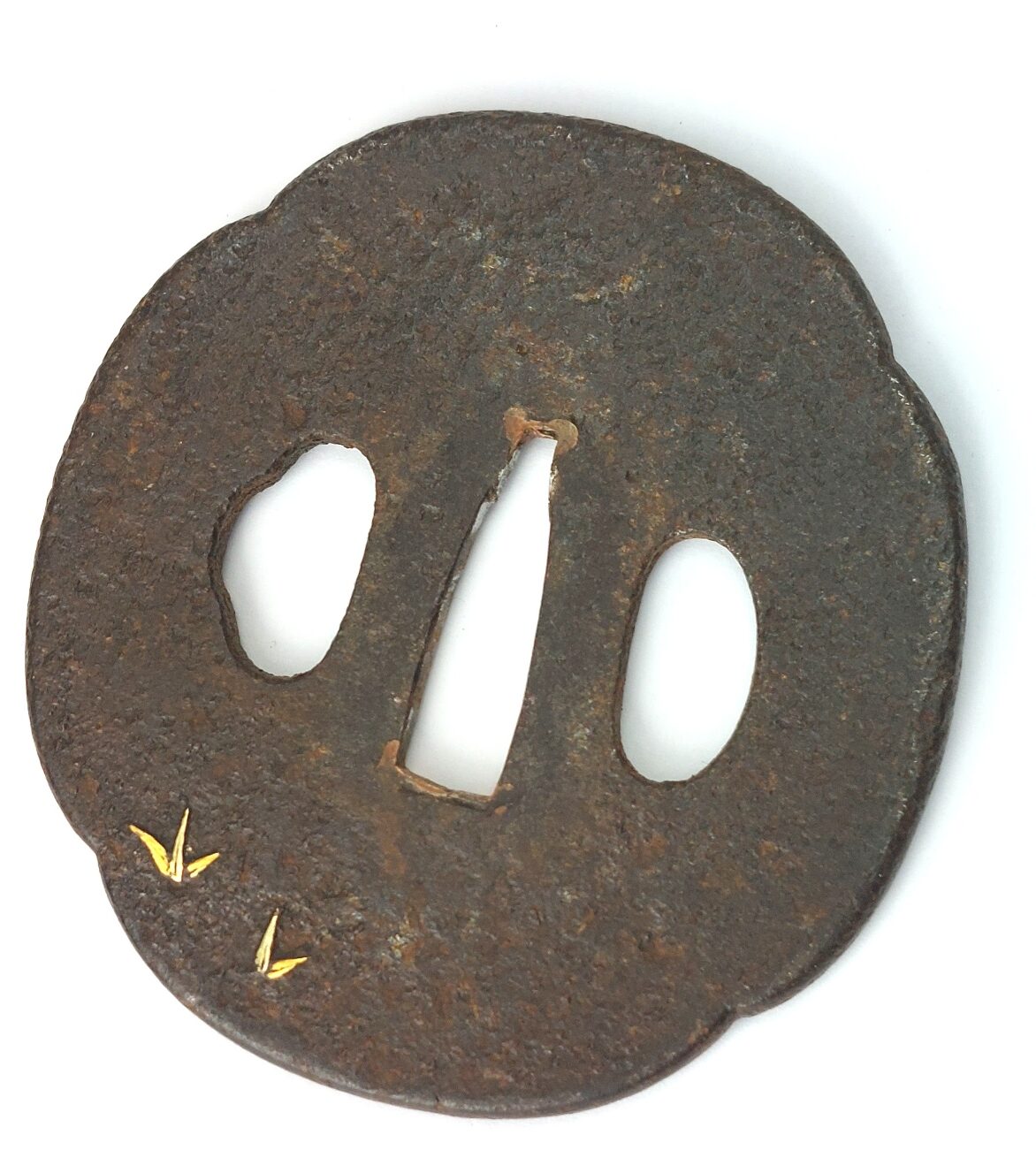
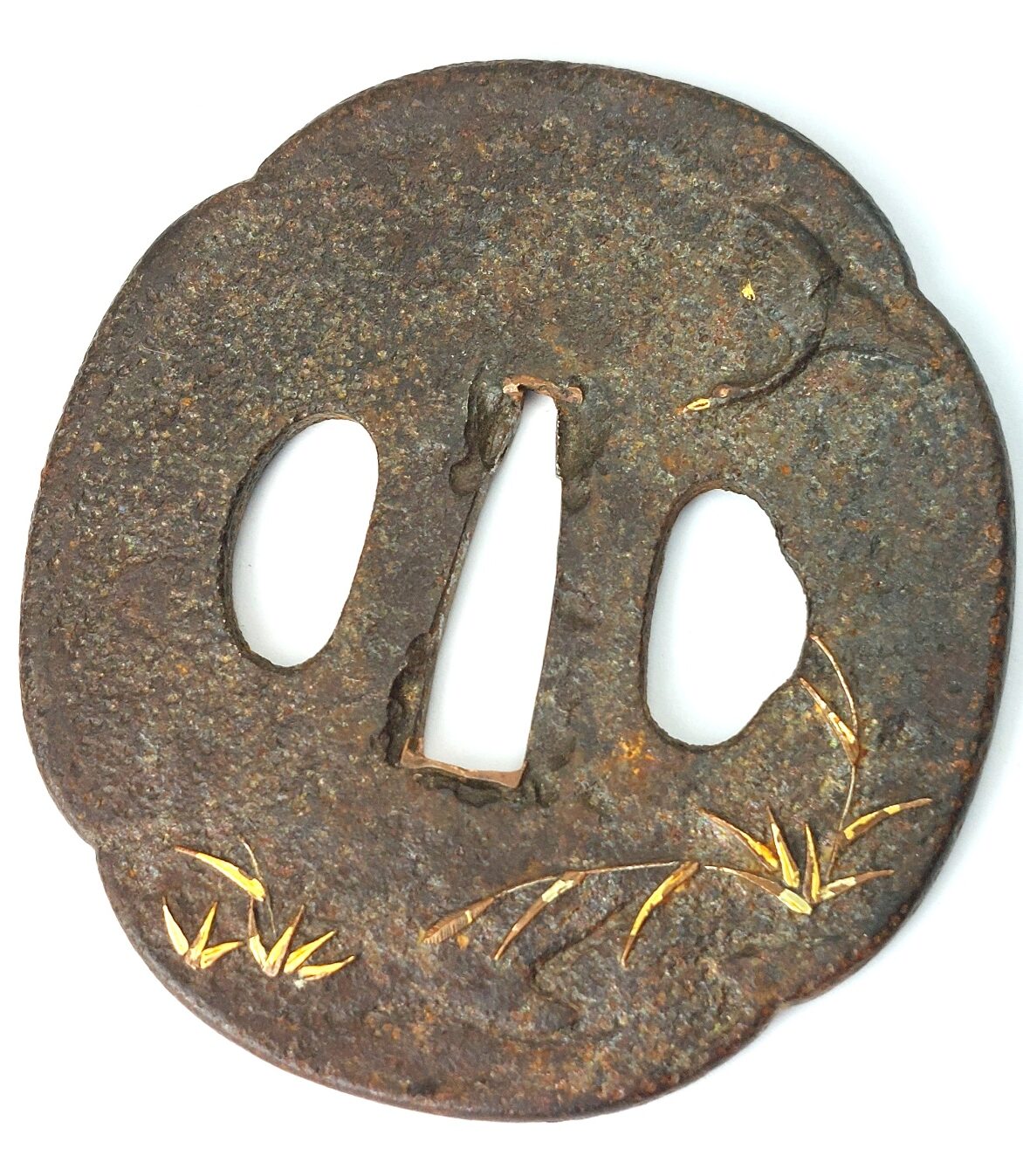
The iron tsuba is circular and decorated with a restrained nature motif in gold inlay depicting slender grasses or reeds. The design is intentionally simple and refined, a style frequently associated with late Edo period fittings and schools influenced by Mito and Shoami traditions.
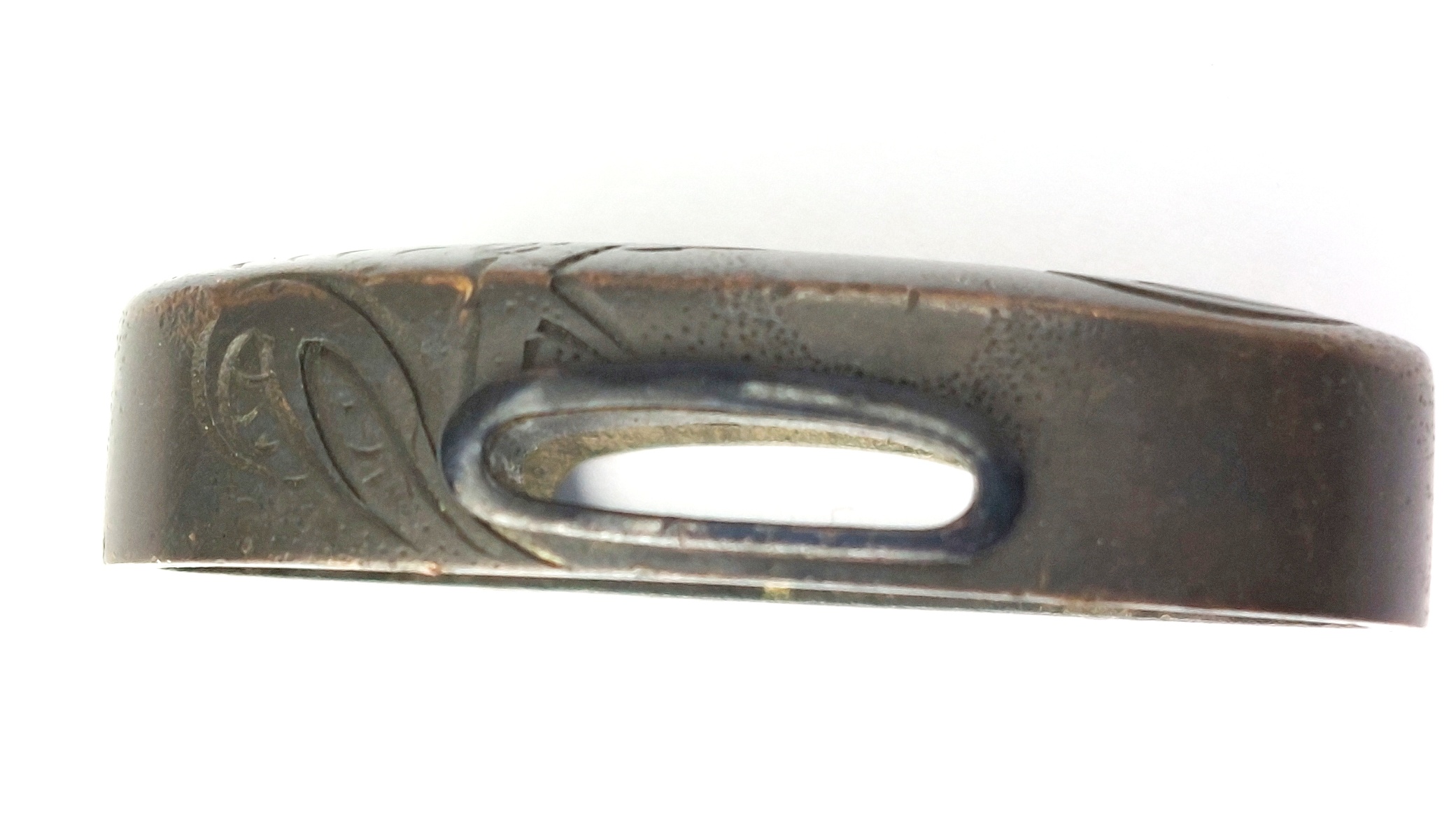
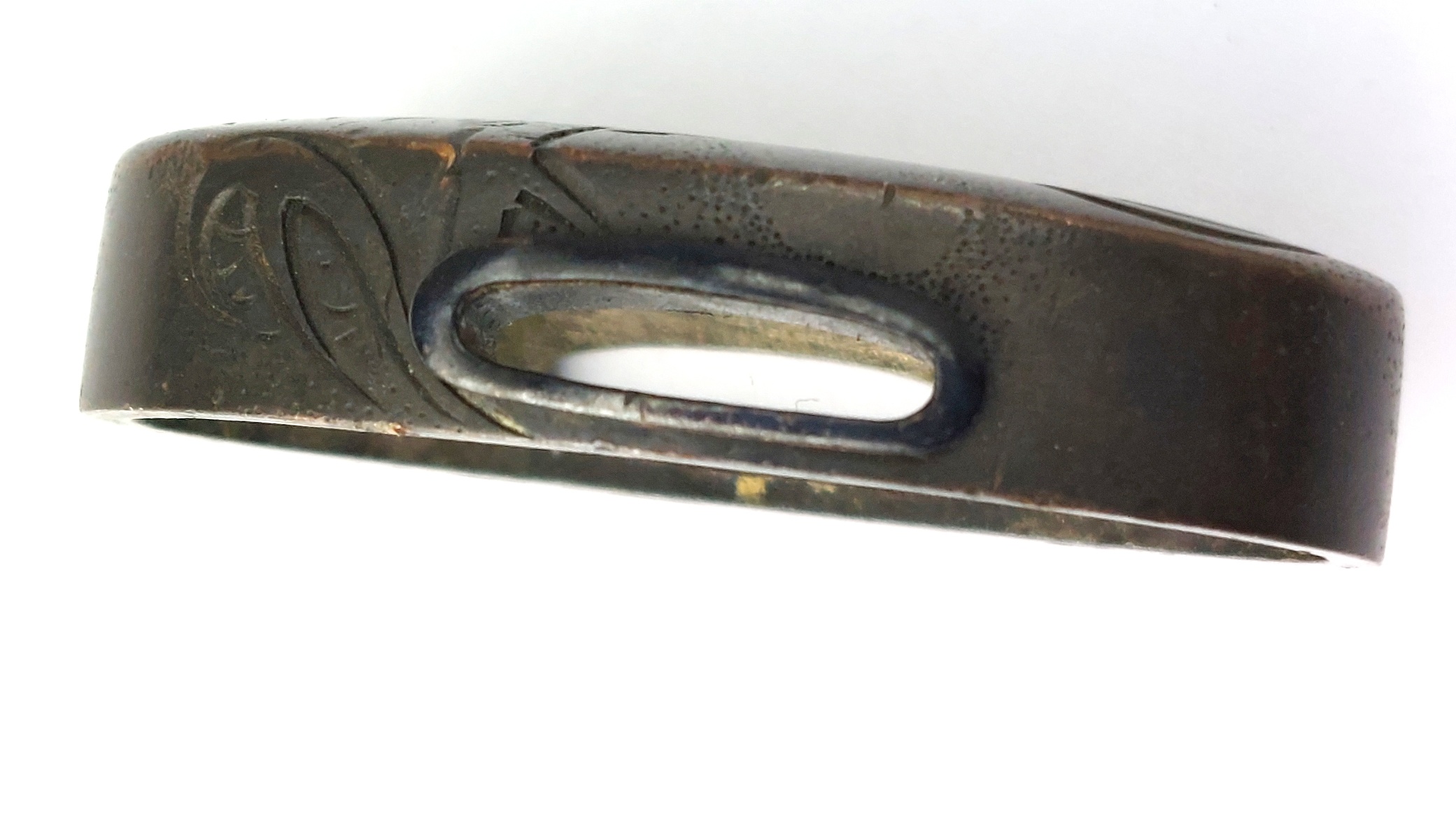
The fuchi bears the signature of Iwamoto Konkan. Konkan was the founder of the Iwamoto school of metalworkers active during the Edo period and renowned for producing refined sword fittings for the samurai class. While it is difficult to attribute an individual workshop piece to the master himself, the presence of the signature indicates manufacture within the Iwamoto Konkan workshop tradition, highly regarded for finely worked decorative metal fittings.
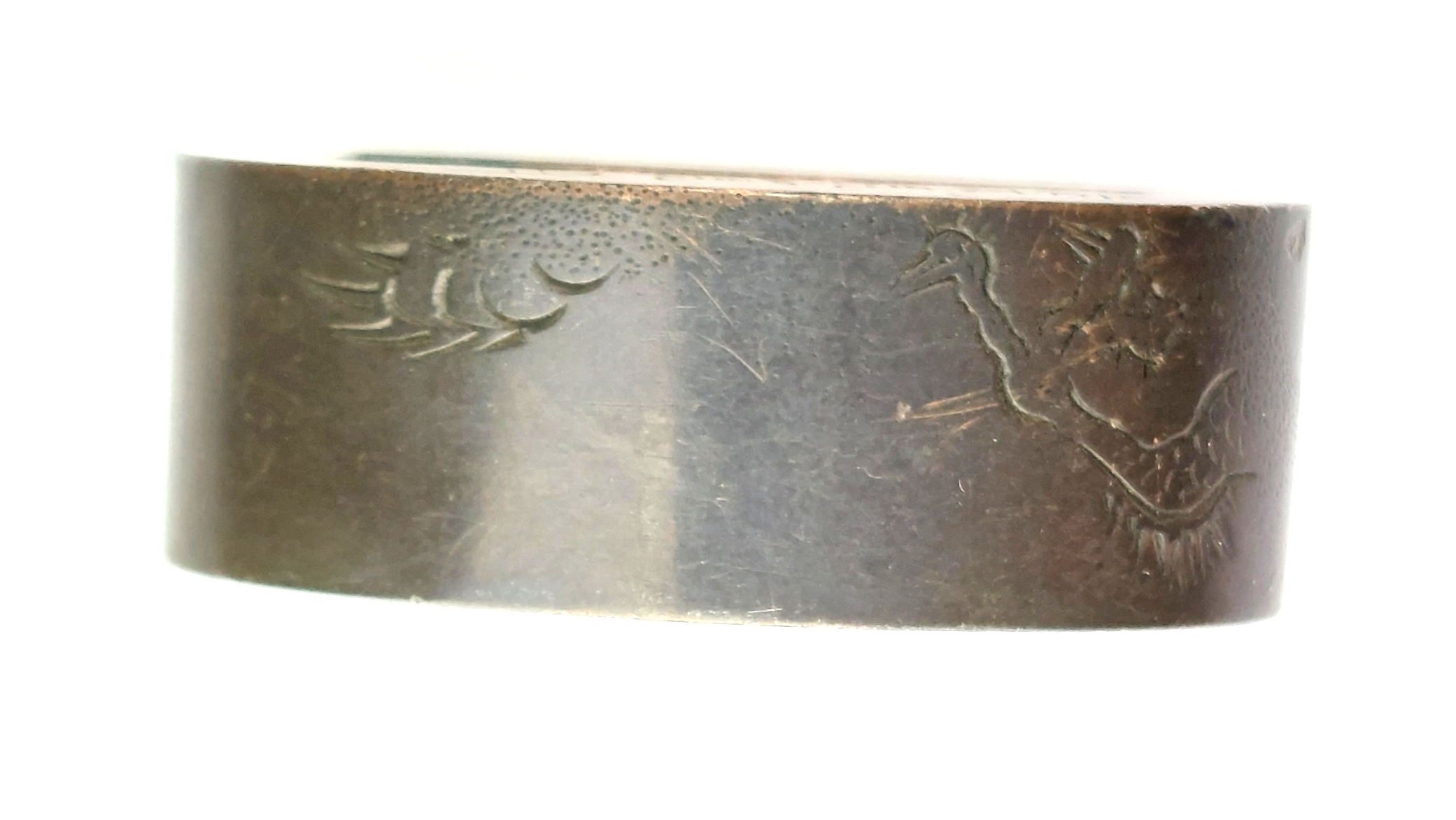
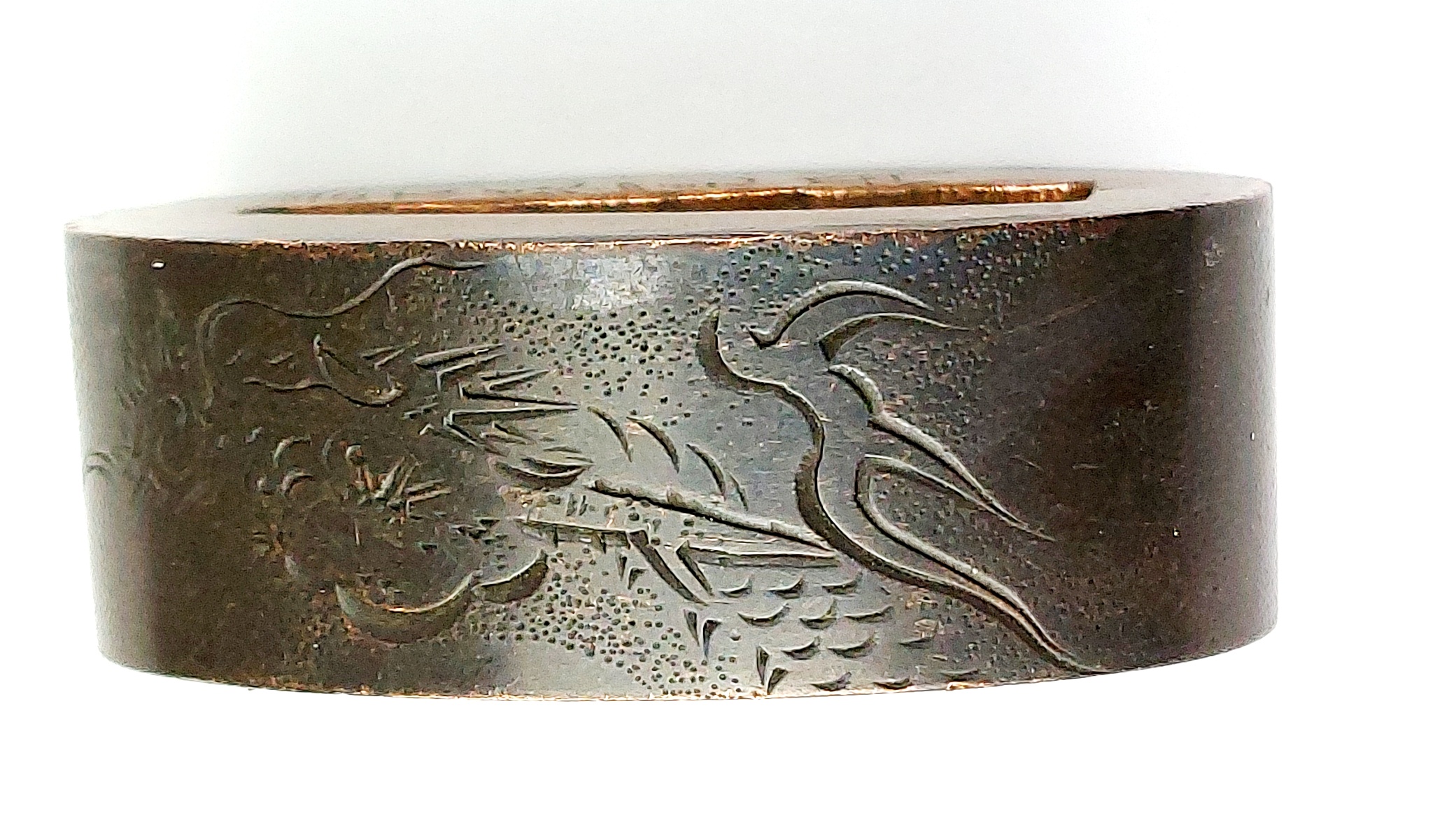
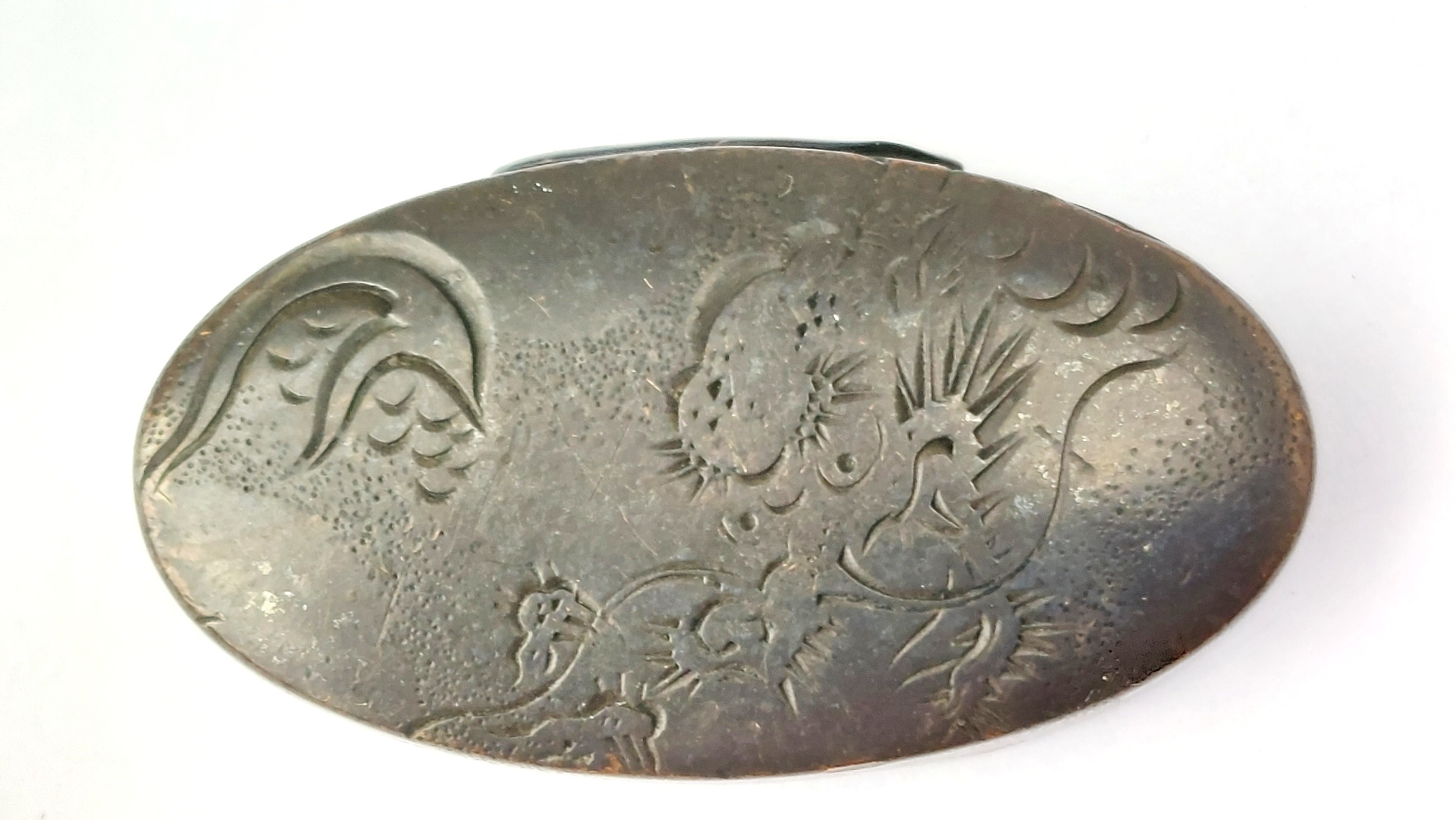
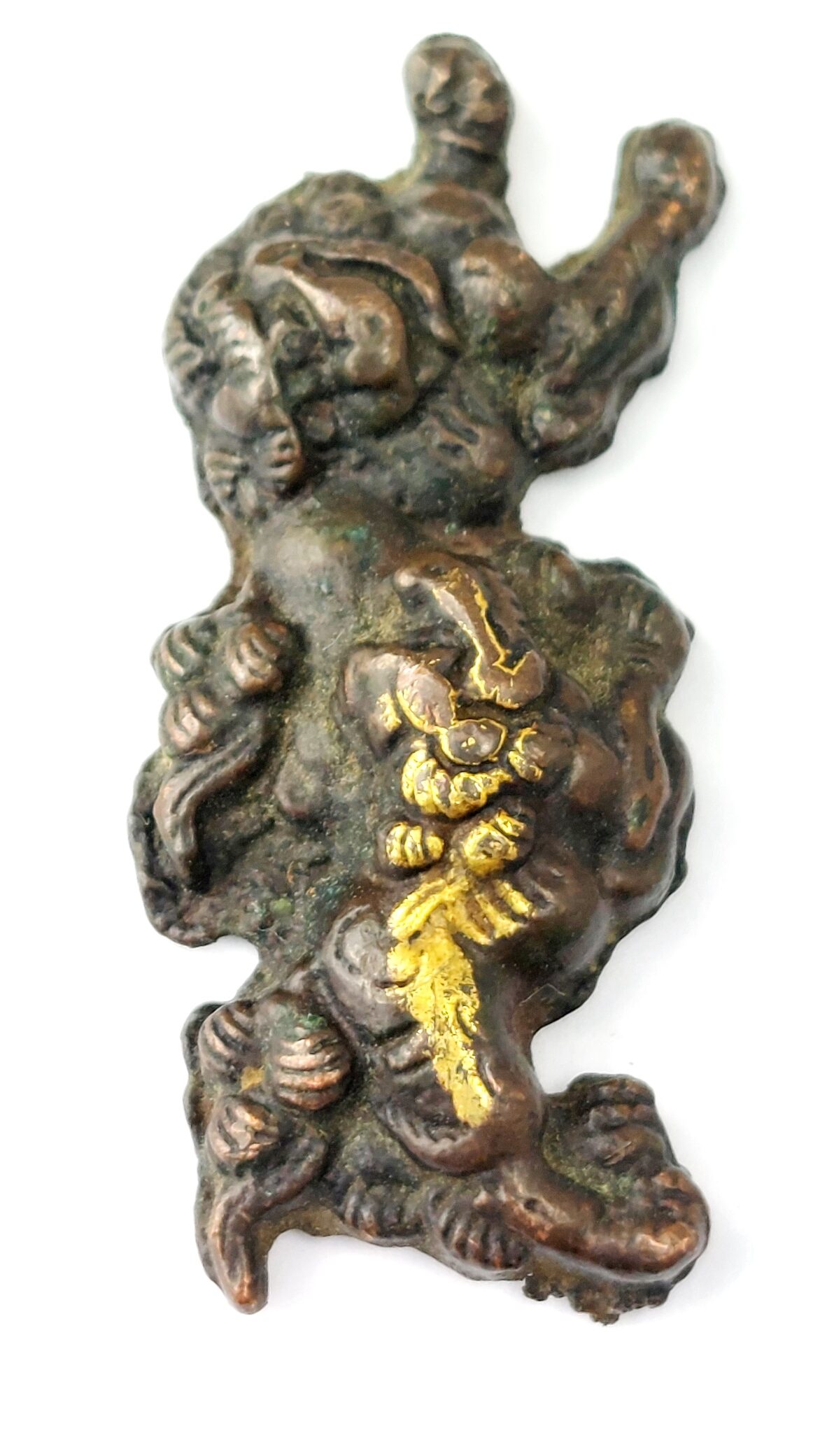
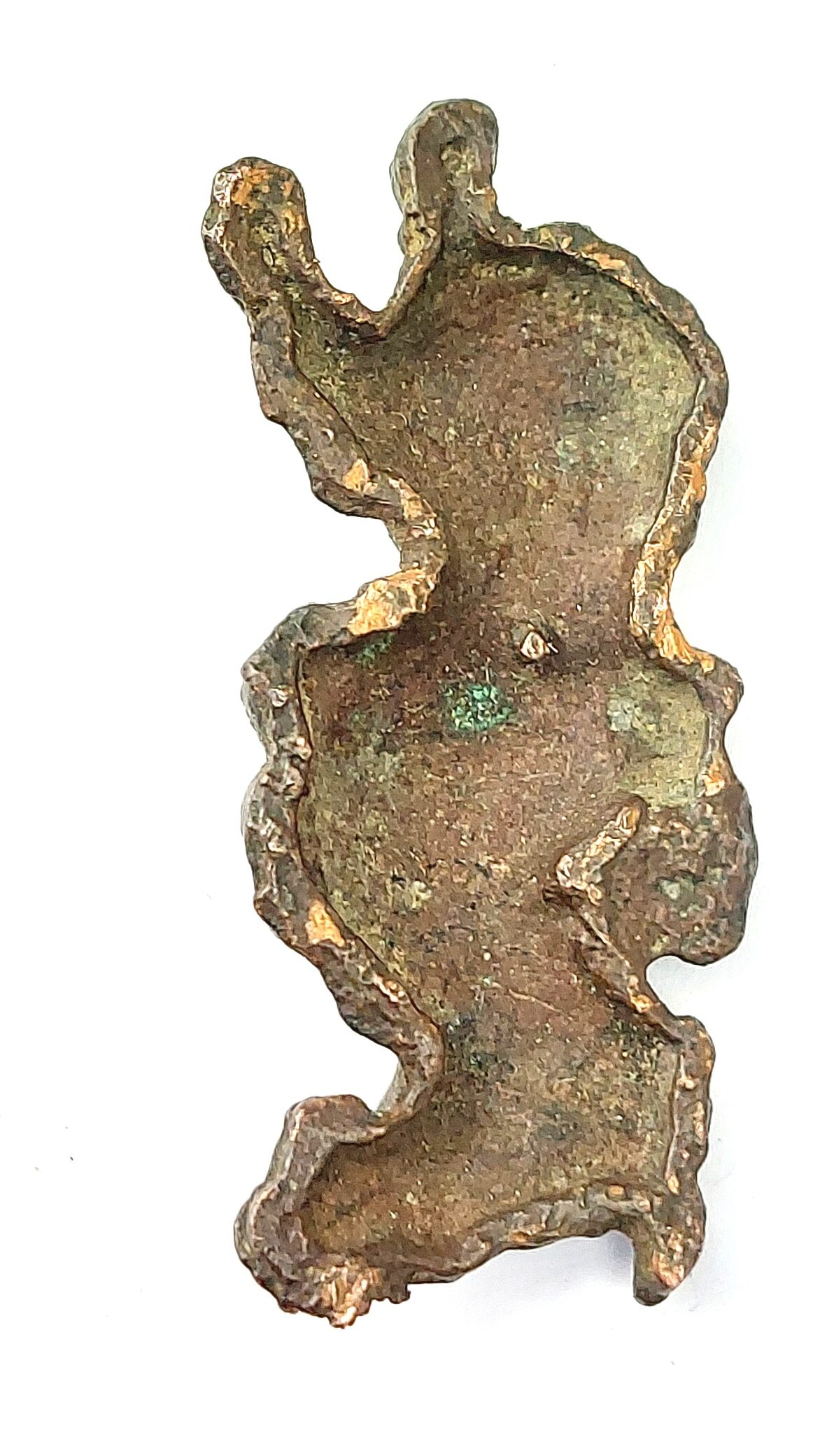
The menuki are formed as a small dragon in relief with gilt highlights, a popular protective and auspicious motif in Japanese sword furniture. The accompanying kashira carries a raised relief decoration of a stylised bird or phoenix, complementing the natural theme seen across the fittings.
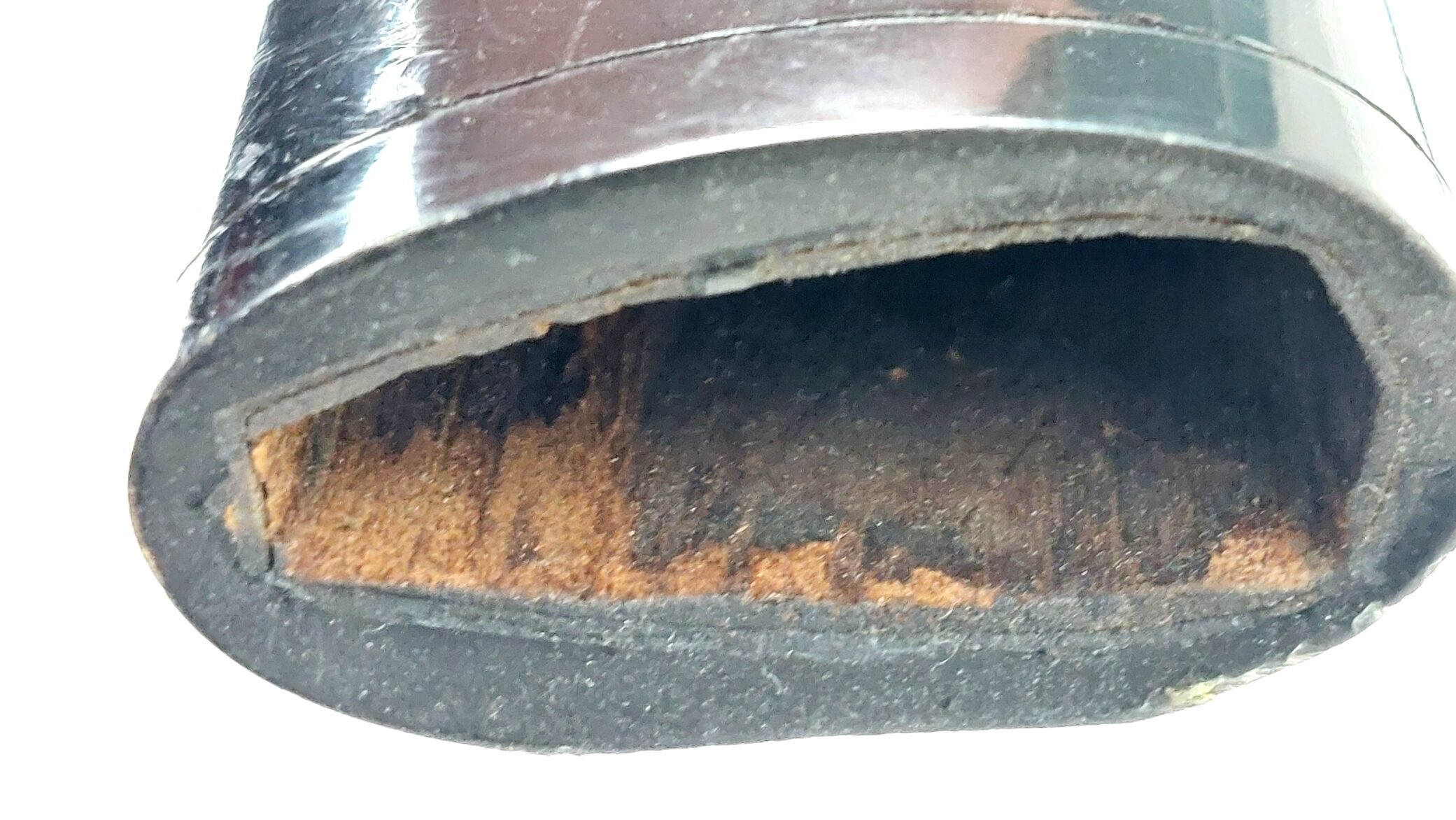
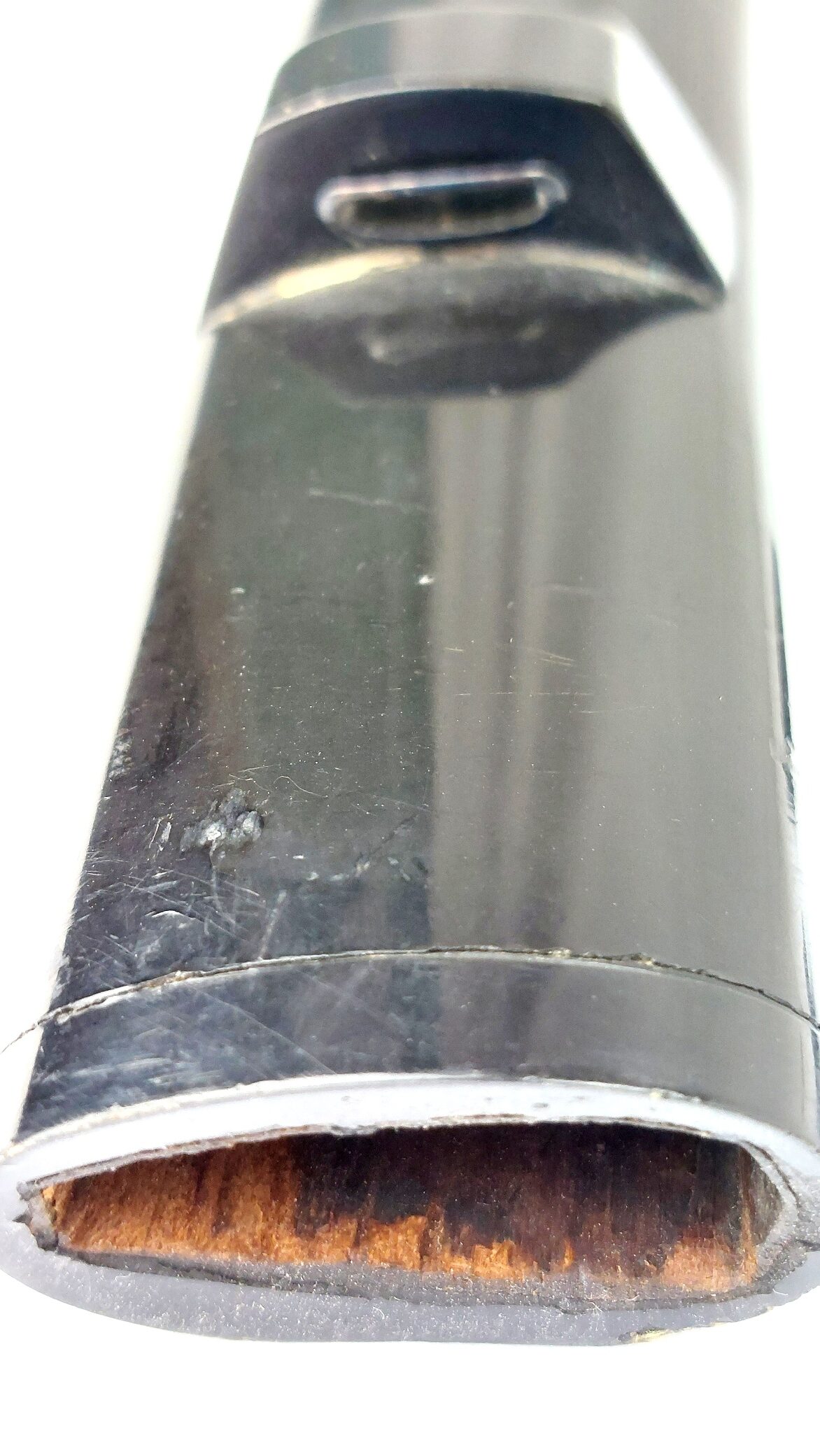
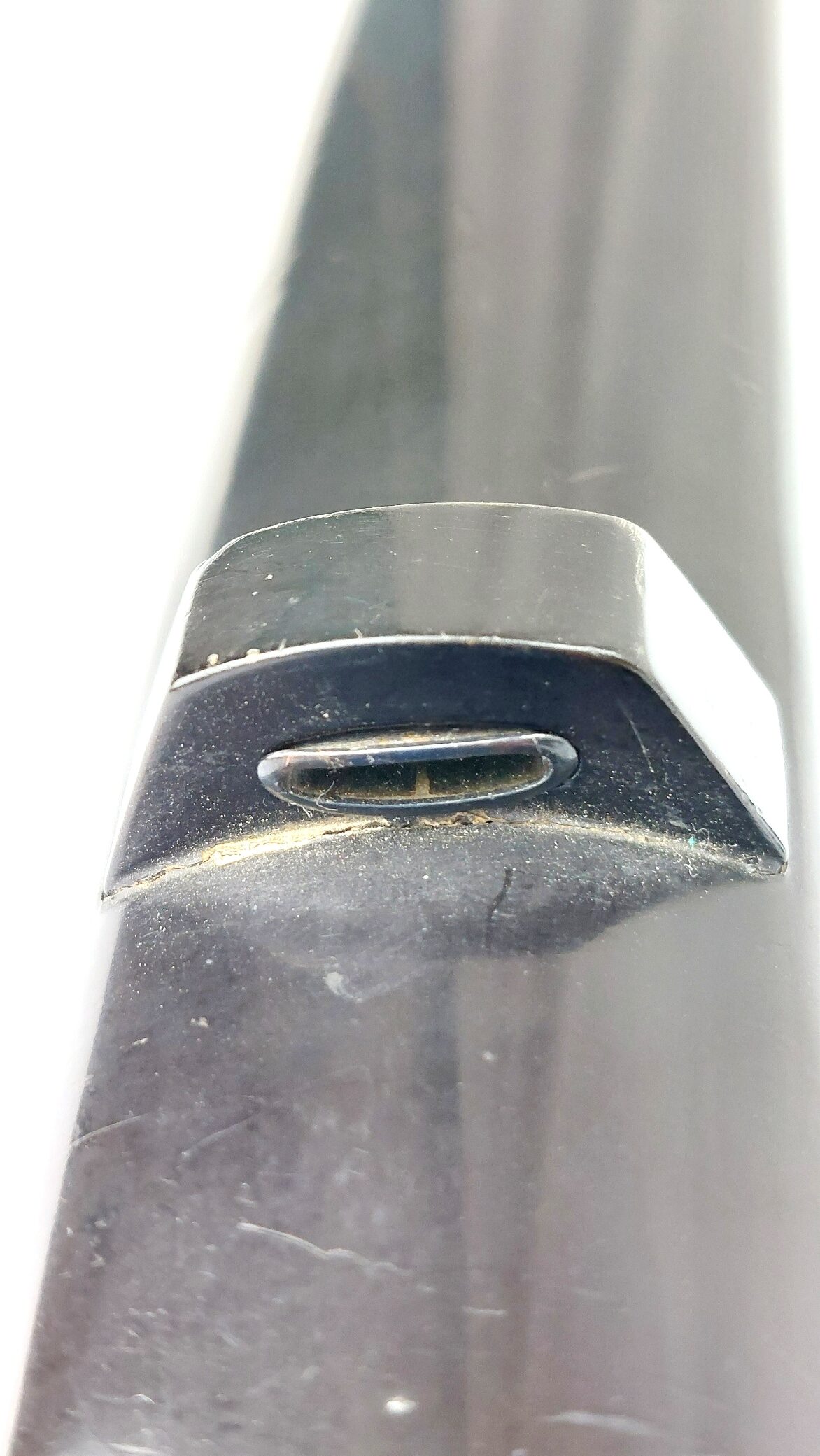
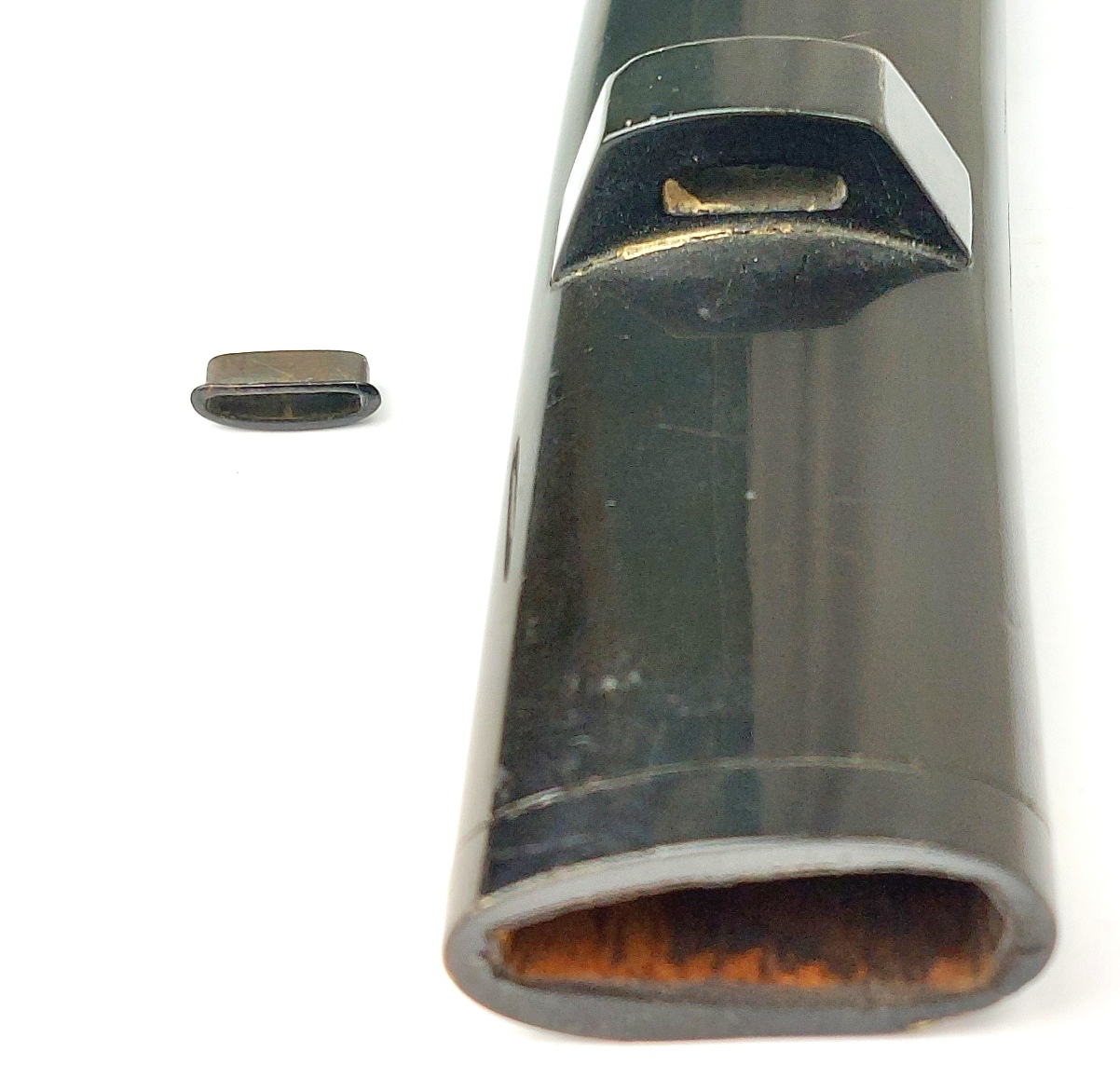
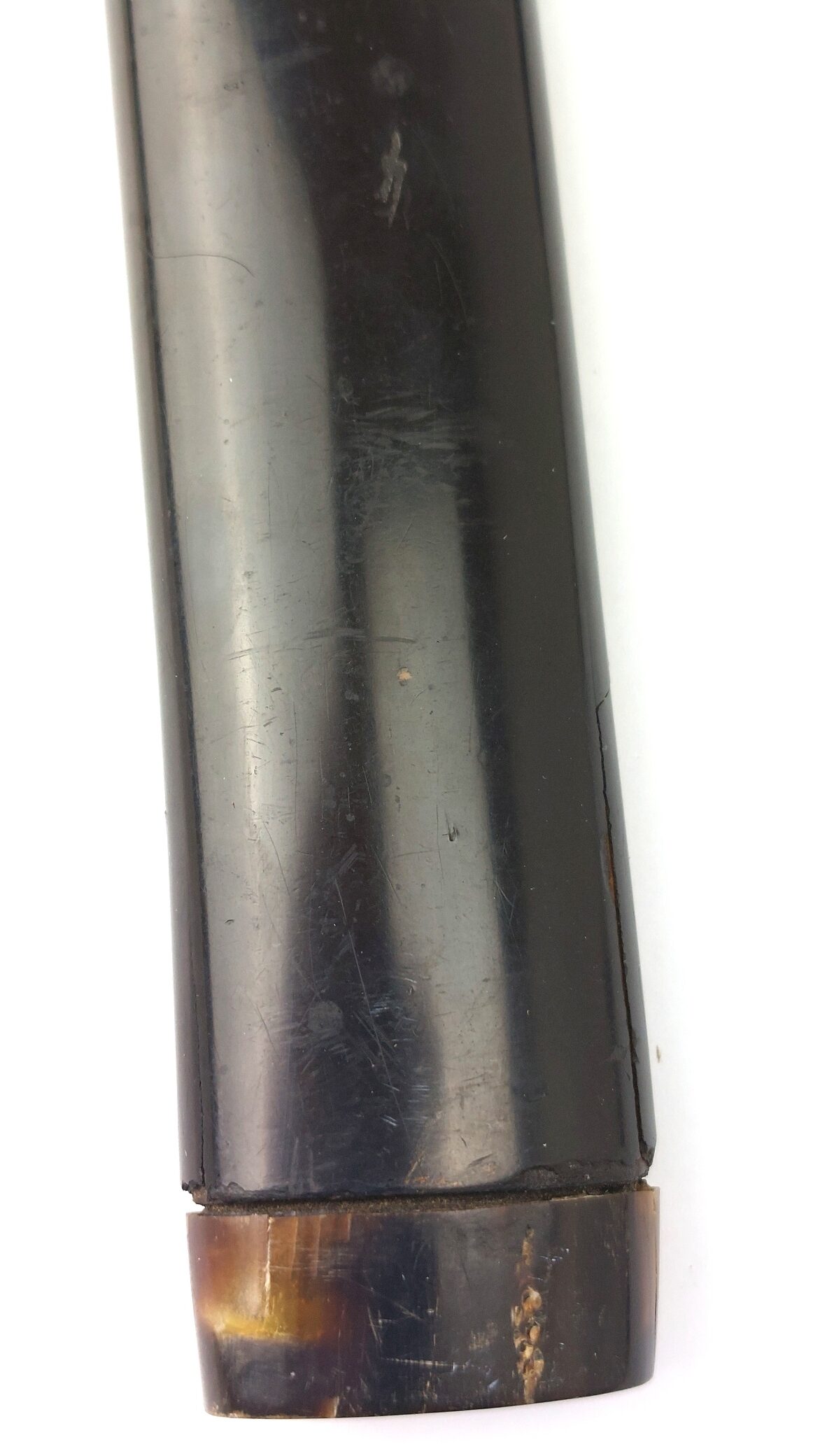
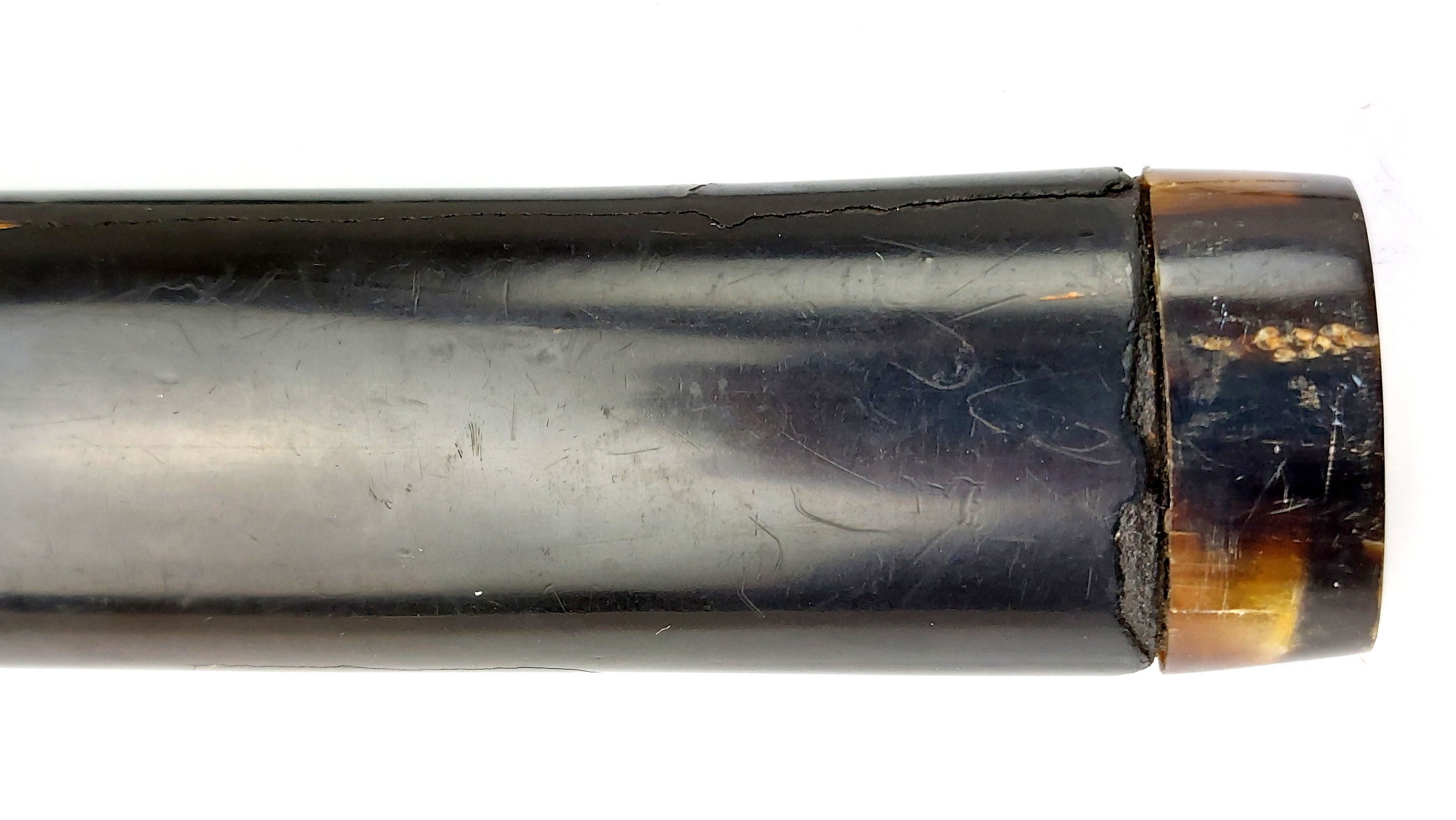
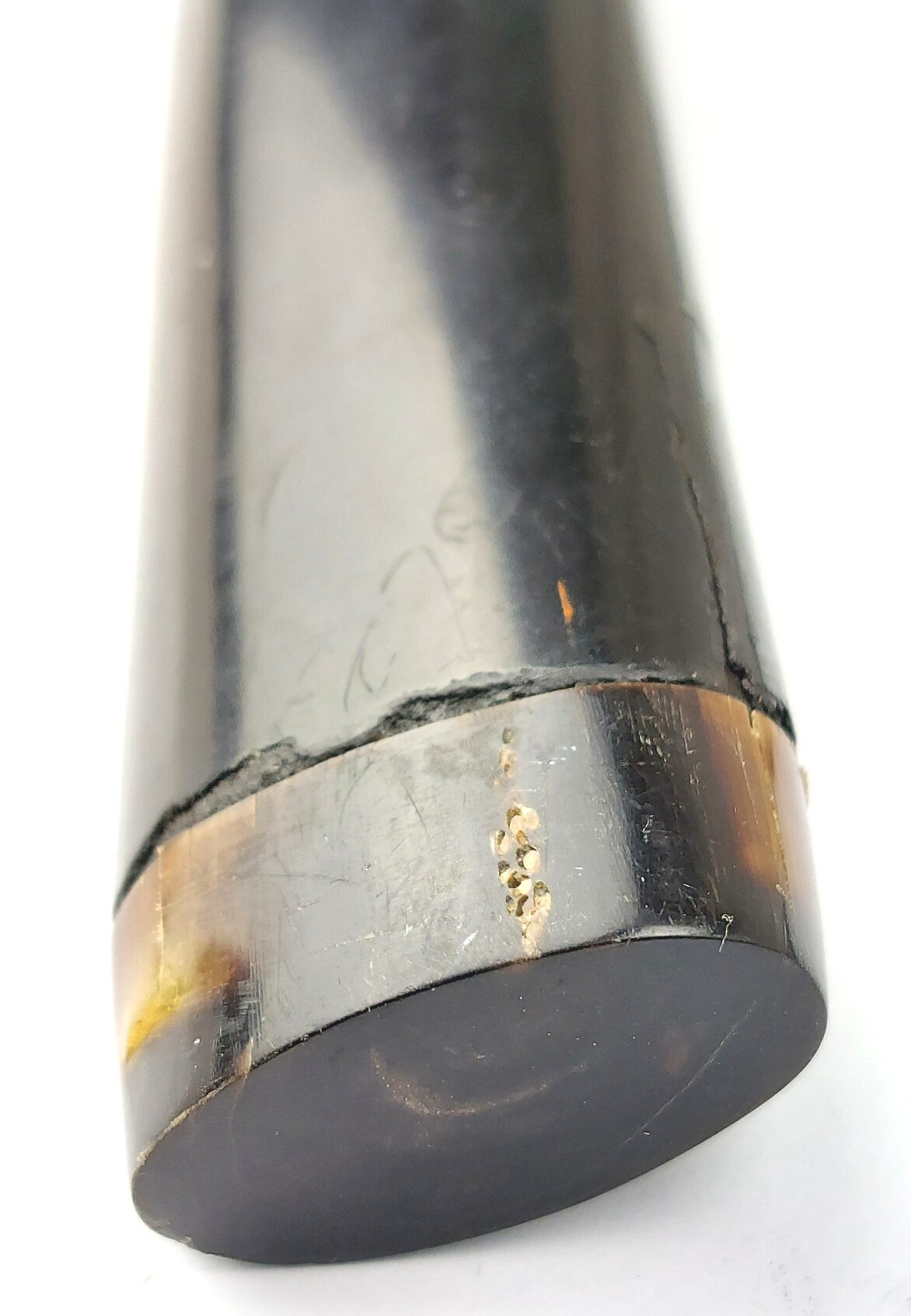
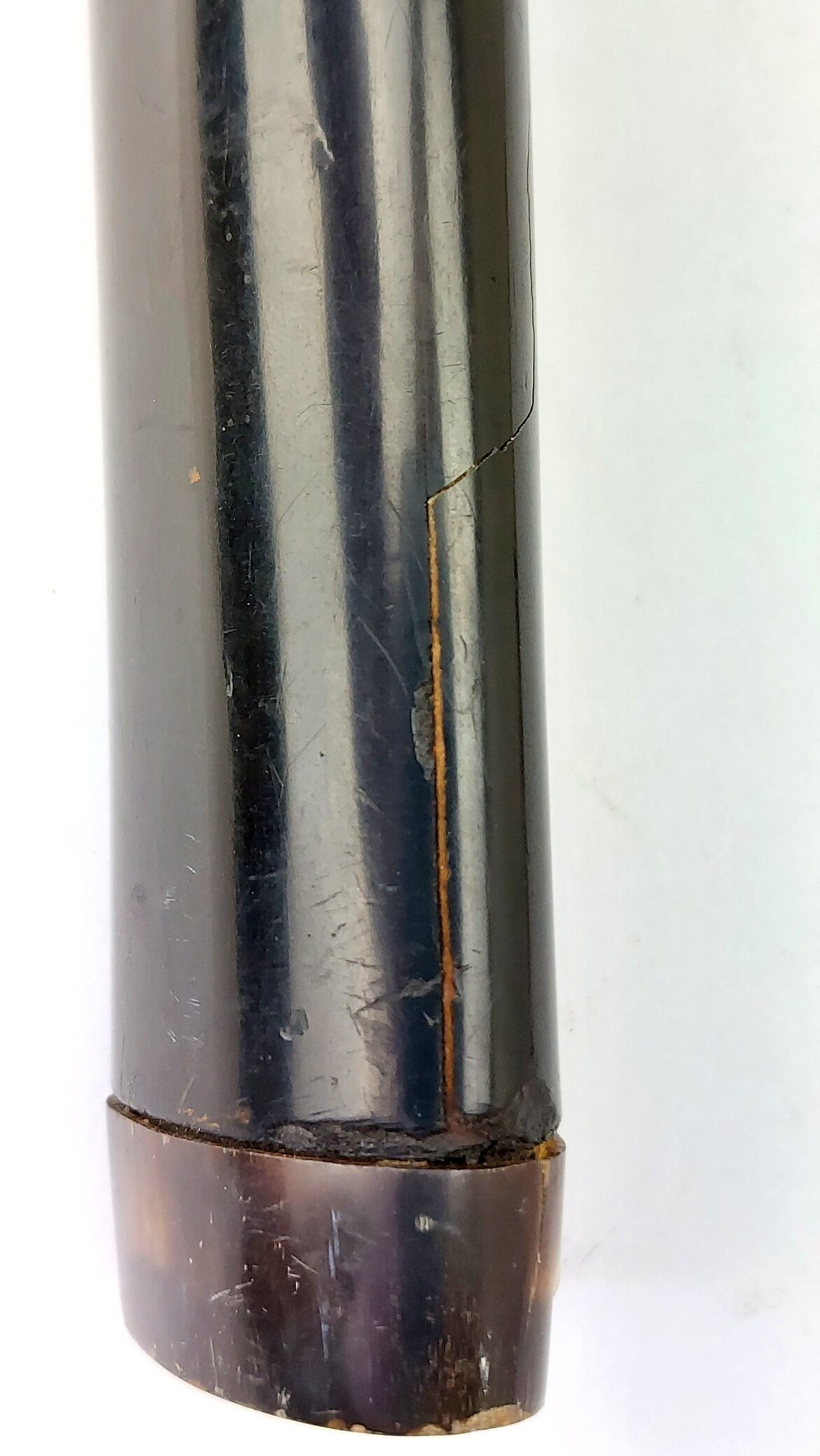
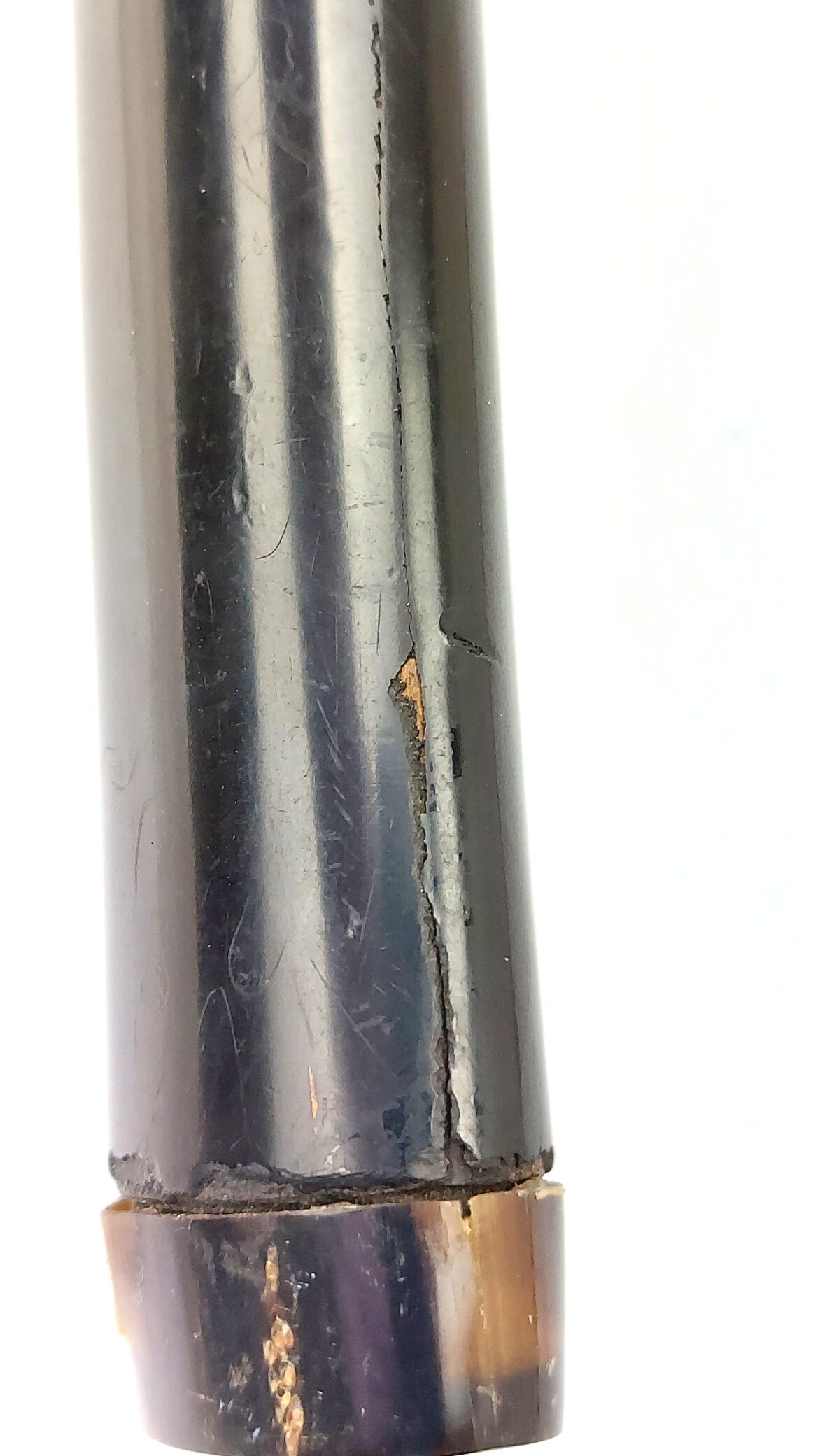
The sword is housed in its black lacquered wooden saya, finished in glossy urushi lacquer. The kurigata retains its shitodome eyelet (though loose) for the sageo cord, preserving an authentic element of the original mounting.
Overall the sword represents a pleasing example of an Edo period wakizashi with decorative fittings typical of samurai swords carried as part of the traditional daishō, the wakizashi serving as the companion sword to the longer katana.
Approx. Measurements – Blade length: 46 cm
History Note:
The wakizashi formed an essential part of the samurai’s paired sword set known as the daishō, worn together with the longer katana. While the katana served as the primary battlefield weapon, the wakizashi fulfilled numerous roles including close-quarters combat, indoor defence and ceremonial use. It was also the weapon traditionally employed for ritual suicide, or seppuku.
During the Edo period (1603–1868) Japanese sword fittings became increasingly decorative and refined, with specialist metalworking schools producing highly detailed components for samurai swords. Among these was the Iwamoto school, whose craftsmen were known for finely worked fittings incorporating relief carving, gold inlay and naturalistic motifs drawn from mythology, seasonal imagery and the natural world.
Mounted swords such as this, complete with their decorative koshirae and lacquered saya, reflect the artistic traditions that developed around the Japanese sword during the peaceful Edo era, when fittings became an important expression of craftsmanship and status alongside the blade itself.
*Condition*
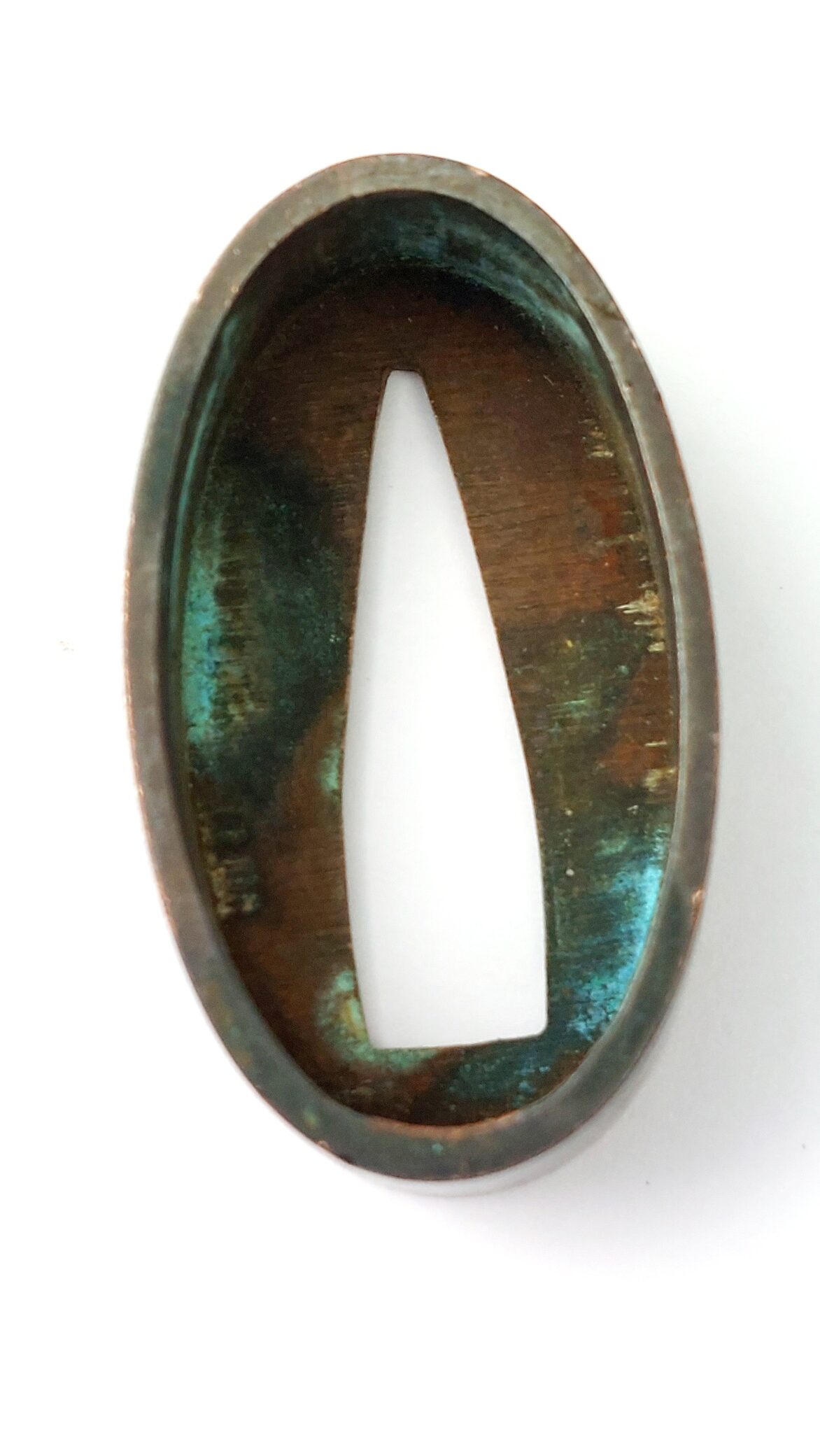
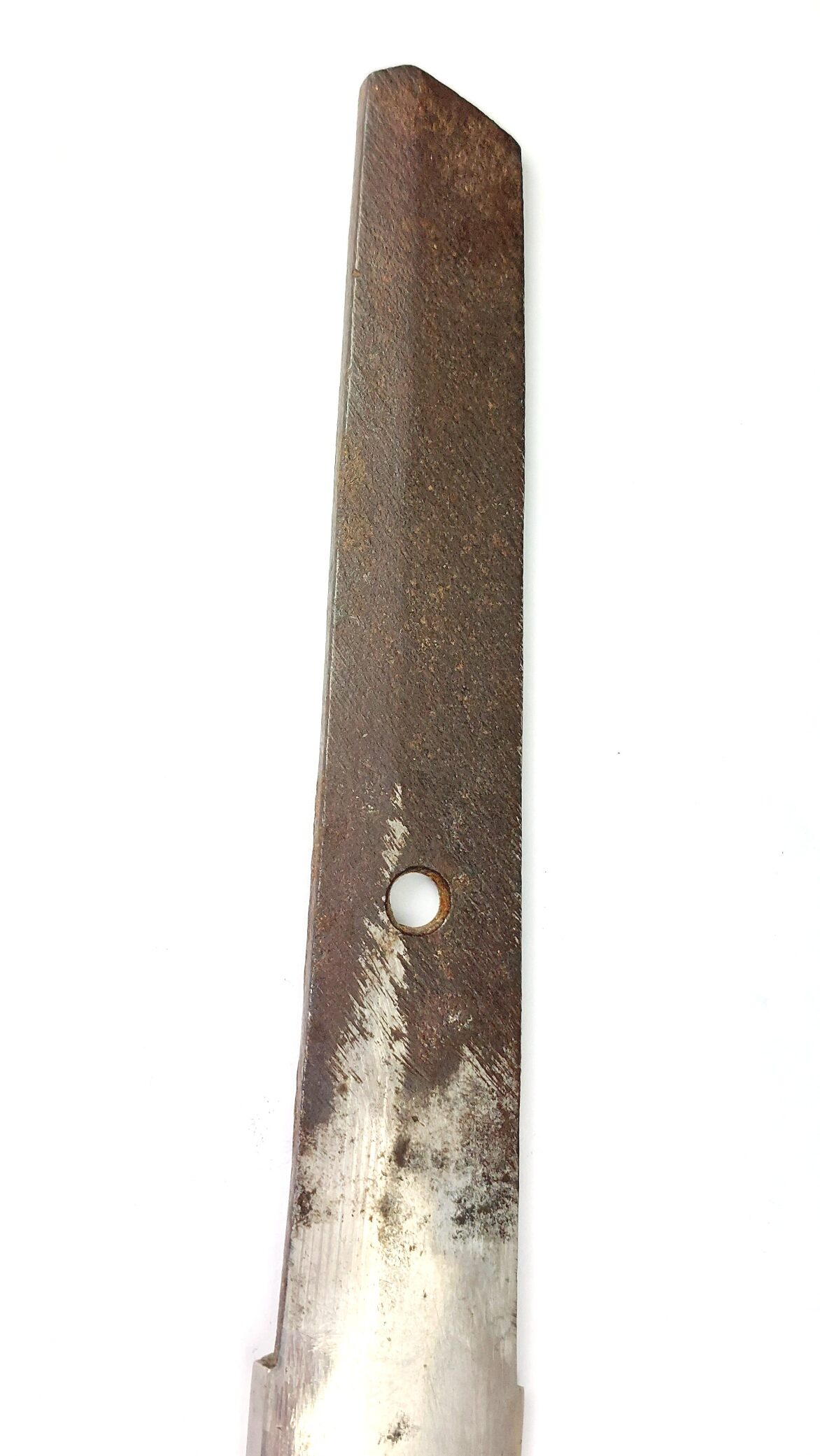
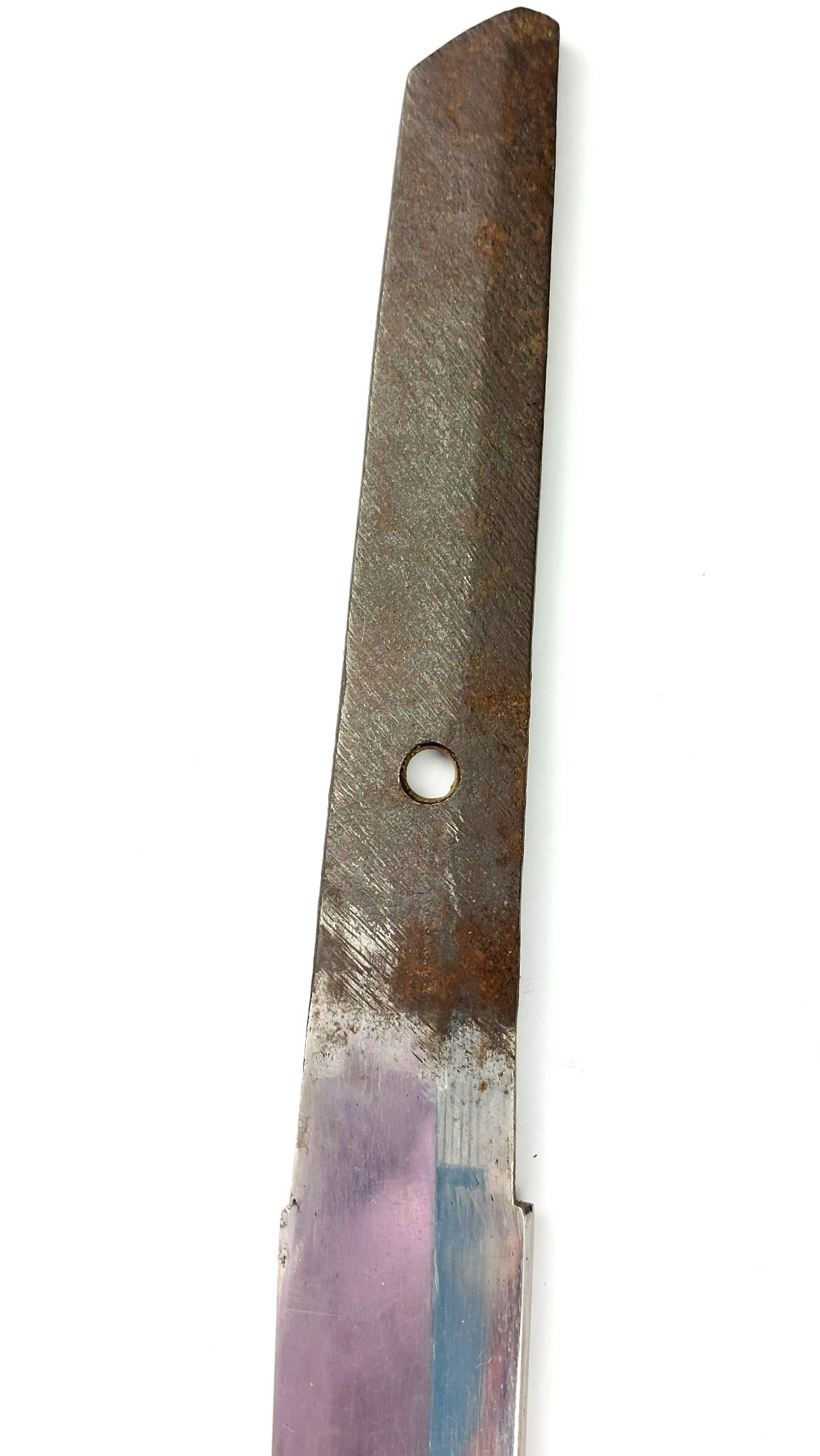
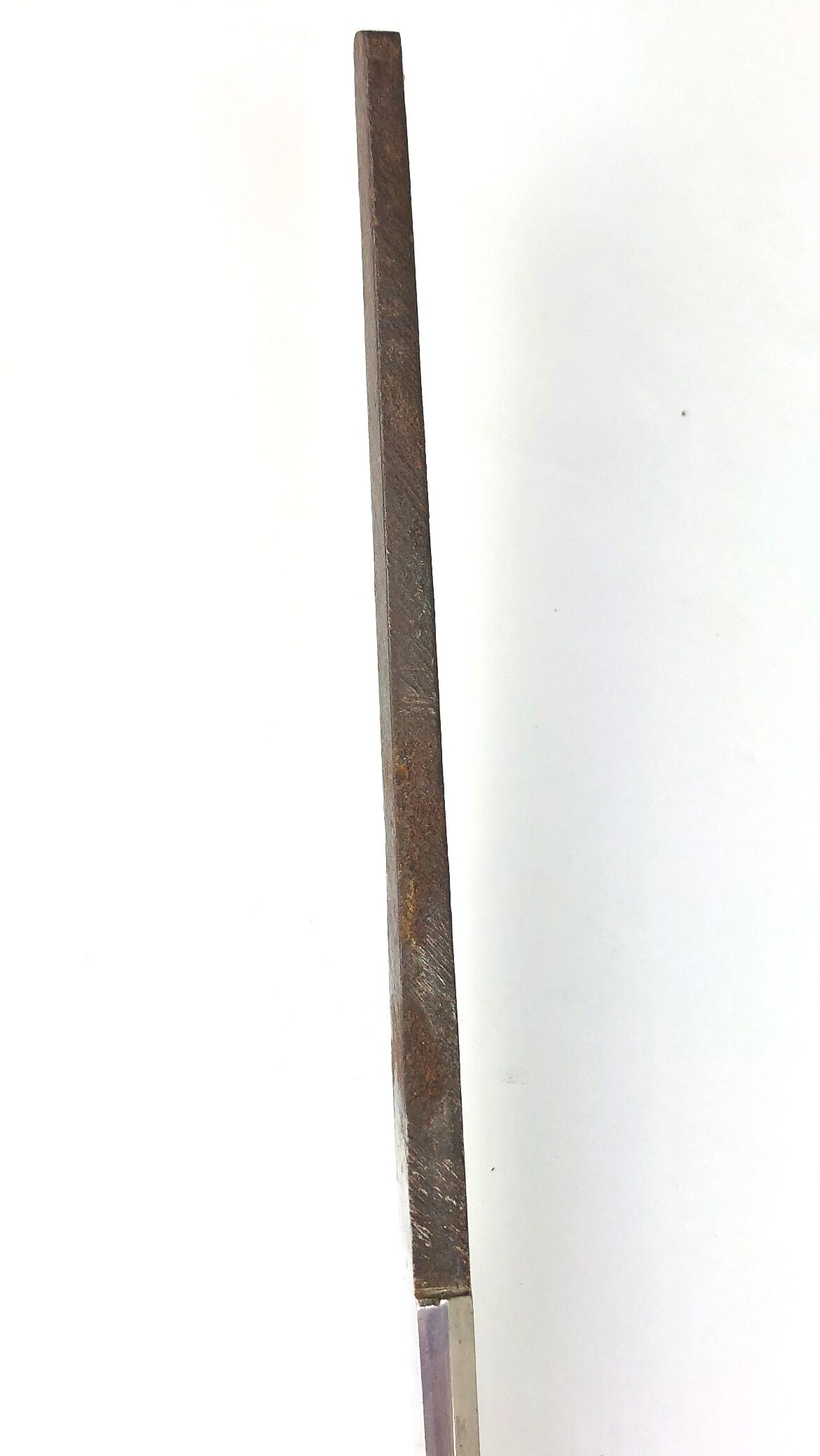
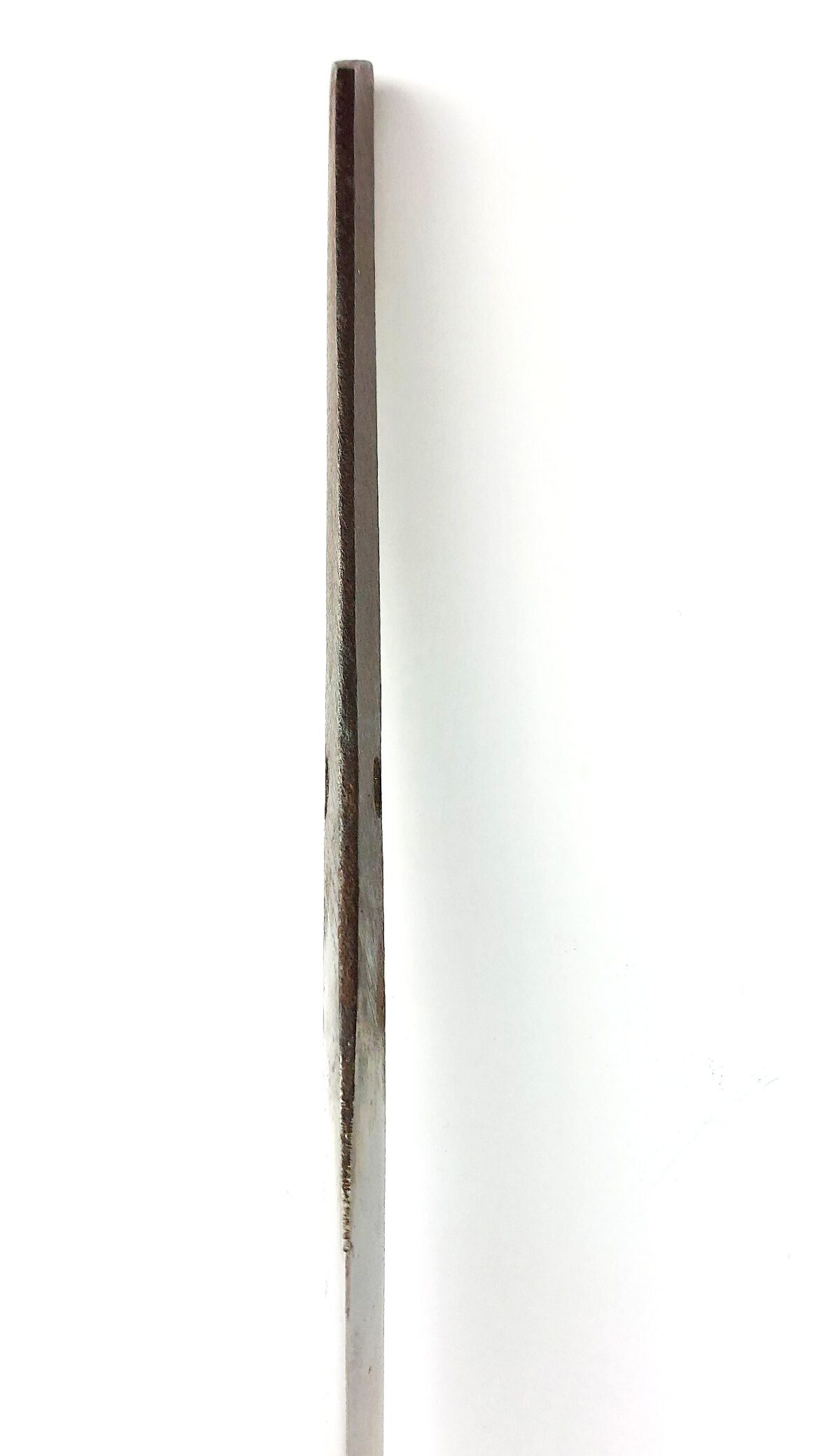
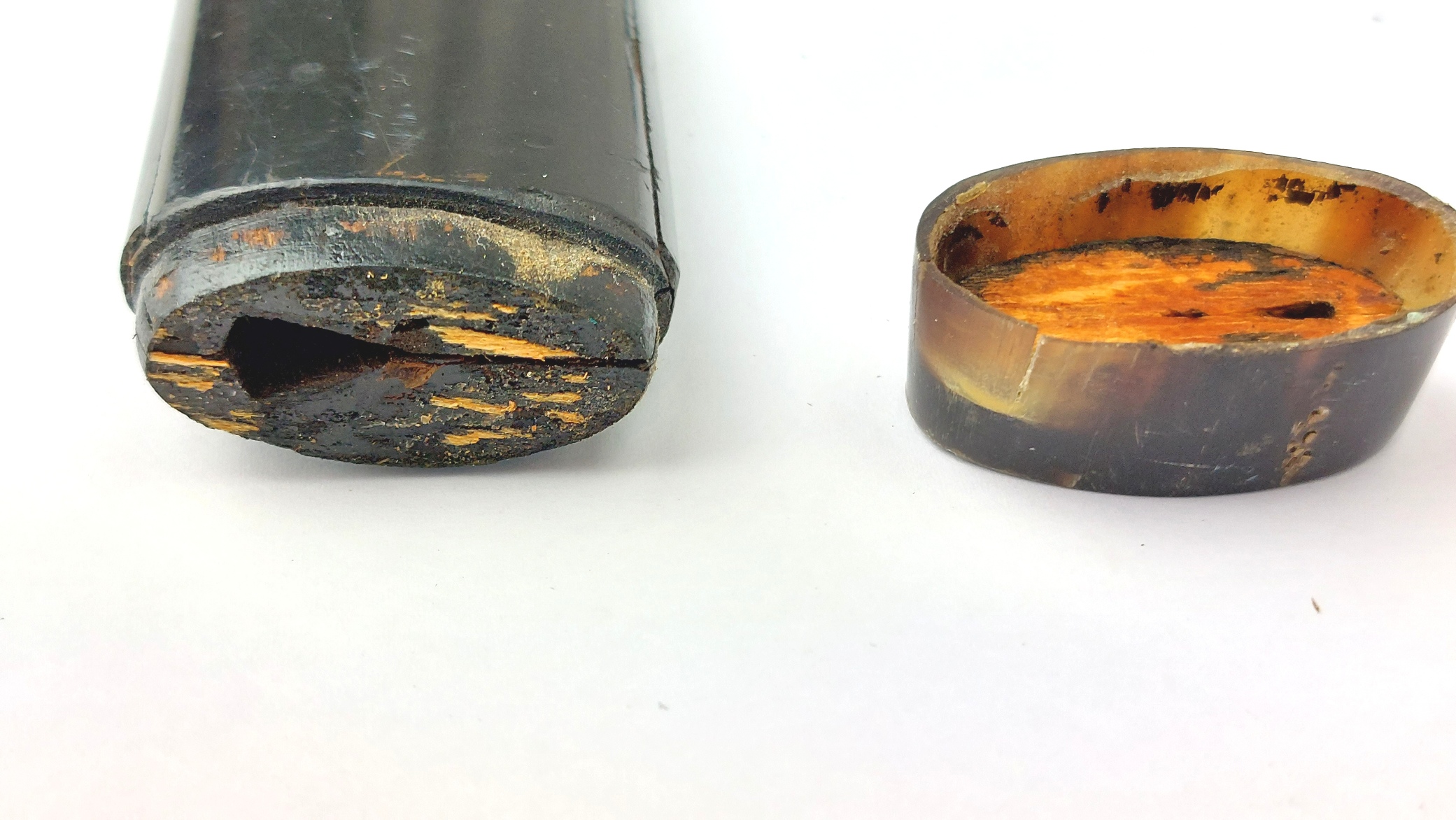
The wakizashi is offered disassembled, comprising the blade with fully visible tang (nakago) together with its iron tsuba, signed fuchi, menuki, copper habaki, and black lacquered saya. The missing elements are the tsuka, securing peg (mekugi) and sageo cord. The blade appears generally clean with visible hamon and light age wear consistent with use and age. The tang (nakago) is fully exposed and visible in the photographs with a single mekugi-ana present. The iron tsuba remains in good honest condition with traces of gold inlay decoration visible. The signed fuchi bearing the mei “Iwamoto Konkan” (岩本昆寛) is clear and legible. The menuki and habaki show expected age wear. The black lacquered saya shows age wear and surface cracking to the lacquer near the scabbard tip, with the scabbard tip (kojiri) loose. The kurigata remains intact, though the shitodome eyelet for the sageo cord is loose. Please see photographs as part of the condition report.
JAQ
Wakizashi – Japanese short sword
Katana – Long samurai sword
Daishō – Traditional paired swords worn by samurai
Koshirae – Sword mountings
Tosogu – Decorative sword fittings
Tsuba – Hand guard
Fuchi – Collar at the base of the hilt
Kashira – Pommel cap at end of the hilt
Menuki – Decorative hilt ornaments
Habaki – Metal collar securing blade in scabbard
Saya – Scabbard
Urushi – Traditional Japanese lacquer
Kurigata – Knob on scabbard for cord attachment
Shitodome – Metal eyelet within the kurigata
Sageo – Cord attached to the scabbard
Nakago – Tang of the blade
Mekugi – Bamboo peg securing the hilt
Mekugi-ana – Peg hole in the tang
Kojiri – Scabbard tip fitting
Mei – Signature on blade or fitting
Shinogi-zukuri – Ridged blade form
Hamon – Temper line along blade edge
JAQ#3179C00_8731236438