*German, Pre WW2-c.1934, Early SA Honour Dagger (SA-Dienstdolch) & Scabbard, Röhm Dedication Type, SA-Gruppe Niedersachsen (Ns), by Carl Eickhorn, Solingen*
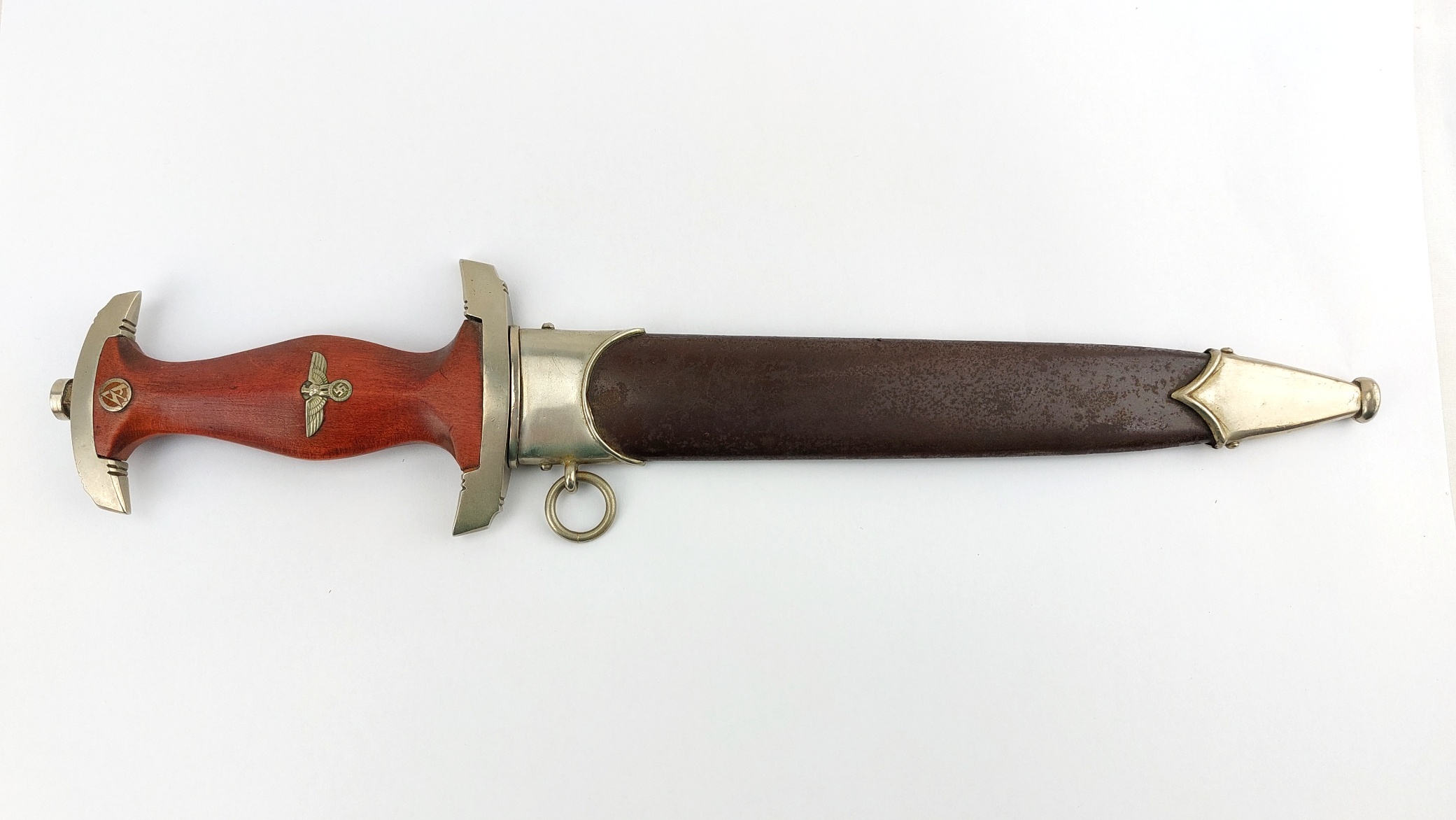
A rare and historically significant early SA Honour Dagger (SA-Dienstdolch) of the Röhm dedication type, dating to c.1933–34, bearing the SA-Gruppe Niedersachsen (Ns) group mark and attributed to Carl Eickhorn of Solingen. This desirable pre-RZM example combines early manufacture, a historically correct Röhm-era alteration, and compelling personalisation, firmly situating it within the turbulent events surrounding the Night of the Long Knives.
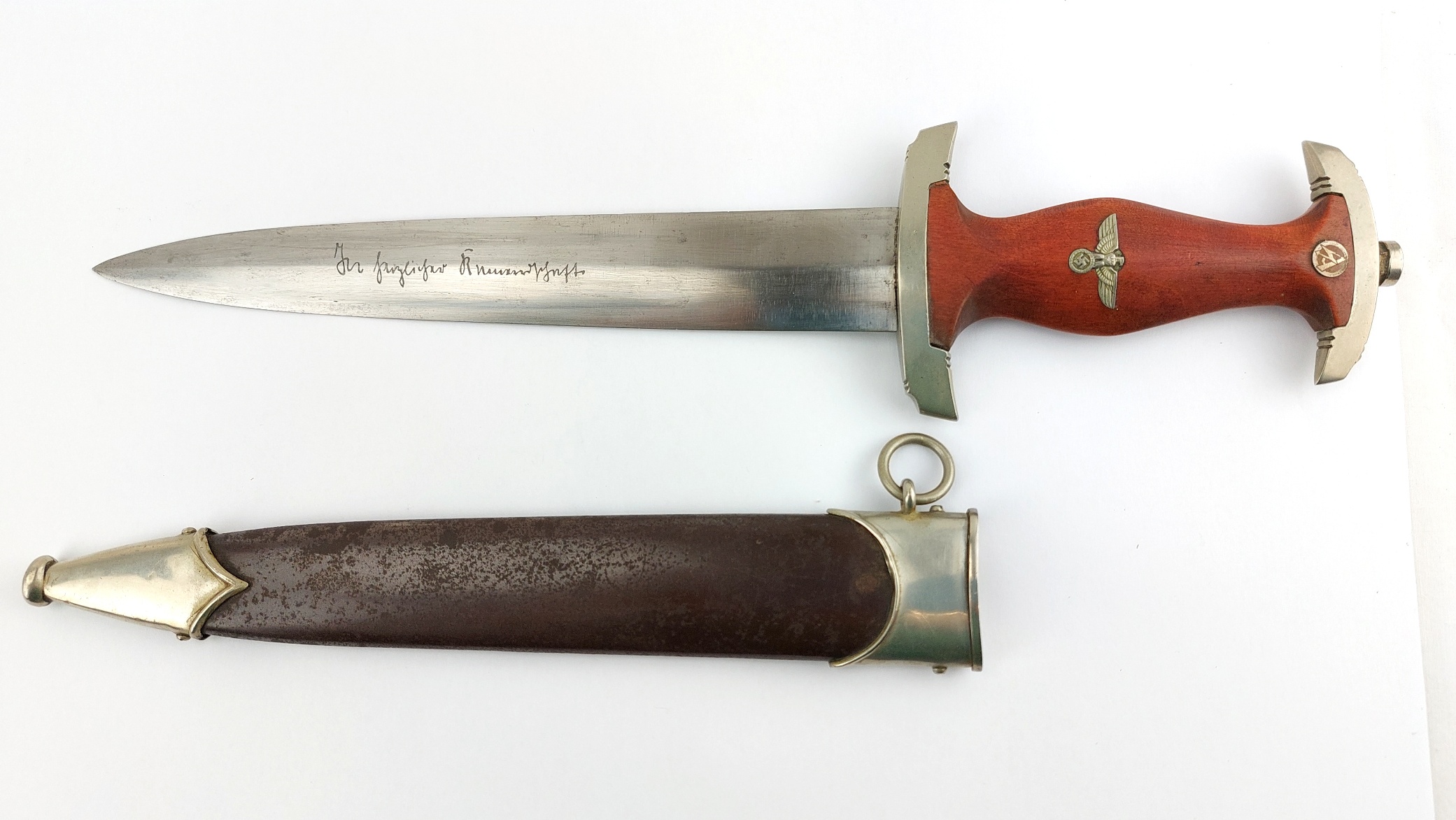
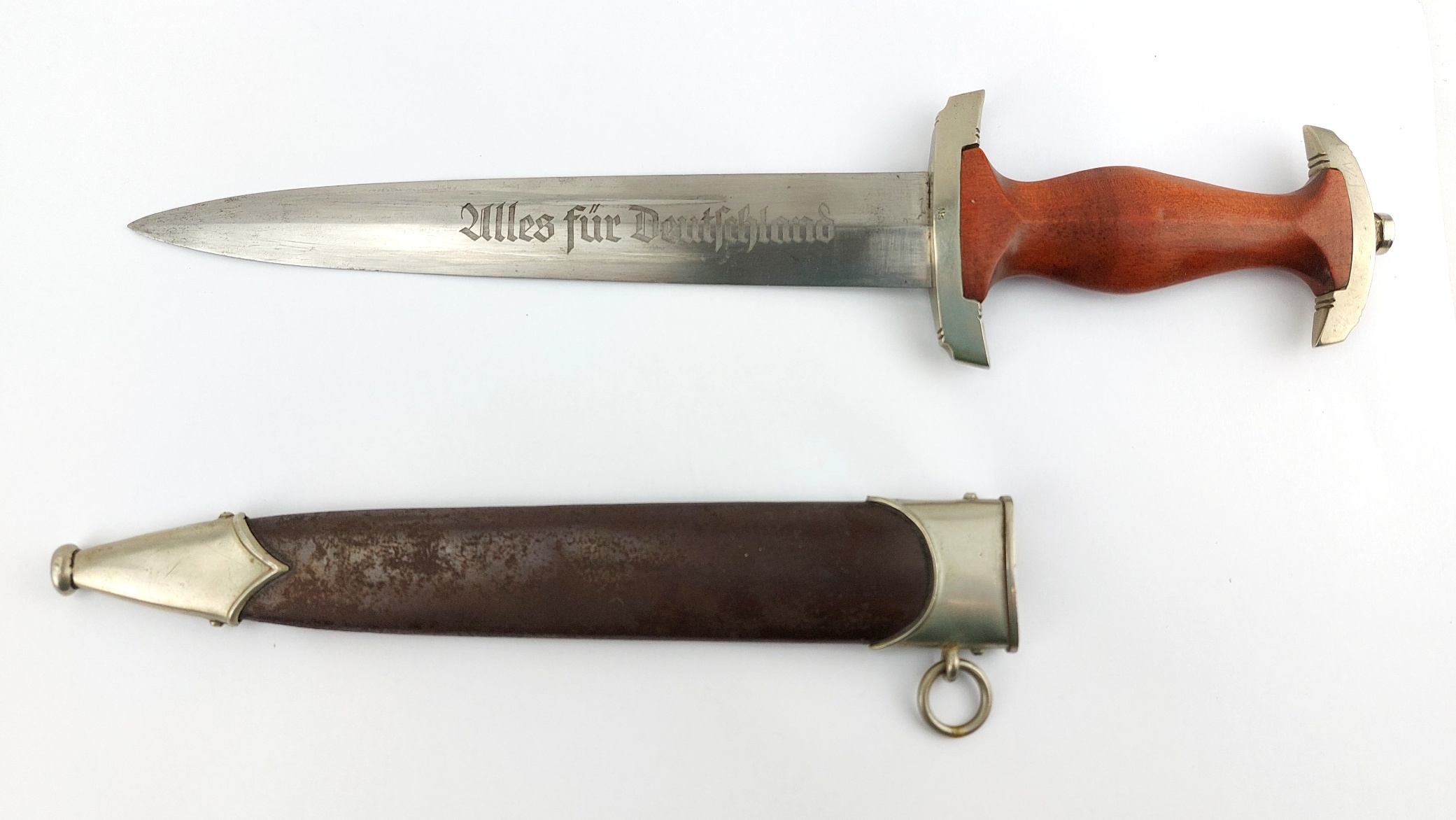
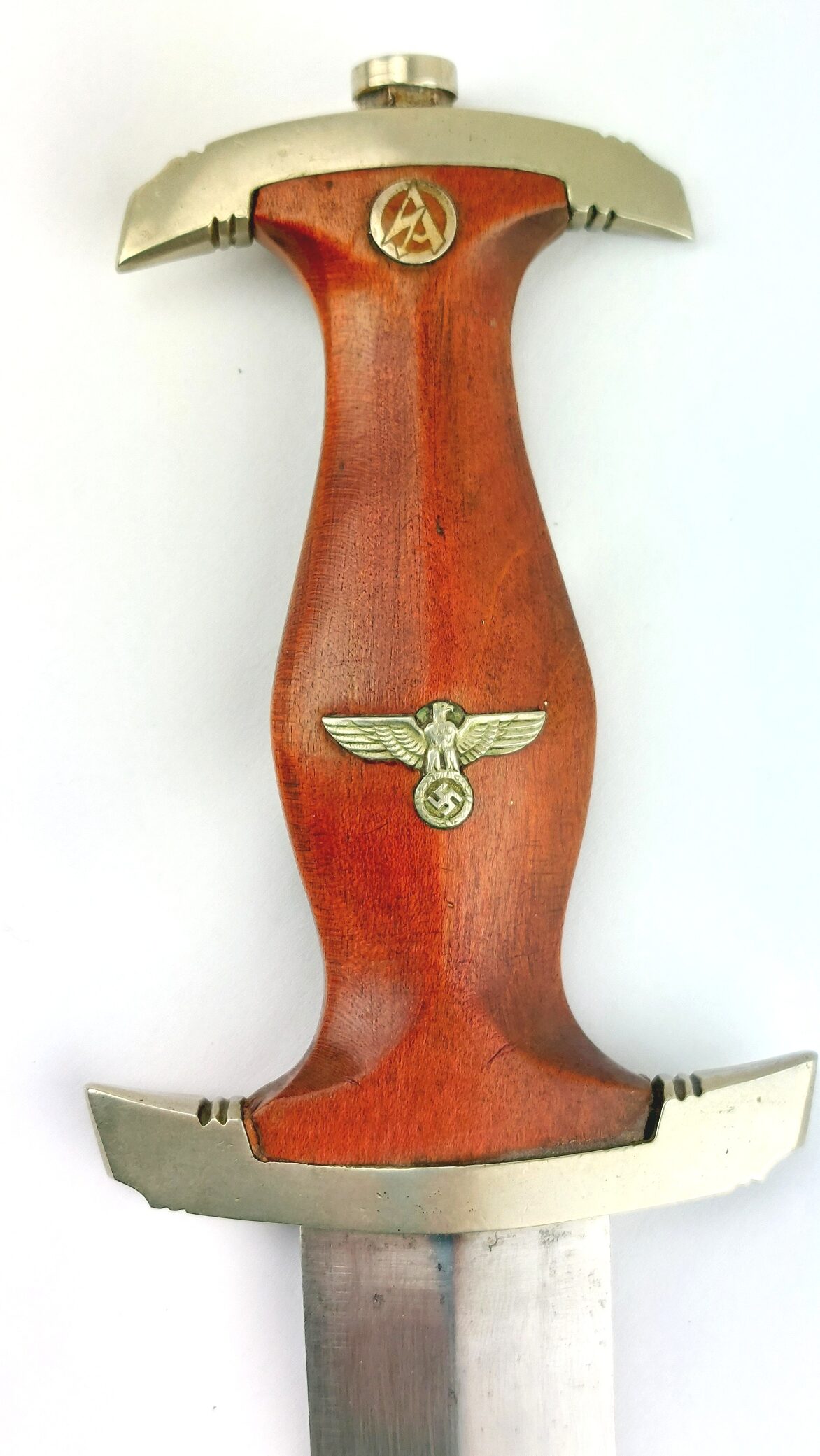
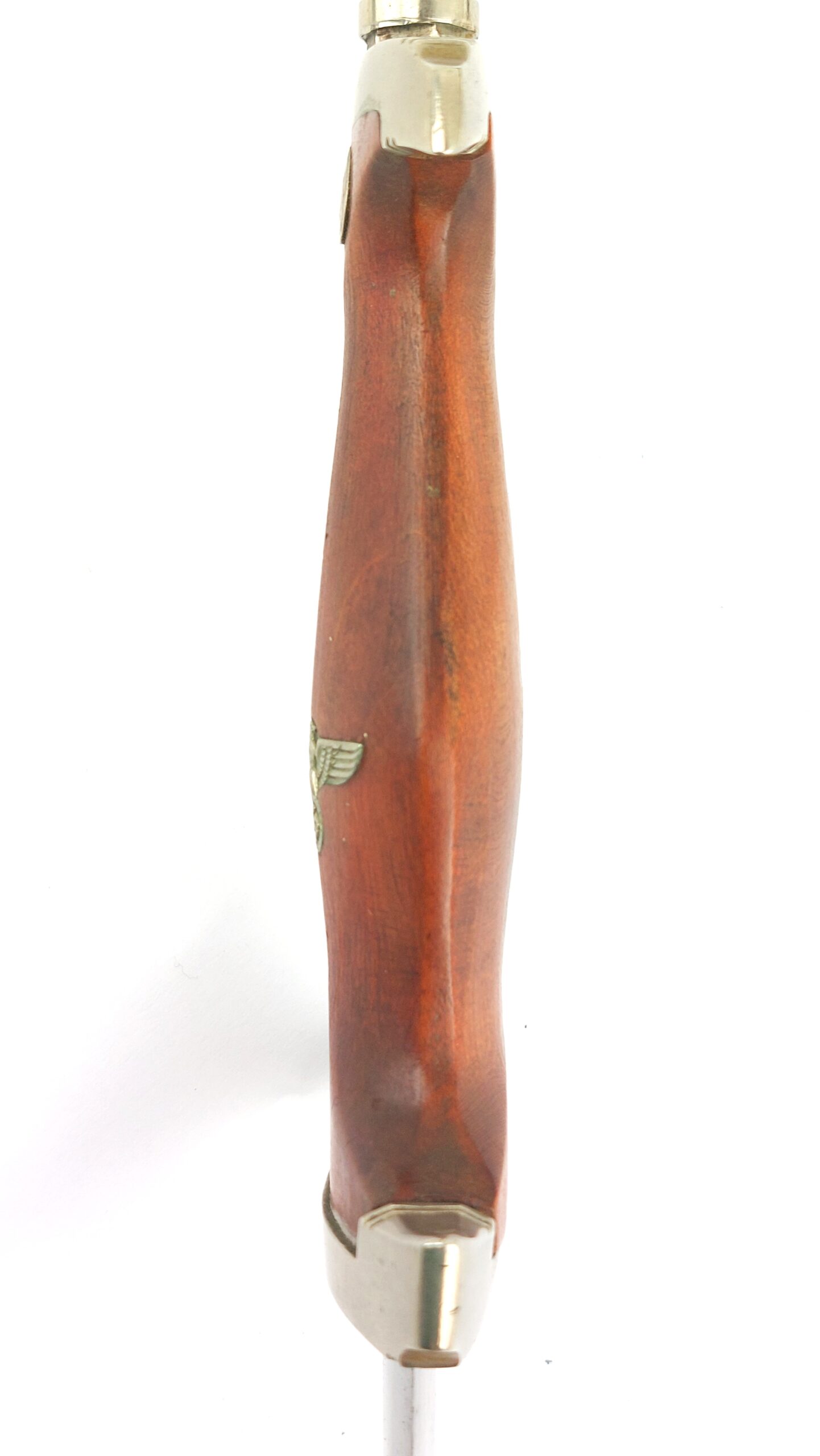
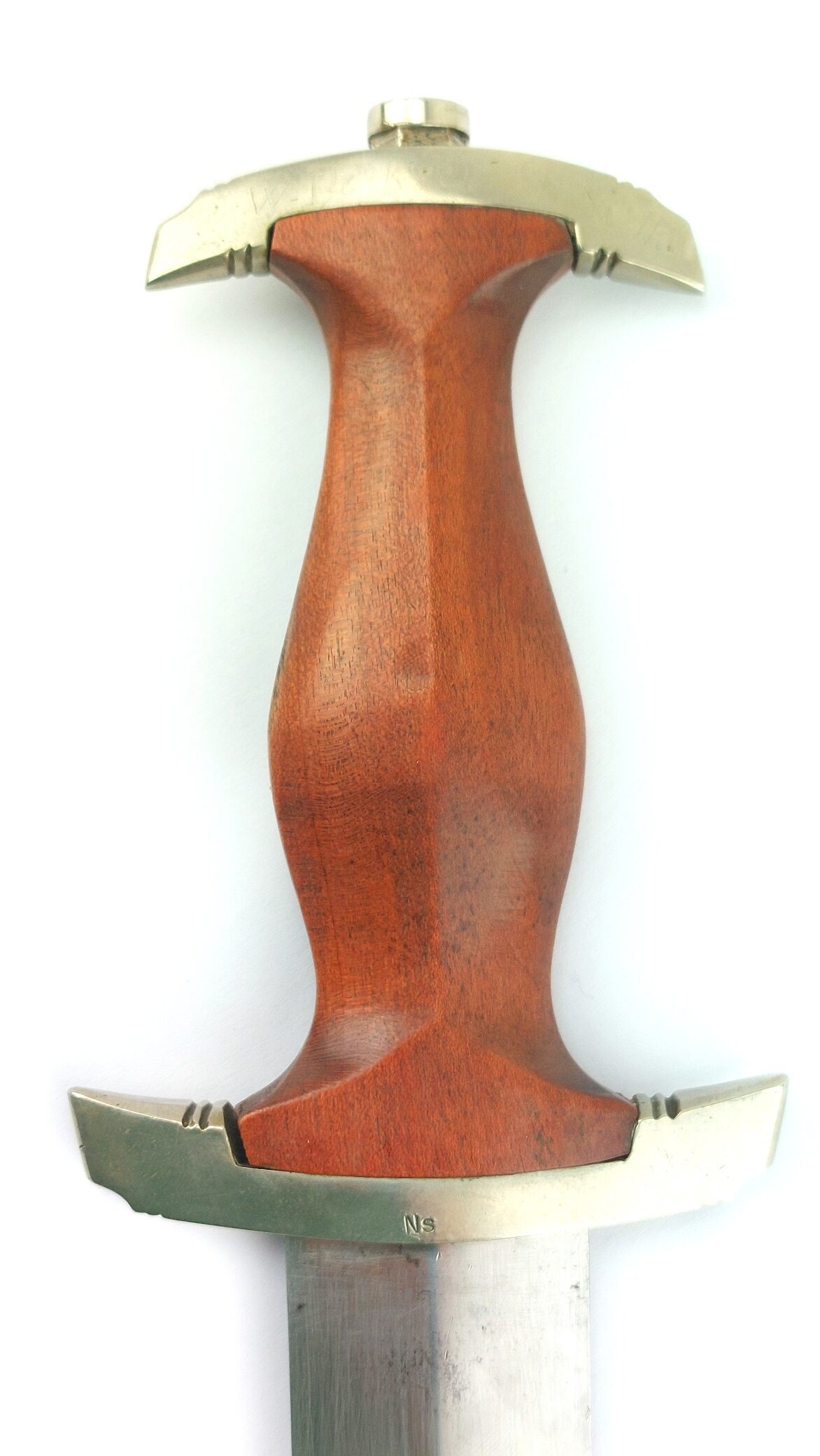
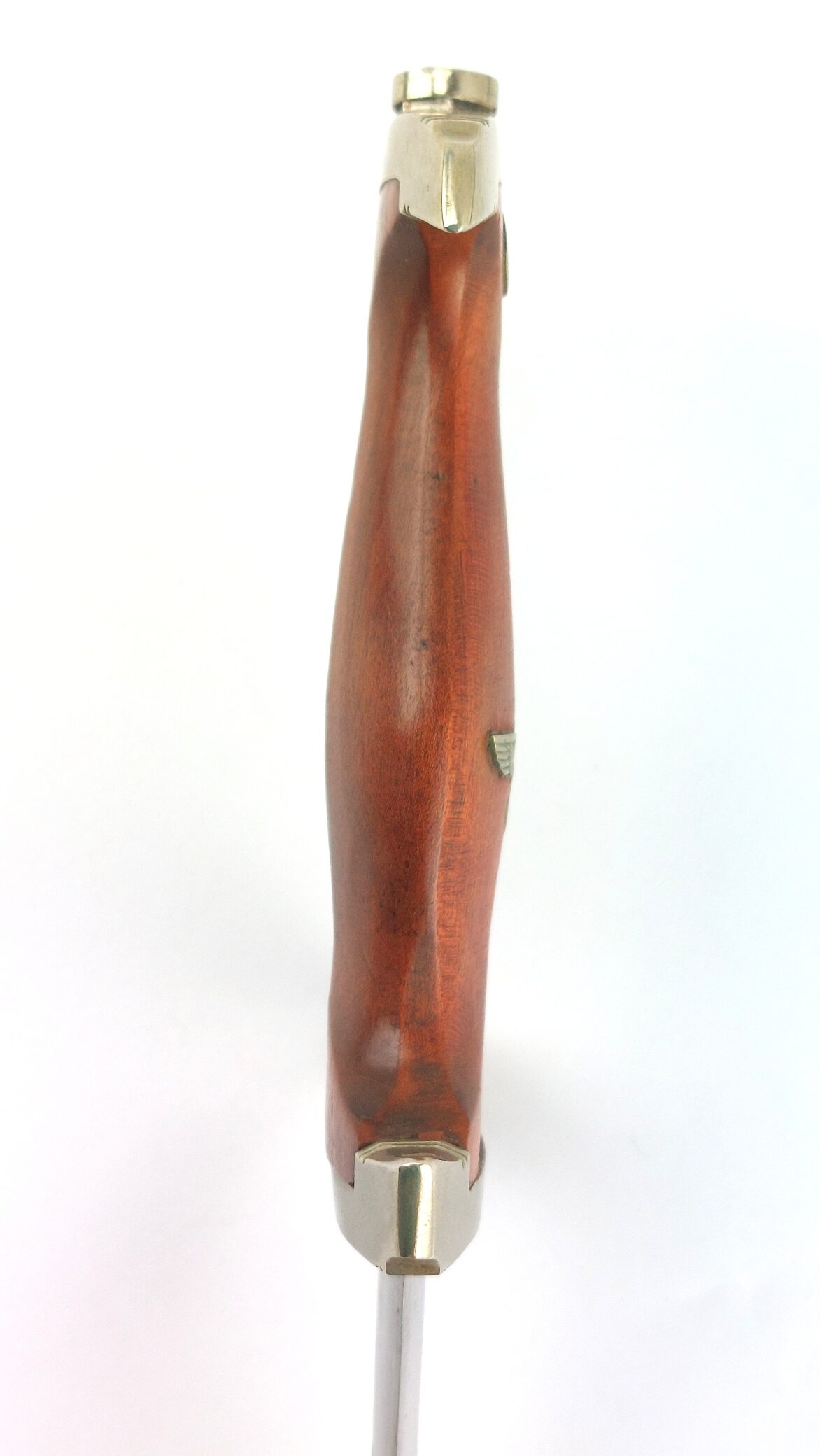
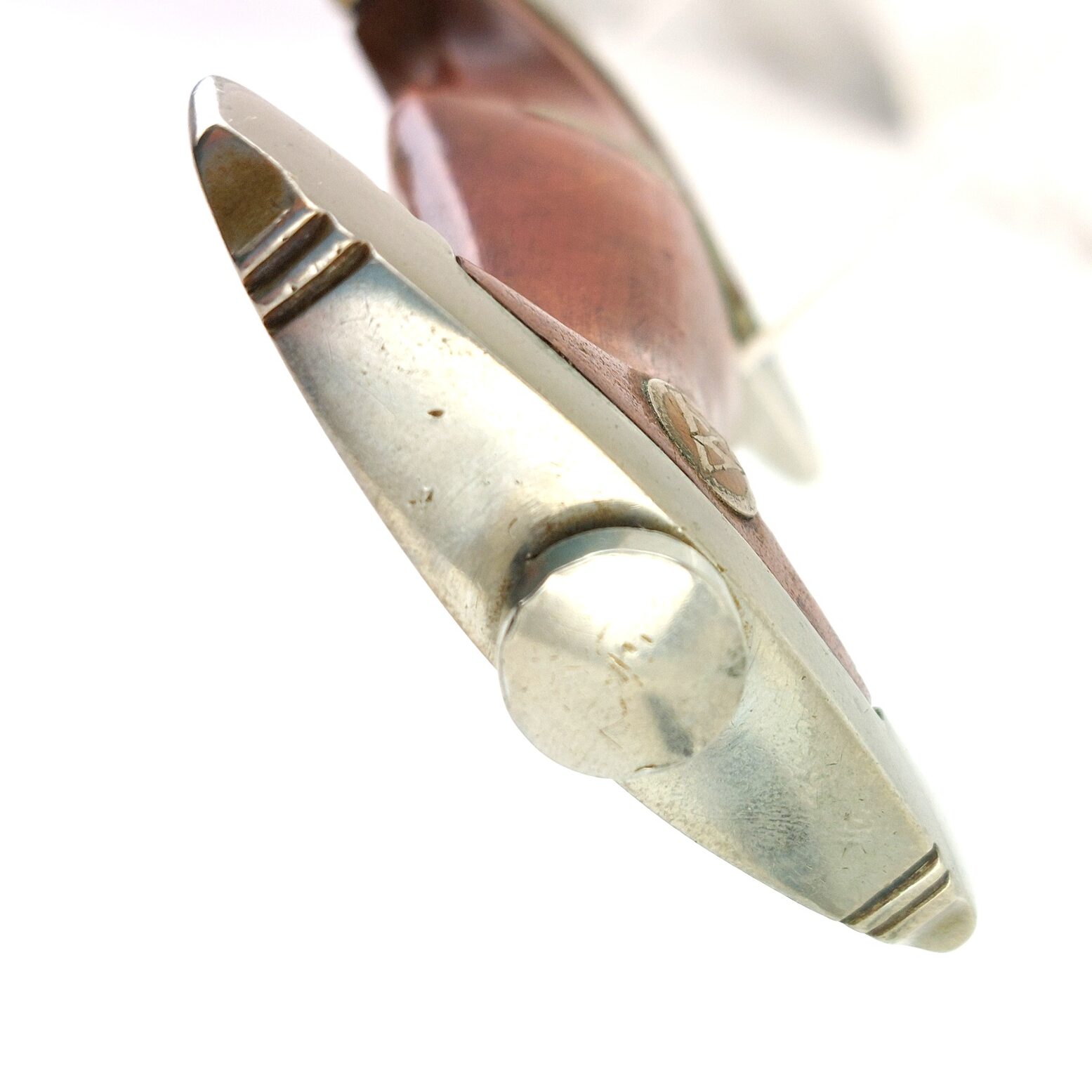
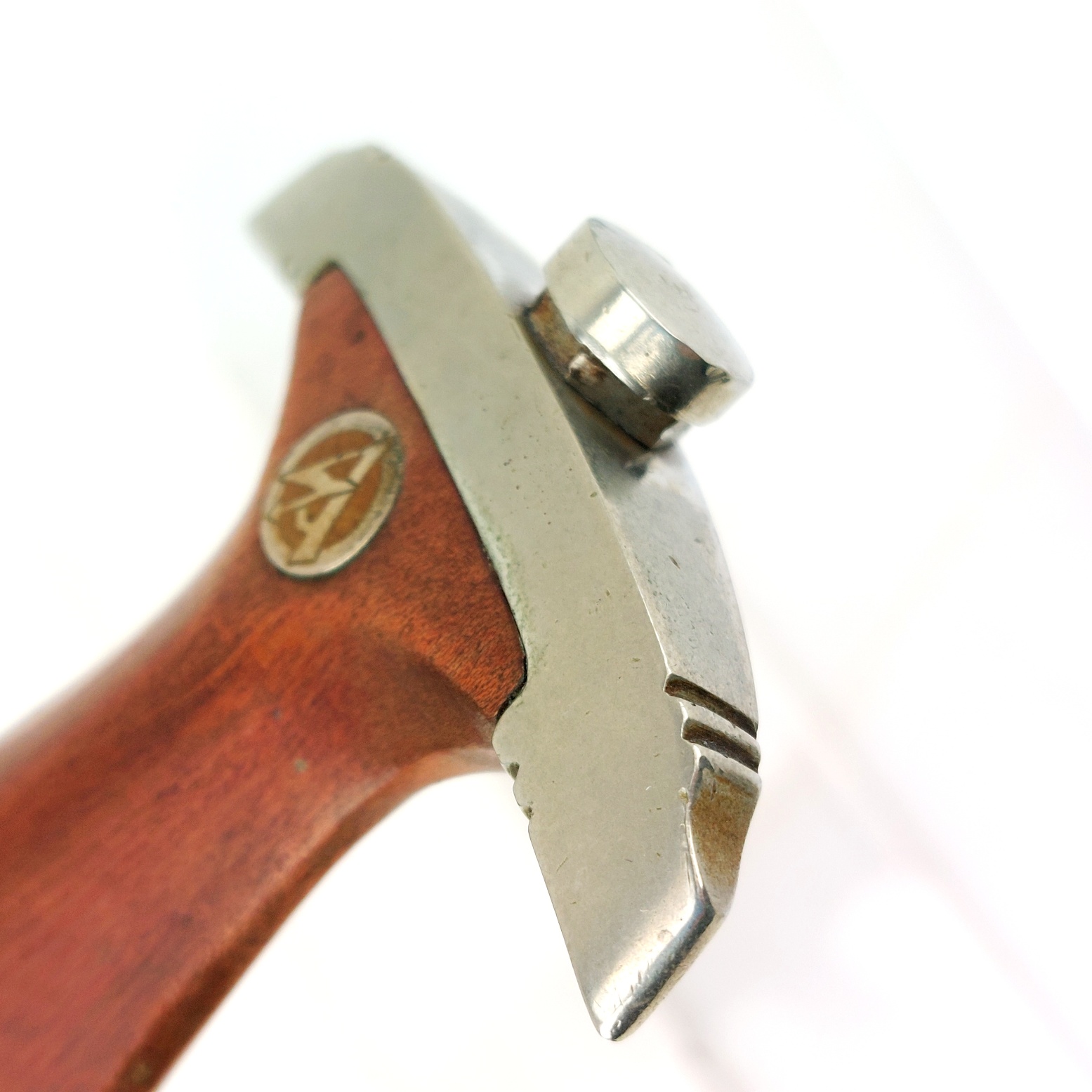
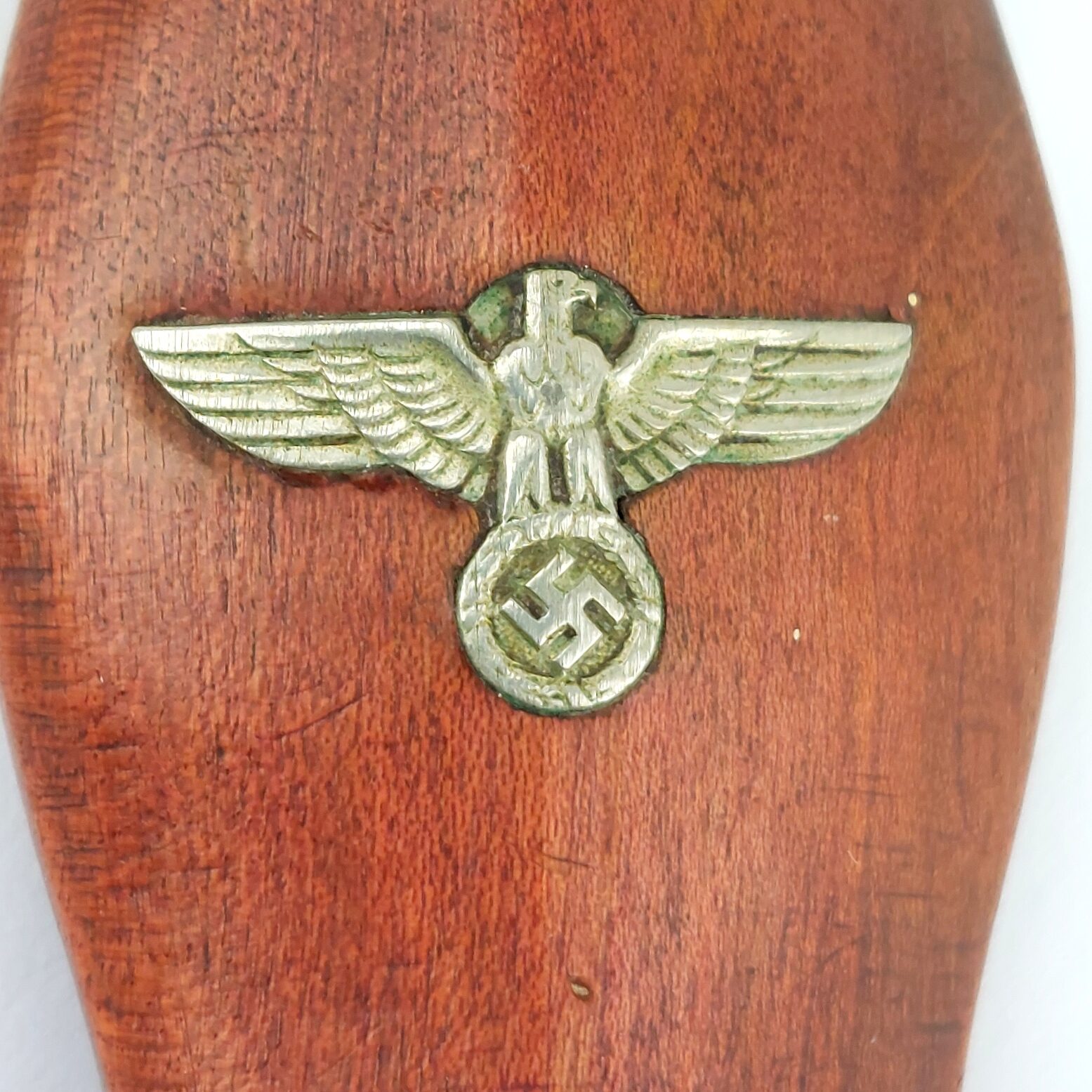
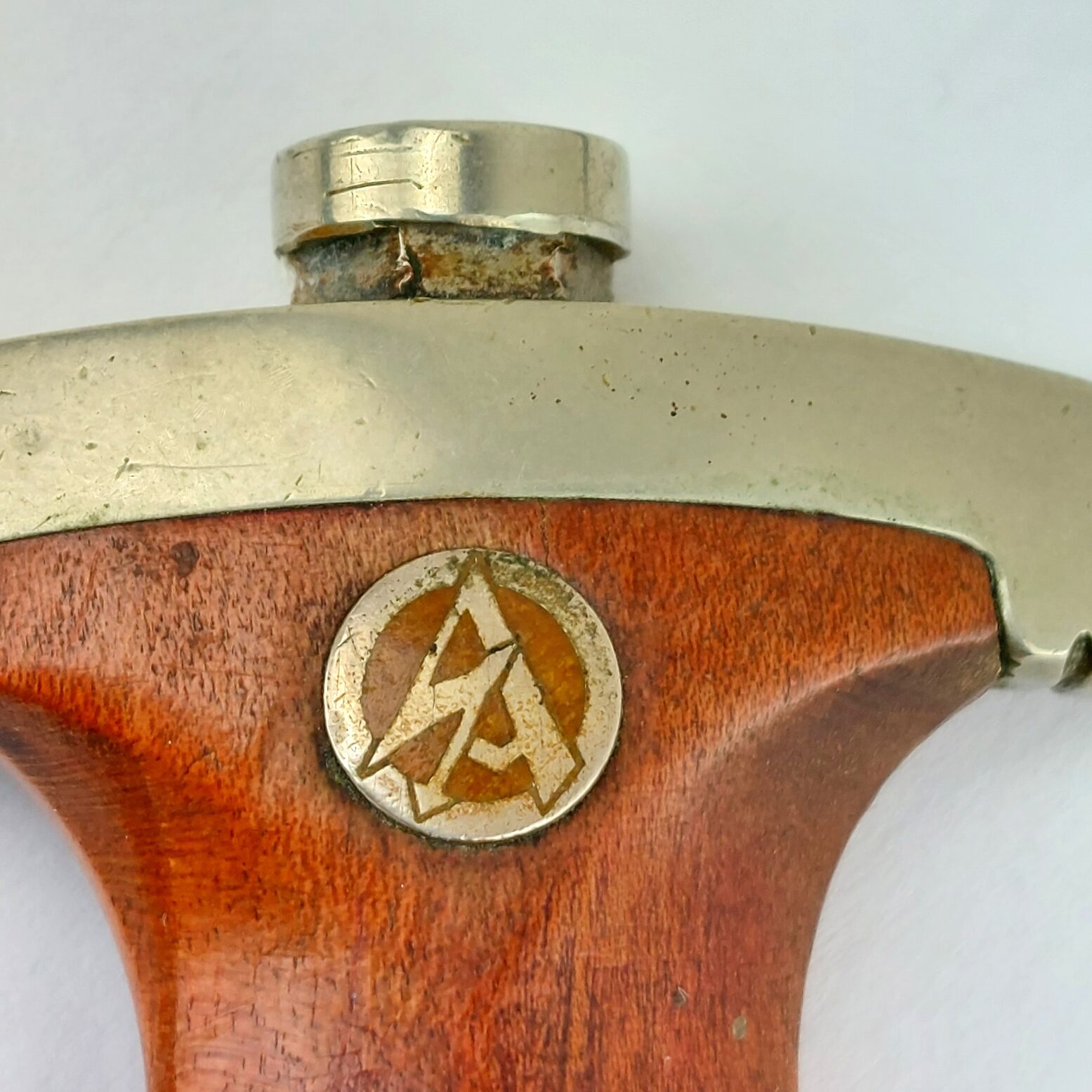
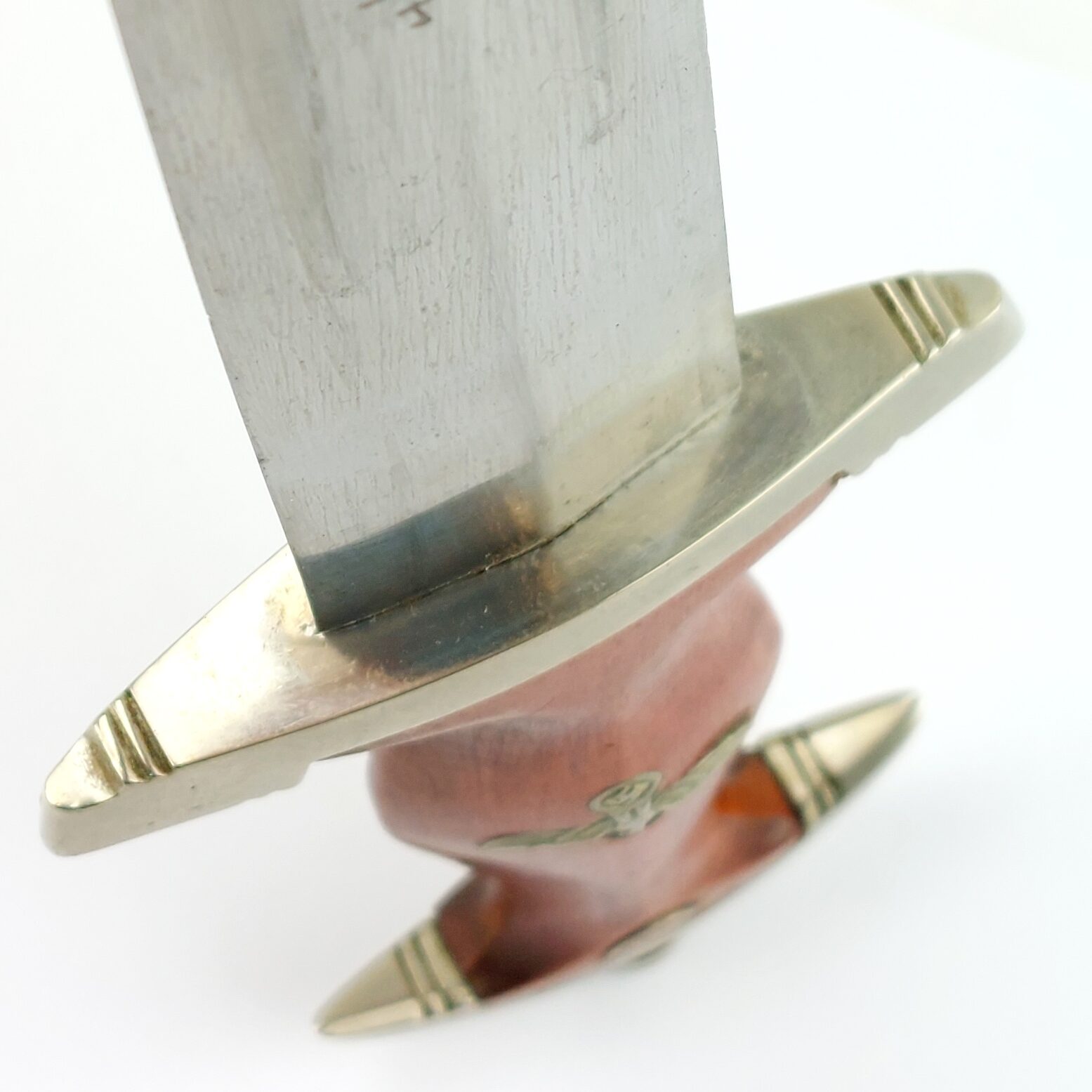
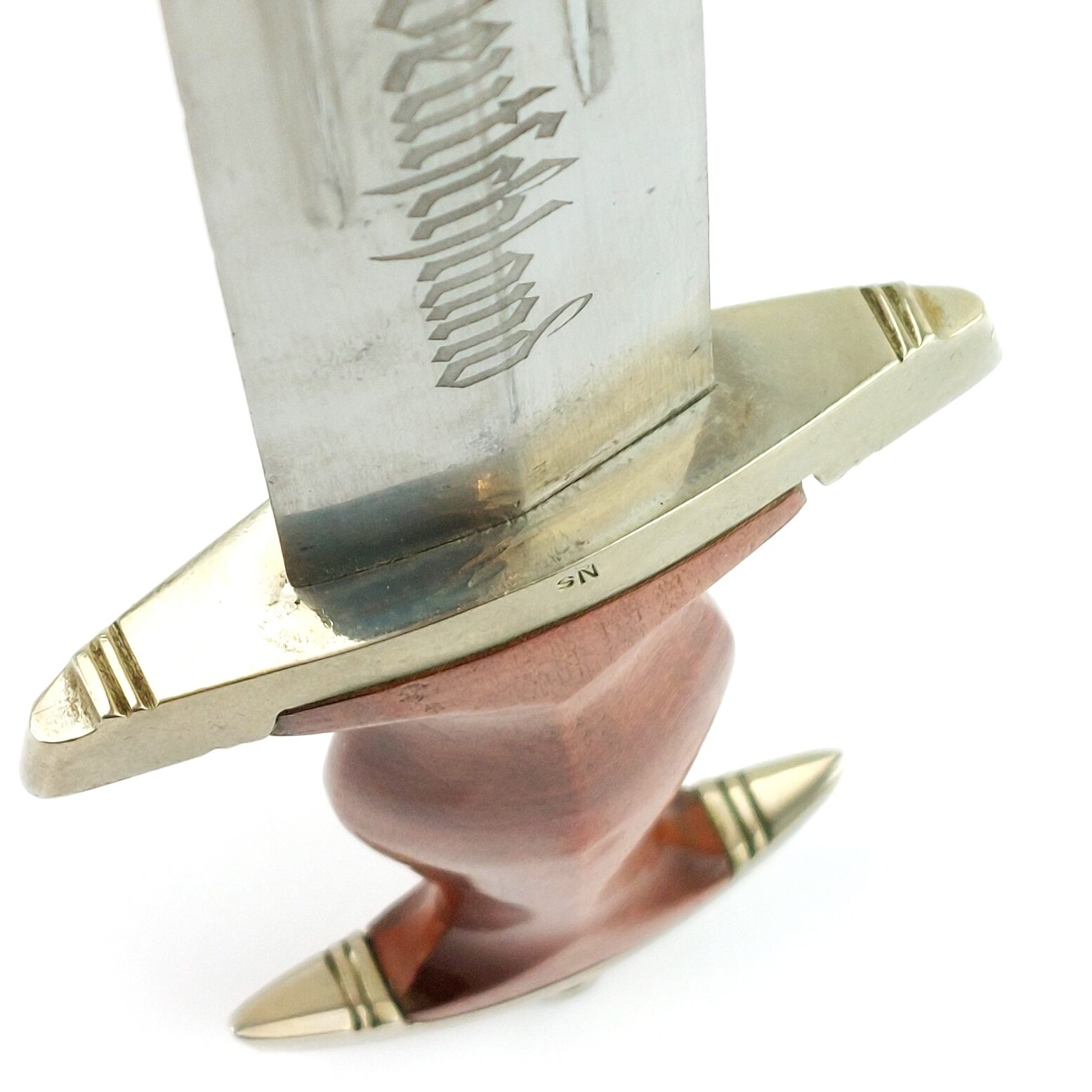
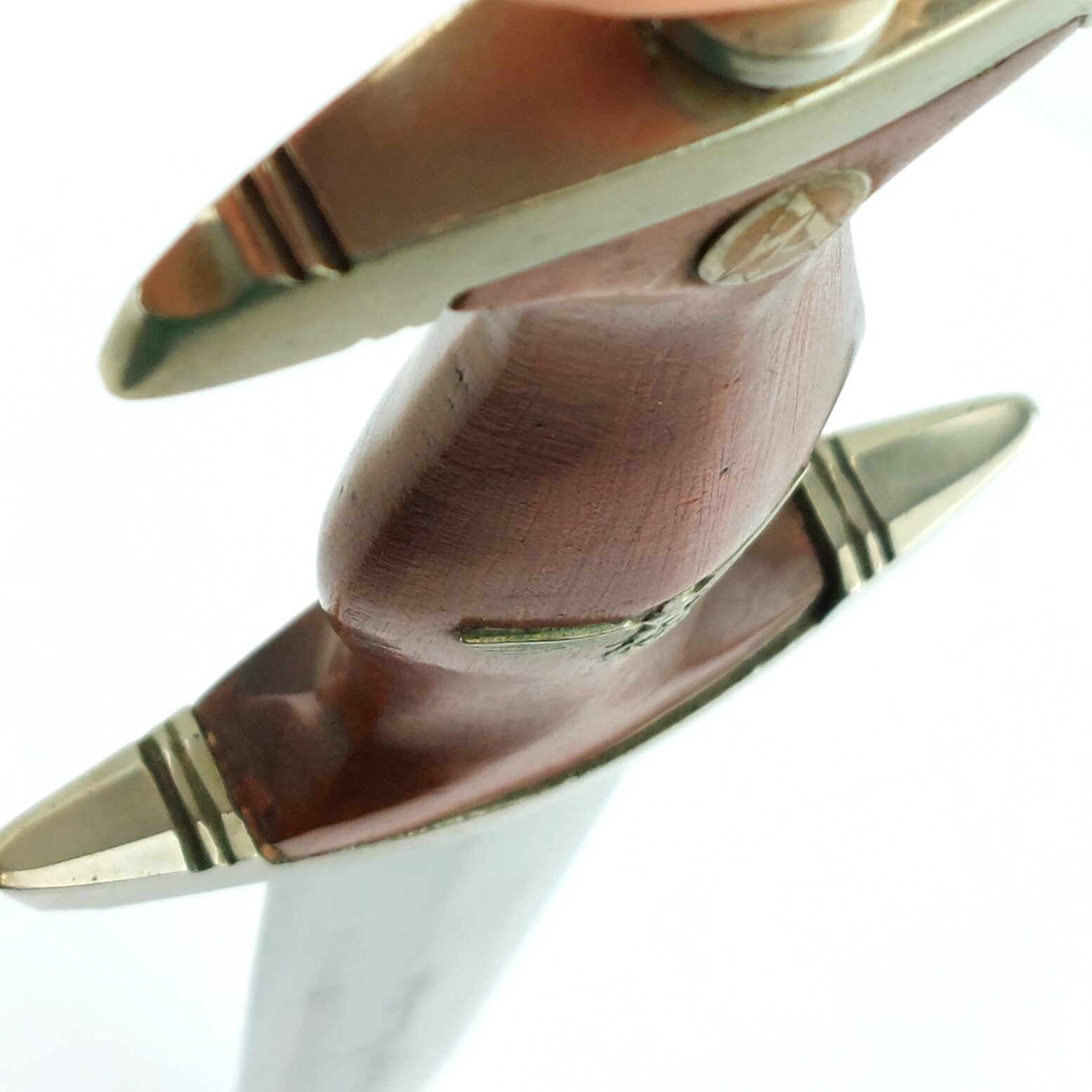
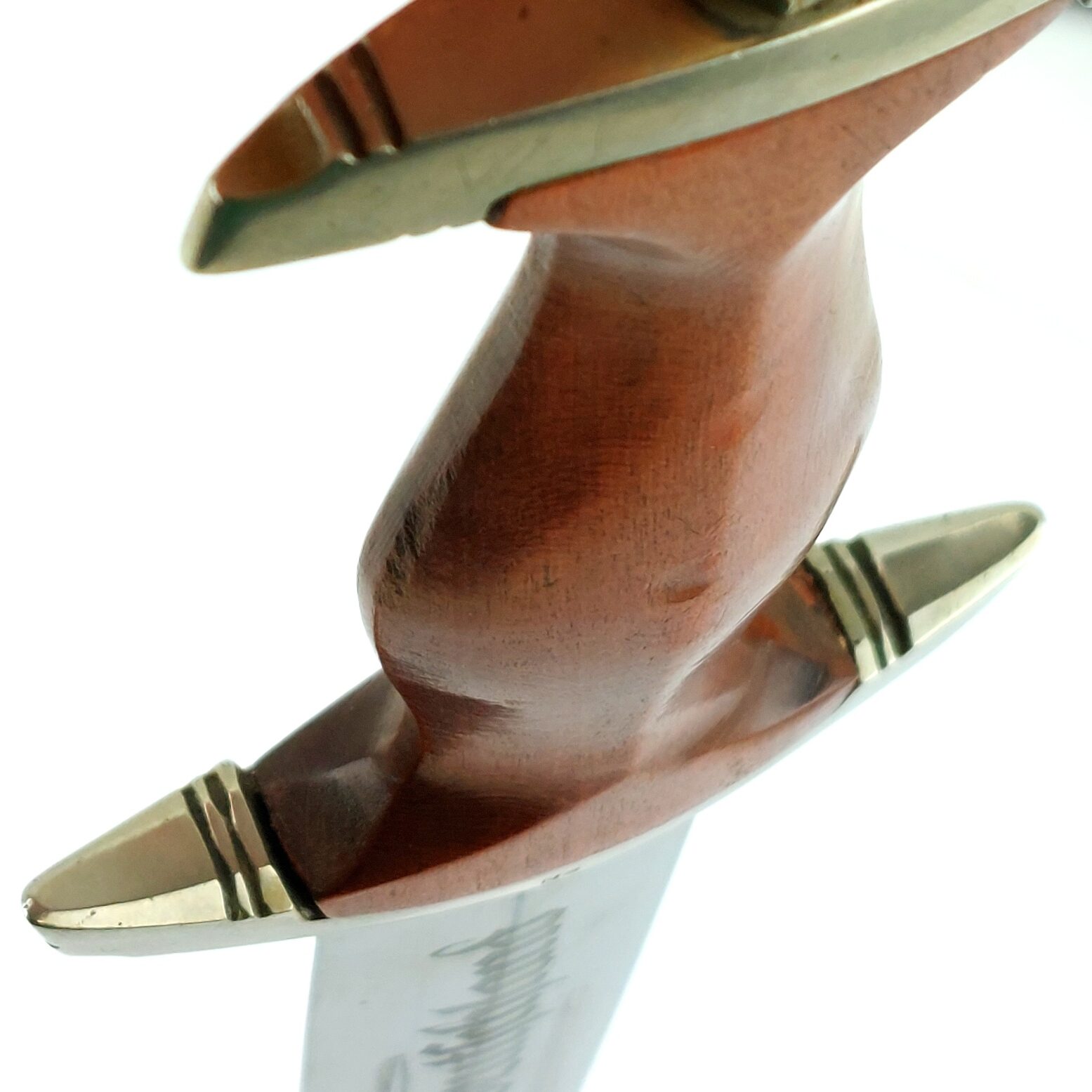
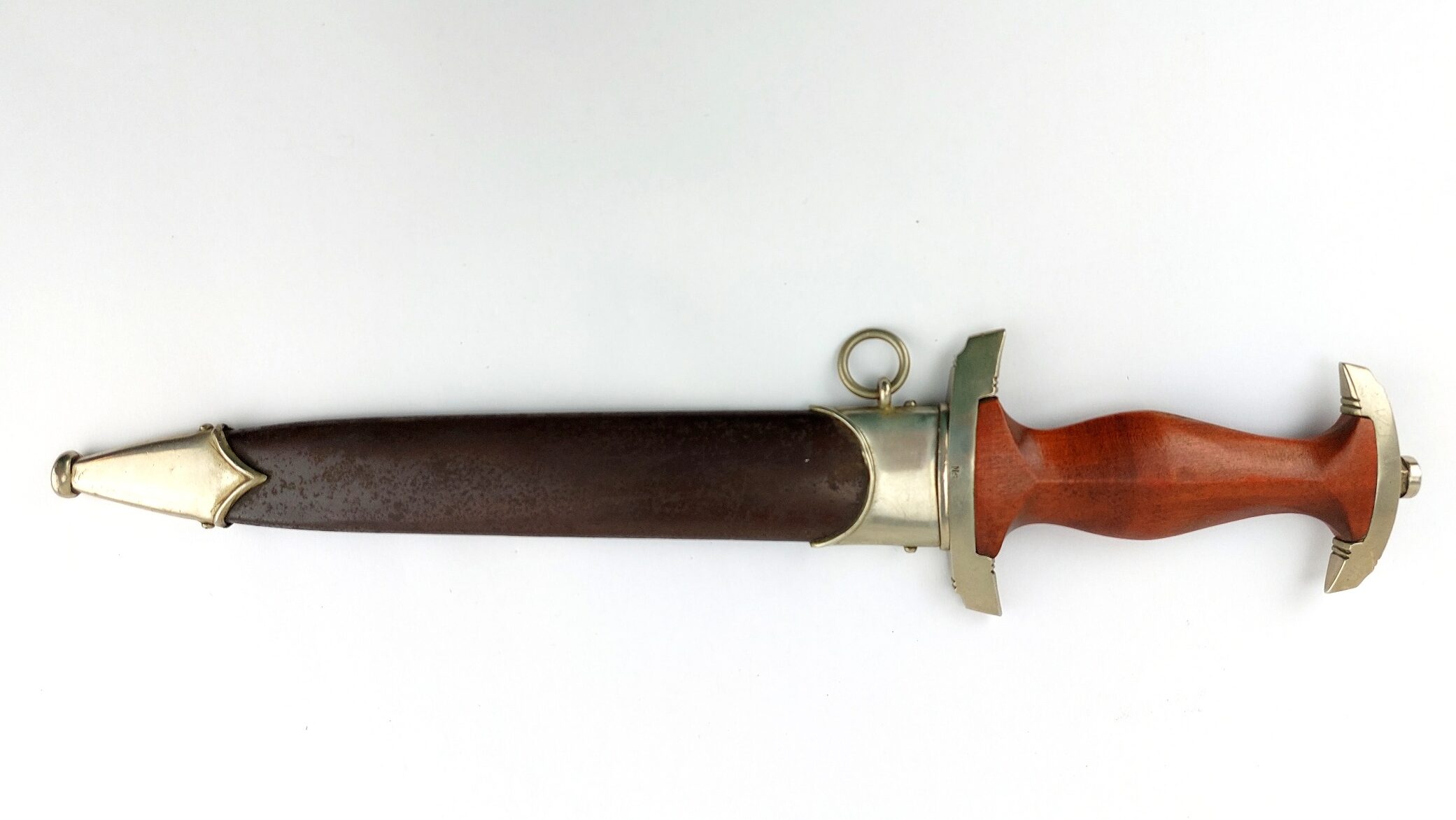
The dagger measures approximately 34.5 cm overall with a 22 cm blade and retains its correct brown hardwood grip fitted with original nickel-silver SA roundel and die-struck eagle, both crisply seated and displaying natural wear to the high points. The solid nickel-silver crossguards and pommel nut are correct for early production and exhibit an even, undisturbed patina throughout.
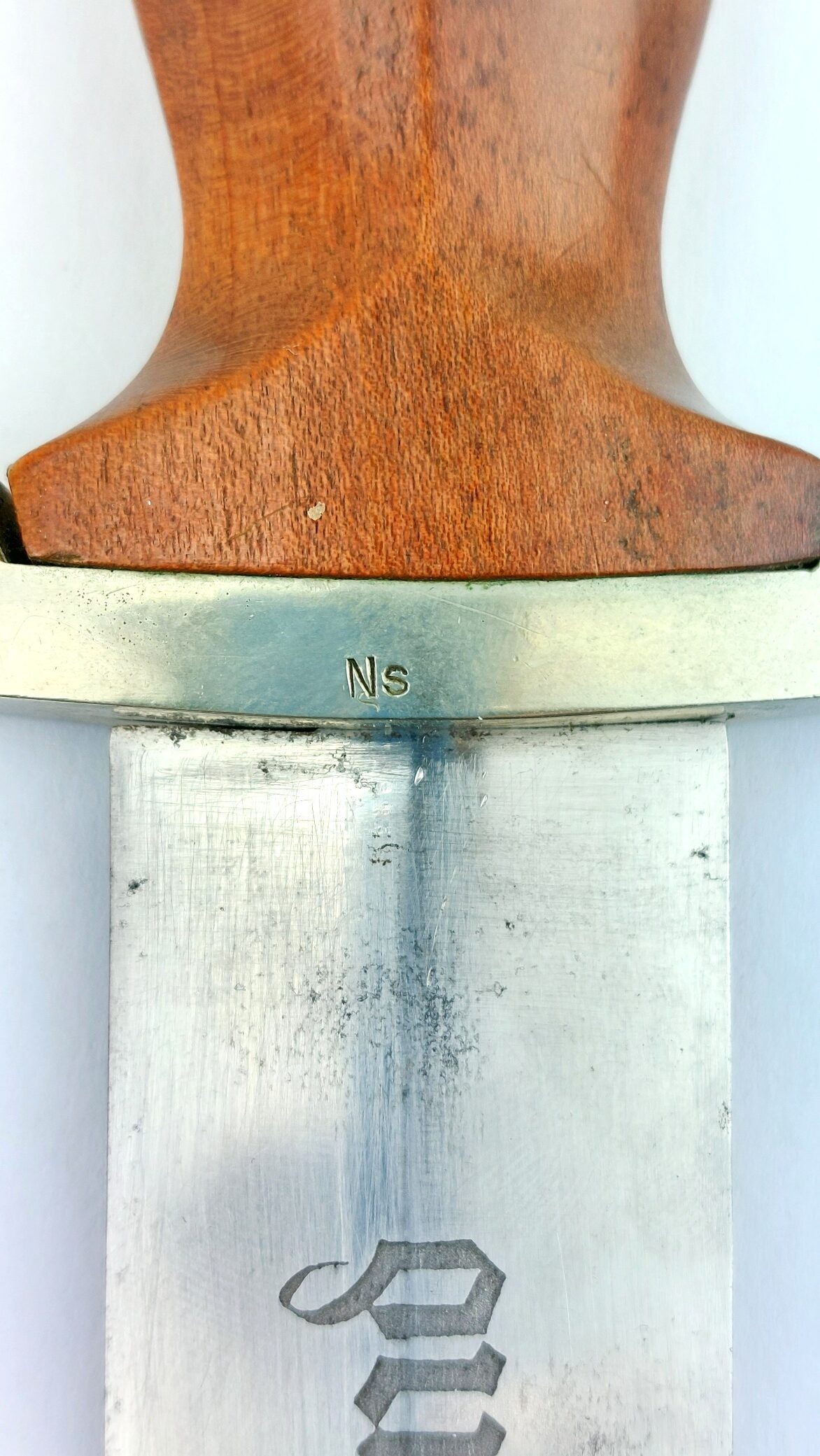
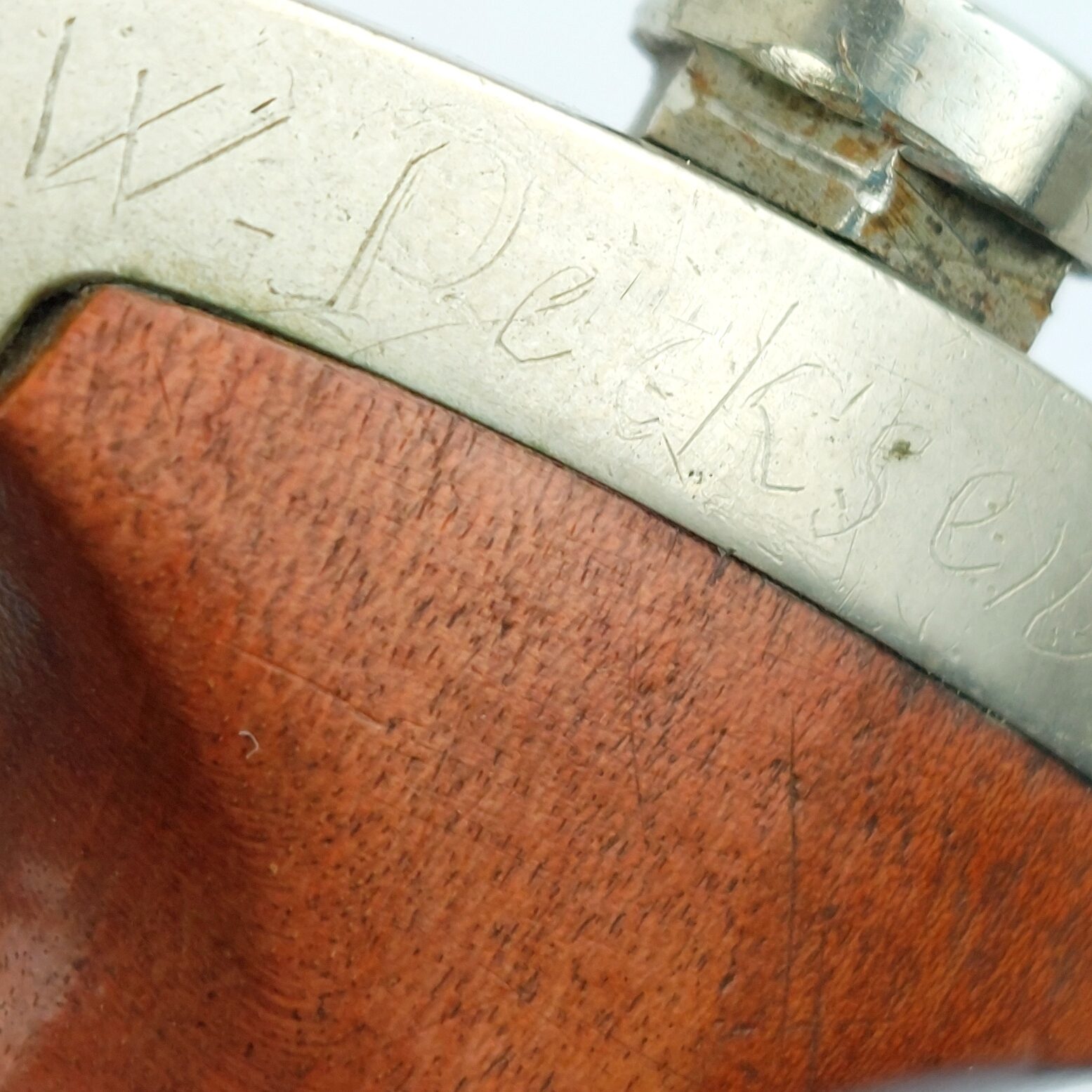
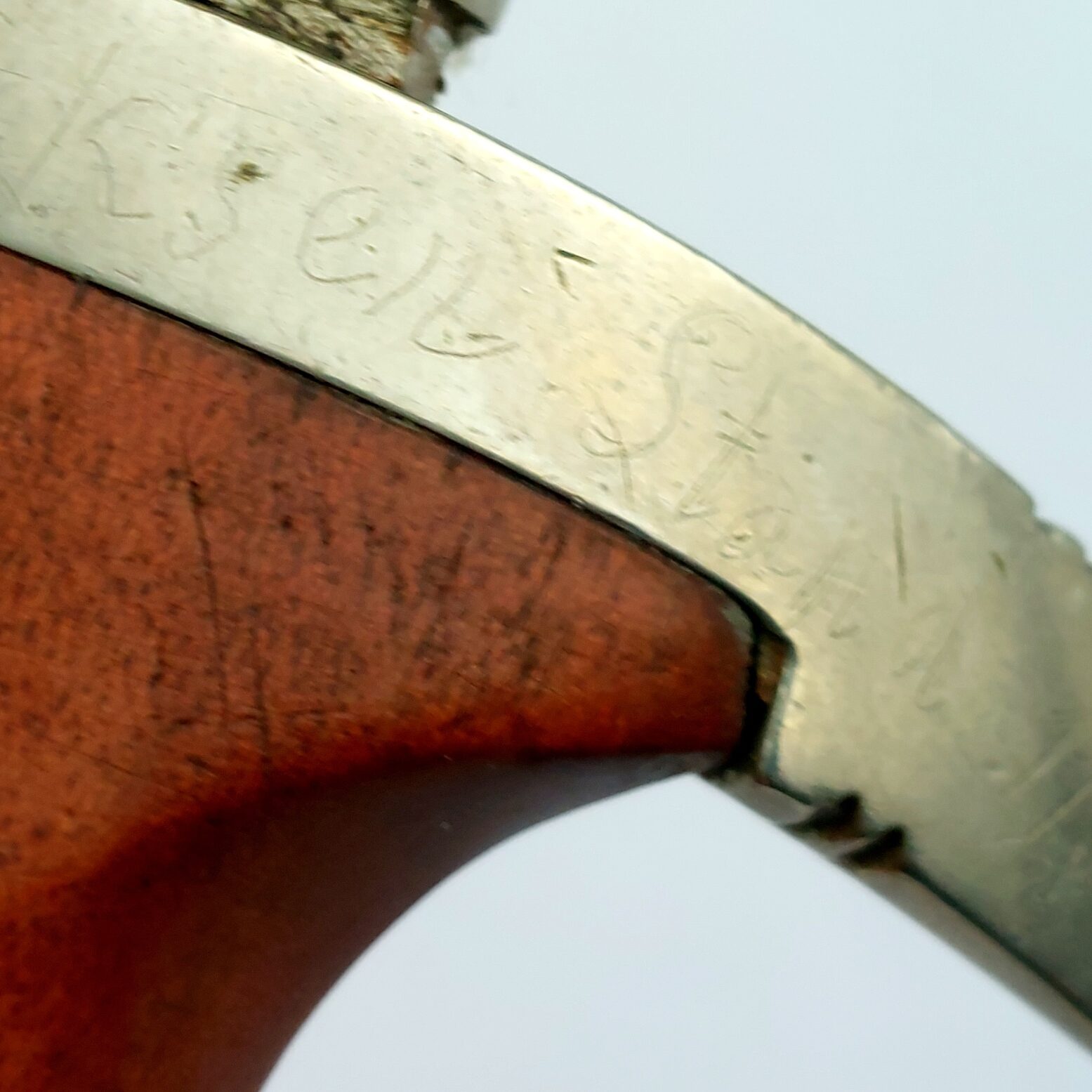
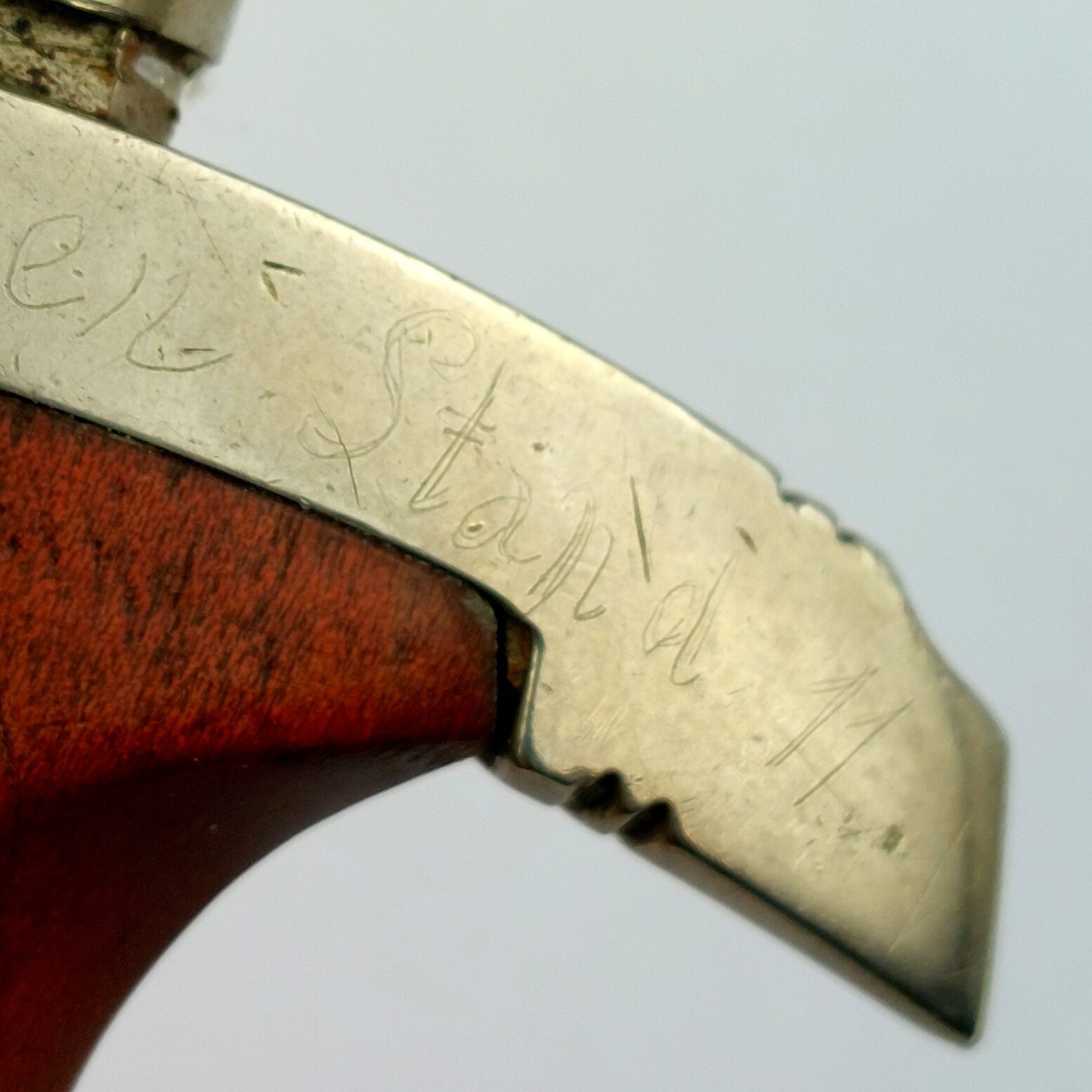
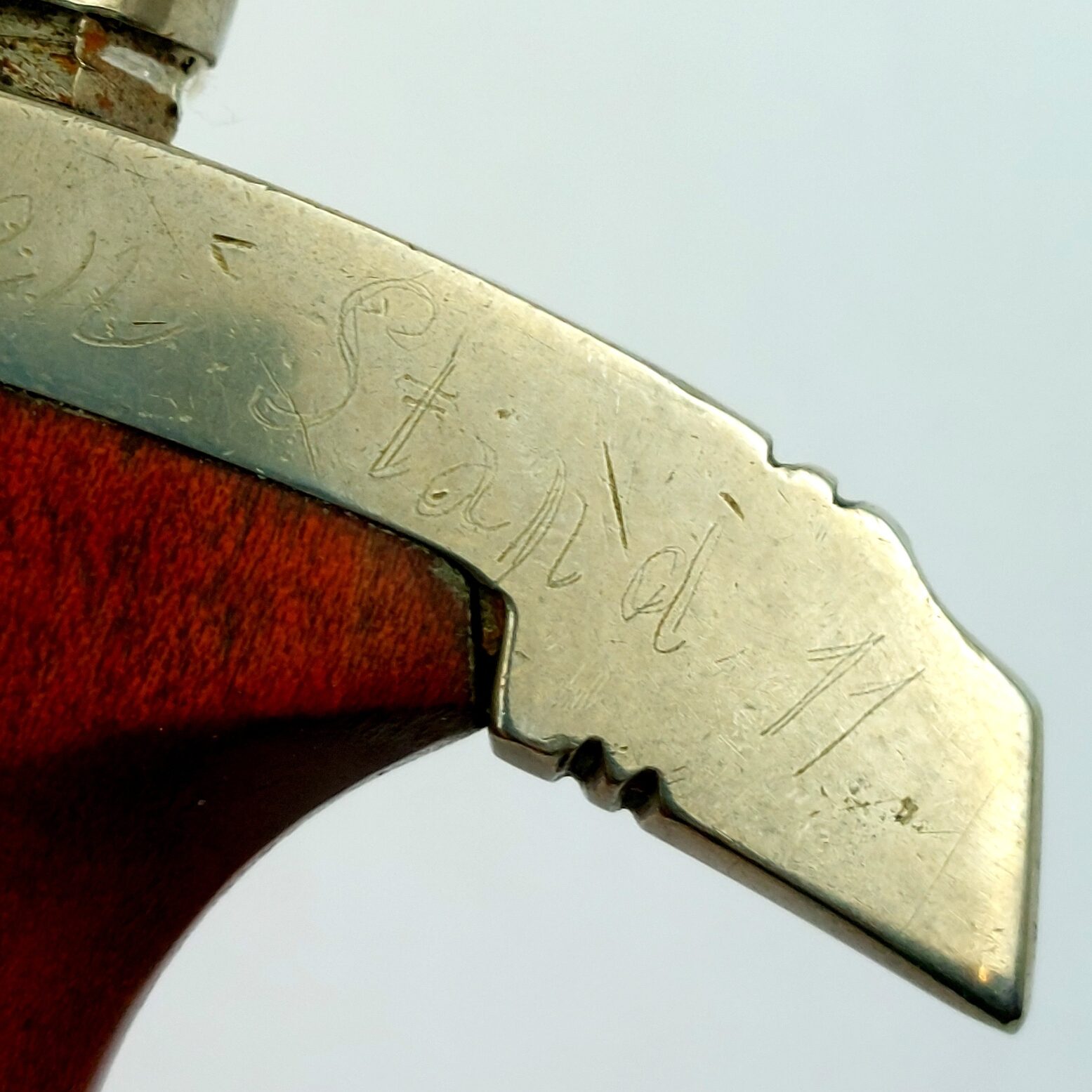
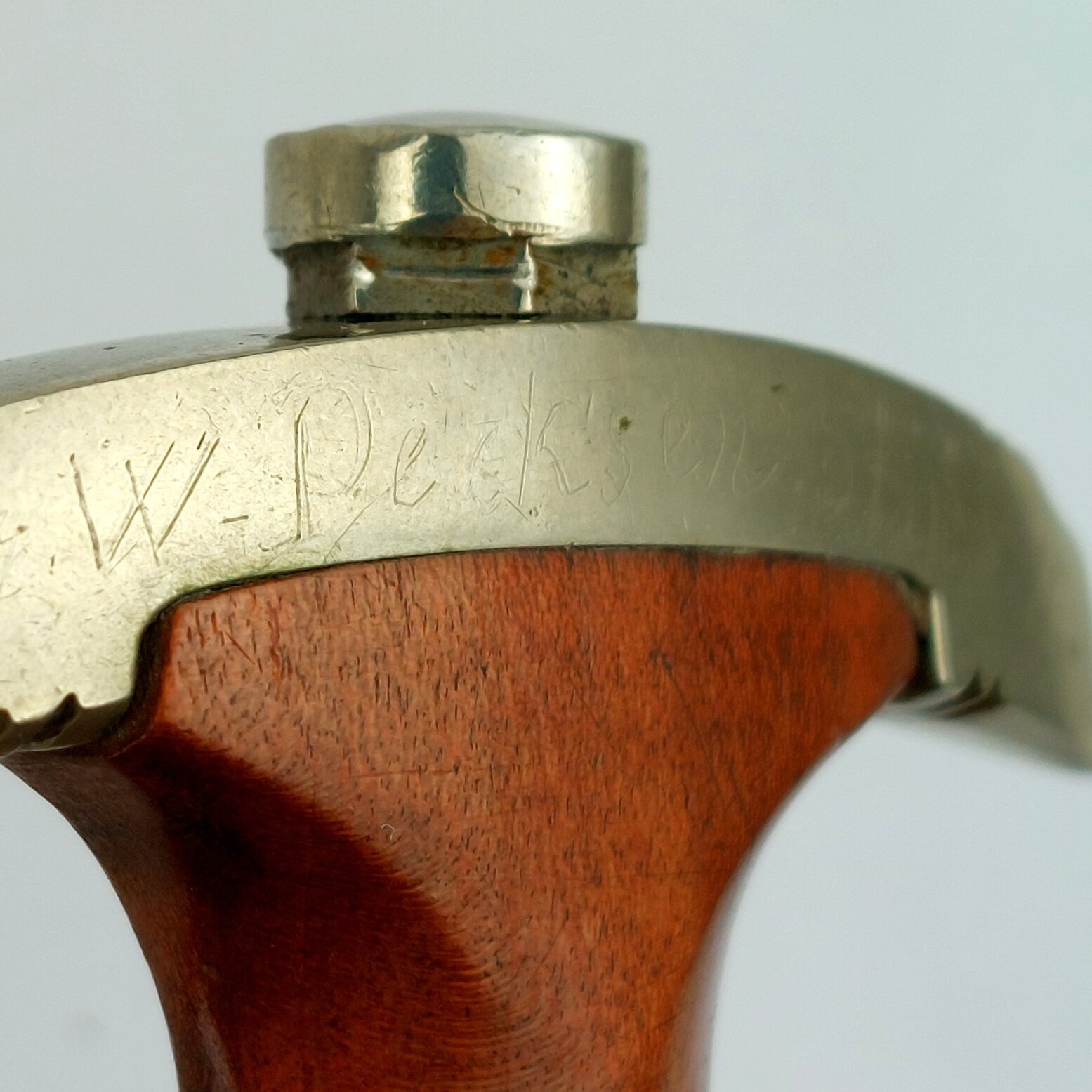
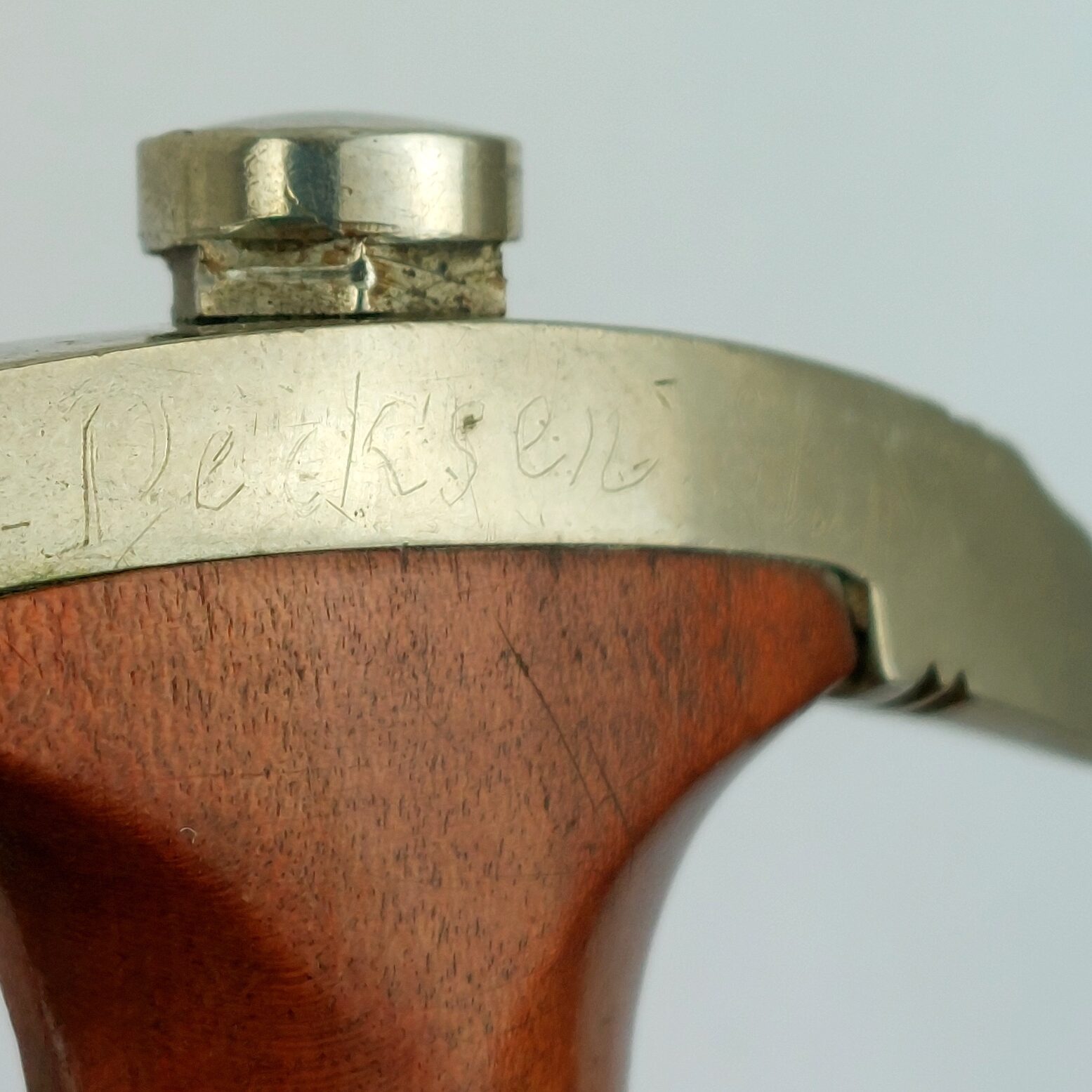
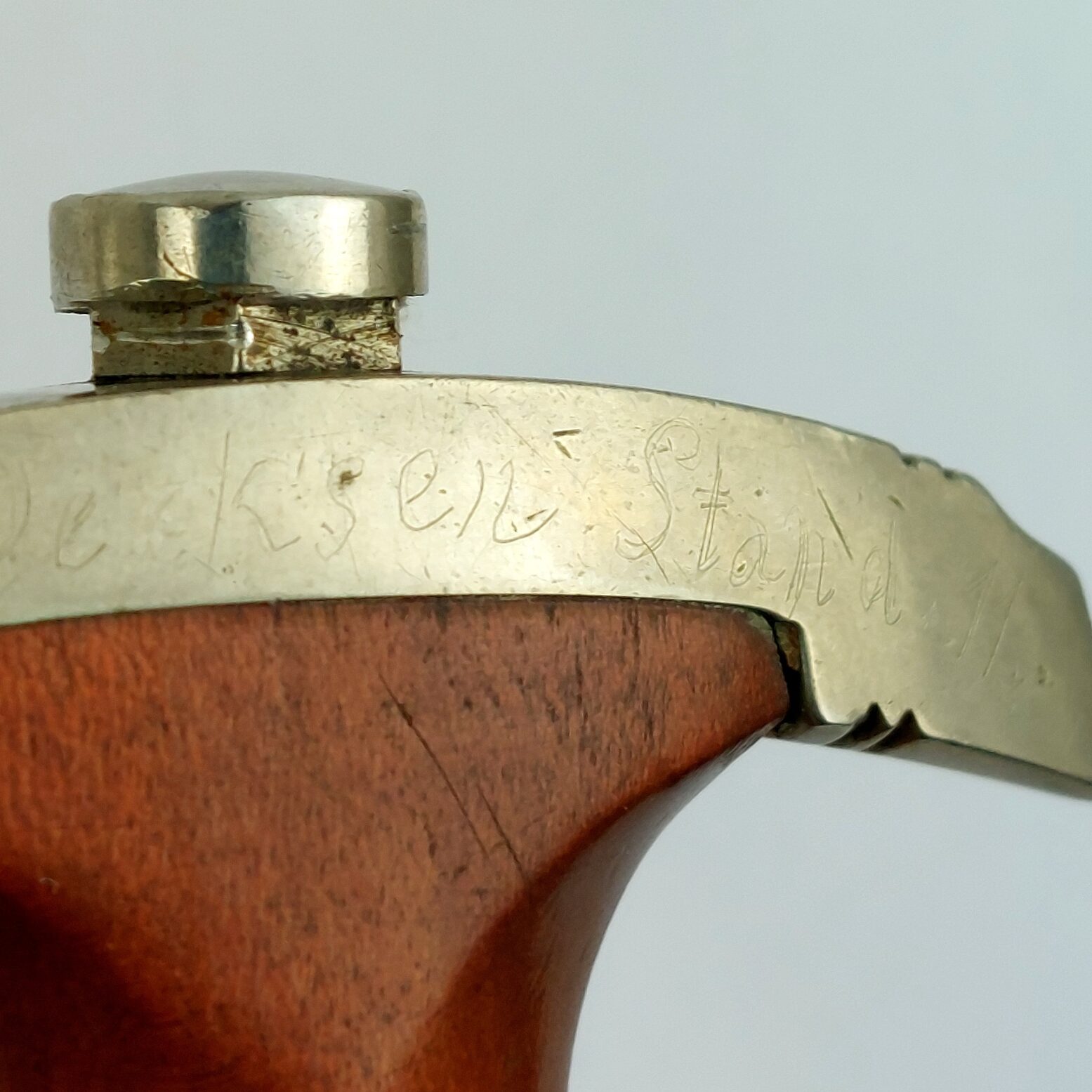
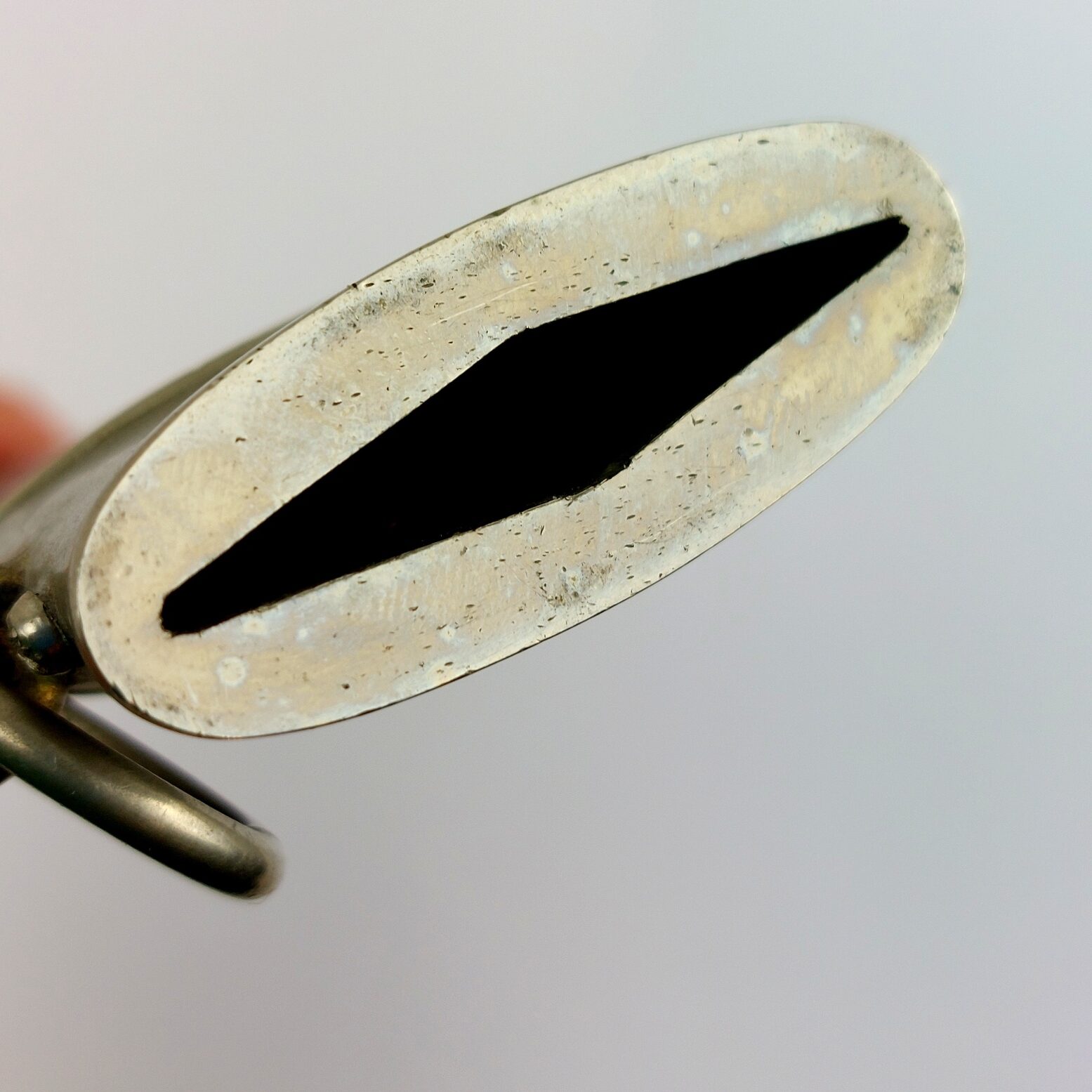
The reverse lower crossguard is sharply stamped “Ns”, the confirmed SA Gruppenstempel for SA-Gruppe Niedersachsen (Lower Saxony). Such markings were applied to early SA daggers to denote the regional SA command responsible for issue and distribution and are a key indicator of early manufacture. Notably, the upper crossguard bears light, informal scratching, plausibly reading “W. Pecks en Stand 11.” When viewed in conjunction with the Ns group mark, this is interpreted as a personal ownership inscription referring to a member of the SA-Standarte 11, a regiment-sized SA formation operating within SA-Gruppe Niedersachsen. SA-Standarte 11—sometimes referred to as the “Solling-Standarte”—was headquartered at Fredelsloh near Moringen in southern Lower Saxony. Such informal personal marking of daggers by early SA members adds a rare and appealing unit-level and human dimension to this example.
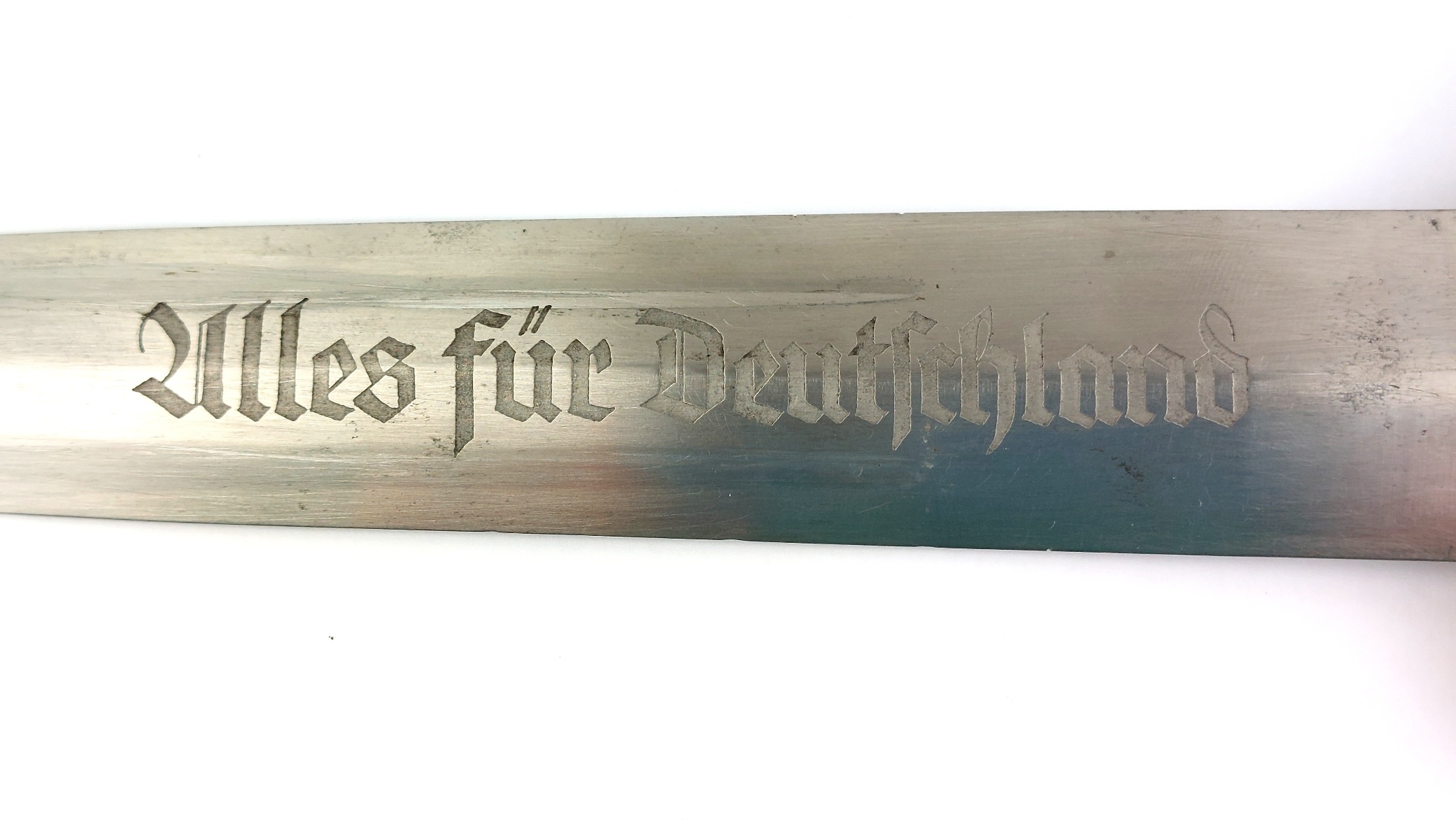
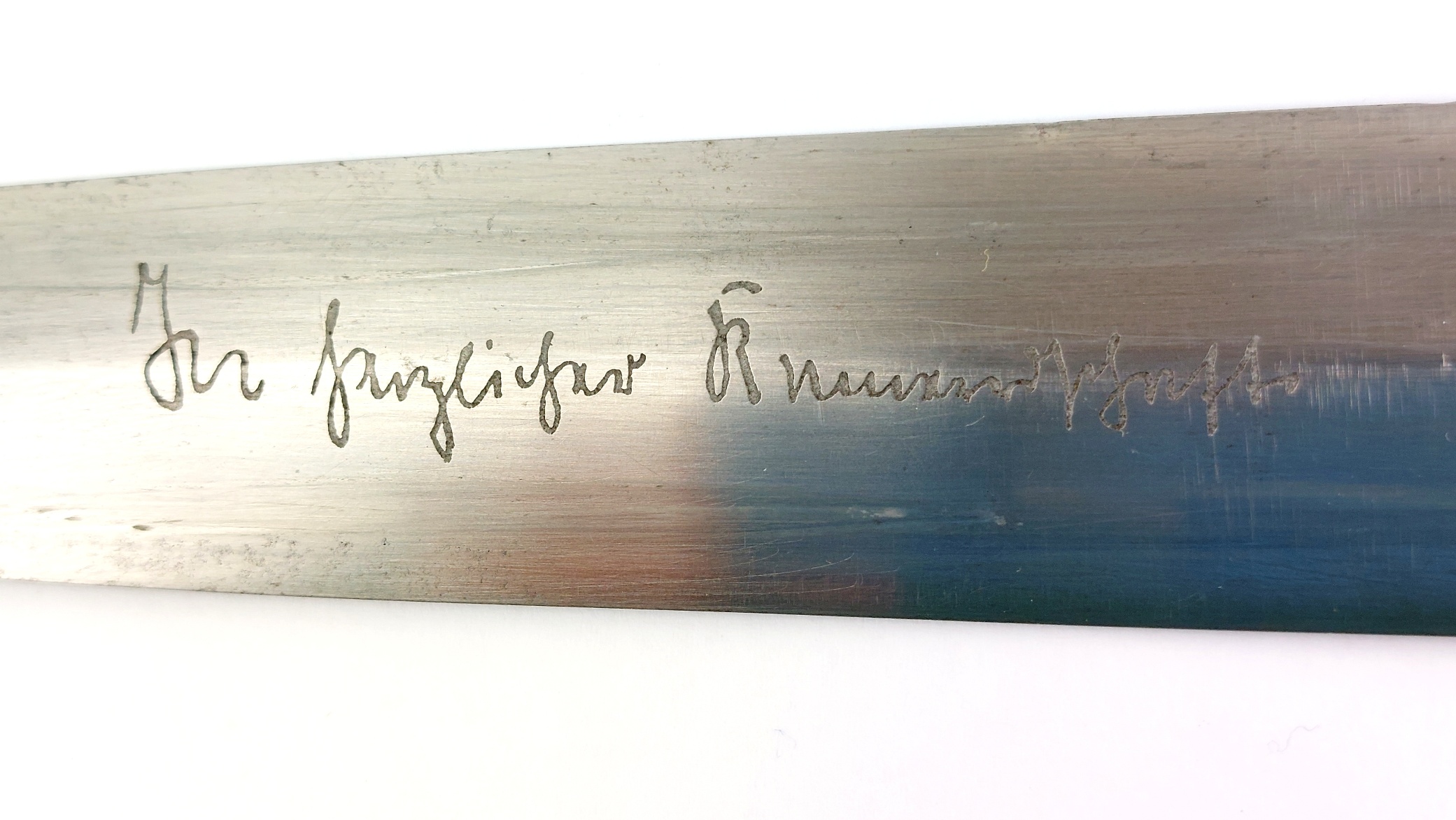
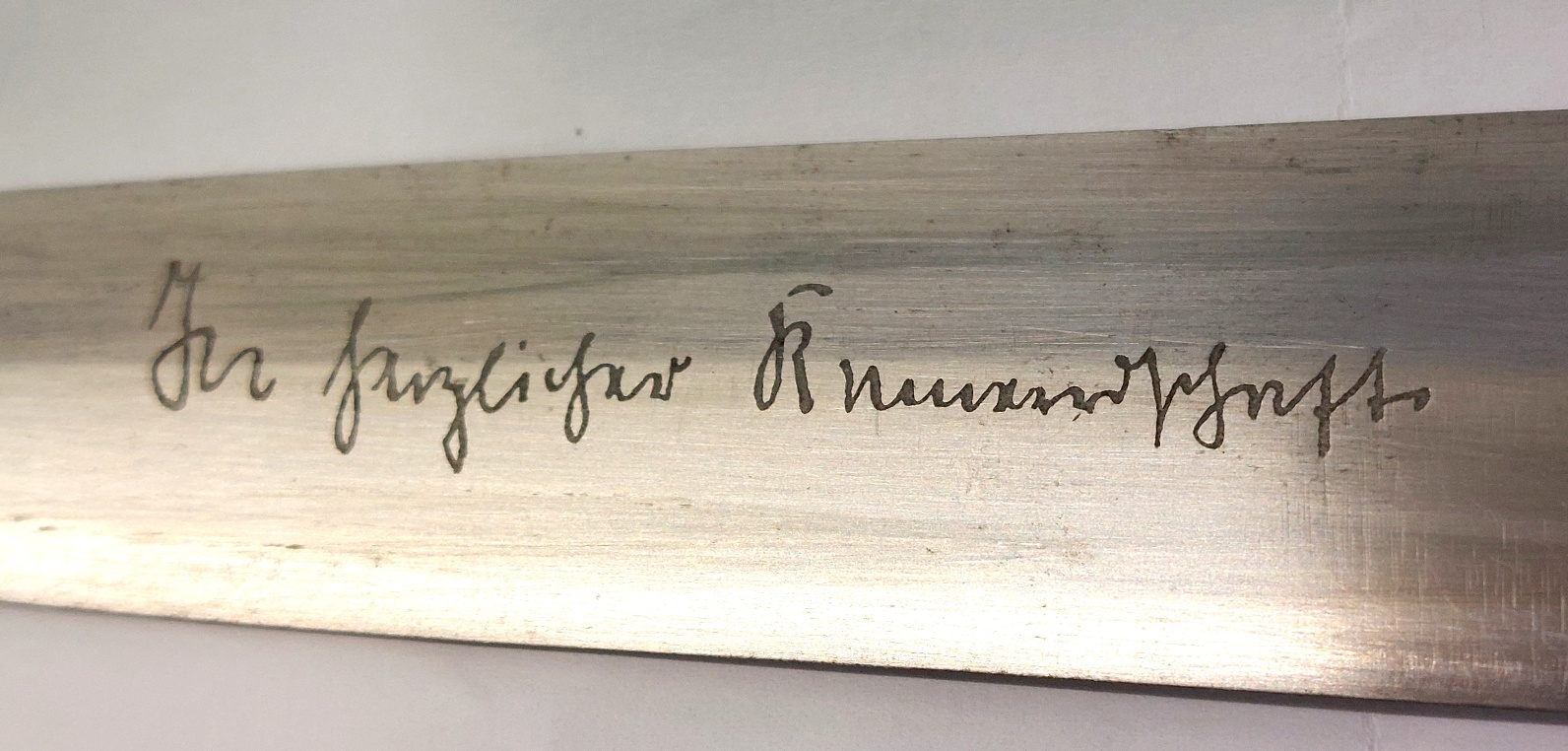
The blade remains straight and well-profiled, retaining the standard etched motto “Alles für Deutschland”. The obverse dedication “In herzlicher Kameradschaft” area shows clear evidence of a modified Ernst Röhm honorary inscription, altered in accordance with official orders issued after 1934. This alteration is historically correct and represents an important and evocative survival from one of the most dramatic internal purges of the Third Reich.
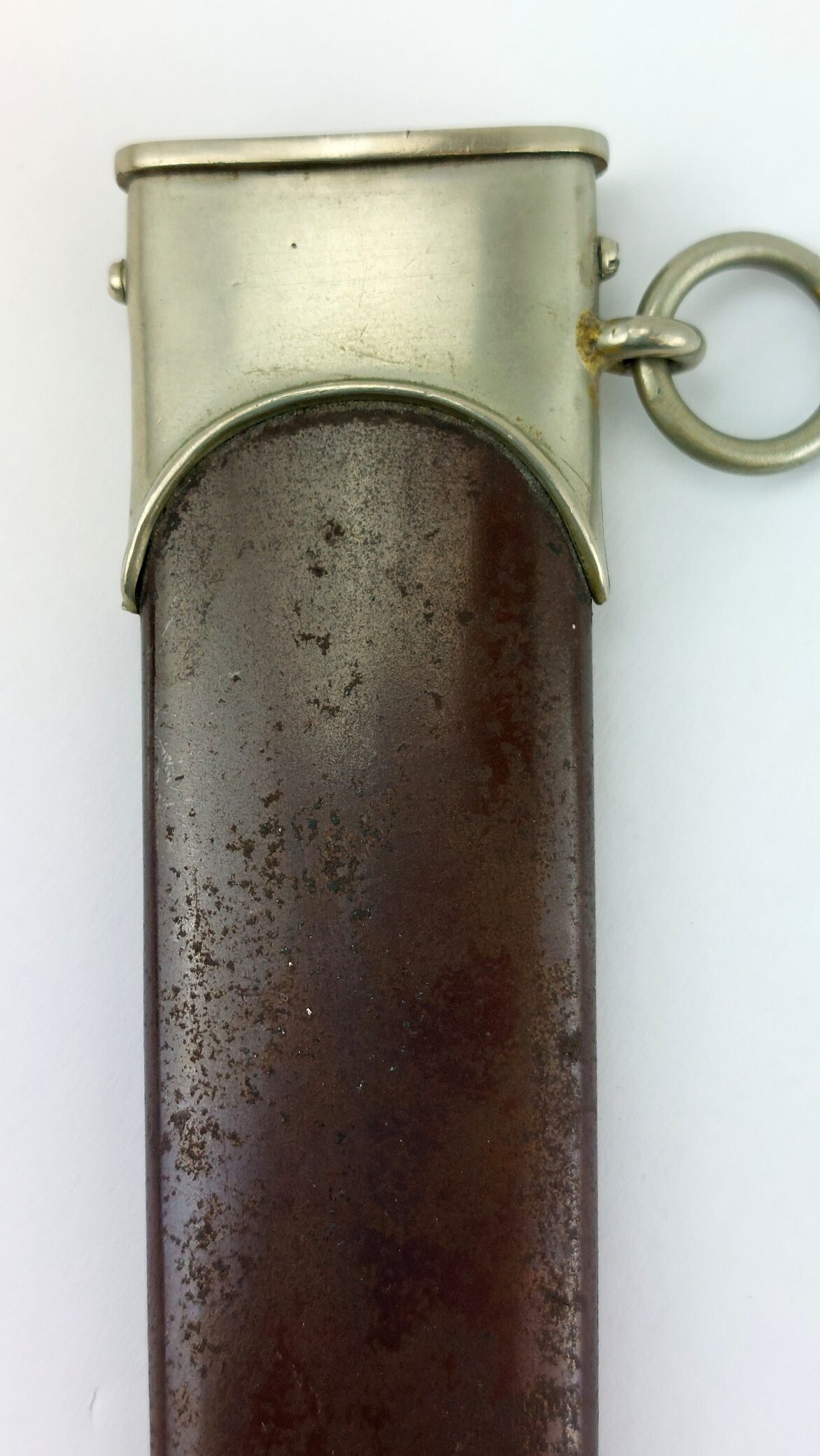
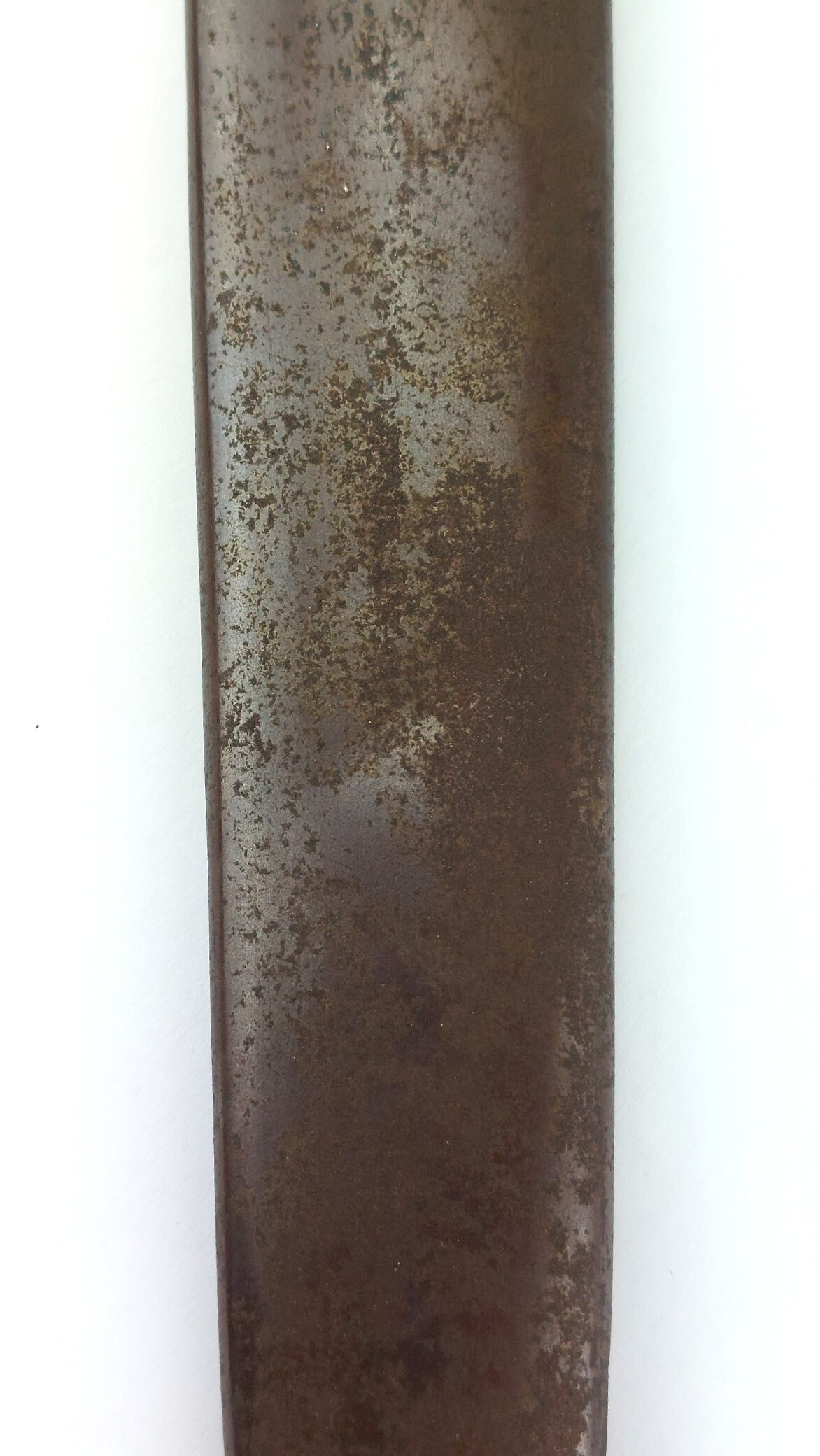
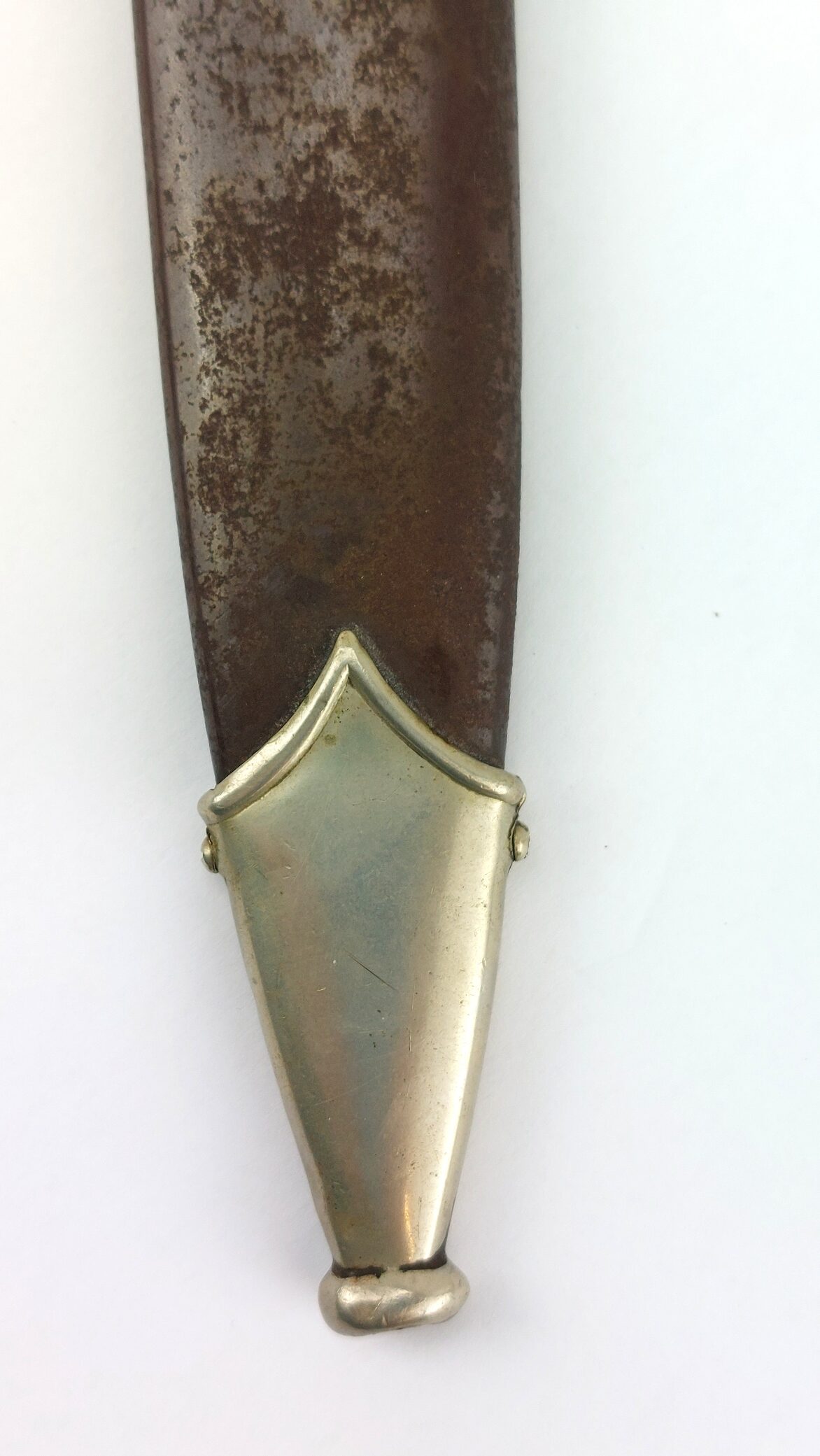
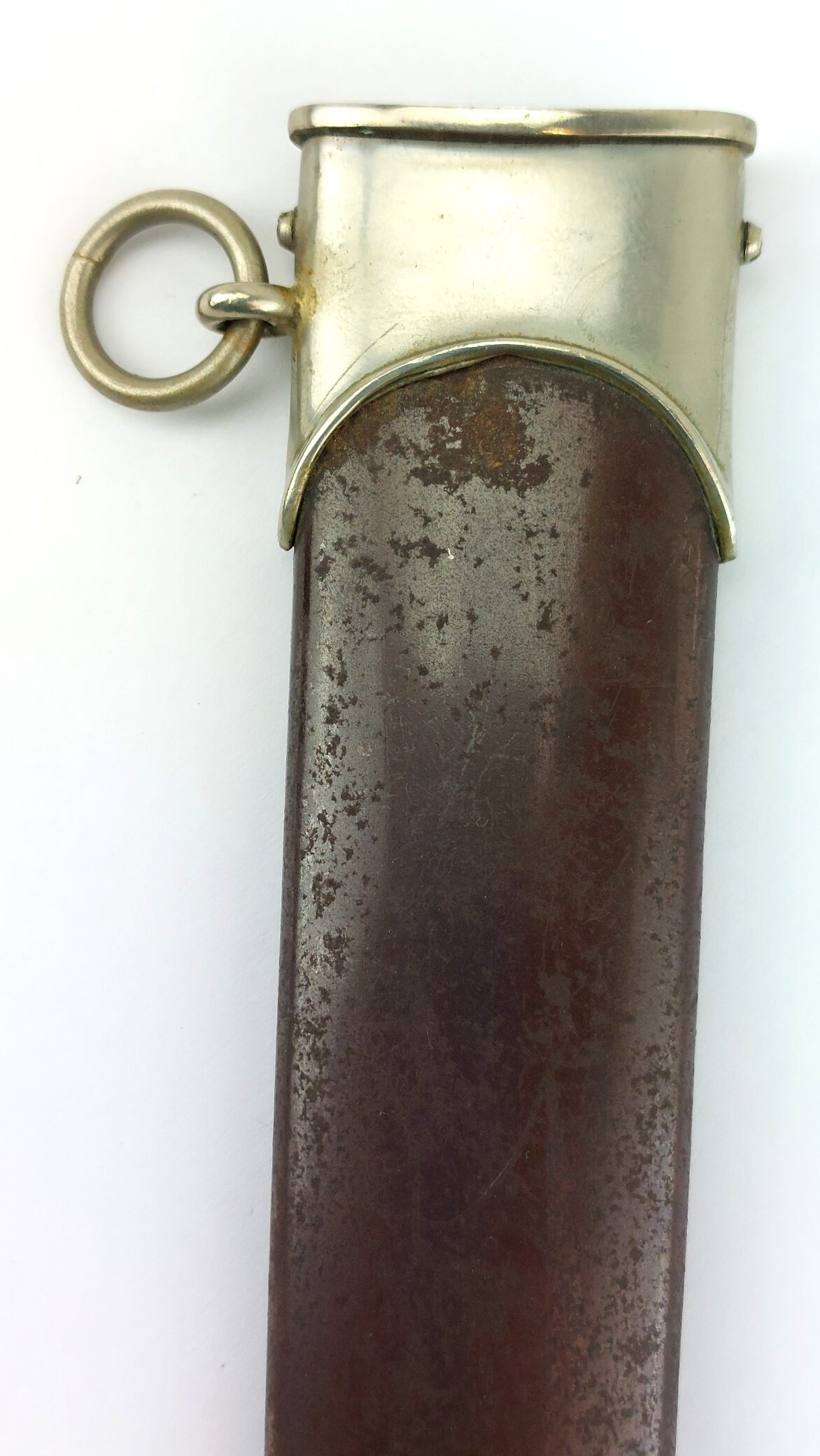
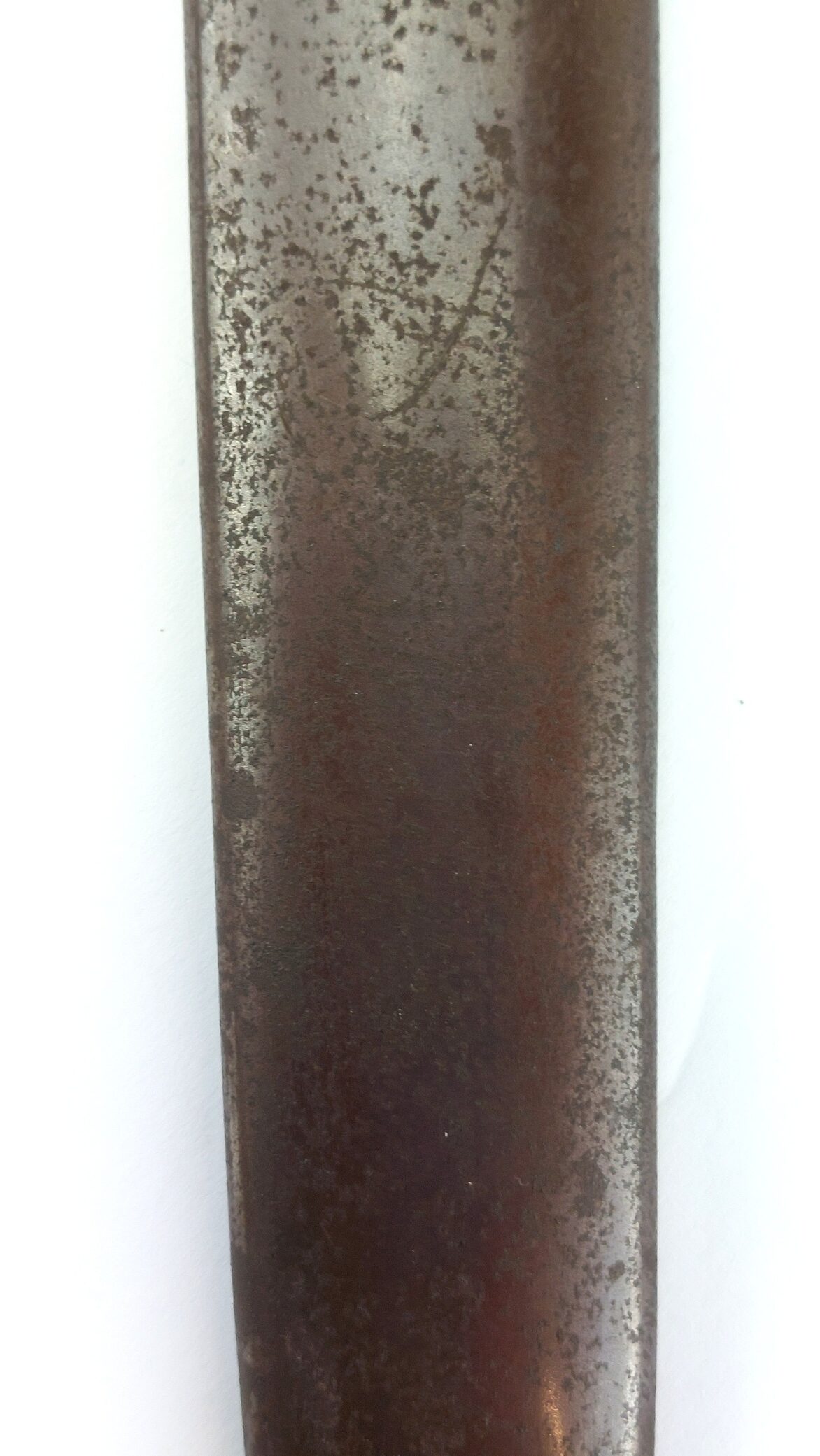
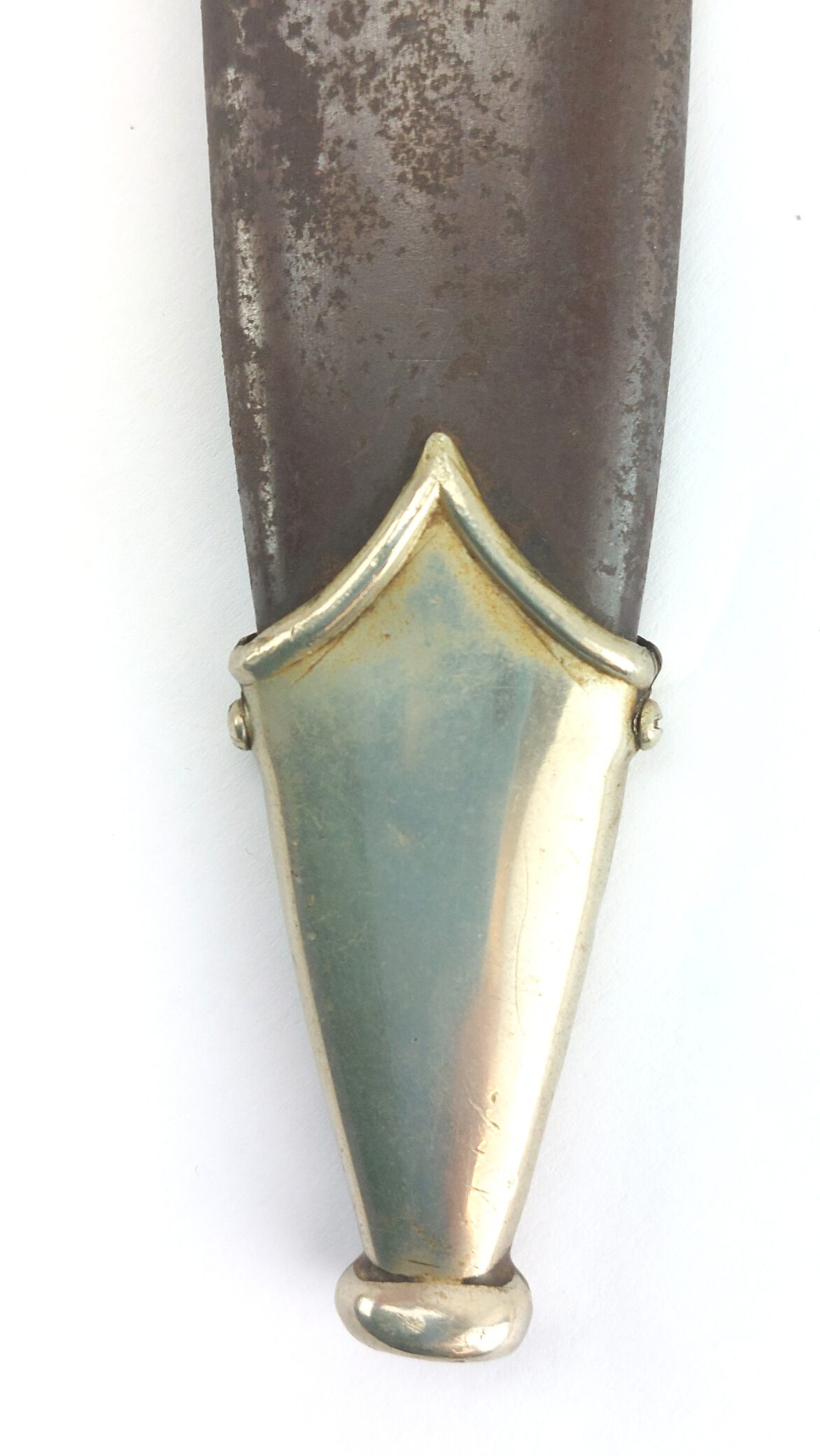
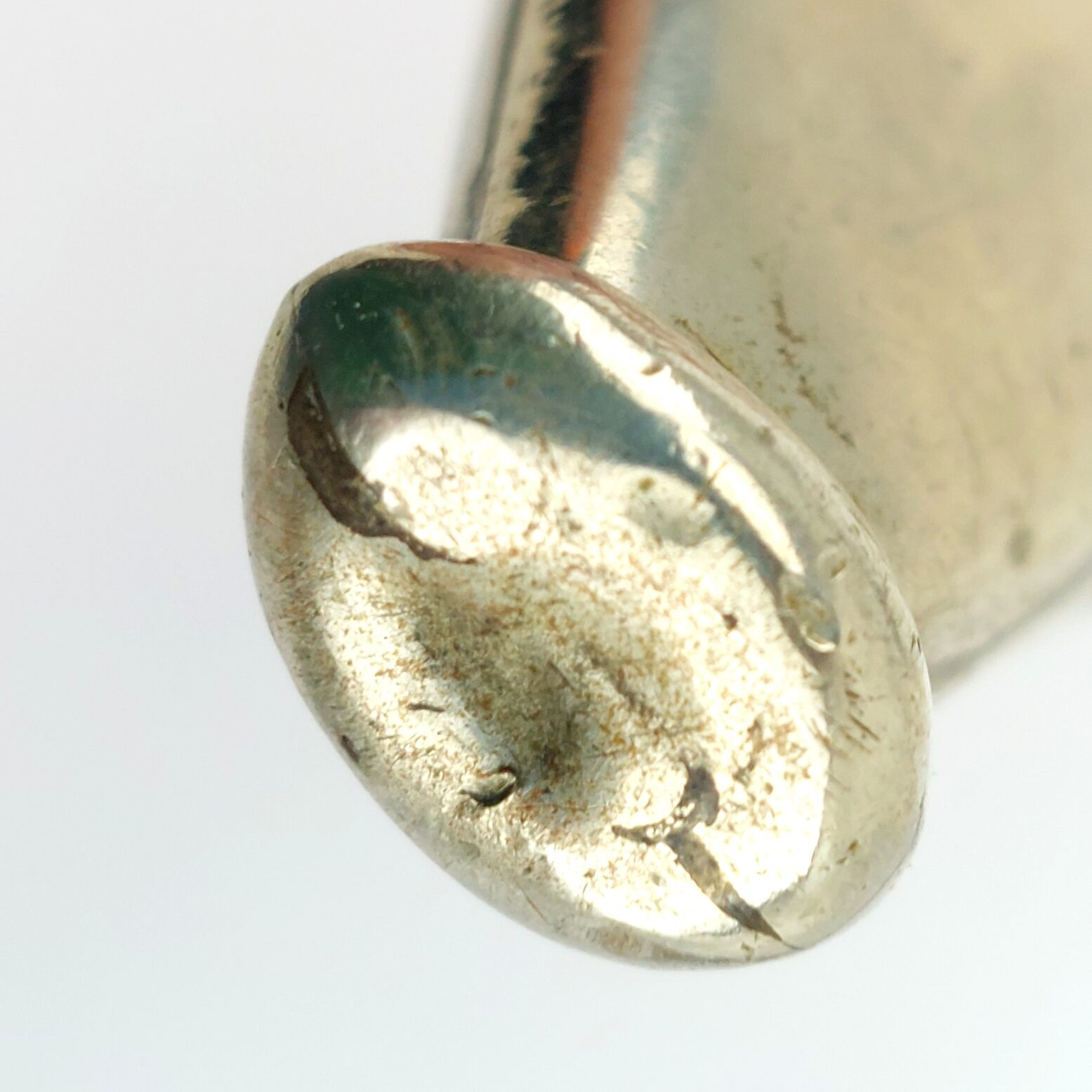
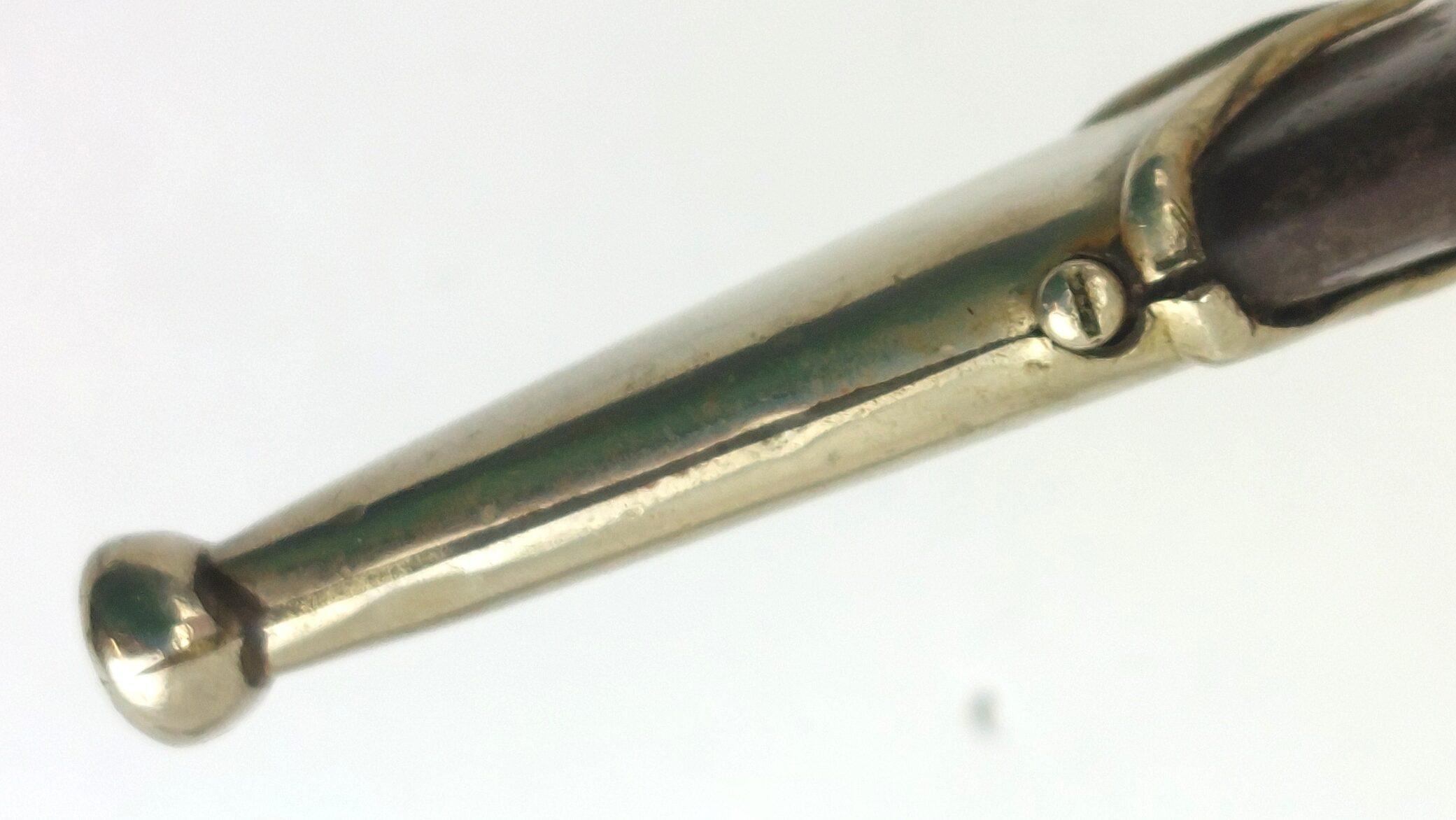
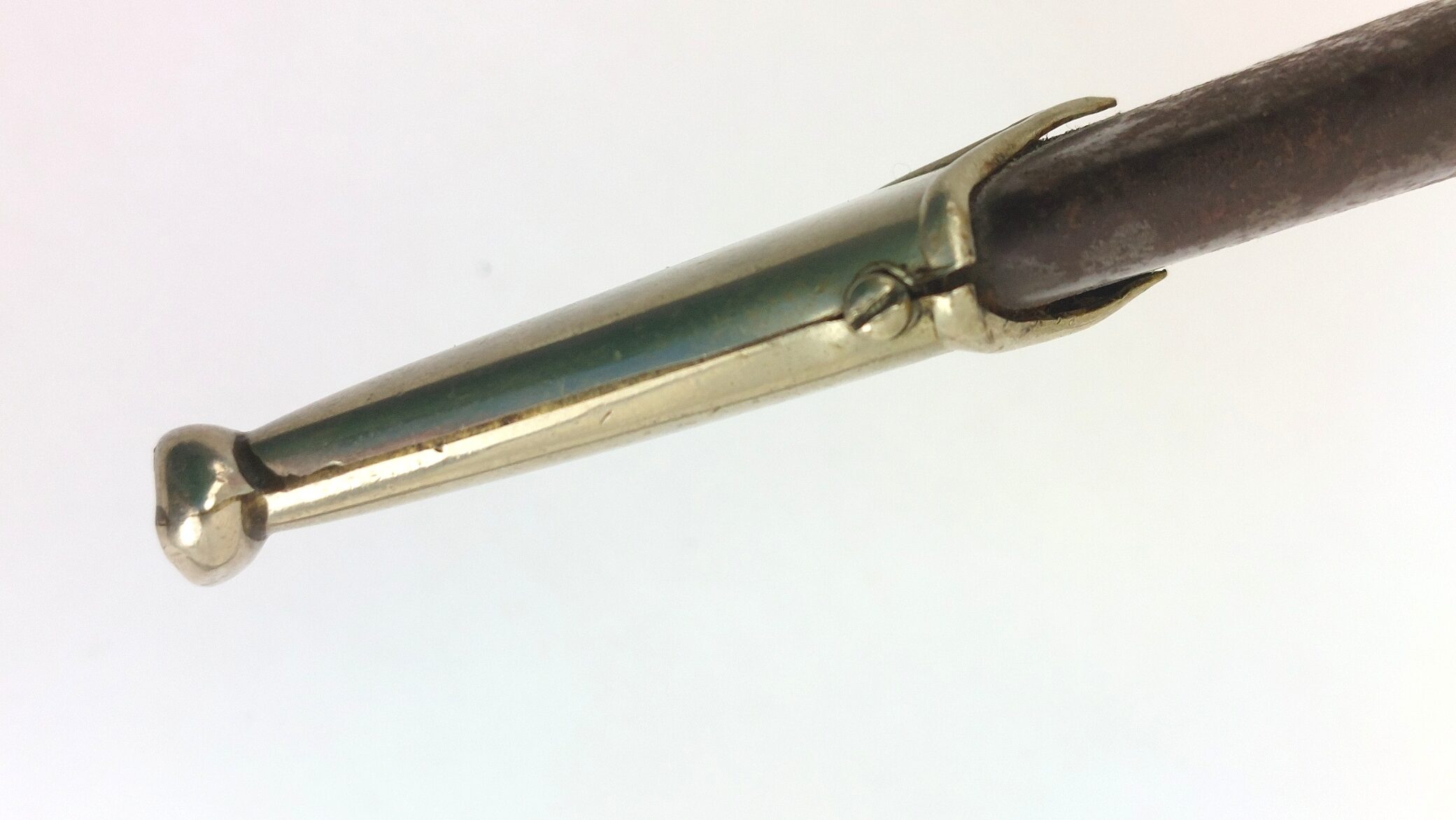
The dagger is complete with its correct brown anodised scabbard, fitted with solid nickel-silver mounts and suspension ring. The scabbard displays expected lacquer loss, patination, and honest service wear consistent with early SA use, enhancing the overall originality and period character of the piece.
Historical Note:
An SA order dated 3 February 1934 authorised eligible SA men—those who had joined the SA or Hitler Youth prior to 31 December 1931—to receive a dagger bearing a special honorary dedication, the precise wording of which has been the subject of scholarly debate. Dr Kurt-Gerhard Klietmann argued that the inscription was “In herzlicher Kameradschaft, Ernst Röhm”, translated as “In heartfelt comradeship, Ernst Röhm”. Klietmann corrected earlier English-language interpretations, notably by Mollo, which rendered the term as Freundschaft. He emphasised that Kameradschaft—meaning comradeship or camaraderie, implying loyalty, shared struggle, and collective identity—carried a far stronger ideological and emotional weight within the SA than Freundschaft, which simply denotes personal friendship.
Following Röhm’s execution during the Night of the Long Knives (30 June–1 July 1934), recipients were ordered to remove Röhm’s name from their daggers. Examples altered in this manner remained in service and are historically correct, highly evocative survivors of this pivotal moment, forming a recognised and widely collected category of early SA edged weapons.
Attribution to Carl Eickhorn, Solingen:
Many early C. Eickhorn blades were either not maker-marked or had their marks later removed, often as a consequence of the post-1934 alteration of Röhm dedication blades. While no maker’s mark is now visible, this dagger displays multiple constructional and stylistic characteristics consistent with early Carl Eickhorn SA production. These include the blade profile and finish, the quality and form of the early solid nickel-silver fittings, the grip shape and wood finish, and the style of the eagle and roundel. Carl Eickhorn was one of the principal manufacturers of early SA and Röhm-type honour daggers, and attribution on this basis is entirely consistent with accepted collector and auction-house practice.
*Condition*
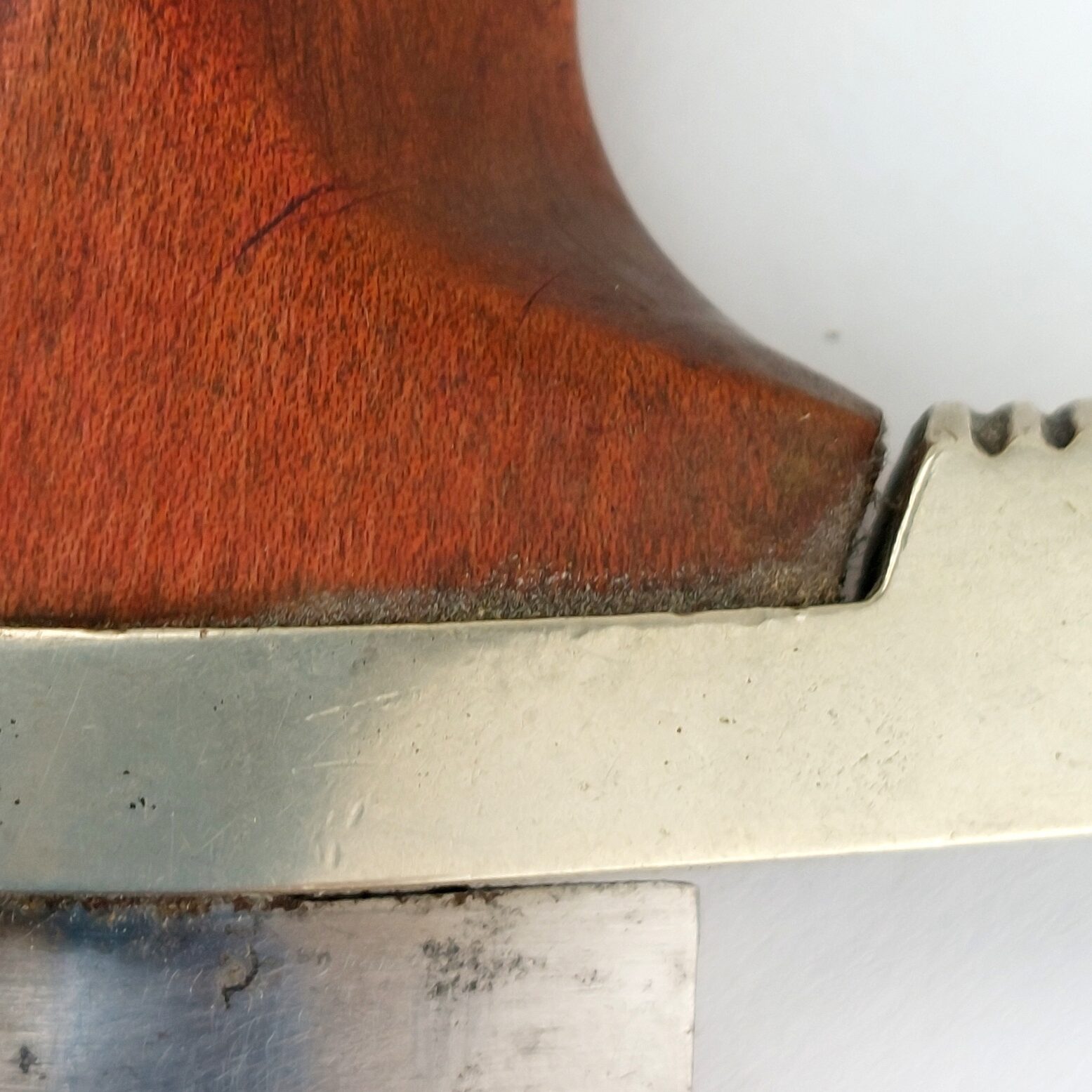
Overall condition is very good for an early SA Honour Dagger. The blade shows light surface wear and age toning, with the Röhm dedication altered in accordance with period practice; the motto remains clearly legible. The grip exhibits minor, even shrinkage and handling marks, with both inlays original and undisturbed. Crossguards and pommel display uniform, attractive patina. The scabbard retains its correct fittings with lacquer loss and age-related surface corrosion beneath the anodised finish. All components are consistent and correct. Please see photographs as part of the condition report.
RQMGOOXAFOO_8173222435