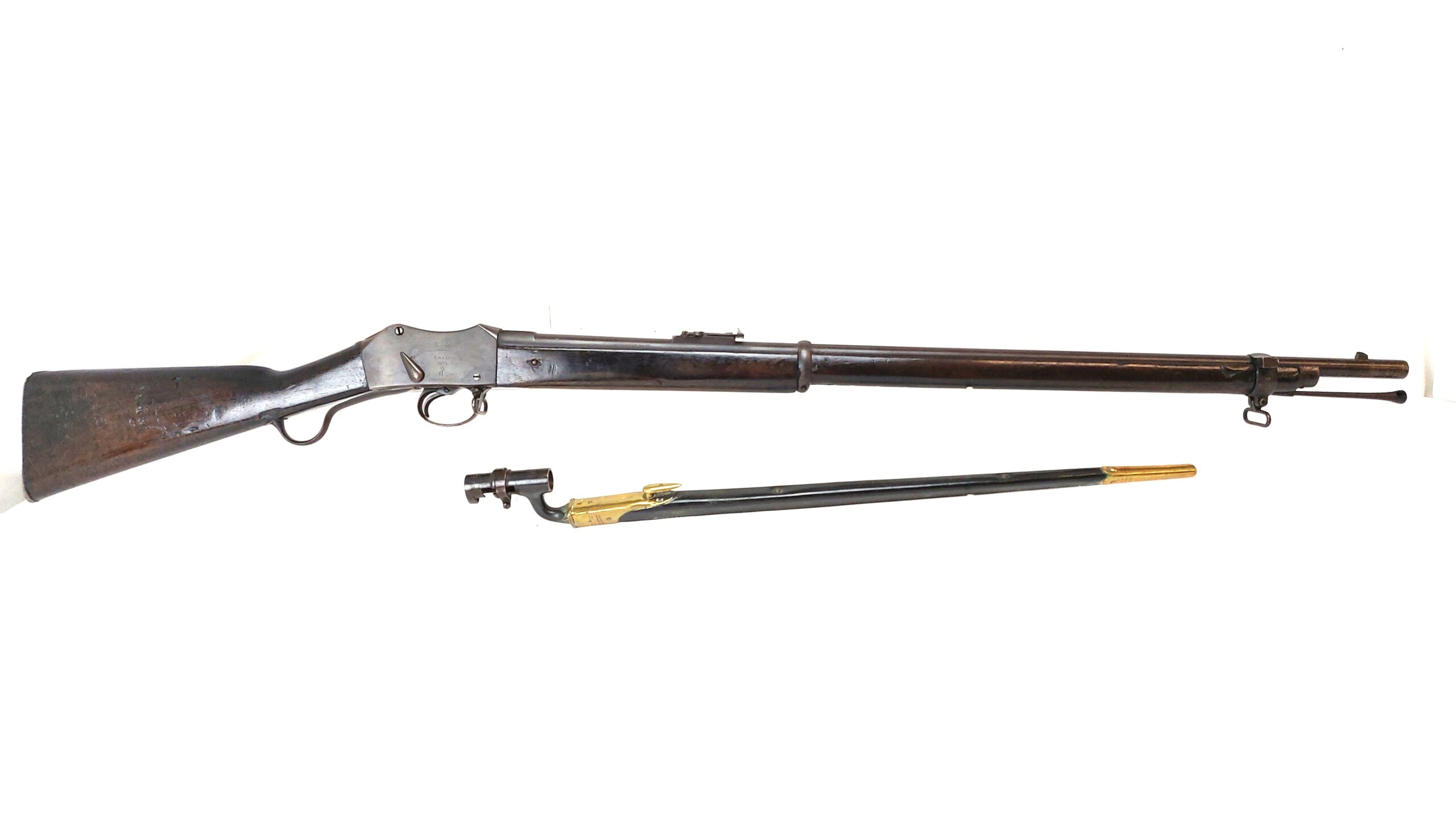
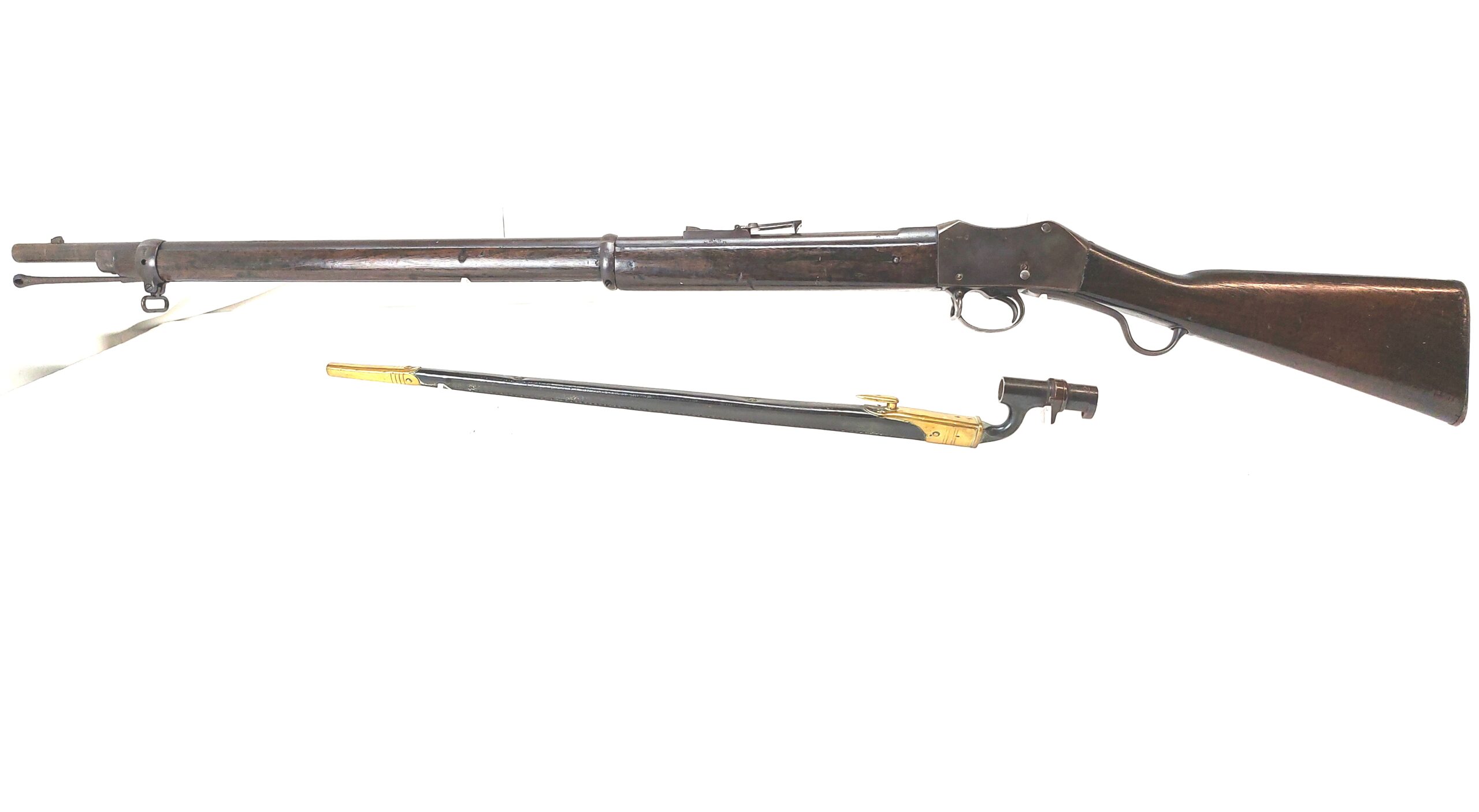
*British, 1875, Martini-Henry Mk II Rifle by L.S.A. Co – Royal Nepalese Army Service with Pattern 1876 Lunge Bayonet and Scabbard, Superb Condition, Obsolete Calibre*
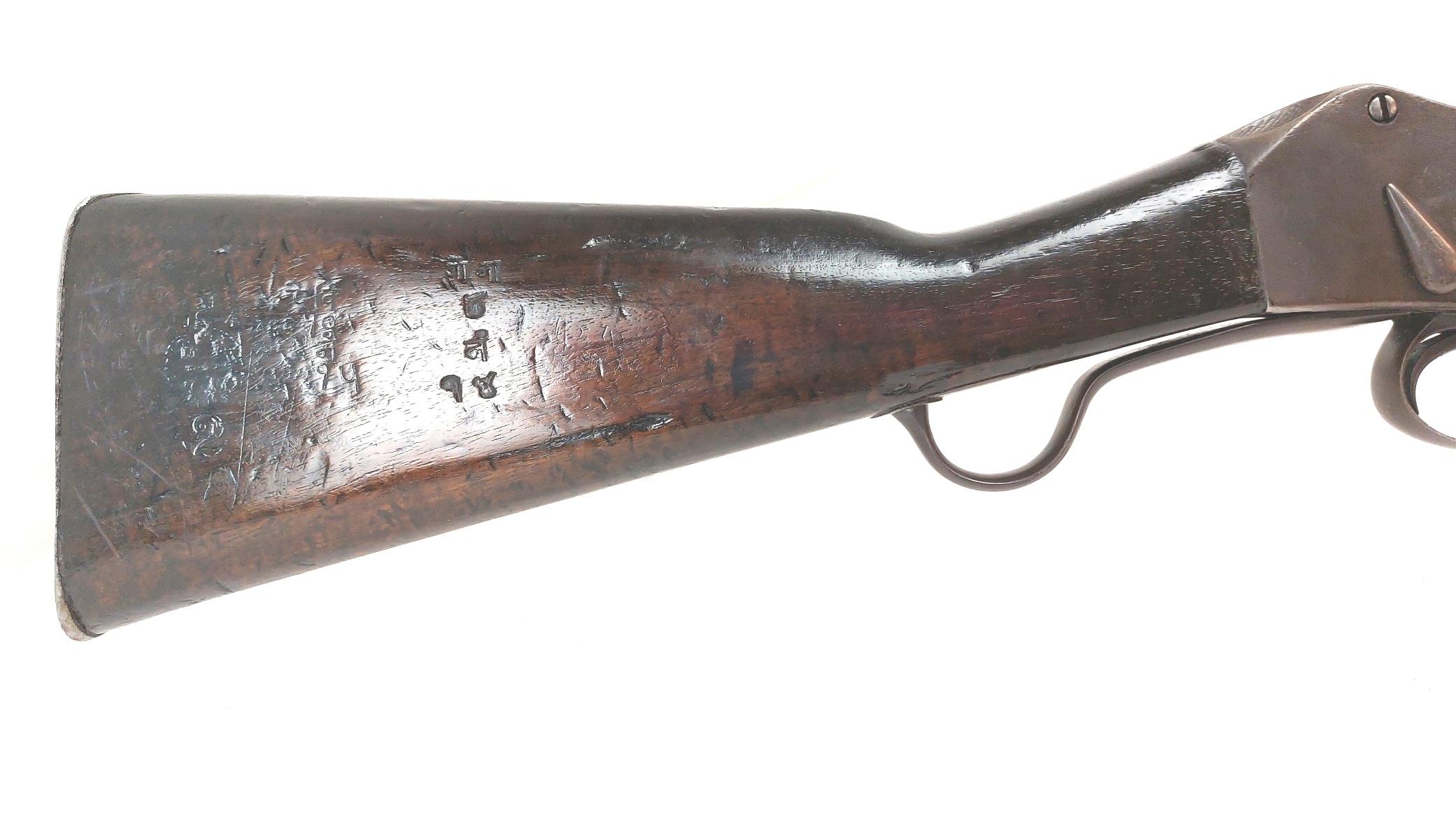
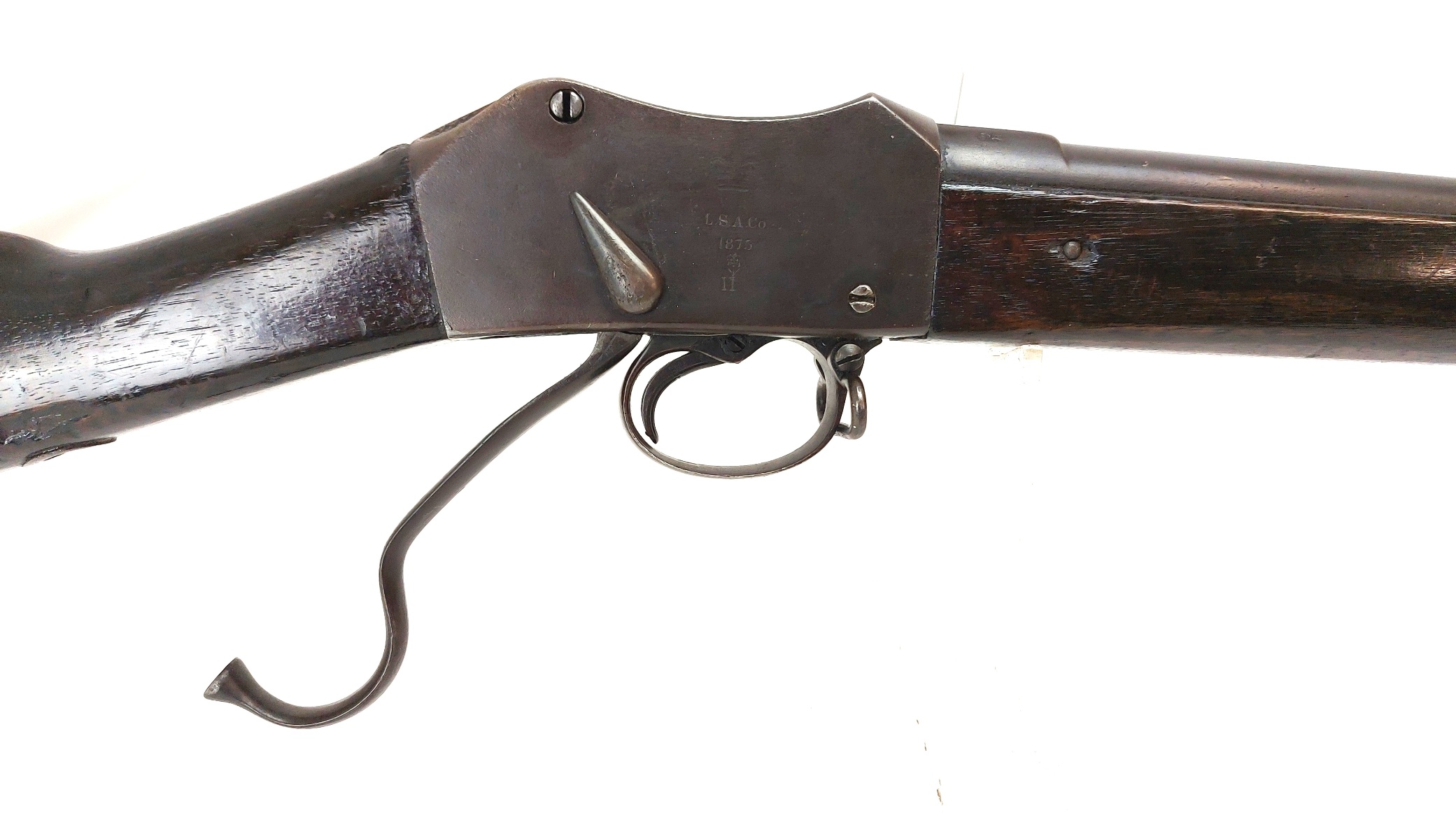
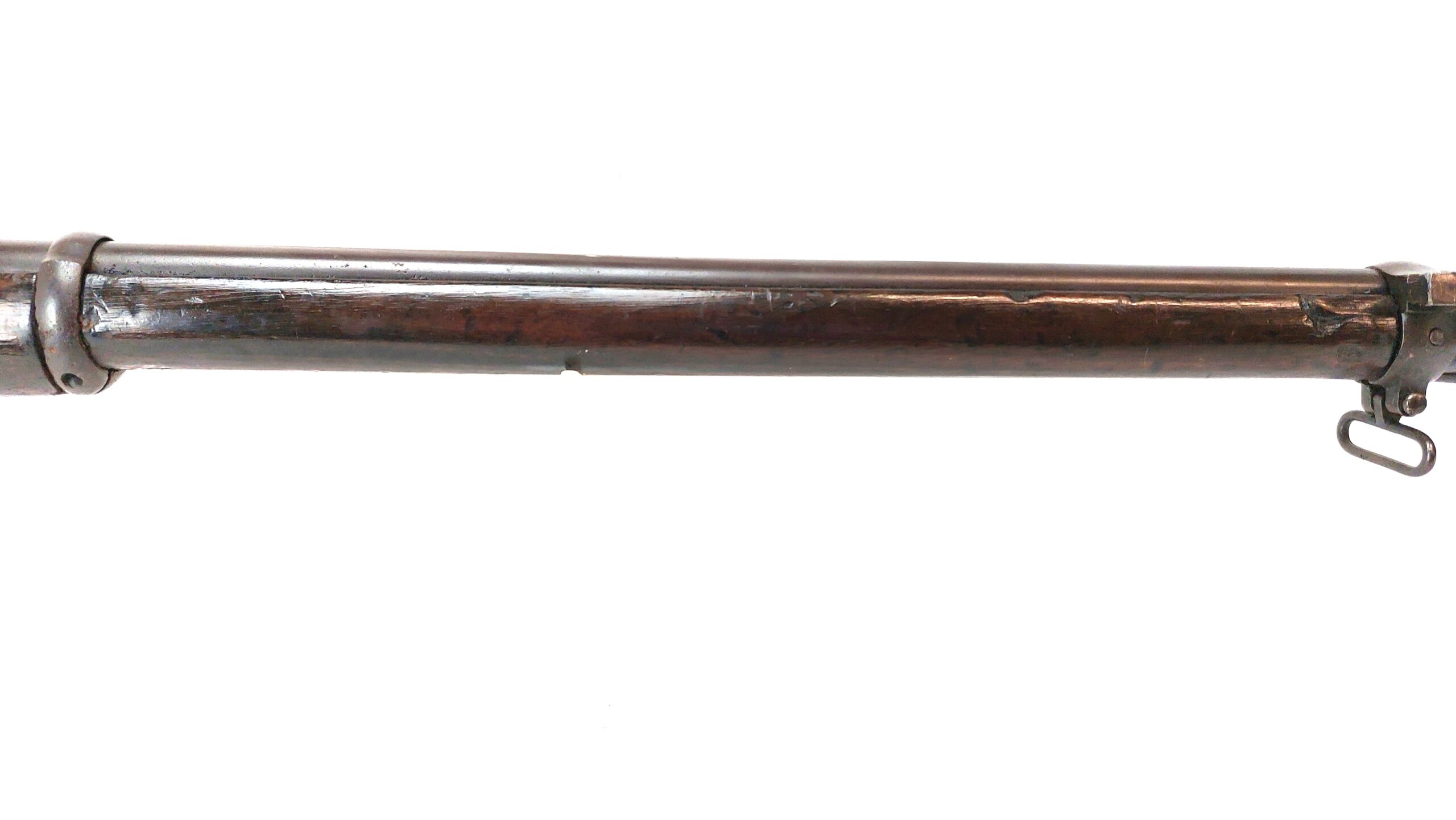
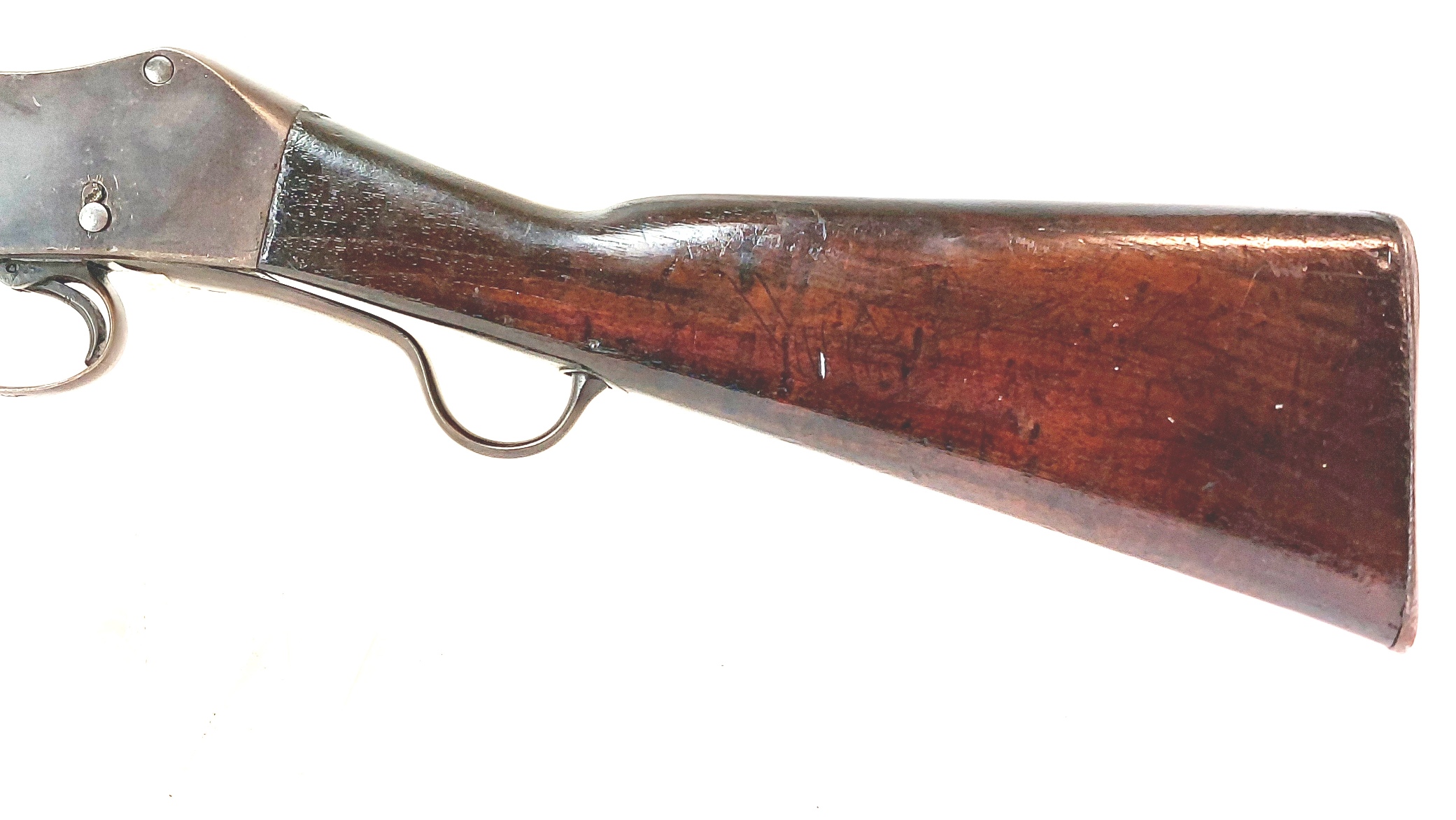
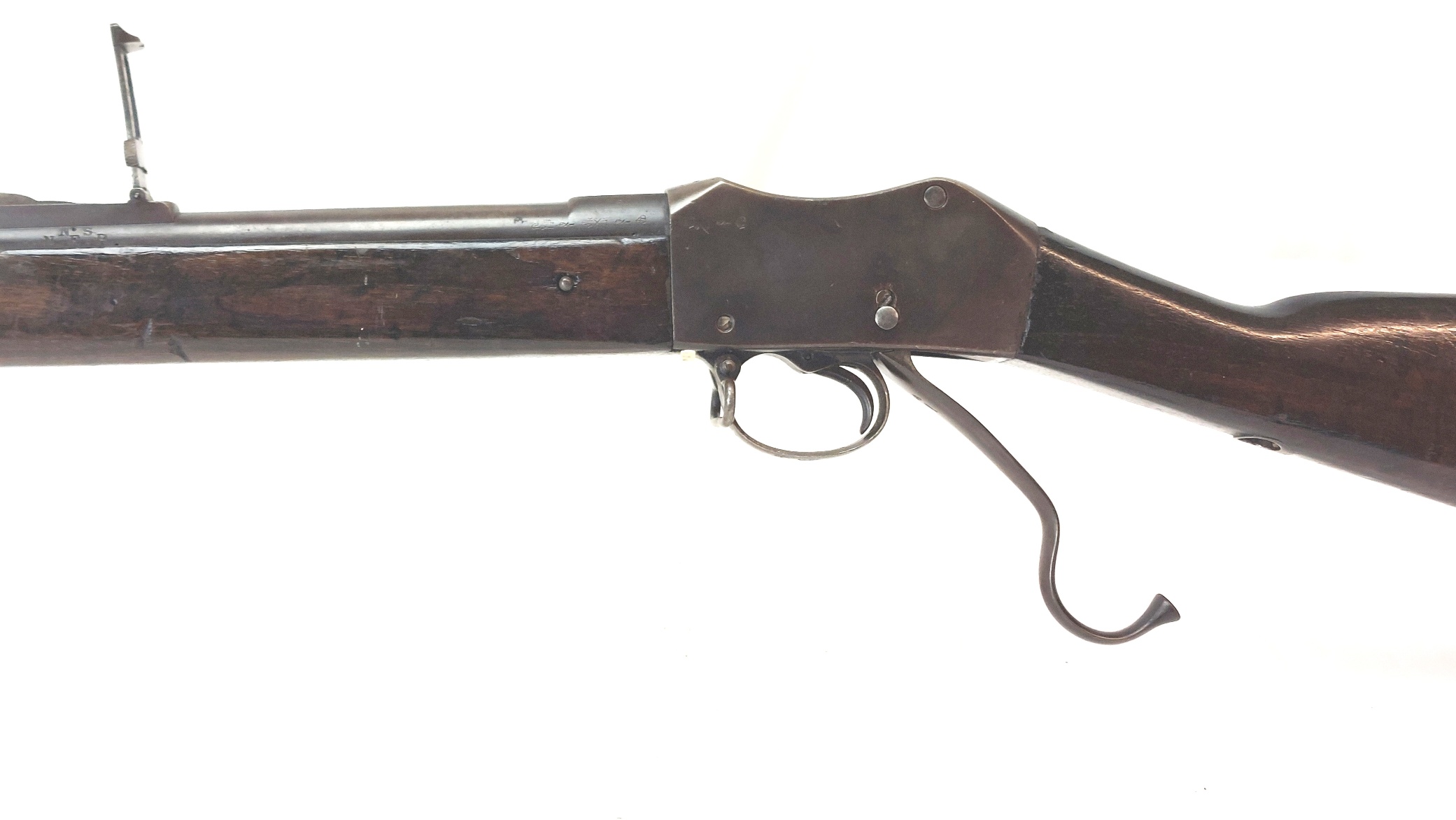
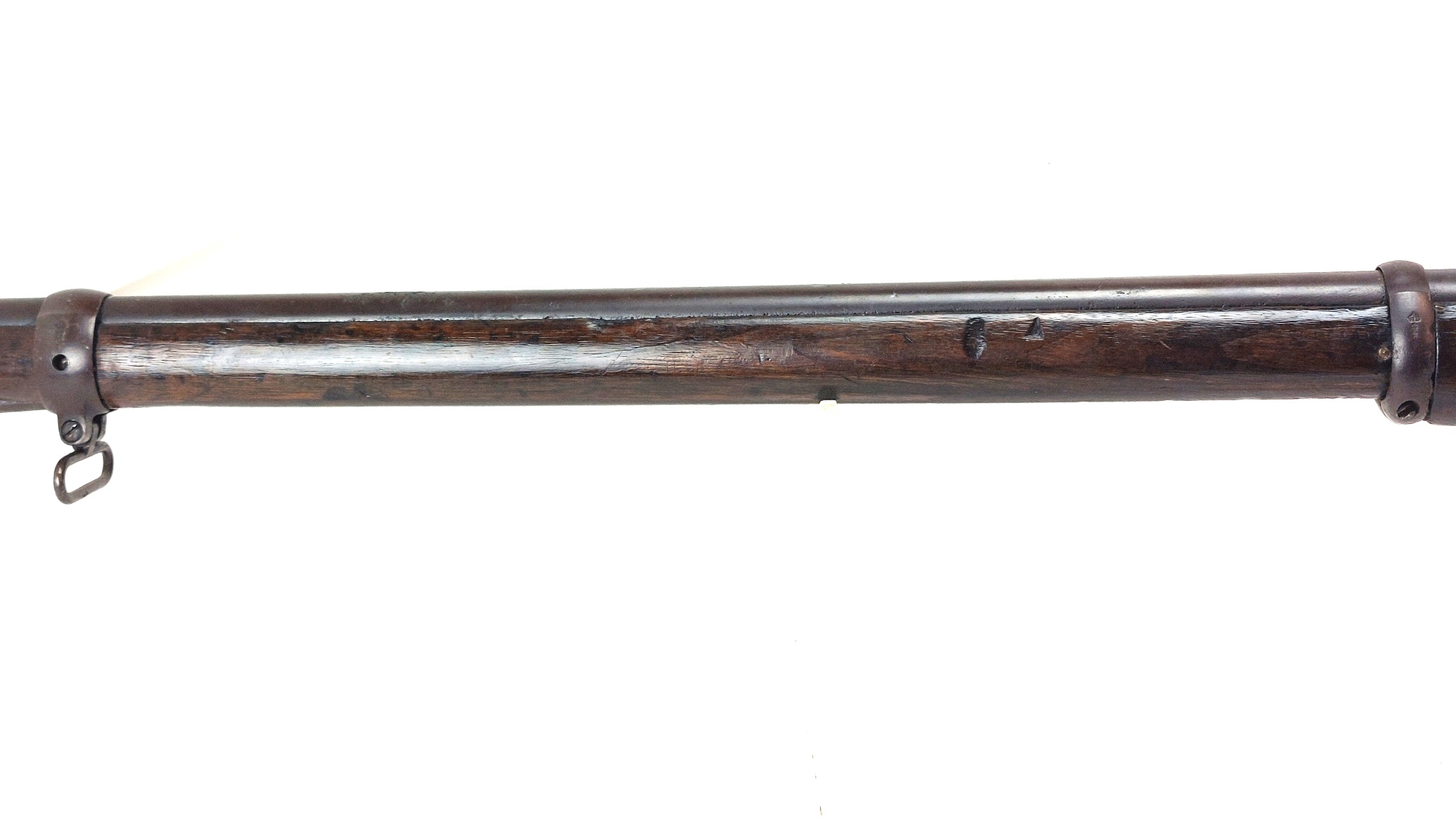
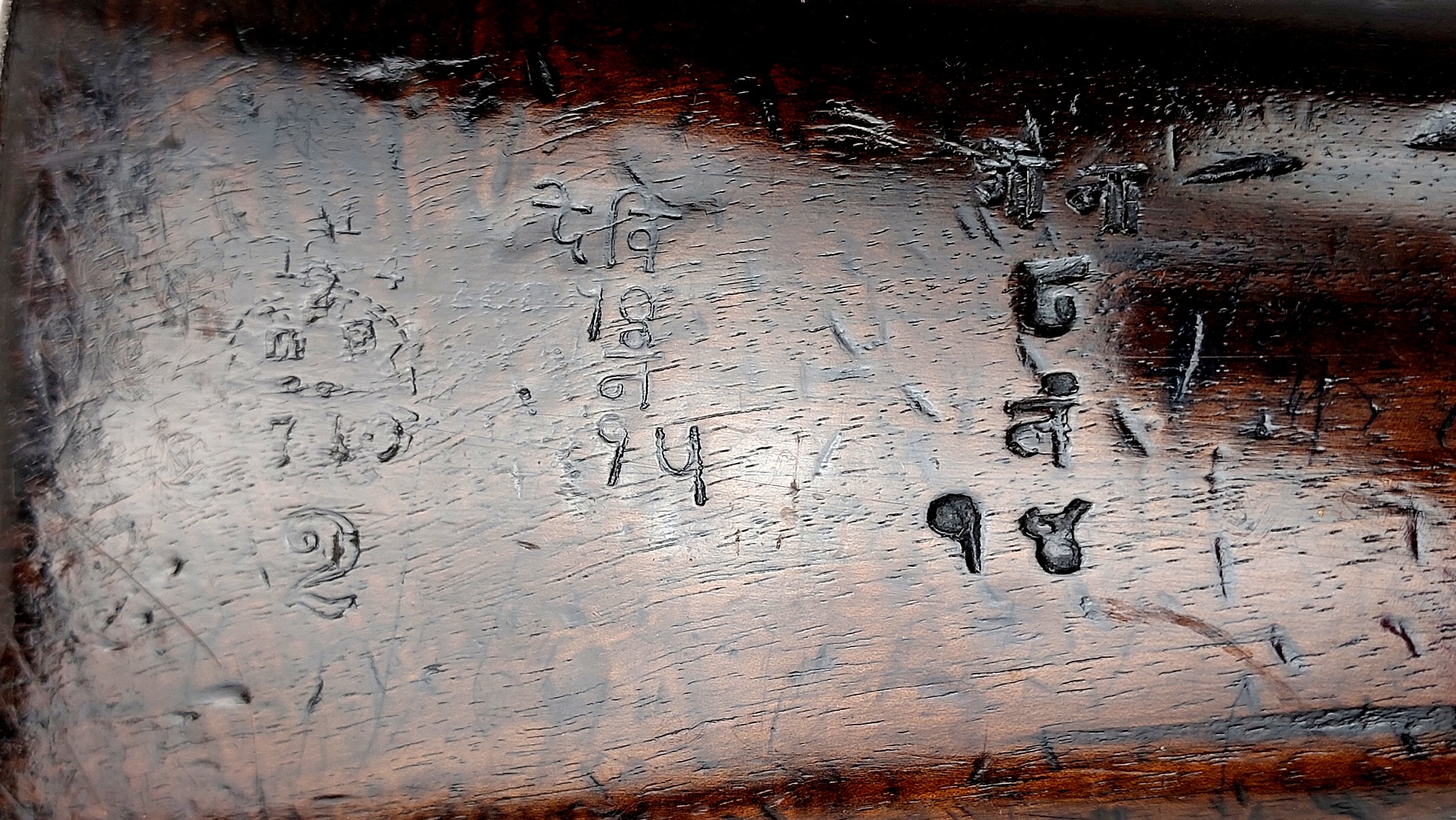
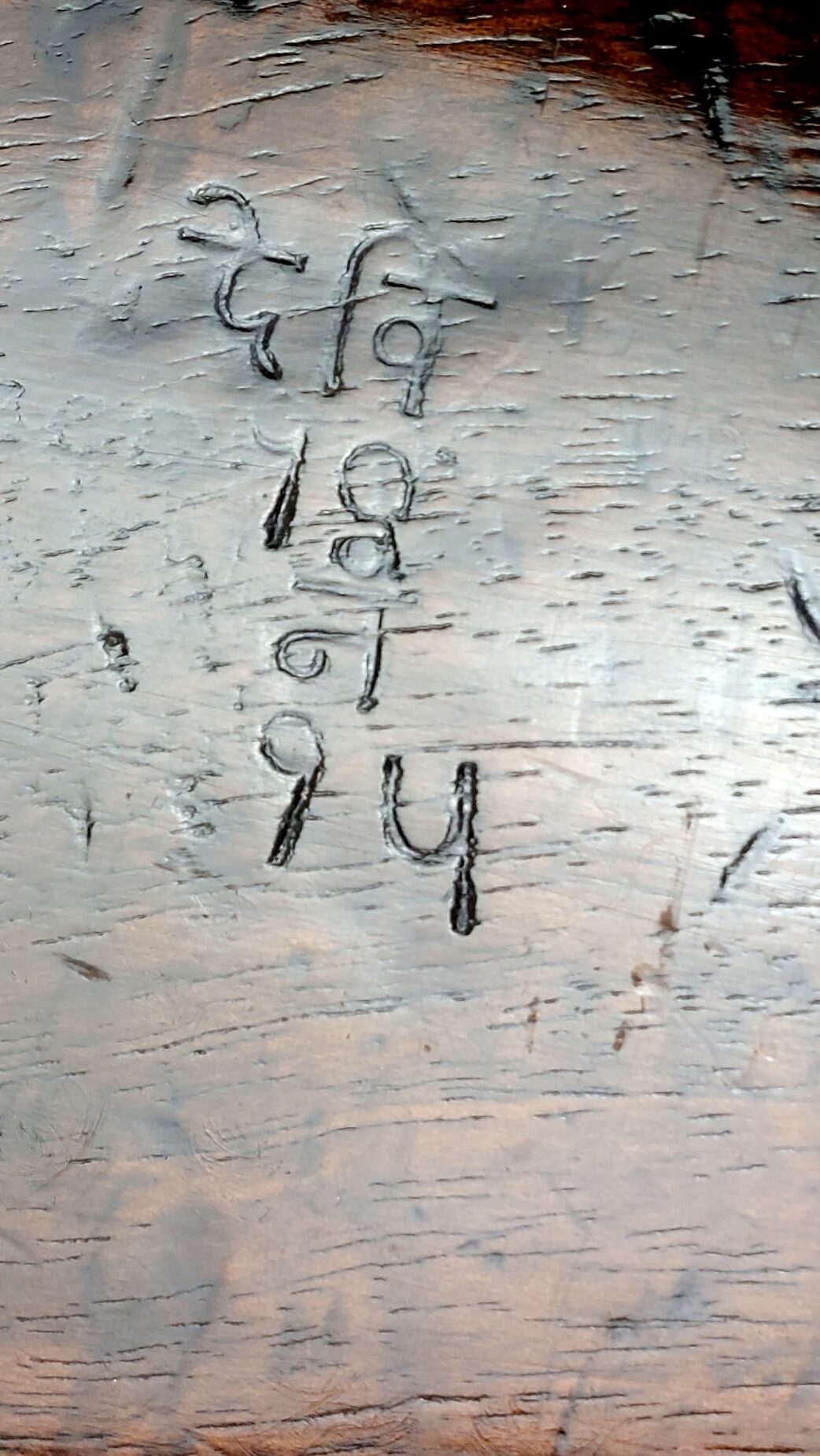
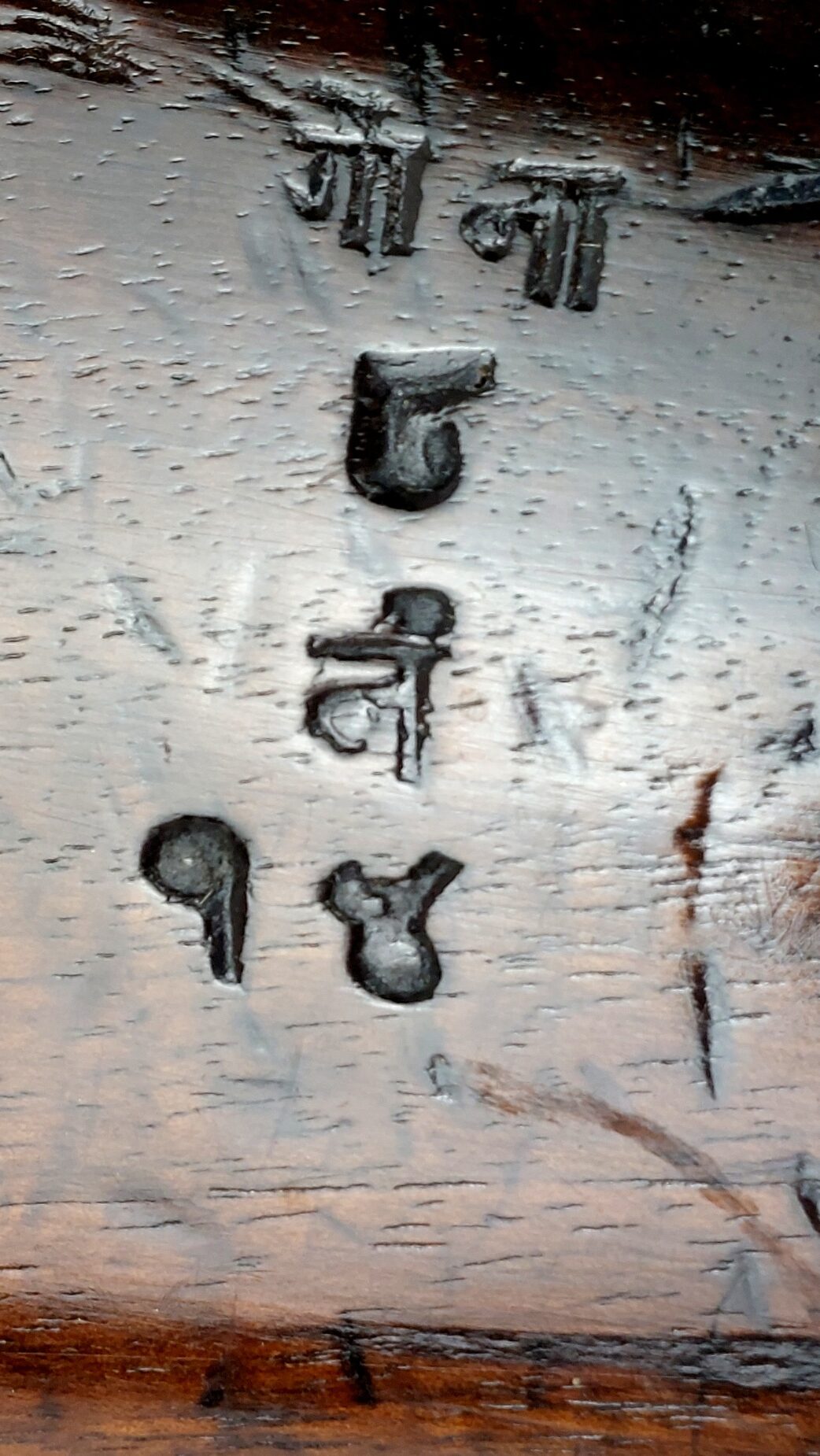
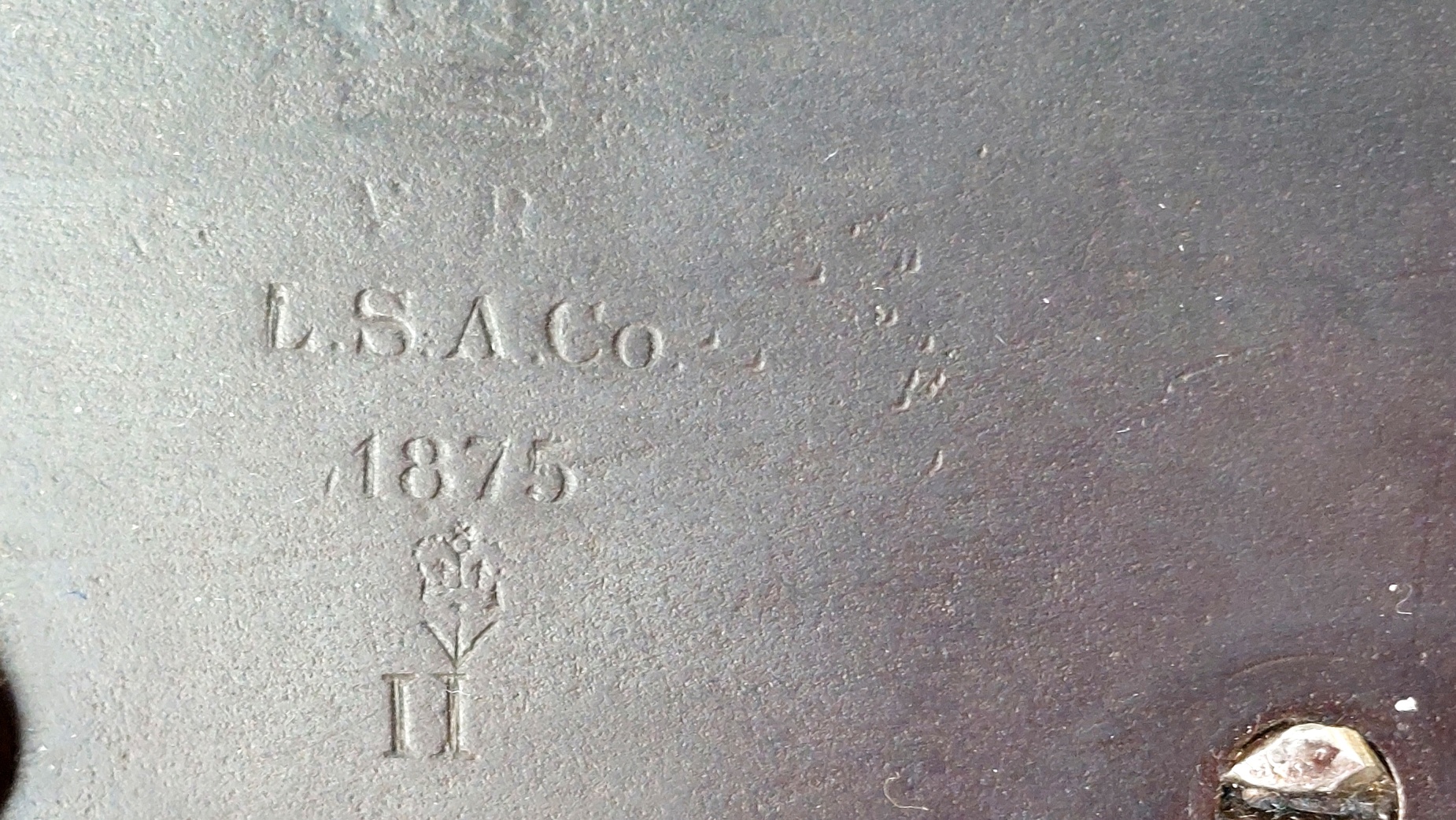
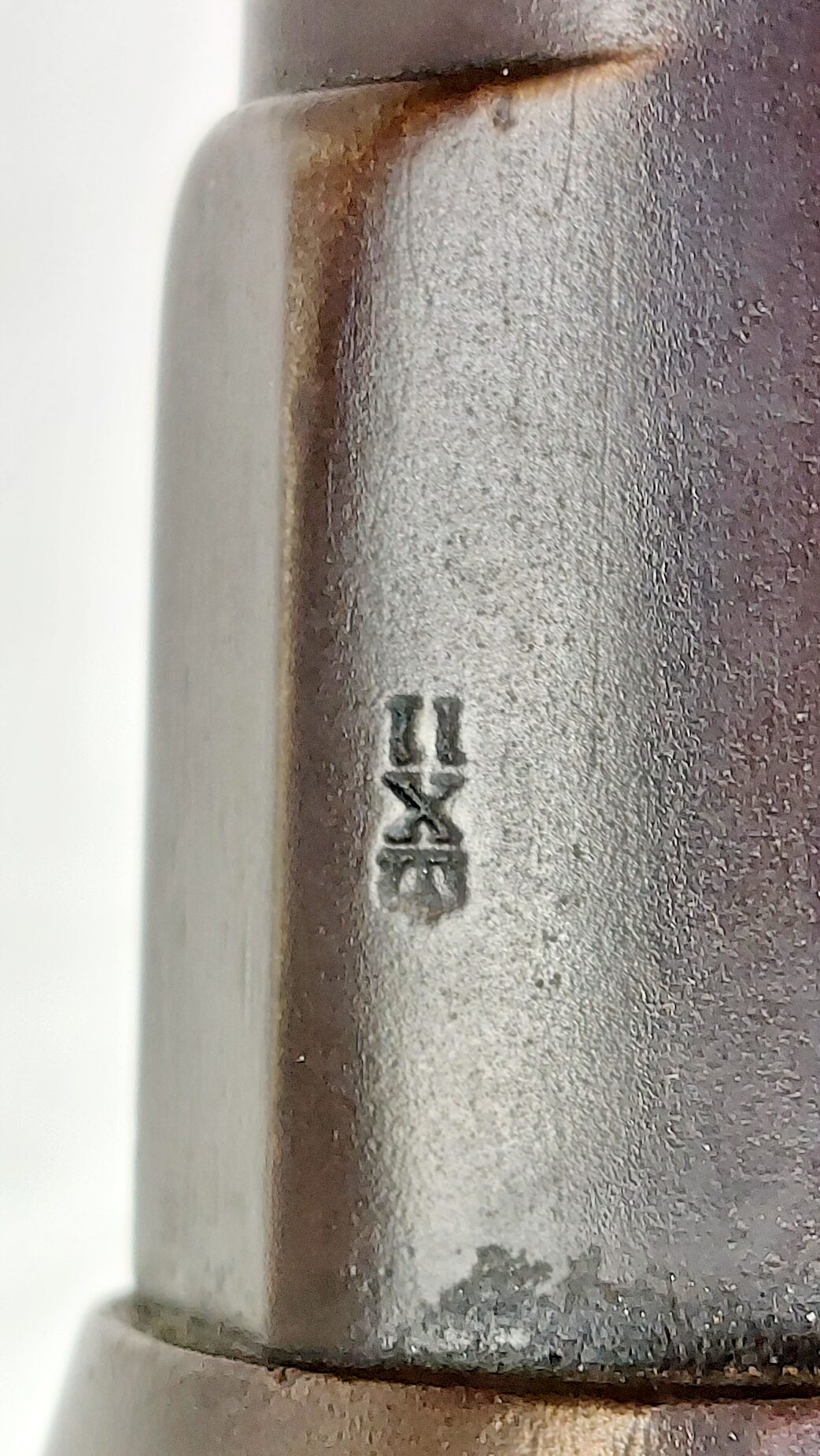
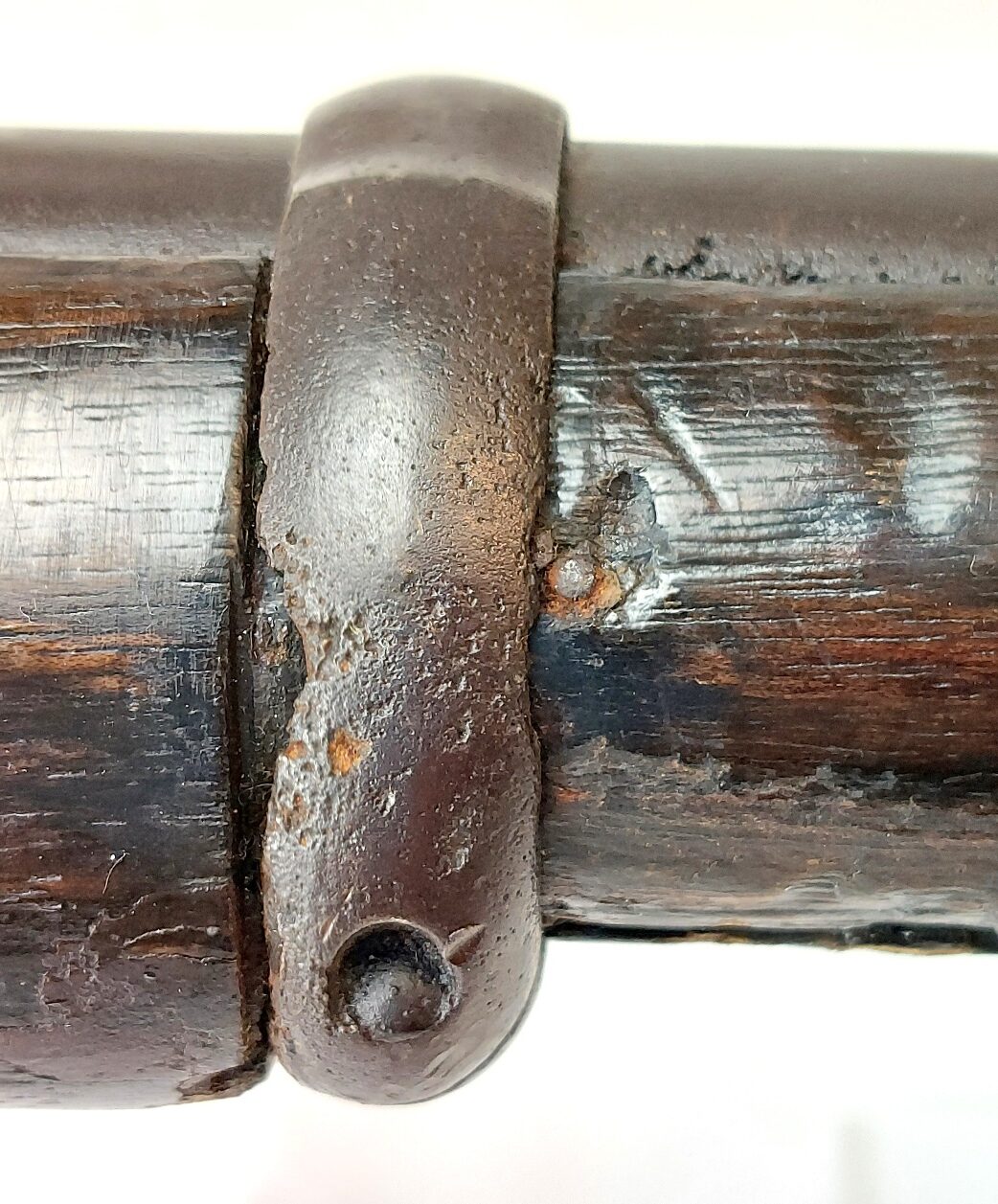
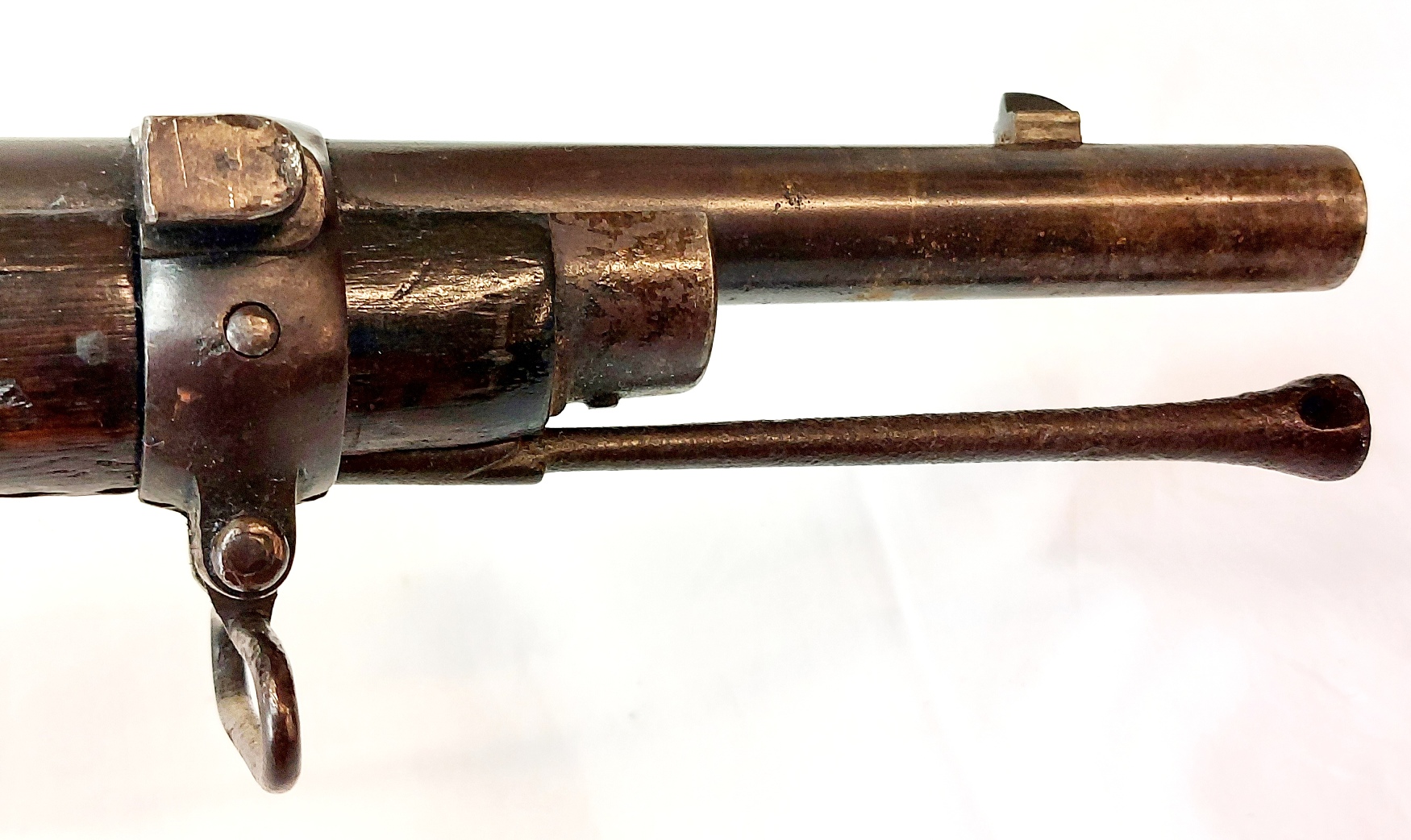
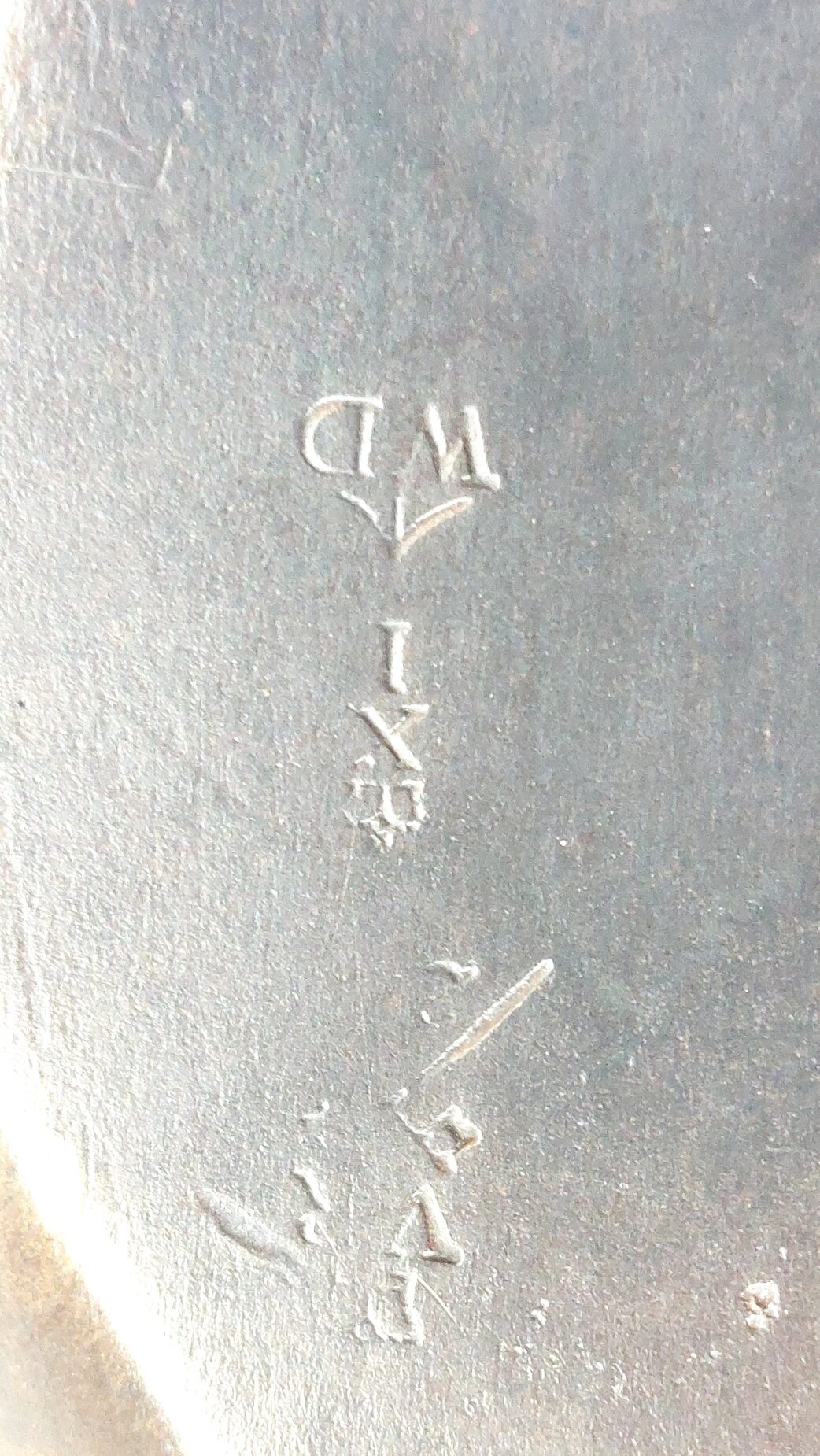
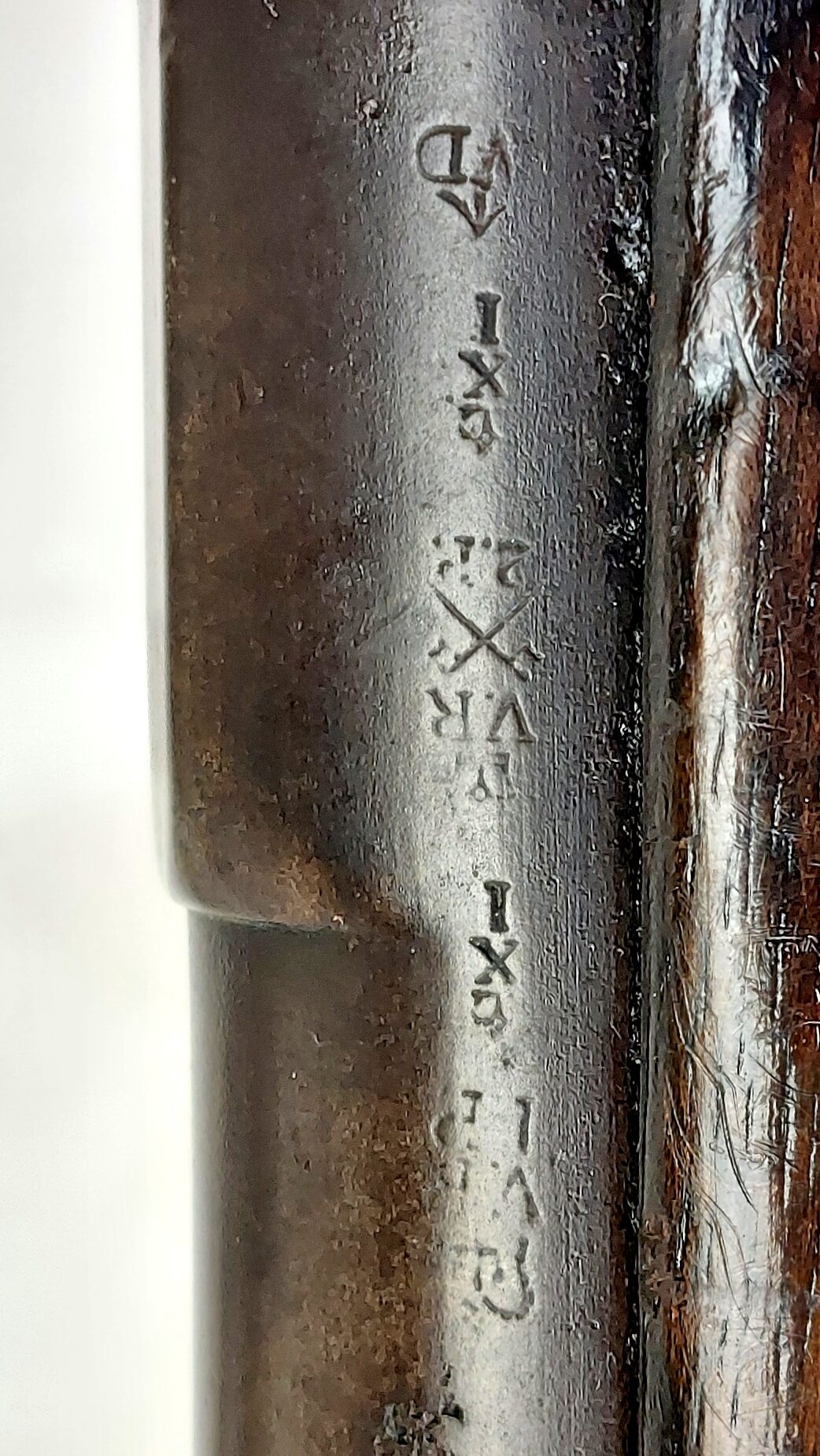
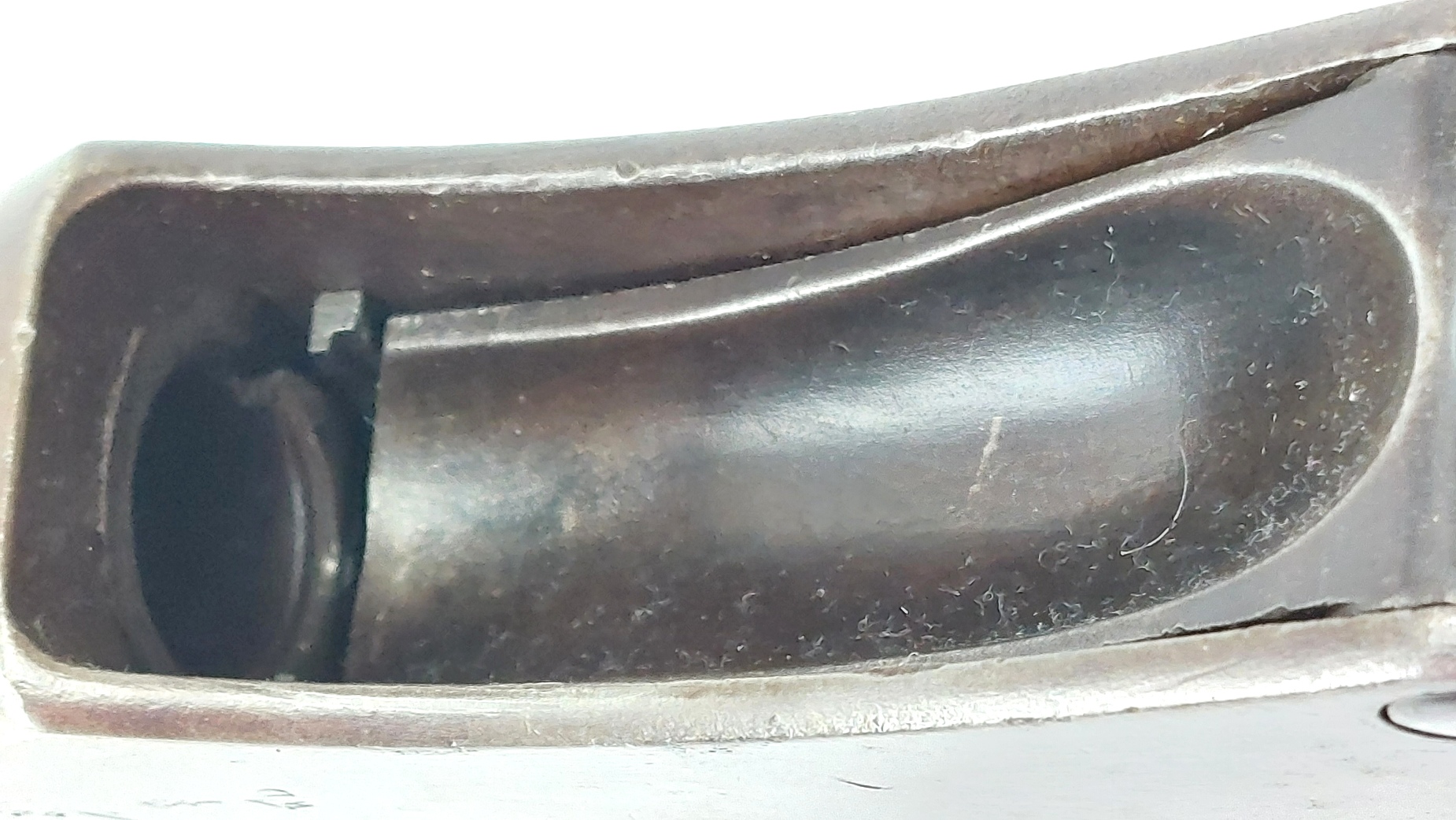
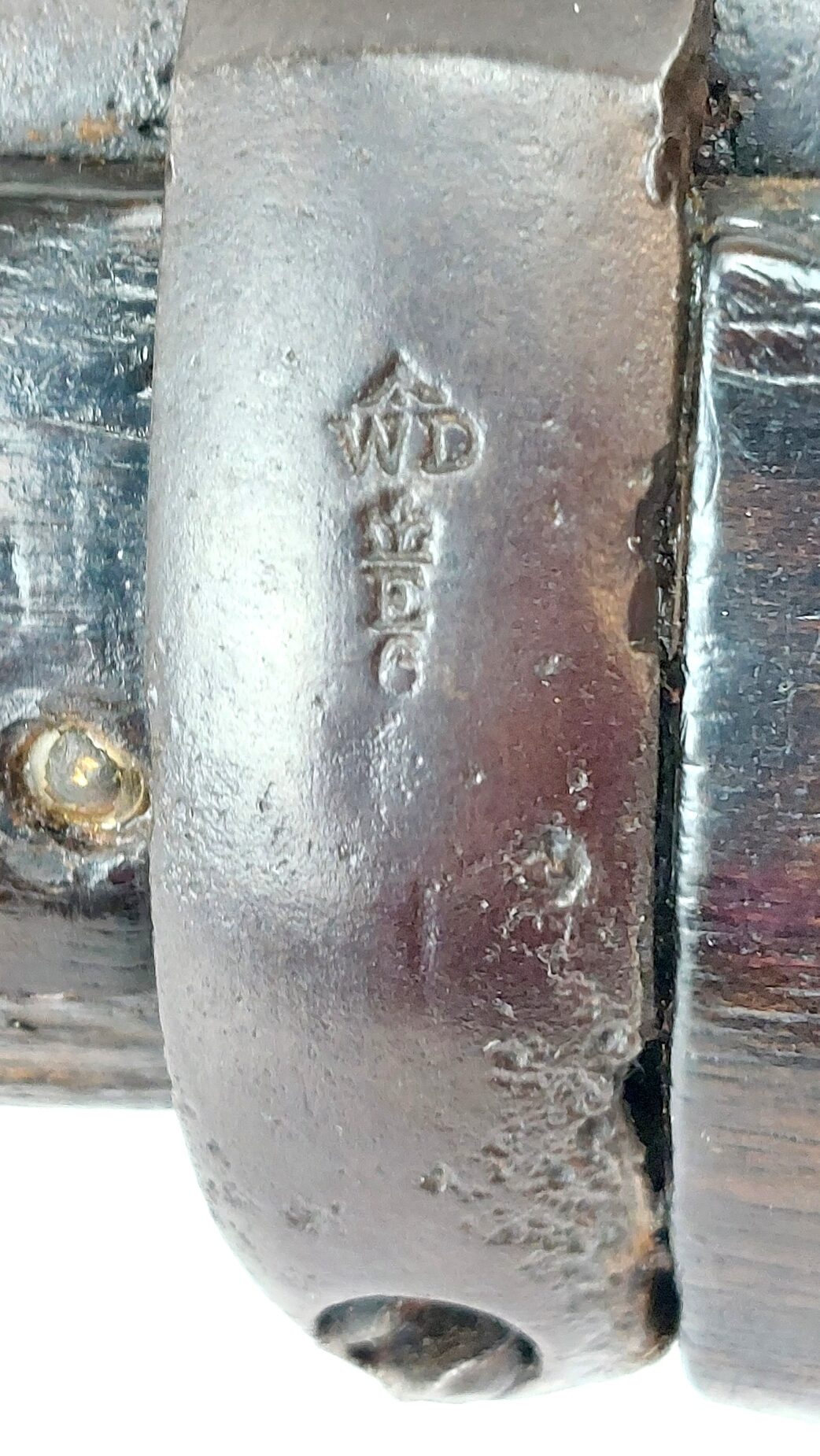
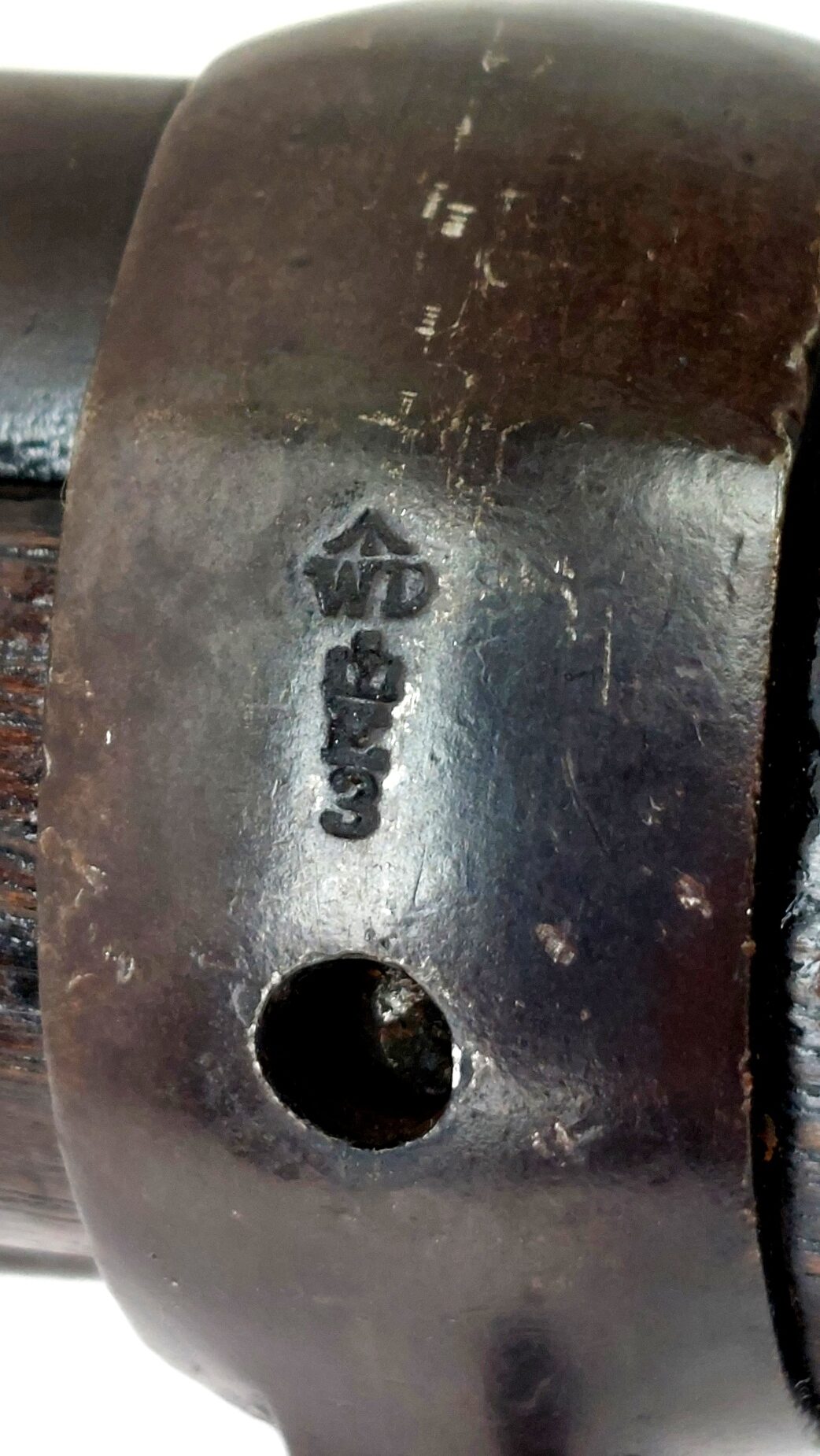
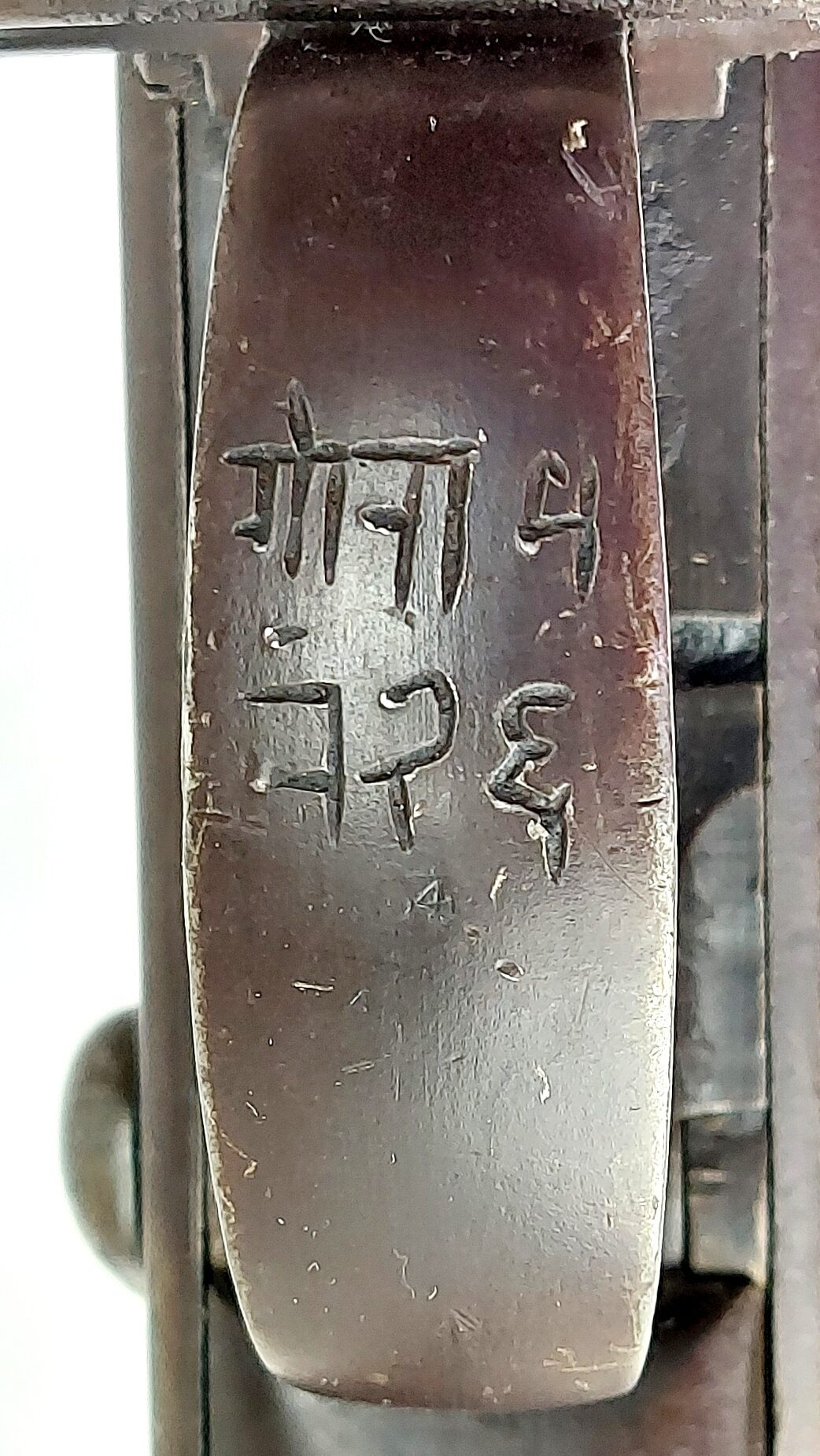
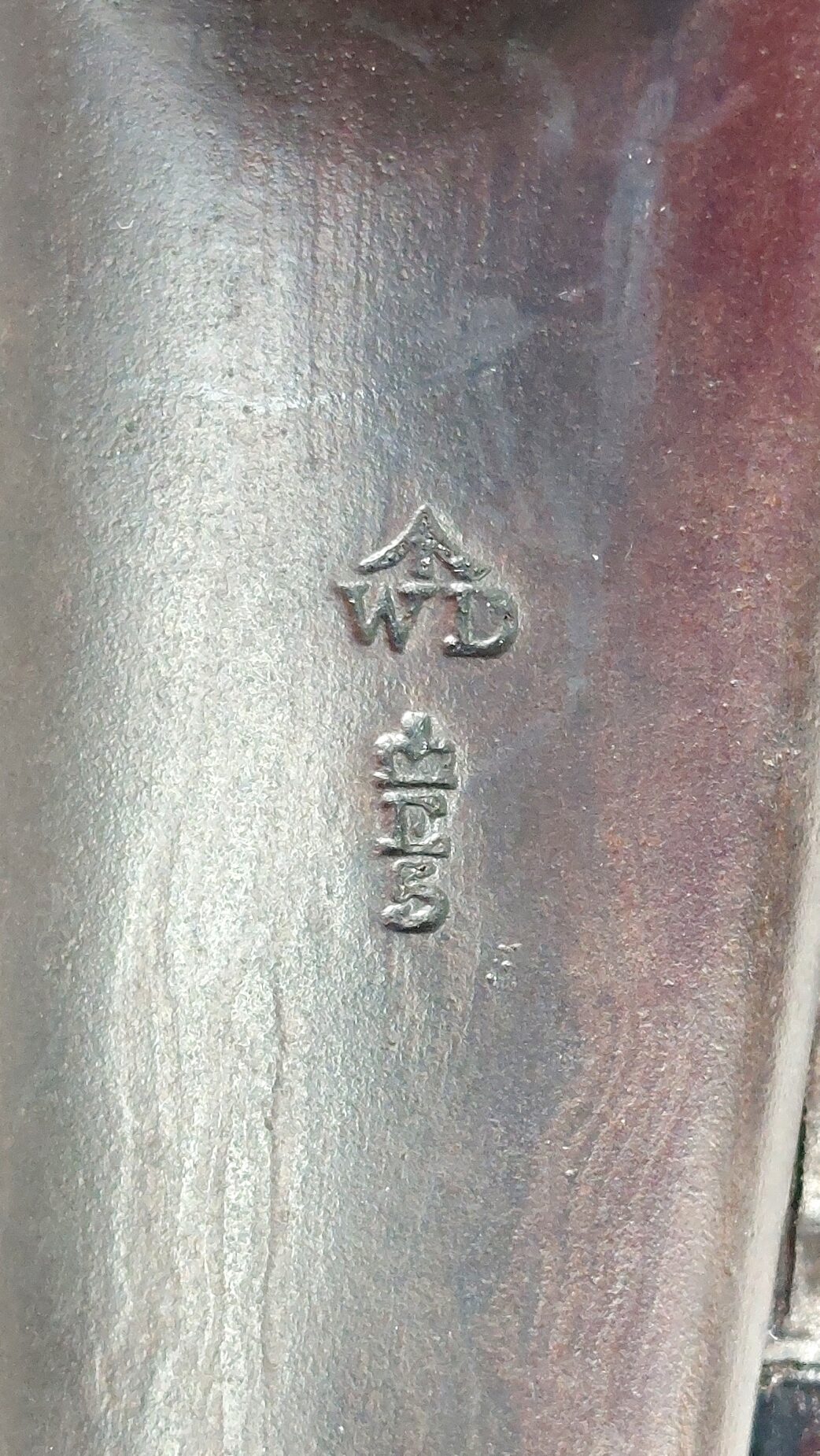
This is a historically significant British Martini-Henry Mark II breech-loading service rifle, originally manufactured in 1875 by the London Small Arms Company. Measuring 125.5cm overall with an 82.7cm barrel, the rifle retains its original steel ramrod and features the definitive Mark II upgrades. The RHS lock plate is deeply struck with the Queen’s Crown over V.R., L.S.A.Co, the 1875 date, and the II designation. The barrel and furniture are extensively marked with British military proofs, including Crown over X and numerous Crown over E inspection stamps from the Enfield factory (E/6, E/3, E/5). The LHS lock bears the faint but distinct Crown over V.R. with crossed pennants and WD broad arrow marks. Unique to this piece is the extensive Devanagari script hand-carved into the stock and struck into the trigger guard, denoting its prestigious service within the Royal Nepalese Army.
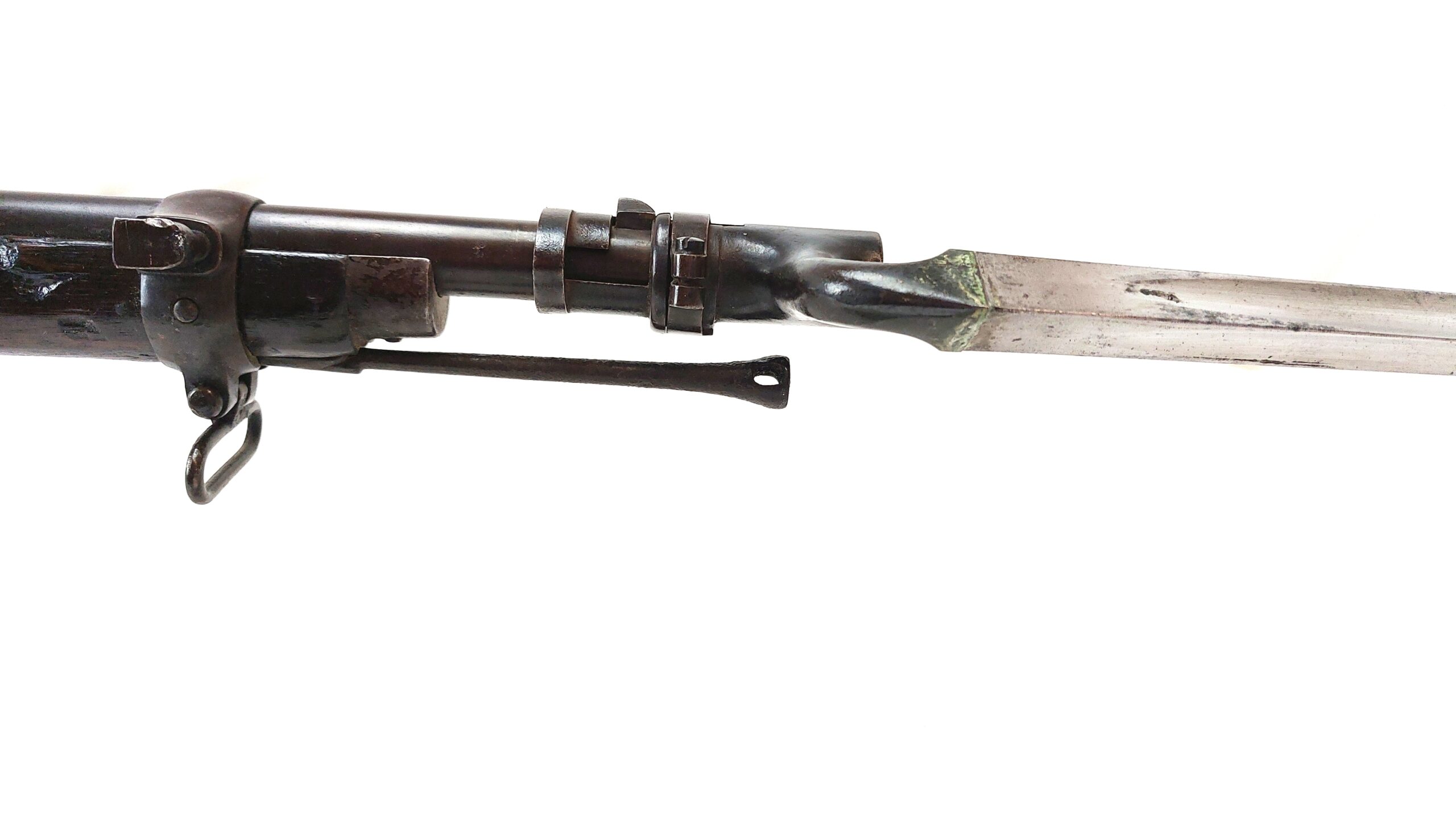
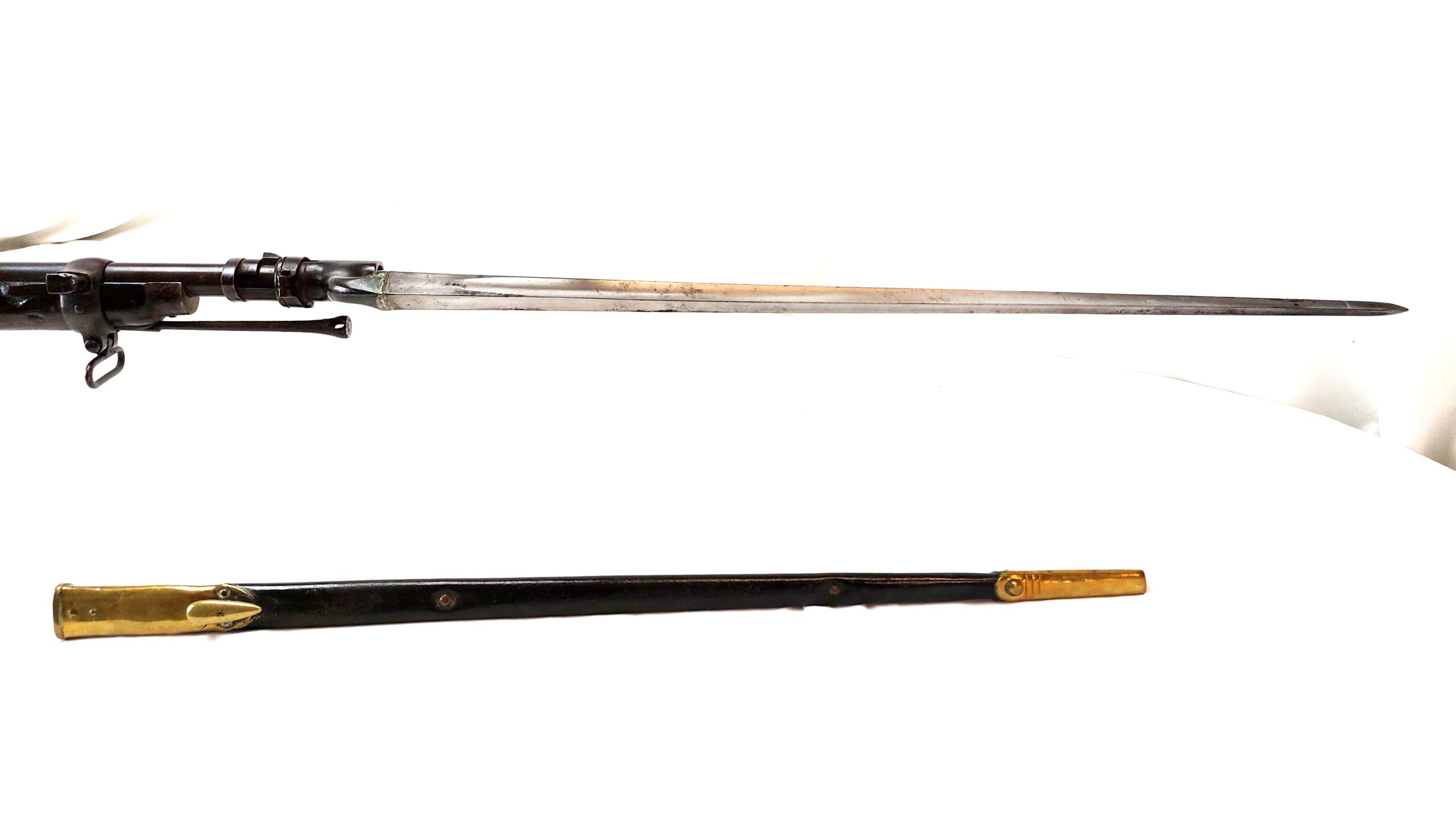
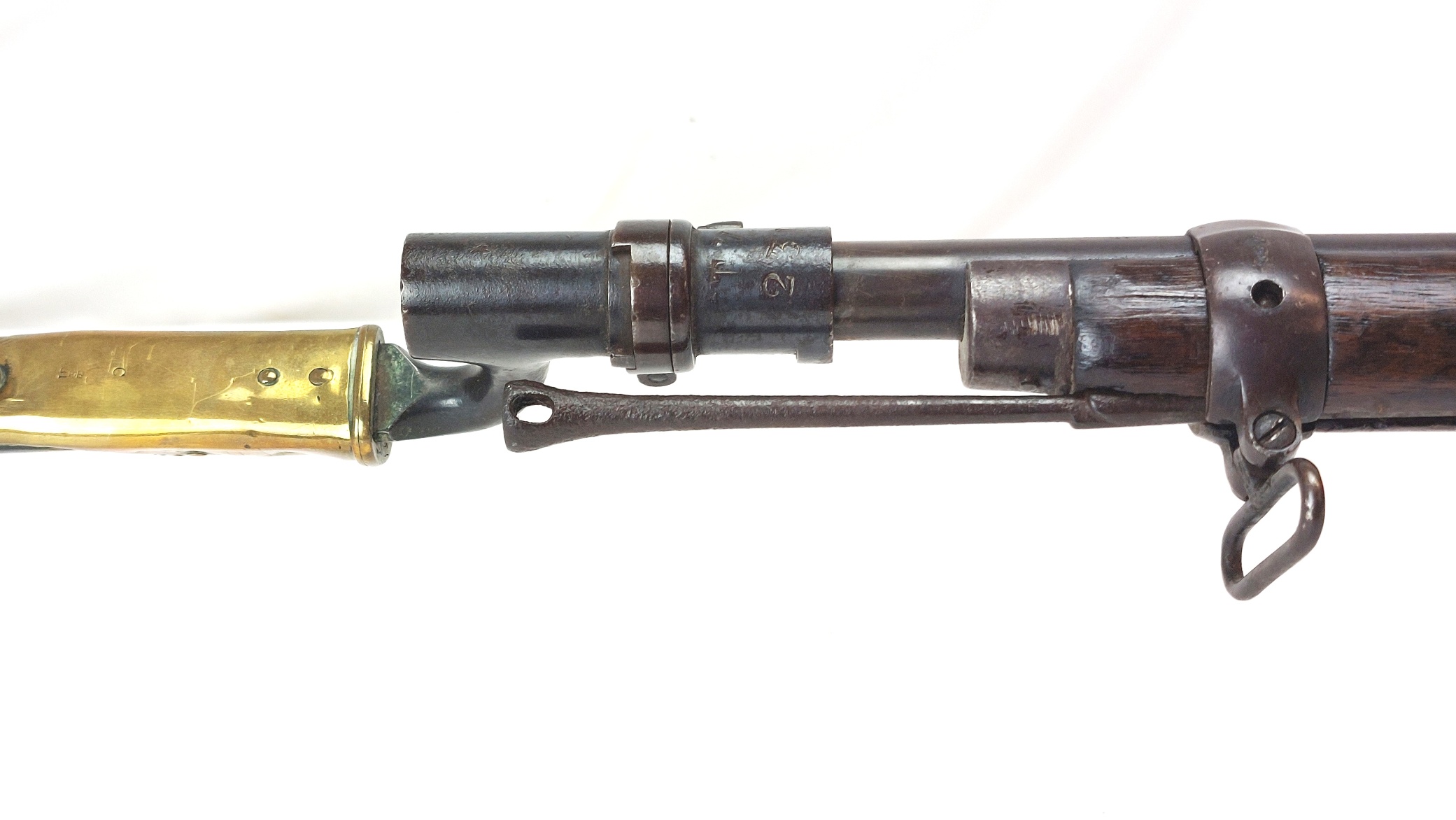
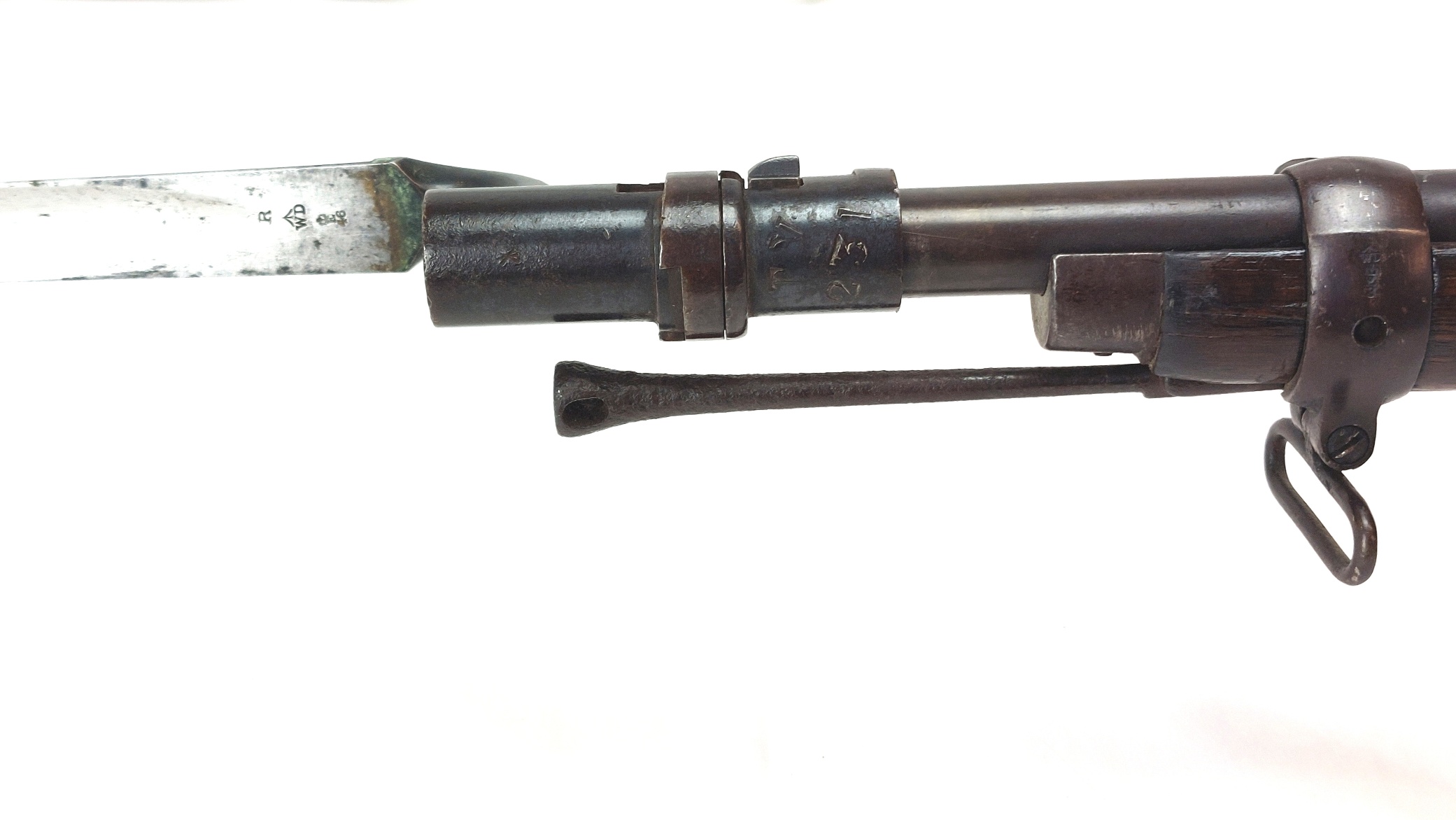
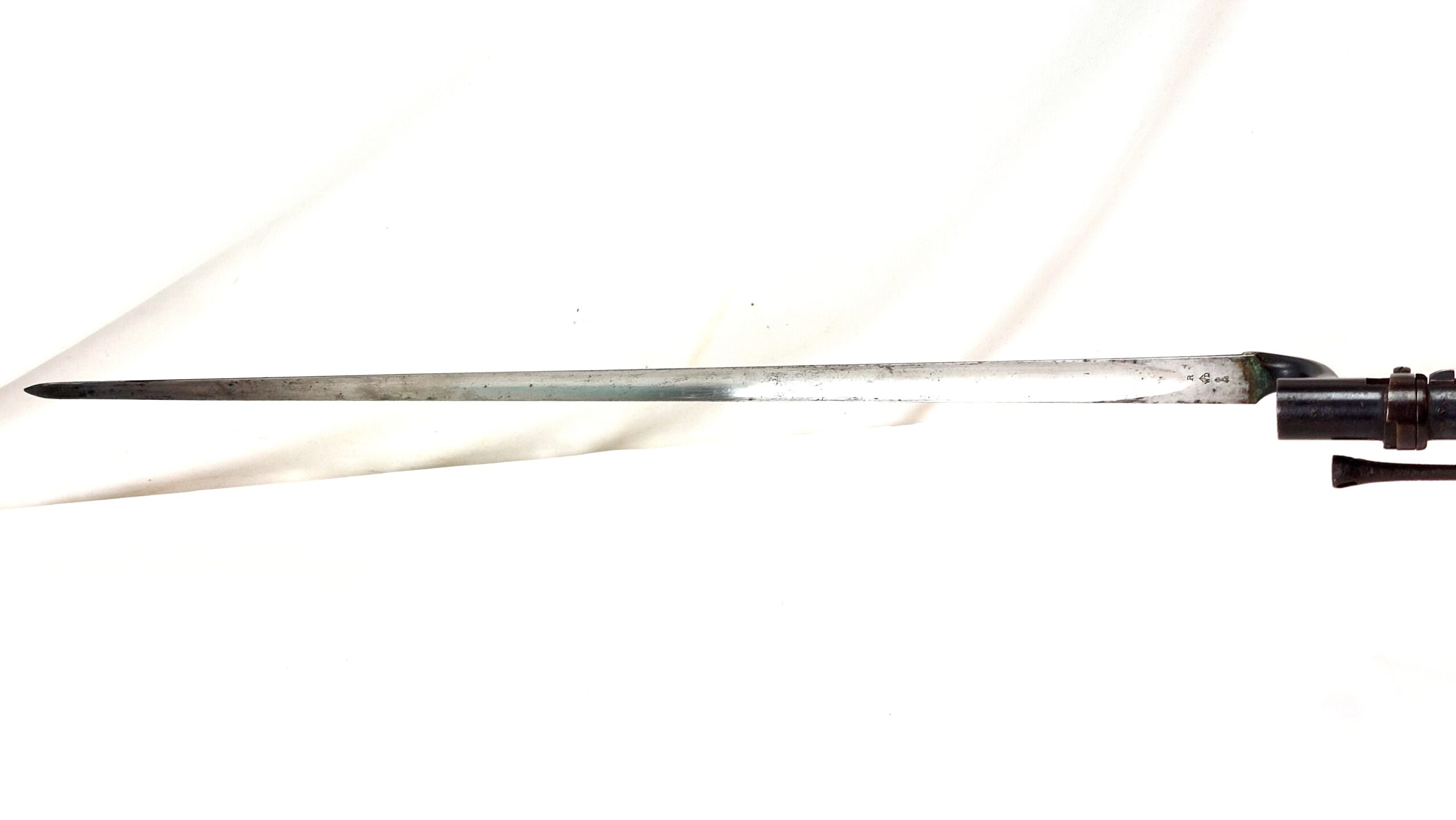
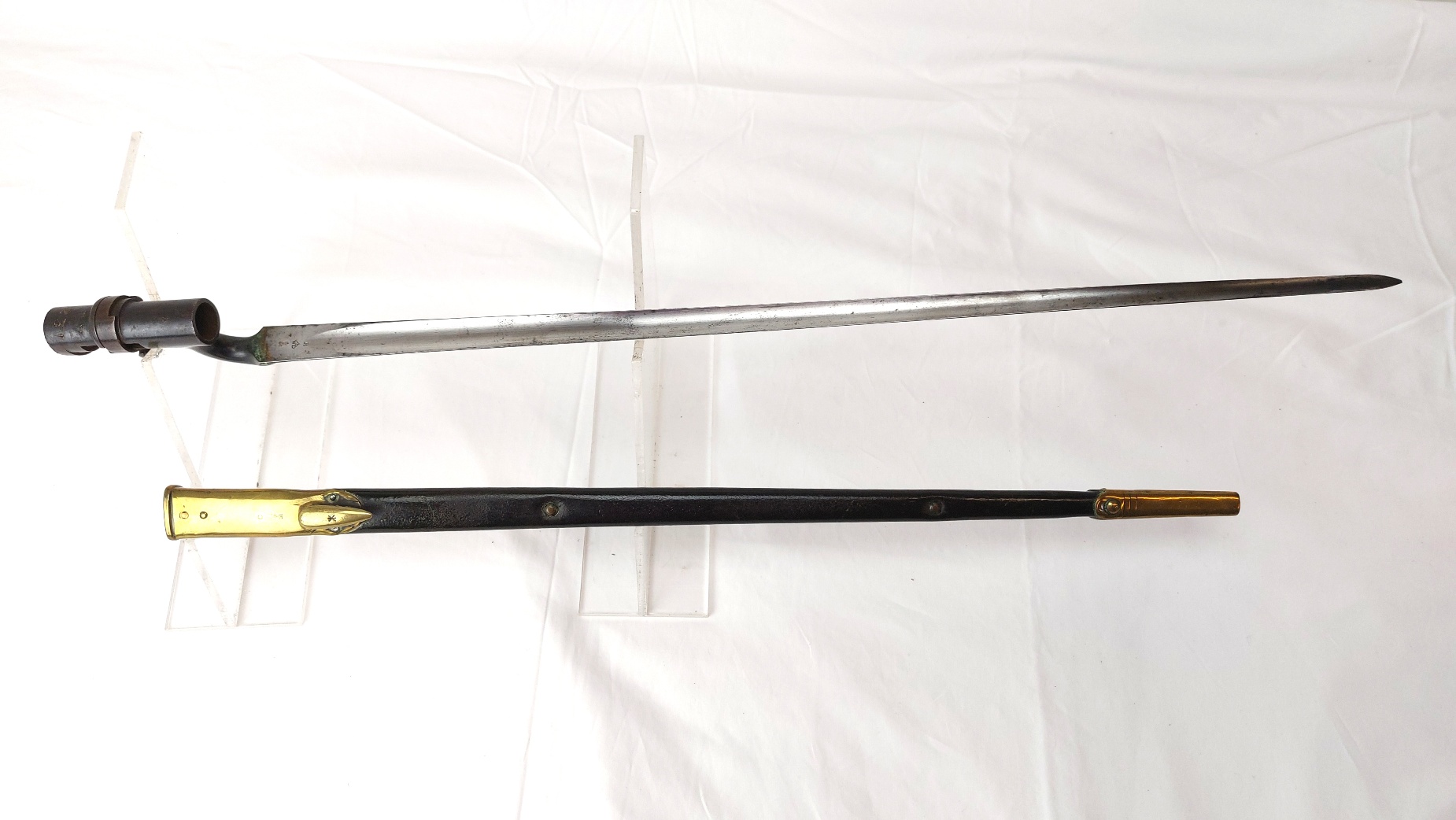
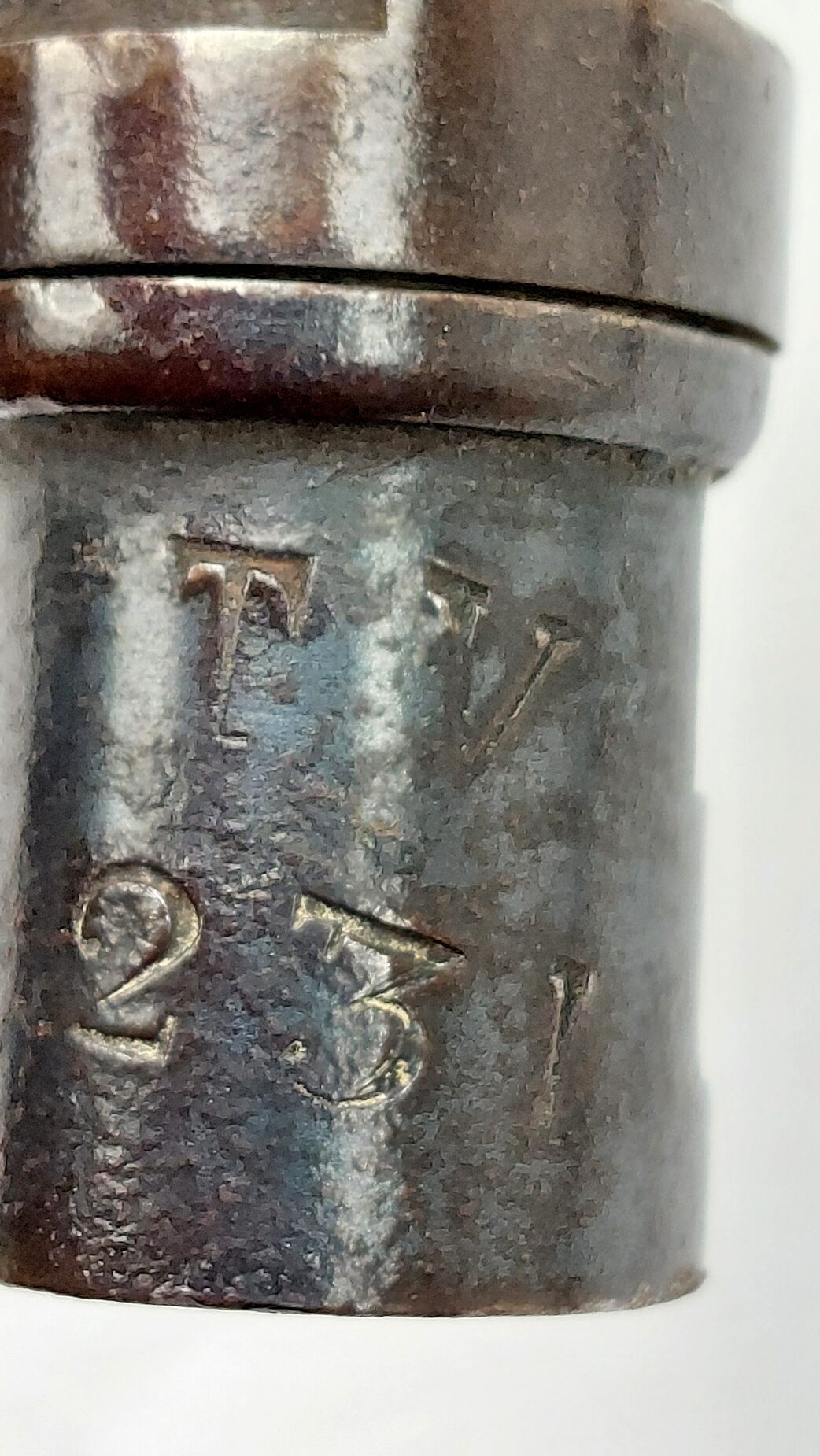
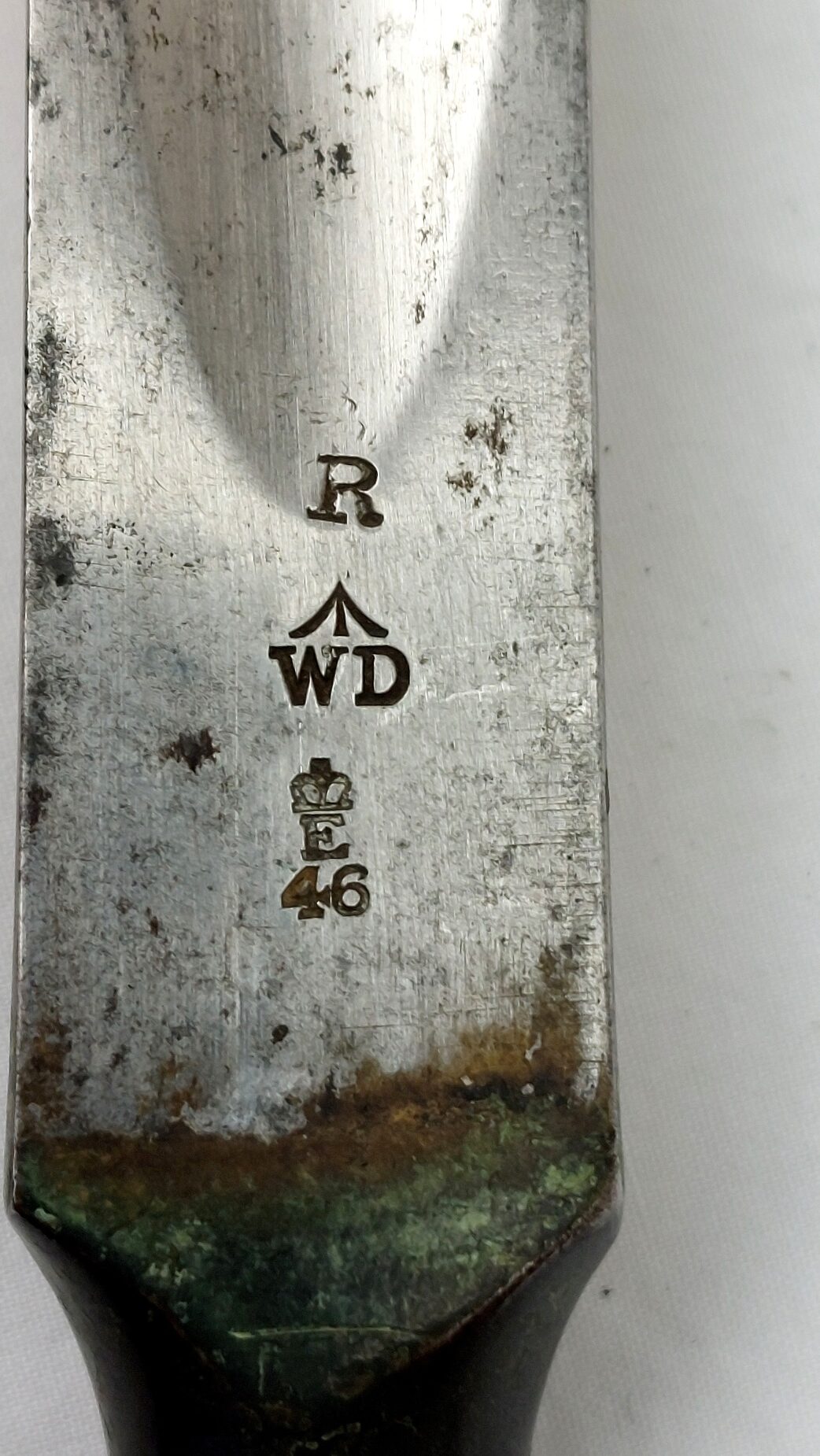
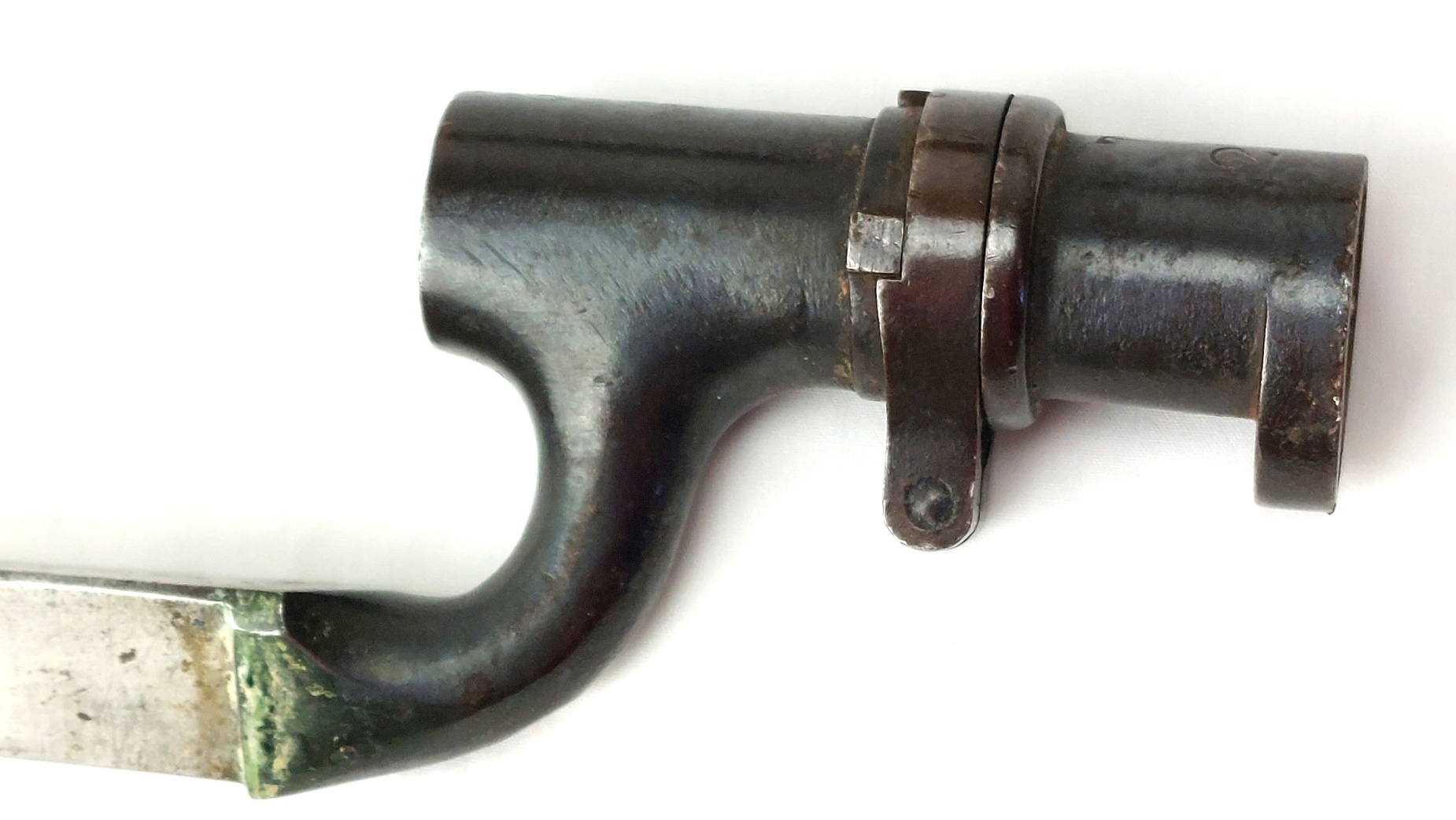
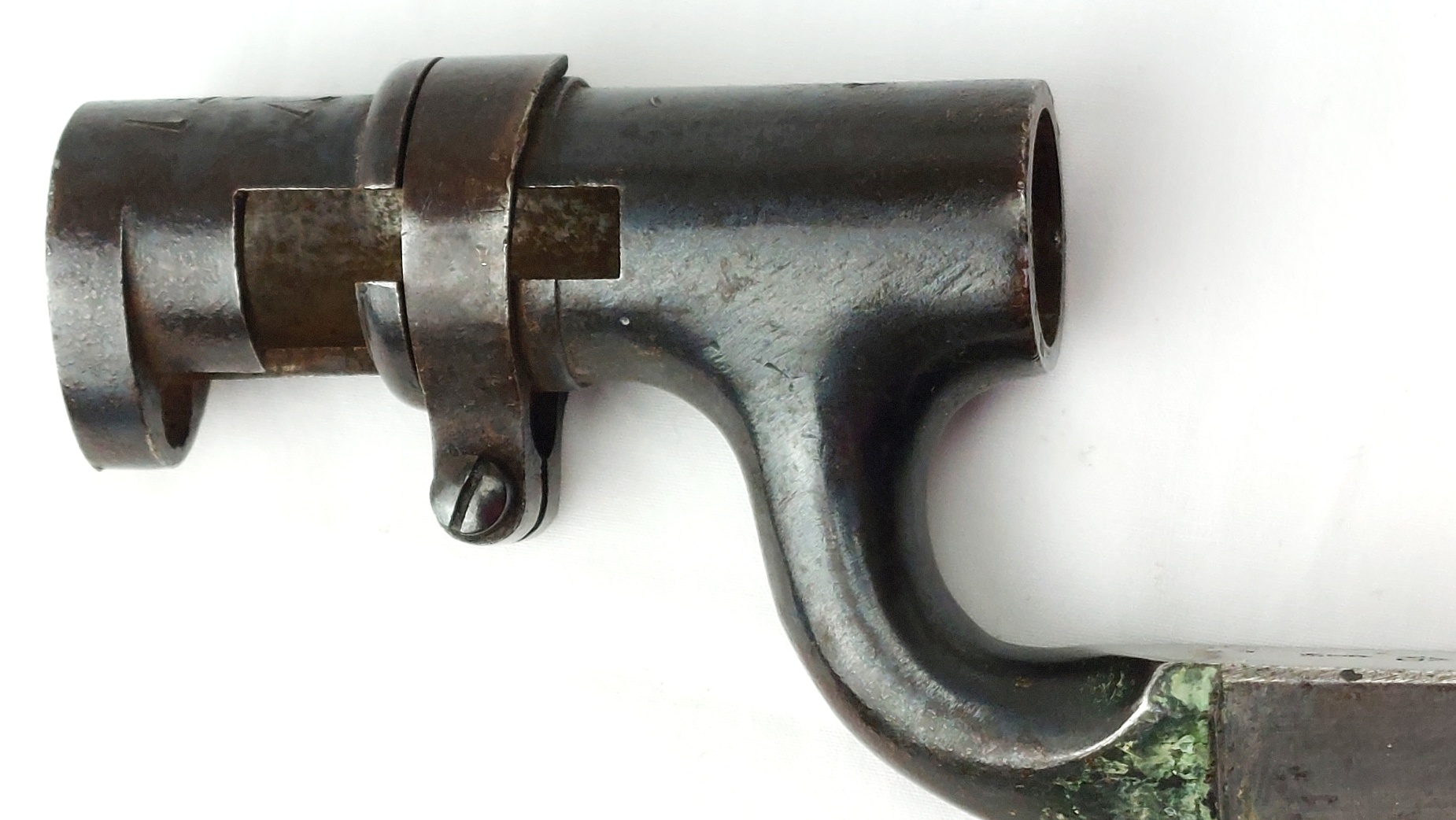
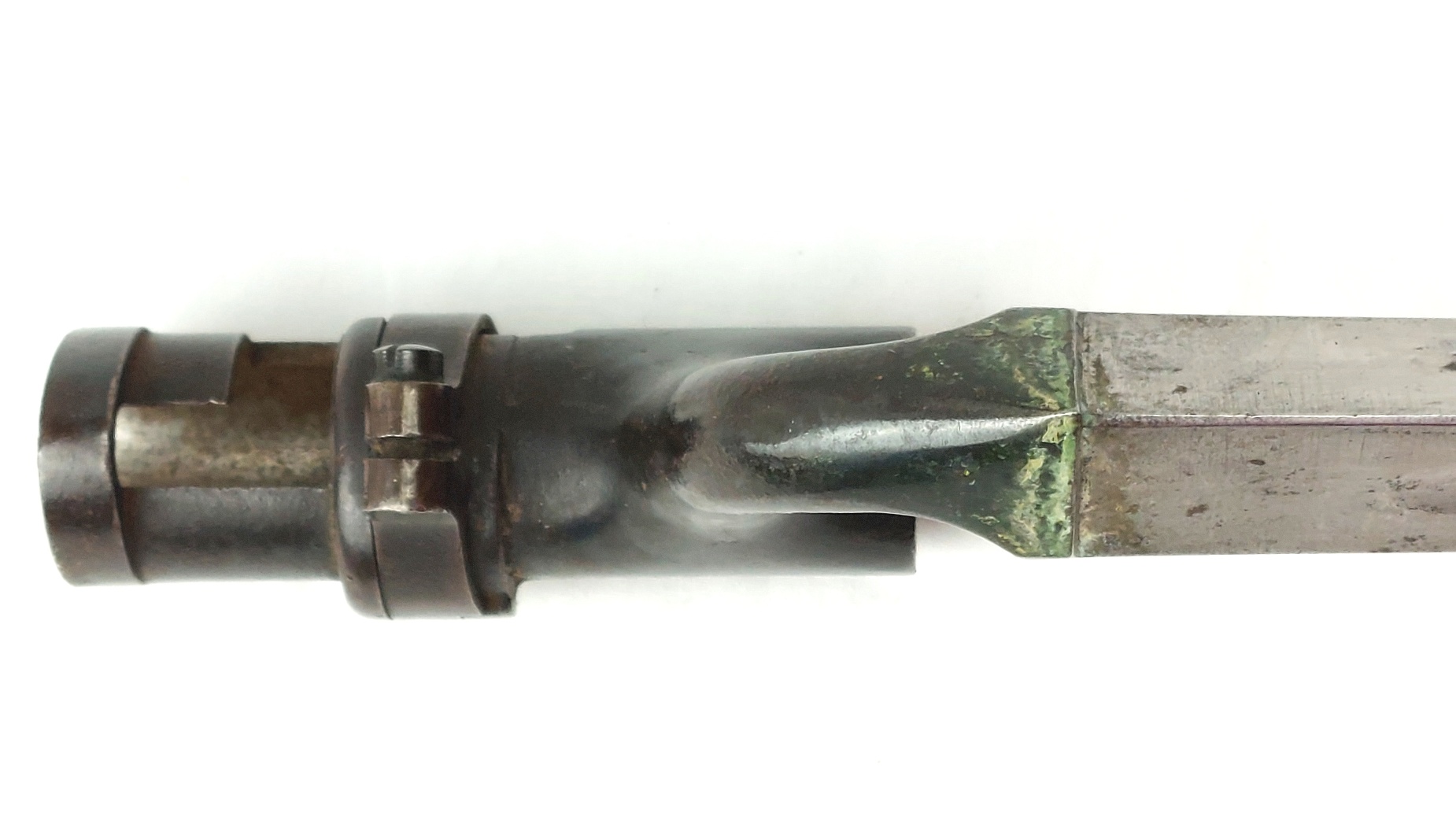
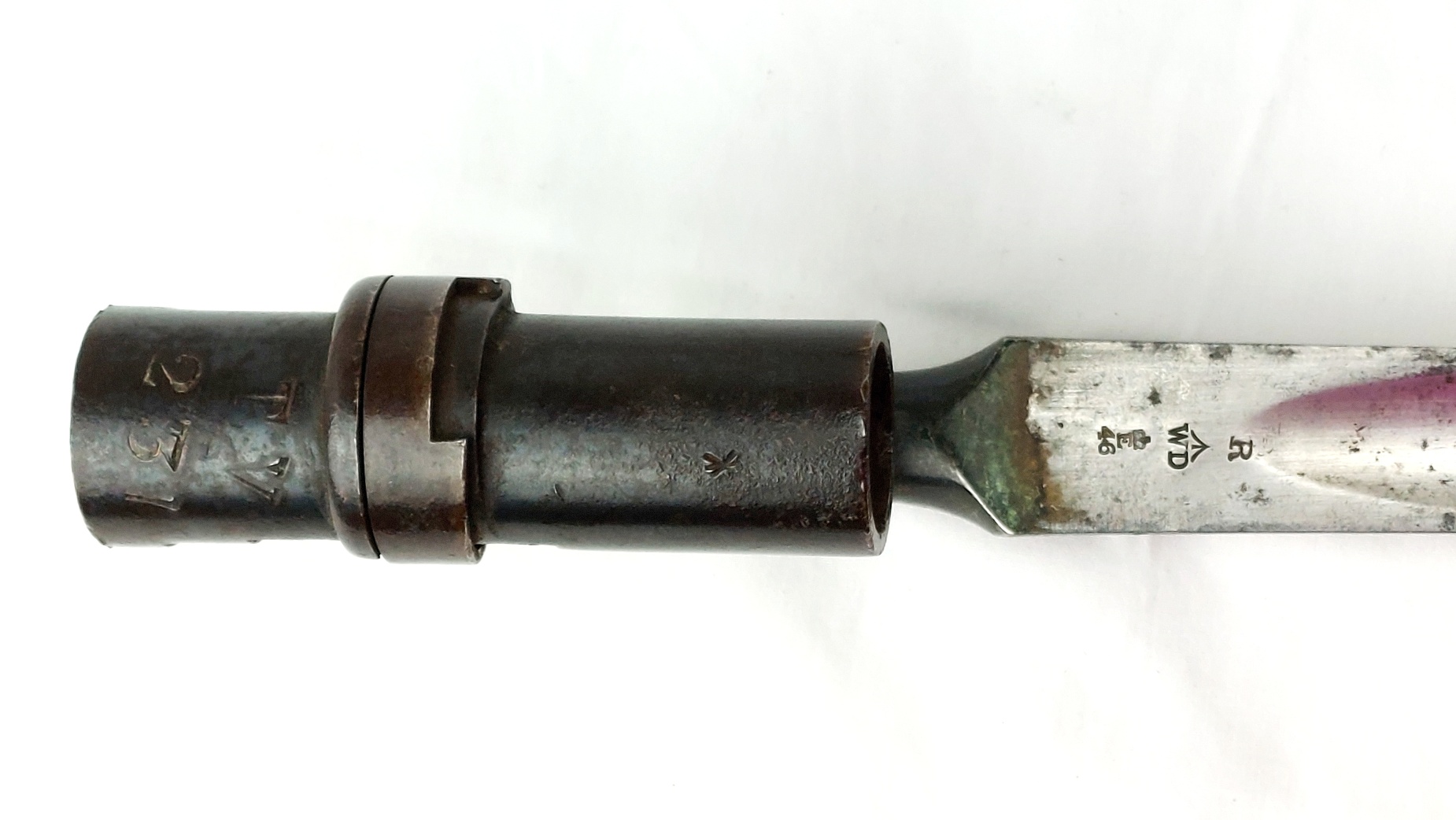
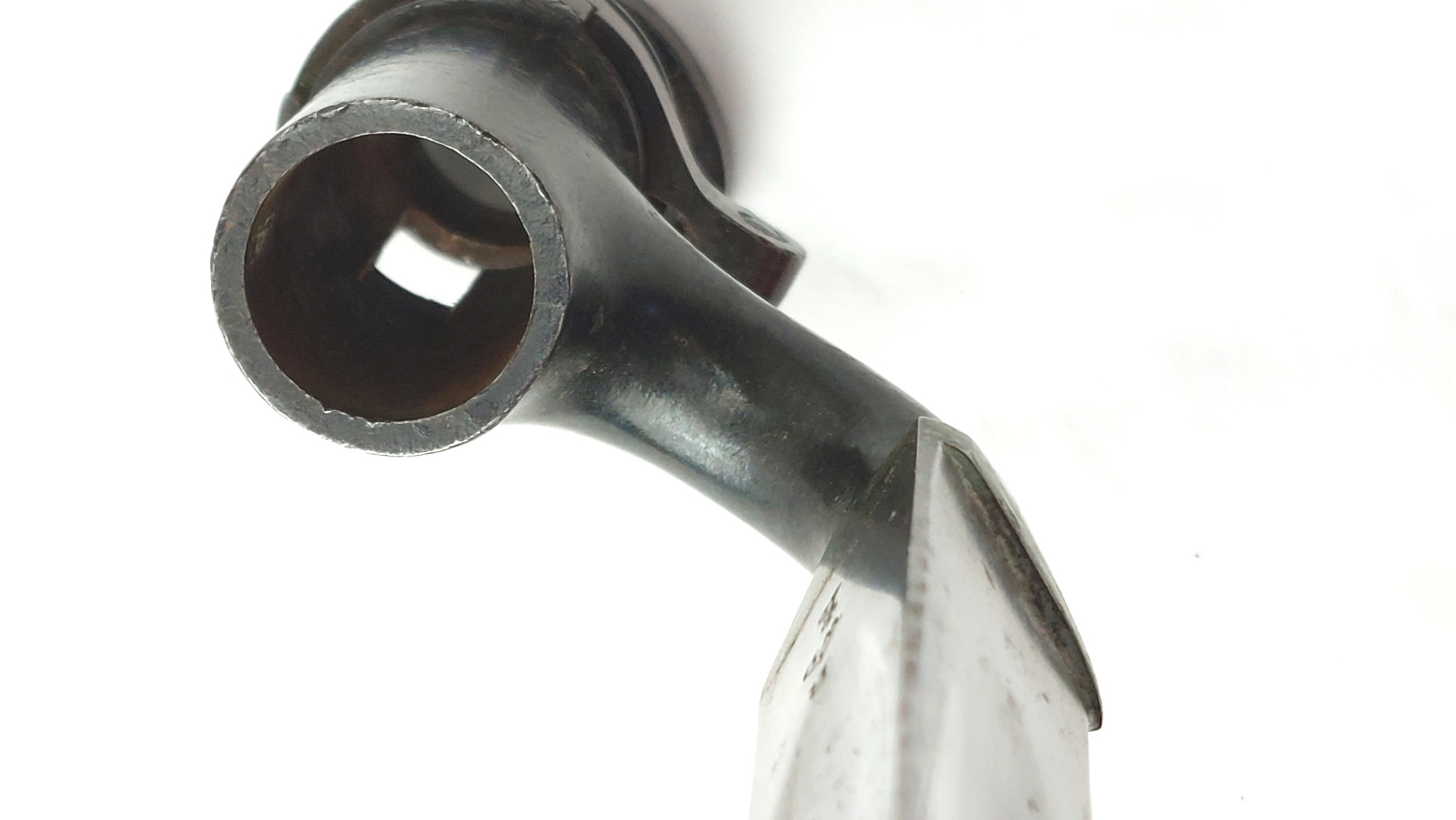
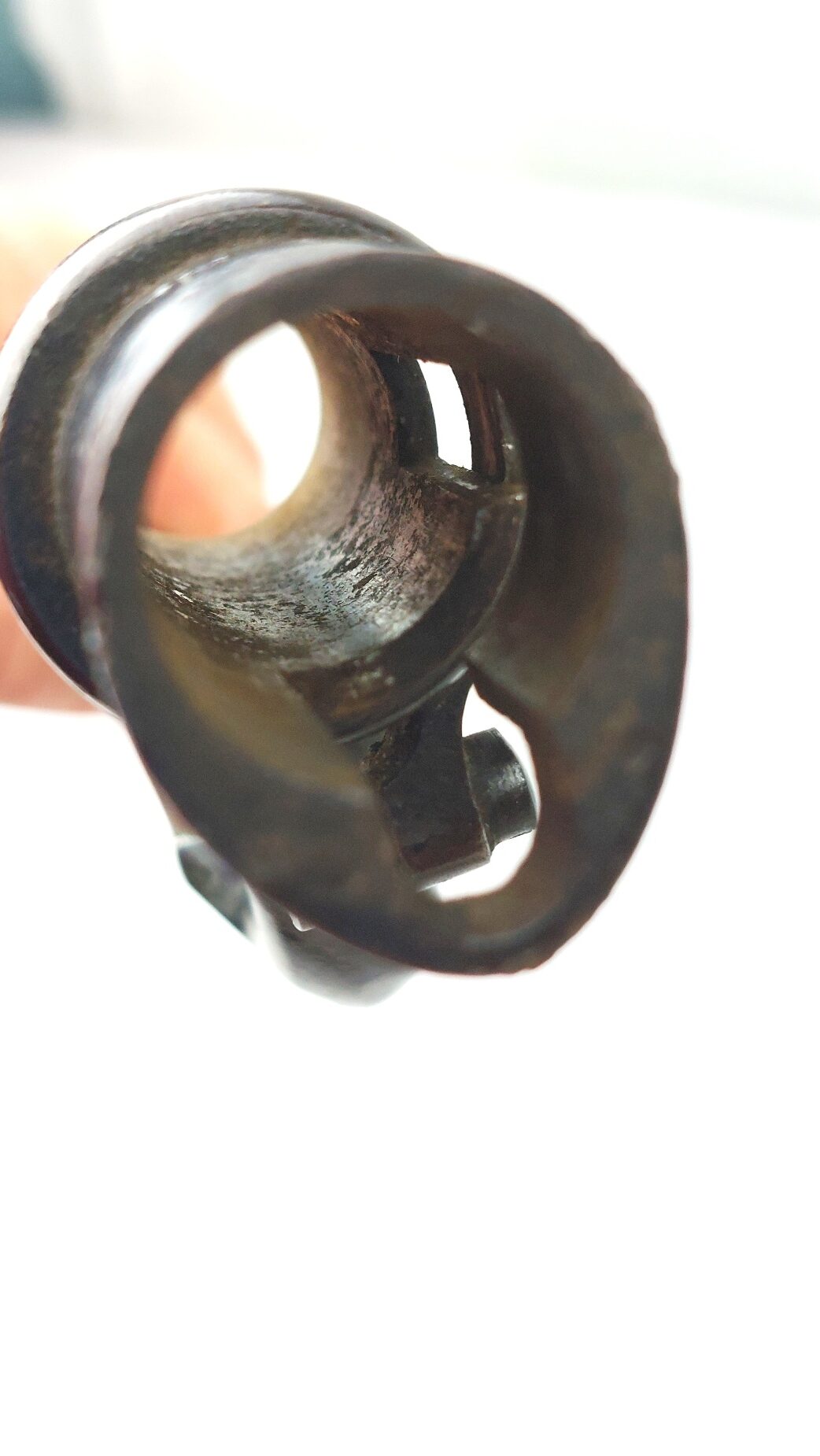
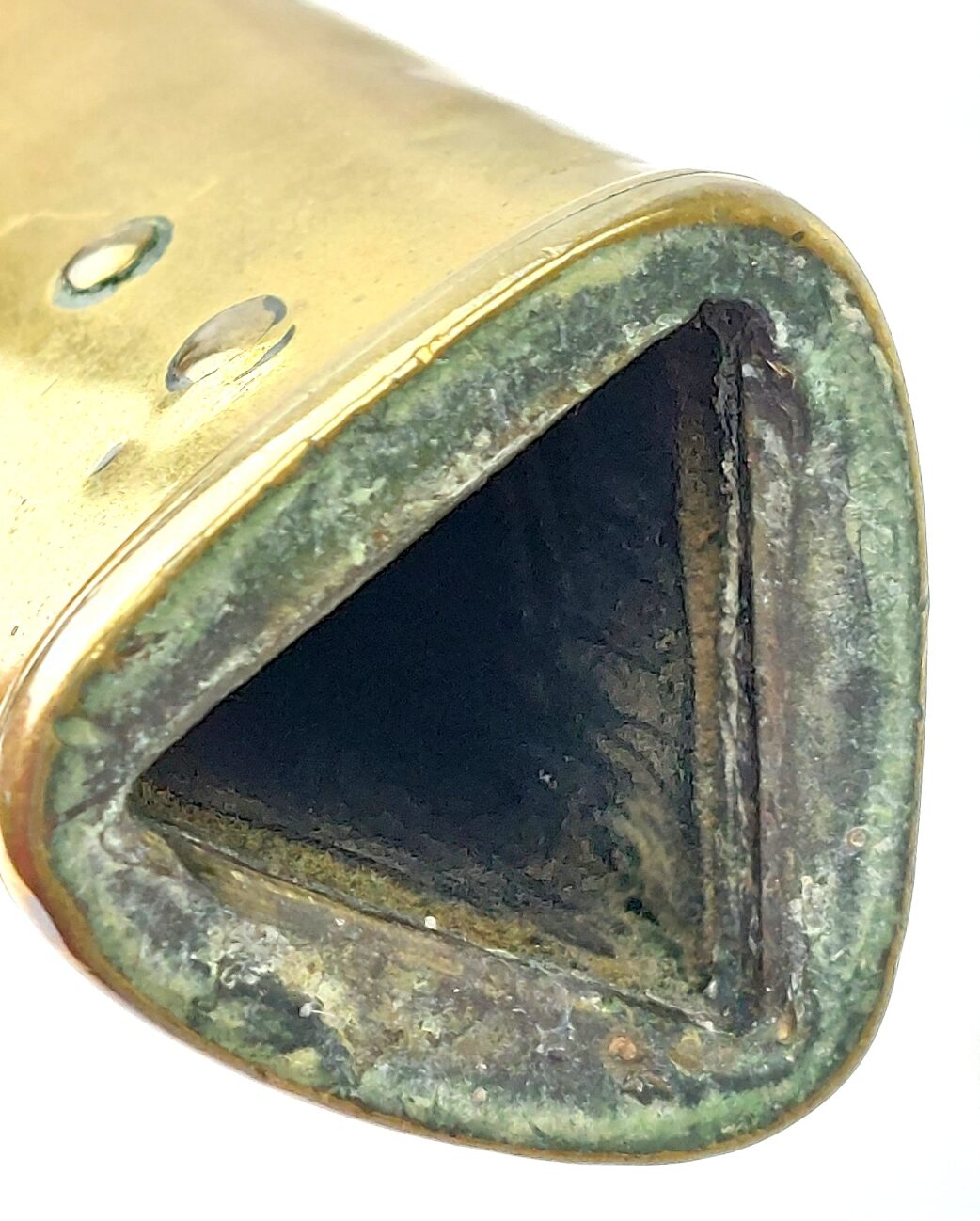
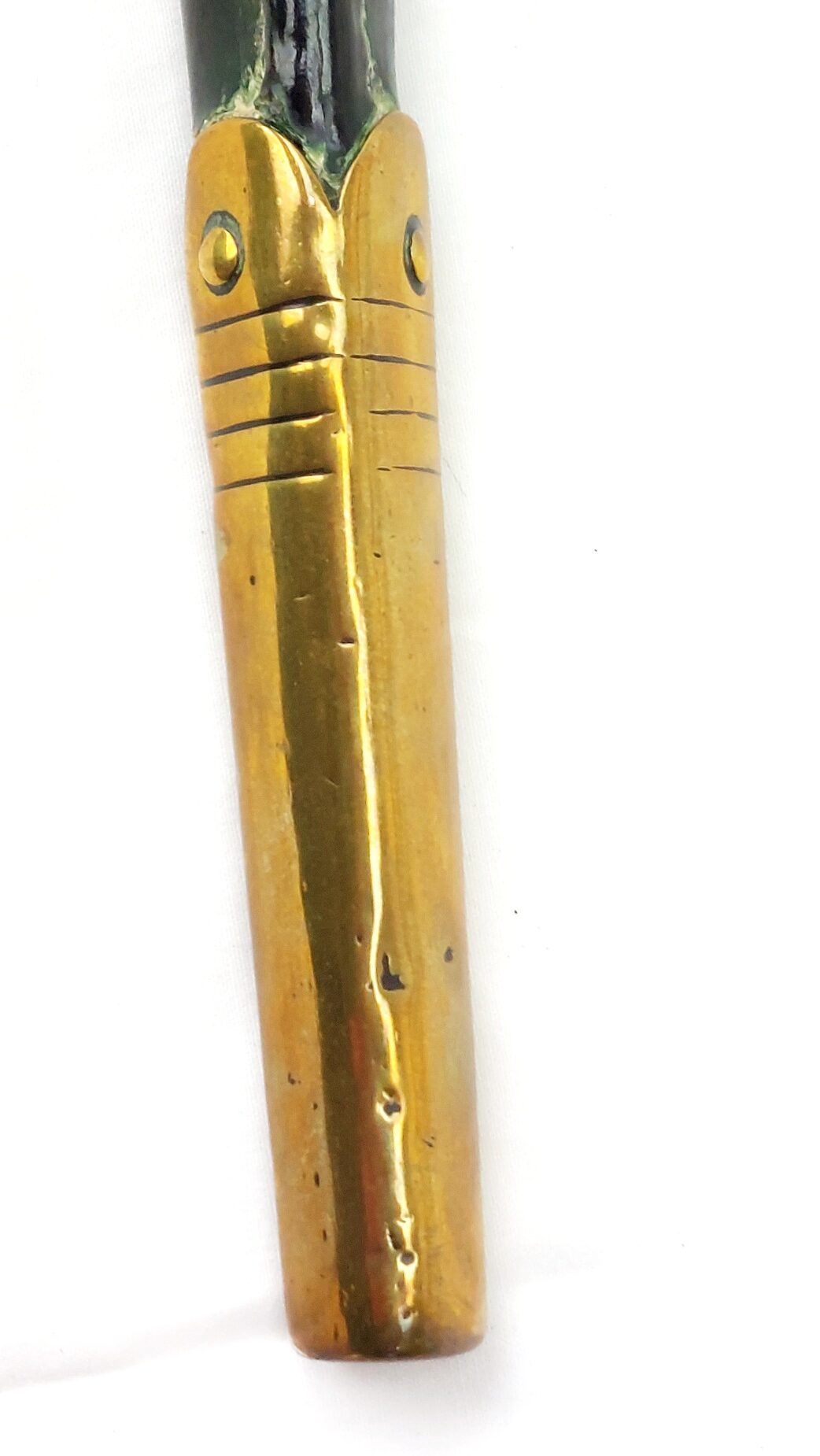
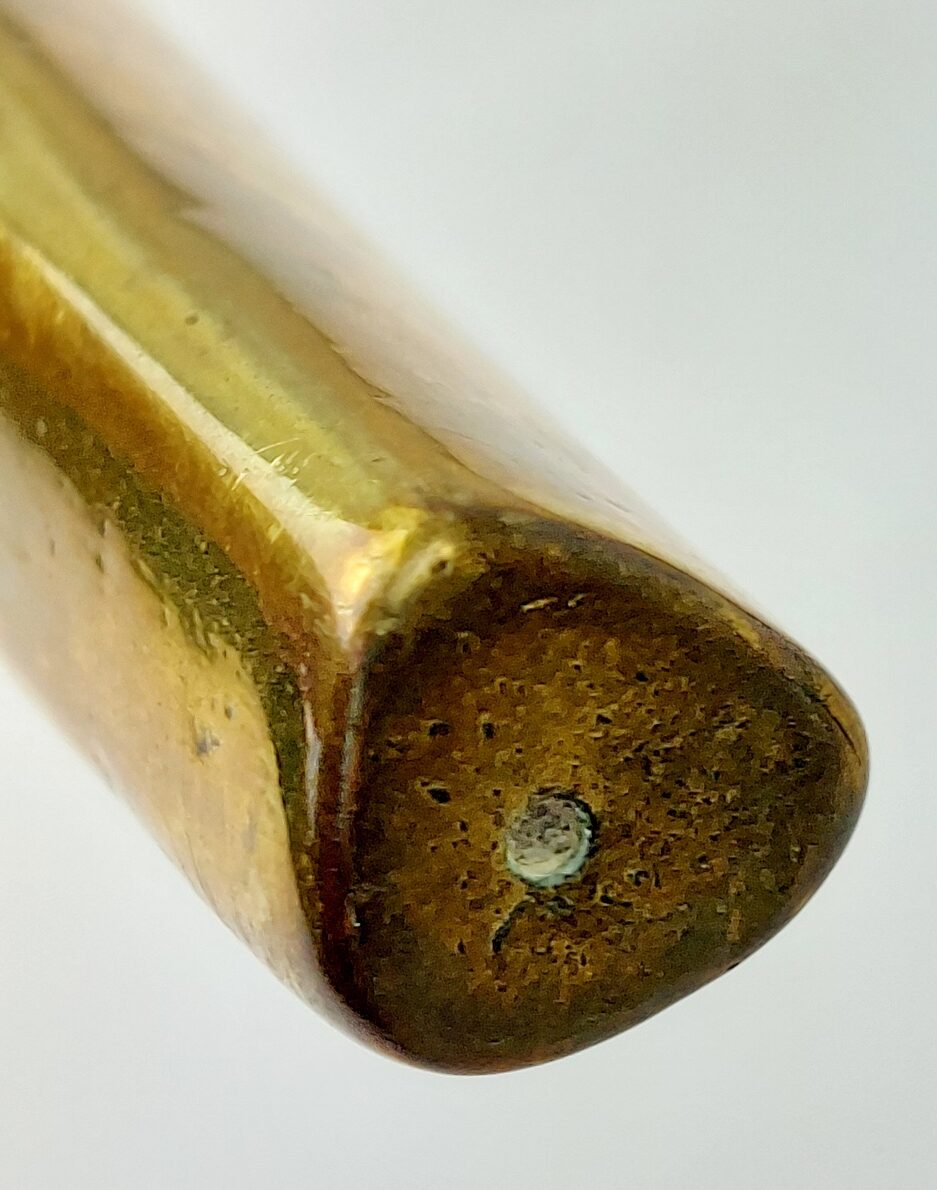
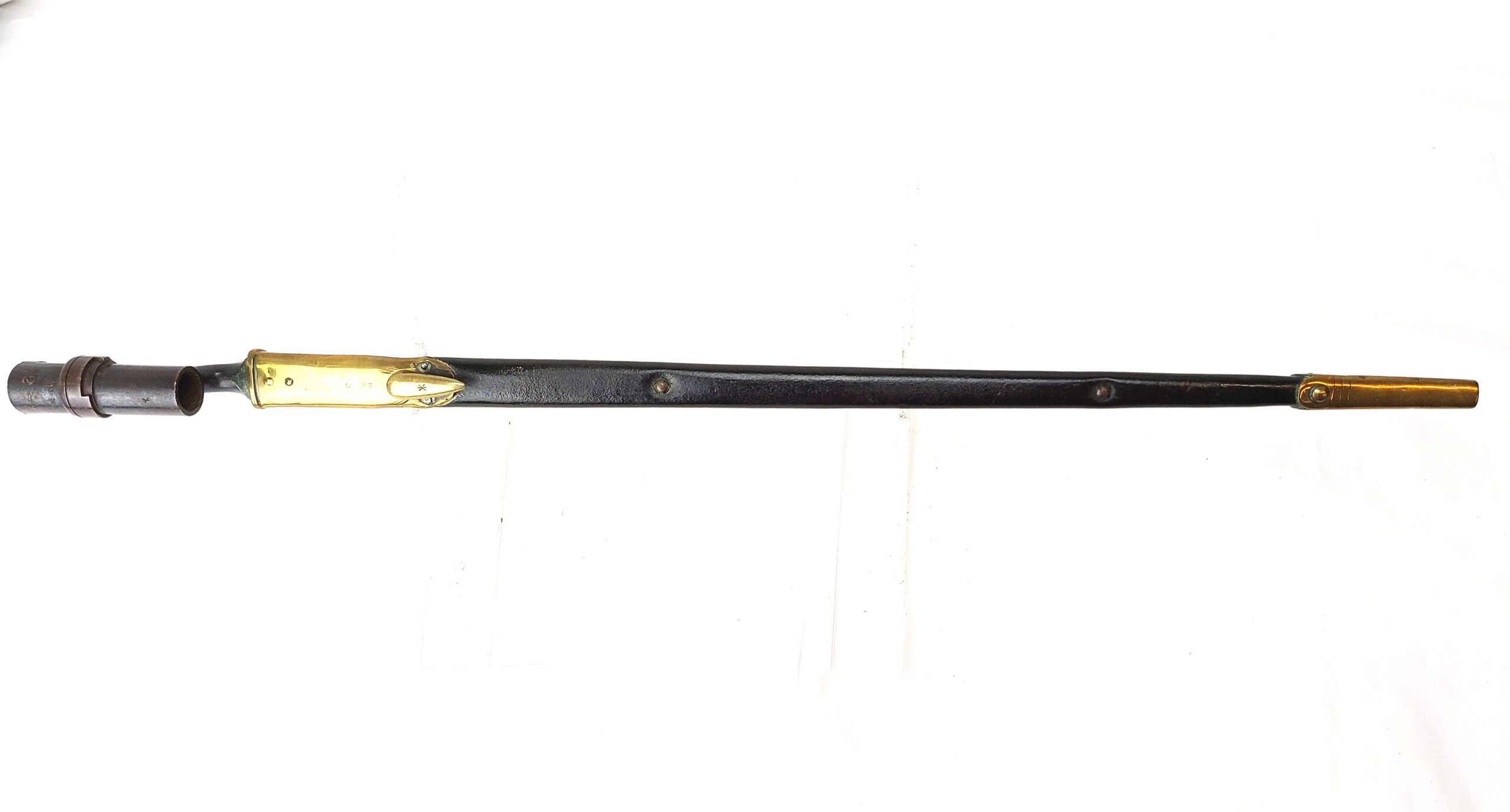
The rifle is accompanied by a correct period British Pattern 1876 socket bayonet, known affectionately as the "Lunge" bayonet, specifically designed for use with the Martini-Henry service rifle. This example features the regulation 54.2cm triangular spike blade with a deep blood groove and a total overall length of 63.6cm. The cylindrical socket is fitted with its original rotating locking ring and screw hinge, with the mortise correctly configured for the Martini-Henry bayonet bar. The blade is struck with a comprehensive array of British military markings, including R / Broad arrow / WD / Crown / E / 46, representing the Enfield inspection and War Department acceptance codes. The socket is uniquely identified with the Nepalese-style script TV 231, serving as a regimental or rack identifier from its secondary service life.
Approximate Measurements:
Rifle: 125.5 cm overall, 82.7 cm barrel
Bayonet: Blade 54.2cm, 63.6cm overall
History Note:
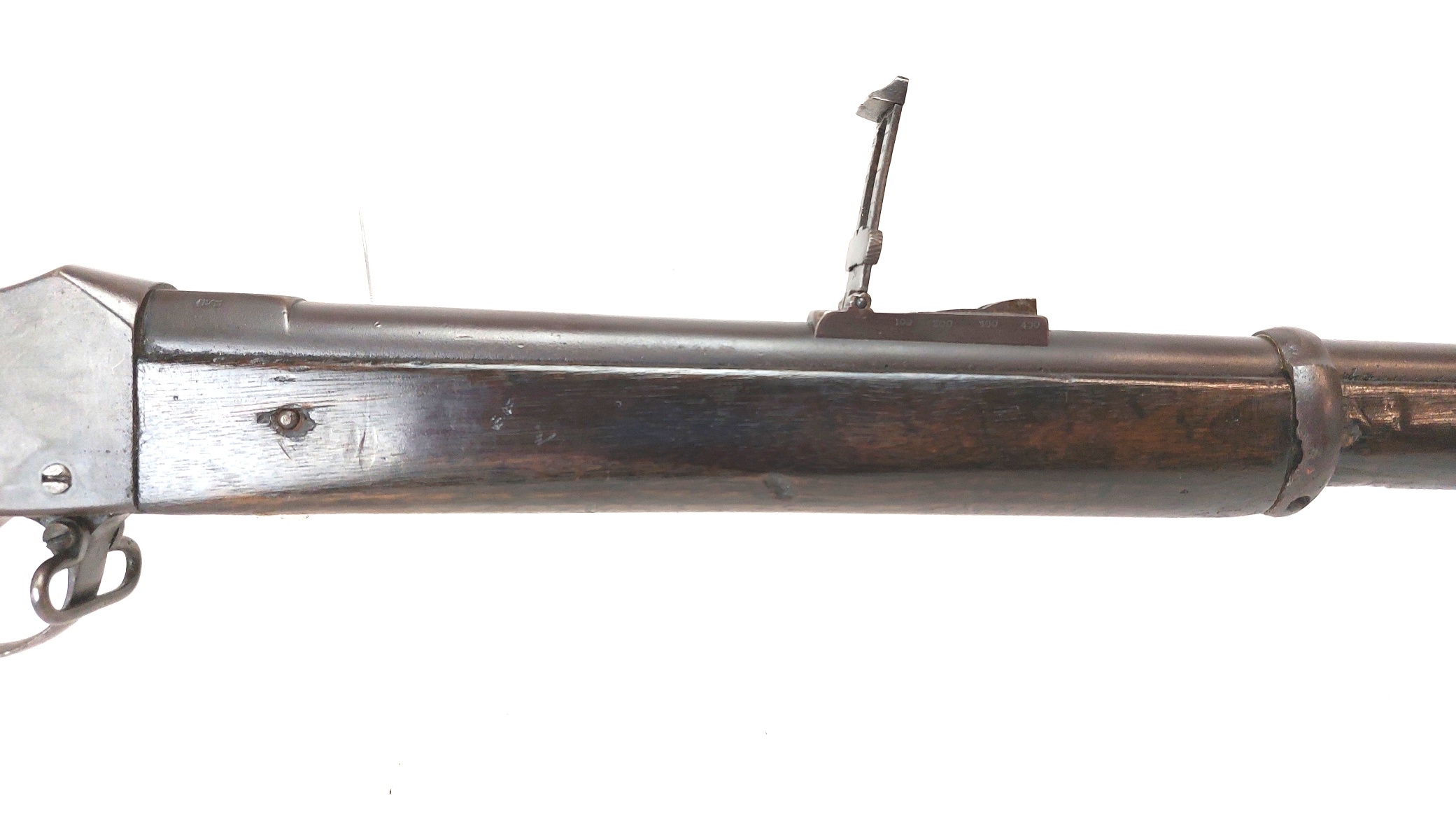
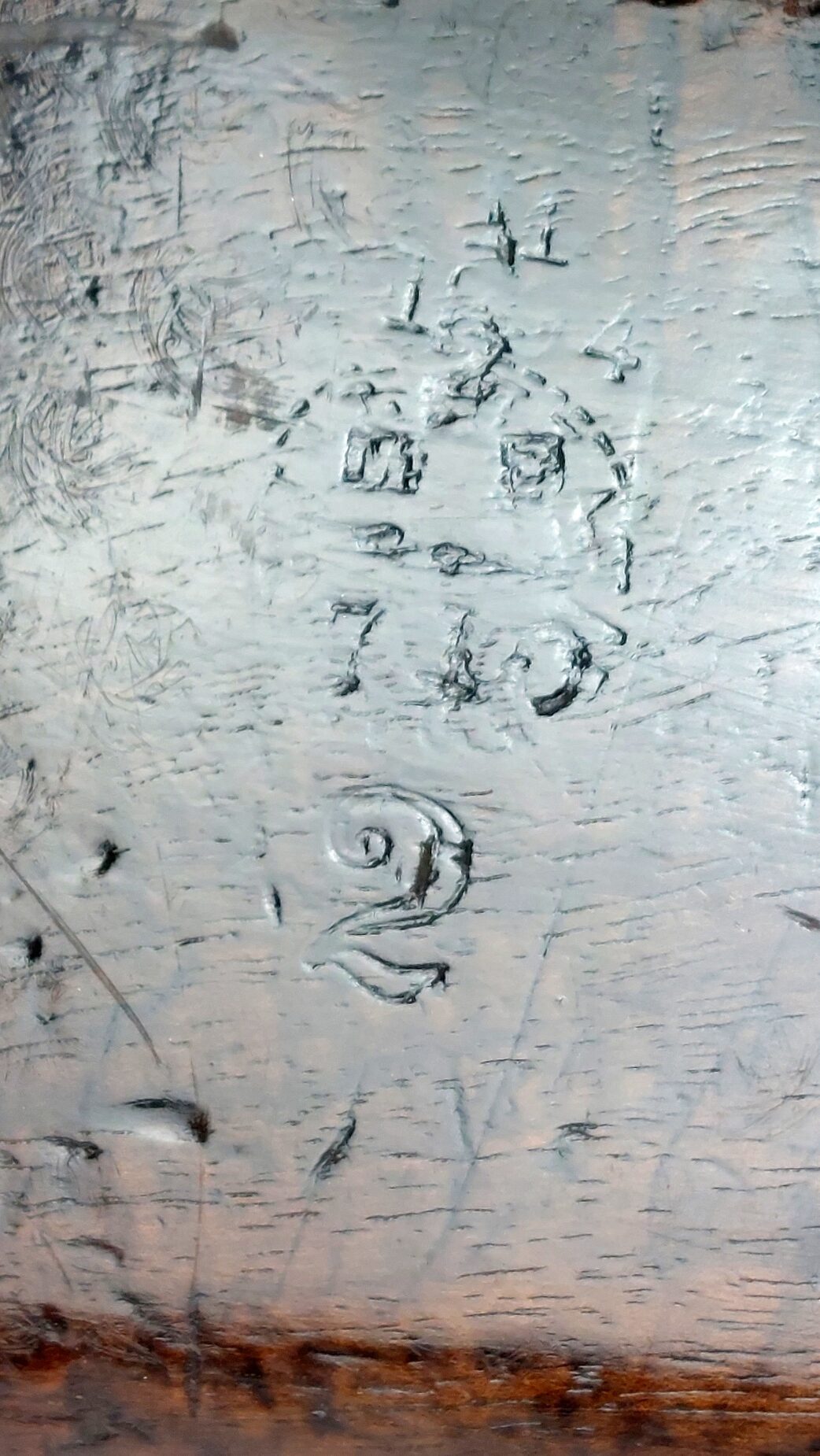
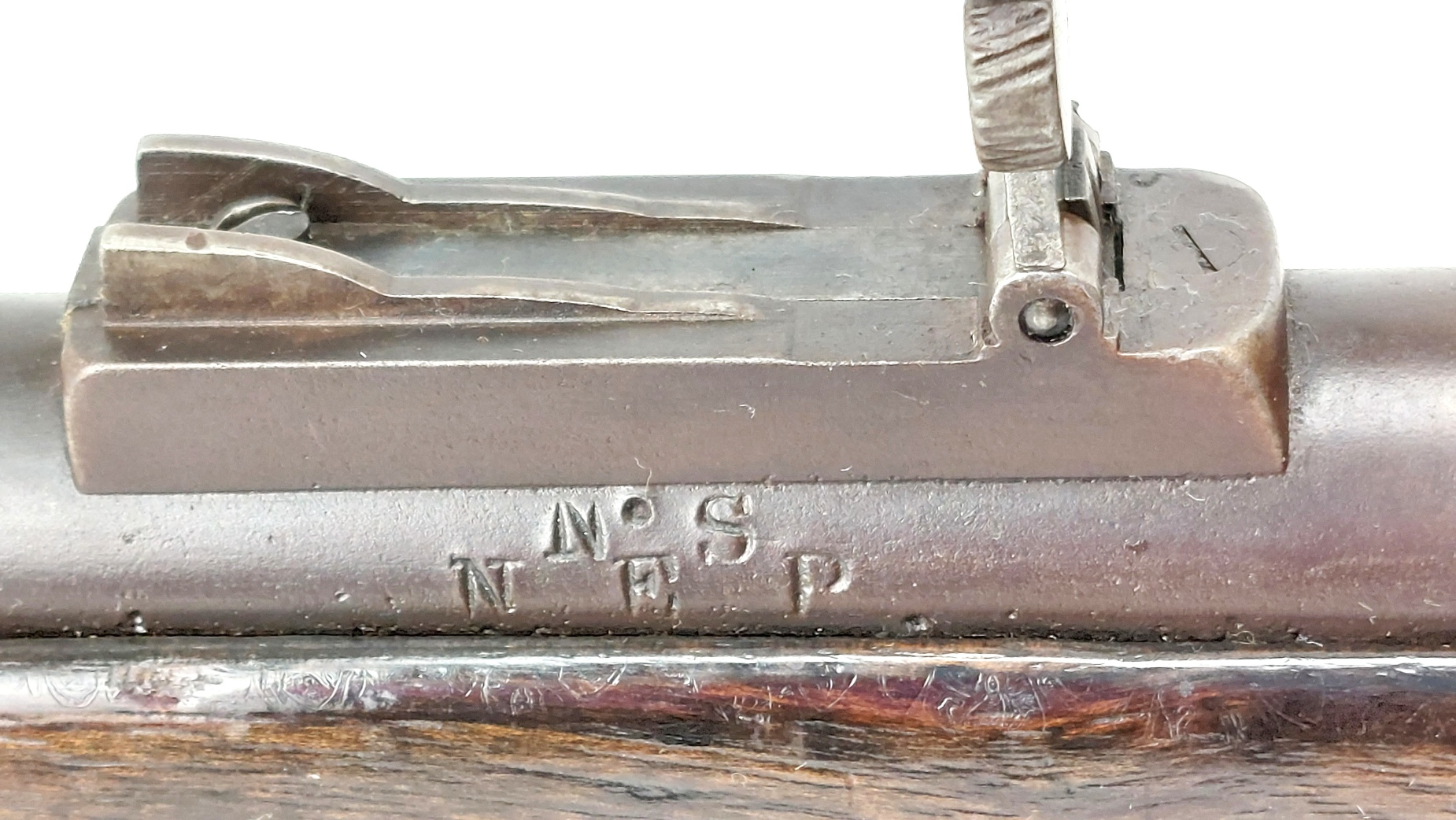
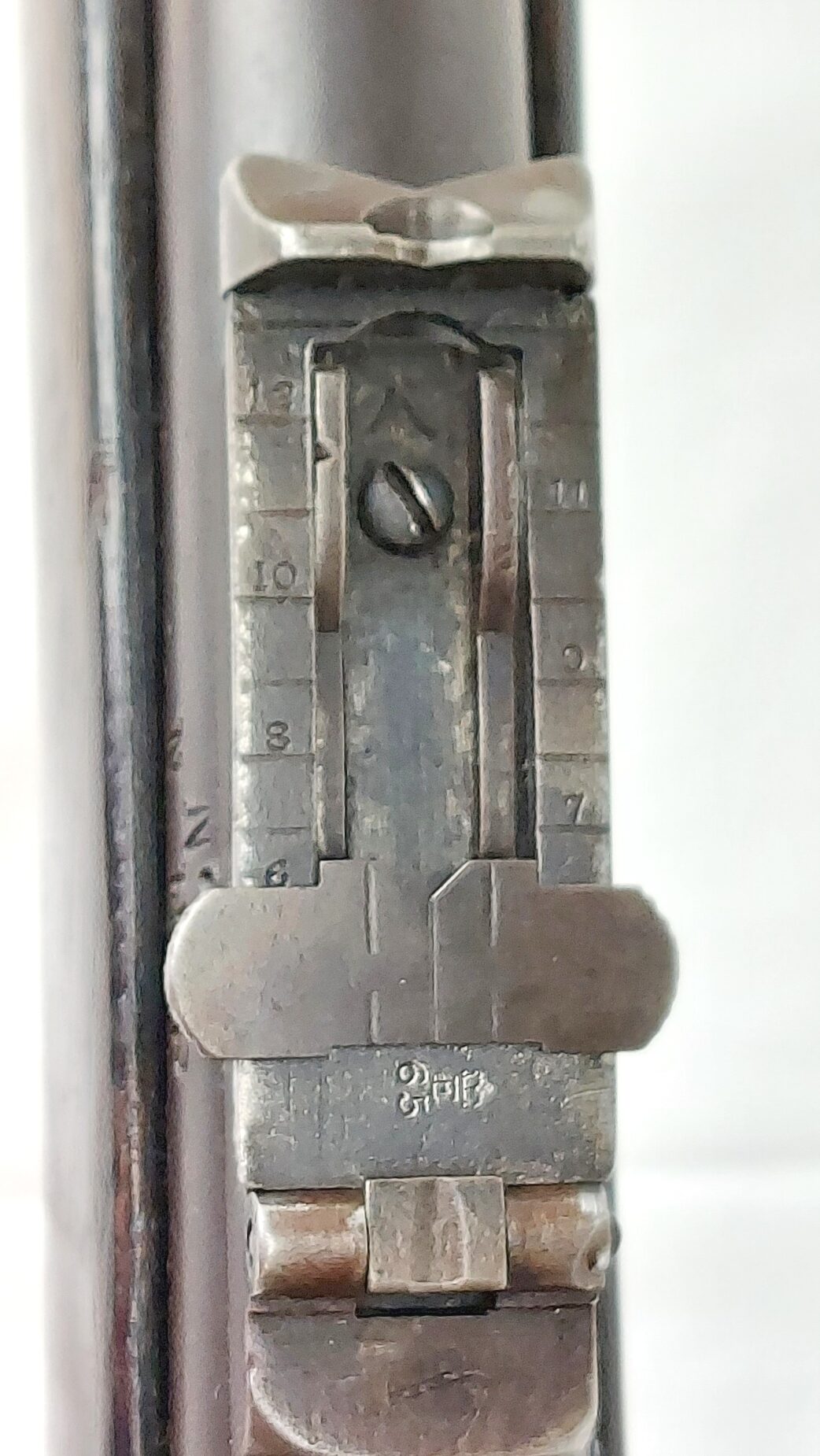
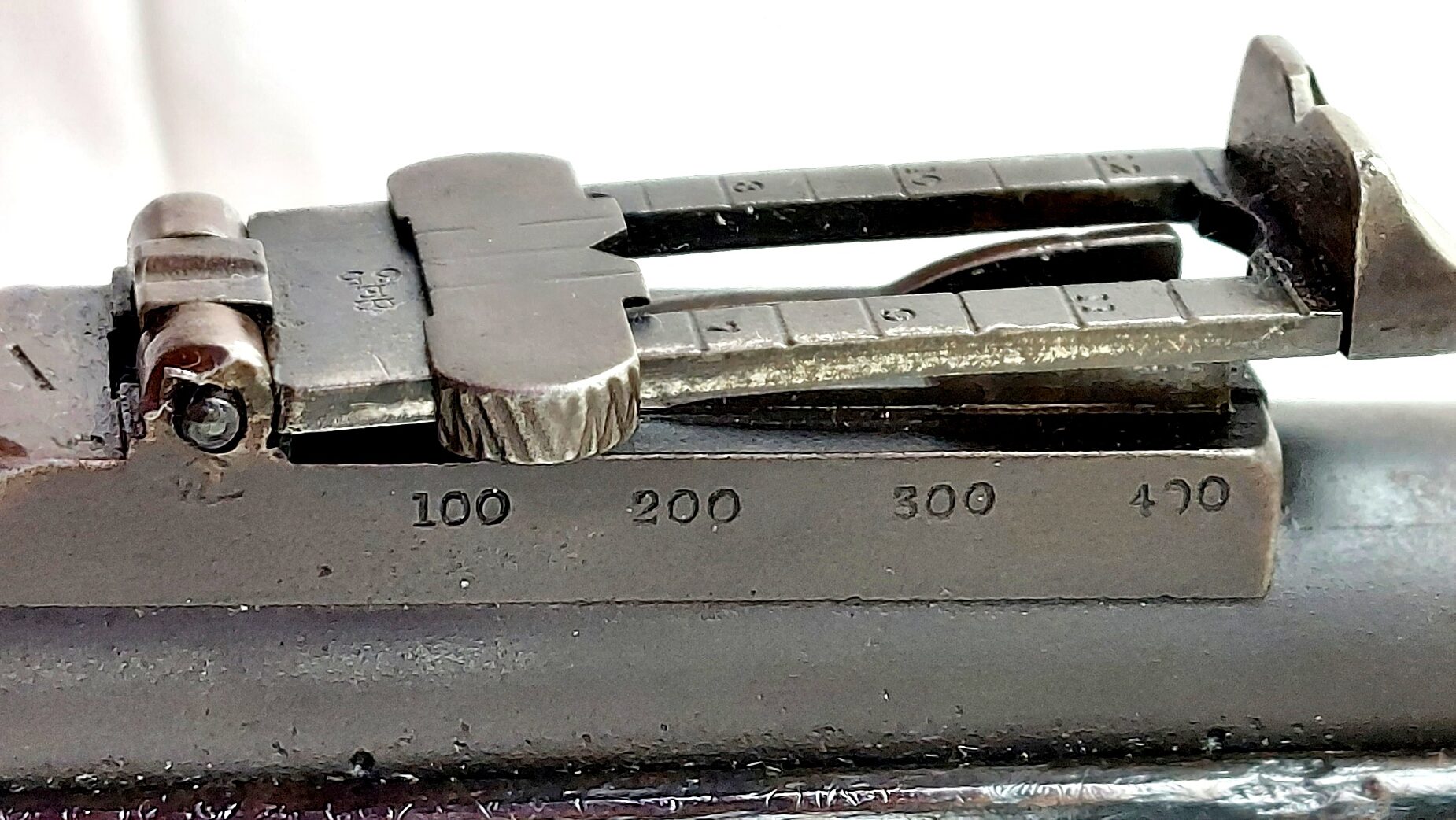
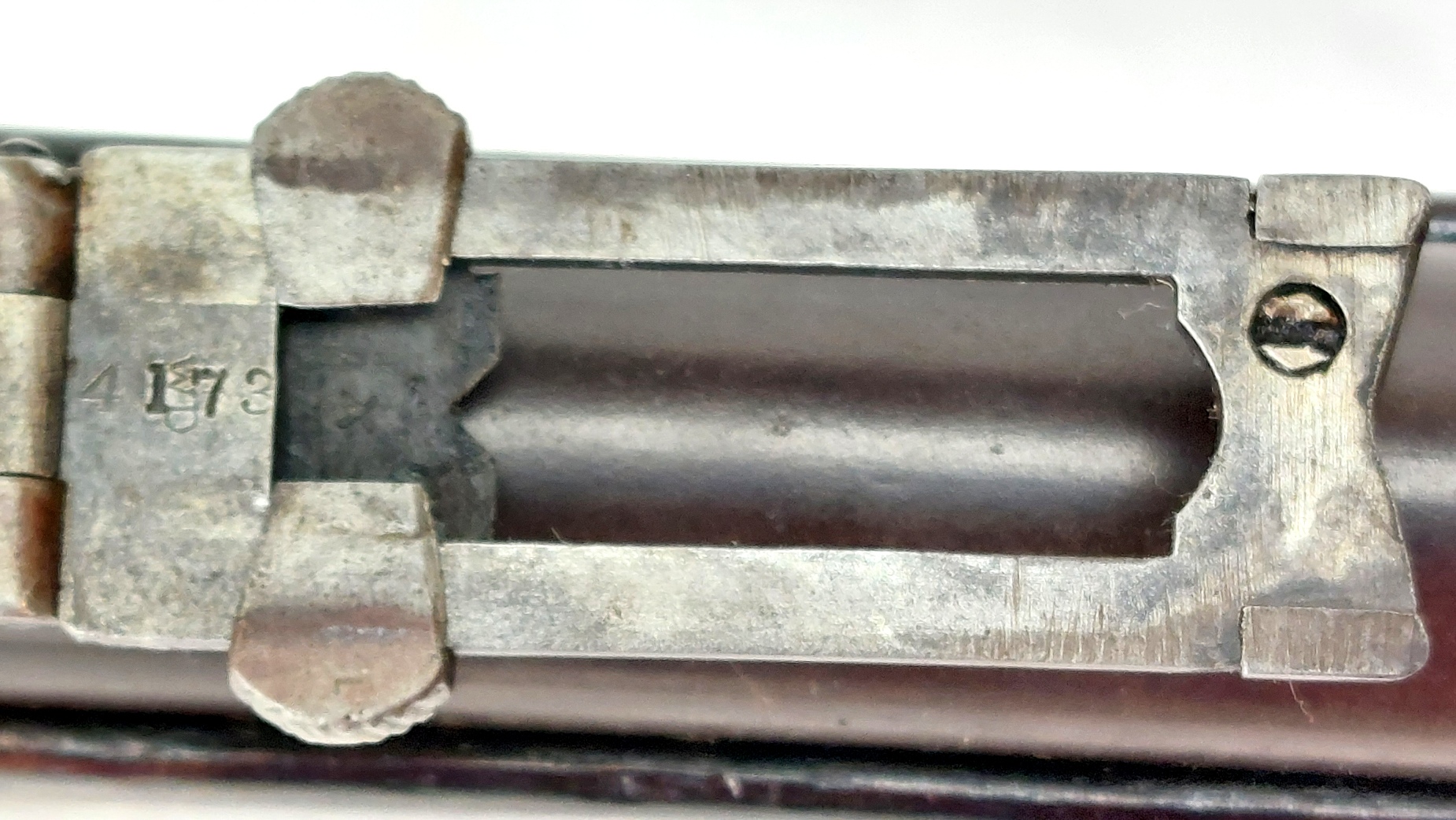
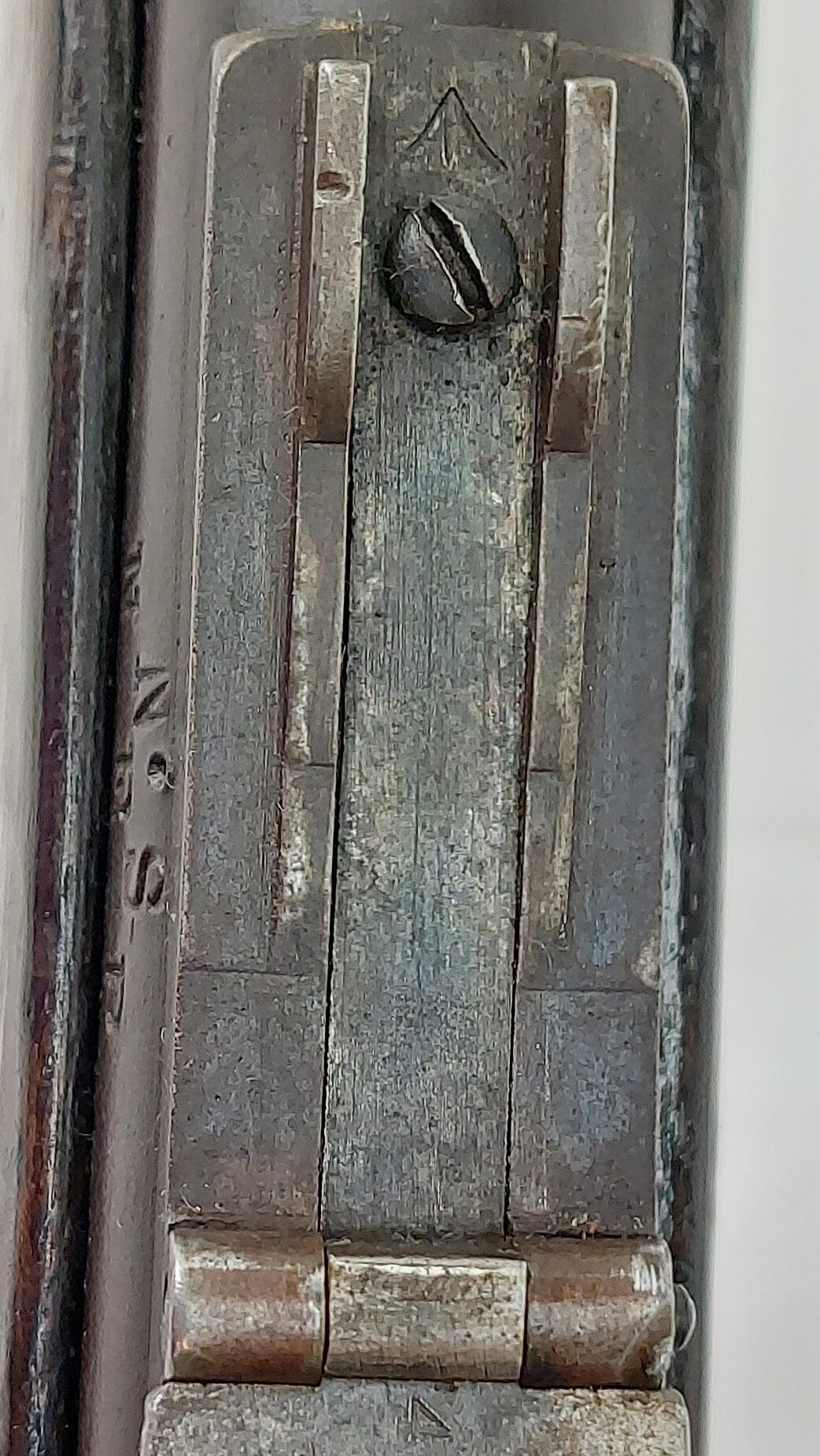
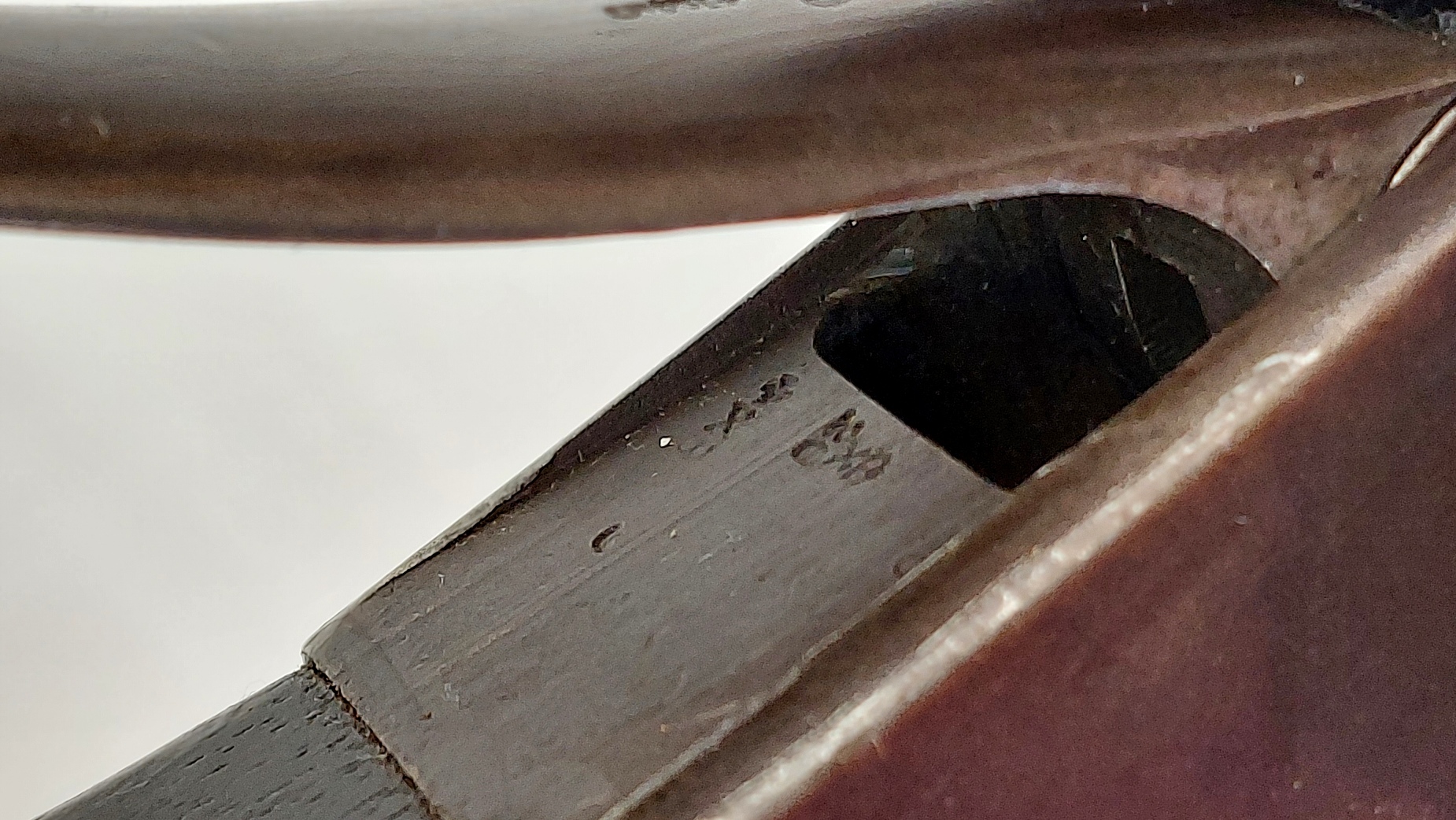
This rifle represents a fascinating bridge between Victorian British engineering and the military history of the Himalayas. Following its production in London and service within the British imperial system, it moved through the British-indian colonial supply chain, as evidenced by the inspection at the Rawalpindi Arsenal marked with a numeric २ (2) beneath a crowned roundel. Unlike many pieces that were formally decommissioned before export, this rifle lacks "Sold out of Service" markings, suggesting a direct transfer or continued official colonial utility before reaching Nepal. The rear sight leaf further cements this history, marked N.S / N.E.P. (Native Service / Nepal) on the left side, with the top of the sight bearing an Enfield inspection mark Crown / E / 65, the serial 4173, and a British broad arrow.
Upon its arrival in the Himalayan kingdom, the rifle was issued to elite units of the Royal Nepalese Army. The stock carvings identify the Devidatta Battalion (देवीदत्त बटालियन), abbreviated as देवि (Devi), and include specific sub-unit and rack data such as १४ नं १५ (No. 14, Weapon 15). Further regimental history is inscribed on the trigger guard, referencing the Gorakh Nath Regiment as गोना ५ (Go-Na 5) above नं २६ (No. 26). Additional script on the stock features the name देवि दीन (Devi Deen), likely a private identifier for a militiaman or a specific sub-division, alongside the characters गा ना (Gaa Naa) and the numerals १ ४ (14).
The Devidatta Battalion and the Gorakh Nath Regiment are among the most storied units in the Royal Nepalese Army, both established in the late 18th century during the unification of Nepal. The Devidatta (est. 1783) and the Gorakh Nath (est. 1763) are traditional "Shree" battalions that served as the backbone of the Gorkhali military, sharing a heritage rooted in the defense of the Shah dynasty and the spiritual patronage of the warrior-saint Guru Gorakhnath. Their relationship is one of shared lineage; as elite units, they frequently rotated equipment from the central arsenal. The presence of both देवि (Devi) and गोना (Go-Na) markings on this single rifle suggests a long service life where the weapon was reassigned between these sister regiments, likely transitioning from the front-line Devidatta infantry to a secondary or regimental guard role within the Gorakh Nath.
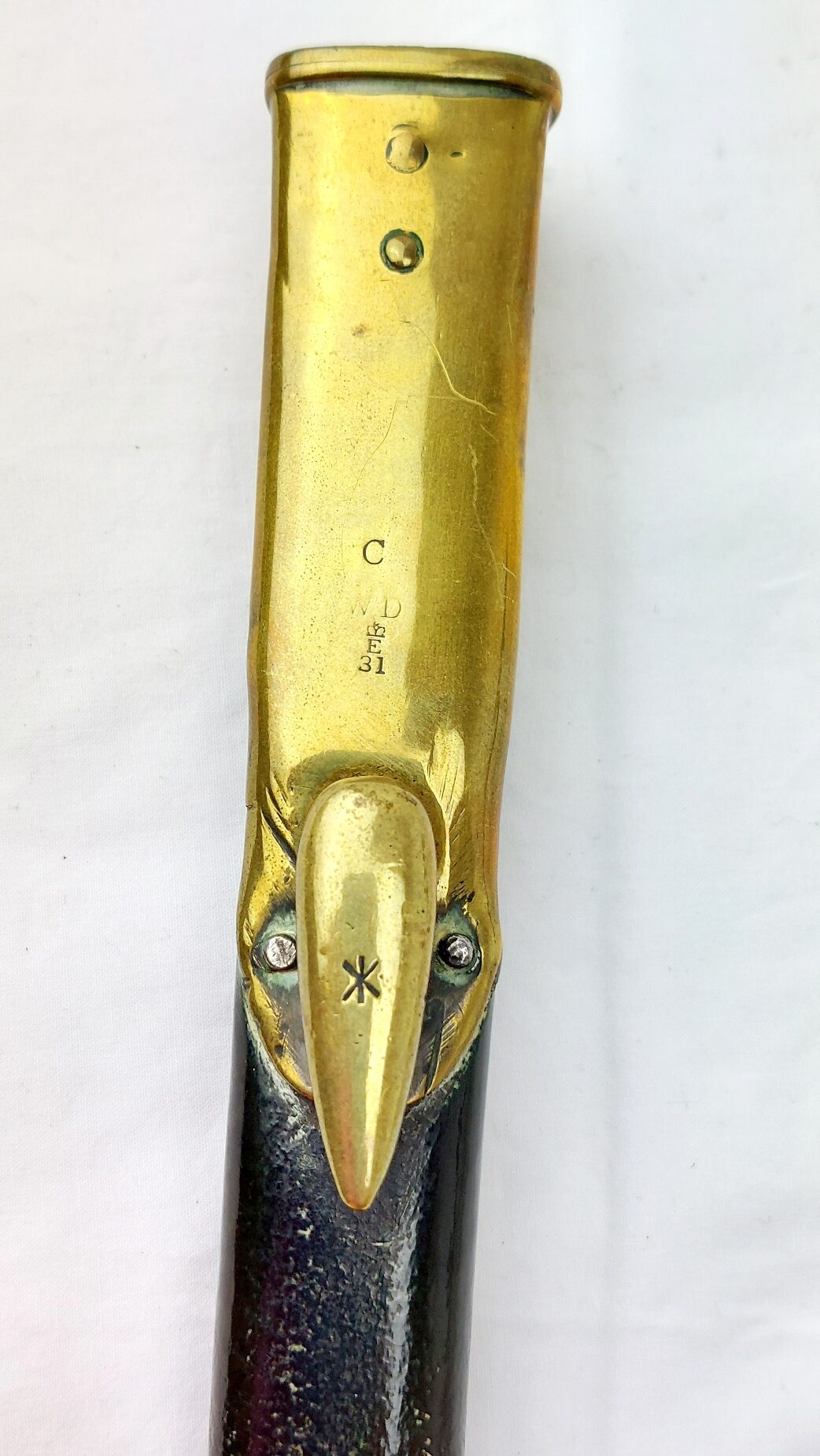
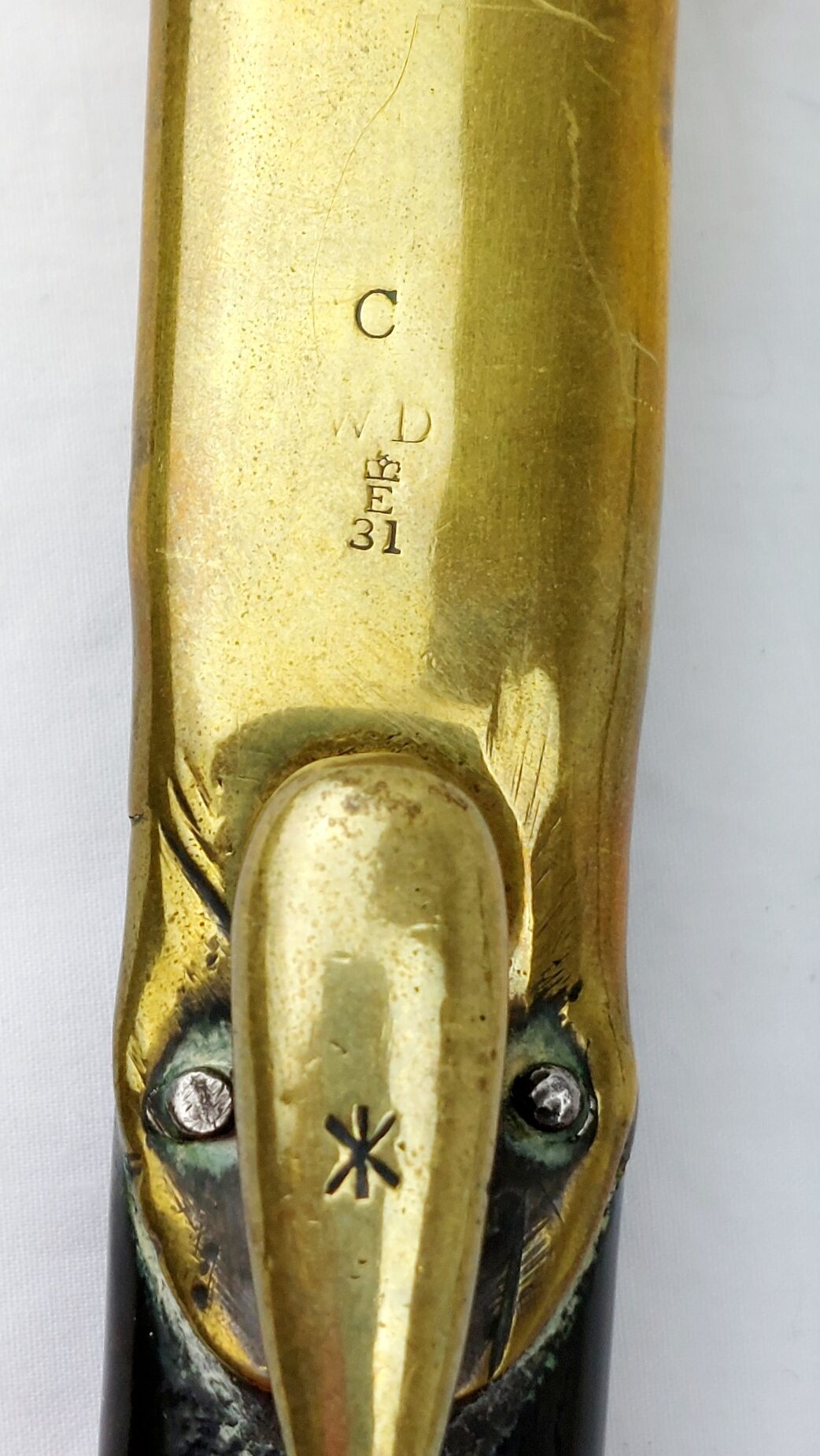
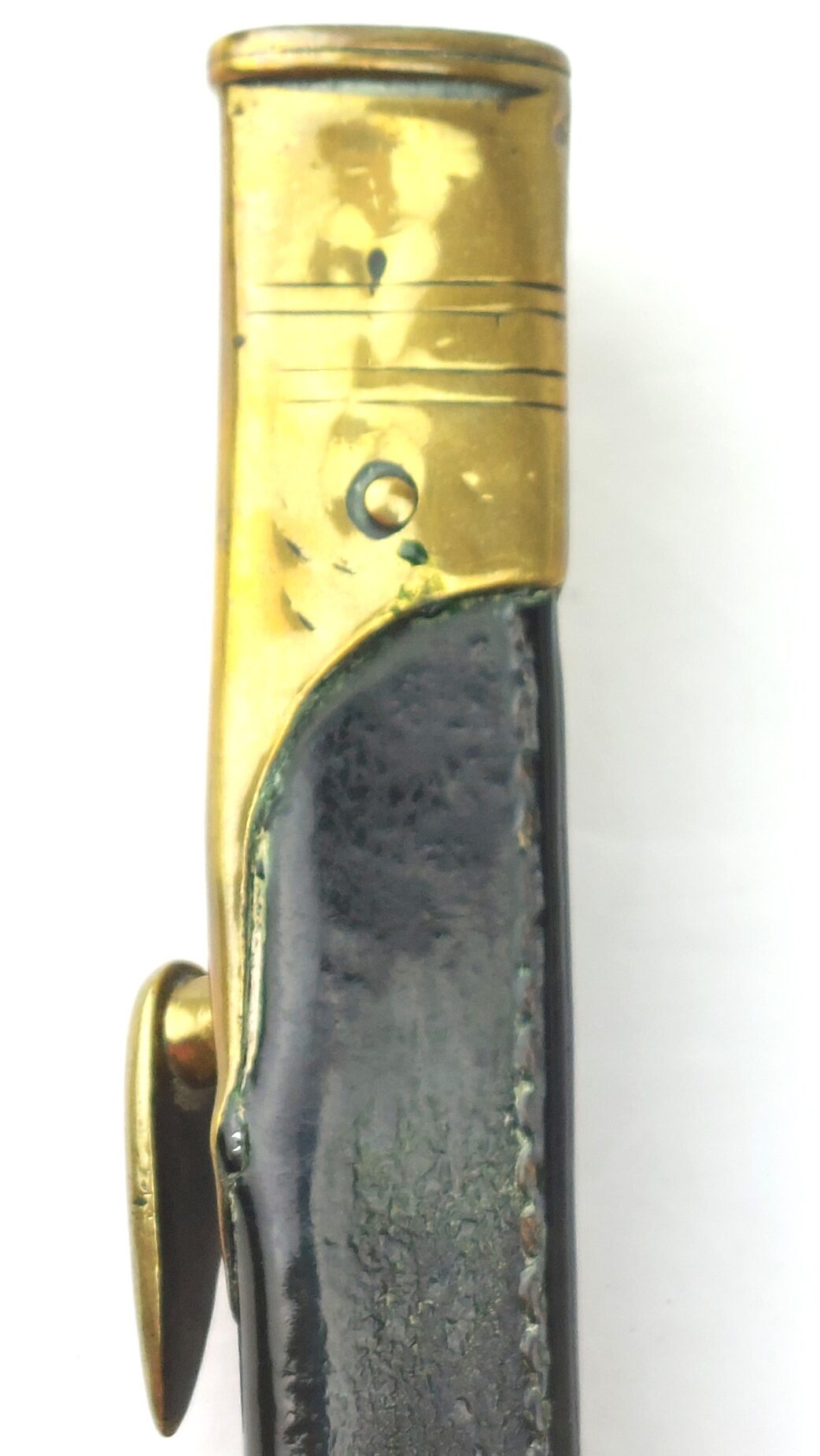
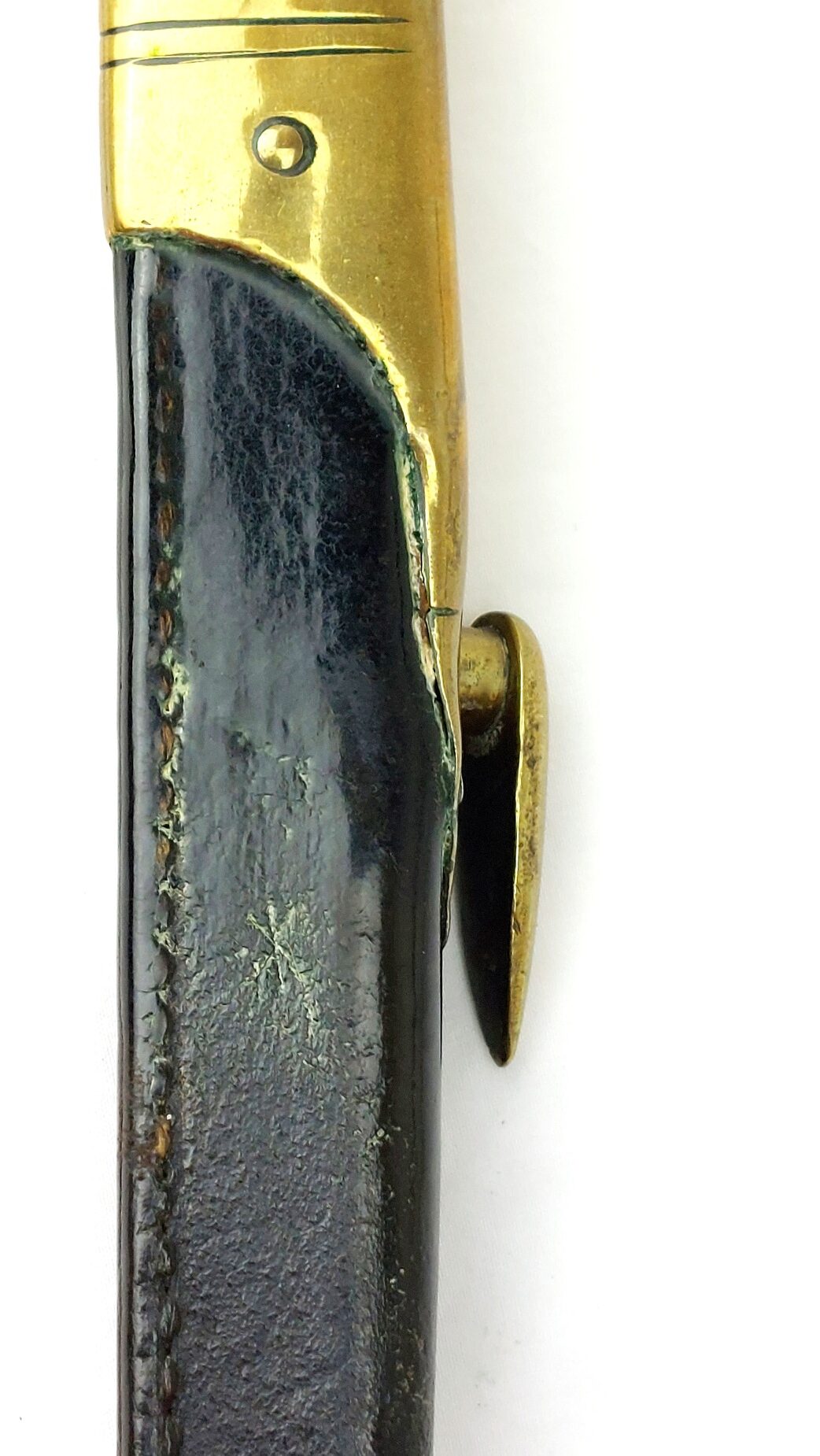
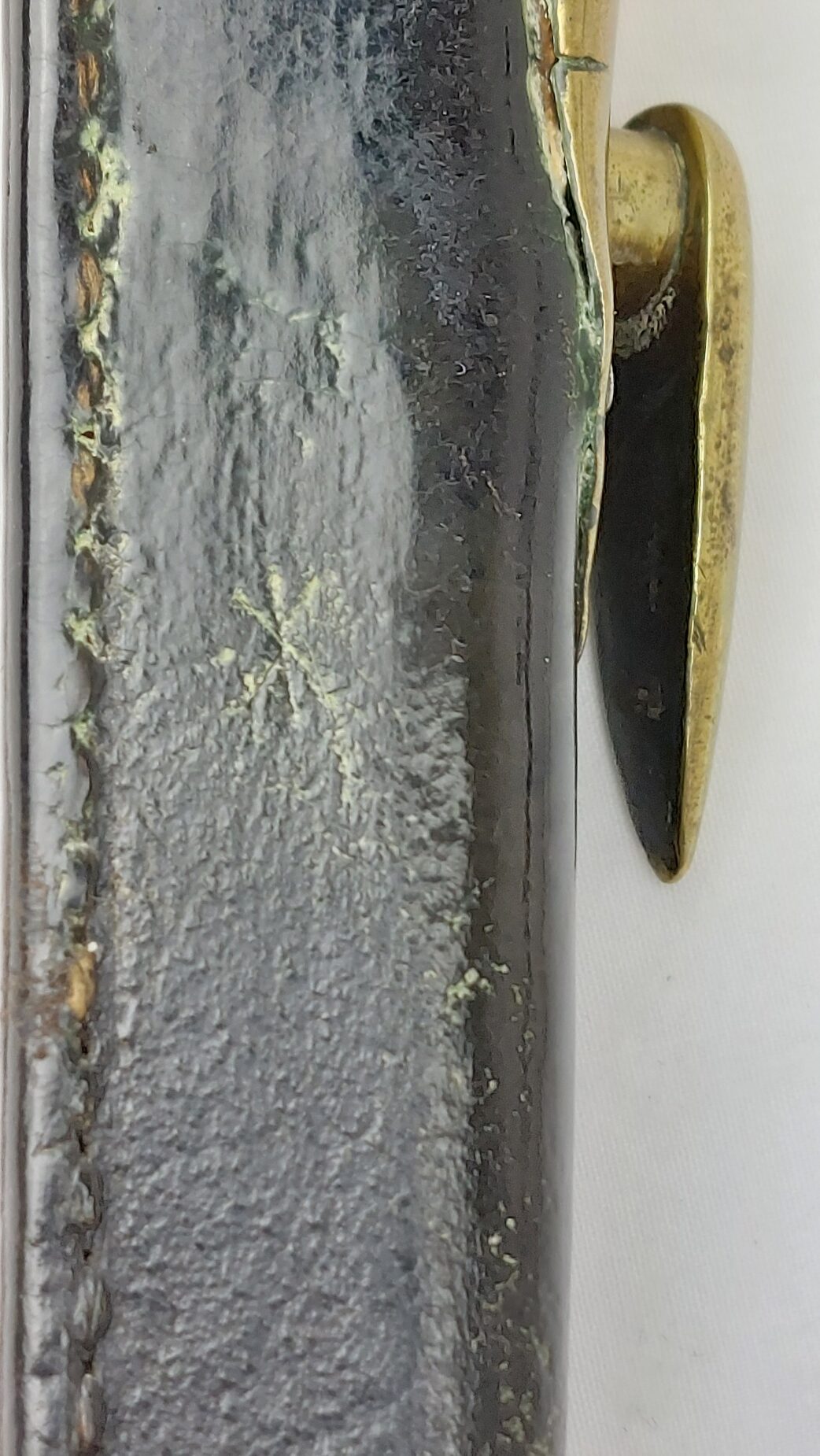
The Pattern 1876 Bayonet was the final evolution of the socket bayonet used by the British Army, seeing iconic service during the Anglo-Zulu War and various Victorian colonial campaigns. As the British transitioned to sword-bayonets for the later Mark IV and Lee-Metford rifles, large quantities of P1876 bayonets were transferred to the Indian and Nepalese Arsenals to support the Martini-Henry rifles already in service there. This particular bayonet reflects that global journey, bearing both the formal Enfield production stamps and subsequent Nepalese inventory markings. The presence of the "Sold out of Service" inverted war arrows on the scabbard and leatherwork confirms its official retirement from British stores before being transferred to the Royal Nepalese Army.
*Condition*
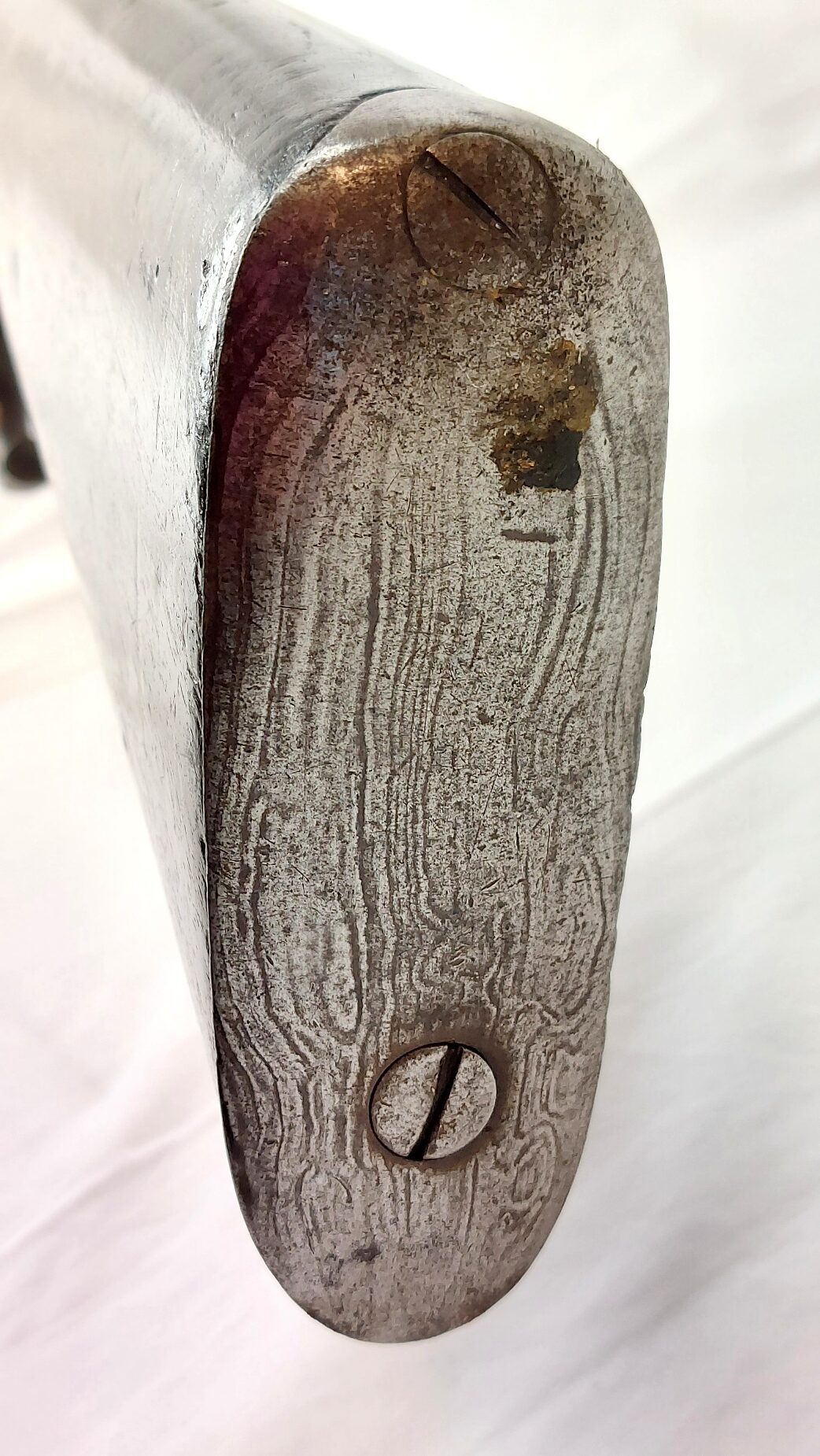
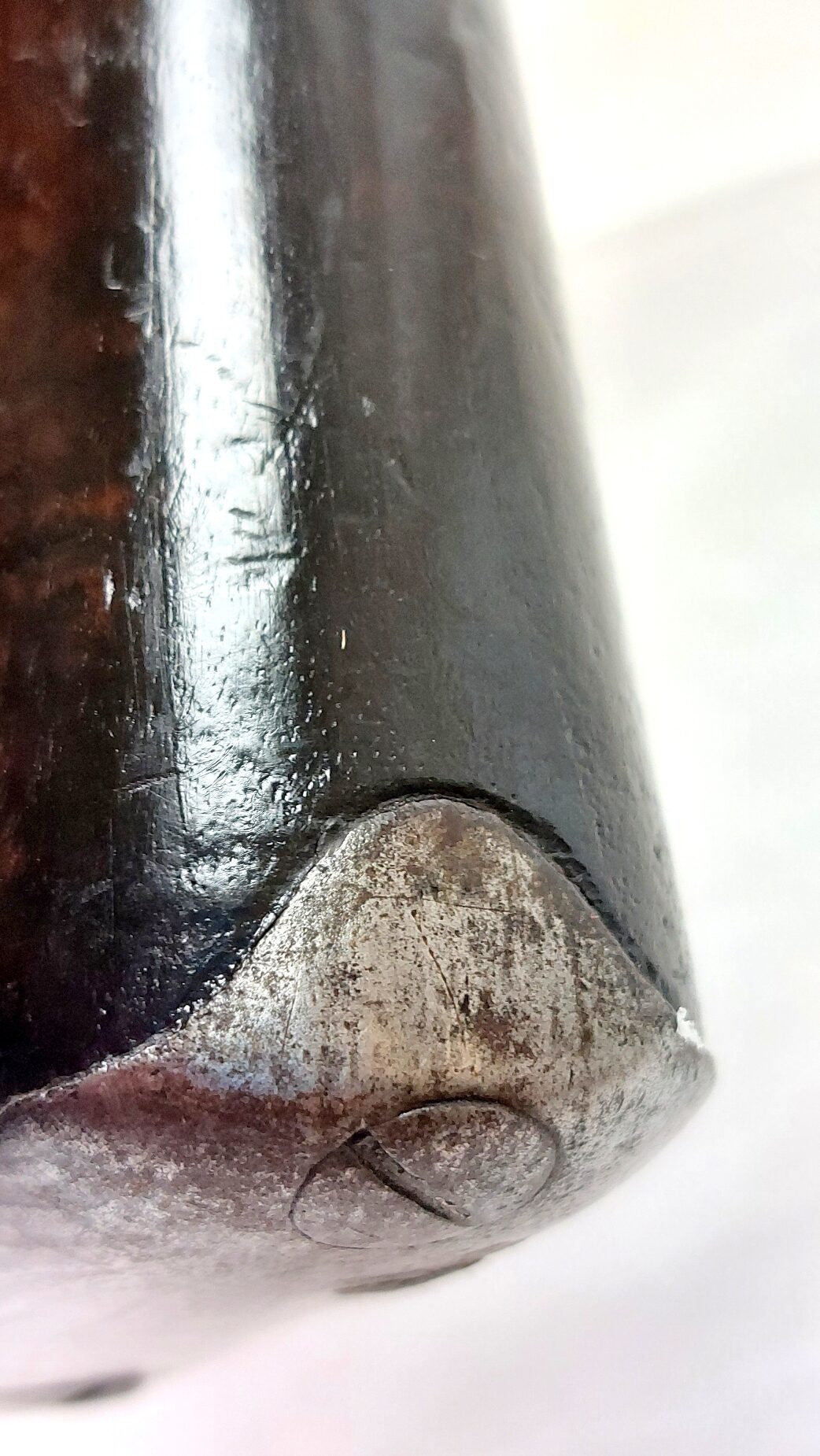
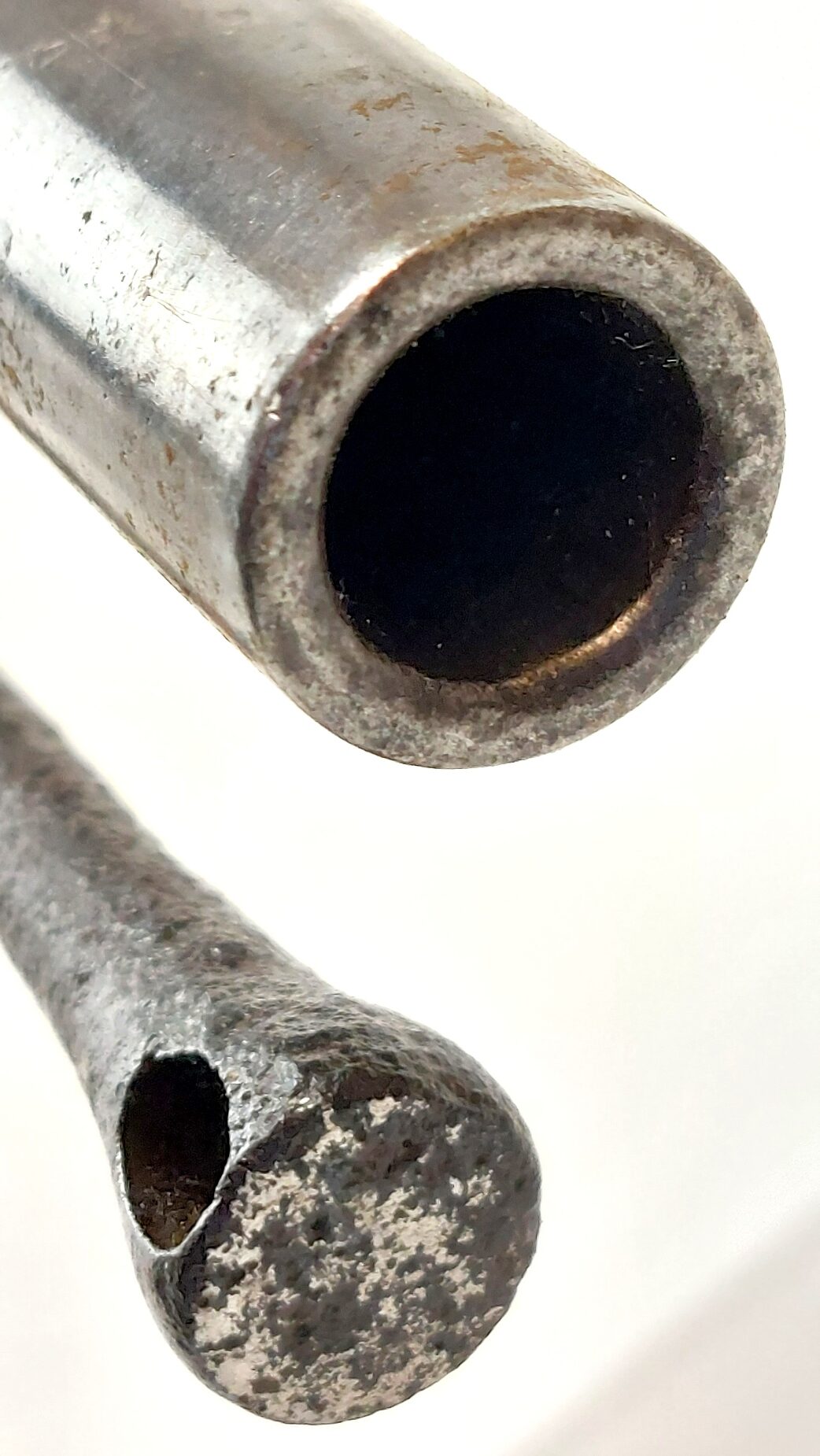
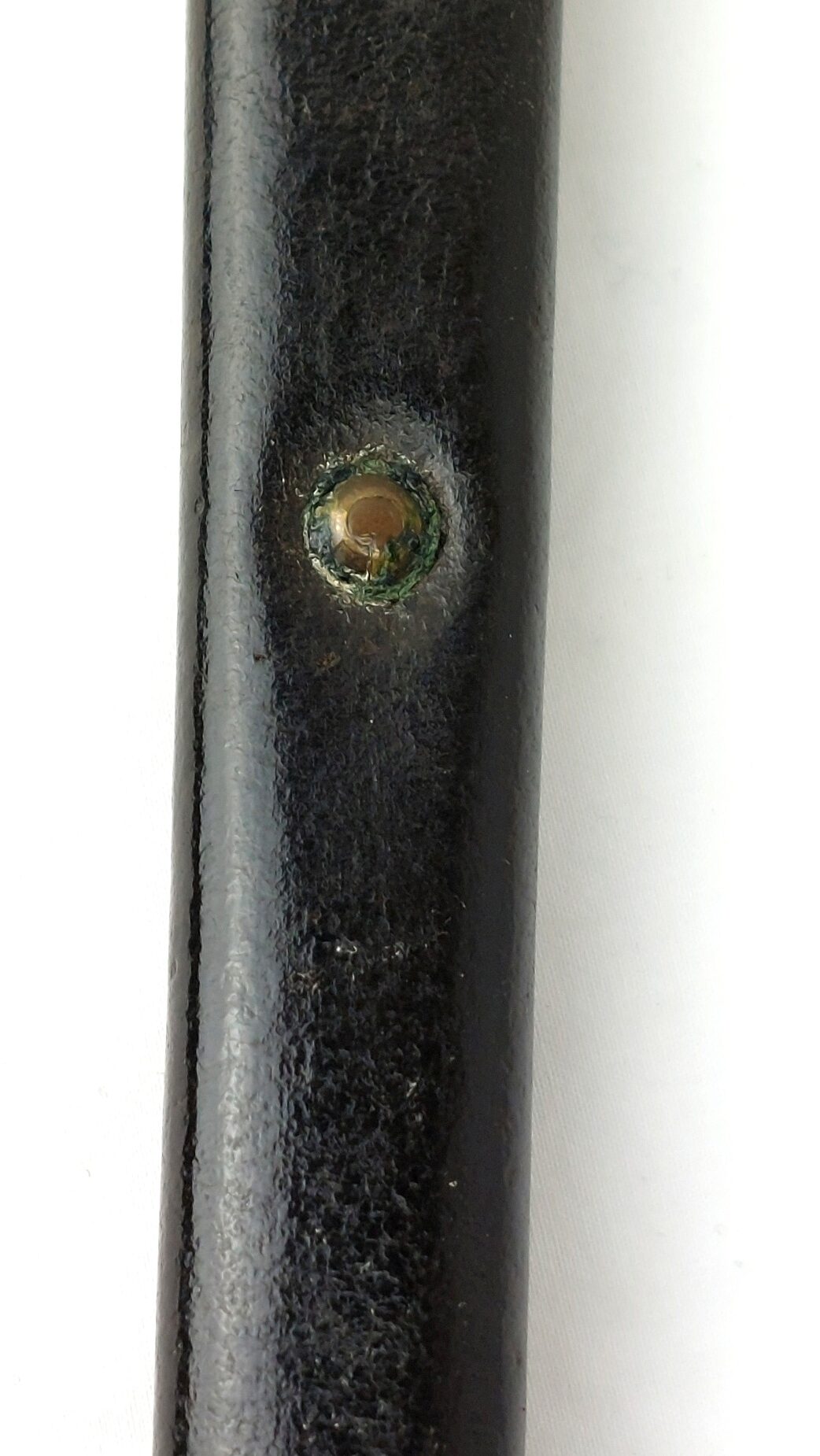
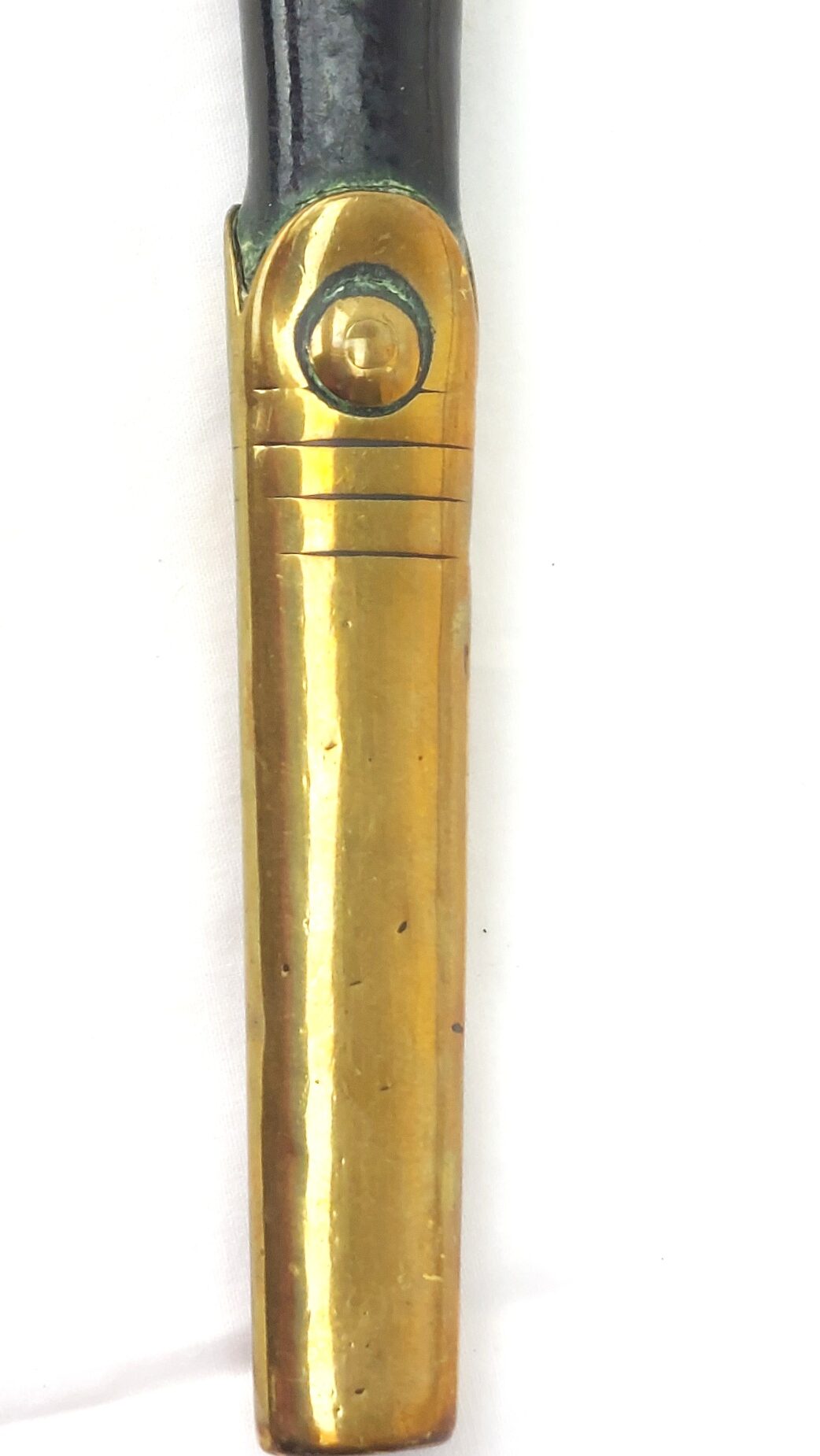
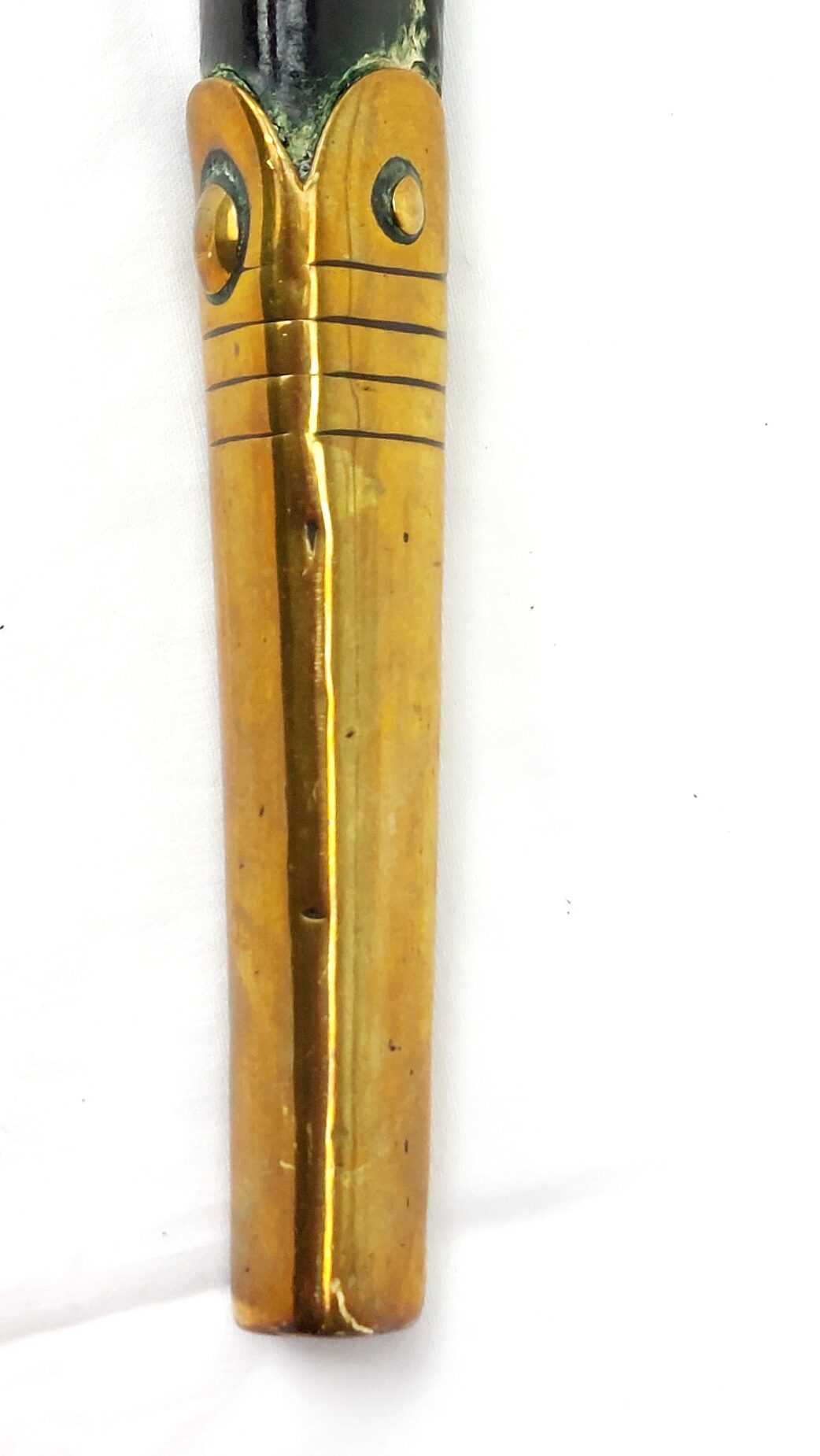
The rifle is presented in excellent condition, particularly the bore which retains sharp, bright rifling. The metalwork exhibits a consistent, deep patina with exceptionally clear stampings on the lock and barrel. The walnut stock is structurally sound and carries a rich, dark hue that highlights the vertical columns of Devanagari unit data. The sights are well-preserved, marked N.S / N.E.P on the left and serialed 4173 with a broad arrow and Crown/E/65 on top. The bayonet is equally impressive, with the socket marked in Nepalese style script TV 231 and the blade featuring clear R / Broad arrow / WD / Crown / E / 46 stamps. The leather scabbard remains intact, showing the C over Broad arrow / WD / Crown / E / 31 mark and the "Sold out of Service" stamp on the frog, while the leather itself bears further inverted war arrows. This rifle is classified under Section 58(2) of the Firearms Act as an antique and obsolete calibre, allowing for legal ownership as a curiosity or ornament without a license. Please see photographs as part of the condition report.
RQMABOOXAGOO_8234240986